The difference between a cookout that feels relaxed and one that feels like a shift on a hot line is almost never the food. It is the plan behind the food. A good cookout is a small logistics exercise disguised as a party: you are cooking over live fire, at a distance from your kitchen, while people you like keep interrupting to ask where the ice is. When the plan is sound, none of that rattles you. When there is no plan, every one of those small interruptions lands on the cook at once, usually right when the chicken needs turning.
Start from the serving time, not the shopping list
Most people plan a cookout forward, from the store toward the plate, and that is exactly backward. Pick the moment you want people eating, then walk the clock in reverse. If you want burgers hitting plates at one o’clock, and burgers take roughly fifteen minutes across the grate, and you want a short rest and a batch or two, then your fire needs to be settled and ready by about half past twelve, which means lighting charcoal around noon, which means the grate cleaned and the station set by eleven forty-five. Suddenly the morning has a shape. Working backward like this exposes the real constraint early, while you can still fix it, instead of at the moment guests are standing around a cold grill.
The single most common mistake in cookout planning is choosing a menu by appetite rather than by timing. Five different proteins that all want the grate at once, each with its own doneness target and its own fussiness, is a recipe for a stressed host and food that finishes in the wrong order. Choose one main that owns the fire and one or two supporting items that can share the cooler zone or wait comfortably. A large cut cooked low and slow is actually easier to host around than a pile of quick-cooking items, because it does its own thing for hours and frees you to greet people.
Build in more buffer than feels reasonable
Live fire does not respect your schedule. Charcoal takes longer to settle on a cold, windy day. A thick pork shoulder can stall for an hour with no warning while the collagen renders. Guests arrive late, or all at once, or hungry. The fix is to treat holding as a feature rather than a failure. Food that is finished early and rested well, wrapped and kept warm, is far more forgiving than food you are still rushing to cook while everyone watches. Aim to be done early on purpose, then coast. If you plan for the food to be ready exactly at serving time, you have planned for stress.
Zones on the table, not just on the grill
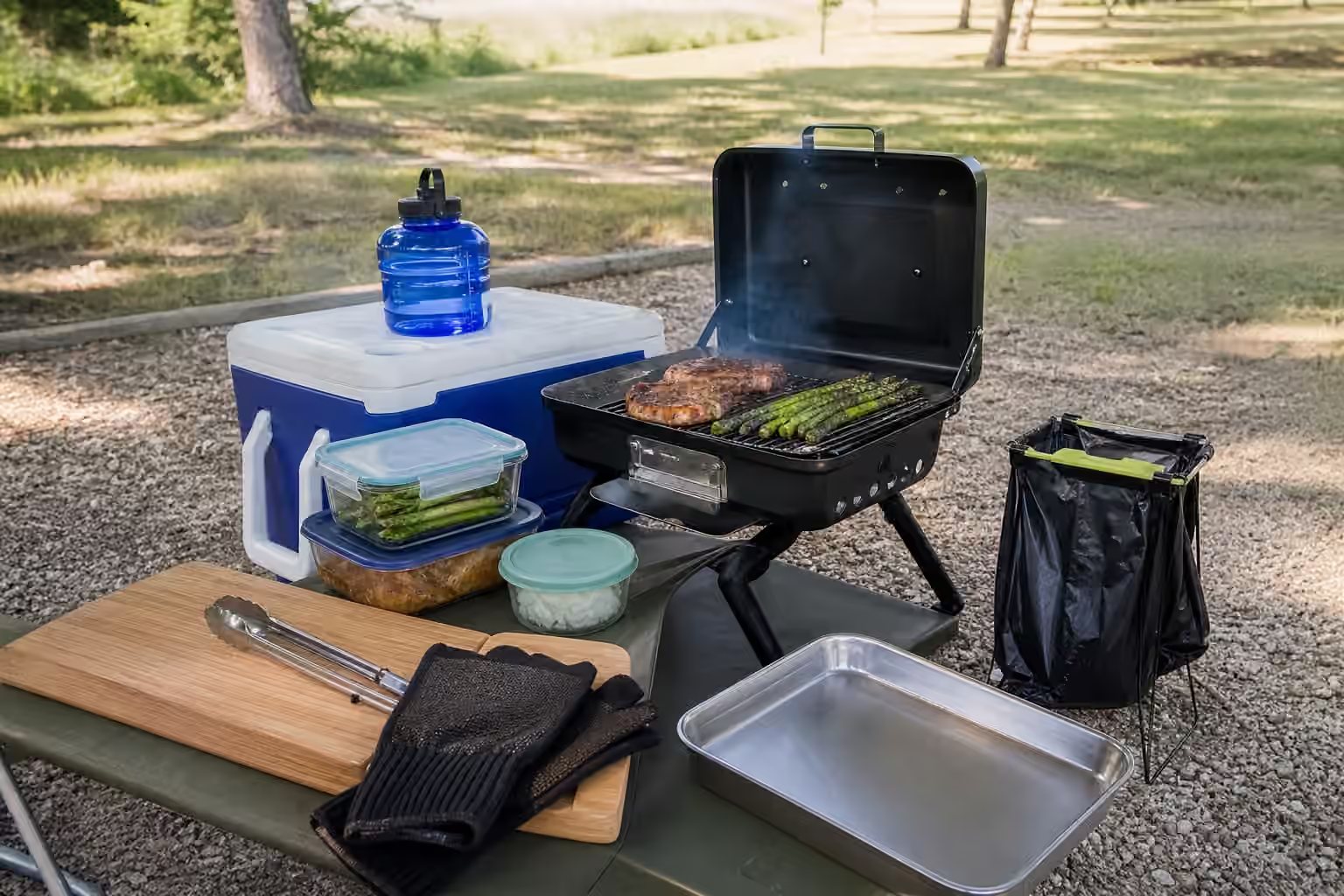
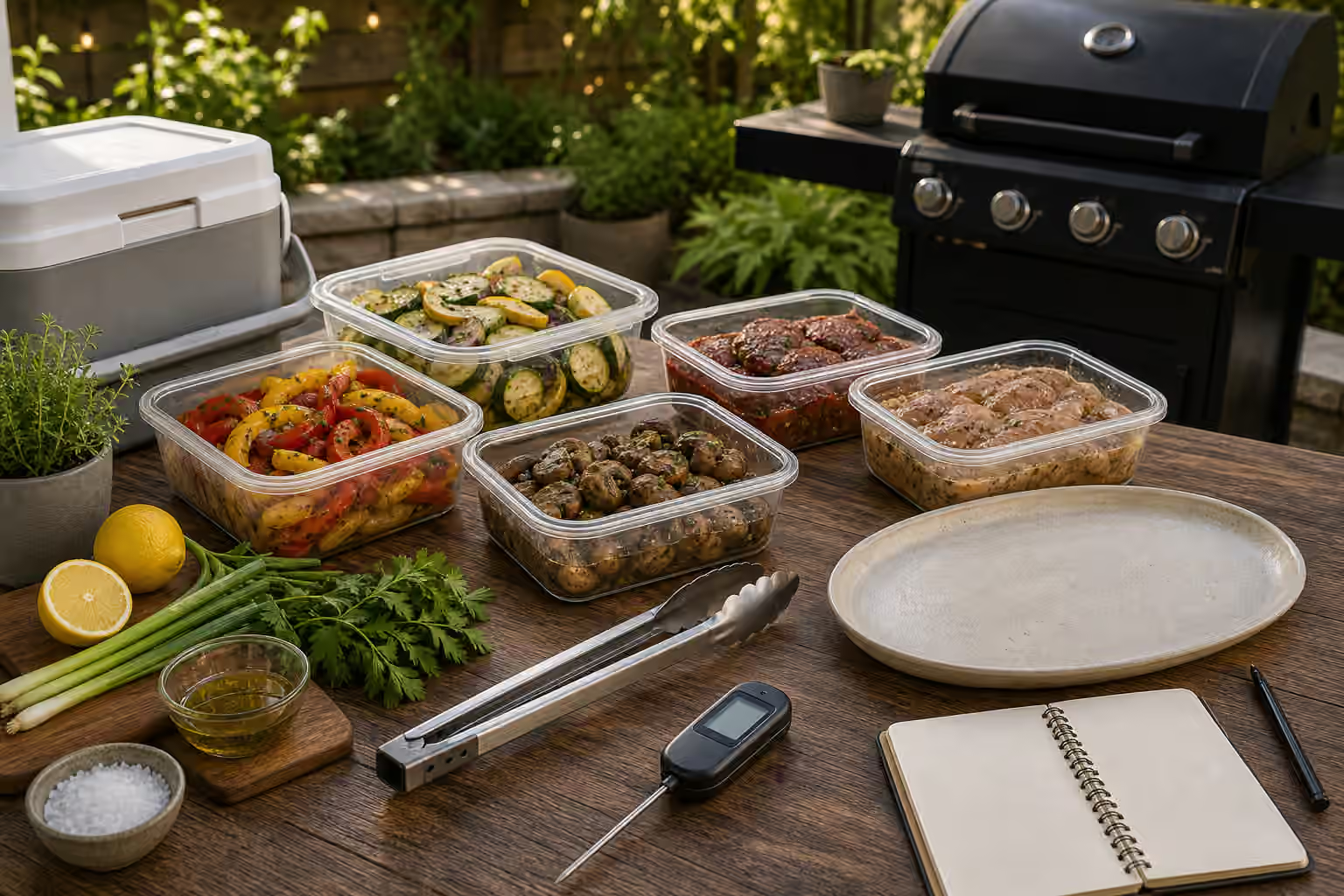
The two-zone thinking that governs the grate should govern your serving area too. Keep a clear separation between where raw food is prepped and where cooked food and drinks live. This is not fussiness; it is the practical heart of cookout food safety. A guest reaching for a drink should never cross paths with the tray that held raw chicken. Give raw prep its own corner, its own cutting board, and its own tongs, and set up the eating side well away from it. When the two zones are physically distinct, cross-contamination stops being something you have to remember and becomes something the layout prevents.
Drinks deserve their own station entirely, ideally away from the grill so thirsty people are not hovering over the cook. A cooler of ice, plenty of nonalcoholic options, and cups set out early means you are not fielding requests mid-flip. Sides that hold well without attention, sturdy salads, slaws, dressed grains, anything that improves as it sits, do the quiet work of feeding people while your focus stays on the fire.
Ask about dietary needs before the fire is lit
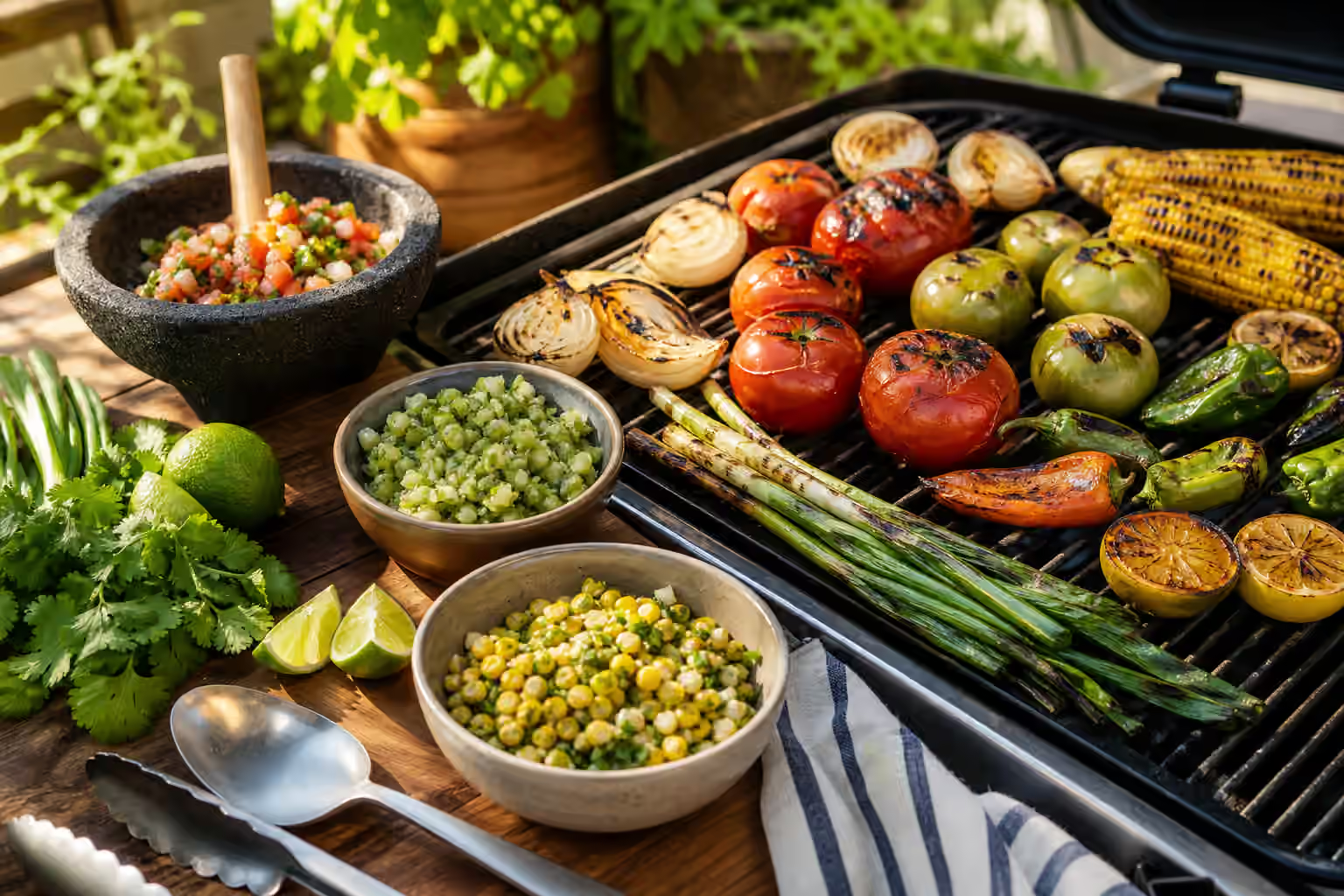
The time to learn that someone at your table is vegetarian, or avoids gluten, or cannot have dairy, is not when they are looking at a grate covered in sausages. Ask plainly when you invite people. Then handle it with the grill itself: cook plant-forward items first, on a clean grate, before any meat has touched it, and move them to their own platter. This sequencing solves both the dietary courtesy and the cross-contact problem in one move. Label sauces and sides whose ingredients are not obvious, so a guest with an allergy is not interrogating you over the potato salad.
Weather is a variable you plan around, not against
Wind steals heat and pushes your fire hot or cold in ways that surprise beginners. Sun exhausts guests and warms perishables faster than anyone expects. Have a shaded spot for people and, more importantly, a shaded and cold spot for food. On a hot day the outdoor danger zone is real: perishable food left sitting in the warmth is on a clock, and the hotter it is, the shorter that clock runs. Keep cold food genuinely cold in coolers until it is time to cook, and move cooked food you are not serving toward refrigeration rather than leaving it on the table because the conversation is good. If rain is a possibility, know now where you would move the cooking and the eating.
Plan the ending before the beginning
The most neglected part of any cookout is the part that happens when everyone is full and tired. Set out leftover containers early, while you still have the energy to think, and pack perishables away promptly rather than letting them ride out the afternoon on a warm table. Keep trash and recycling visible so the cleanup does not all fall to you at dusk. Scrape the grate while it is still warm and manageable, then deal with grease and ash only once everything has cooled safely. A cookout that ends well is one you planned to end well, from the containers to the ash bucket, before the first guest ever arrived.
Habits that make the next one easier
Use a thermometer for the final word on every piece of meat, poultry, and seafood, and for reheating anything you serve later. Keep raw and cooked separate as a layout, not a memory. And after the day is over, jot down what actually happened: how long the fire really took, how much fuel you burned, which sides ran out, what you wished you had prepped the night before. Those notes turn your next cookout from a fresh scramble into a confident repeat. FoodSafety.gov’s safe minimum internal temperatures and its clean, separate, cook, chill guidance are worth keeping bookmarked, and USDA FSIS maintains a dedicated grilling food safely resource that covers holding, leftovers, and reheating in exactly the situations a cookout creates.
When you are ready to go deeper, build a beginner grill station so your setup supports the plan, read up on resting, holding, and serving to master the coast-to-the-finish approach, and keep the outdoor cooking weather guide handy for the days the forecast fights you. A cookout is hospitality plus fire, and both reward the person who thought it through in advance.