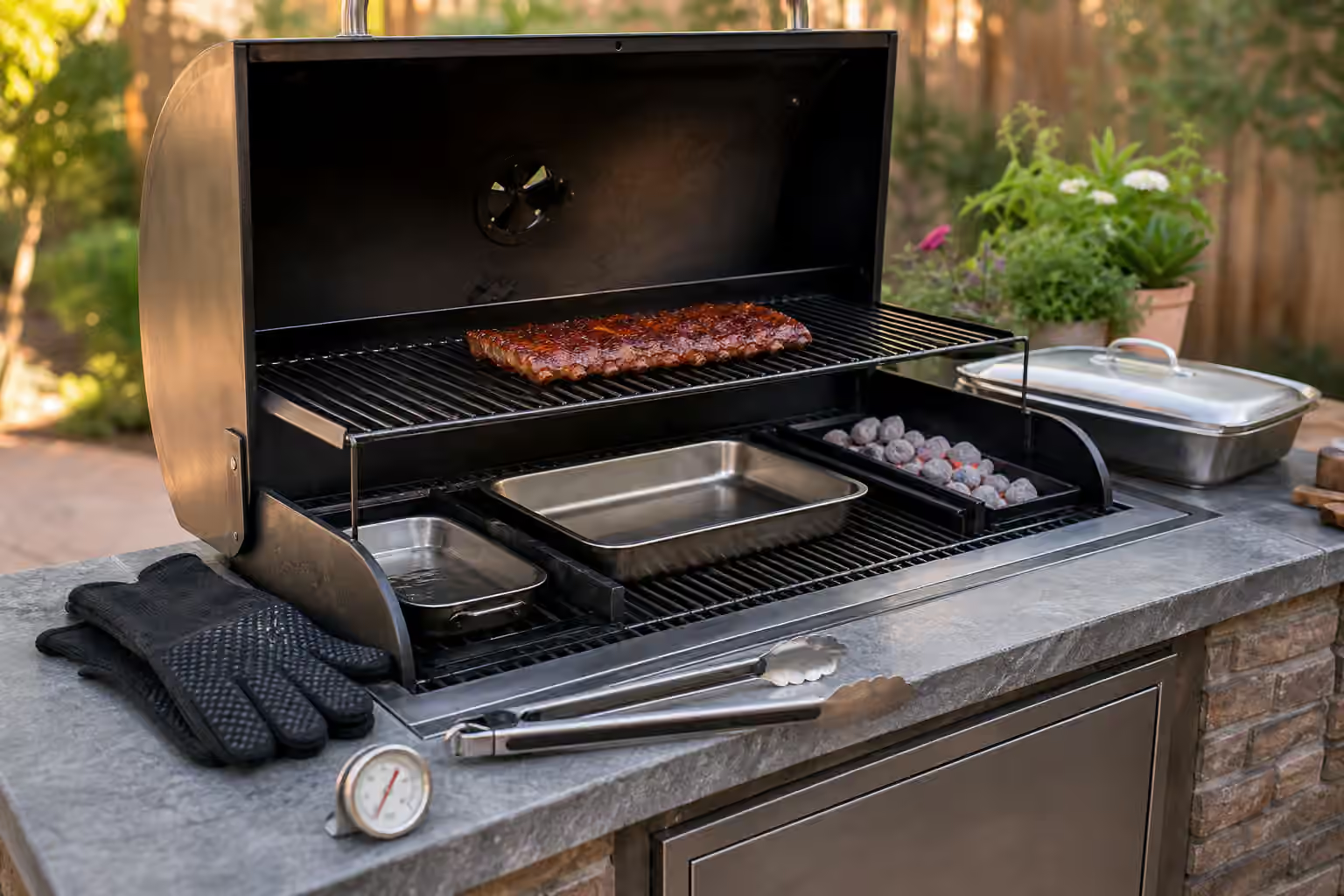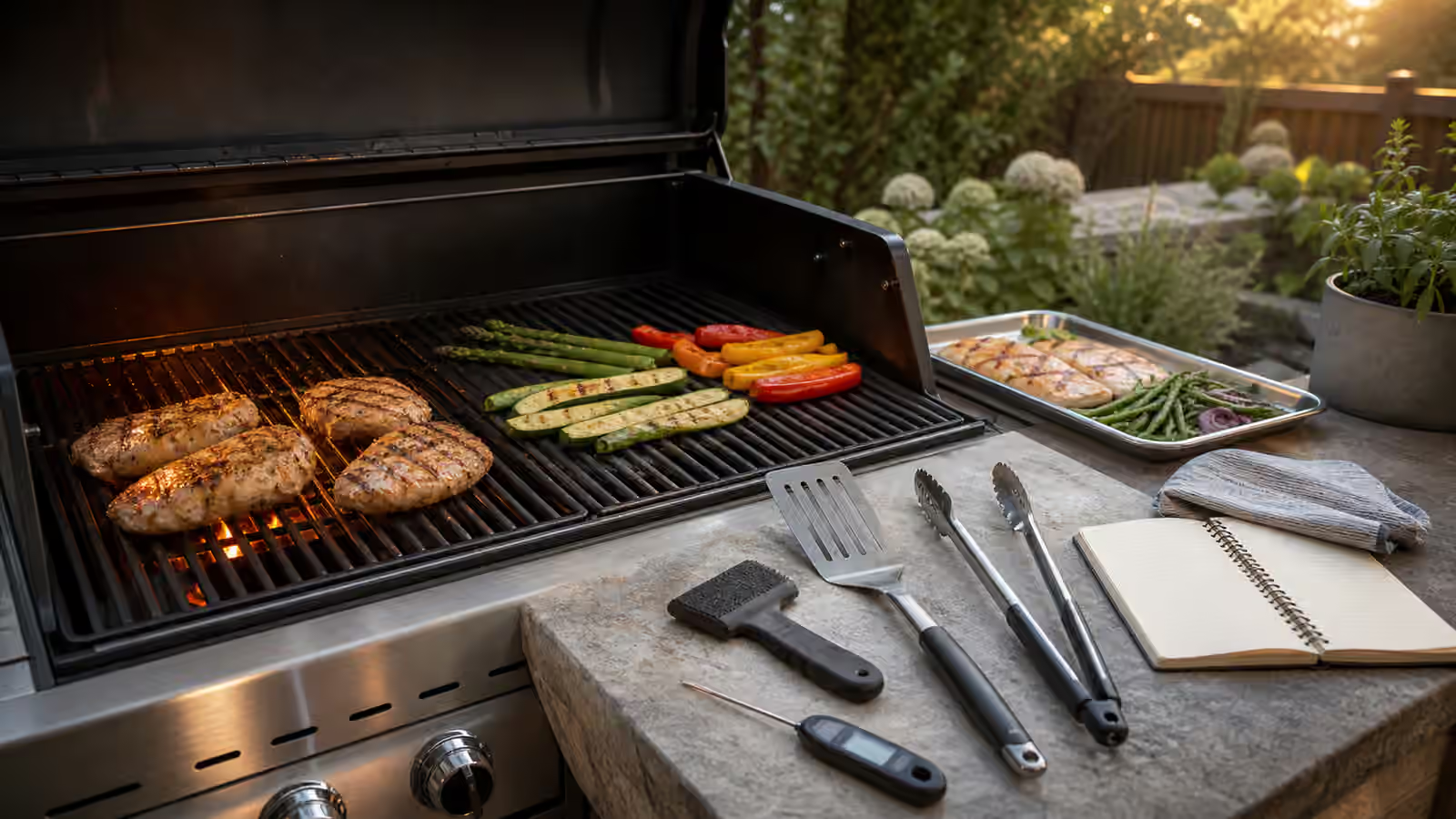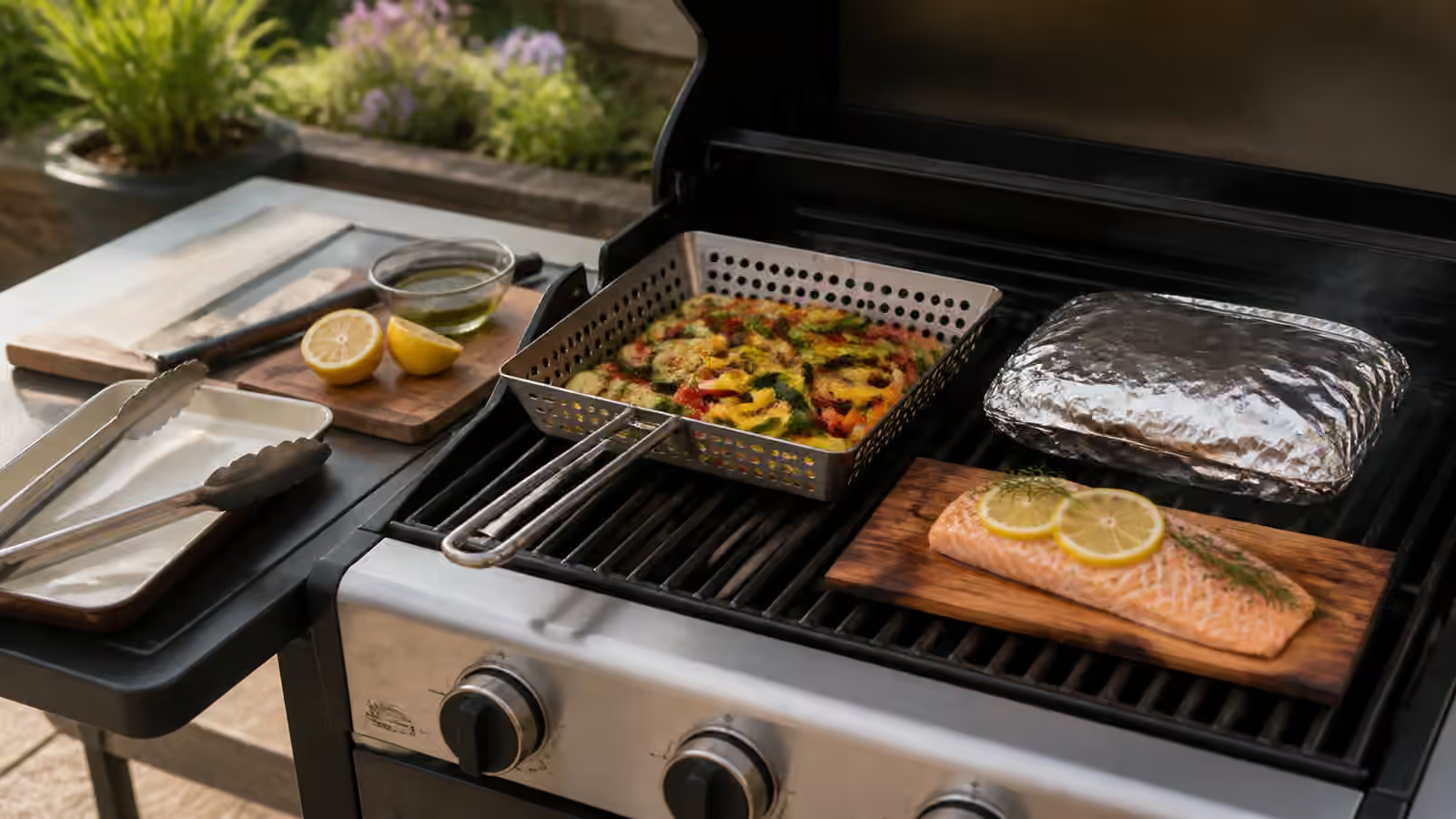
An oven does not care what the sky is doing. A grill cares enormously. Outdoor cooking is exposed cooking, and the weather is not a backdrop to your cook so much as a second cook standing next to you, quietly adding fuel, stealing heat, chilling your steel, or warming your potato salad while your back is turned. The recipe that behaved perfectly on a still seventy-two-degree afternoon will feel like a different recipe on a gusty winter evening or under a punishing July sun. Learning to read the day and adjust for it is what separates a relaxed cookout from a frantic one, and none of the adjustments are complicated once you know what the weather is actually doing to the fire and the food.
Wind is the loud one
Of all the weather variables, wind changes the fire most dramatically and most immediately. On a charcoal grill, a stiff breeze pours oxygen through the vents and can push coals far hotter than you intended, burning fuel down fast and creating fierce hot spots on the windward side while the leeward side lags. On a gas grill, wind can lean the flame, cool one burner, and make the whole cook uneven. It can also lift ash and carry sparks, which is a genuine fire-safety concern rather than a nuisance.
The tempting fix is exactly the wrong one. Do not drag the grill into a garage, an enclosed porch, or any covered space to escape the wind; those spaces trap heat and carbon monoxide and turn a windy annoyance into a real hazard. Position the cooker only where the manufacturer and local rules allow, use legal wind protection that blocks the gust without choking ventilation, and simply turn food more deliberately, moving it to the cooler zone described in the two-zone grilling guide when one side is racing ahead of the other. Wind rewards attention, not enclosure.
Cold steals the heat you thought you had
Cold weather does not stop you from grilling; it just changes the math. Cold air and cold metal pull heat out of the cooker, so preheating takes noticeably longer and holding a low-and-slow temperature burns more fuel than the same cook would in summer. A kettle that reaches searing heat in fifteen minutes in July may need considerably longer in January, and a smoker will drink through charcoal or pellets to fight the ambient chill.
The practical response is patience and a full fuel budget. Give the grill extra preheat time and confirm it is genuinely at temperature before food goes on, rather than trusting the clock. Open the lid as little as possible, since every peek dumps hard-won heat into the cold air, and lean even harder on the thermometer, because cold weather makes clock-based timing unreliable. The fundamentals of feeding a fire in tough conditions live in the fire, airflow, and fuel guide, and they matter most when the weather is working against you.
Rain, heat, and sun each ask for something
Rain is mostly about safety and footing. Wet decks and patios get slippery, wet tools and gloves get treacherous around fire, and electrical gear such as lights must stay dry and rated for outdoor use. The answer is not to flee indoors or under an unventilated cover, but to keep your tools and hands dry, mind your footing, and slow down. Cold rain also cools the cooker’s exterior, so expect the same longer preheats that cold weather brings.
Heat and sun flip the danger from the fire to the food. On a hot day the food-safety clock speeds up, because the warm air outside is already inside the danger zone that perishables should not linger in. Keep coolers in the shade, put out smaller platters and refill them rather than letting a big tray of chicken bake on the table, and move leftovers toward the refrigerator promptly. Direct sun is sneaky in its own right, gently warming sauces, mayonnaise-based salads, and raw prep that you assumed were fine. Hot-weather serving is really a hospitality problem as much as a cooking one, which is why it connects so closely to the cookout planning guide.
Cooking after dark
Night cooking fails for a boring reason: people cannot see. A phone flashlight is a poor primary light source the moment your hands are greasy or gloved, and squinting at the grate is how food gets overcooked or pulled underdone. Set real lighting before you start, illuminating the grate, the thermometer, the prep table, and the path people walk. Keep any cords safe and weather-appropriate, and make sure guests can clearly see steps, edges, and hot zones so nobody backs into a live cooker in the dark. A little lighting planning turns an evening cook from a strain into a pleasure.
Let the weather shape the whole plan
The most useful habit is to check the forecast before you decide the menu, not after. A windy, cold evening is a poor night for a delicate quick-searing cook that demands precise heat, and a fine night for a forgiving low-and-slow project you can babysit with a probe. A blazing hot afternoon argues for fewer perishable platters sitting out and a tighter chilling plan. Once you have adjusted fuel and timing for the day, set up your lighting, shade, or wind protection before the food goes on, and keep perishables and leftovers protected throughout. Weather planning is not fussiness; it is the difference between a cookout that stays easy and one that turns into a scramble.
Through all of it, the food-safety rules hold steady regardless of the sky. Use thermometer-based doneness for meat, poultry, seafood, leftovers, and reheating, keep raw and cooked foods separate, wash hands and tools after raw contact, and move perishables toward chilling rather than leaving them in the outdoor danger zone while everyone talks. Visual cues can help with quality, but they do not replace official food-safety guidance.
For current official reference, keep FoodSafety.gov’s safe minimum internal temperatures and clean, separate, cook, chill guidance close by. USDA FSIS also maintains a grilling food safely resource that is especially relevant for outdoor cooking, smoking, holding, leftovers, and reheating.
Grilling year-round is one of the quiet joys of outdoor cooking, and the weather stops feeling like an obstacle once you treat it as information. Read the day, adjust the fuel, the timing, and the setup, and keep the food safe, and there is very little the sky can throw at you that a prepared cook cannot handle. When you are ready to plan the rest of the event around the forecast, the cookout-planning and beginner-grill-station guides are the natural next steps.