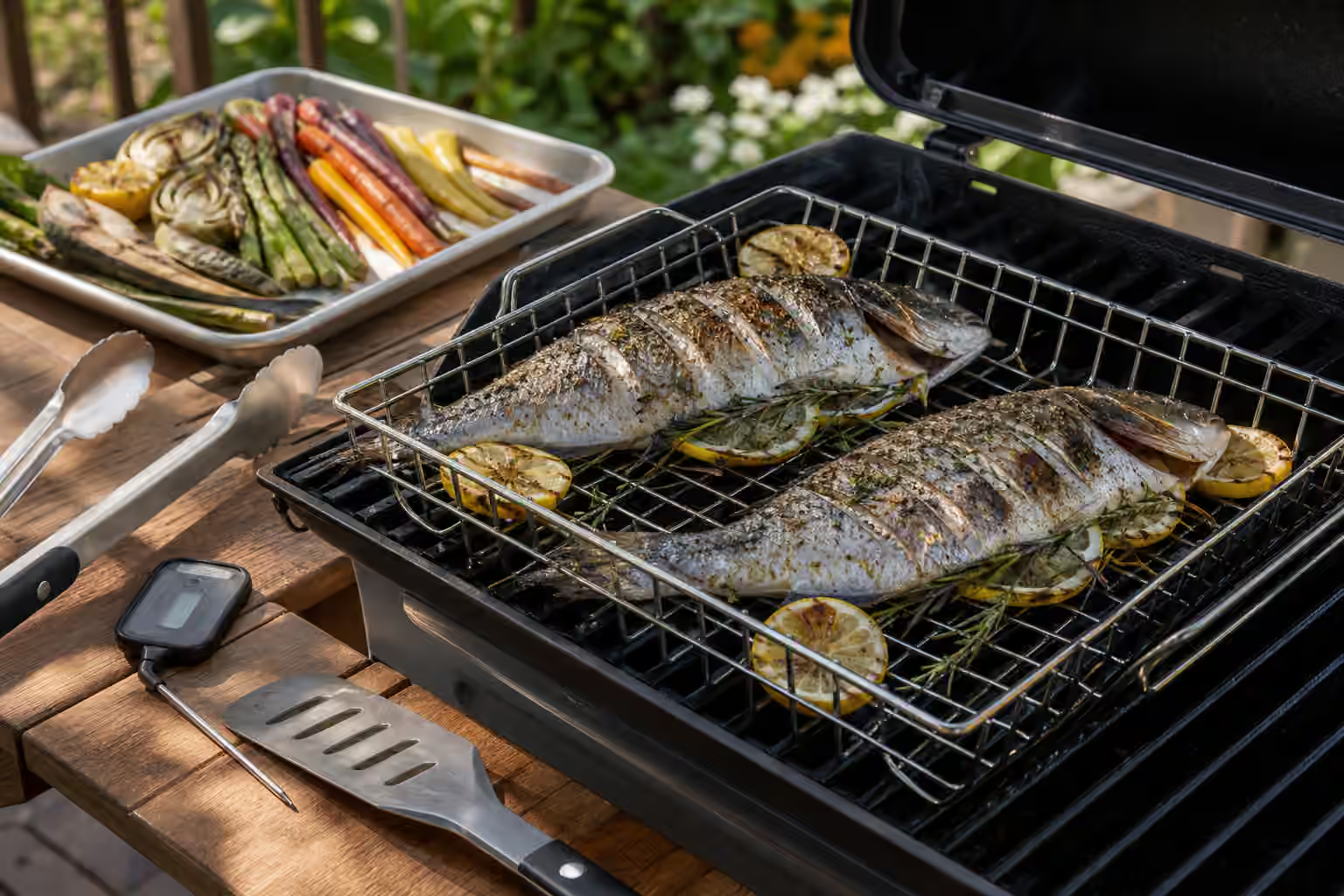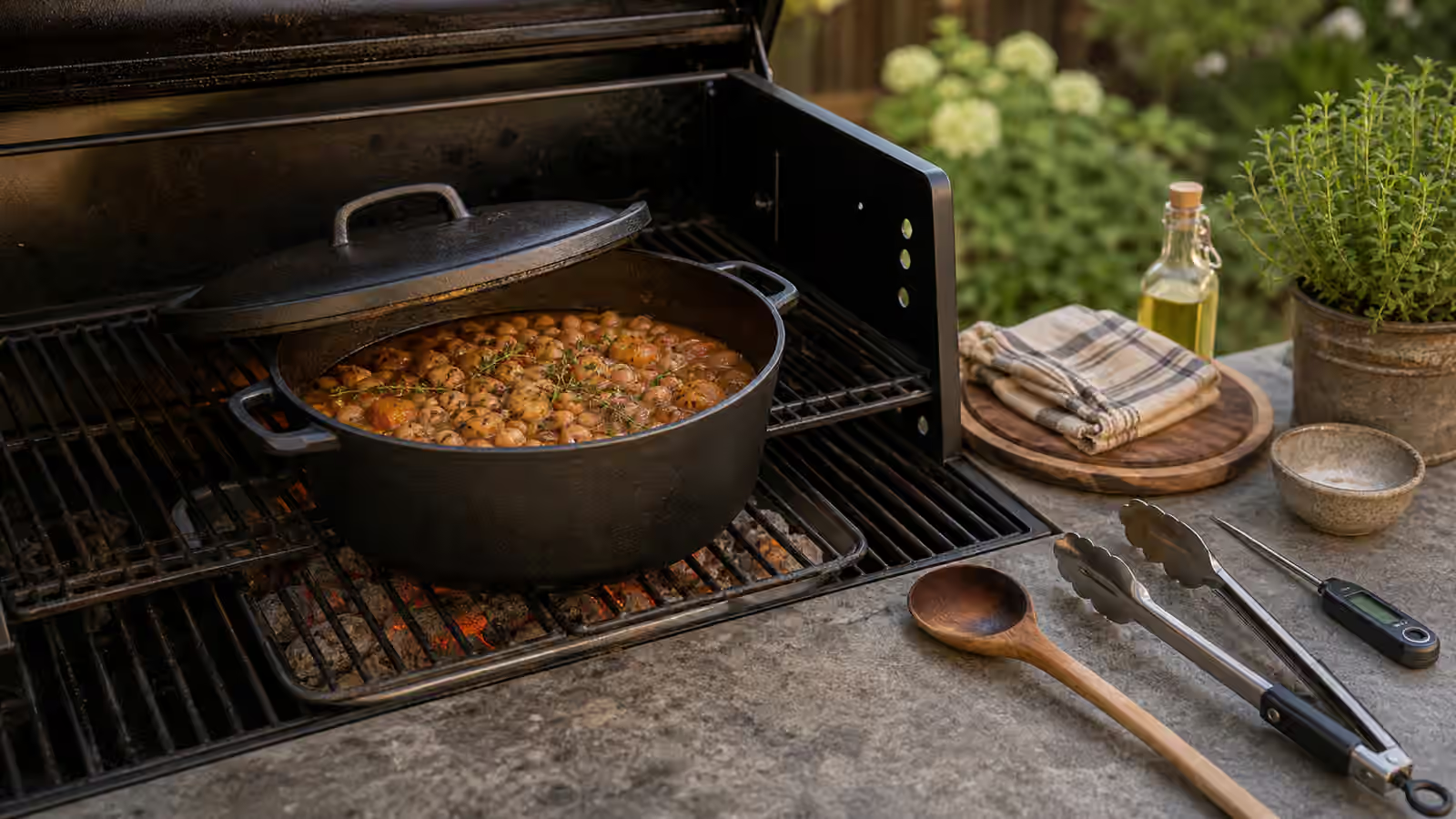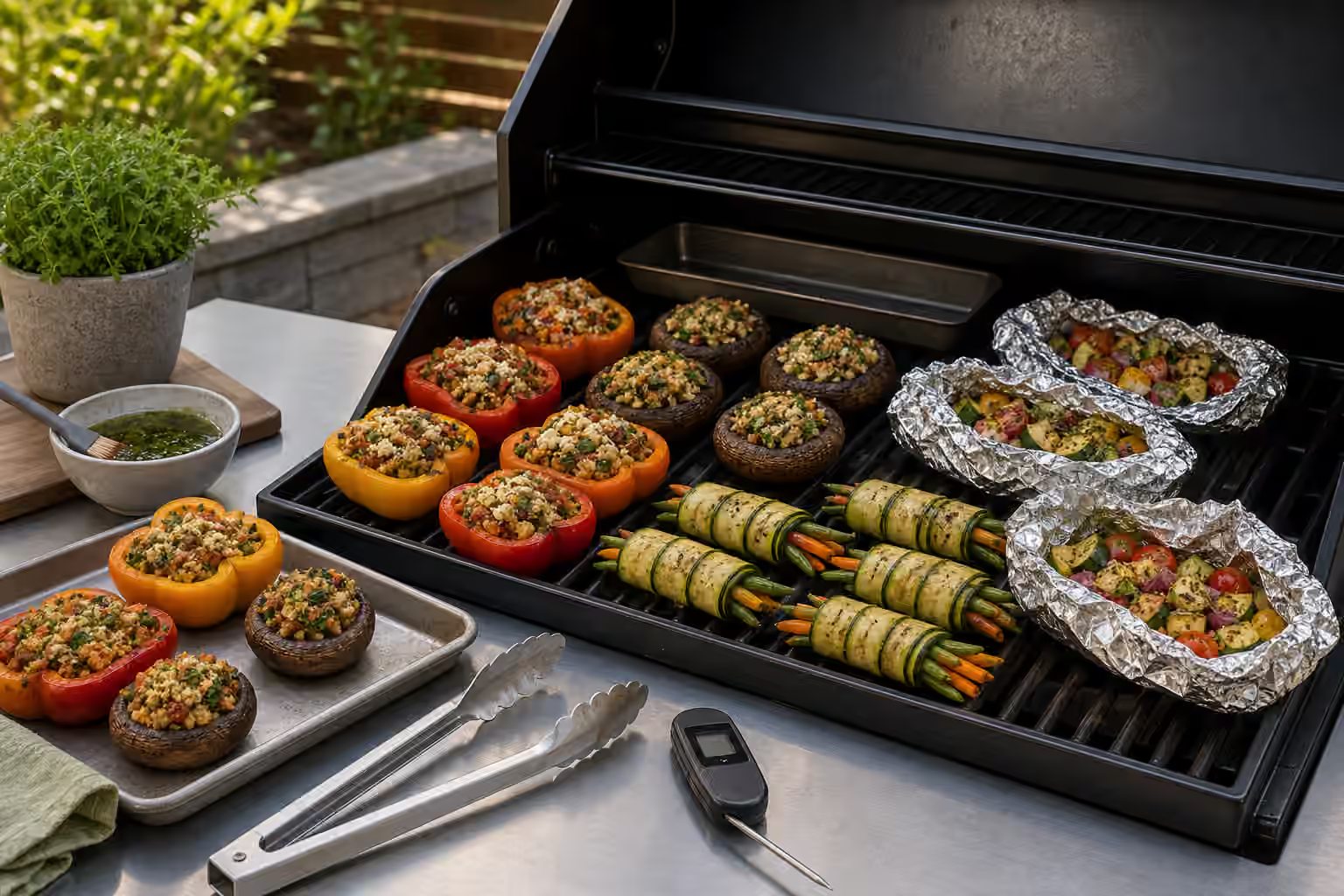

Most people think of a grill as a device for cooking meat over flames, and then never ask it to do anything else. That is a shame, because the moment you close the lid, a grill stops being a hot grate and becomes a genuine outdoor oven, capable of baking, roasting, melting, and crisping. Add a cast-iron skillet and it becomes an outdoor stovetop as well. This is where a cookout graduates from a plate of protein into a whole meal cooked outside: blistered pizza with a smoke-kissed crust, charred flatbreads folded around grilled vegetables, a bubbling skillet of beans, a wedge of cornbread with crisp edges. The techniques ask a little more attention than searing a burger, which is why this sits at the intermediate level, but the payoff is enormous.
The lid turns a grill into an oven
The single idea that unlocks all of this is that a closed lid traps and circulates heat. With the dome down, hot air surrounds the food from every direction while the grate or a stone delivers strong heat from below. That combination is exactly what bakes a pizza: fierce conductive heat crisps the underside of the dough while the trapped air above melts the cheese and cooks the toppings. Leave the lid open and you get a scorched bottom and a cold, sad top every time. The same trapped-heat principle is what lets you bake cornbread, roast a tray of vegetables, or brown the top of a casserole outdoors, and it pairs naturally with the heat-zone thinking in the two-zone grilling guide, since most of these projects want a direct base and an indirect escape.
Grilled pizza, done without panic
Pizza on the grill rewards preparation and punishes hesitation, so the work happens before the dough ever leaves your hands. Preheat thoroughly and completely; a stone or steel needs real time to saturate with heat, and even a bare grate should be ripping hot. Decide your method in advance based on your dough and your grill: a pizza stone or steel for a crisp, even bake, a cast-iron pan for a pan-style crust, or the dough laid directly on a hot grate for a rustic, char-flecked result. Keep the toppings deliberately light, because a heavy, wet load steams the crust and the bottom will burn black before the center of a loaded pie ever melts through.
The transfer is where nerves show. Have your peel, boards, tongs, and toppings staged and within arm’s reach before the dough goes on, because grilled pizza moves fast and dough left too long welds itself to the surface. The direct-grate method is the clearest example: lay the bare dough over the heat, let the underside firm and mark, then flip it, quickly top the now-cooked side, and close the lid to melt everything before the fresh bottom overcooks. Speed and a prepared station make it feel easy; improvising mid-cook is how a pizza becomes charcoal.
Cast iron is your outdoor skillet, with real cautions
A cast-iron pan is the accessory that most expands what a grill can do, giving you a stable, screaming-hot surface for everything that would otherwise fall through the grate or slump into the coals. It handles BBQ beans, blistered shishito peppers, mushrooms, skillet potatoes, a pile of onions for the burgers, cornbread, and even a fruit cobbler for dessert. Flatbreads become fast appetizers dressed with herbs, cheese, grilled vegetables, or yesterday’s smoked meat.
The cautions are real and worth taking seriously, because cast iron on a grill gets far hotter than it does on a kitchen stove. That handle will be dangerously hot with no visual warning, so treat it as if it is always scorching and use proper heat-resistant gloves rather than a folded towel that can slip or catch. Oil left to overheat in the pan will smoke and can flare, and sugary sauces will scorch around the hot edges, so keep sweet, saucy skillets over indirect or moderate heat and stir them, watching the rim where the sugar cooks fastest. A skillet full of beans or onions is also genuinely heavy, so plan the path from grill to a heat-safe landing zone to the table before you ever lift it. The gloves and stable surfaces this demands are exactly the kind of gear the outdoor cooking gear guide argues you should own before you need them.
Building a whole meal on the fire
Once the oven-and-skillet mindset clicks, the grill stops being a single-purpose tool and starts feeding the entire table. A pizza or two makes the appetizer, flatbreads keep hungry guests happy while the main cooks, cast-iron beans and cornbread round out the plate, and a cobbler in the same skillet finishes the evening, all without ever turning on the indoor oven on a hot day. The sides play well with the plant-forward cooking in the vegetables, fruit, and plant-forward grilling guide, and the whole outdoor-oven approach transfers beautifully to a ceramic cooker, as the kamado grill basics guide shows.
Keep the safe habits through the fun
Baking and skillet cooking do not exempt any of it from food safety. Cook toppings such as sausage or chicken to safe internal temperatures rather than trusting the pizza’s short bake to finish raw meat, and use thermometer-based doneness for meat, poultry, seafood, leftovers, and reheating across the whole meal. Keep raw and cooked foods separate, wash hands and tools after raw contact, and move perishables toward chilling rather than leaving them out in the warm air. Visual cues help with quality, but they do not replace official food-safety guidance.
For current official reference, keep FoodSafety.gov’s safe minimum internal temperatures and clean, separate, cook, chill guidance close by. USDA FSIS also maintains a grilling food safely resource that is especially relevant for outdoor cooking, smoking, holding, leftovers, and reheating.
Treat the grill as an oven and a stovetop and the whole idea of outdoor cooking opens up. Preheat fully, stage your tools and toppings before the food goes on, respect how hot cast iron gets, and use the lid to do the work only trapped heat can do. Once grilled pizza and skillet sides are in your repertoire, the grill earns its place for the entire meal, not just the main, and the kamado and vegetable guides are the natural next places to take these techniques.