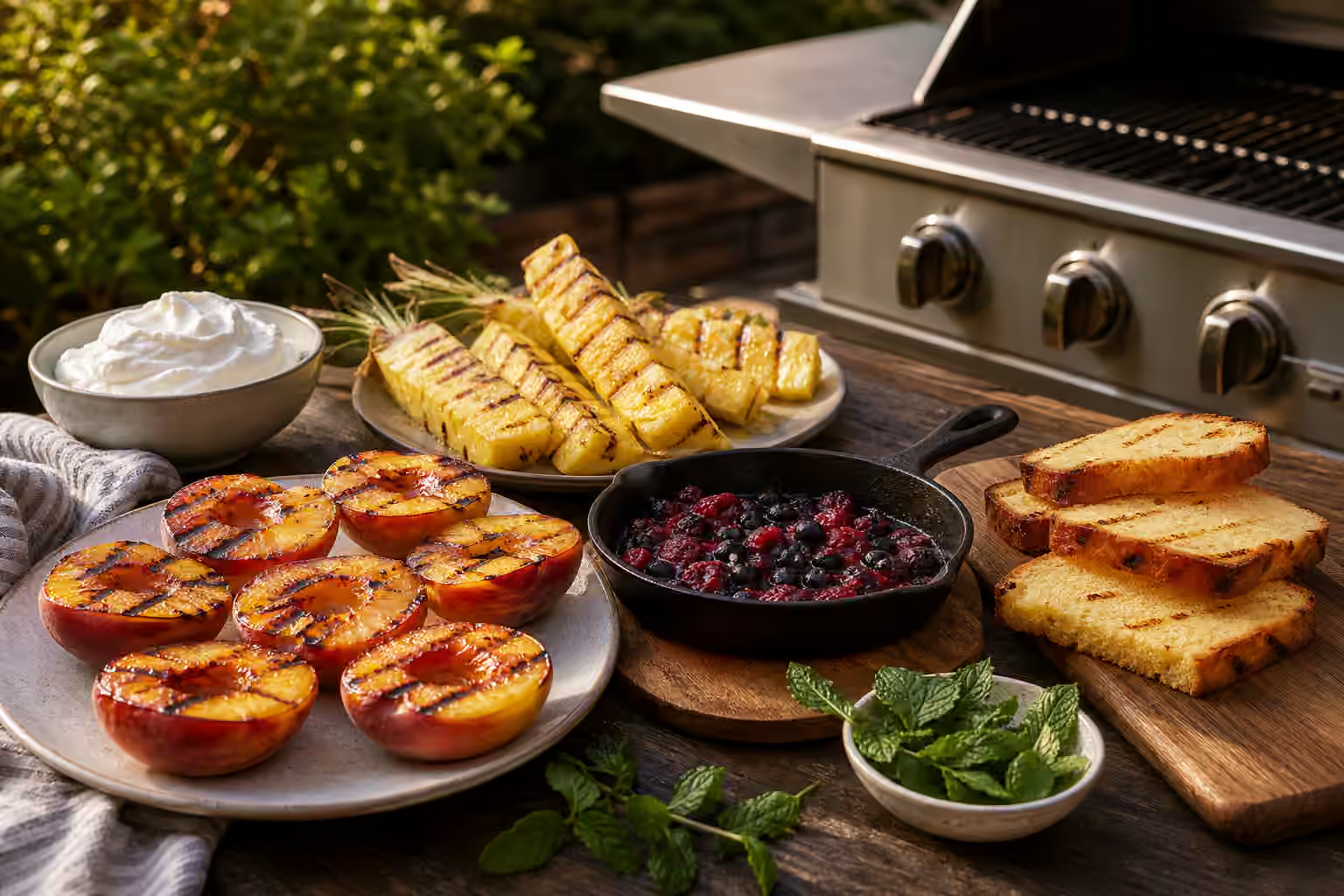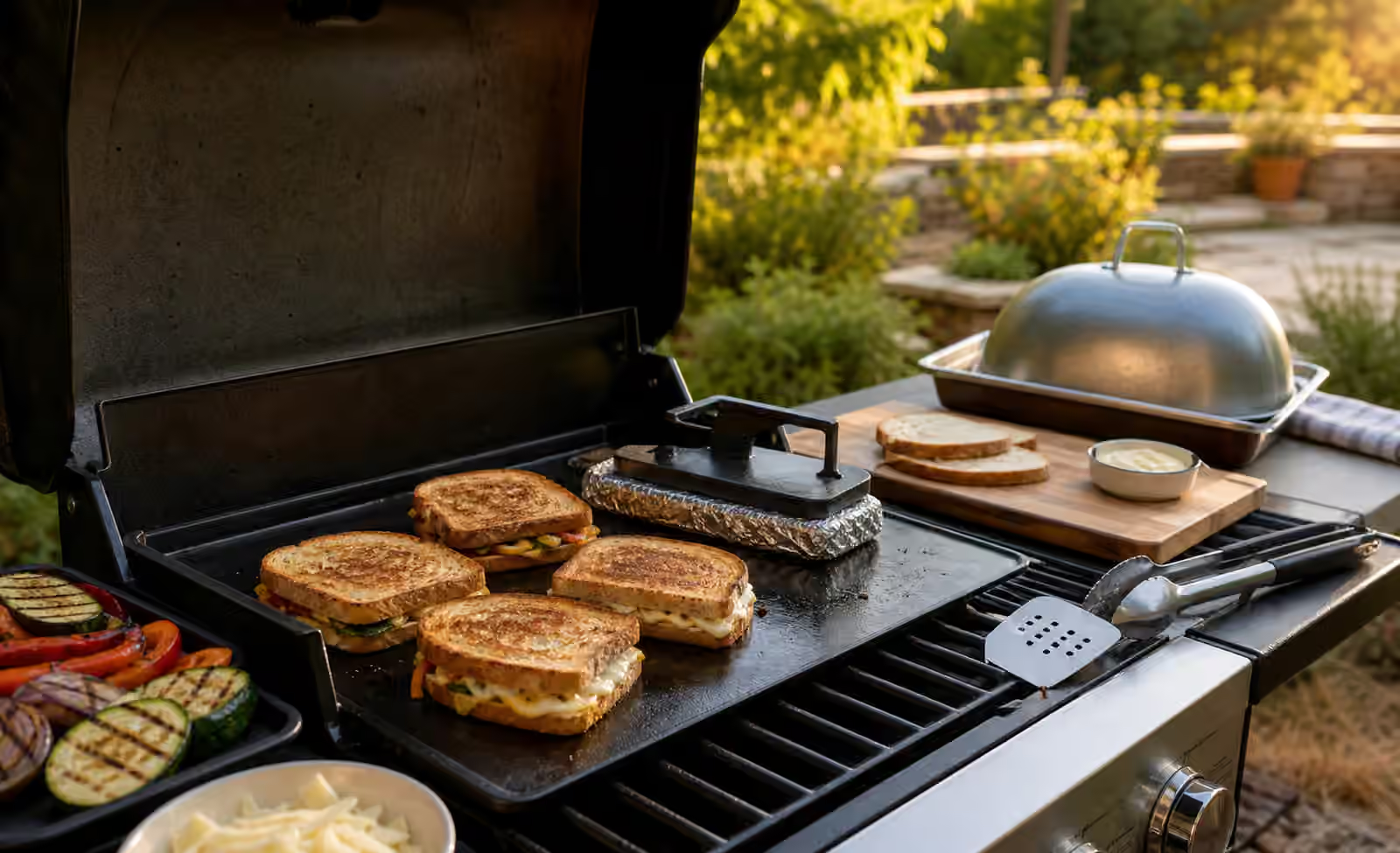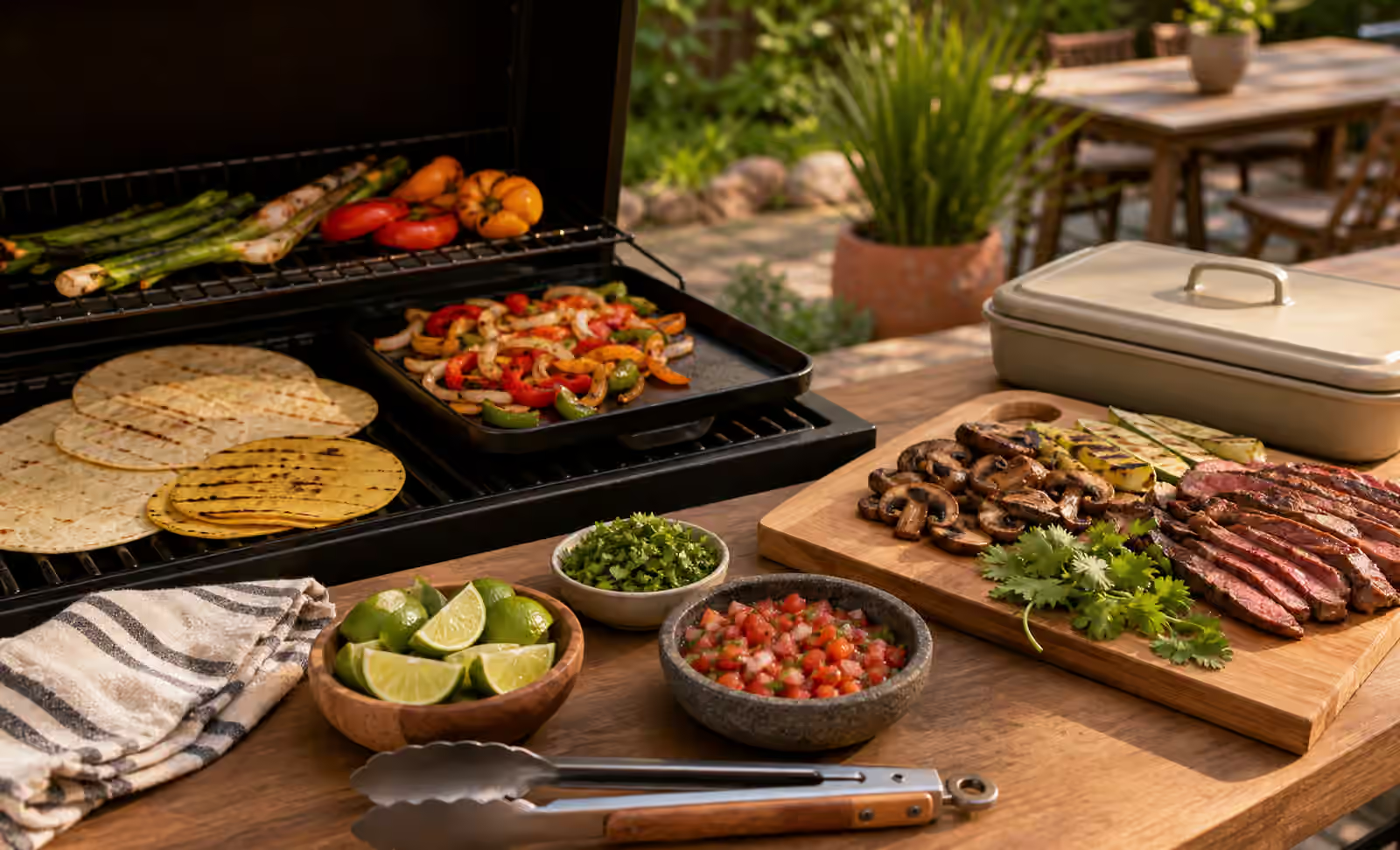
Plants belong on the grill for their own sake, not as an afterthought crowded onto the edge of the grate while the meat gets the good real estate. Fire does something to vegetables and fruit that no other cooking method quite matches: it drives off surface water, concentrates sugars, lays down char that reads as savory depth, and softens dense interiors while leaving edges crisp. A charred spring onion, a blistered pepper, a wedge of grilled cabbage, a peach that has picked up a little smoke, these are not compromises. They are some of the best things a grill produces. The obstacle for most cooks is not enthusiasm but technique, because vegetables and fruit vary enormously in density and moisture, and treating them all the same guarantees that some burn while others stay raw.

Match the cut to the heat
The whole craft of grilling plants starts with one question asked before anything touches the fire: how long does this piece need, and does its size match that? A thin coin of zucchini and a whole russet potato both belong on a grill, but they live at opposite ends of the timing spectrum, and pretending otherwise is where dinner goes wrong. The reliable move is to think in terms of cooking speed and cut accordingly. Fast, tender vegetables such as zucchini, asparagus, and peppers want direct heat and larger pieces so they color before they collapse, laid out with space around them rather than heaped up. Slow, dense vegetables such as whole onions, winter squash, potatoes, and unhusked corn want either indirect heat and patience, a stint in a foil pack, or a head start with par-cooking so the grill only has to finish and flavor them rather than cook them from raw.
Reading a vegetable by its structure
Beyond size, it helps to read what a given ingredient is made of, because moisture and fat content dictate almost everything. Watery vegetables need room so the steam they release can escape; crowd them and they braise in their own liquid instead of browning. Dense vegetables need thinner cuts, a par-cook, a foil pack, or indirect time to reach a tender center. Mushrooms are their own case: they read as dry and disappointing unless you give them enough oil and salt to turn genuinely savory, at which point they become one of the most meaty and satisfying things on the grill. Tofu wants its surface dried thoroughly and its seasoning turned up well past timid, because bland tofu is a self-inflicted wound rather than a property of the ingredient. Halloumi and other grilling cheeses need careful heat so they brown and hold their shape rather than slumping or turning rubbery. Fruit needs only brief, direct heat and a scrupulously clean grate, because its sugars catch fast and a dirty grate hands it off-flavors it does not deserve.
The gear that keeps small food out of the fire
Some of the frustration people feel with grilled vegetables is really a delivery problem: the food is fine, but half of it falls through the grate. A few pieces of equipment solve specific problems, and the trick is to reach for the one that matches the trouble in front of you. A grill basket corrals cut vegetables, small mushrooms, and anything that would otherwise slip between the bars, and it lets you toss the whole lot at once. Skewers organize quick-cooking pieces into manageable units, though they cook unevenly if you thread wildly different sizes onto one stick, so cut for consistency. A soaked wooden plank lays down gentle smoke and shields delicate items like fish or soft cheese from direct flame. Foil packs, honestly, steam more than they grill, but that is exactly what you want for potatoes, onions, beans, or a saucy side that needs to soften without scorching. None of these is better than the others in the abstract; each simply answers a different question the food is asking.
Planning a genuinely plant-forward cookout
A cookout reads as plant-forward, rather than plant-tolerant, when the plants are structured as mains and not merely as a pile of supporting sides. That is a planning decision more than a cooking one. Tofu skewers with a bold marinade, a mushroom sandwich built like a burger, halloumi laid alongside charred vegetables, a corn and bean salad with lime and herbs, grilled flatbreads, peppers stuffed and finished over indirect heat, or a full board of grilled vegetables with a couple of sauces: any of these gives a vegetarian guest a centerpiece rather than a consolation plate. The logistics matter as much as the menu. Keep tools that have touched raw meat entirely separate from the vegetarian food, because a shared pair of tongs or a shared tray quietly undoes the whole intention through cross-contact that nobody sees happen.
Working the grate, item by item
In practice, a plant-forward session runs smoothly when you group foods by how they behave. Zucchini, peppers, and asparagus go over direct heat in larger pieces, lightly oiled and given space to color. Corn can go either direct or indirect depending on whether it is husked and how much time you have, and it comes alive at the end with salt, butter, a squeeze of lime, or a brush of sauce. Mushrooms start over direct heat and move to something gentler if they are thick, salted enough to turn savory and finished with a sauce they can soak up. Peaches, pineapple, and other fruit want only a brief kiss of direct heat on a clean grate, pulled before their sugars tip into bitterness. Tofu and halloumi go on with a dry surface and assertive seasoning, browned over direct heat with clean tools kept well away from anything raw. The order you cook in should follow the acid, herbs, salt, sauce, or cheese you plan to finish with, because that final layer is what makes grilled plants taste finished rather than merely cooked.
Building the habit
There is real value in treating each cook as something to learn from rather than simply survive. Cut your ingredients by cooking speed, oil them lightly and season with intention rather than habit, use baskets or skewers for anything small enough to be lost, and finish deliberately with brightness or richness. Then, after a session or two, write down what actually changed from your expectations: the weather, how much fuel you burned, how crowded the grate got, how you seasoned, when you sauced, and how things rested off the heat. Those notes are what convert the next cook from a fresh guess into a small, confident adjustment, and that is quietly where skill accumulates.
Serving and food-safety habits
For any meat, poultry, or seafood sharing the cook, and for leftovers and reheating, rely on a food thermometer rather than appearance. Keep raw and cooked foods separate, wash hands and tools after any contact with raw ingredients, and move perishables toward chilling instead of letting them linger in the warm outdoor air while everyone talks. Visual cues help you judge the quality and char of grilled plants, but they do not replace official food-safety guidance where animal proteins are involved.
For current official reference, keep FoodSafety.gov’s safe minimum internal temperatures and clean, separate, cook, chill guidance close by. USDA FSIS also maintains a grilling food safely resource that is especially relevant for outdoor cooking, smoking, holding, leftovers, and reheating.
The mistakes worth heading off
Most disappointments with grilled plants trace to a handful of avoidable habits. Cutting vegetables so small that they drop between the bars is a delivery failure that a basket fixes instantly. Treating tofu as bland filler ignores that its whole appeal depends on the seasoning and surface you give it. Leaving fruit on until it blackens turns natural sweetness into acrid bitterness, when a minute less would have been perfect. And using meat-handling tools on vegetarian food creates exactly the cross-contact you were trying to avoid. In each case the correction is calmer than the mistake feels in the moment: move food to gentler heat, ease off the sauce timing, clean the grate, keep tools separate, or reset the station and start the piece again. Building those escape routes before you need them is what keeps a plant-forward cook relaxed instead of frantic.
Seasoning and finishing are where grilled plants earn their place, so it is worth reading Salt Works on salting vegetables well, Cheese Atlas for working with halloumi and other grilling cheeses, and Hot Sauce Heaven when you want a vegetable-friendly heat to finish with.
When you are ready to push further, Direct vs. Indirect Heat sharpens the timing decisions behind everything above, Grill Marks, Browning, and Crust helps you get color without overcooking delicate produce, and Pizza, Flatbreads, and Cast Iron on the Grill opens up a whole category of plant-forward mains built on the same fire.