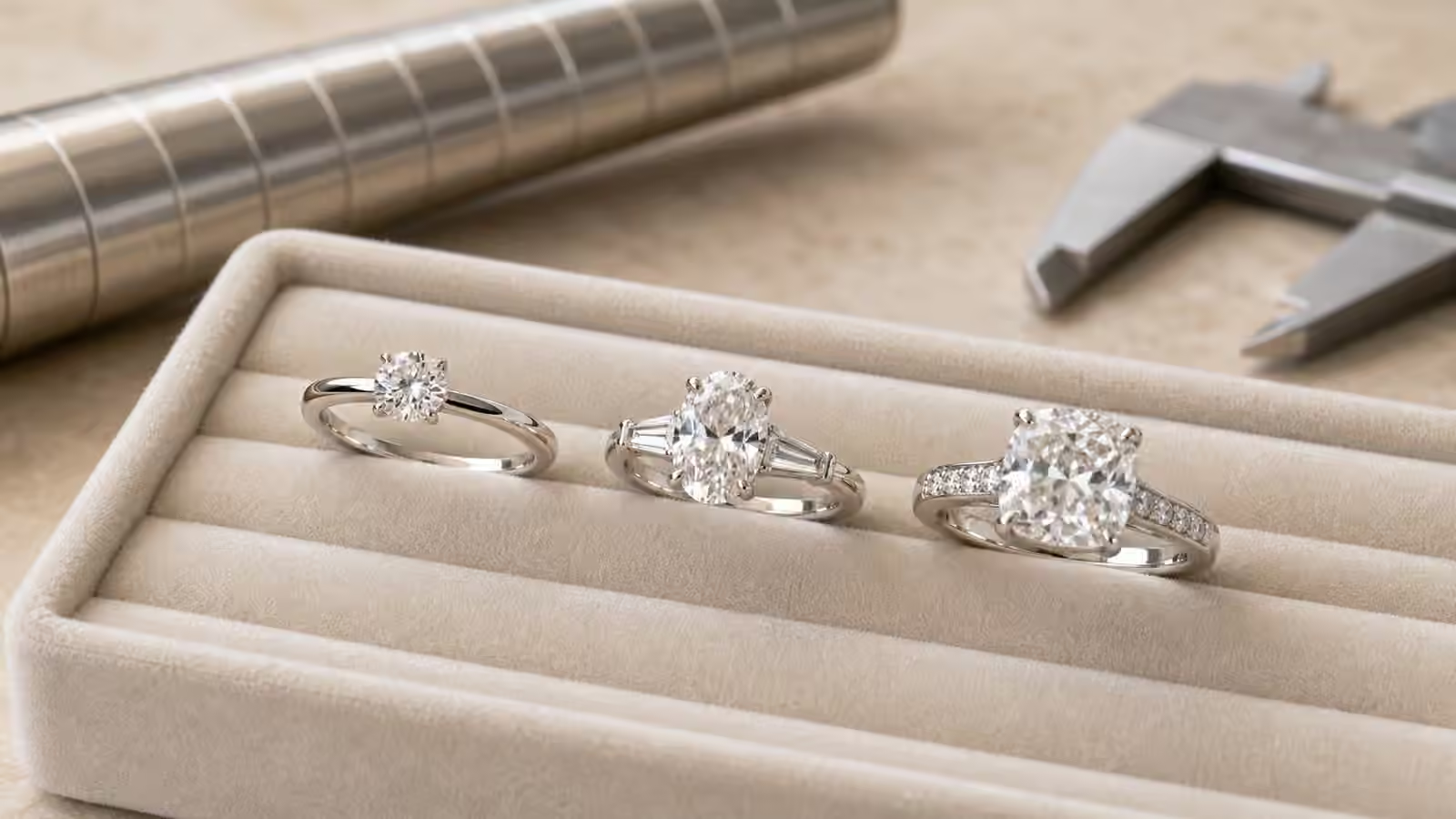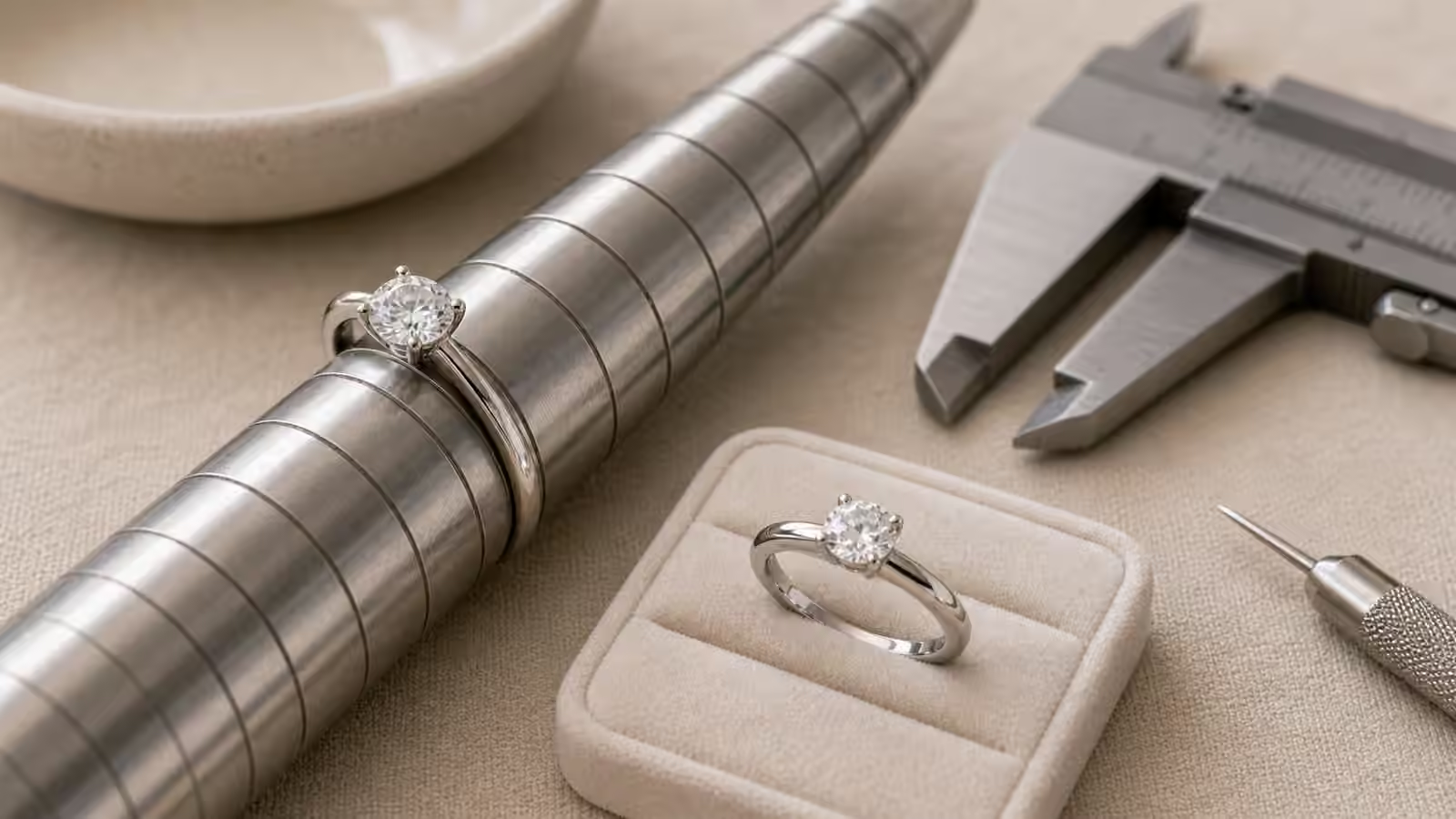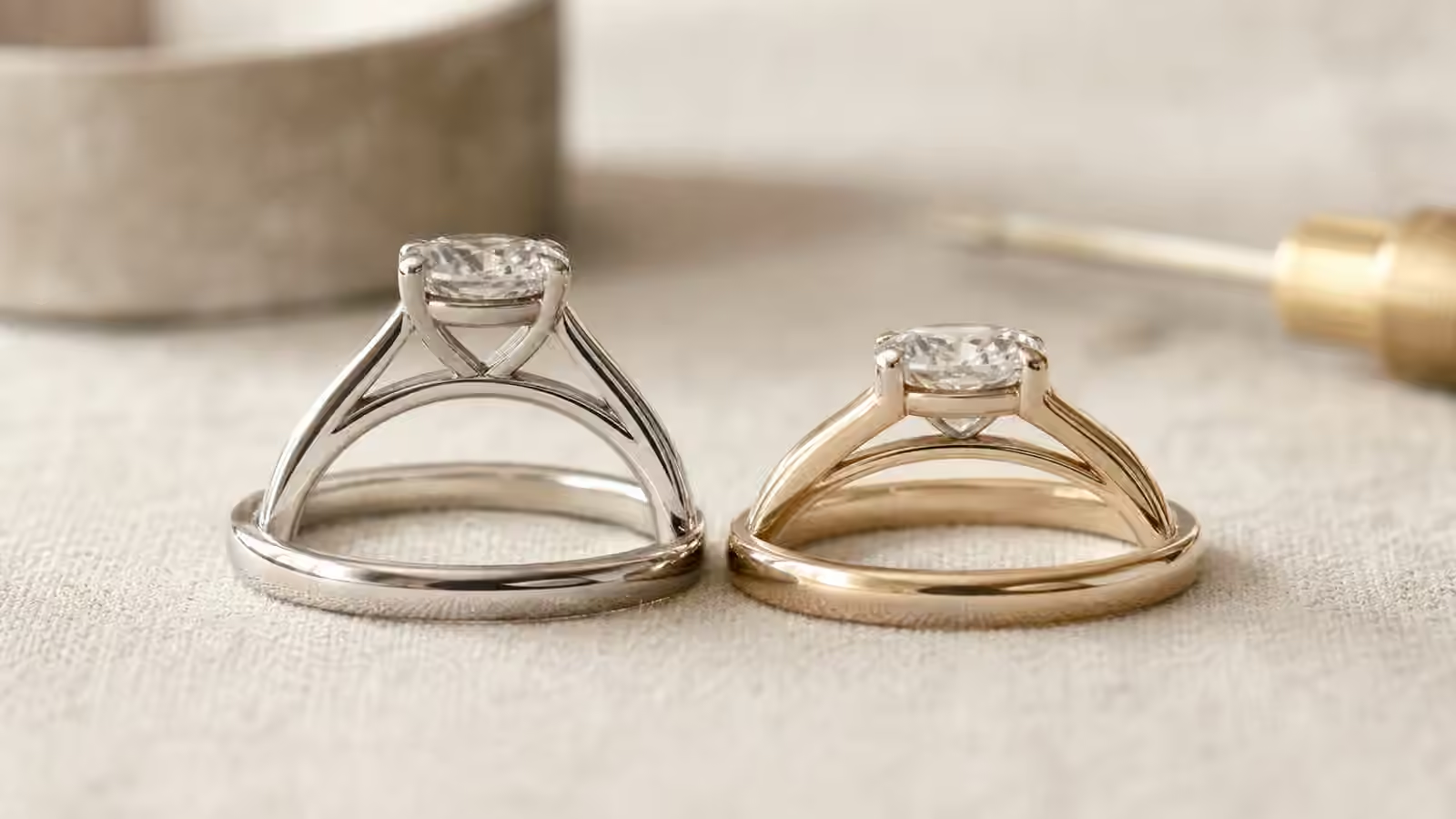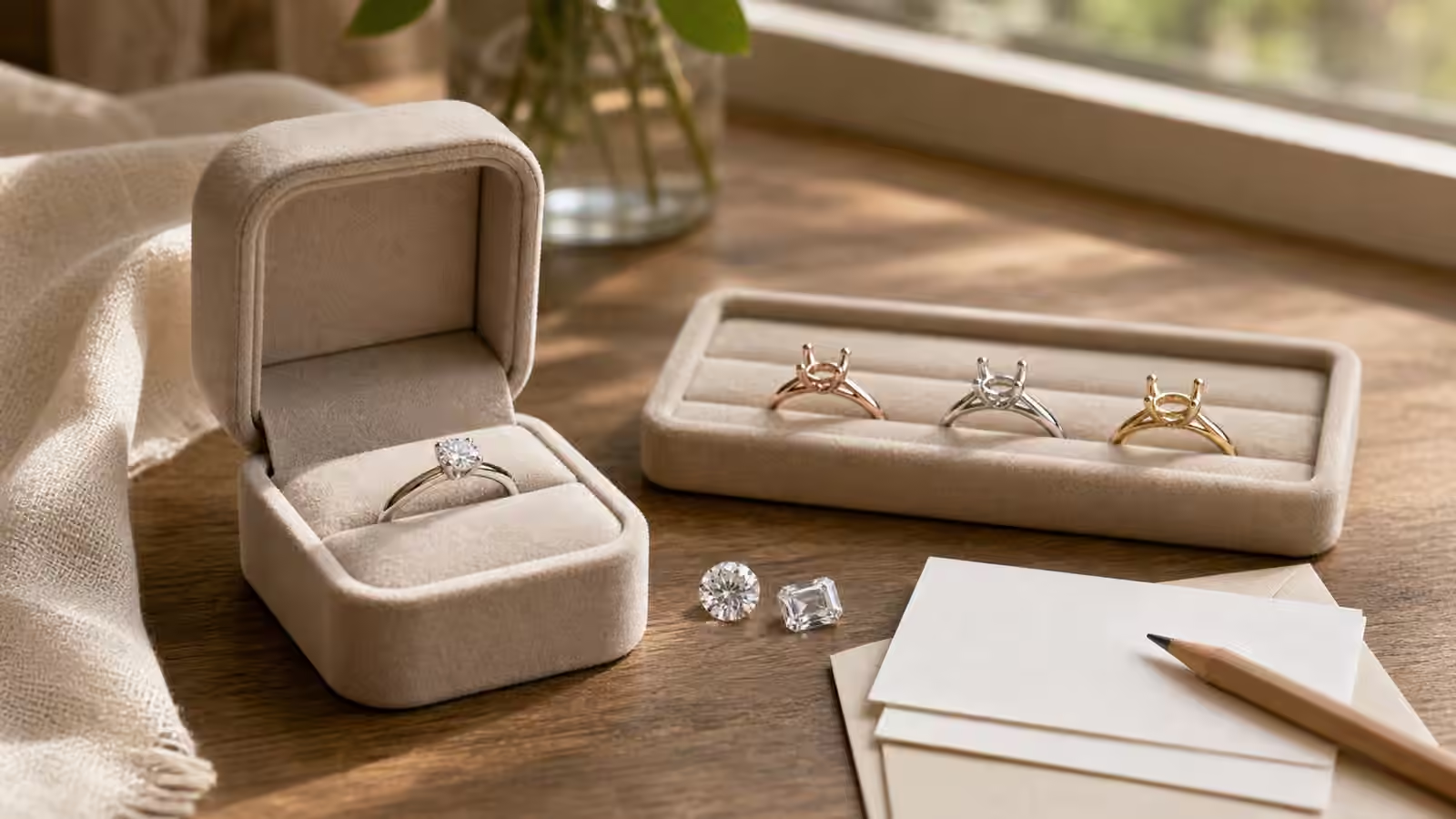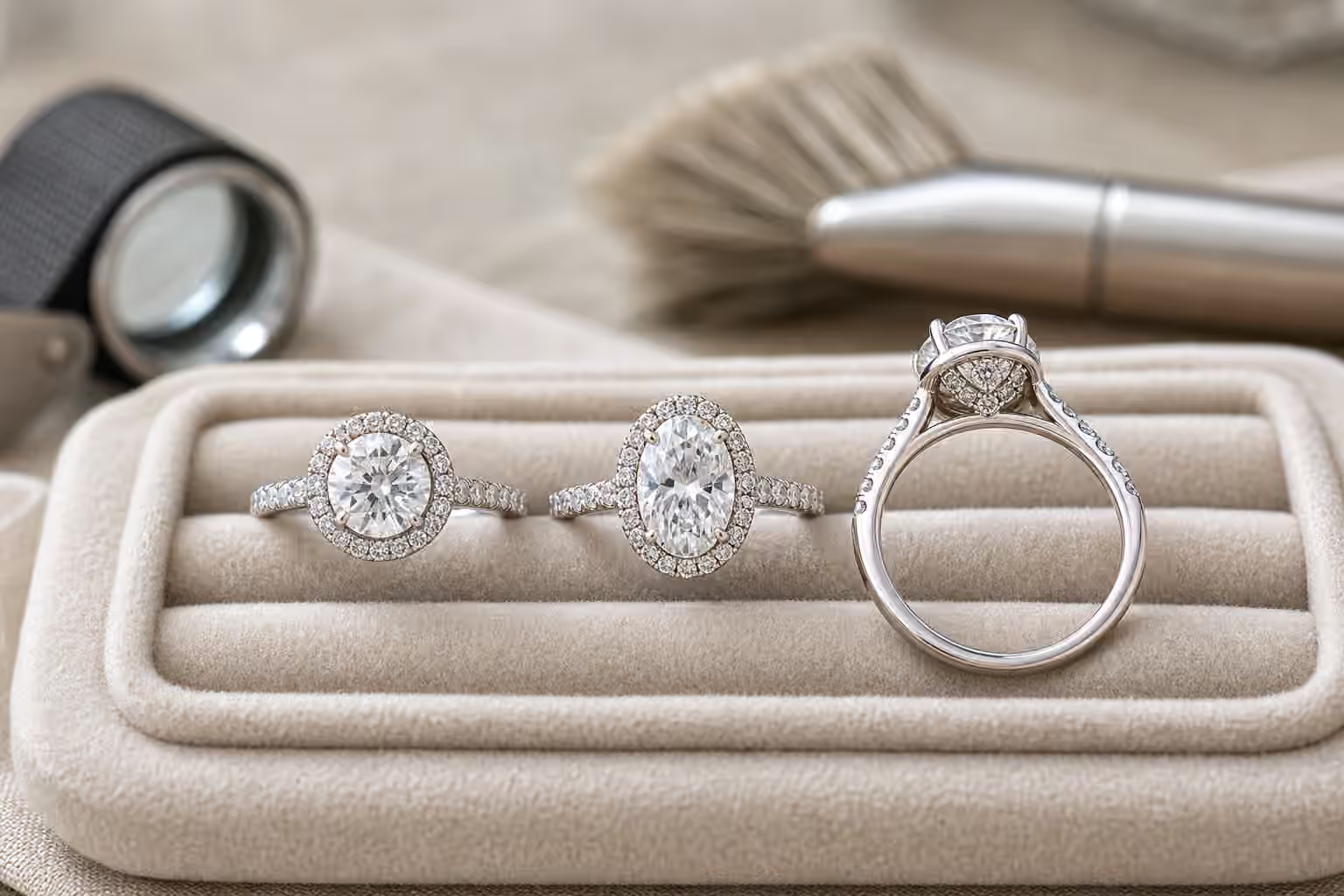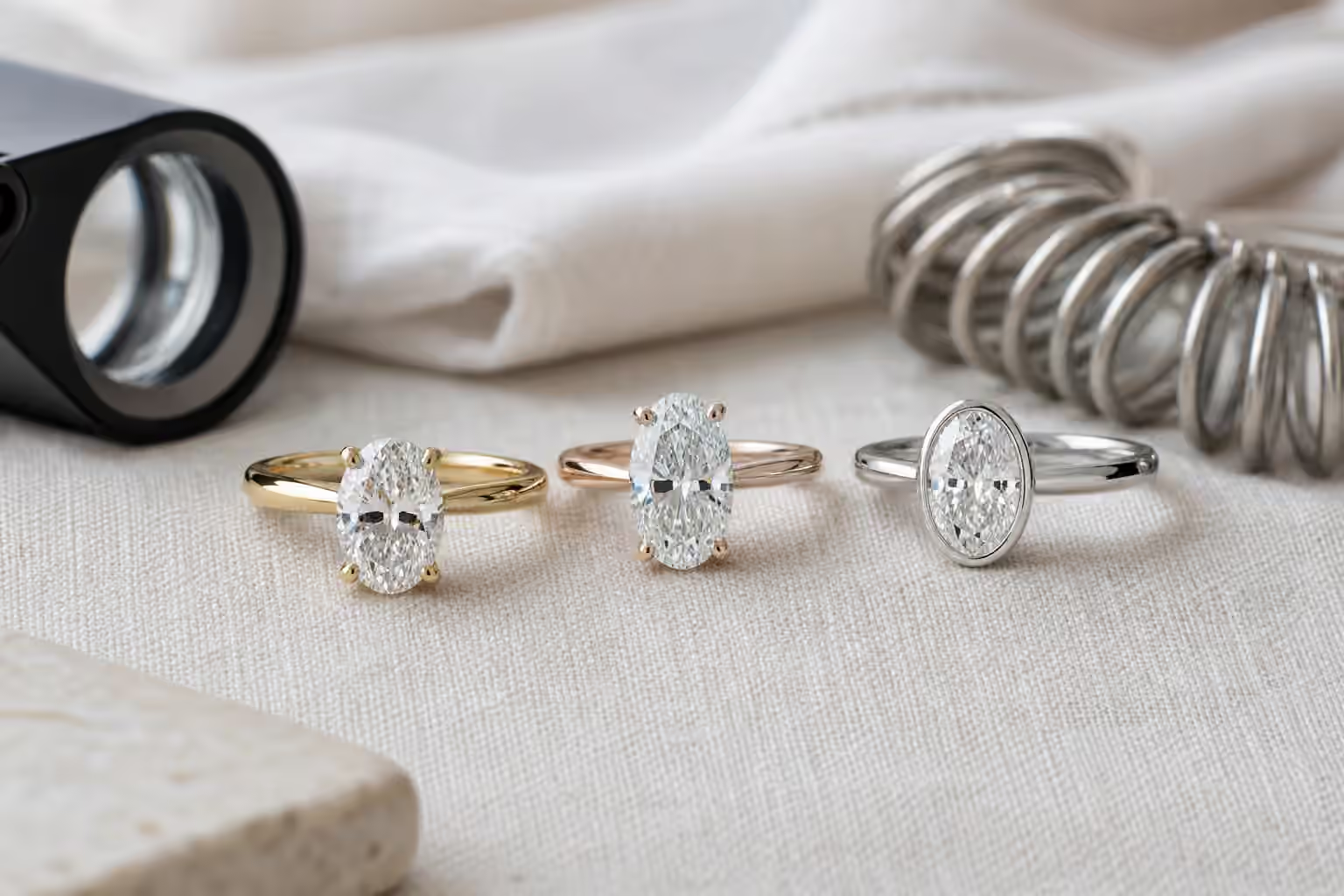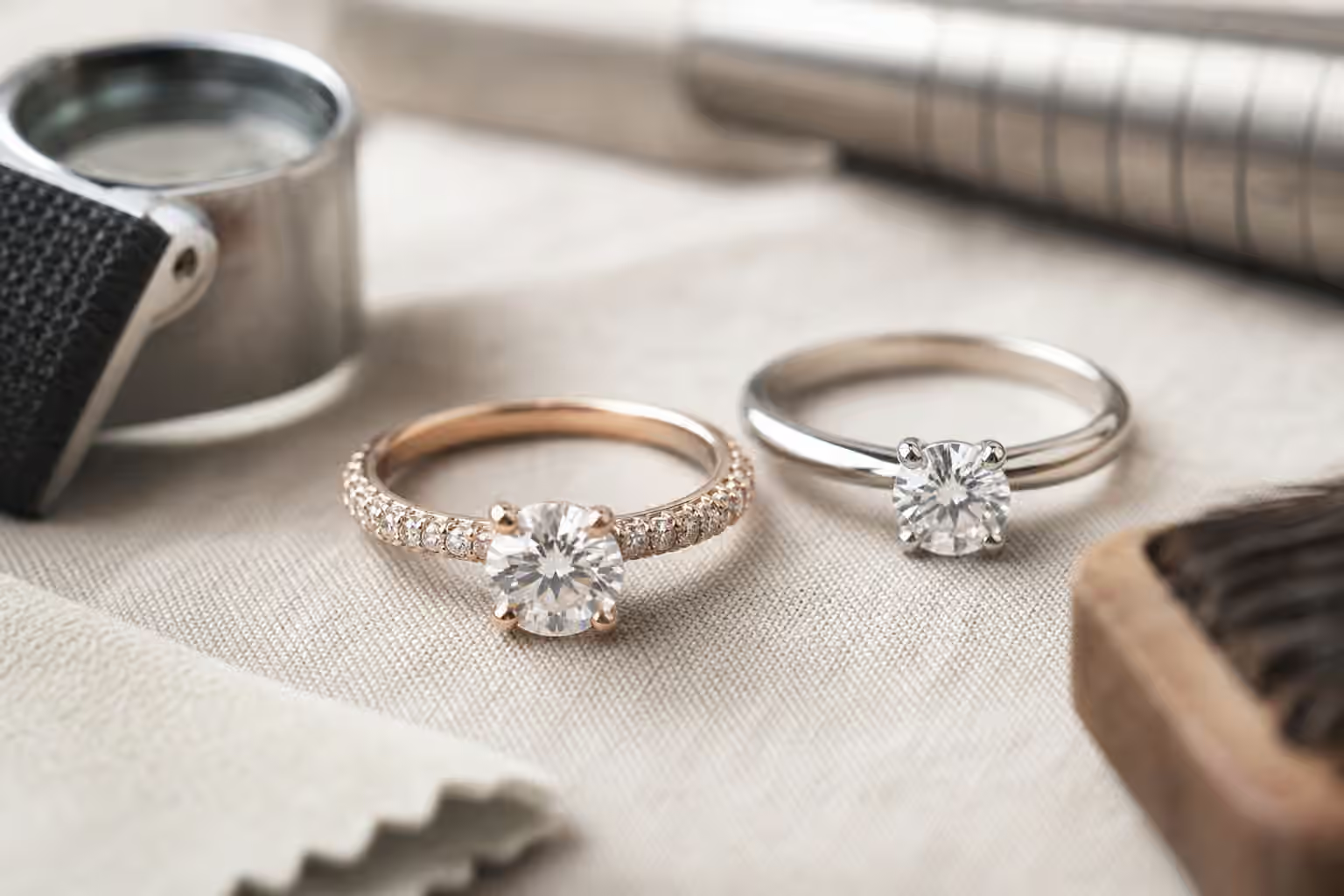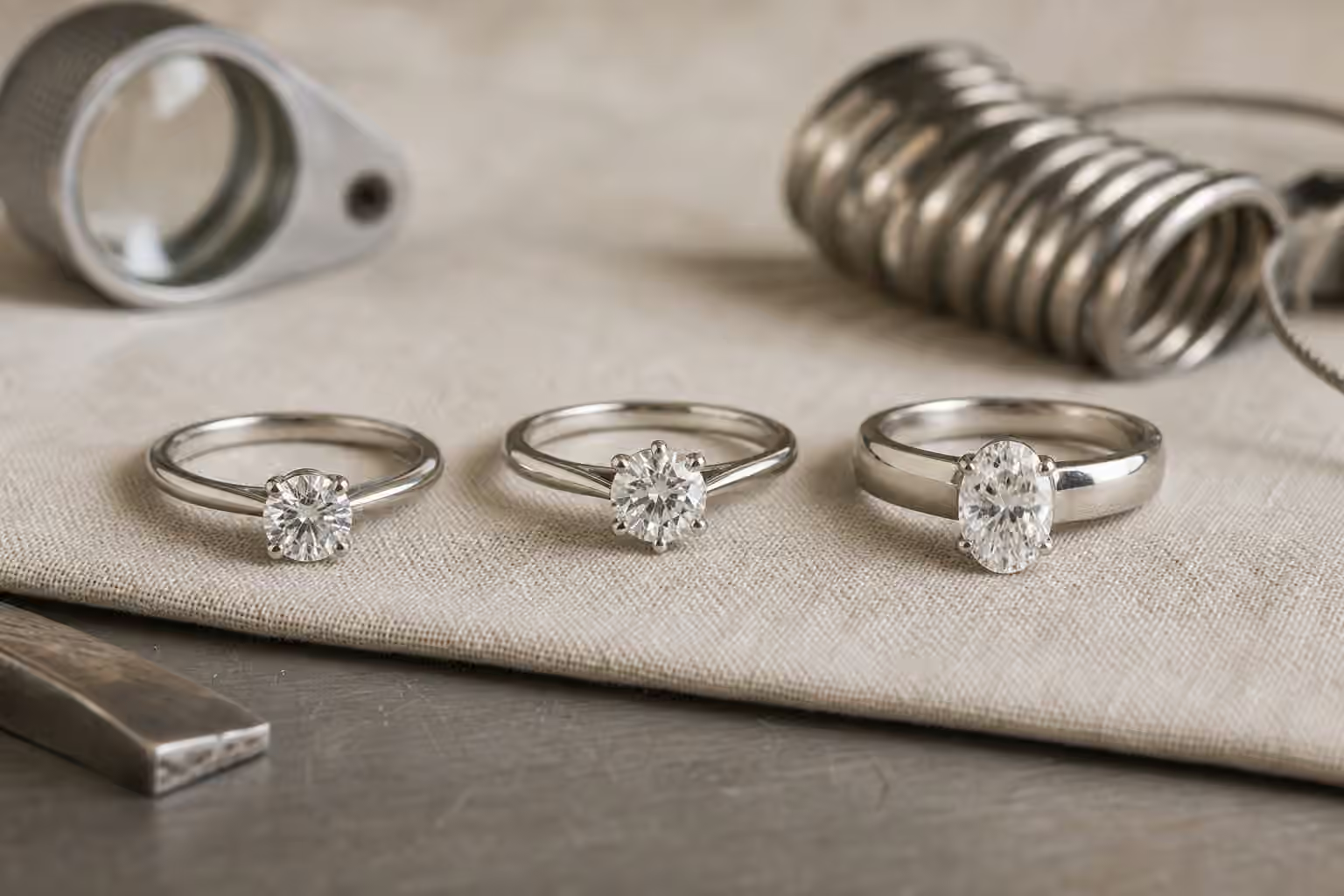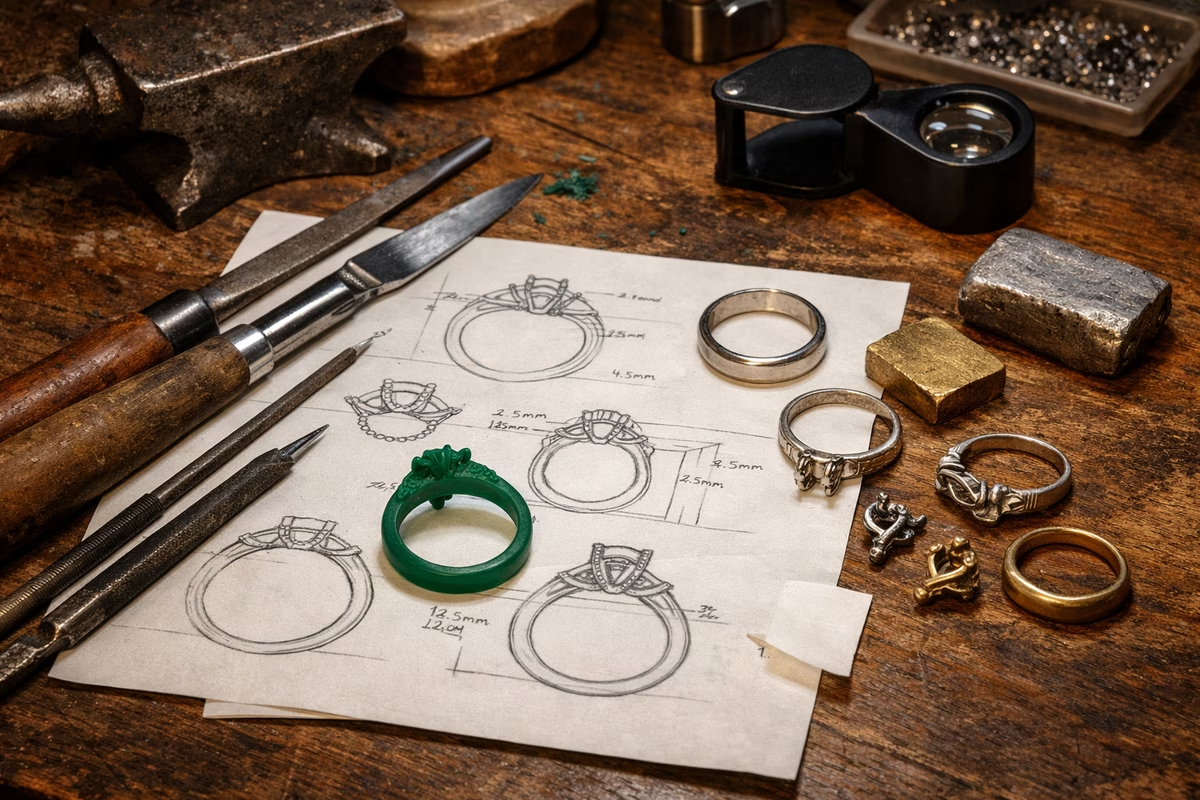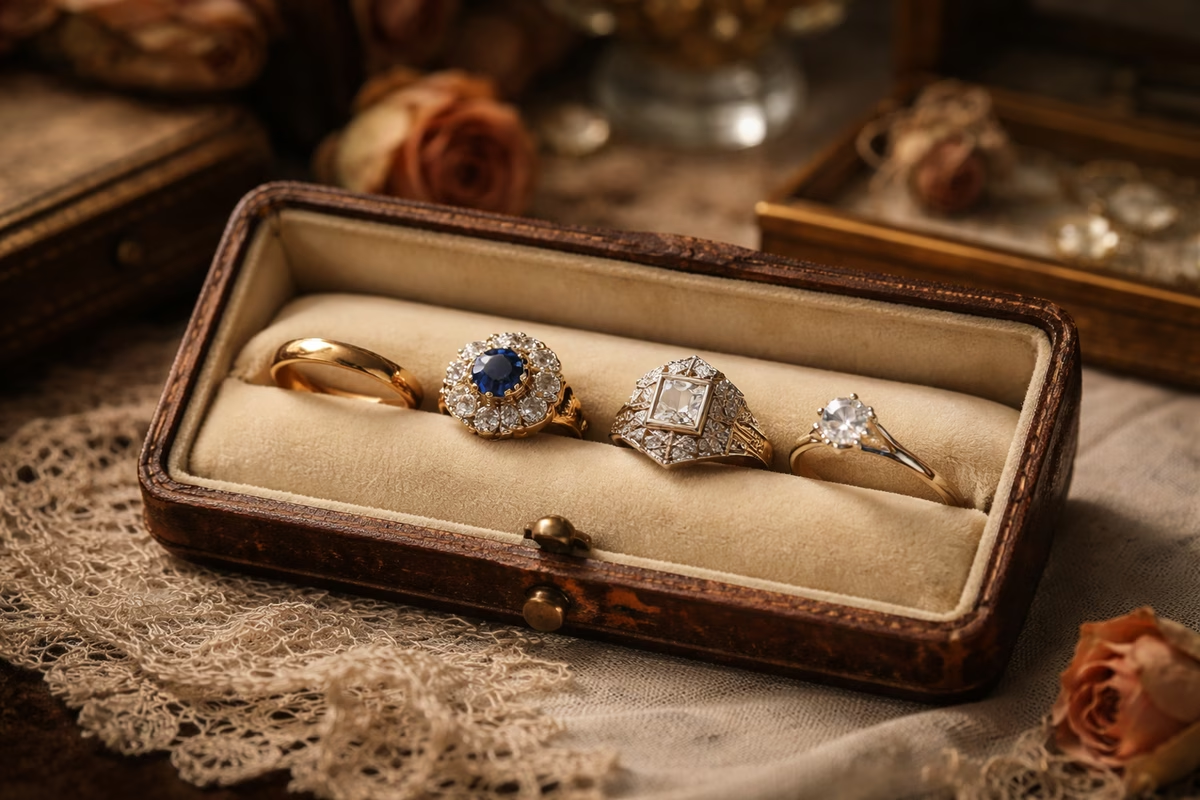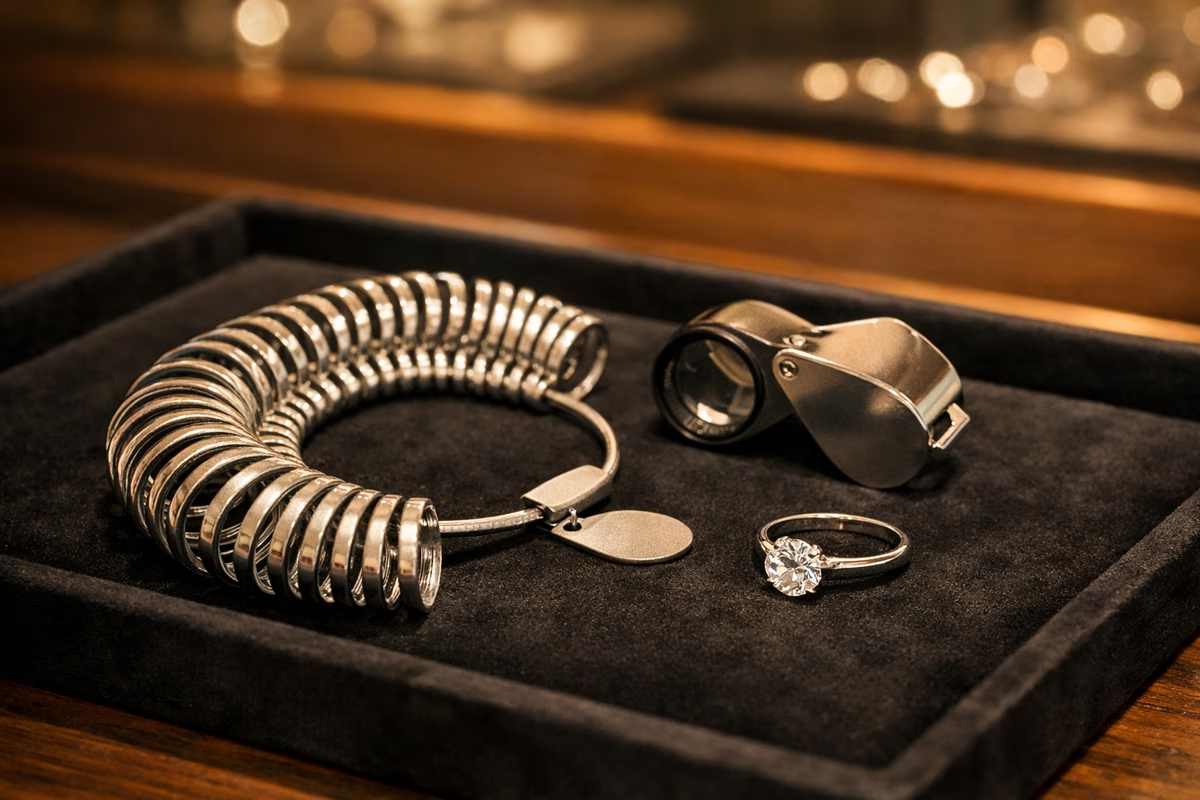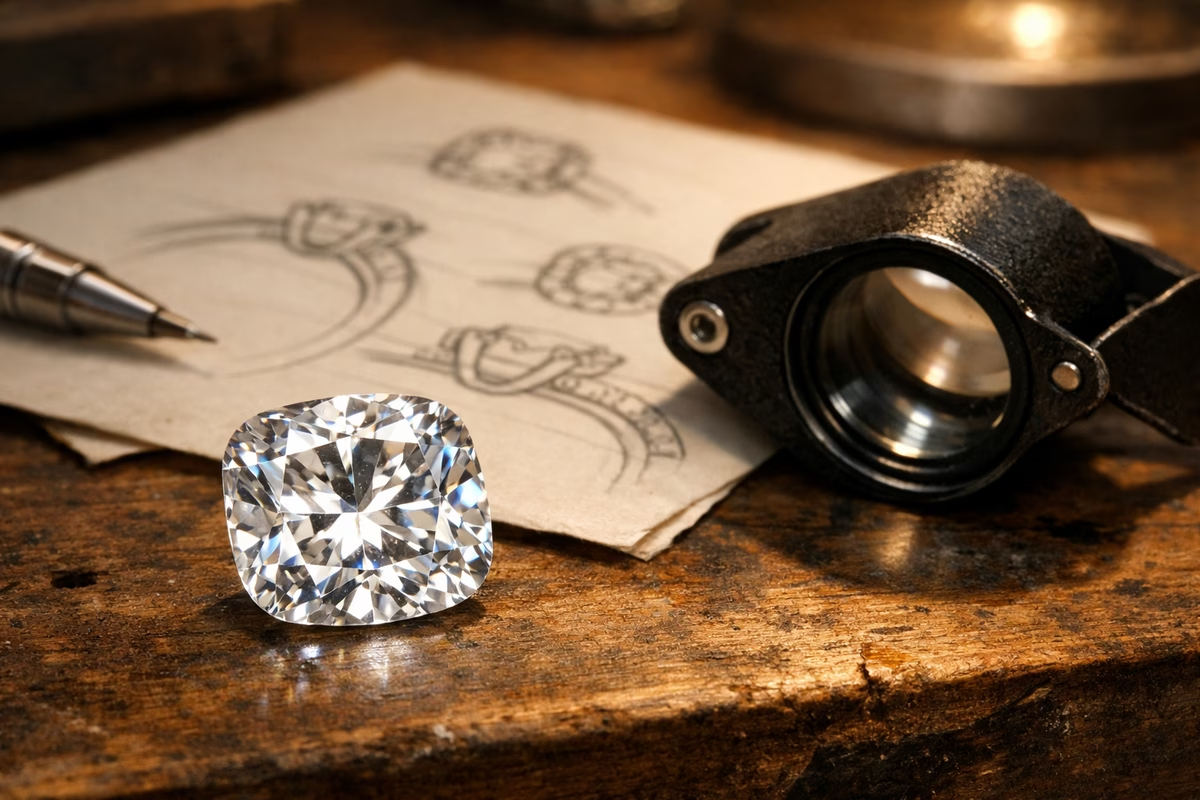
An engagement ring is small, but the choices are real. You are balancing sparkle, durability, style, comfort, and budget — usually on a deadline, usually for the first time. These guides keep the process calm and practical: learn the vocabulary, decide what matters to you, then shop with a shortlist instead of a vague hope.
Start Here
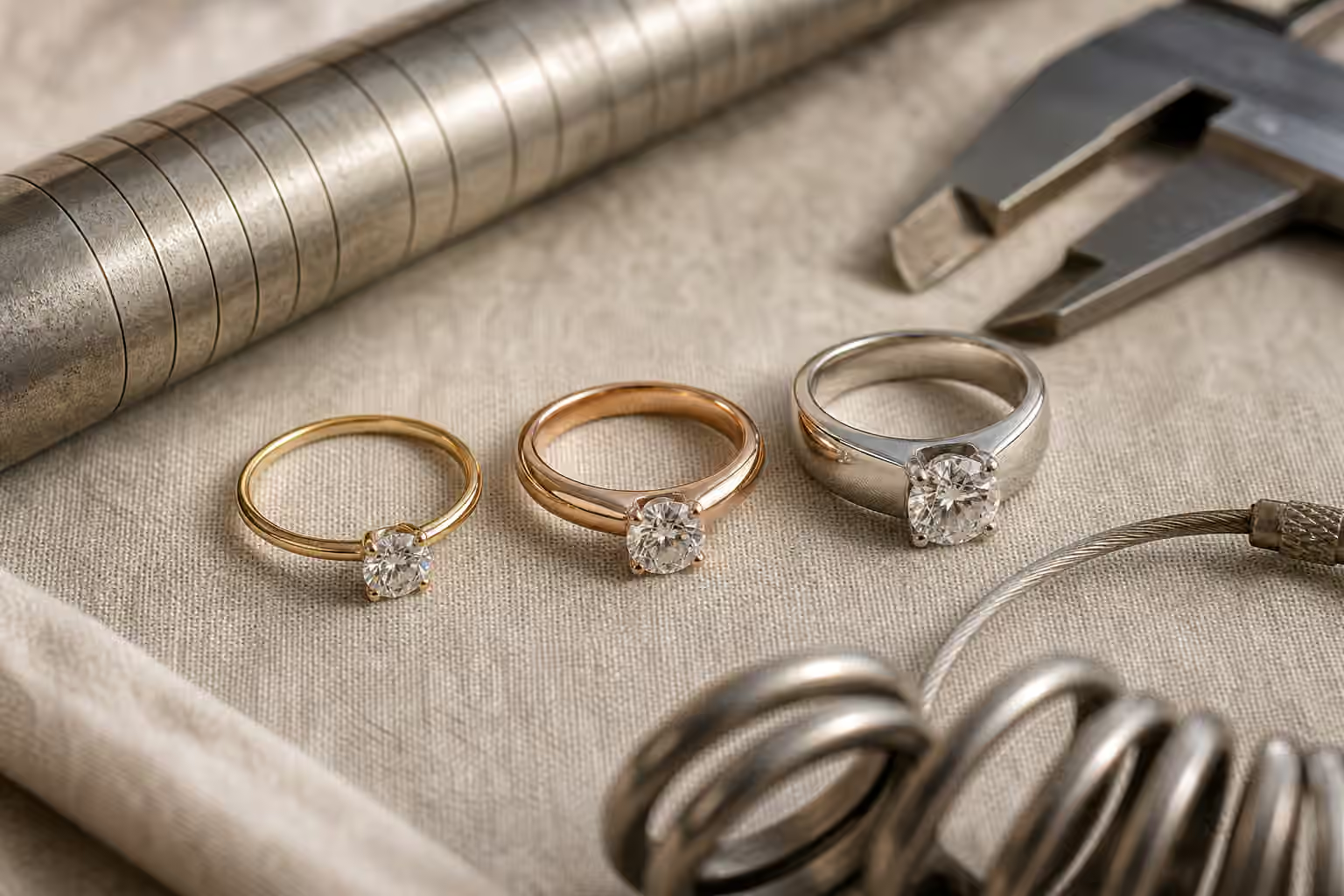
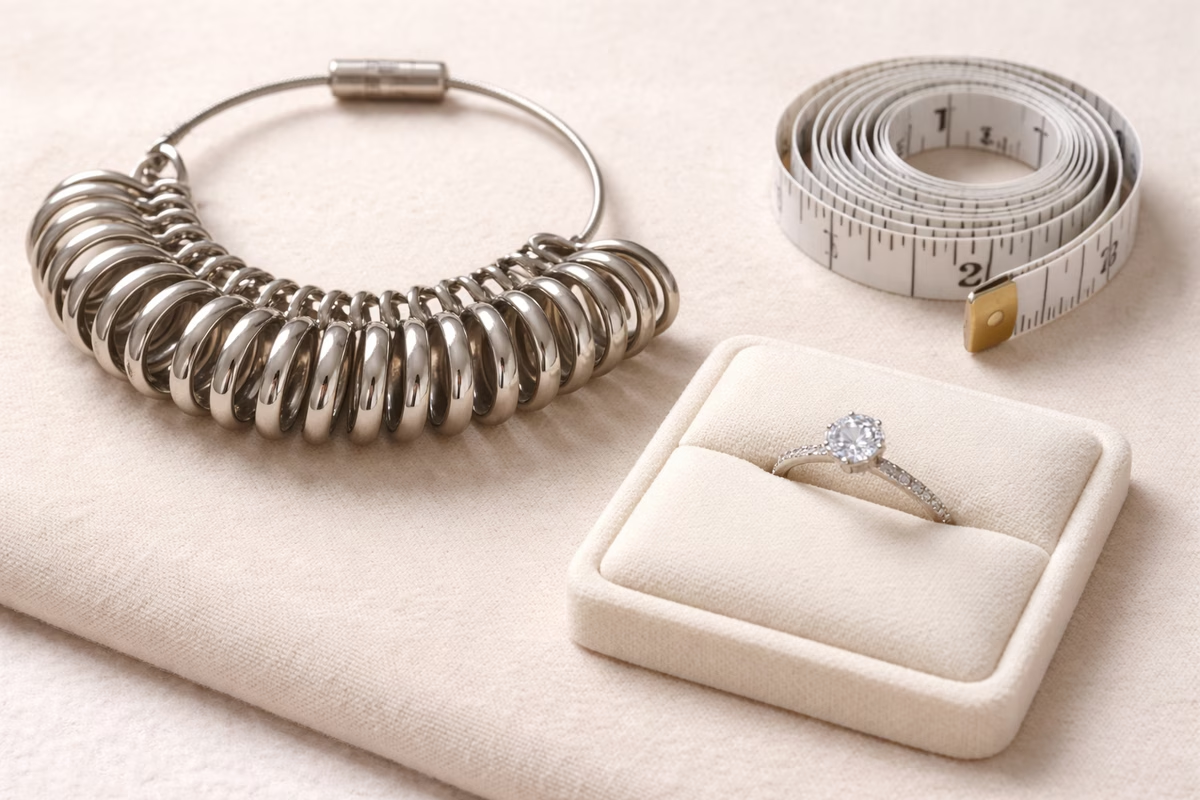
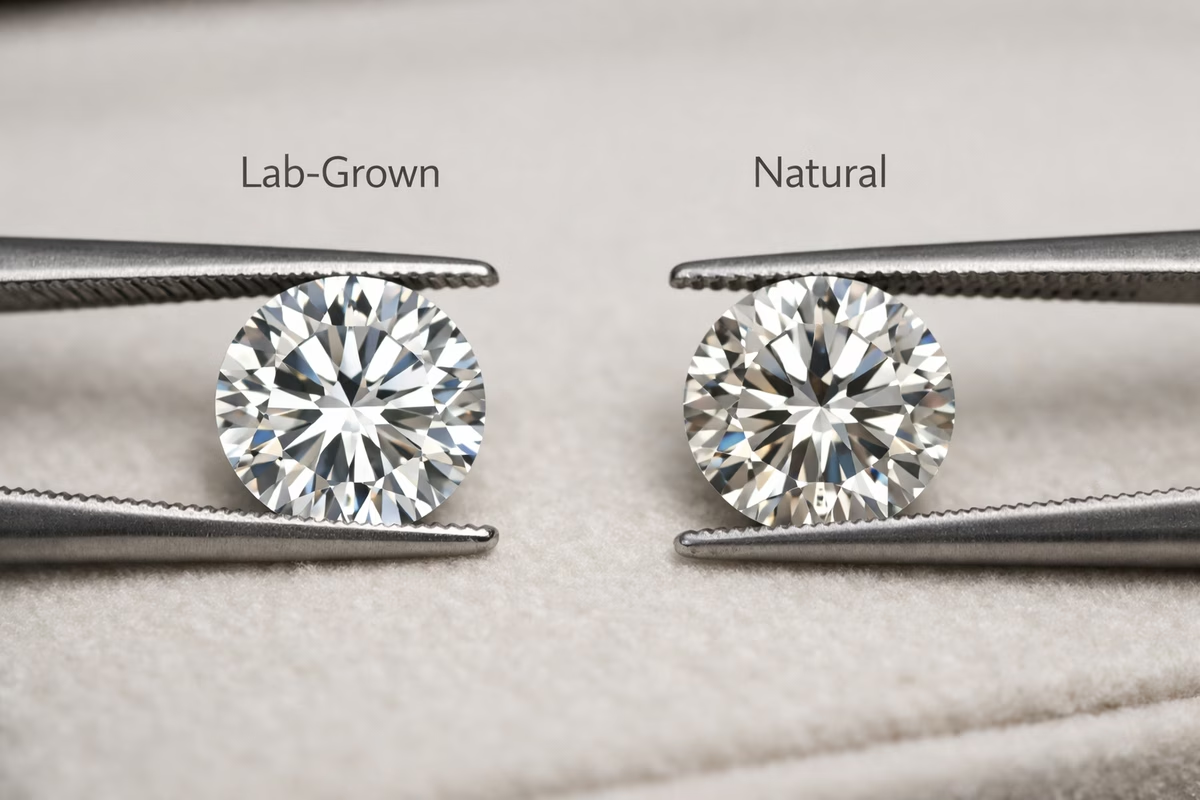
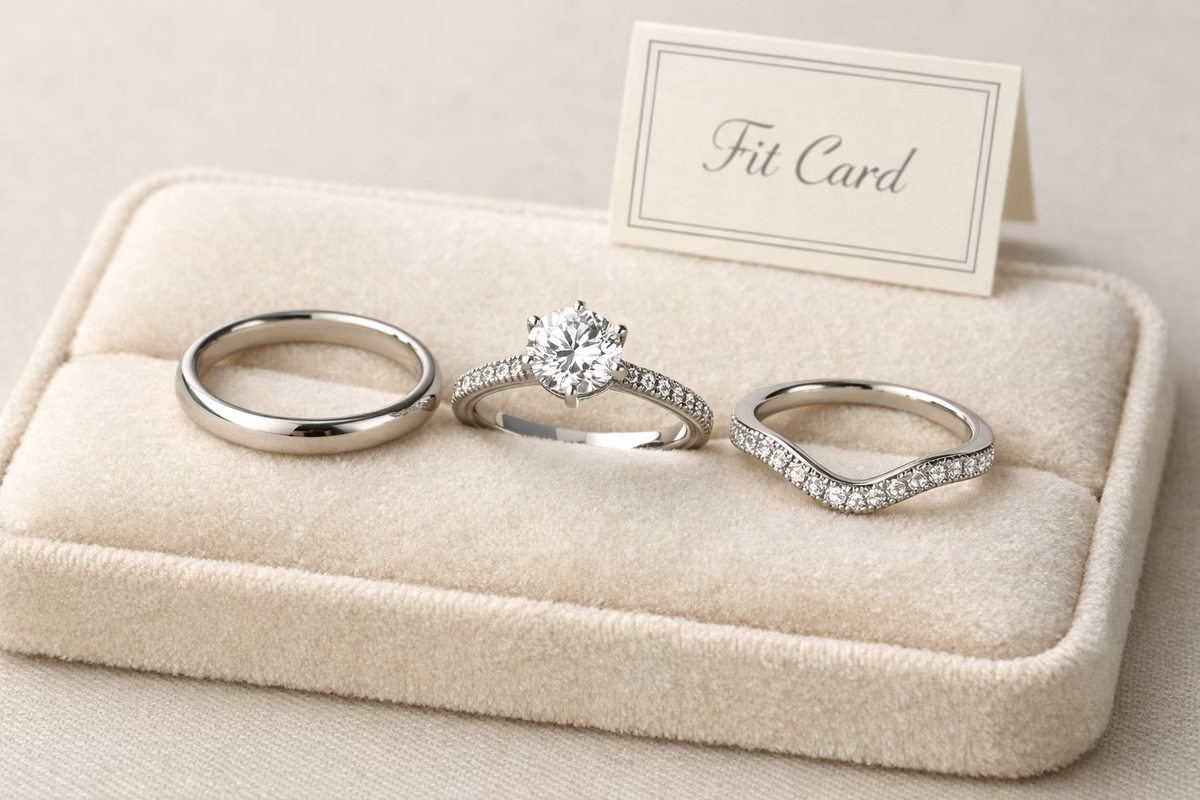
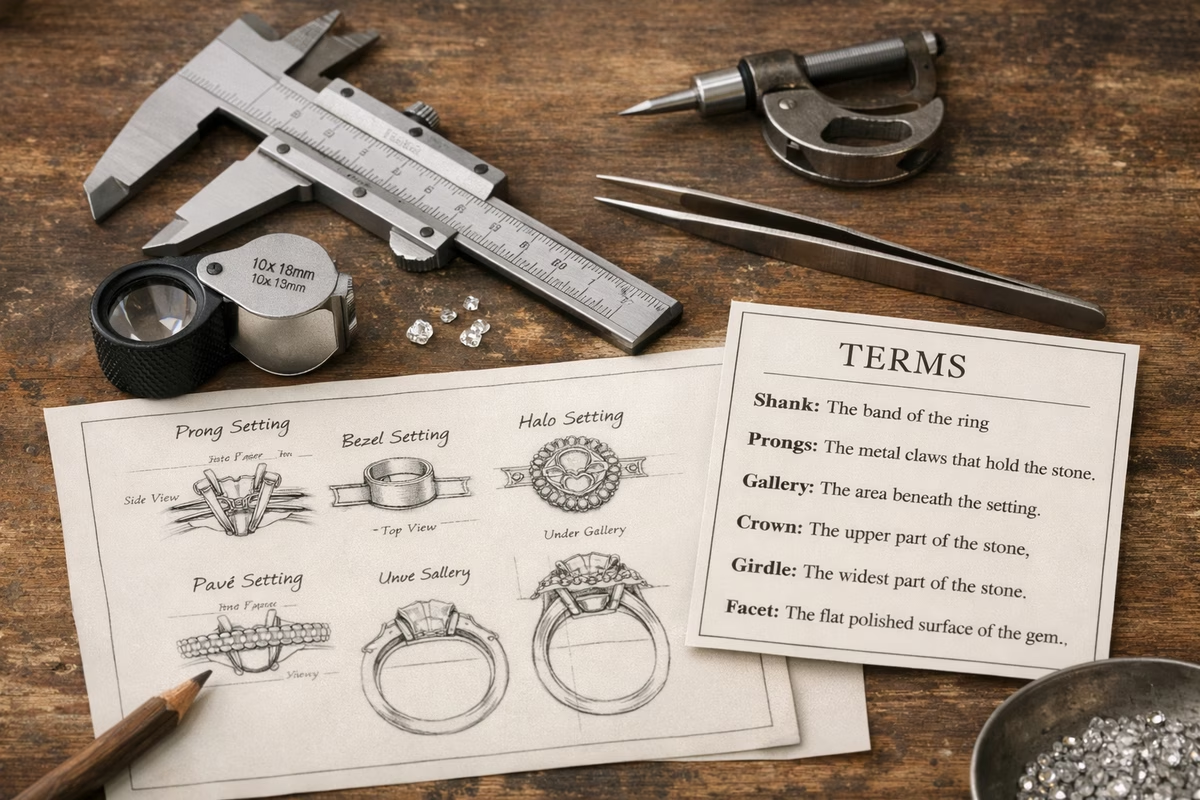
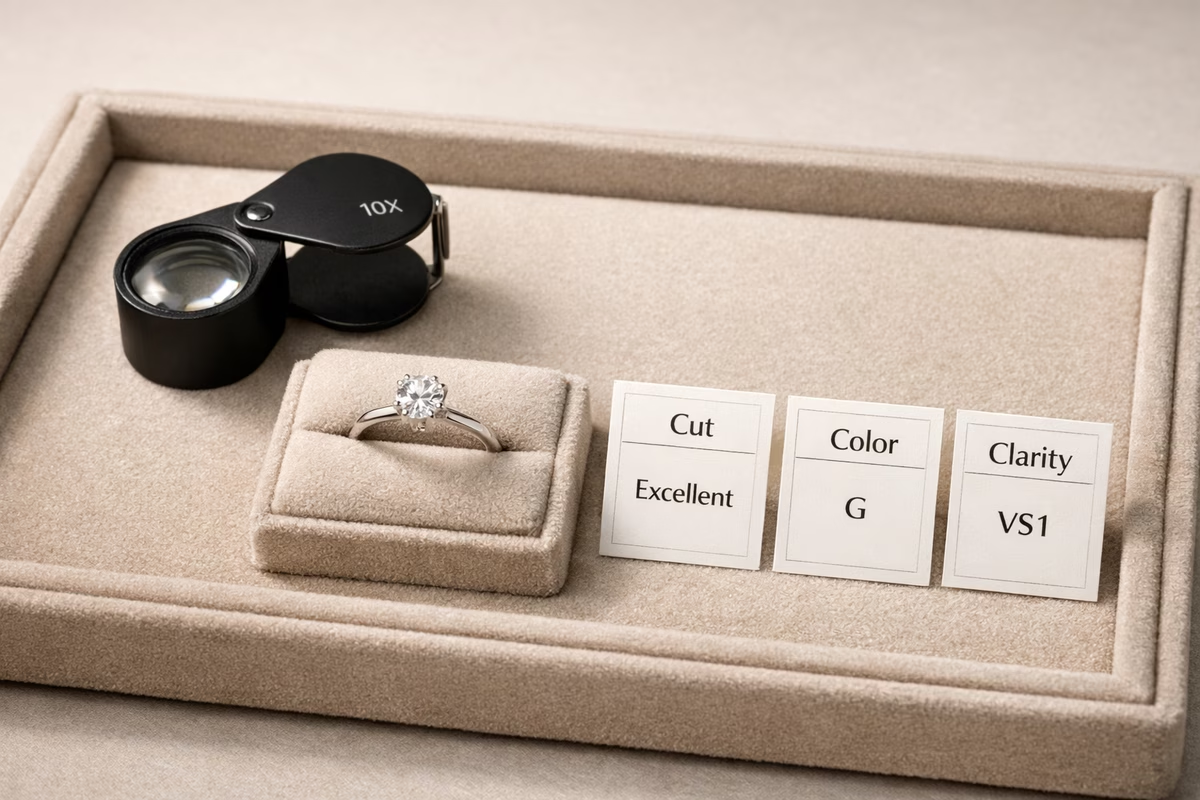
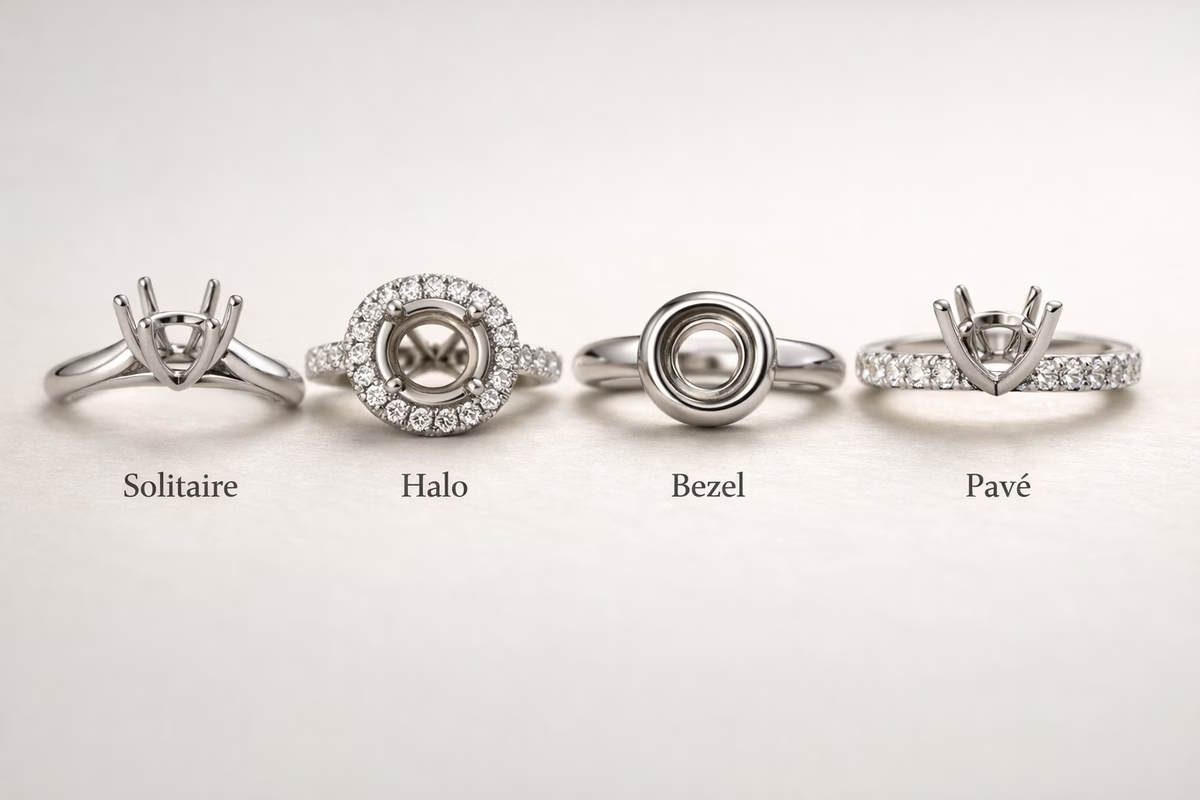
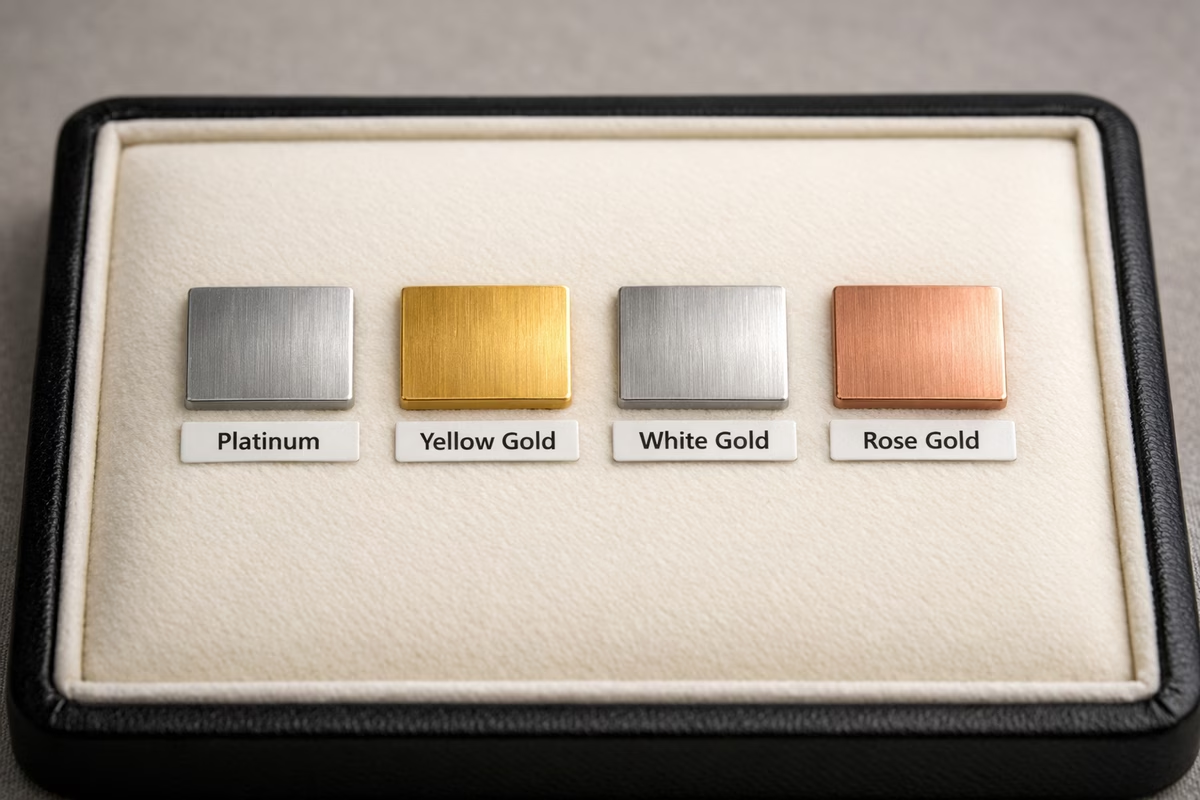
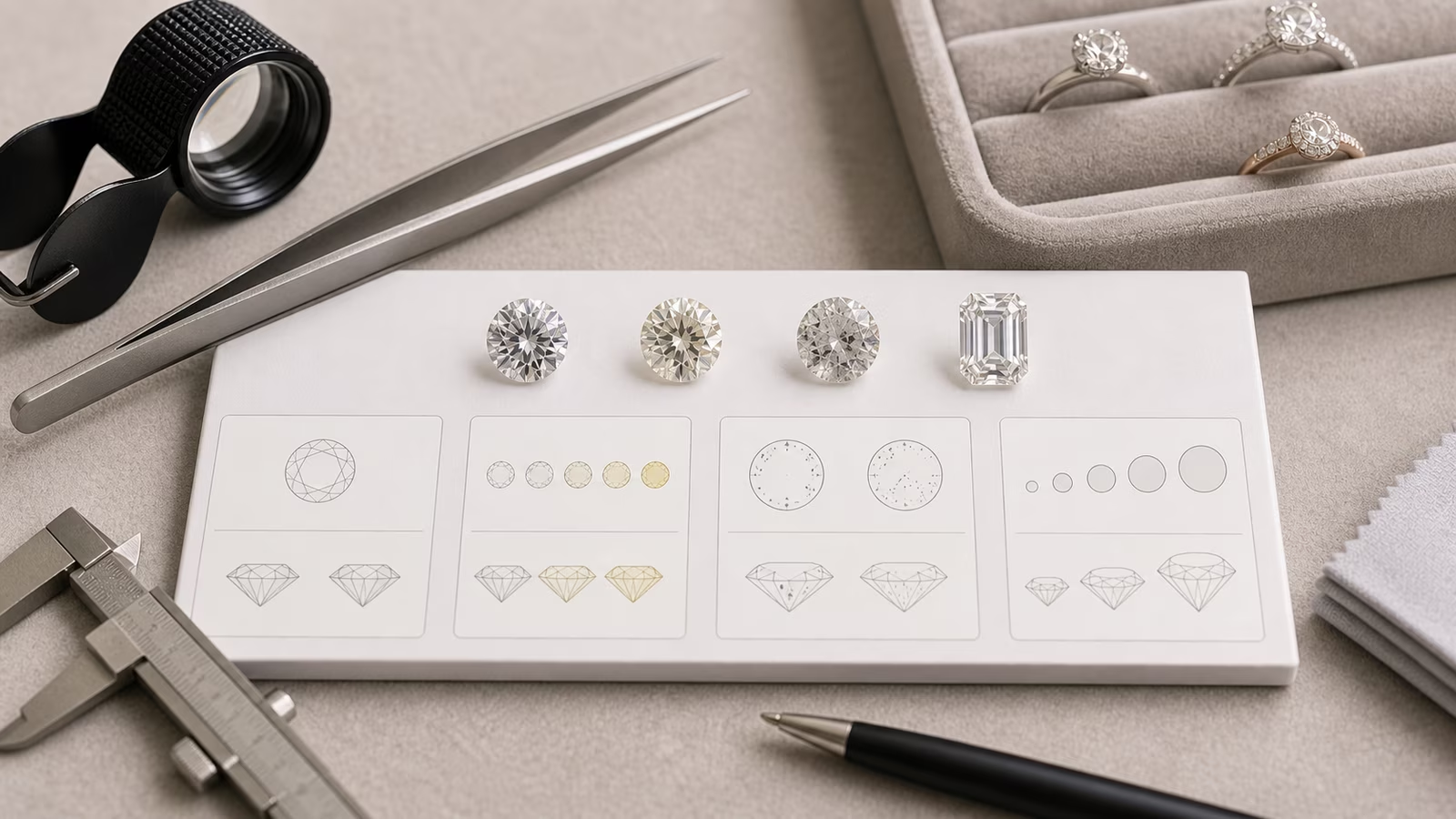
If you have thirty minutes, the Engagement Ring Shopping: 30-Minute Quickstart covers the essentials in one sitting. From there, Understanding the 4Cs of Diamonds , the Ring Settings and Styles Guide , and the Ring Sizing Guide: Get the Perfect Fit shape most of the decisions that follow. The Complete Guide to Ring Metals settles the platinum-versus-gold question, and Lab-Grown vs Natural Diamonds: A Practical Decision Guide walks through the tradeoff that now shapes many budgets. Give yourself room to think with An Engagement Ring Shopping Timeline That Leaves Room to Think , and glance at Wedding Band Pairing with an Engagement Ring: Fit, Gaps, and Practical Matching before you commit to a setting, since some designs make the second ring harder later.
Stones and Grading Cluster
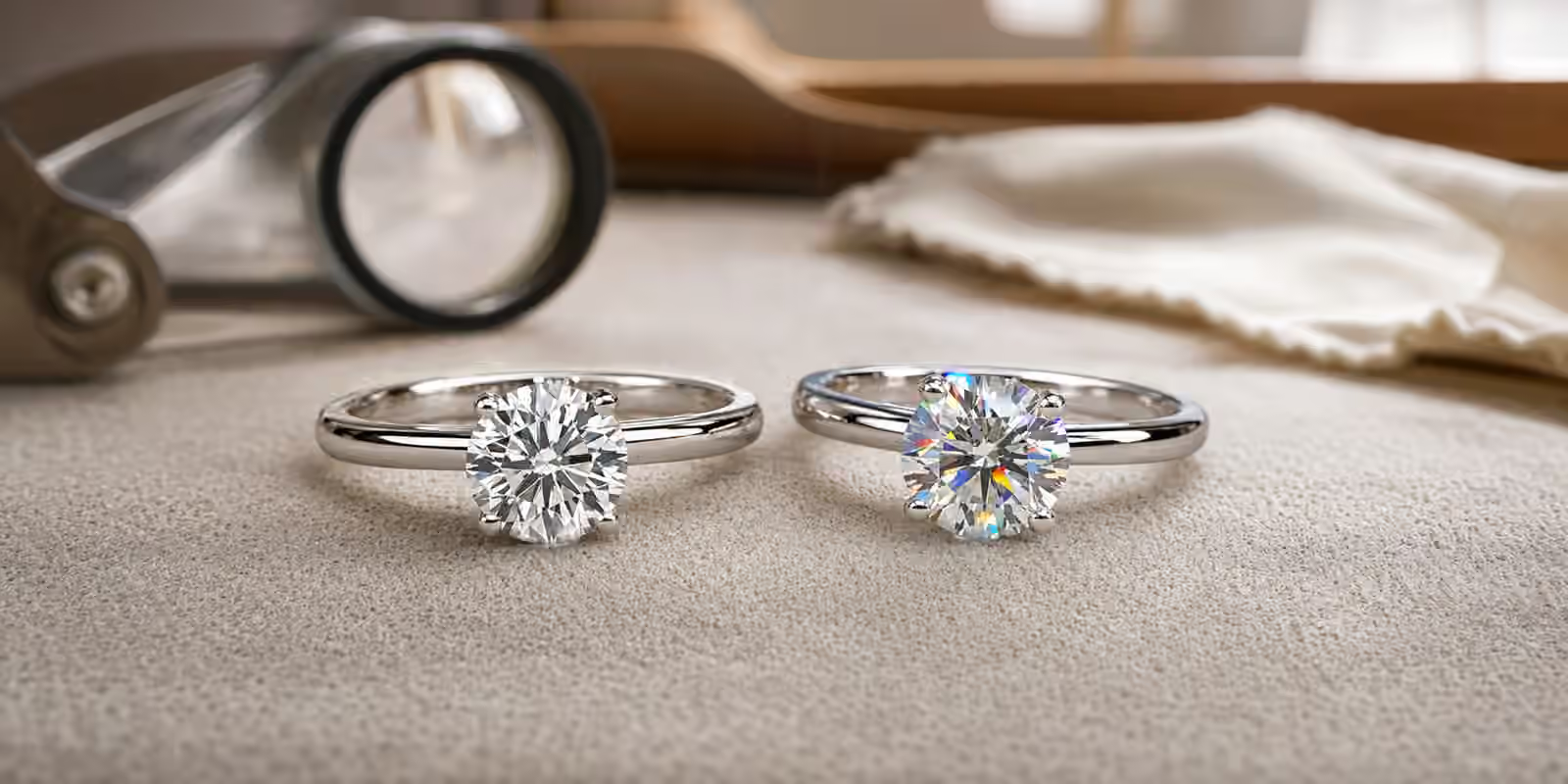
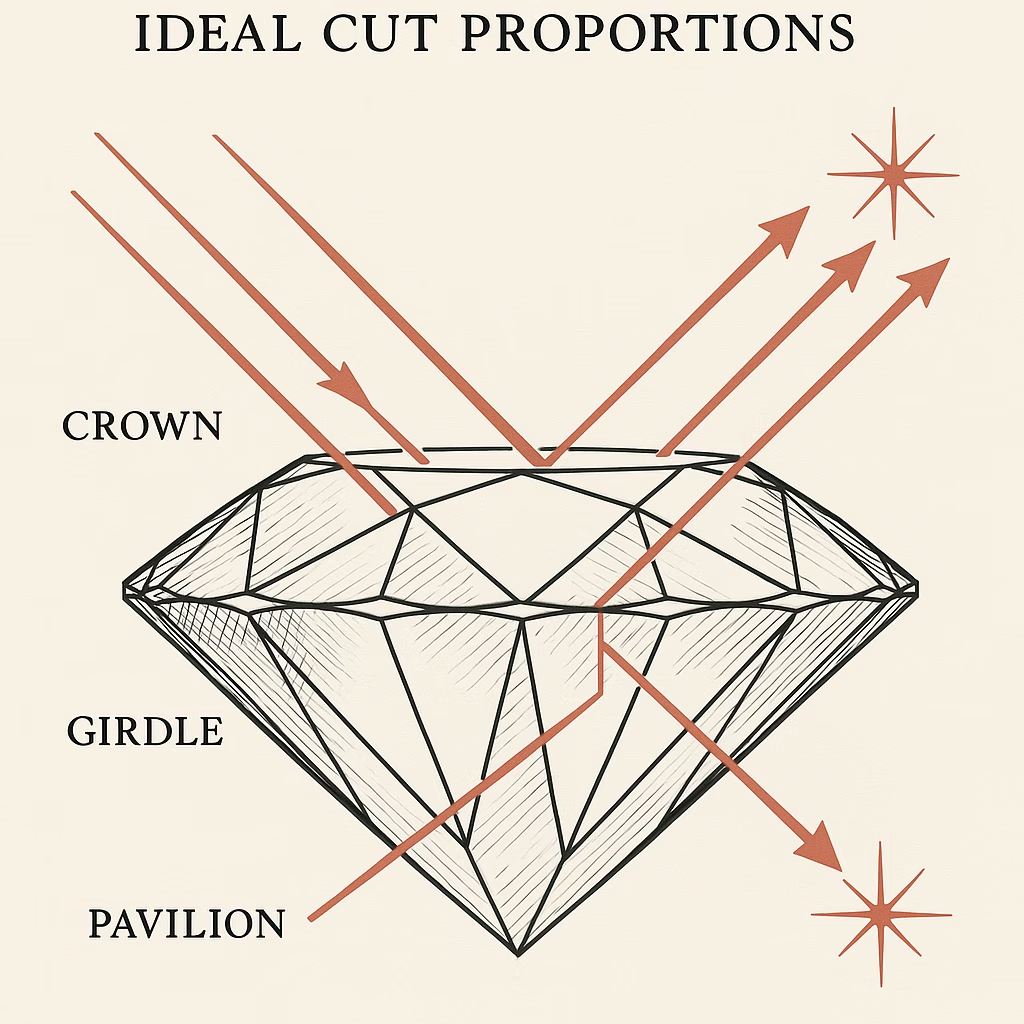
- Diamond Cut Quality and Light Return in Engagement Rings
- Diamond Color Grades for Engagement Rings
- Diamond Clarity and Eye-Clean Engagement Rings
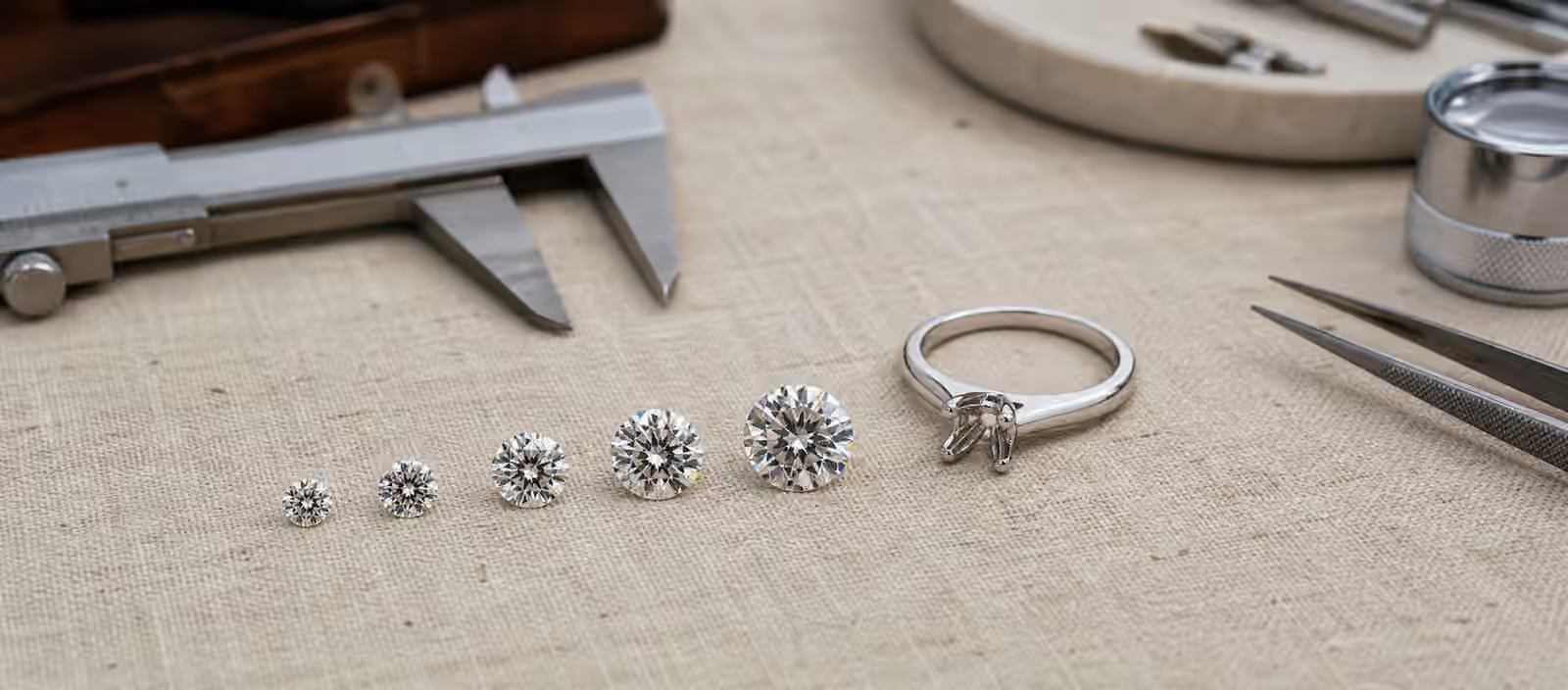
- Diamond Carat Weight and Face-Up Size
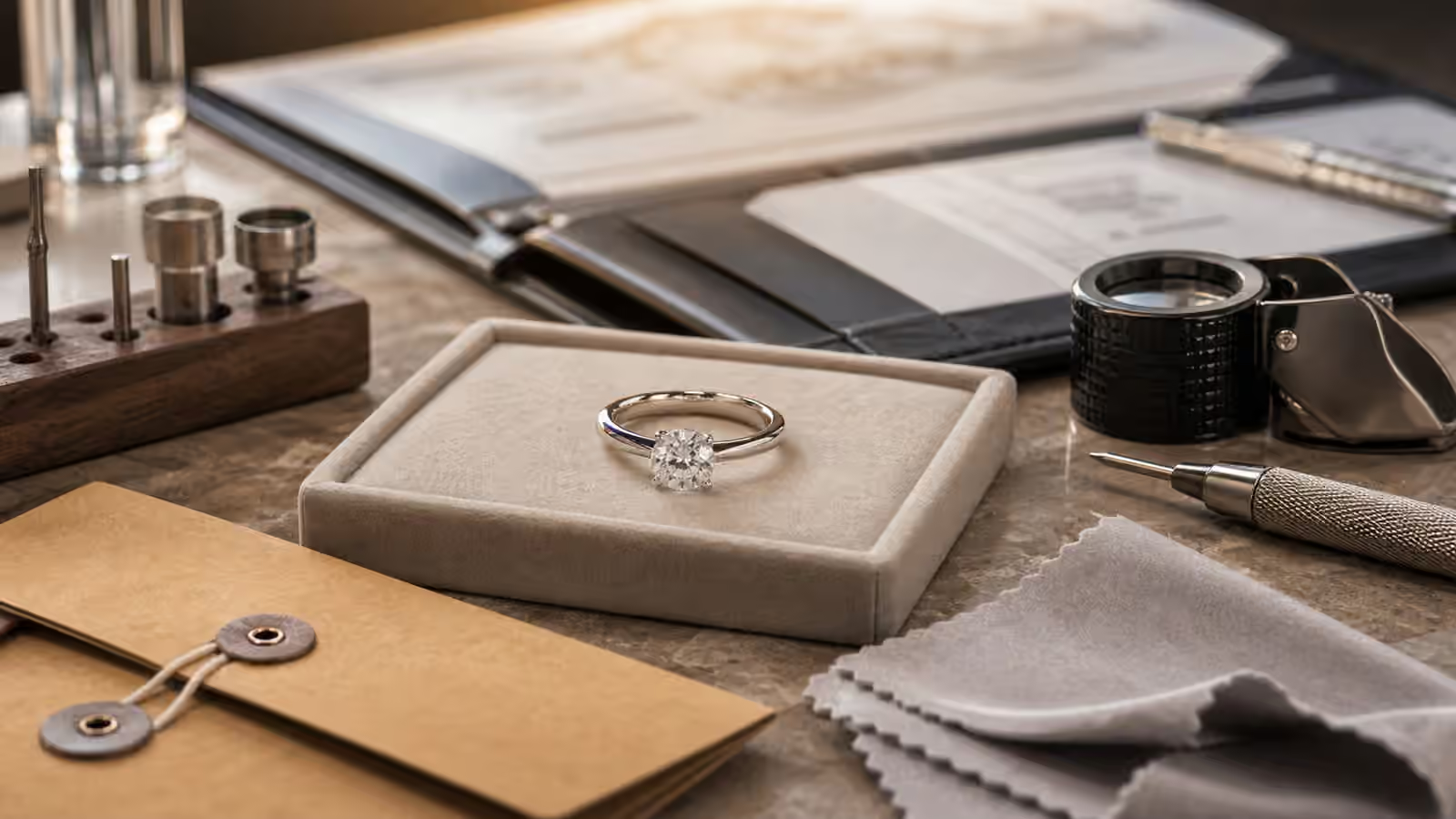
- Reading a Diamond Grading Report Before You Buy
- Choosing a Diamond Shape for an Engagement Ring
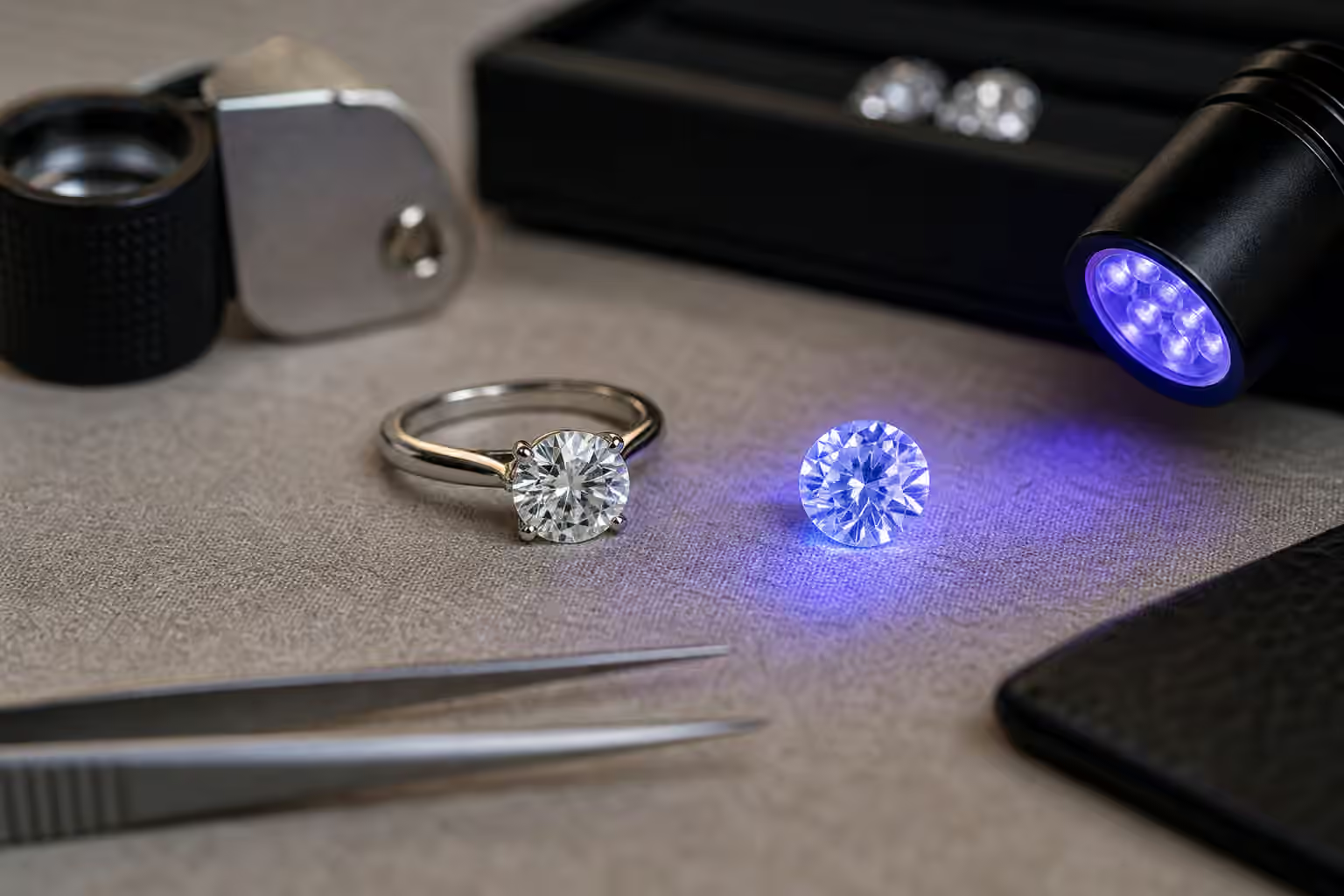
- Diamond Fluorescence in Engagement Rings: What the Glow Really Means
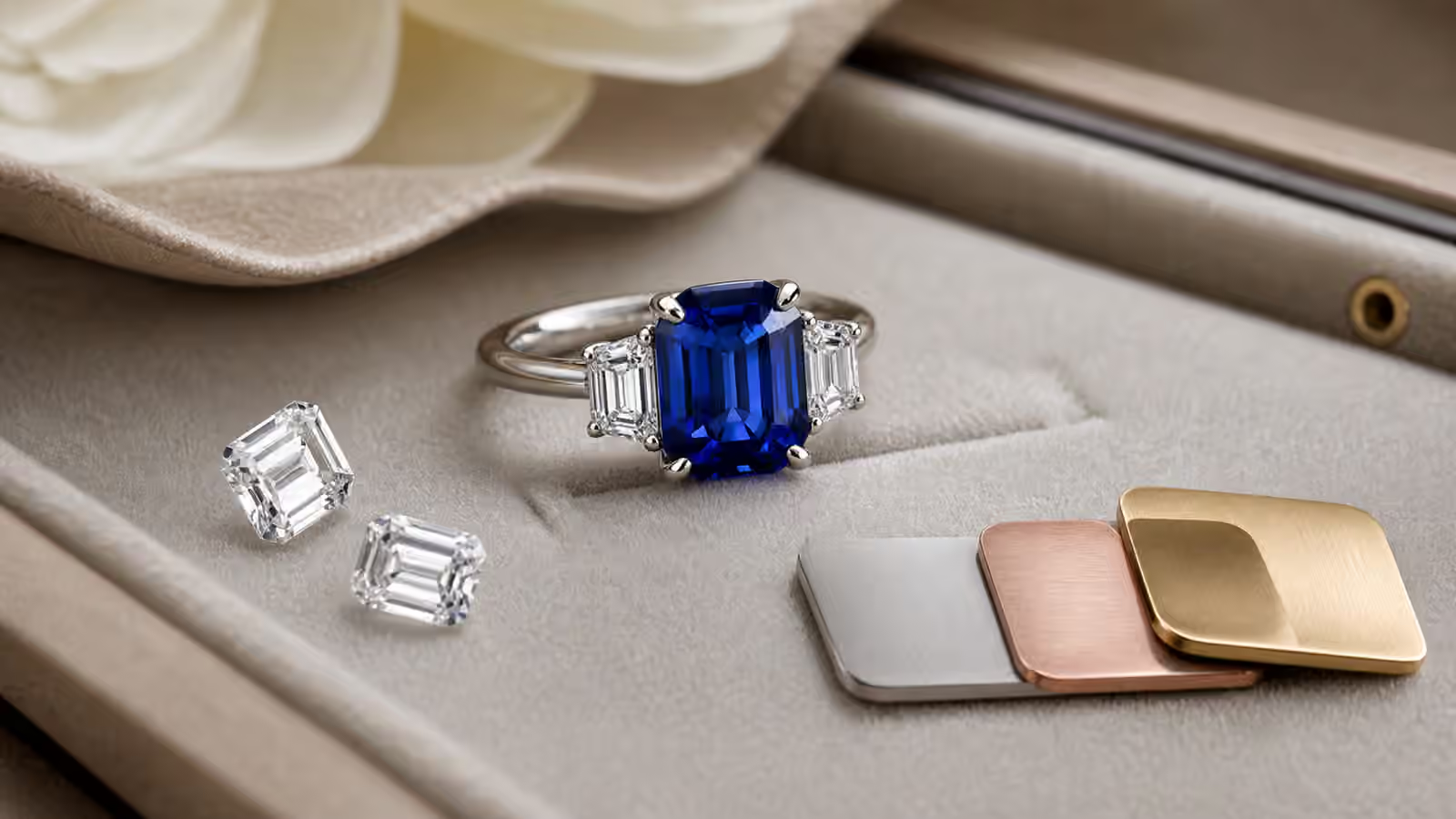
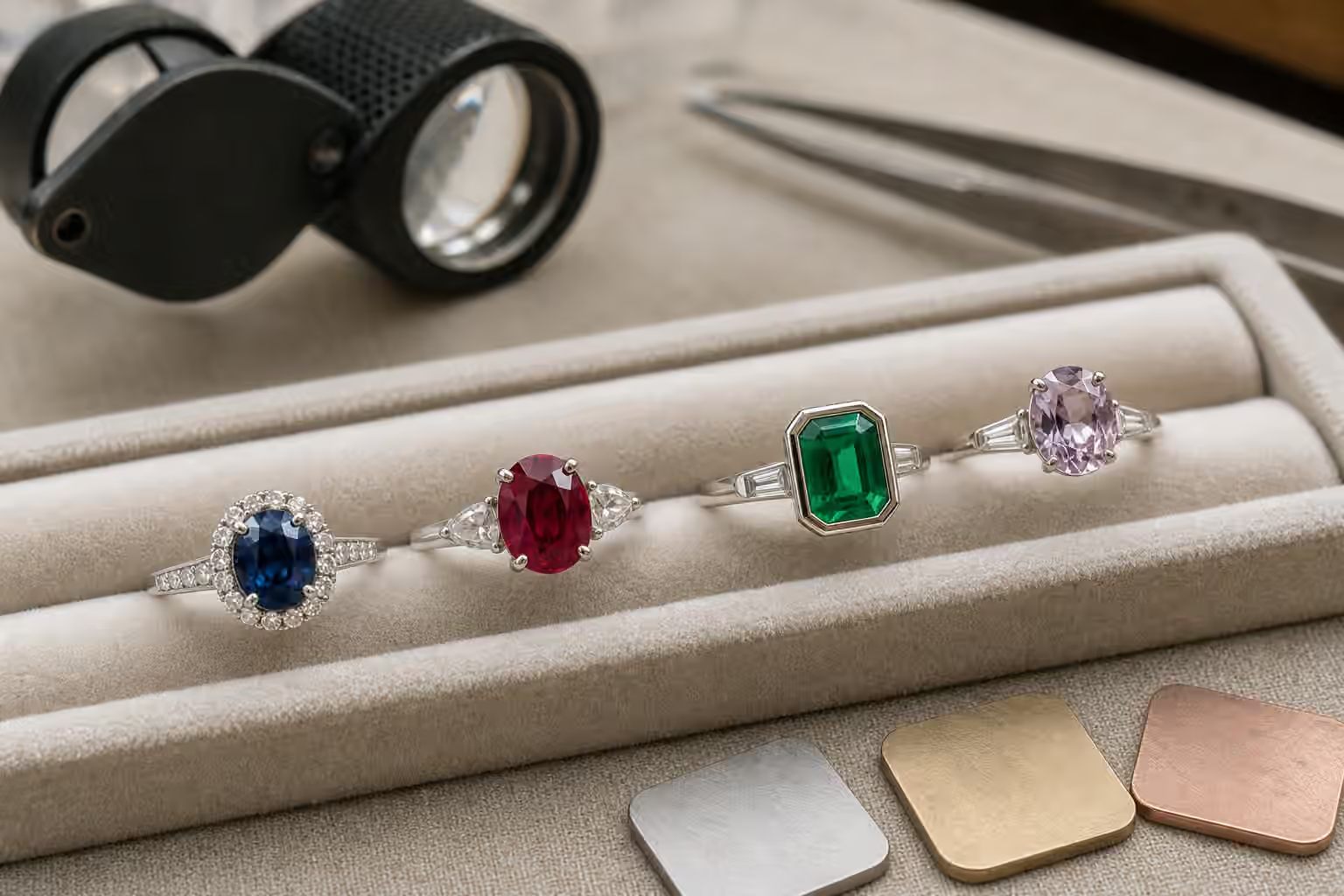
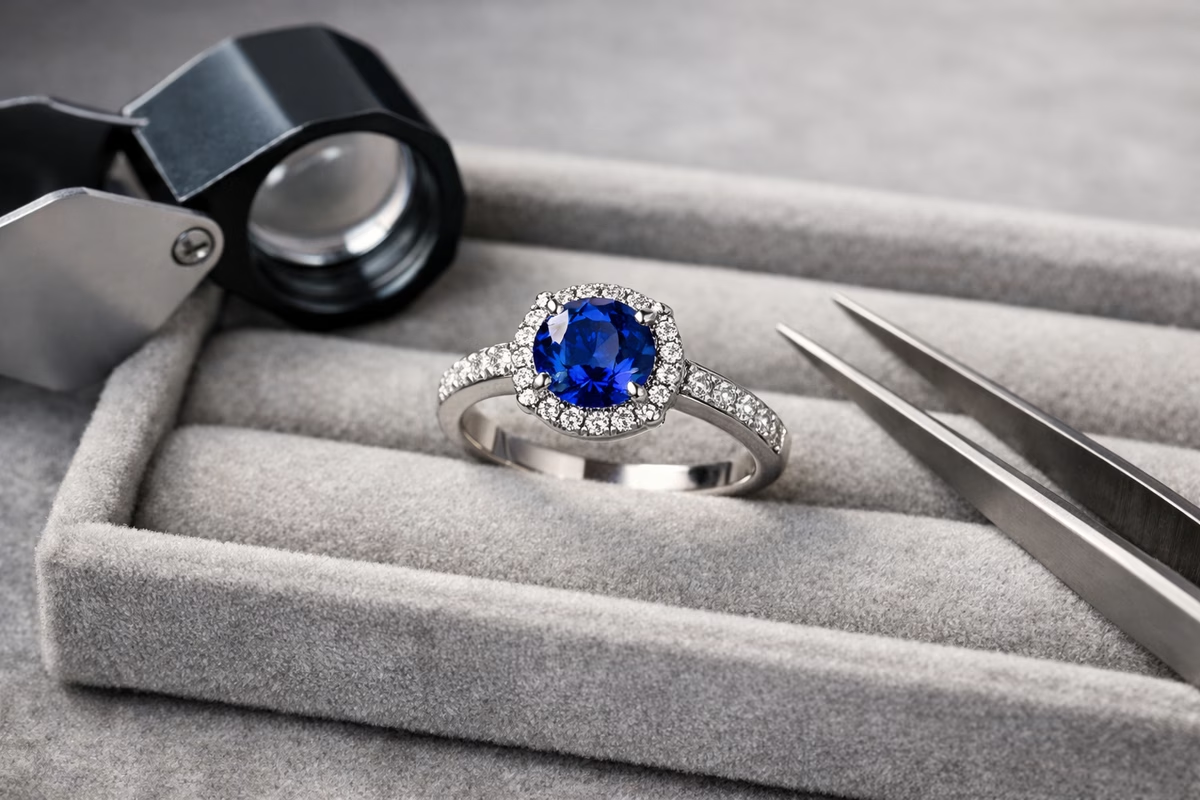
- Sapphire Engagement Rings: Color, Durability, and Setting Choices
- Moissanite Engagement Rings: Sparkle, Tradeoffs, and Setting Choices
- Colored Gemstone Durability for Engagement Rings
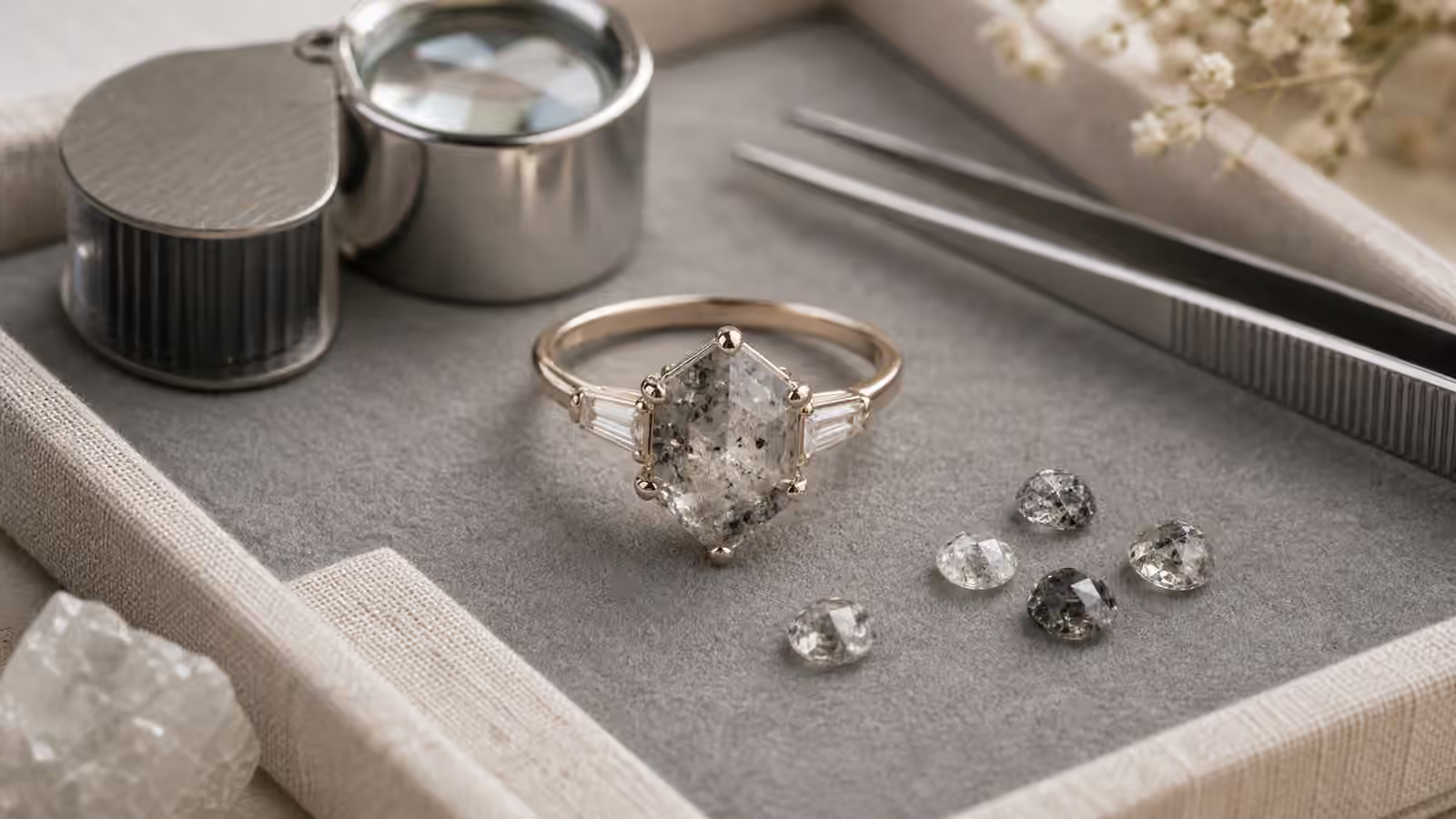
- Salt-and-Pepper Diamond Engagement Rings: Character Without Guesswork
Settings and Style Cluster
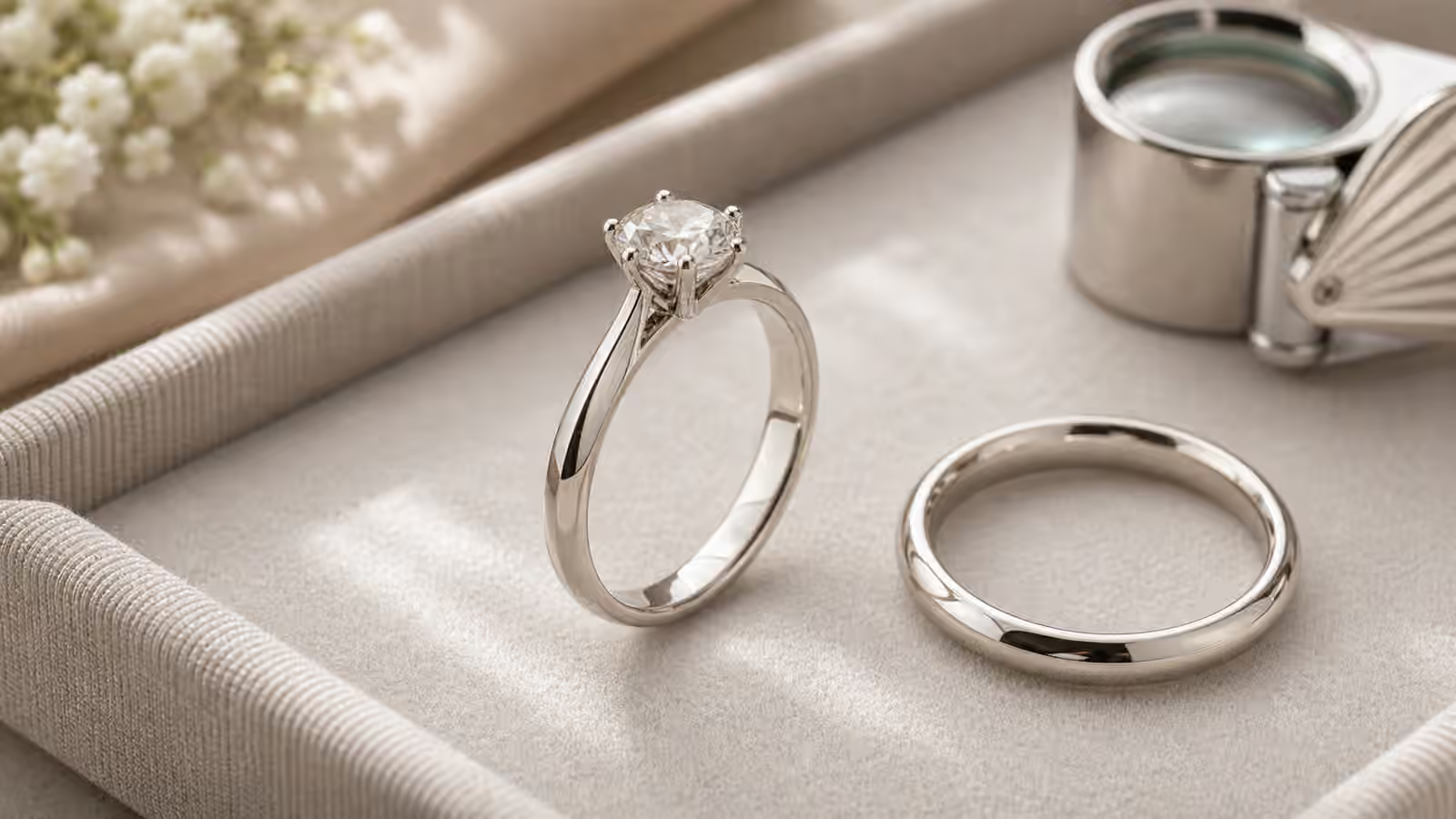
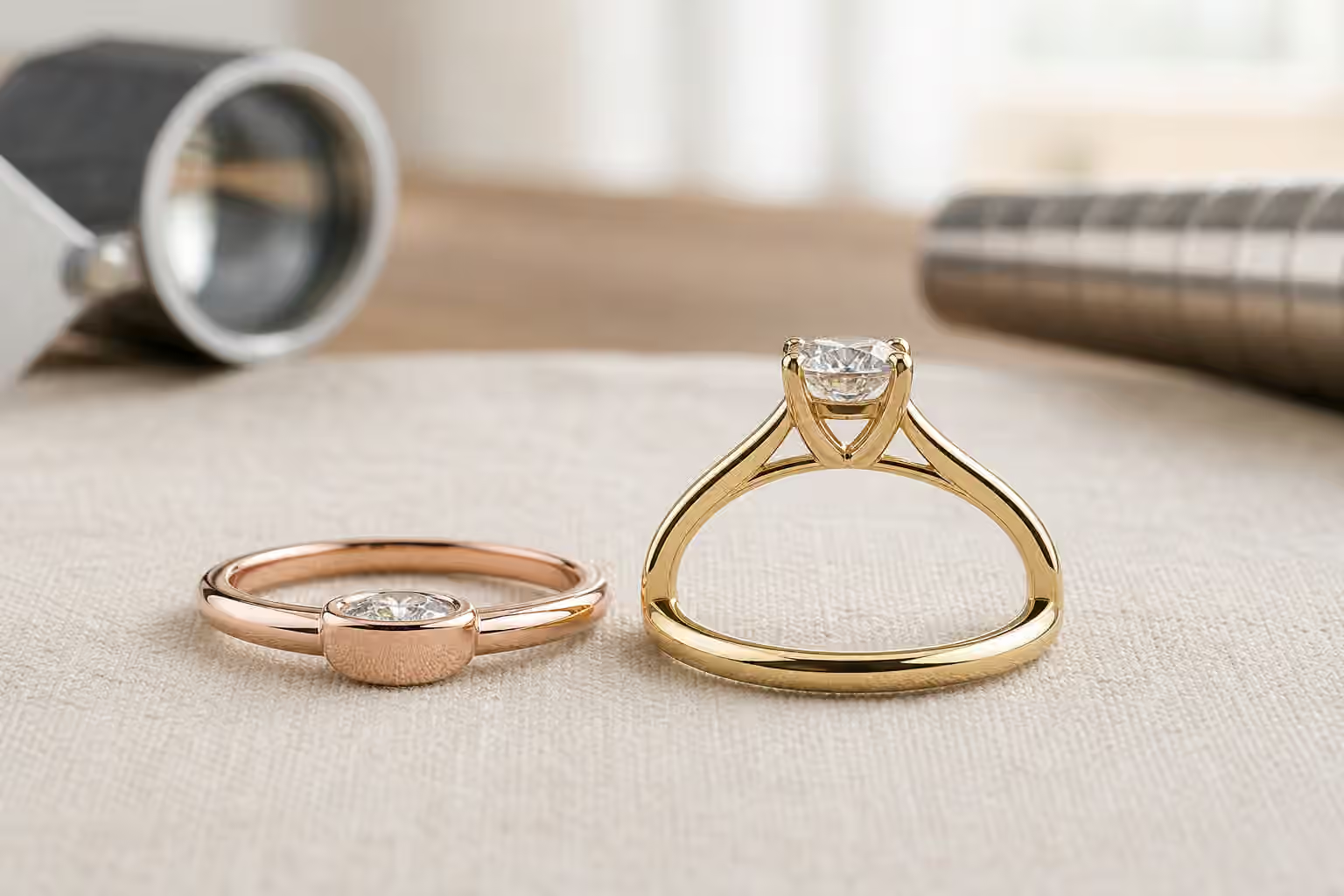
- Solitaire Engagement Rings: Quiet Settings, Real Choices
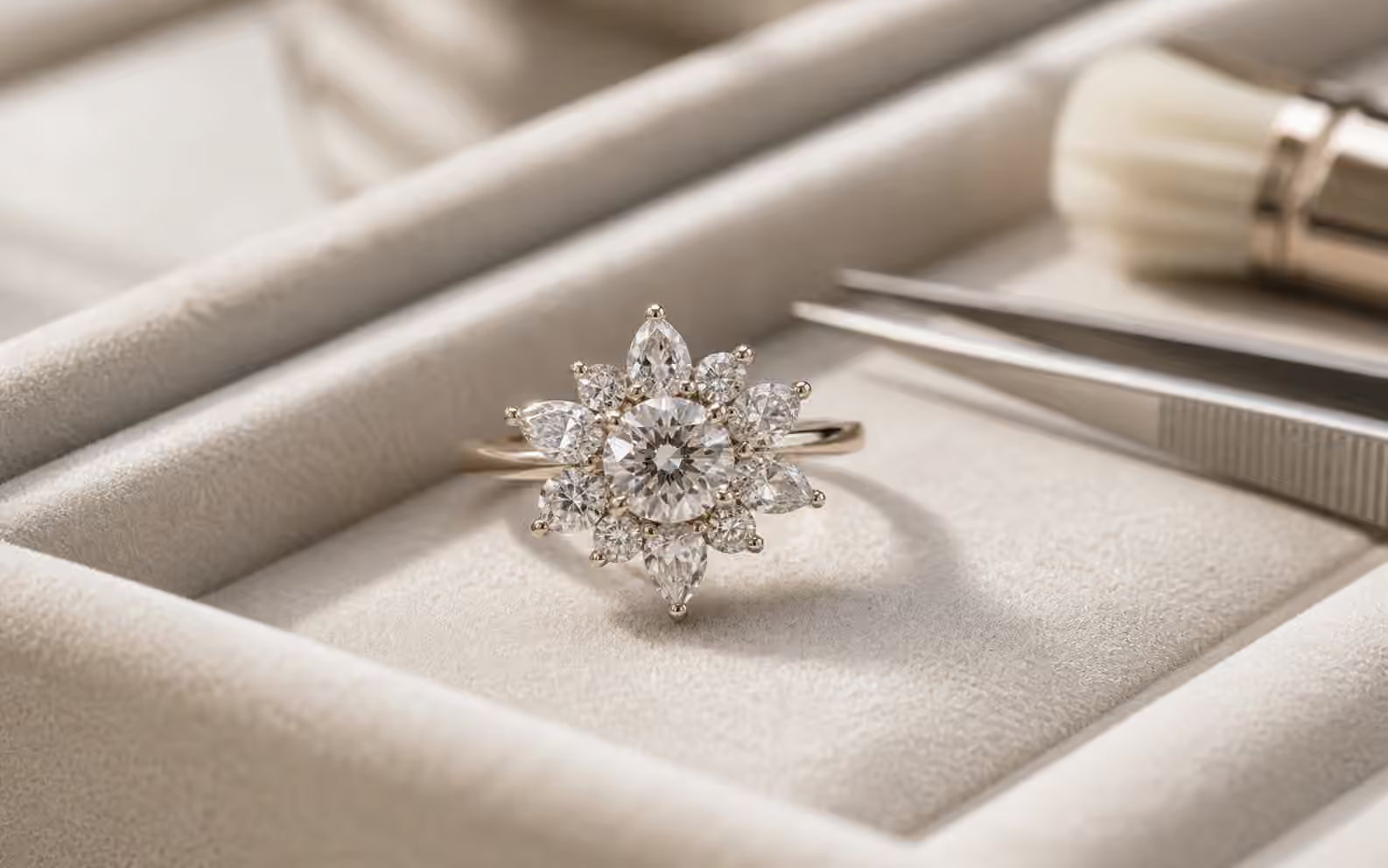
- Halo Engagement Rings: Proportion, Maintenance, and Center-Stone Fit
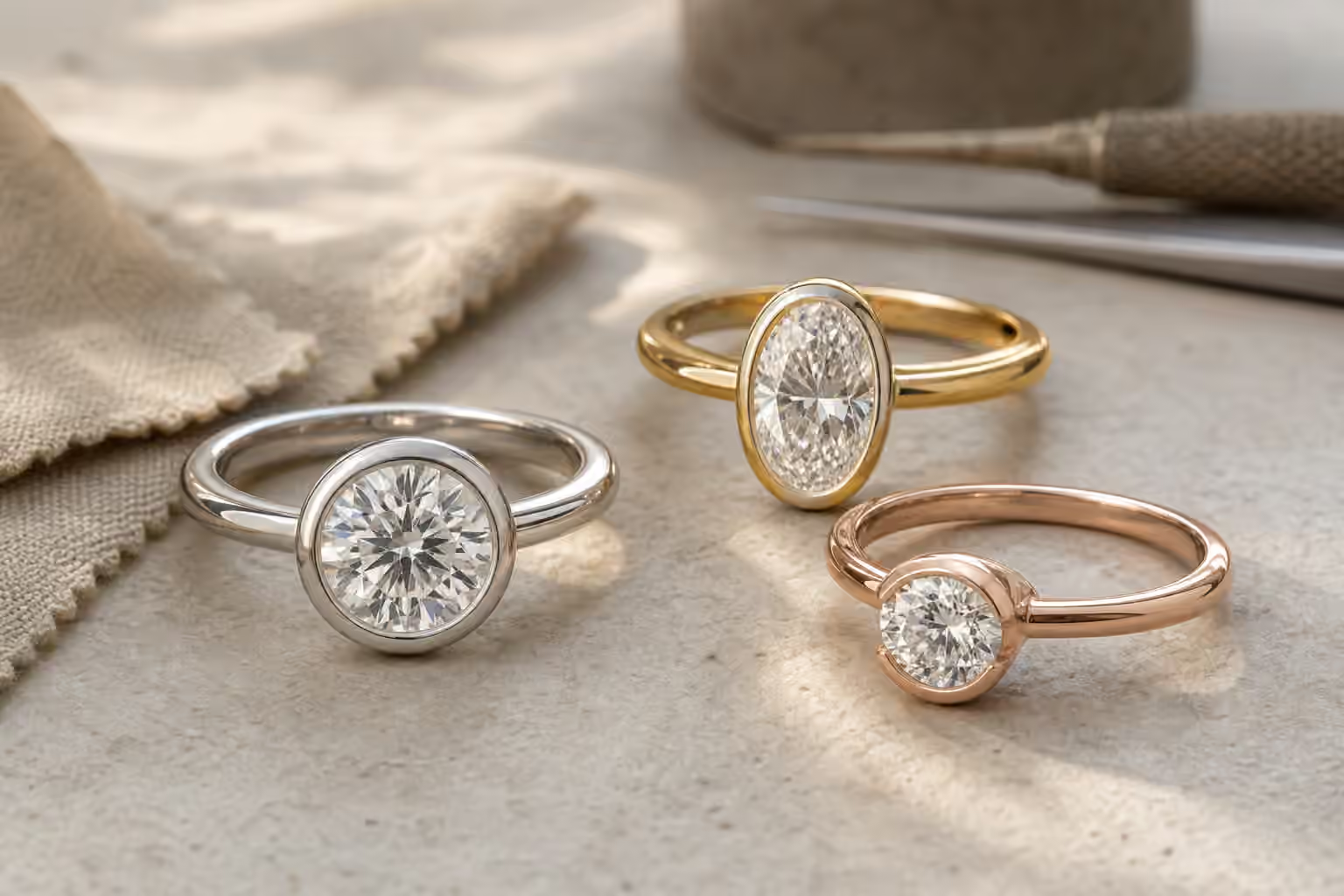
- Bezel Engagement Rings: Security, Light, and Low-Profile Style
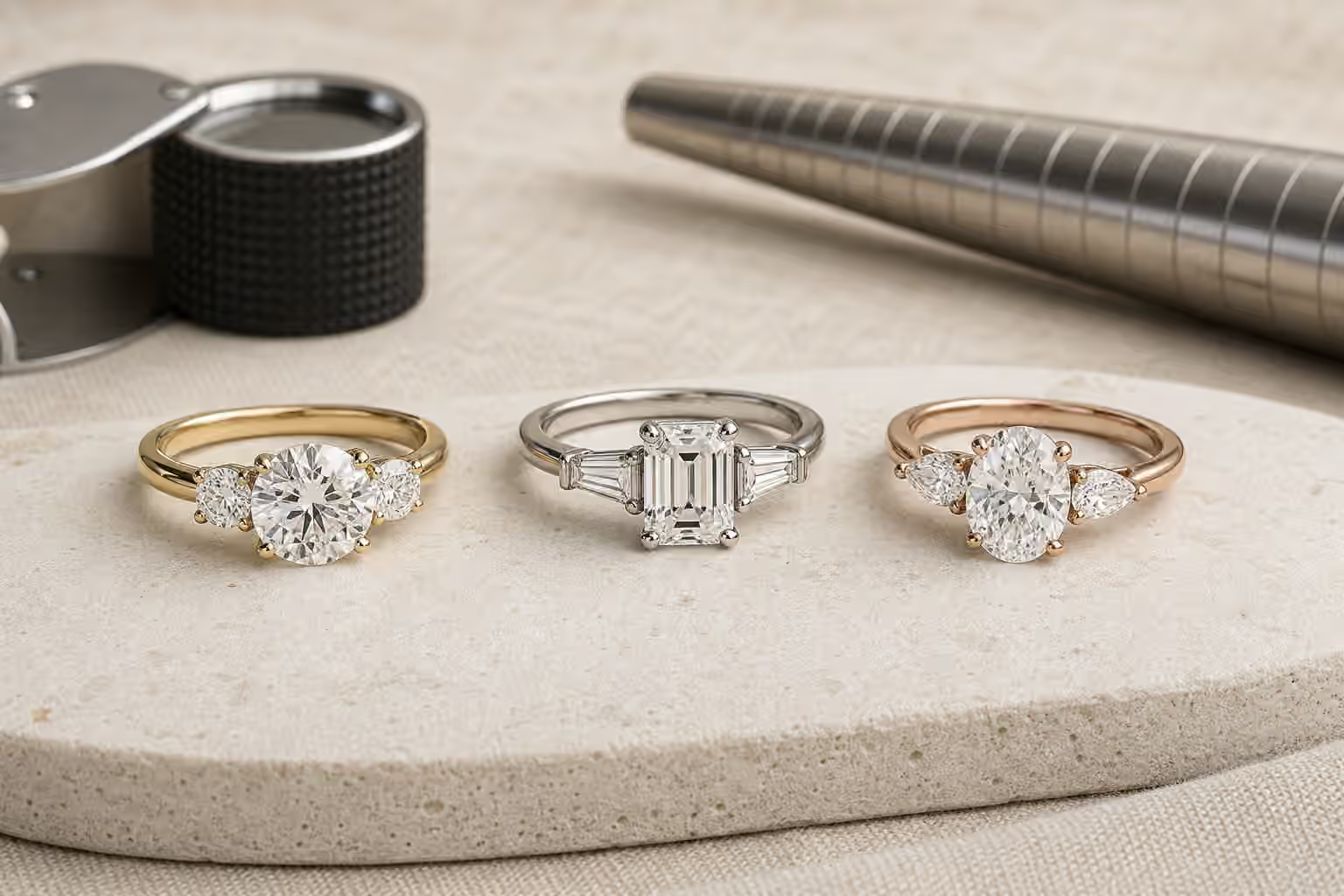
- Three-Stone Engagement Rings: Proportion, Meaning, and Daily Wear
- Pave Engagement Rings: Tiny Diamonds, Durability, and Maintenance
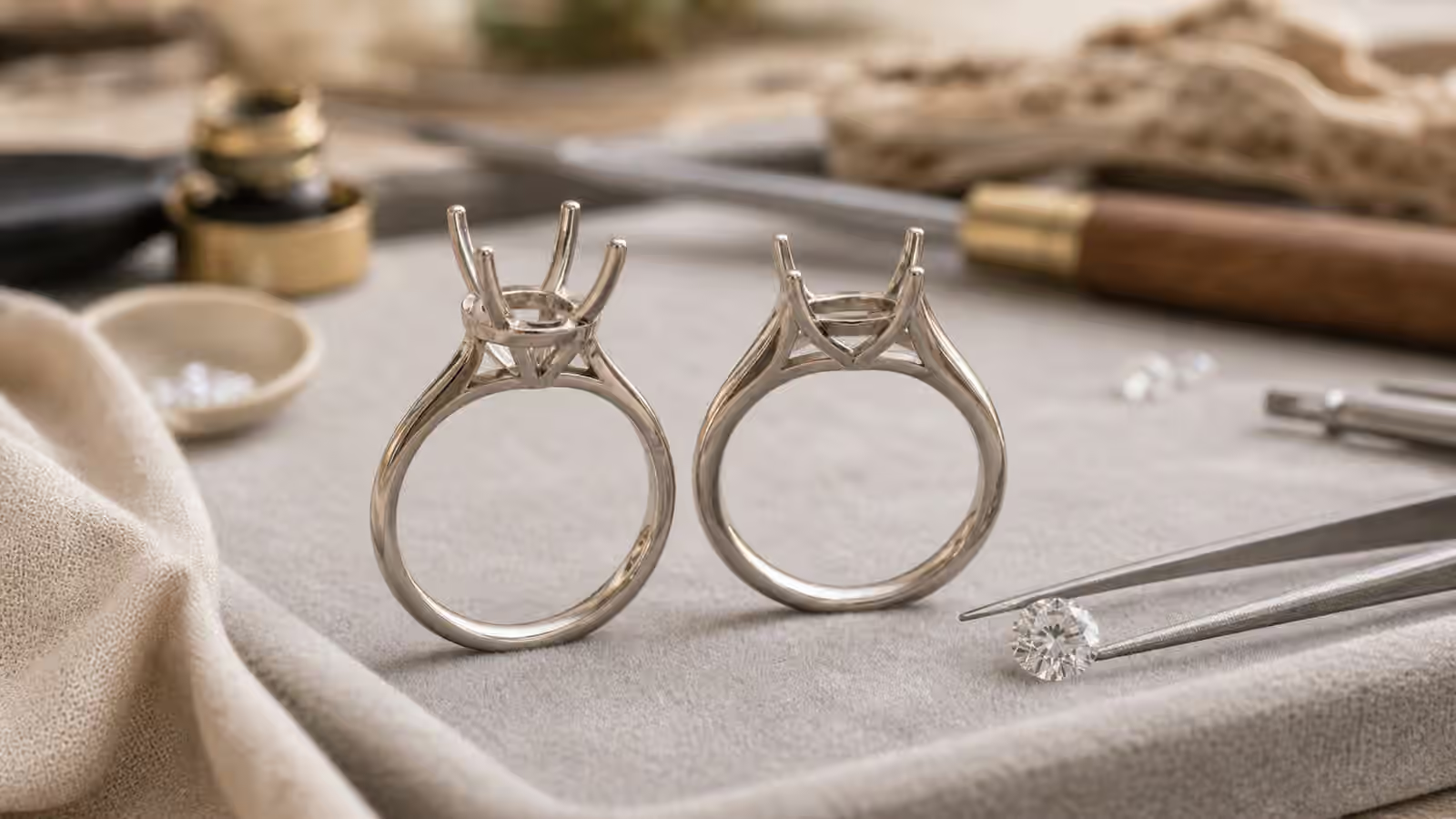
- Engagement Ring Prongs: Count, Shape, and Stone Security
- Low-Profile Engagement Rings: Setting Height, Comfort, and Daily Wear
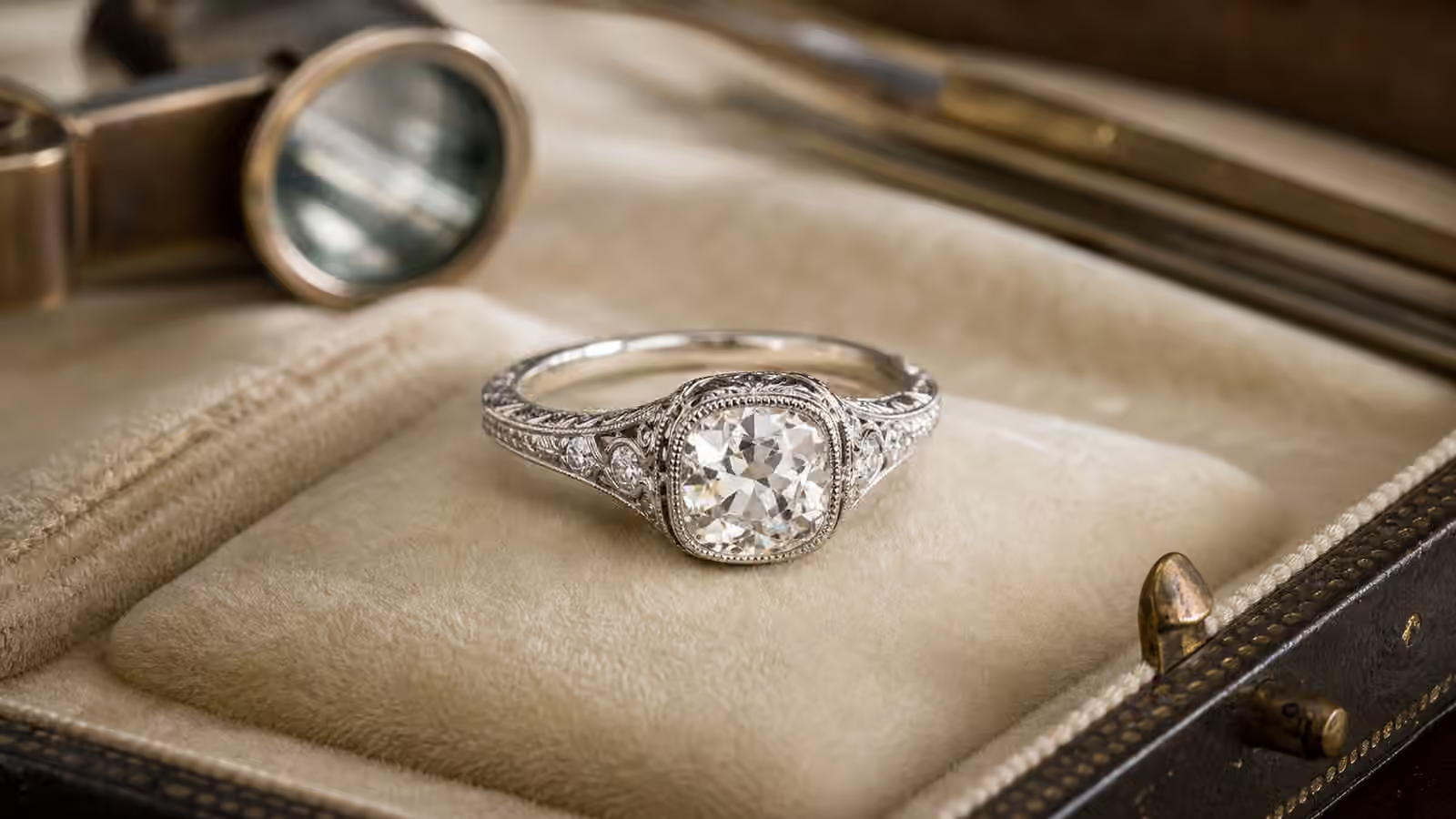
- Vintage-Inspired Engagement Rings: Old Details With Modern Wearability
- Side Stones and Accent Diamonds in Engagement Rings
- Two-Tone Engagement Rings: Mixed Metals, Contrast, and Long-Term Style
- Engagement Ring Proportions on the Hand
- Engagement Rings for Active Hands: Beauty That Can Handle Daily Life
Shopping and Sourcing Cluster
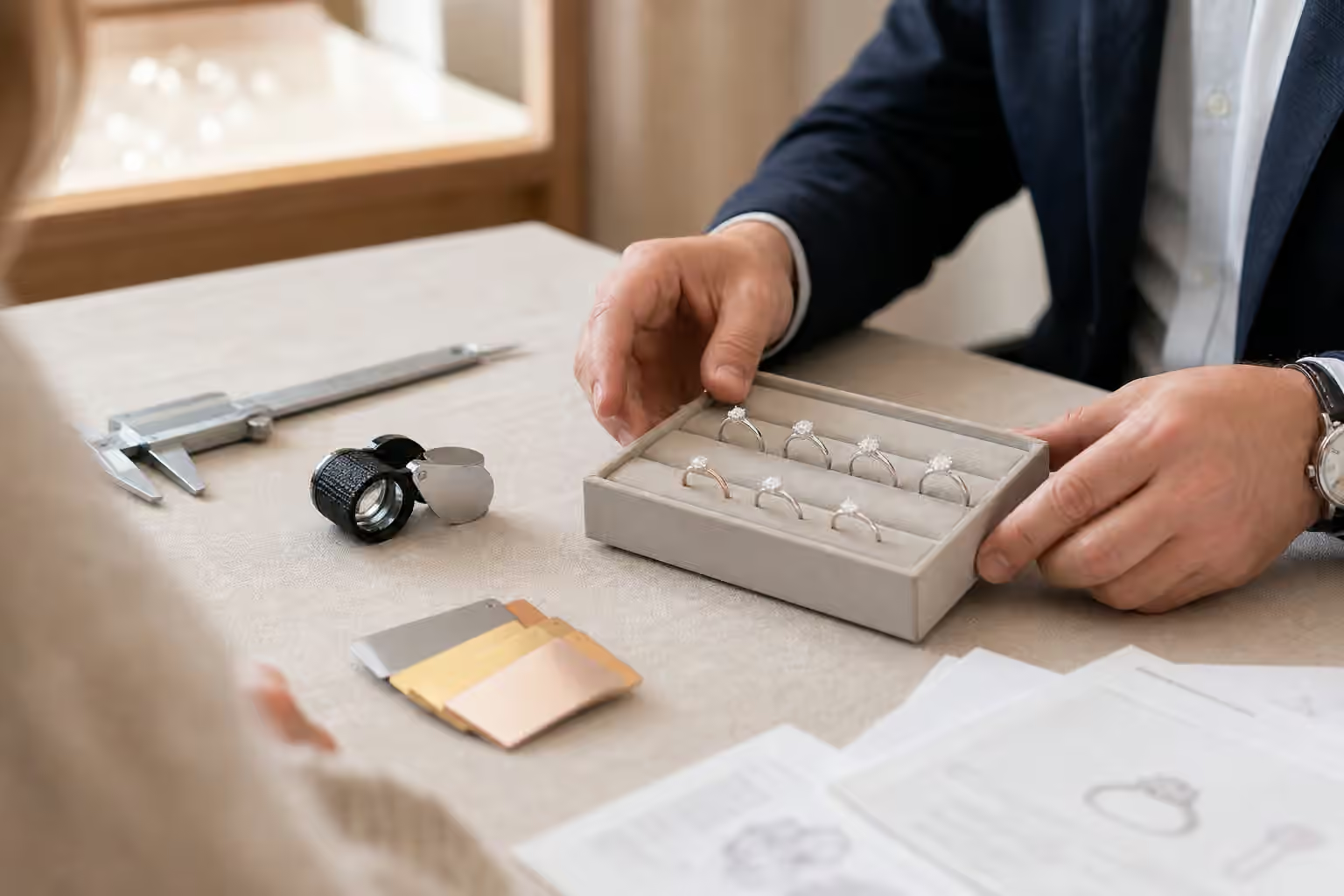
- Choosing an Engagement Ring Jeweler: Trust, Craft, and Aftercare
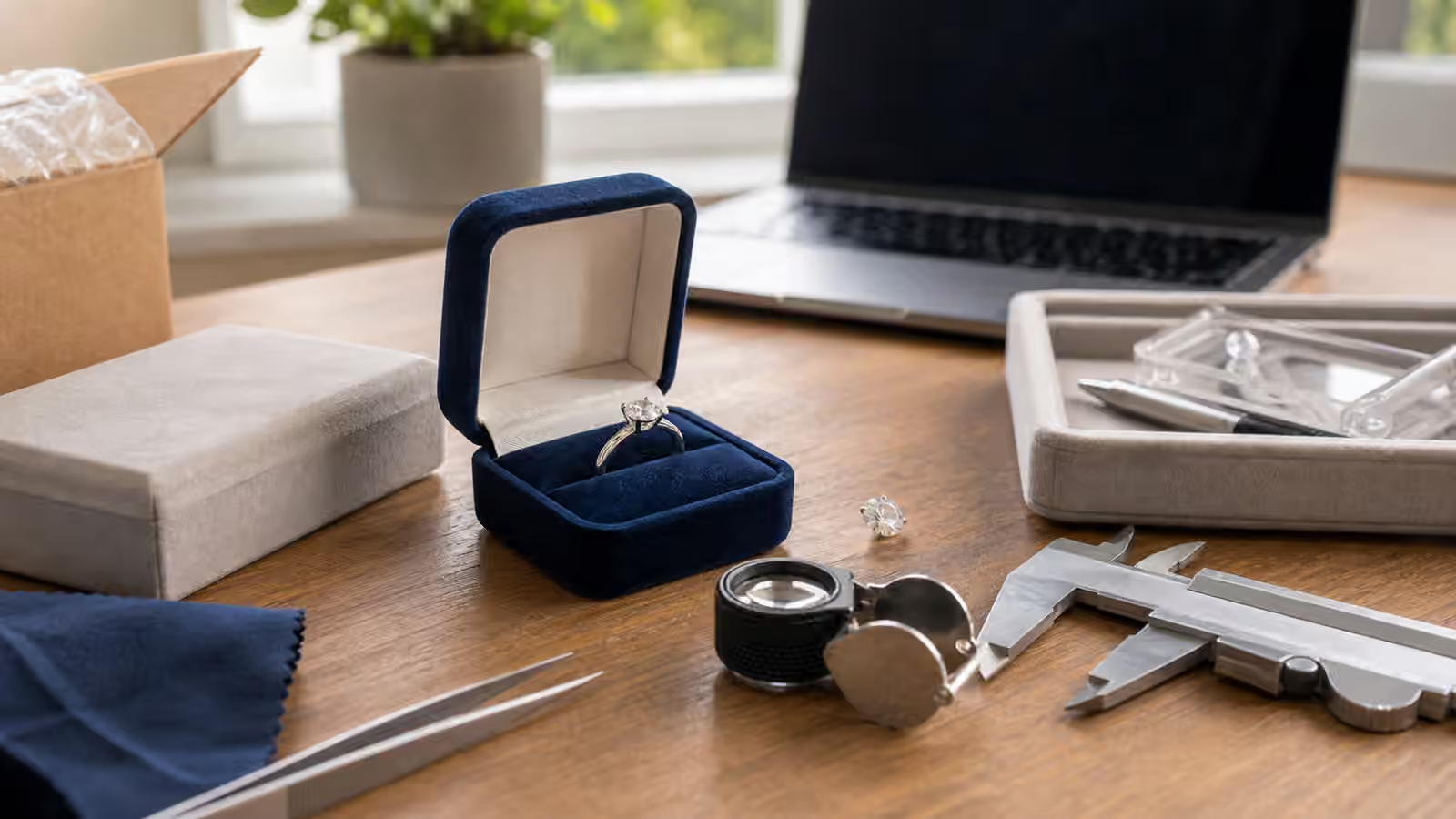
- Buying an Engagement Ring Online Without Losing the Human Checks
- Responsible Engagement Ring Sourcing
- Proposing With a Placeholder Ring Before Choosing the Final Ring
- Engagement Ring Etiquette and Traditions: A Modern Guide
- Engagement Ring Glossary
- The Budget Ring That Looked Like a Million (A Story About Smart Ring Shopping)
- Designing a Ring That Didn’t Exist Yet (A Custom Engagement Ring Story)
Ownership and Aftercare Cluster
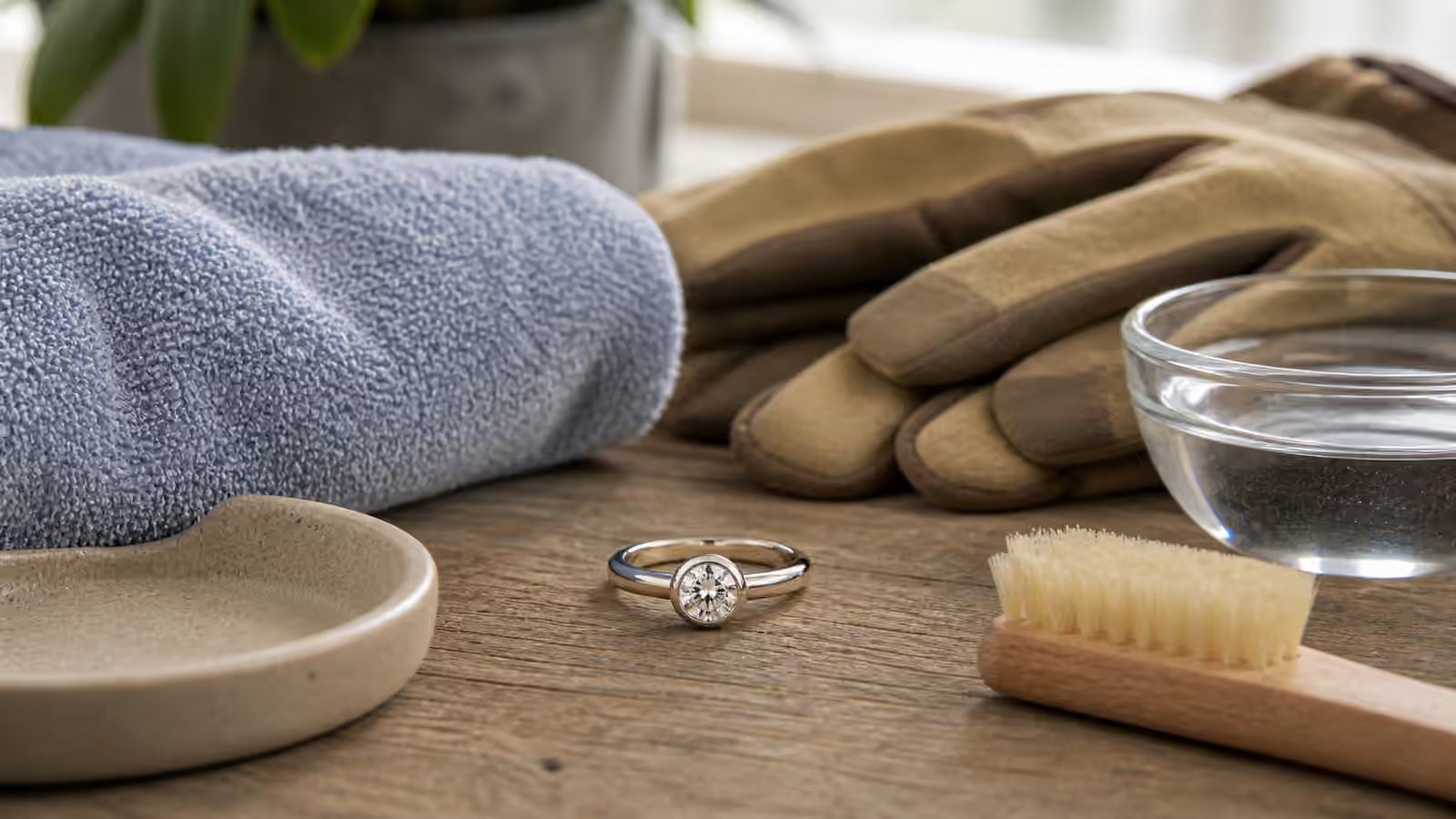
- Engagement Ring Care and Maintenance
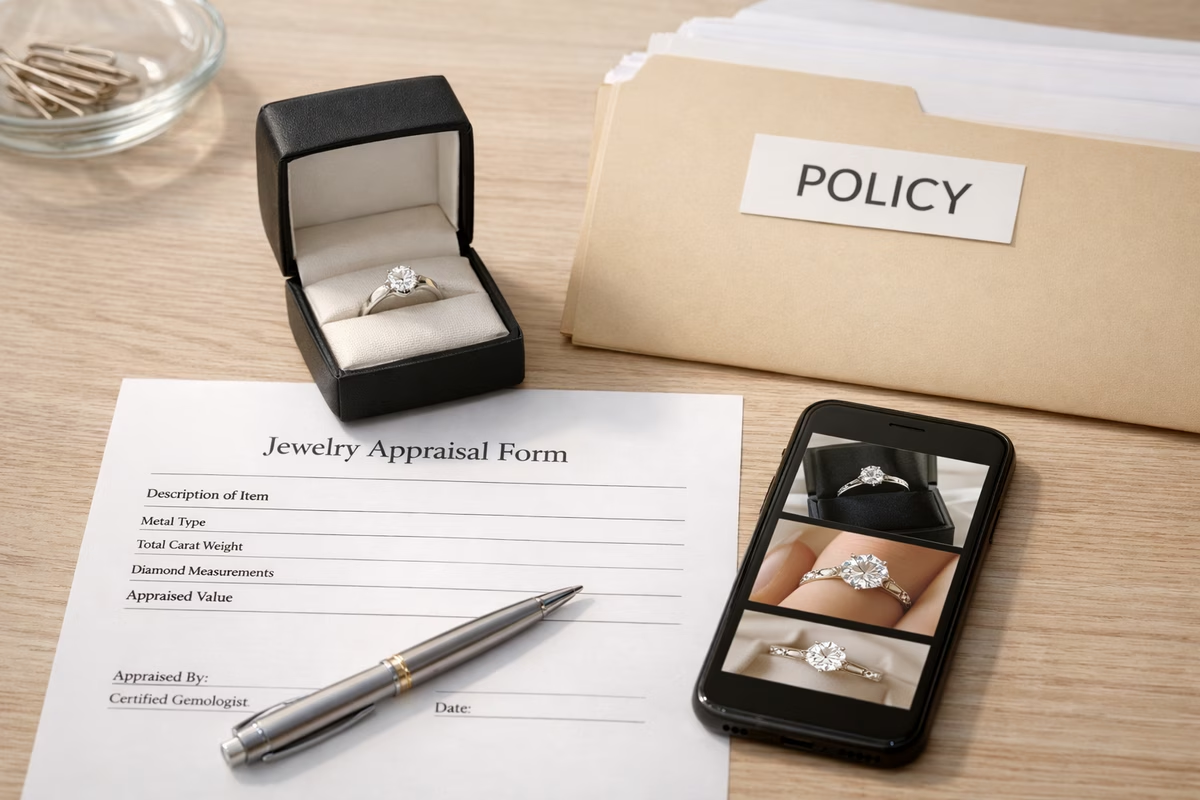
- Engagement Ring Insurance: Appraisals, Coverage, and Claim-Proof Documentation
- Engagement Ring Appraisals: Documents, Value, and Practical Use
- Engagement Ring Warranties and Service Plans: What They Really Cover
- Engagement Ring Resizing After the Proposal
- White Gold Rhodium Engagement Rings: Color, Wear, and Replating
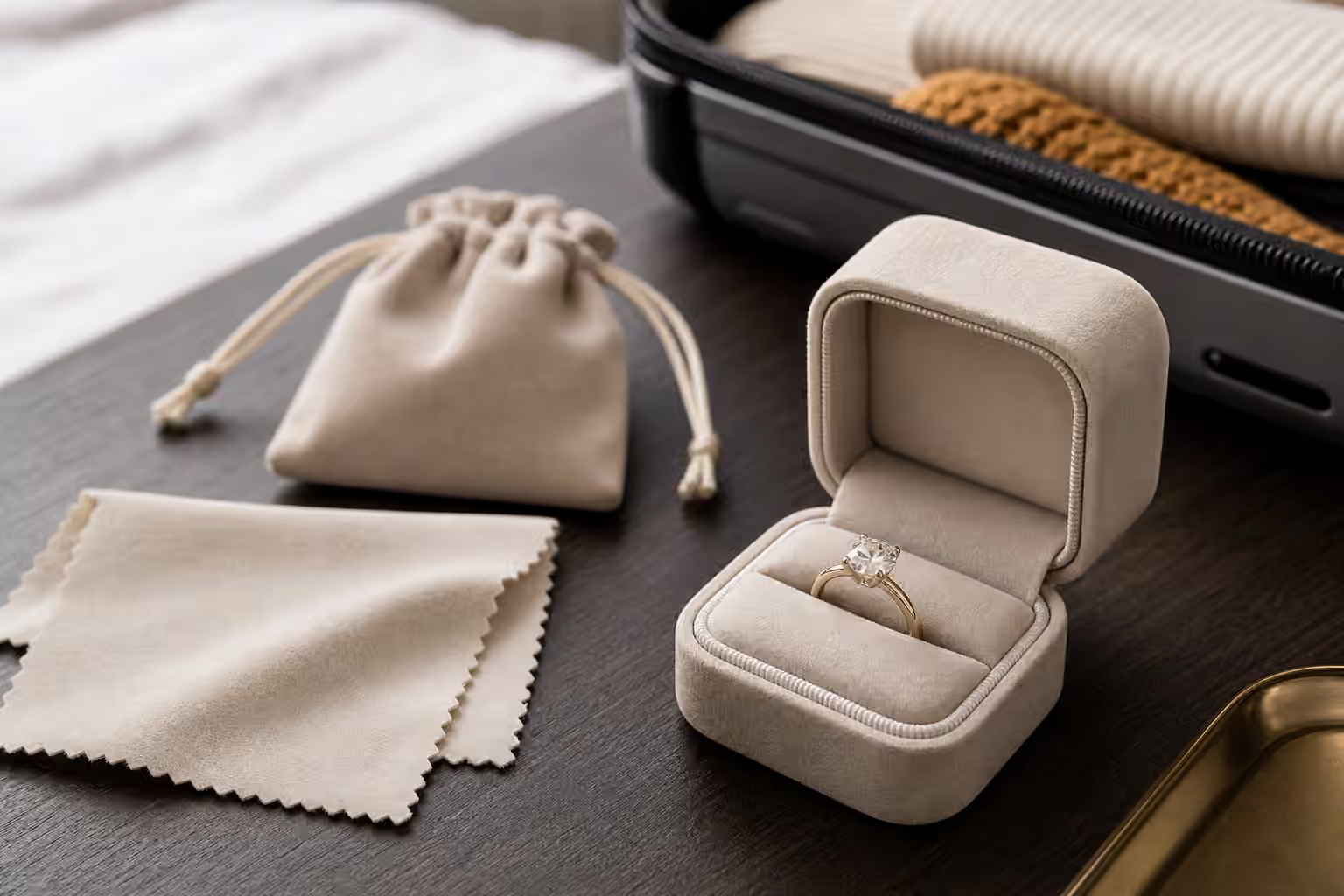
- Traveling With an Engagement Ring: Storage, Wear, and Practical Habits
Use the clusters in the order the decisions actually arrive: stone first, setting second, seller third, and paperwork last. When you have a shortlist, compare stones in real light, take notes on what you see, and make sure the ring feels comfortable on the hand that will wear it. The aftercare guides matter most in the month after the proposal — resizing, insurance, and documentation are far easier while receipts and reports are still on the kitchen table.