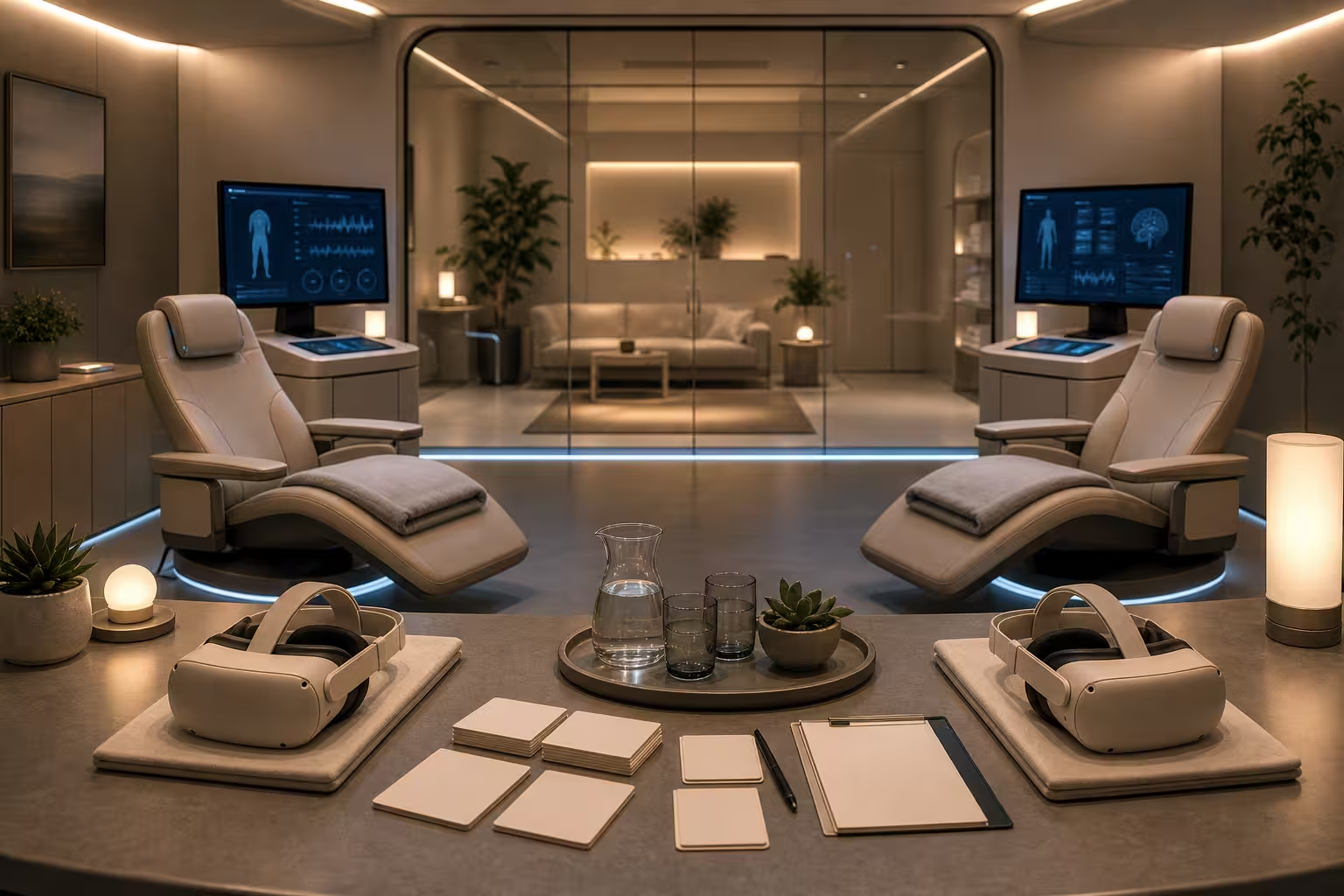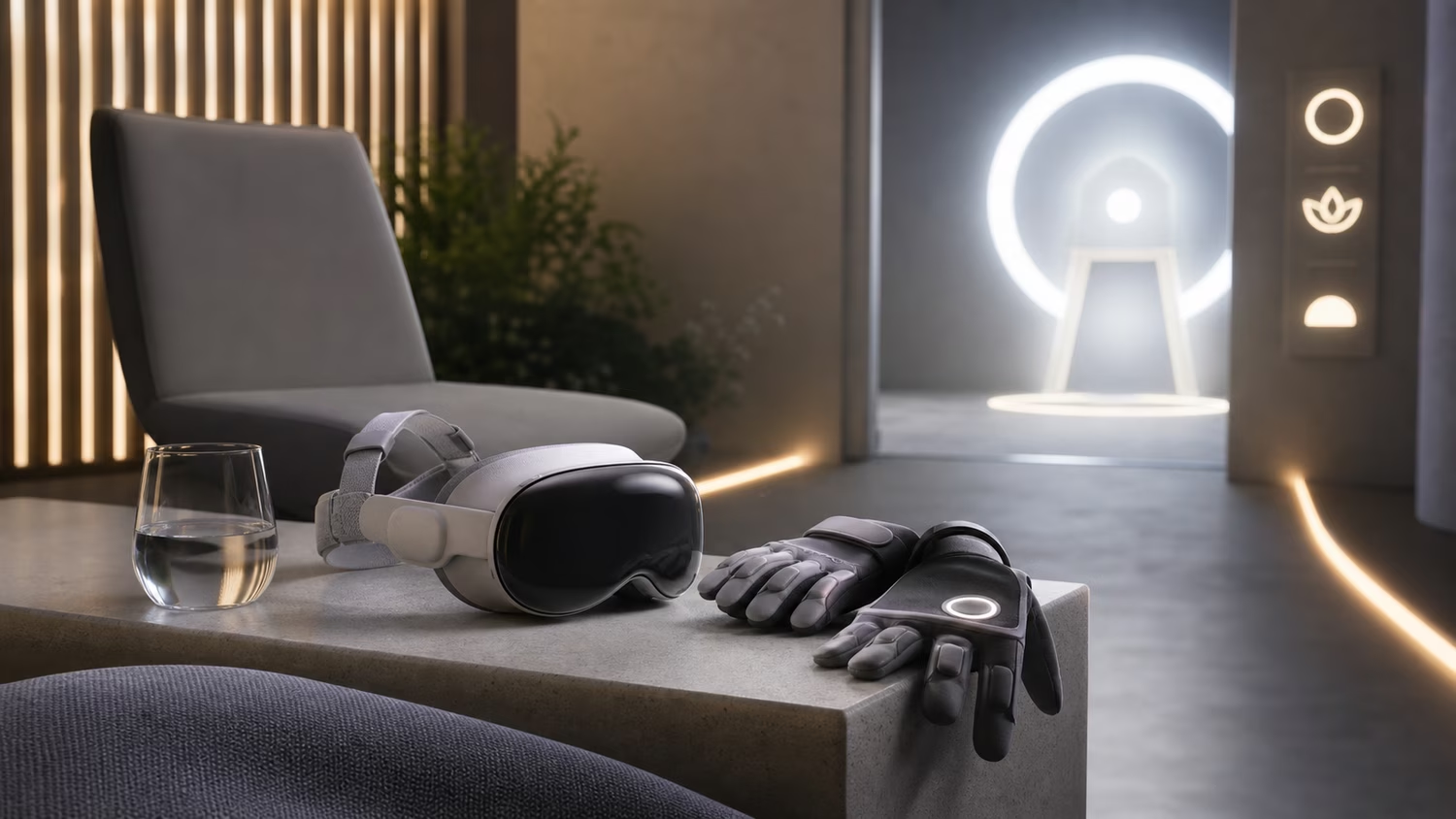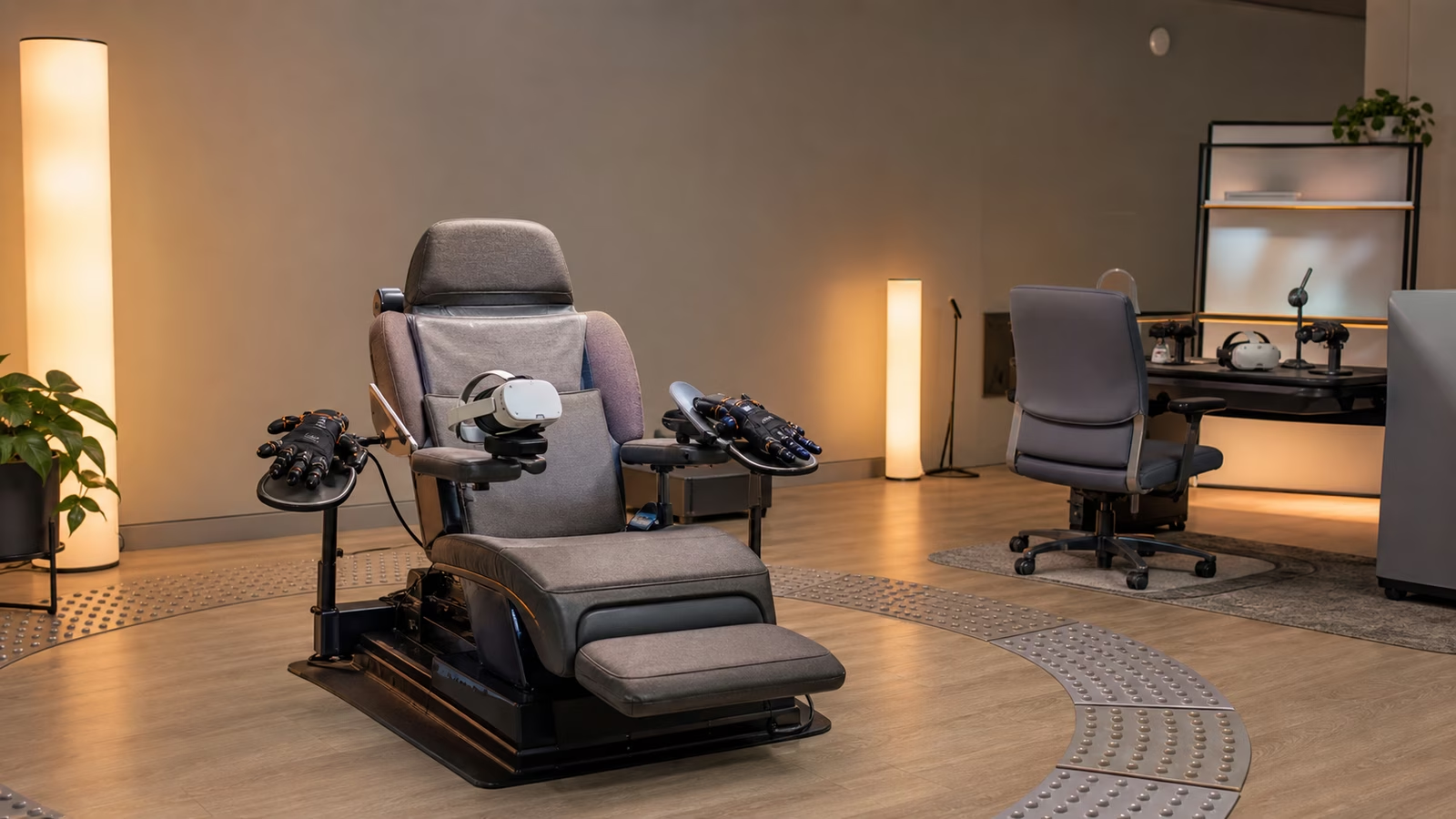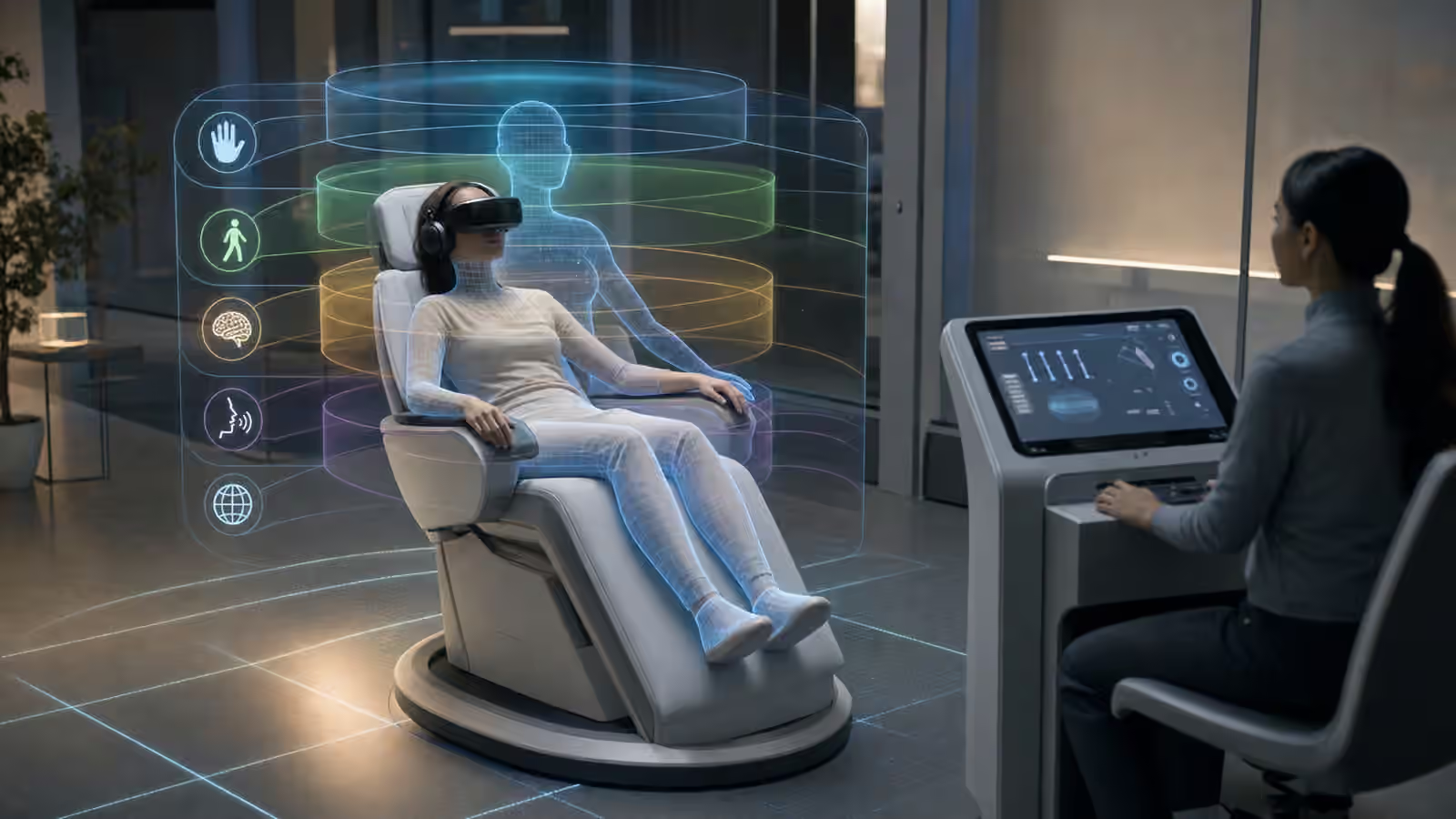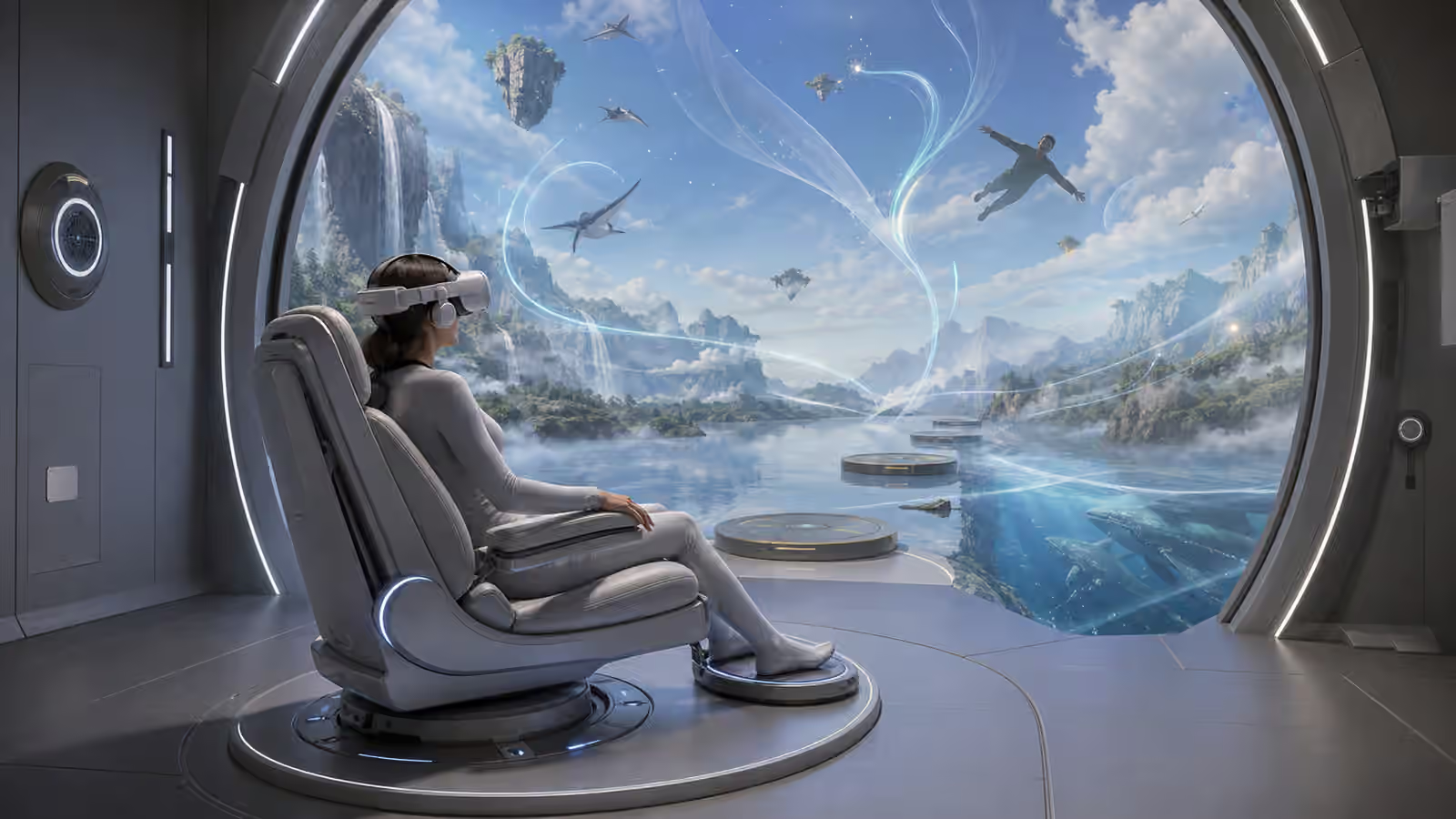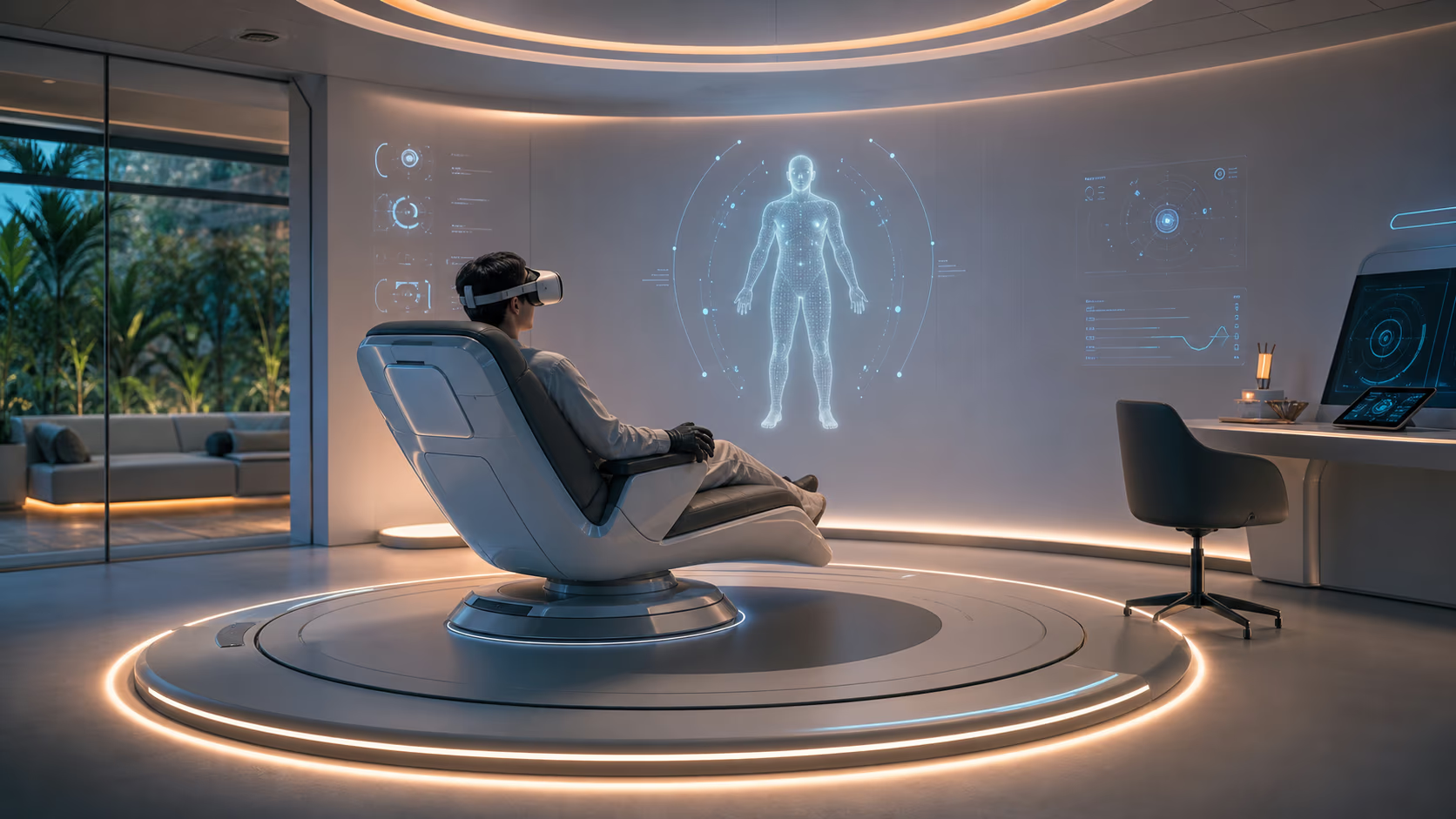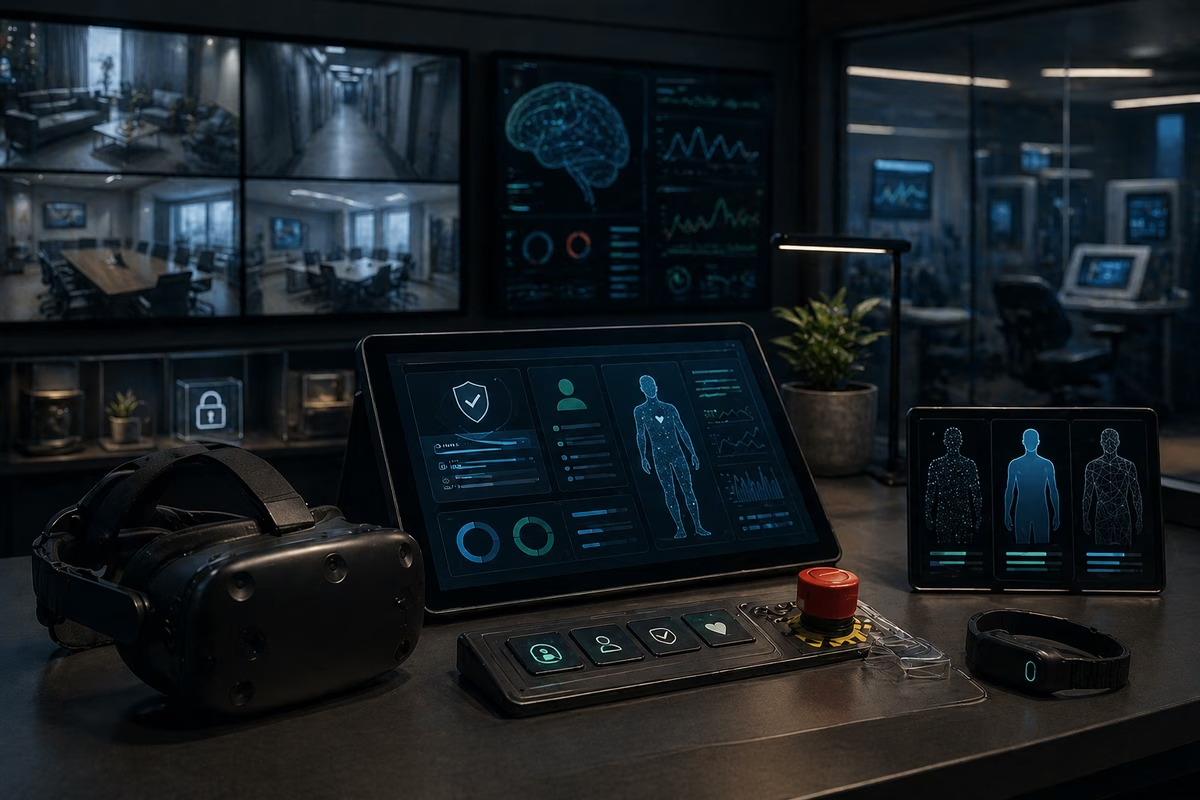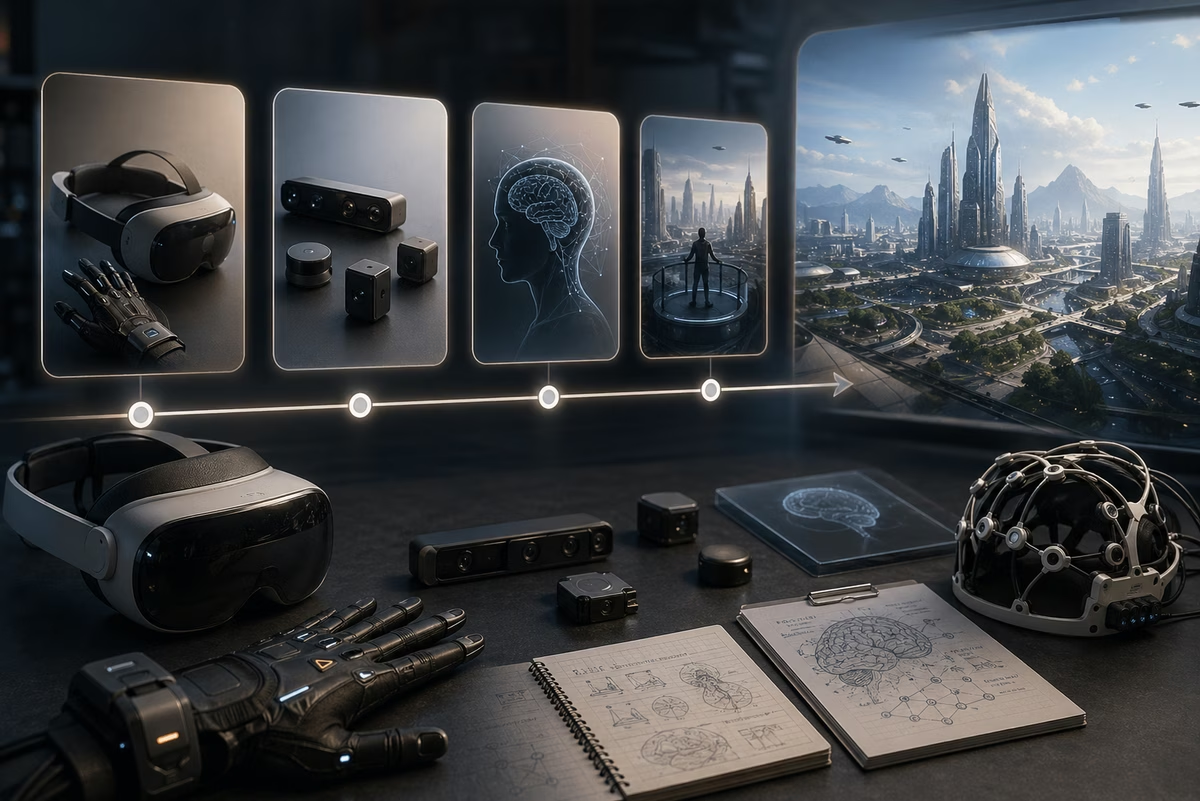
Full dive VR sounds simple when people describe the fantasy: close your eyes here, open them somewhere else. The hard part is everything between those two moments.
These guidebooks break the subject into pieces you can actually reason about. You do not need a neuroscience degree, a hardware lab, or a library of science fiction references. You need a clear map of what current VR already does, what neural interfaces might eventually add, and where the hardest safety questions live.
Reading path
- Full Dive VR Quickstart gives you the basic vocabulary and the difference between immersive VR, neural control, and true full dive.
- How Full Dive VR Might Work explains the input and output problem in plain language.
- The Roadmap from Headsets to Full Dive shows the likely stepping stones.
- Safety, Identity, and Consent covers the part that should not be saved for later.
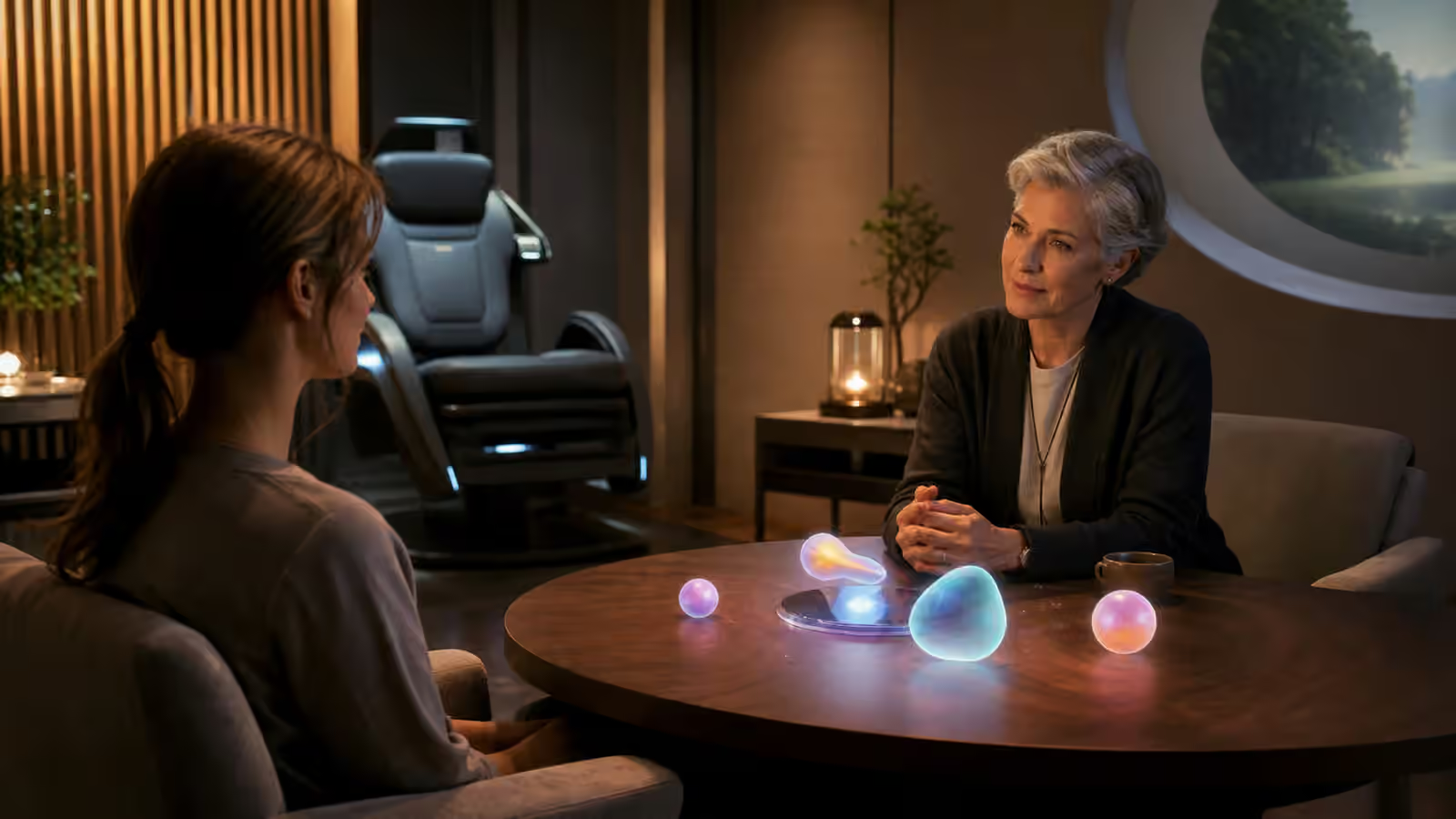
- The Dream Problem looks at what dreams teach about presence, memory, control, and waking up safely.
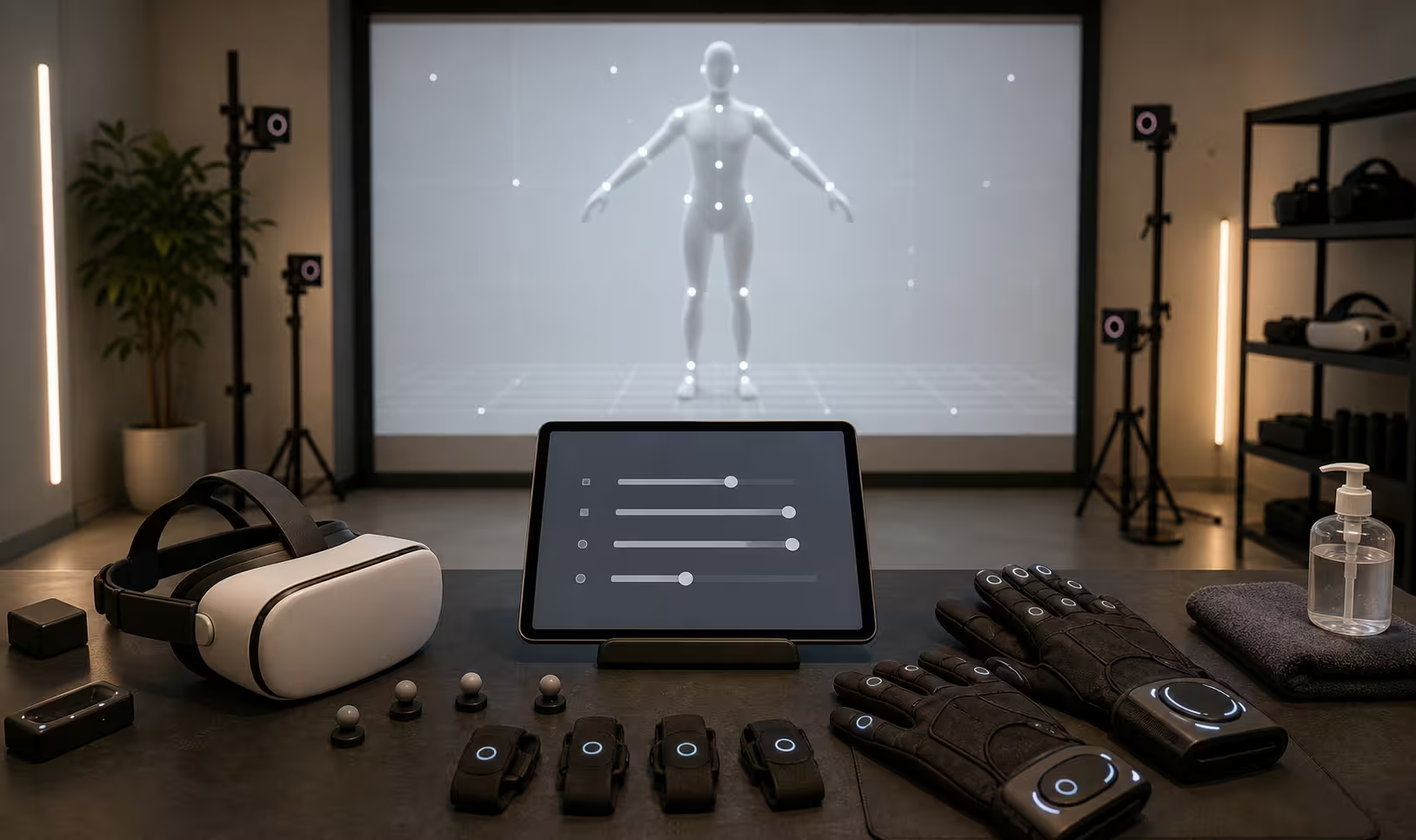
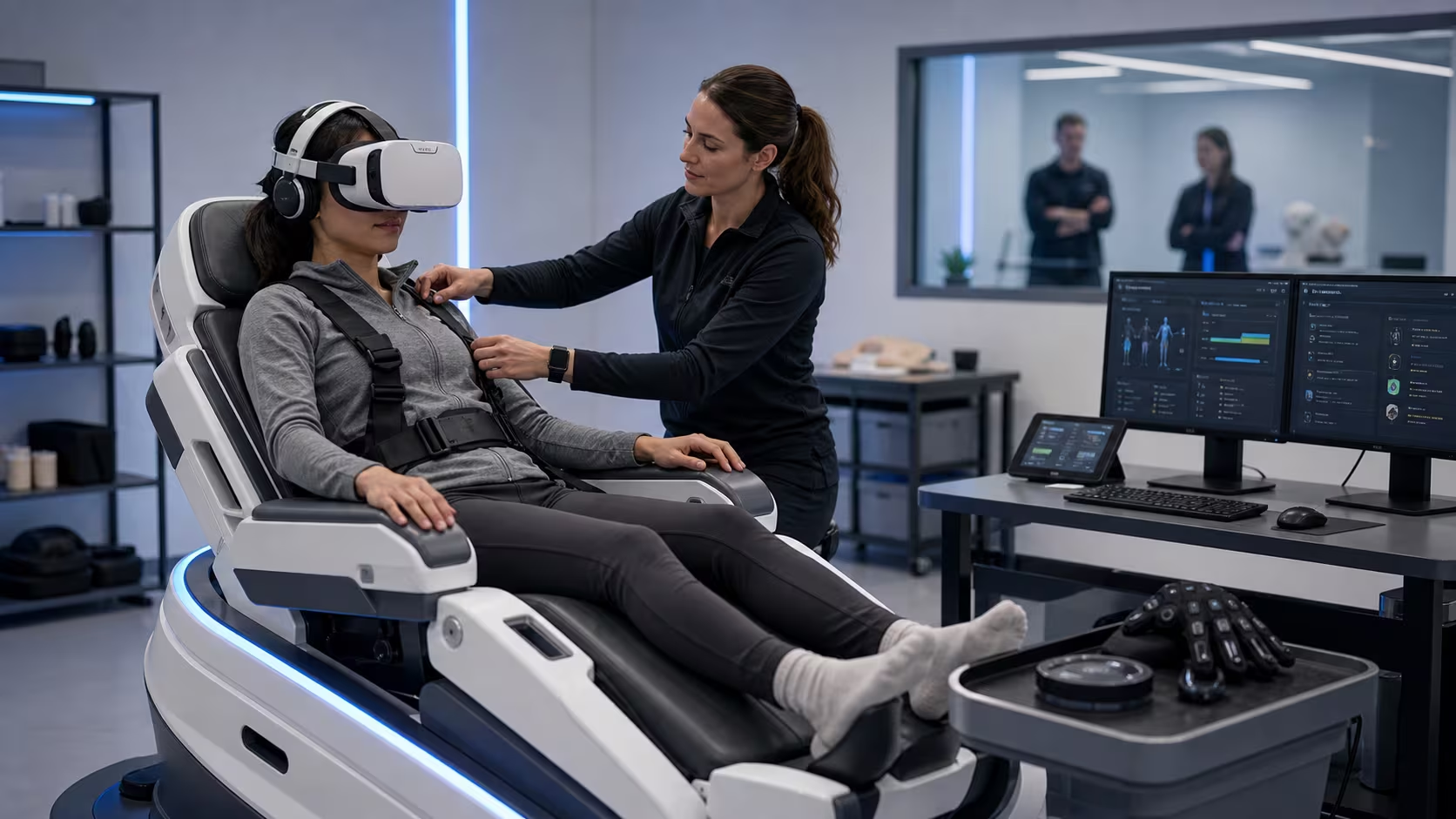
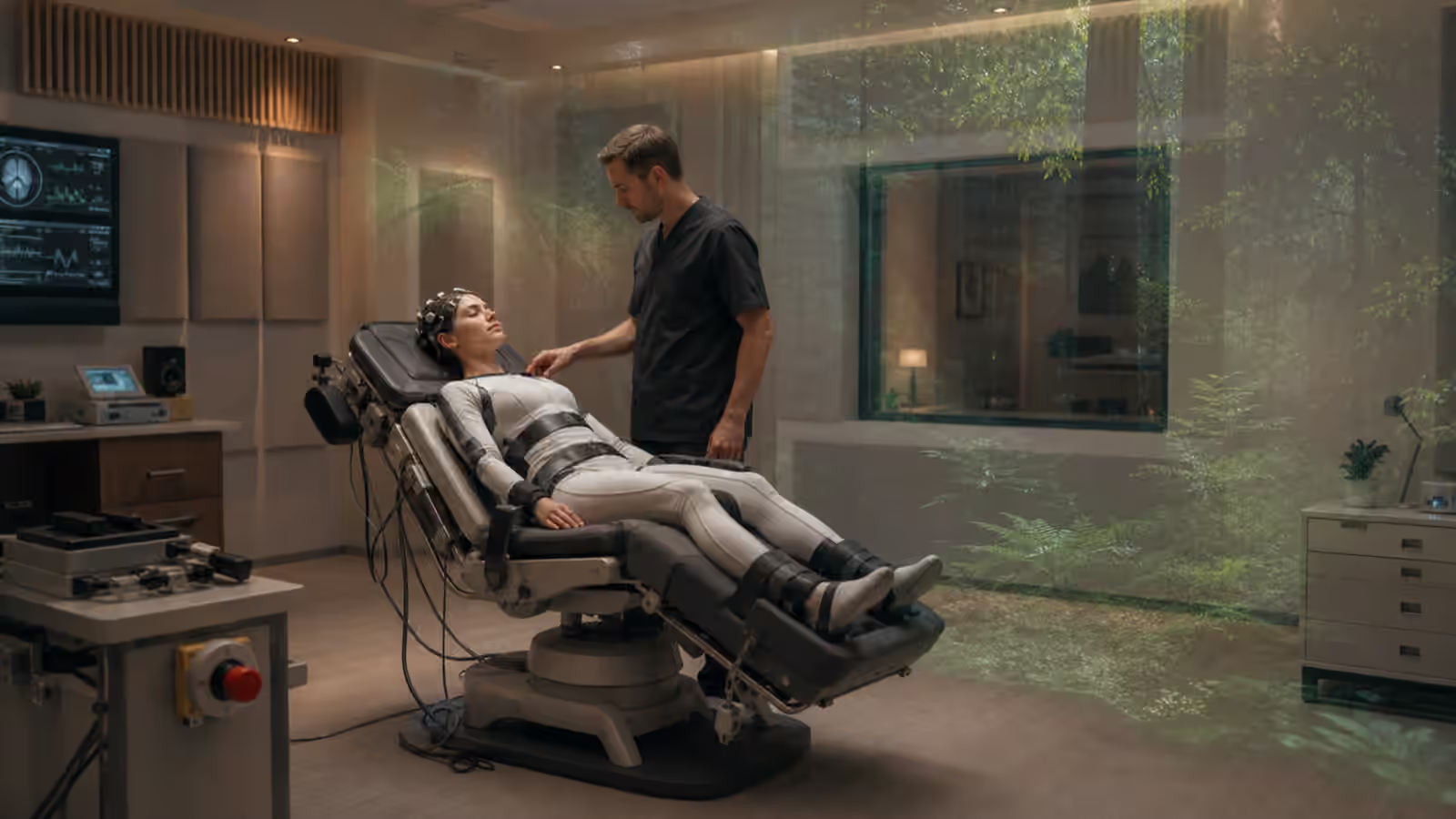
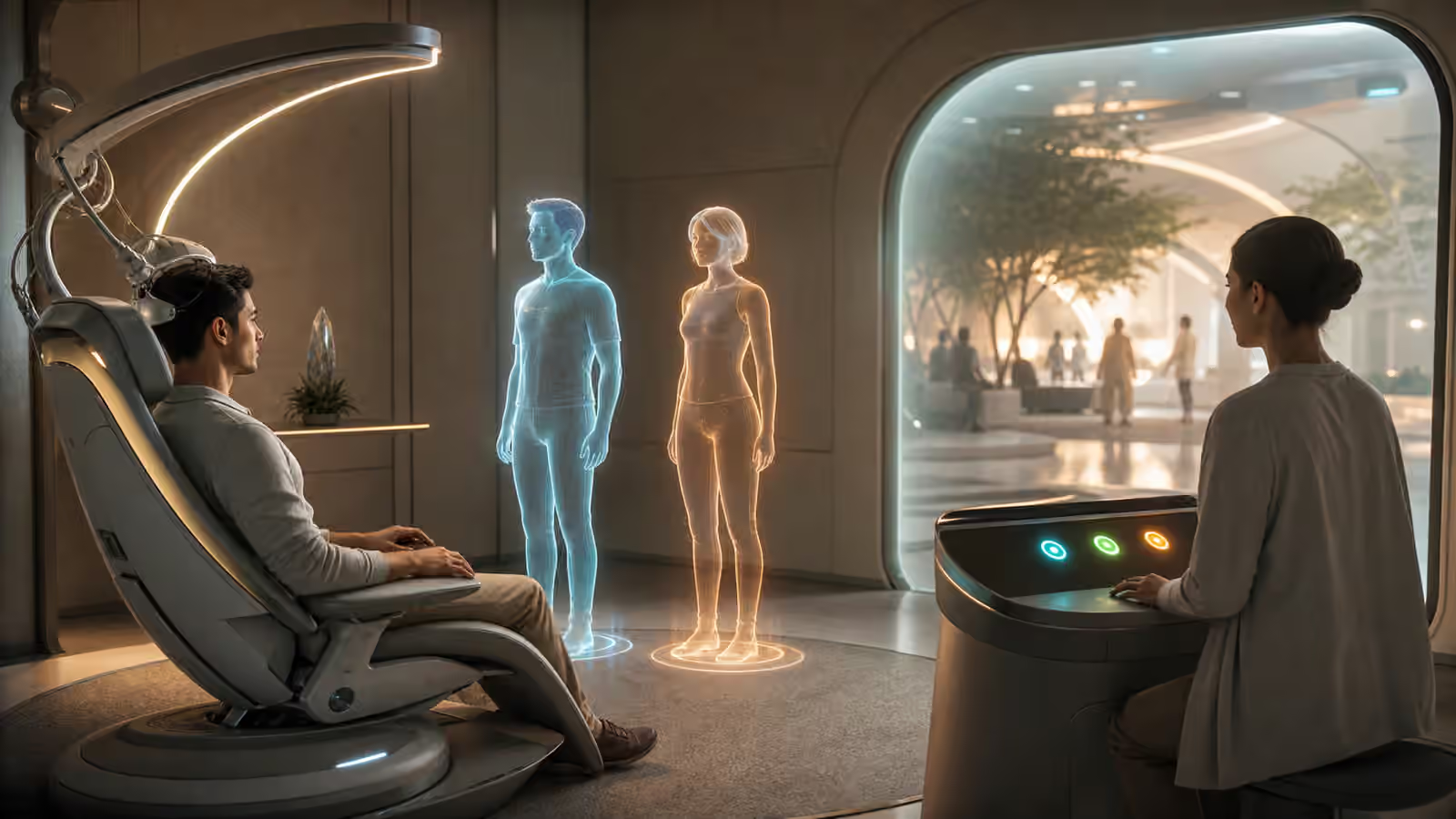
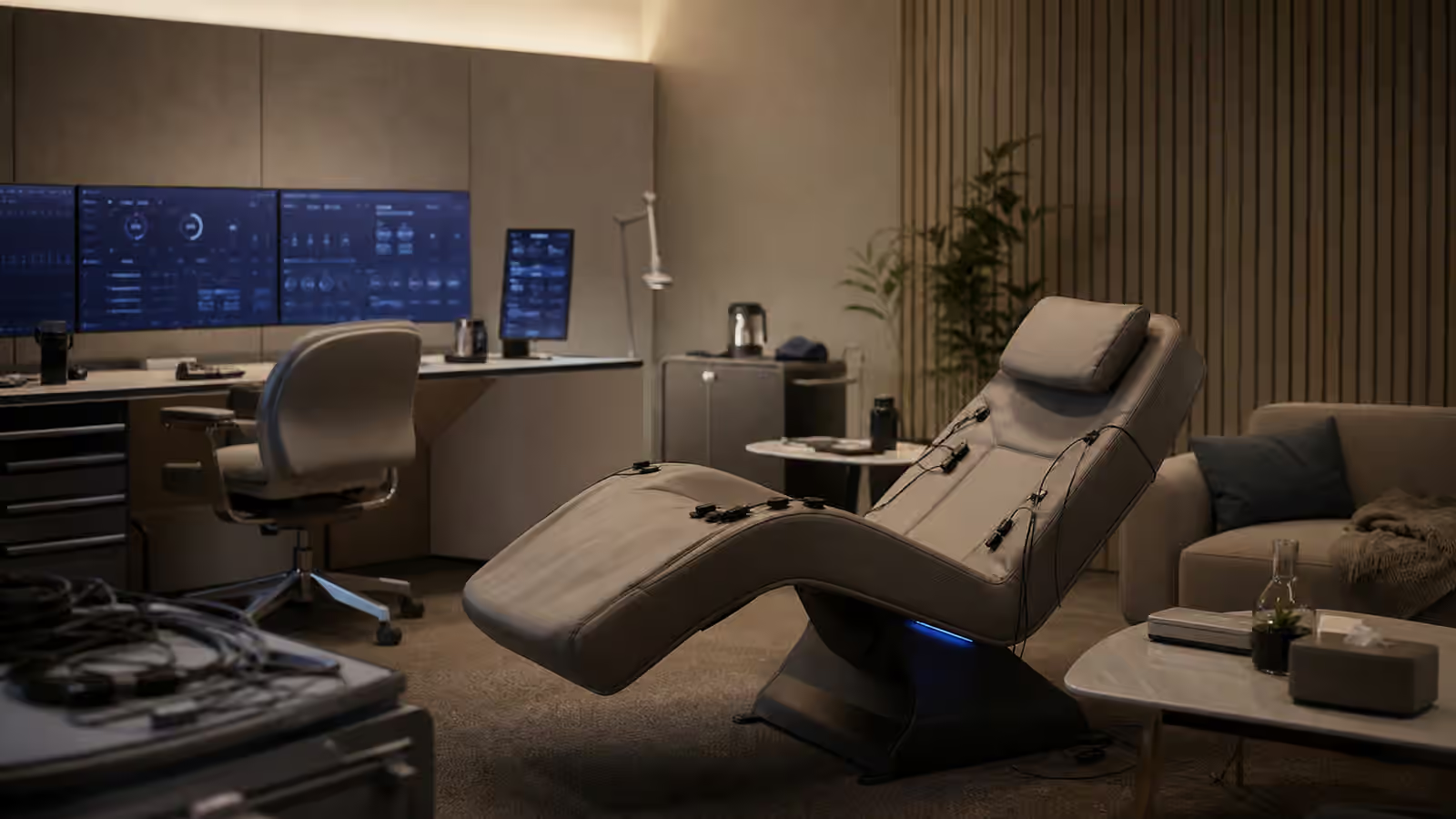
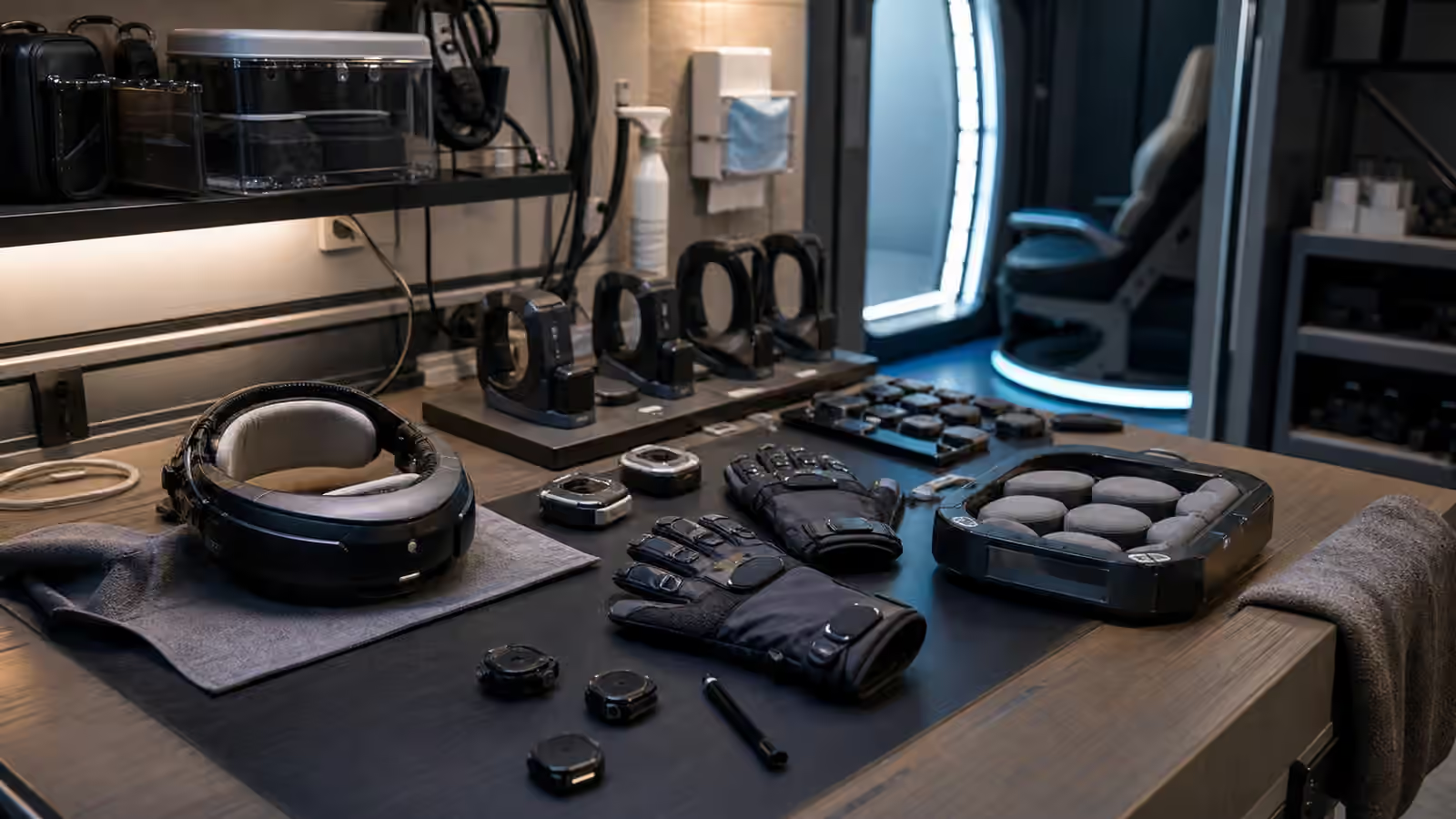
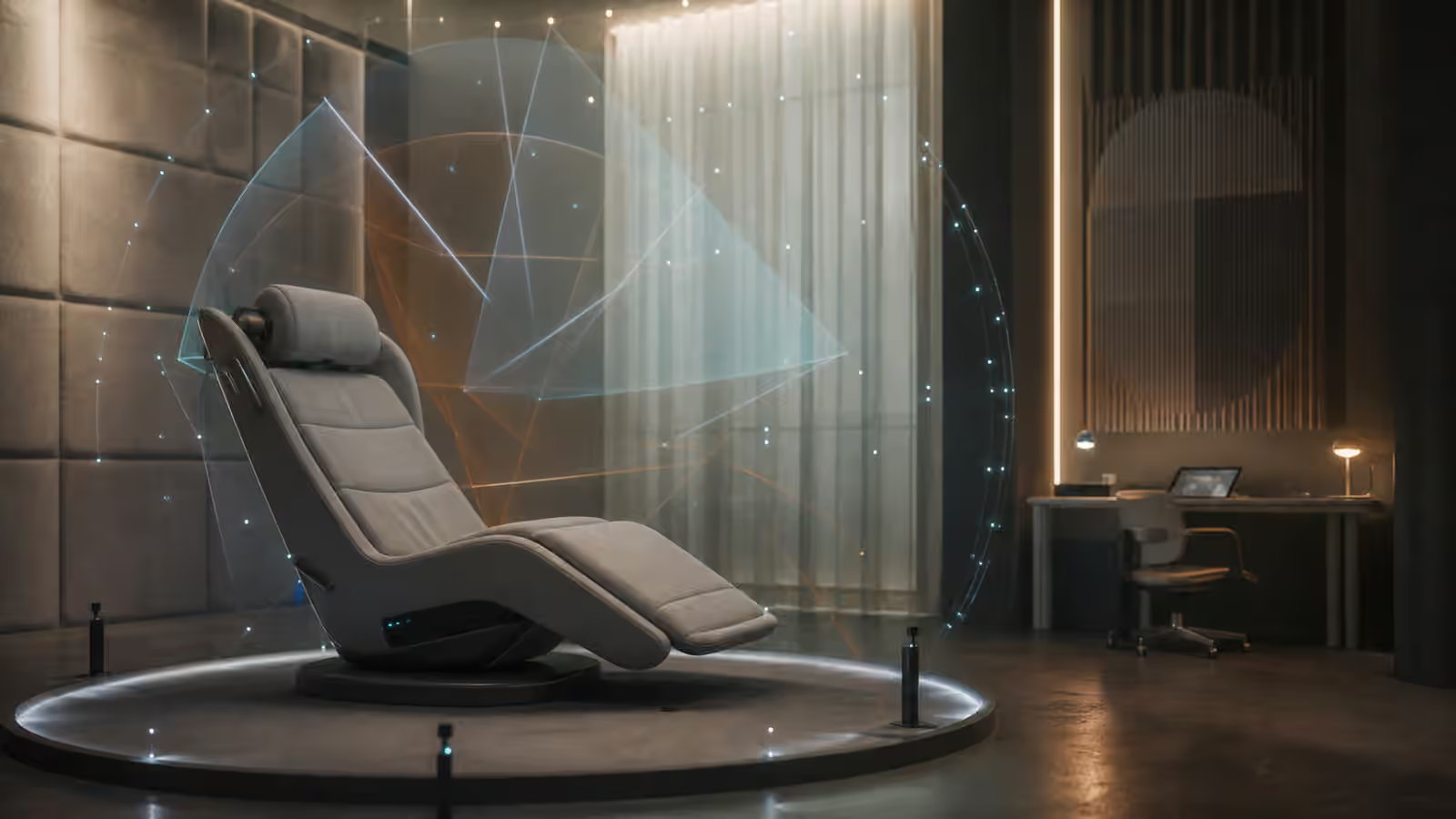
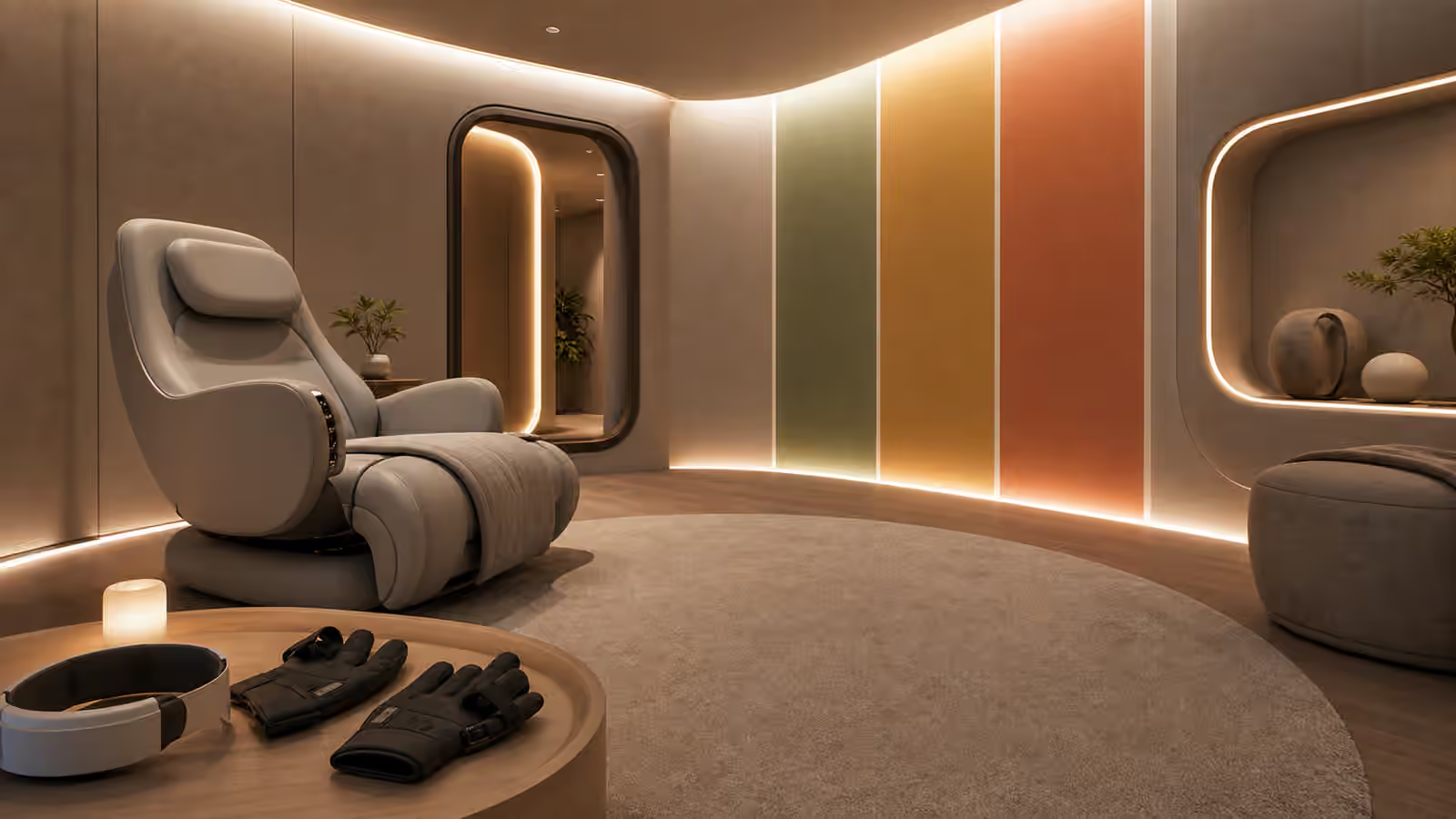
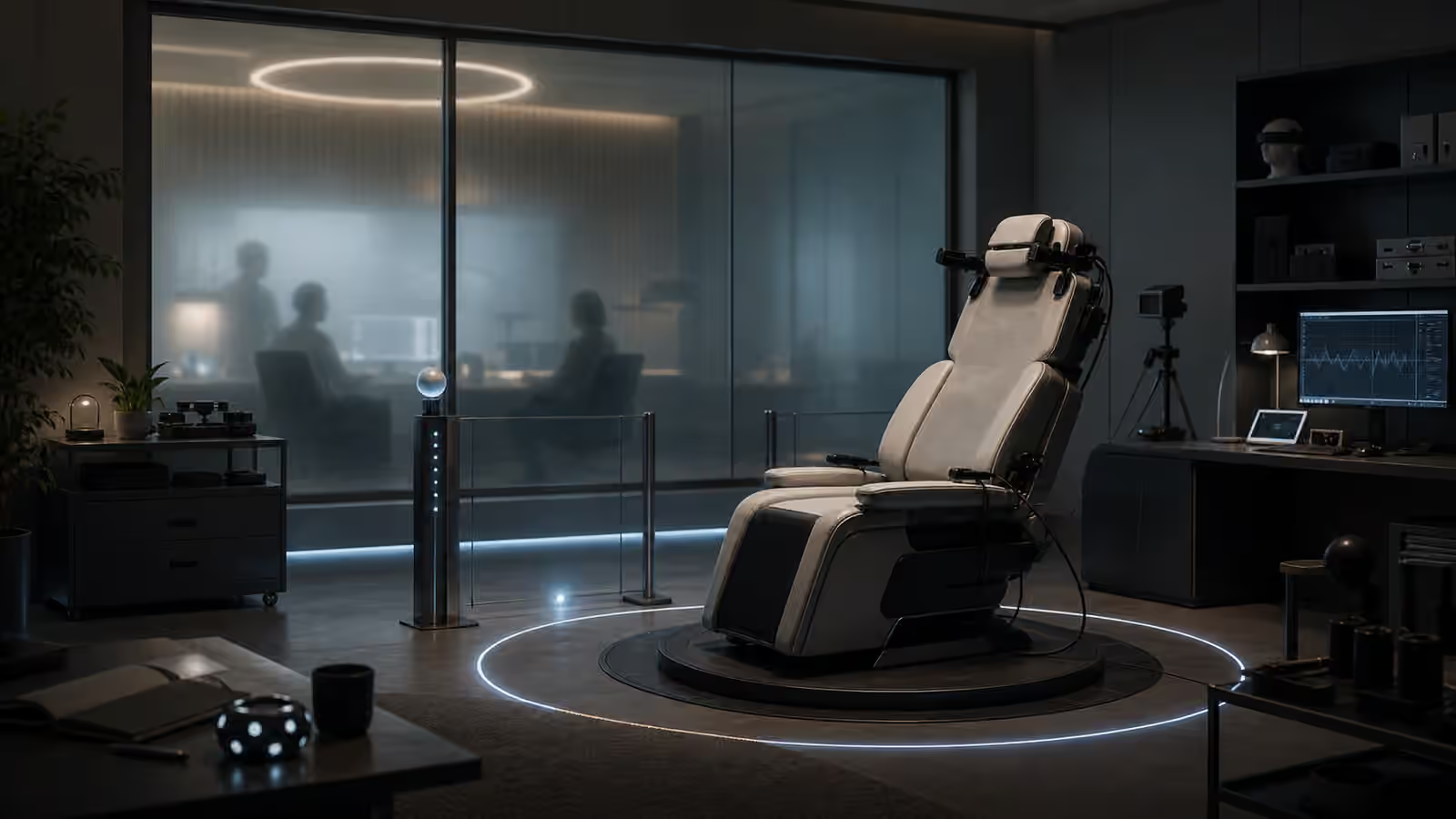
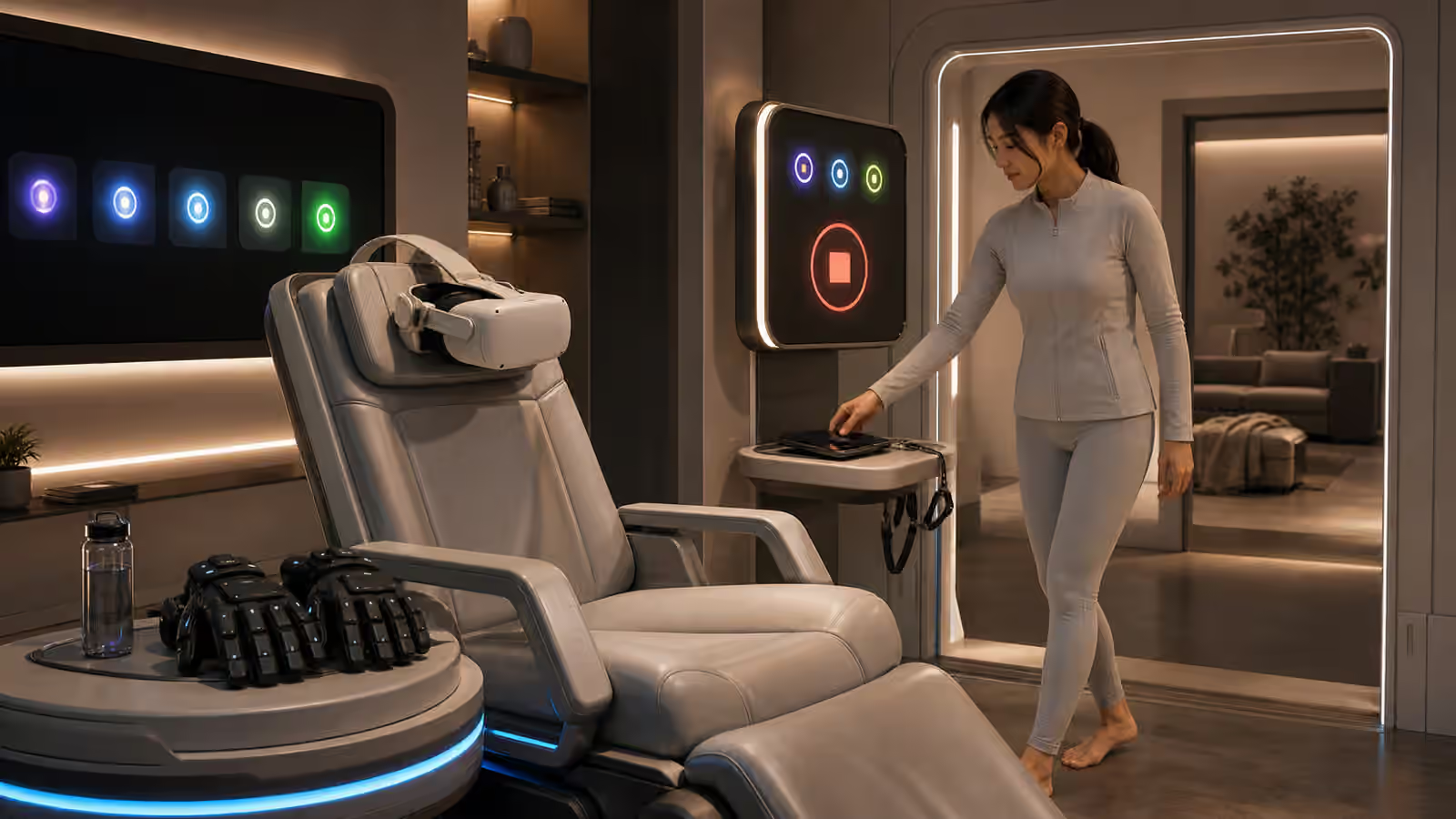
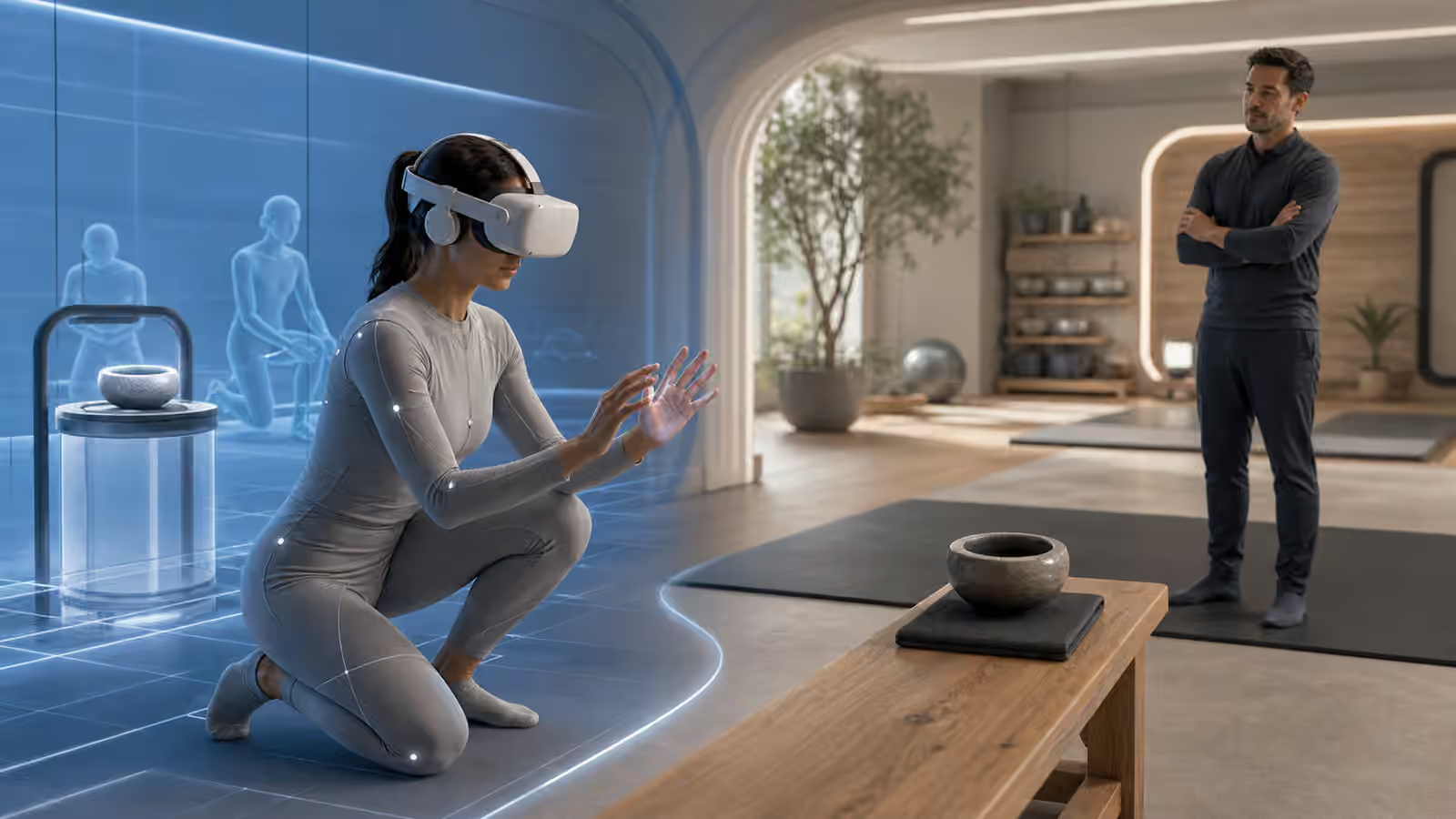
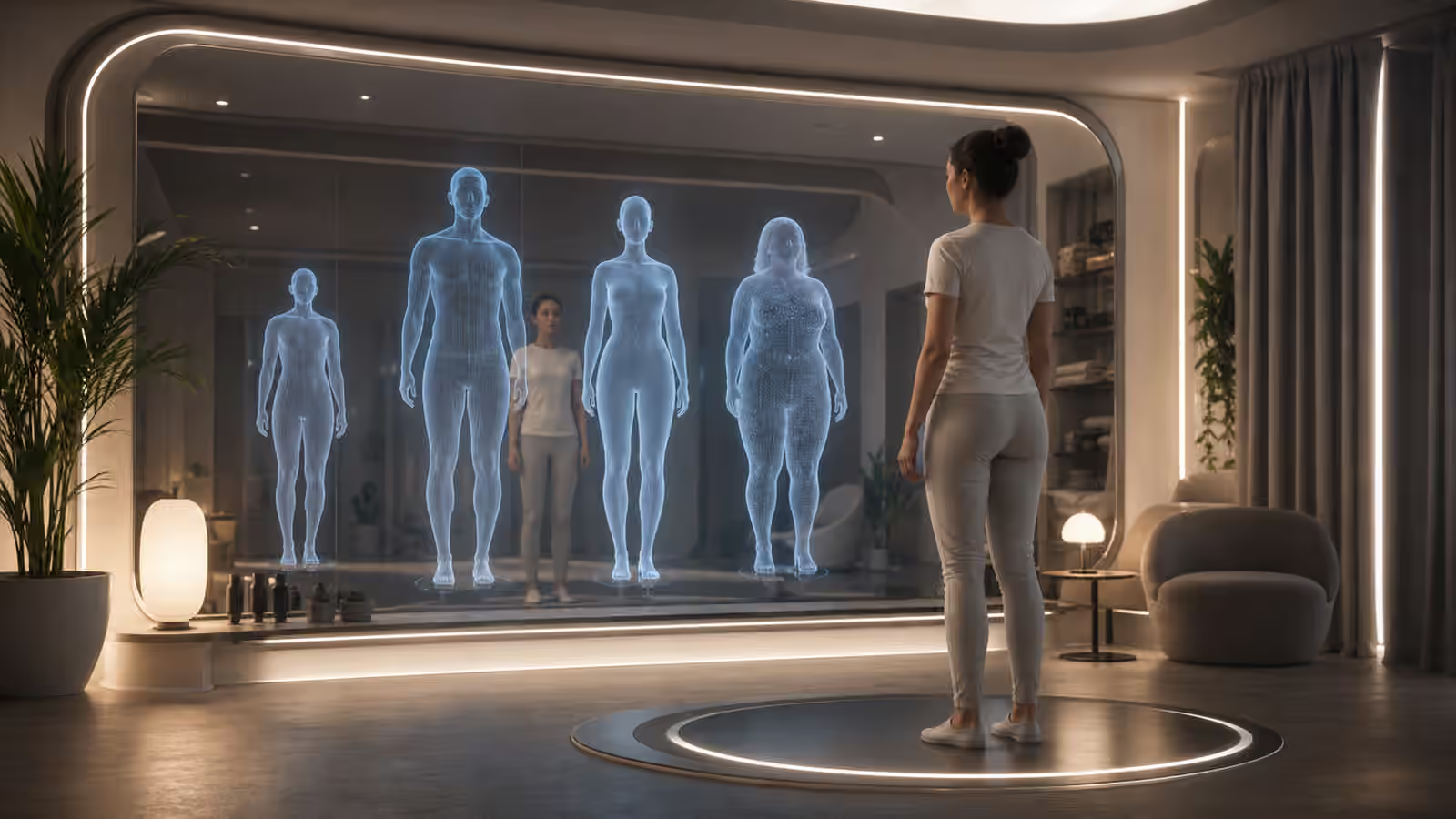
- The Calibration Room shows why the first serious full dive room should teach the system your body before it asks for trust.
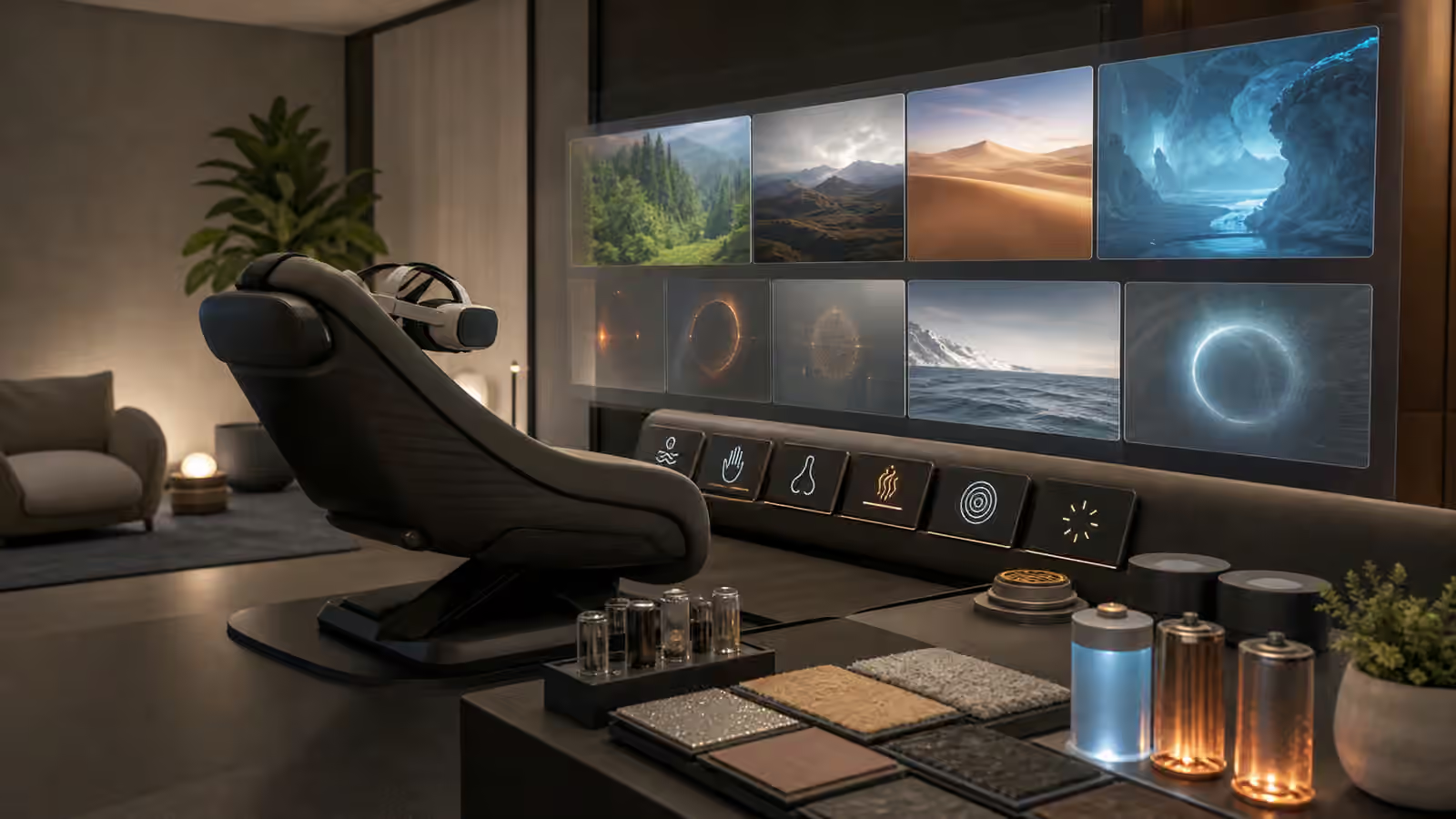
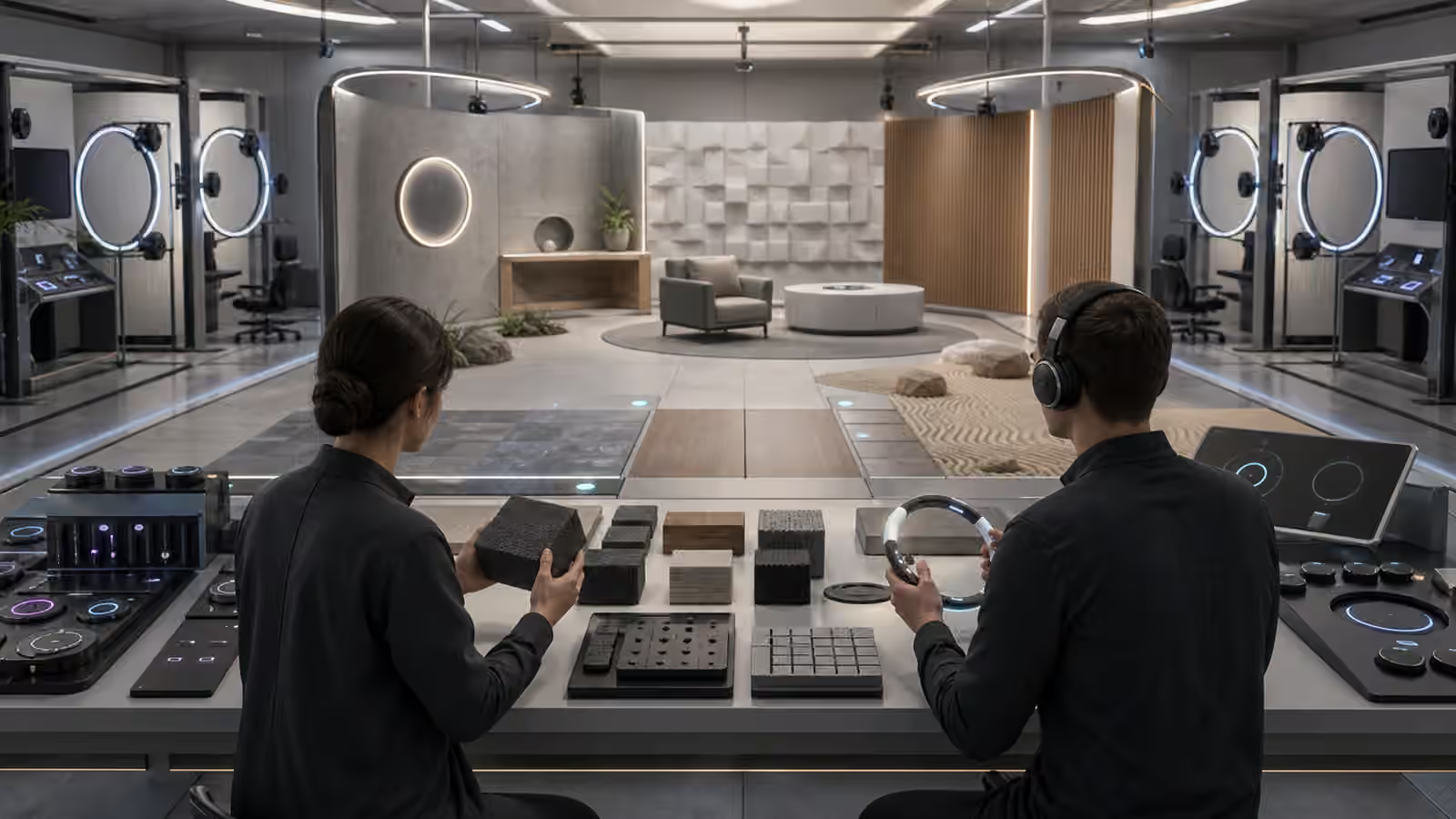
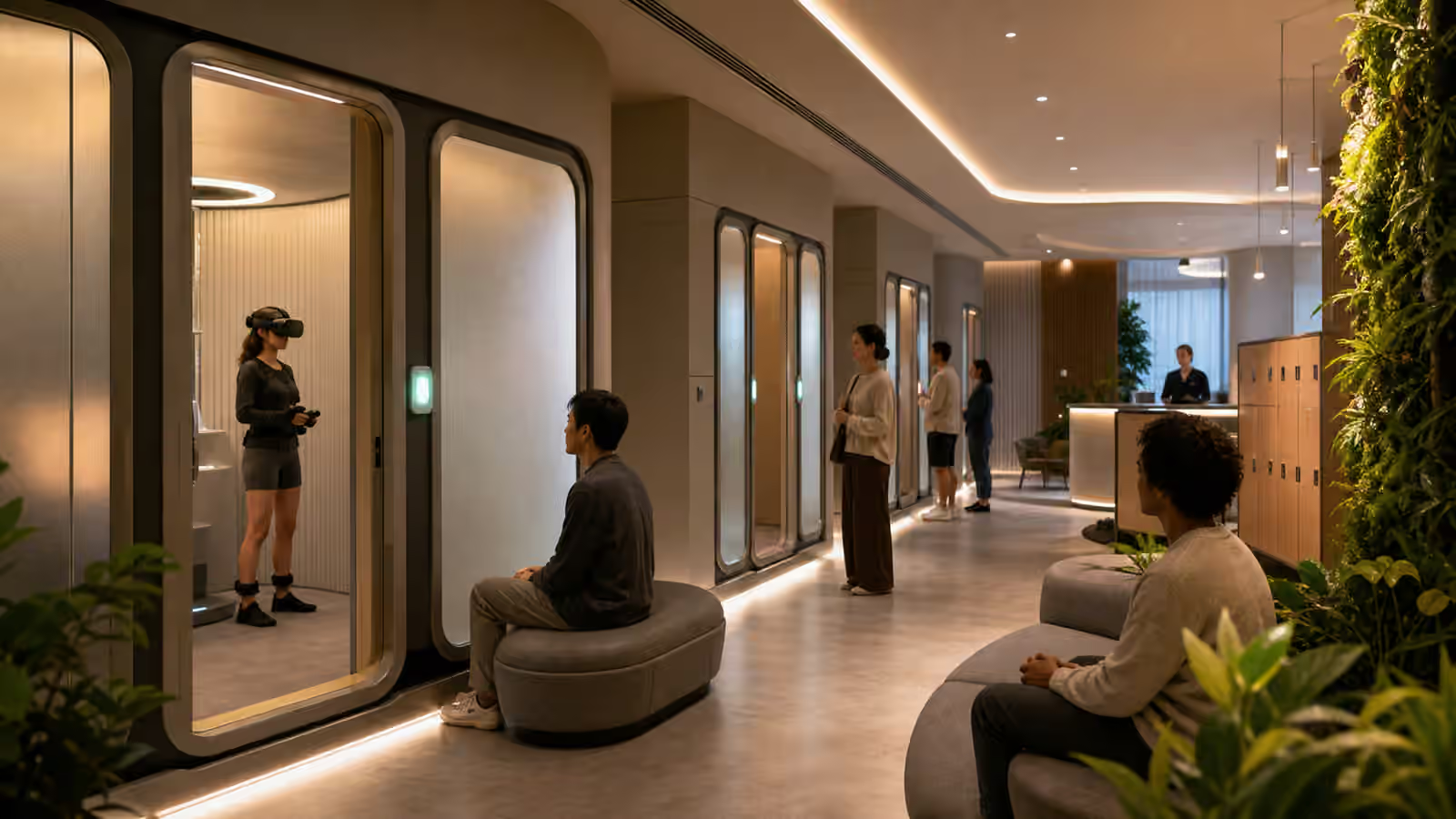
- The Haptic City turns touch, texture, weight, and social boundaries into a walk through a believable future city.
- Avatar Bodies and Body Schema explains why virtual bodies, haptics, identity, consent, and exit need careful calibration.
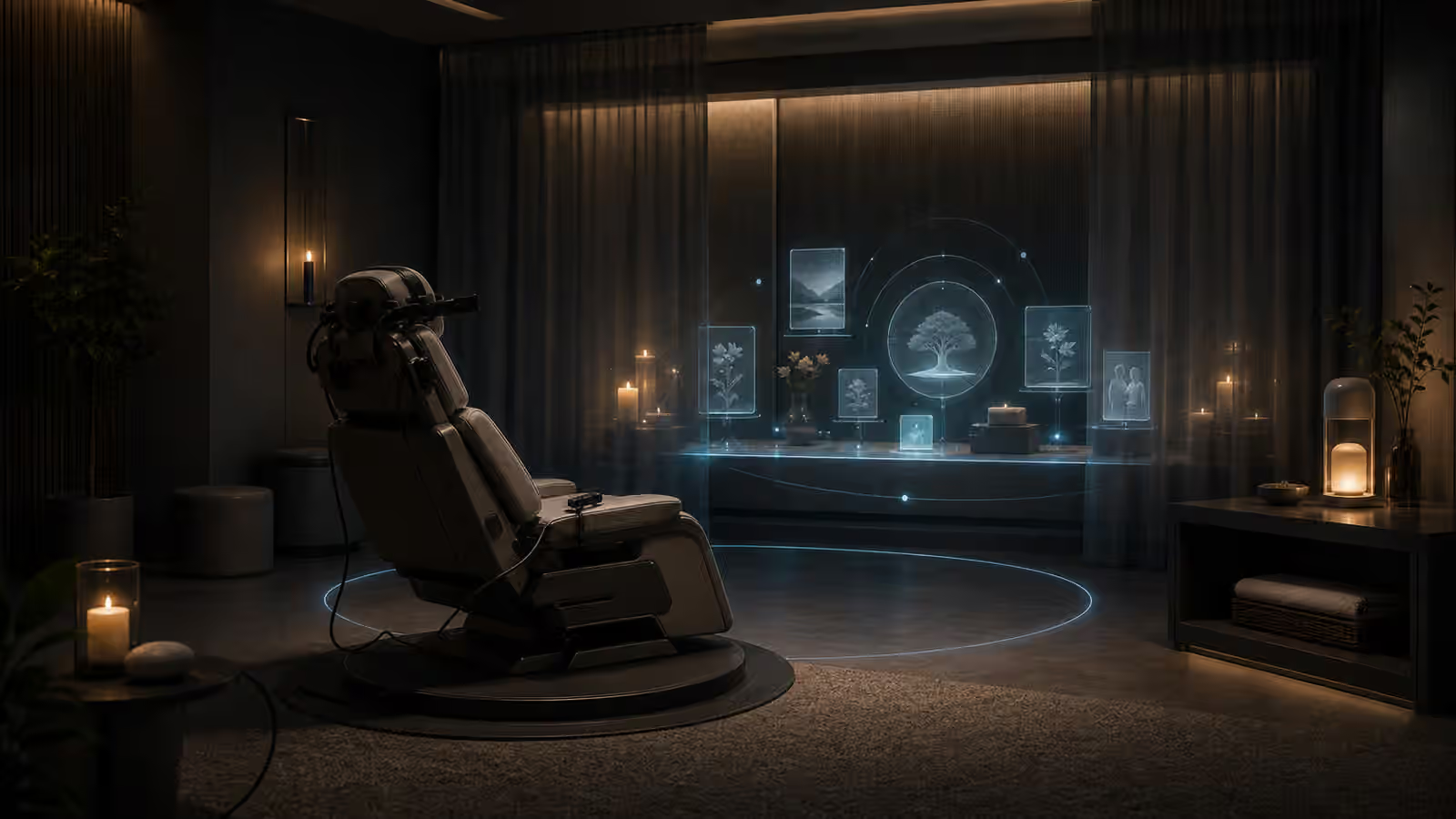
- Memory Rights in Full Dive VR explains what should happen to replays, body traces, synthetic people, and shared virtual memories.
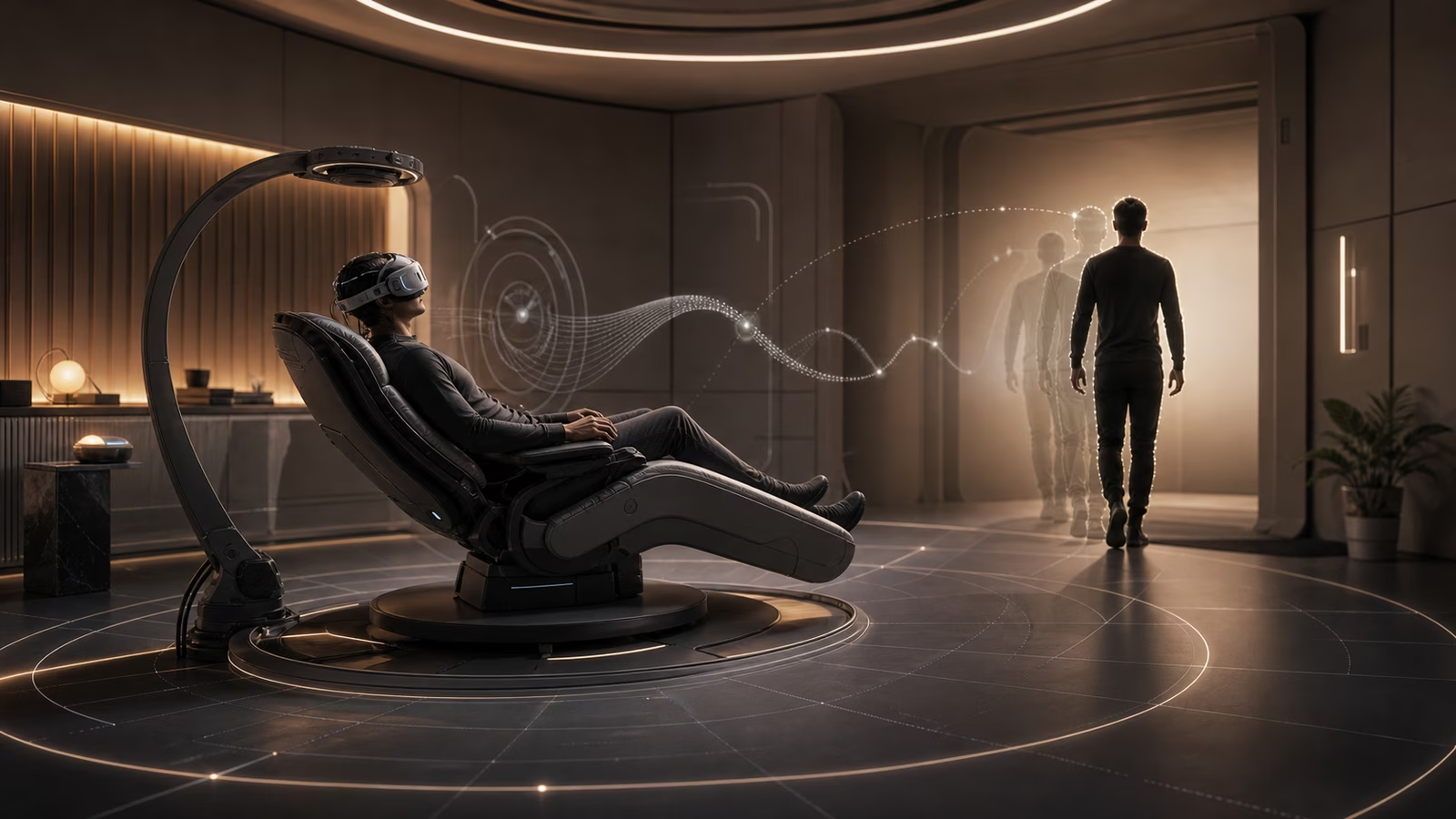
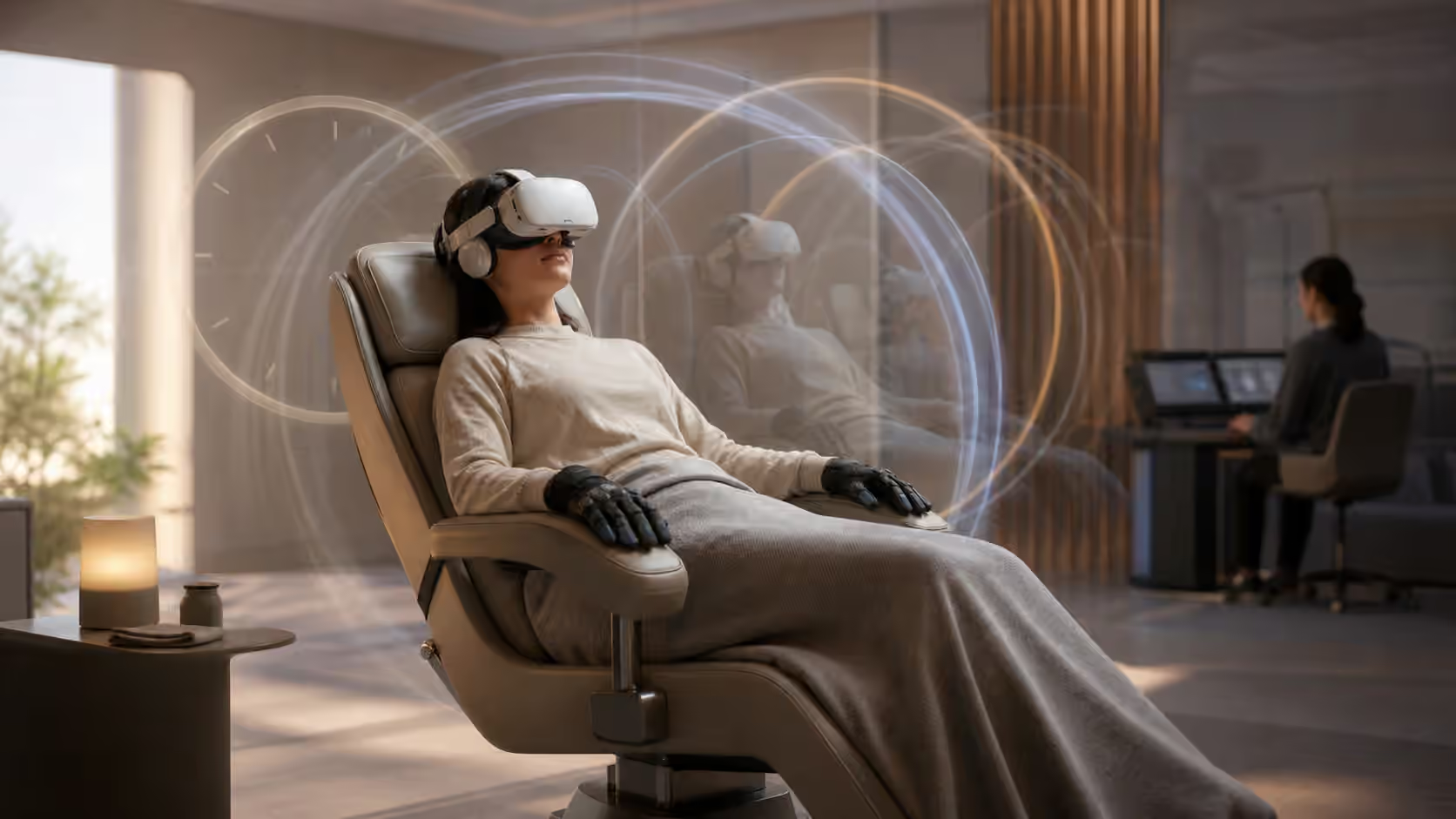
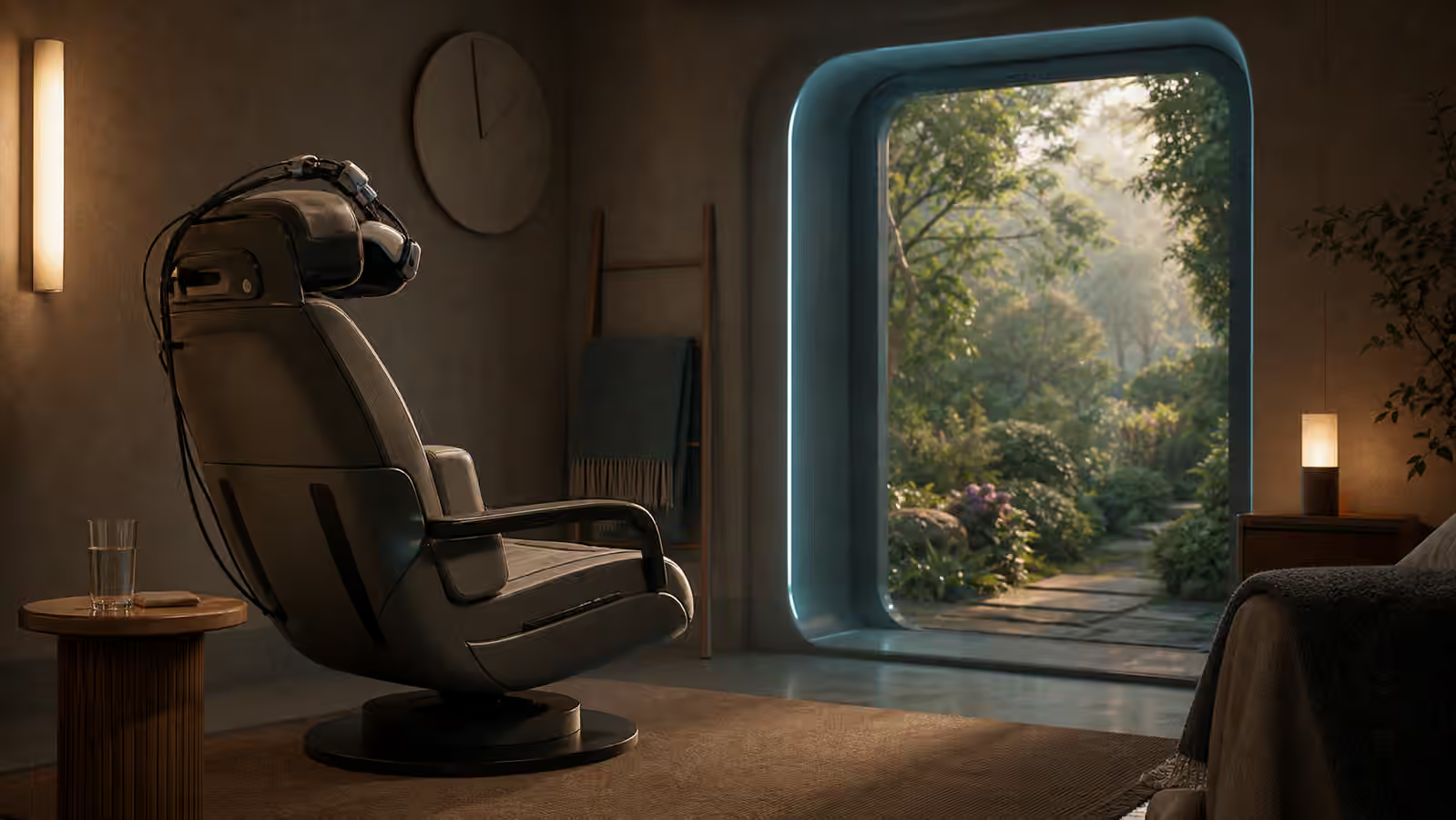
- Coming Back treats exit and reorientation as part of the experience, not a technical afterthought.
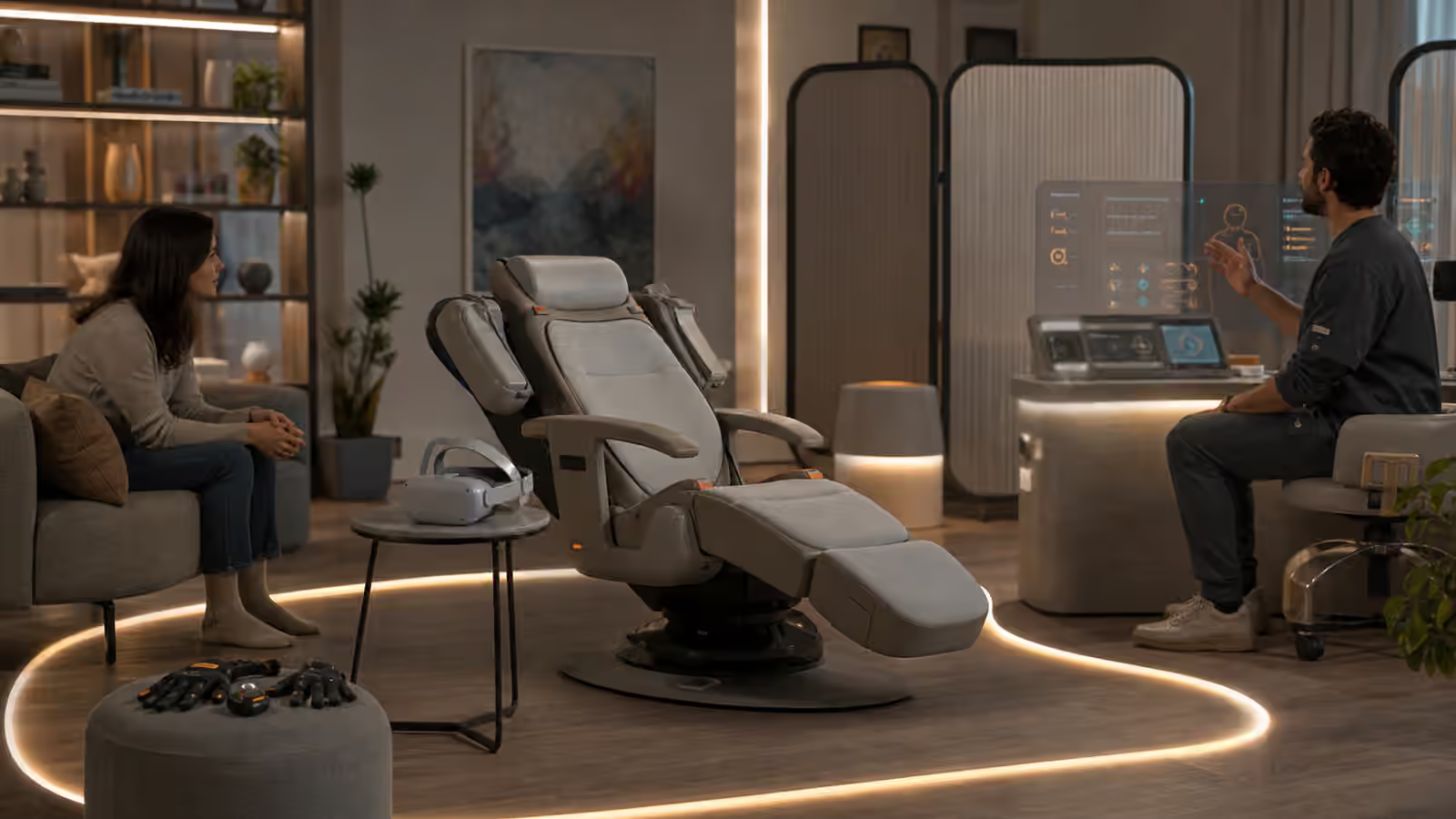
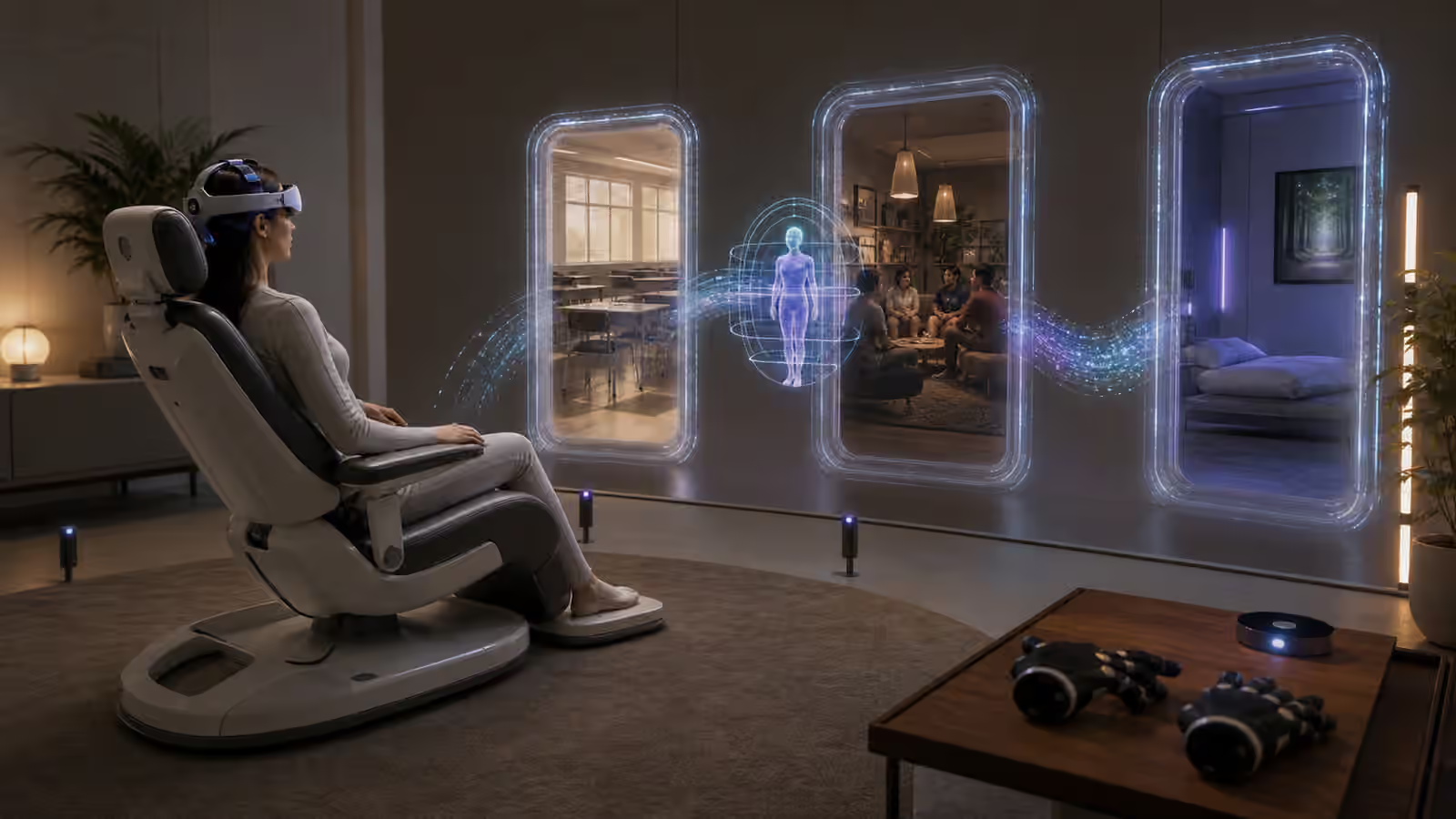
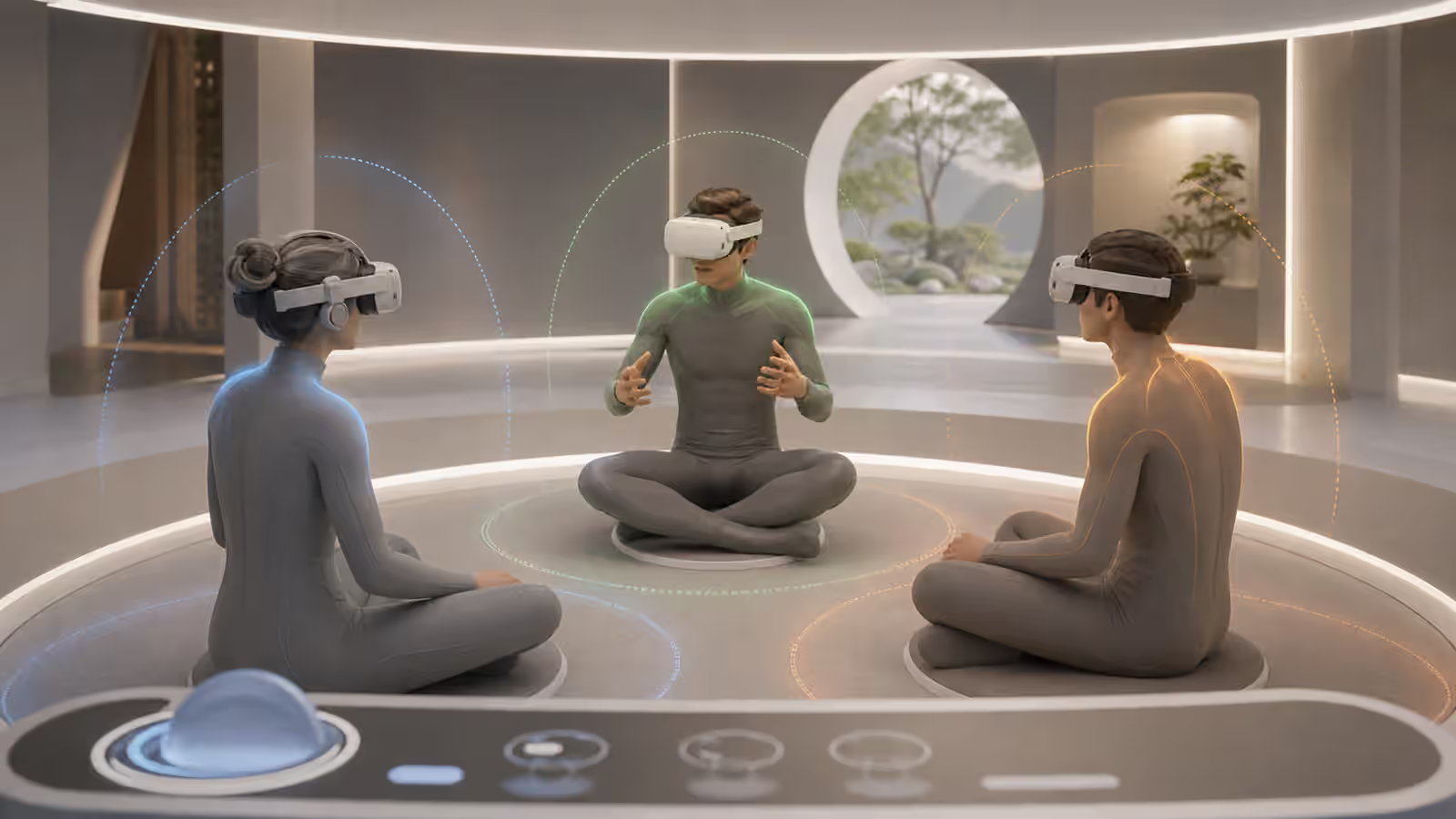
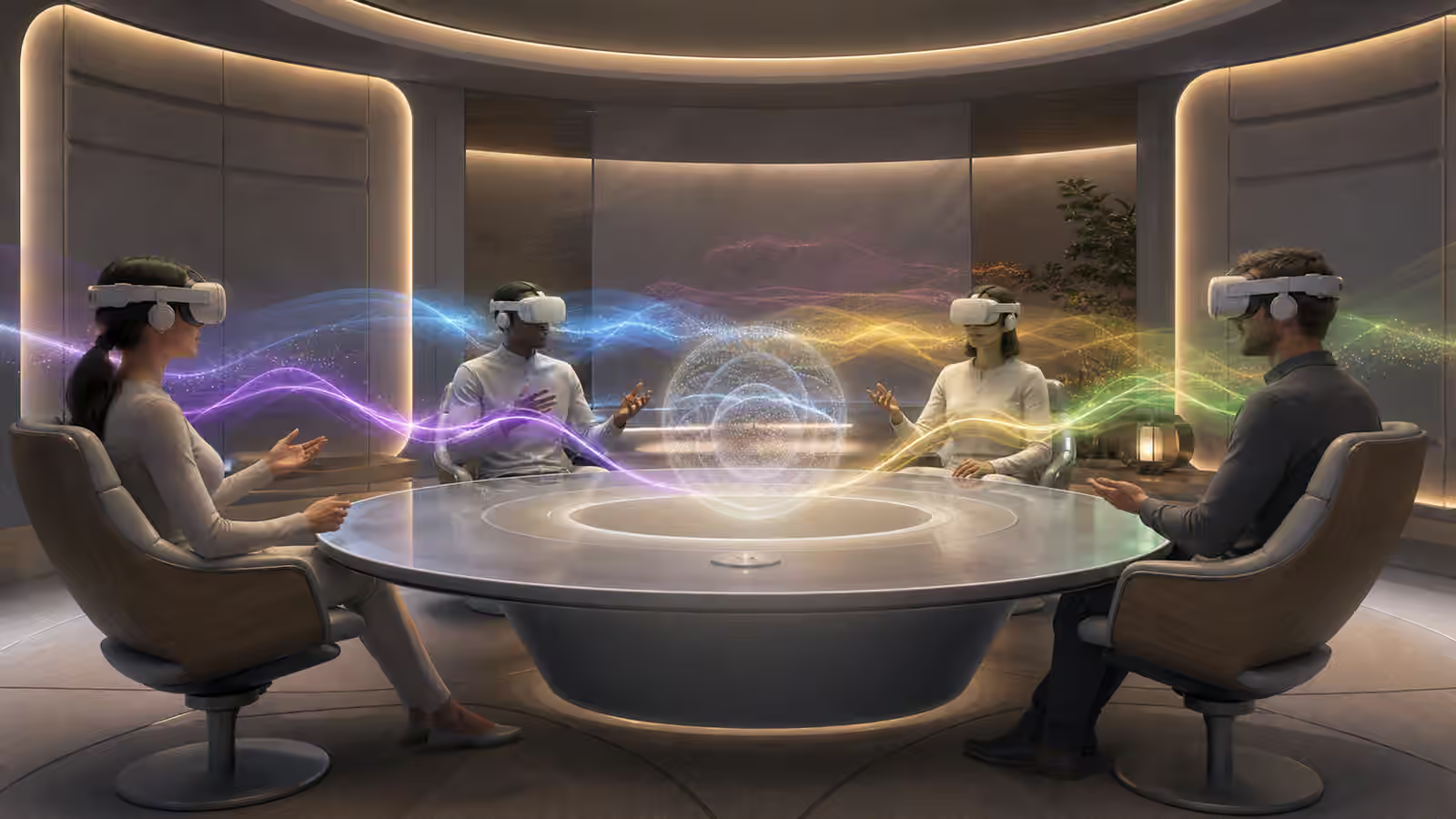
- Shared Worlds in Full Dive VR looks at the social layer: consent, personal space, identity, moderation, memory, and why multiplayer immersion needs boundaries built into the room.
- Accessibility in Full Dive VR explains why different bodies, sensory ranges, seated use, assistive input, fatigue, privacy, and dignity need to be designed into the medium from the beginning.
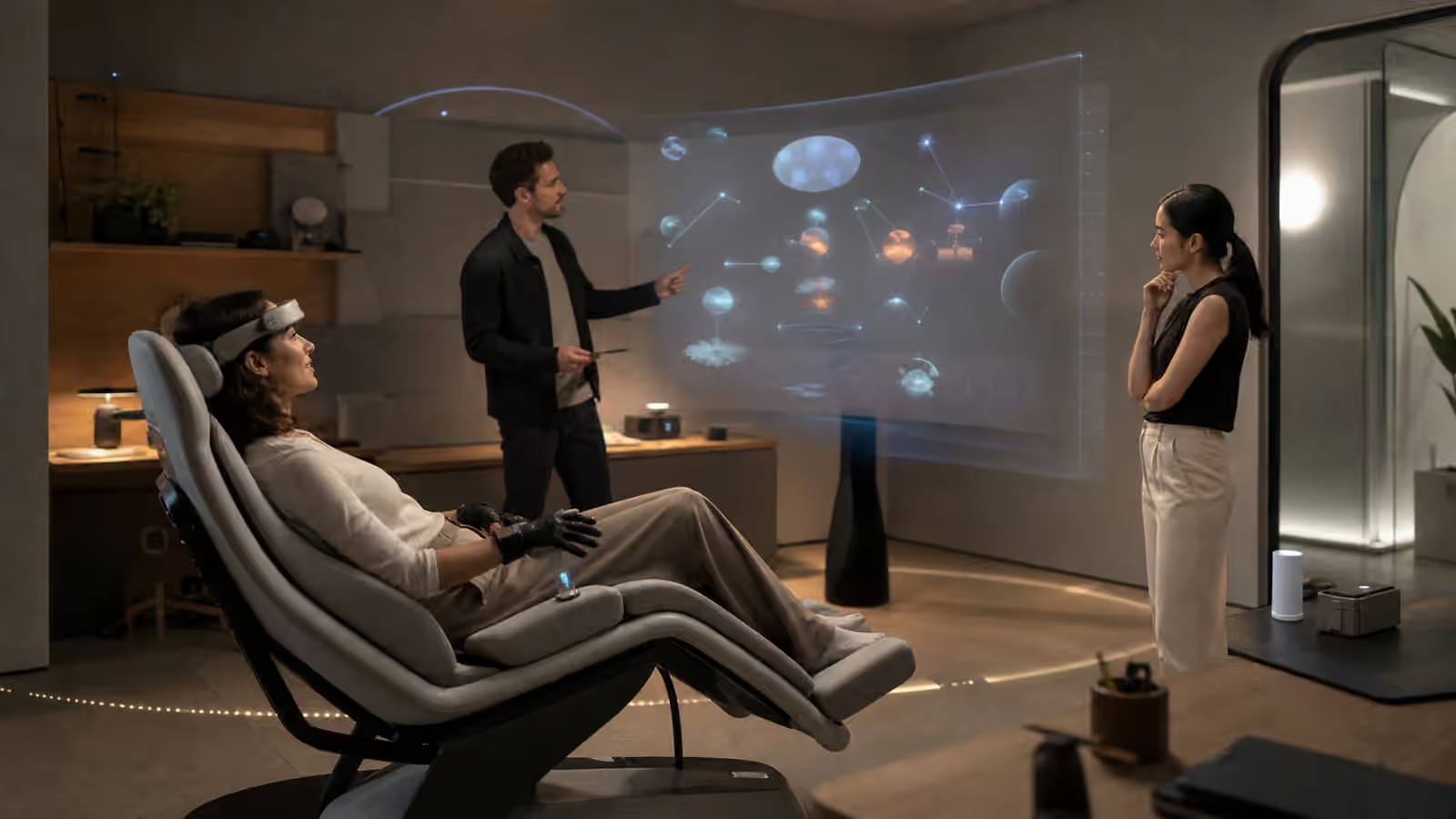
- Full Dive VR for Education and Training asks when immersive practice becomes real learning, when it becomes spectacle, and why transfer back to the ordinary world matters.
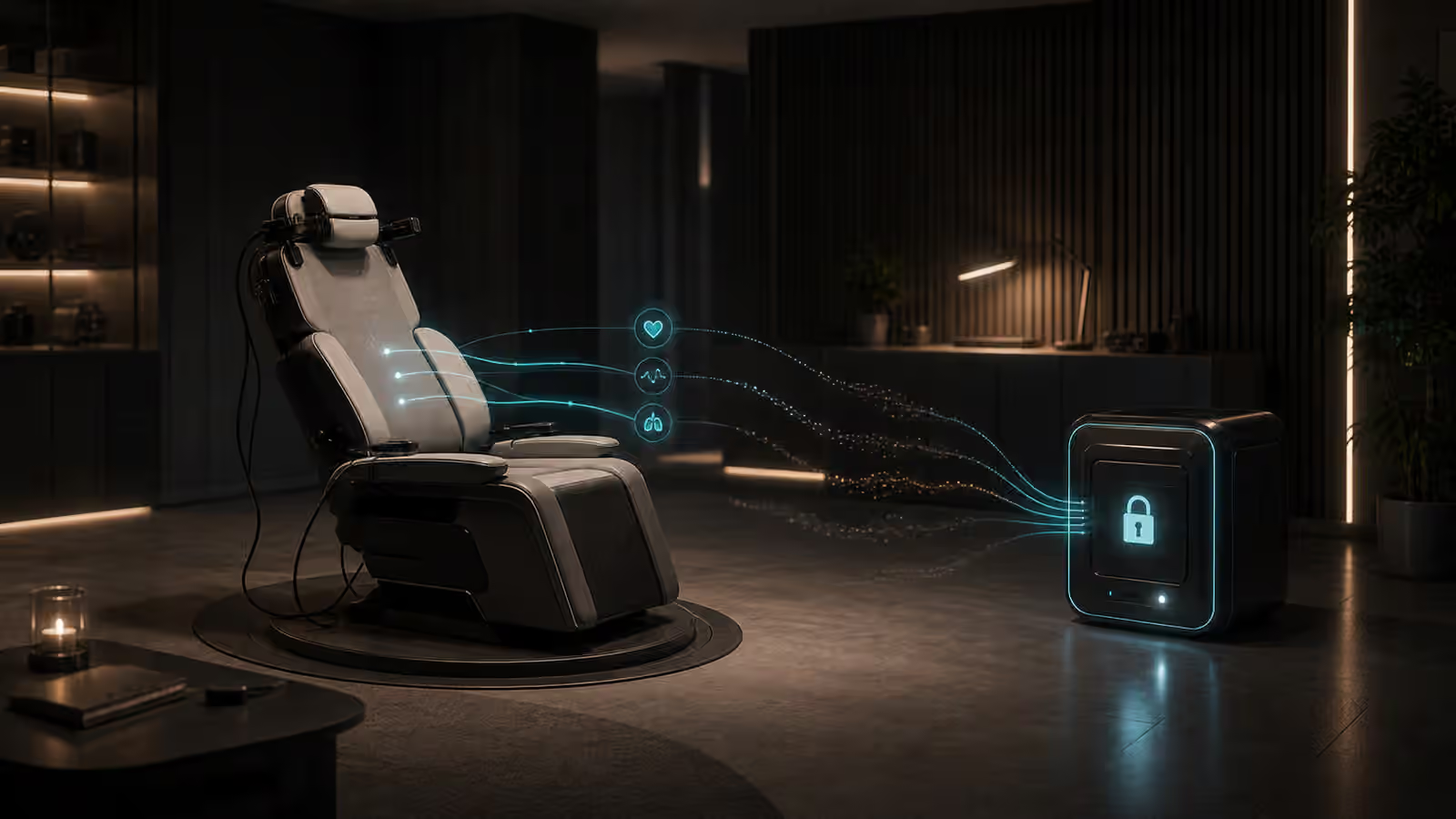
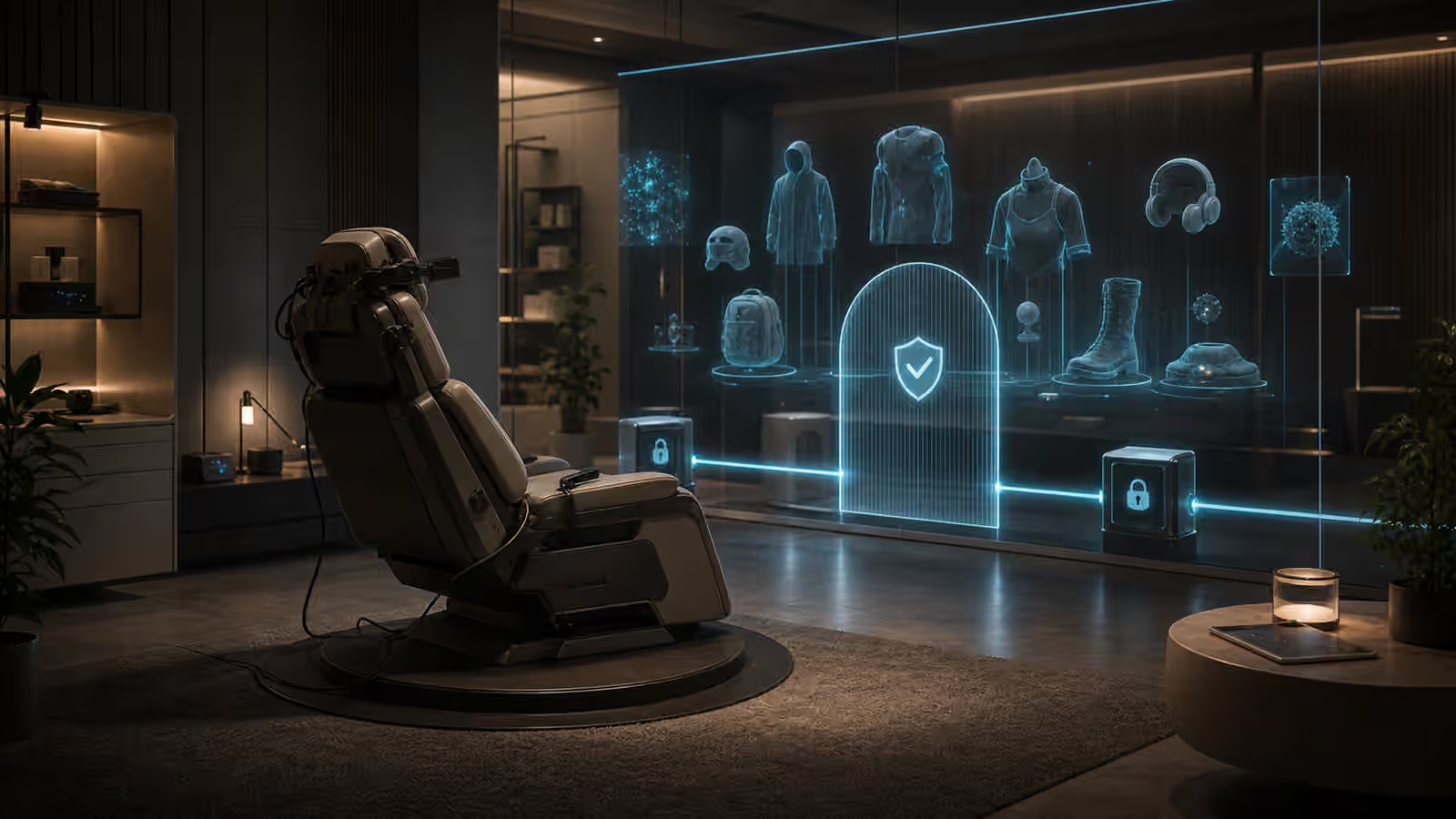
- Privacy and Consent in Full Dive VR explains why body data, sensory records, emotional inference, replays, and private exits need to be designed as core safety issues, not settings-page afterthoughts.
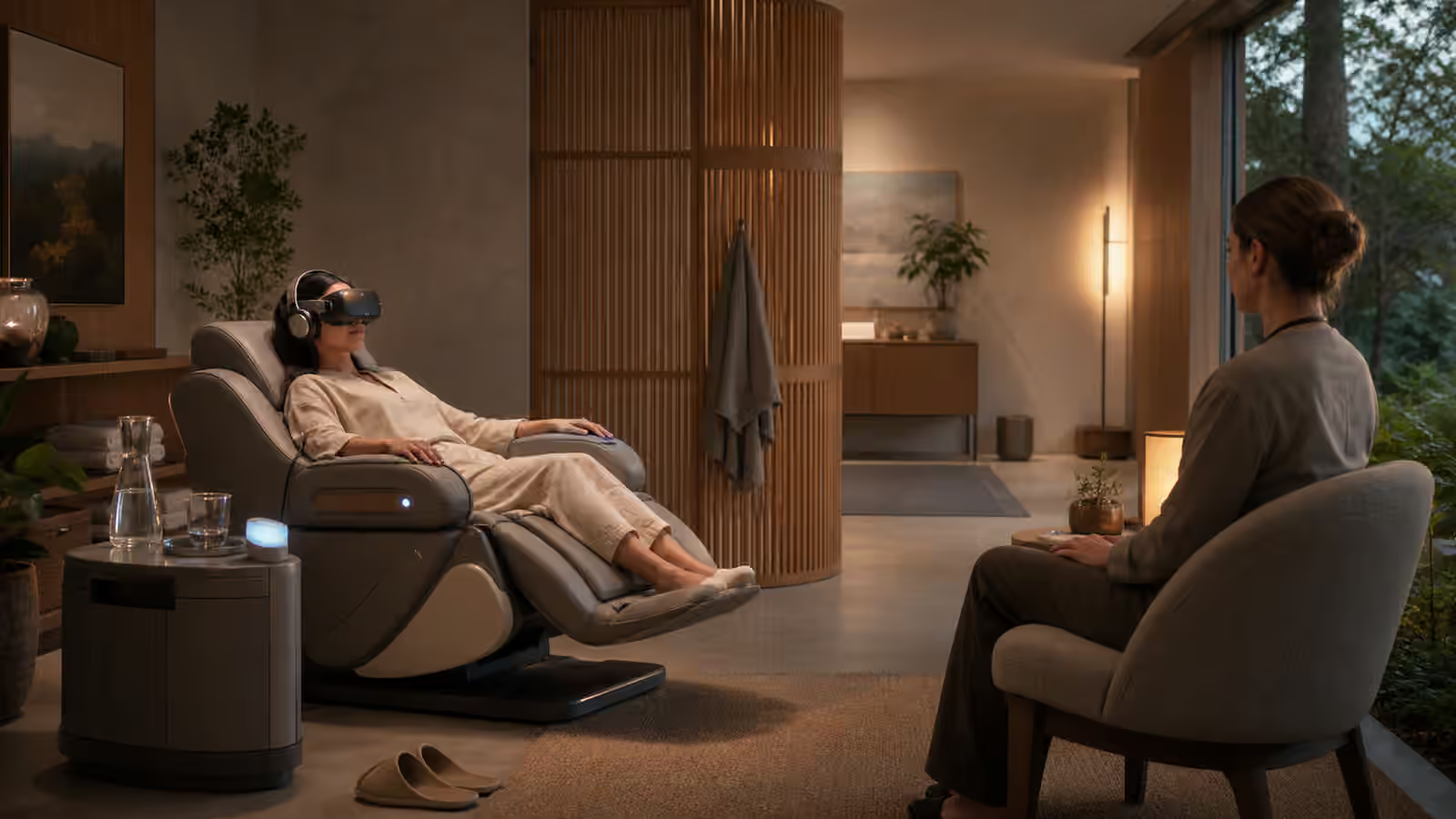
- Sleep, Rest, and Recovery in Full Dive VR treats recovery as part of the safety system, especially when immersive worlds approach sleep, dream overlap, fatigue, and the need to return fully to the ordinary body.
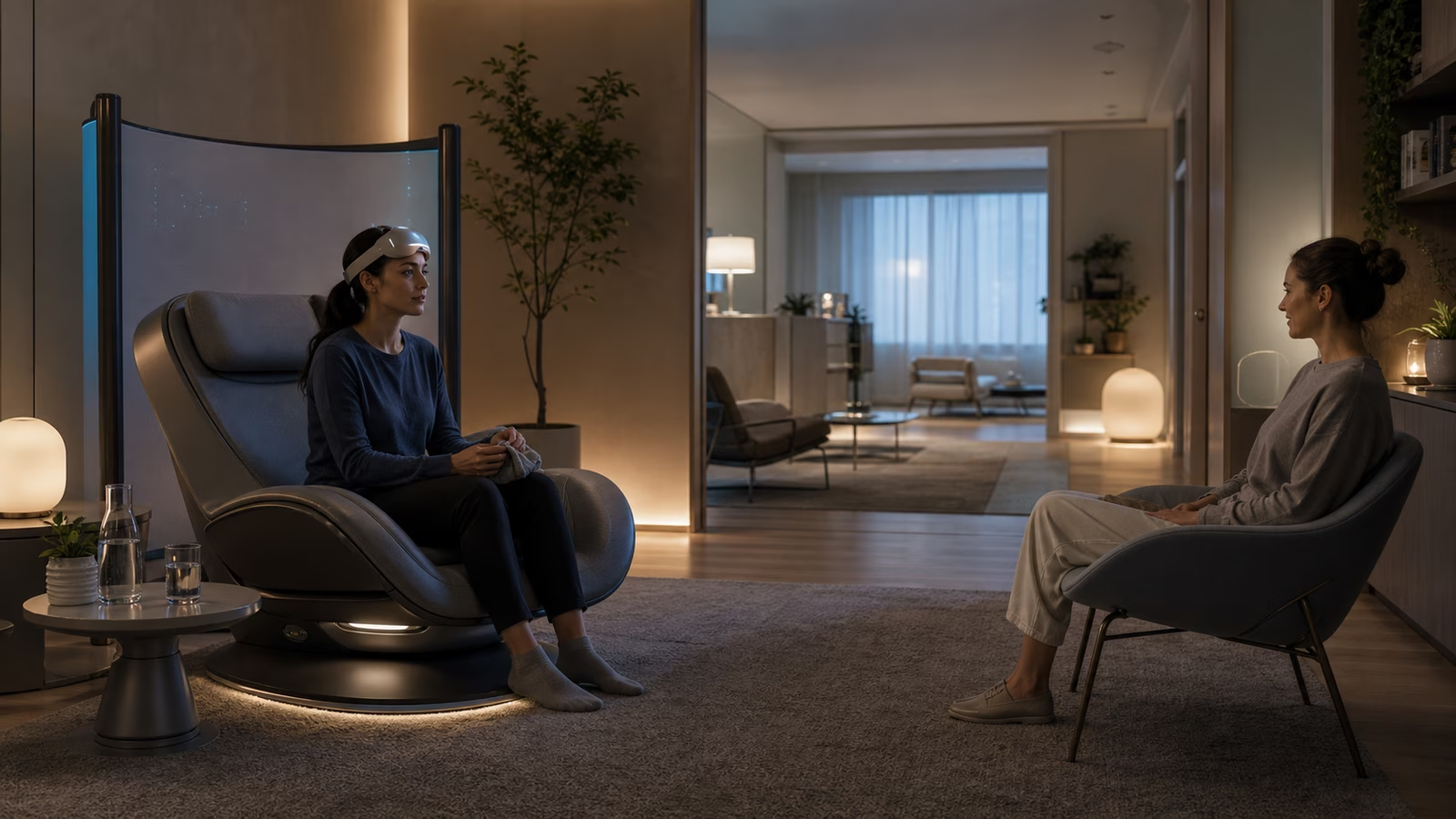
- Social Reentry After Full Dive VR follows the return to real people, shared homes, private conversations, emotional carryover, and the right not to narrate a session before the user is ready.
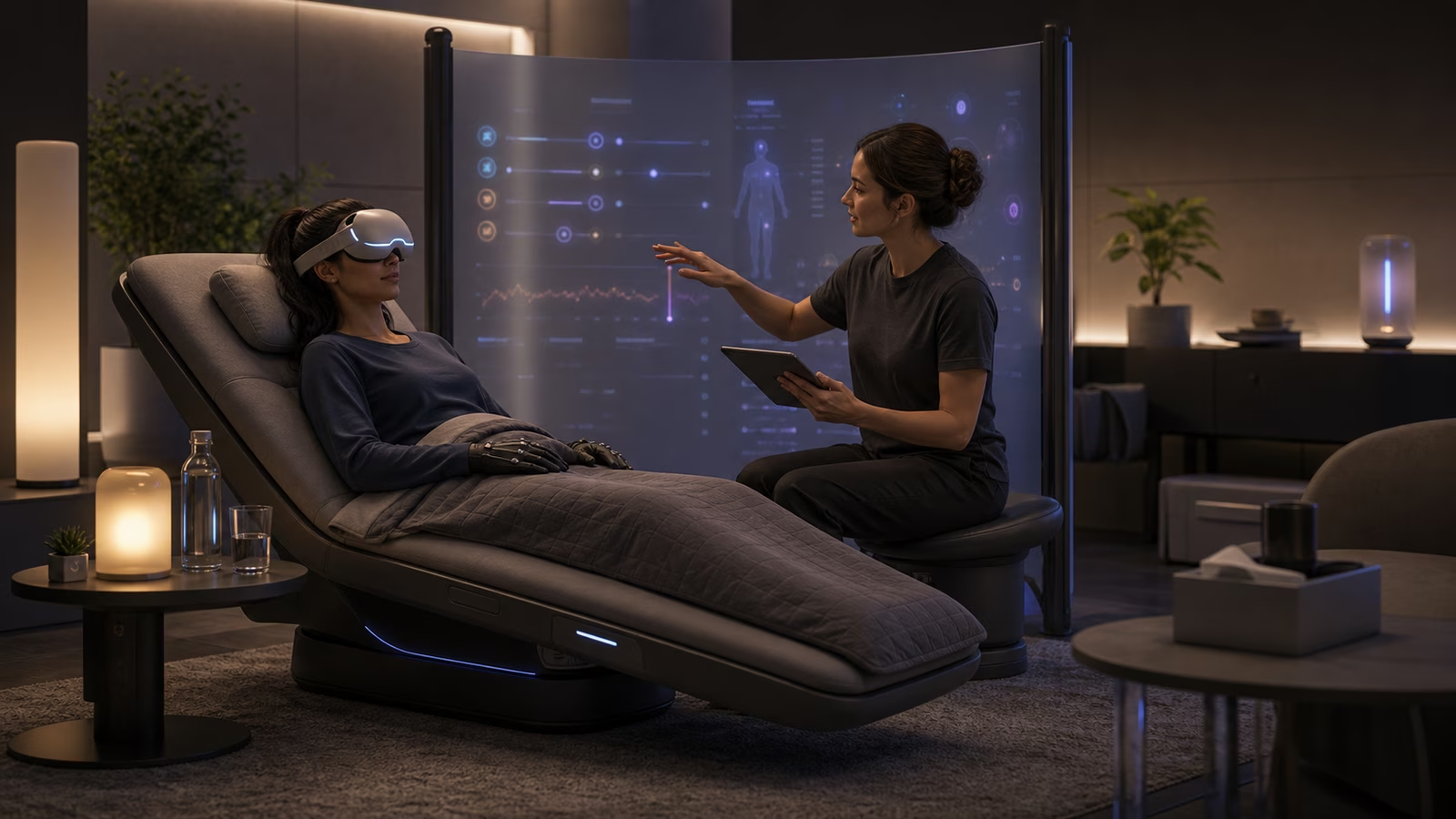
- Pain and Discomfort Boundaries in Full Dive VR asks how haptics, discomfort, training pressure, emergency stops, and sensitive body data should be handled if immersive systems can make unpleasant sensation feel real.
Read the quickstart first. The rest will make more sense once the dream has been separated into parts.
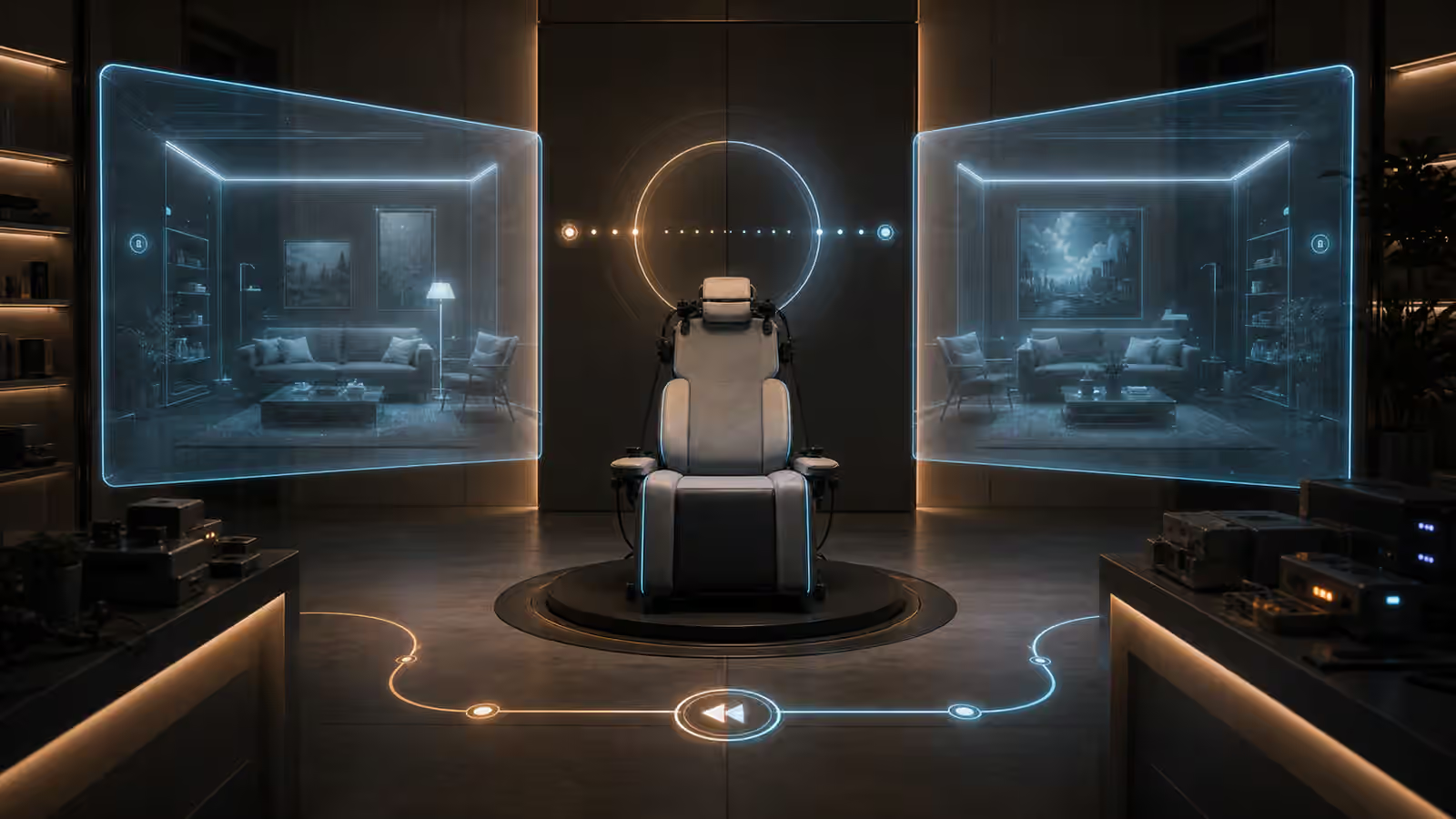
Latency, Drift, and Trust belongs after calibration and safety because believable immersion depends on timing. A full dive system that gets touch, motion, body position, or exit timing slightly wrong does not merely feel less polished; it becomes harder to trust.
Sleep, Rest, and Recovery in Full Dive VR belongs near that same safety shelf. It asks when an immersive system should reduce stimulation, stop recording, give the user’s attention back, and leave sleep alone.
Social Reentry After Full Dive VR belongs after coming back and privacy because exit is not only a body problem. It is also the moment when the user returns to friends, family, coworkers, or facilitators who need boundaries of their own.
Pain and Discomfort Boundaries in Full Dive VR belongs beside safety, consent, and calibration because the ability to simulate sensation would need refusal, reduction, aftercare, and privacy rules before it could deserve trust.