The cheapest backup power is the load you no longer need to back up. Every watt you remove from ordinary life also removes pressure from the battery, inverter, generator, solar array, electrical panel, and monthly bill. Efficiency is not the less exciting cousin of backup power. It is the quiet work that makes every later upgrade smaller and easier to live with.
Before adding solar, batteries, EV charging, heat pumps, or induction cooking, shrink waste where it is obvious. The Department of Energy’s Energy Saver materials repeatedly frame efficiency and weatherization as early steps because they reduce the size and cost pressure of later systems. A tighter, calmer house asks less from every piece of equipment that follows.
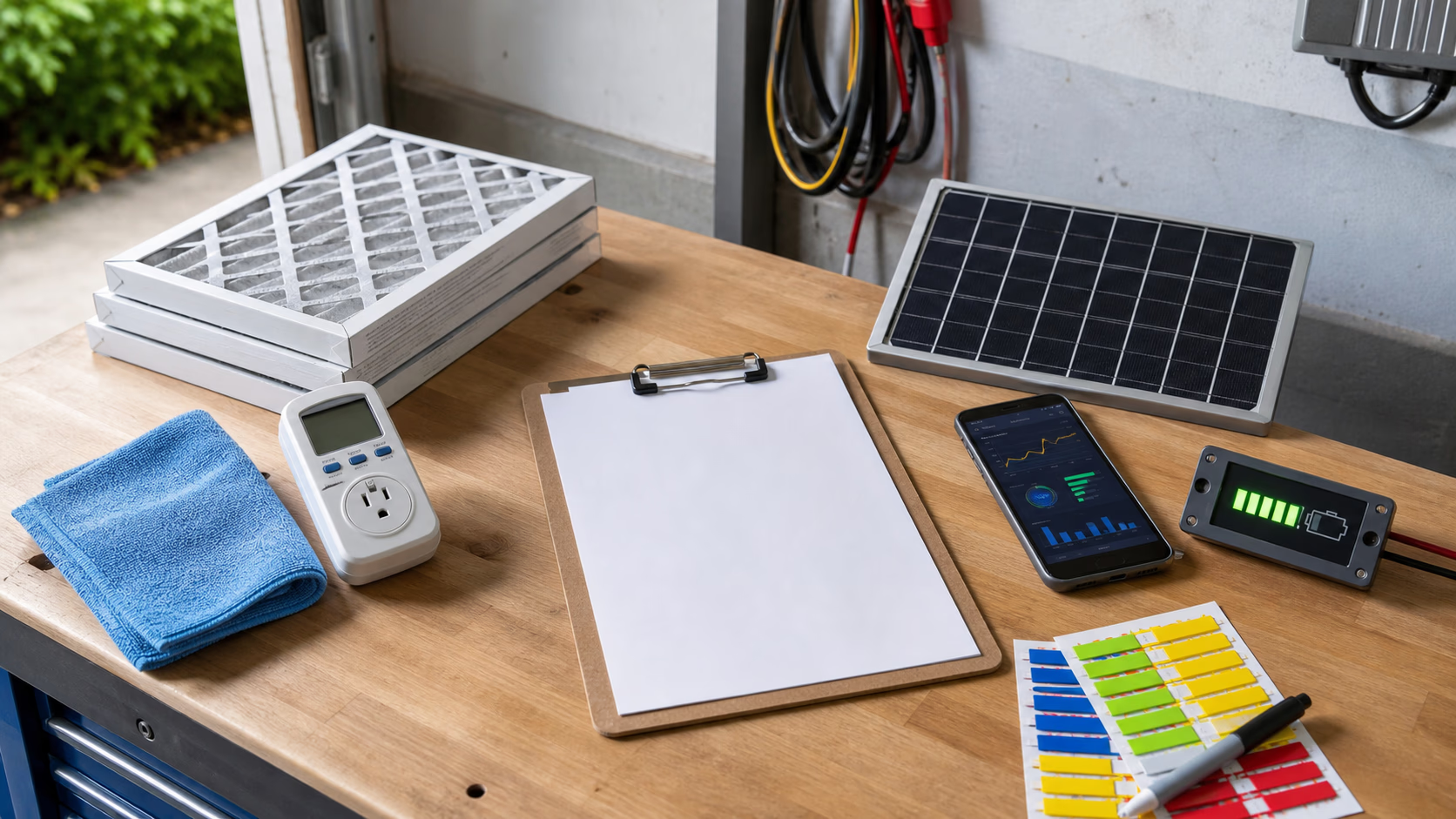
Start with the easy waste
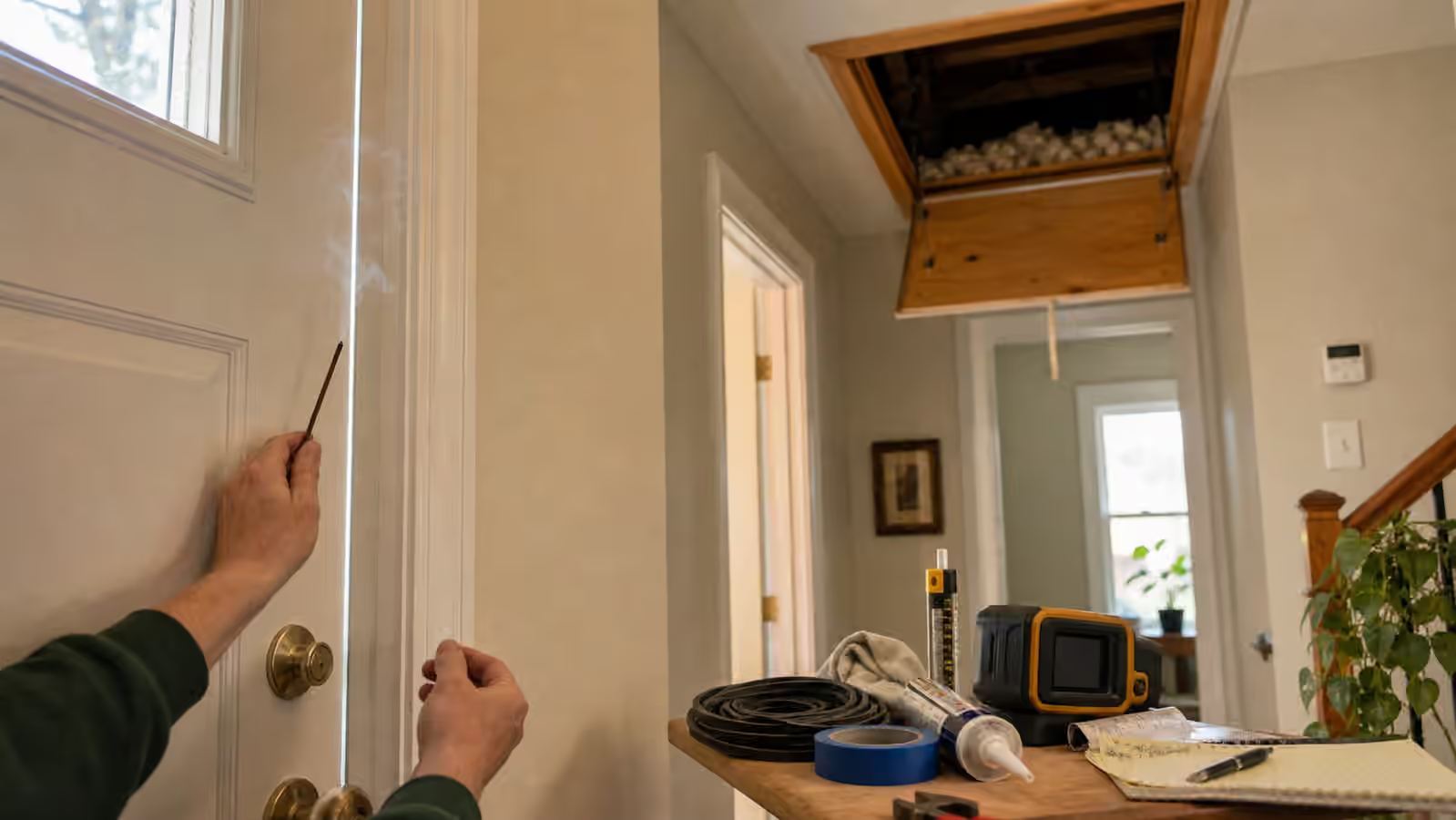
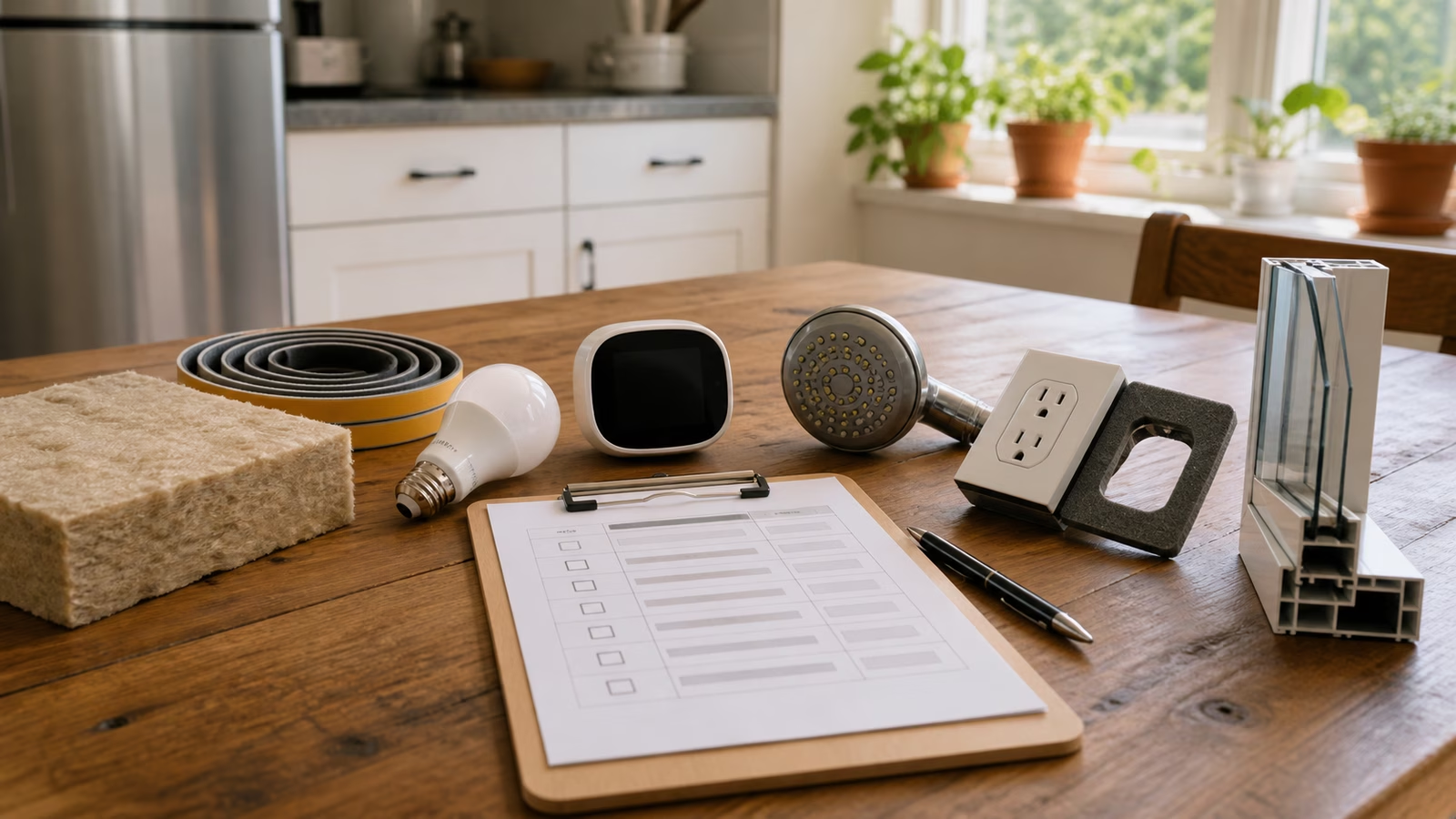
The first pass should feel almost ordinary. Replace the remaining inefficient lighting, clean HVAC filters, seal the obvious drafts around doors and windows, and make sure refrigerator and freezer temperatures are sensible rather than colder than needed. If there is an old second refrigerator or freezer humming in a garage for no serious reason, it deserves attention. If hot water pipes are accessible, insulation may help. If sunny windows overheat rooms every afternoon, window coverings can reduce the cooling load without touching the electrical panel.
These small improvements are easy to dismiss because none of them looks like a major system. Together, they change the baseline. A heat pump has less heat to replace. A battery has fewer loads to carry. A solar system can serve more of the remaining demand. A portable power station that once felt too small may suddenly handle the actual priority loads with less strain.
Measure what stays on
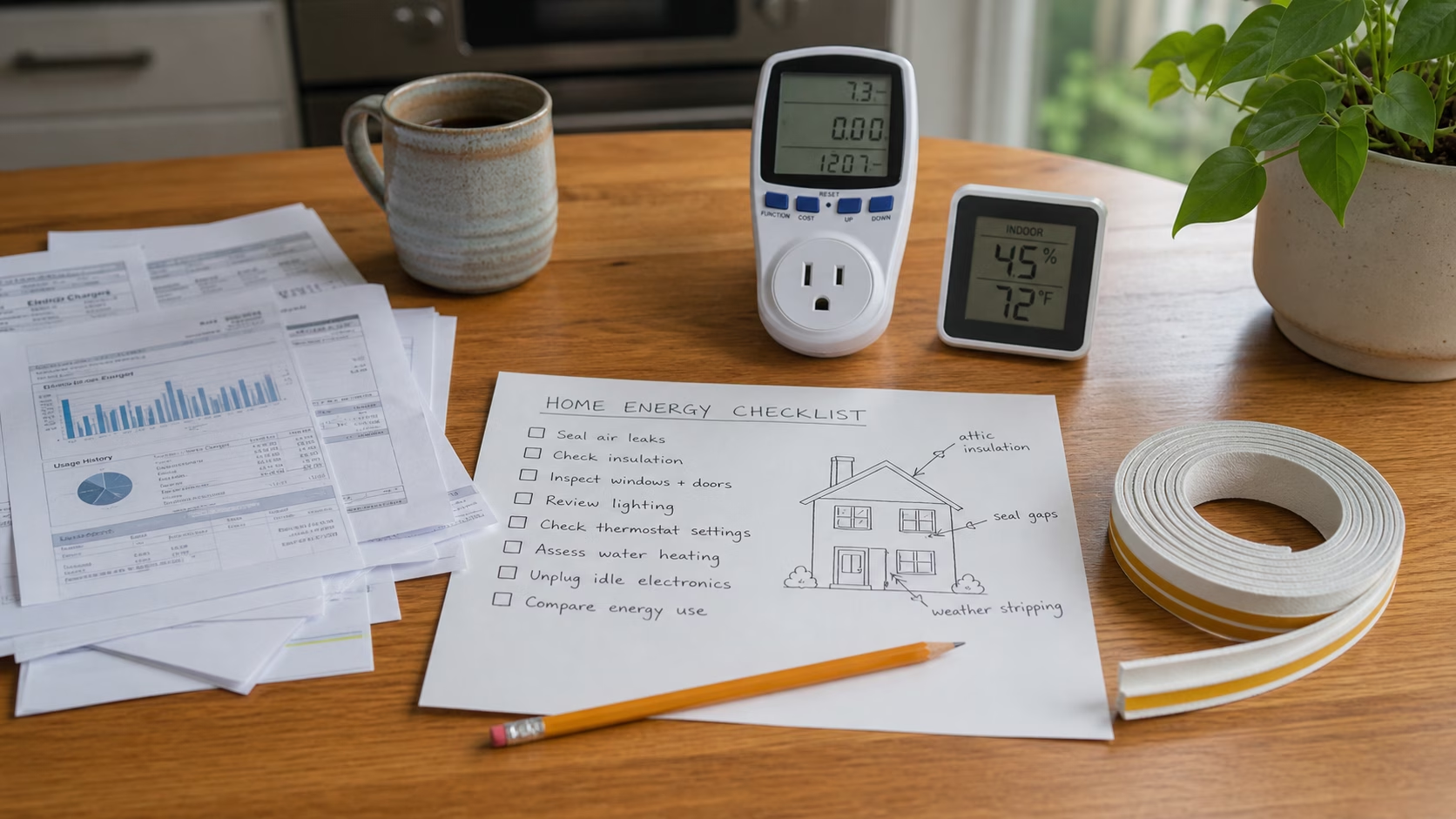
After the obvious work, measure the plug loads. A plug-in electricity usage monitor can reveal devices that quietly run all day: office equipment, entertainment systems, dehumidifiers, battery chargers, old refrigeration, network gear, and standby electronics that nobody thinks about until the power bill or outage plan forces the question.
The goal is not to turn the home into a lab forever. The goal is to stop guessing. Once you know which devices are always on, which ones surge, and which ones run longer than expected, you can decide whether the answer is replacement, a better setting, a switched power strip, a schedule, or simply leaving the device alone because it is worth what it costs.
Plan the bigger moves together
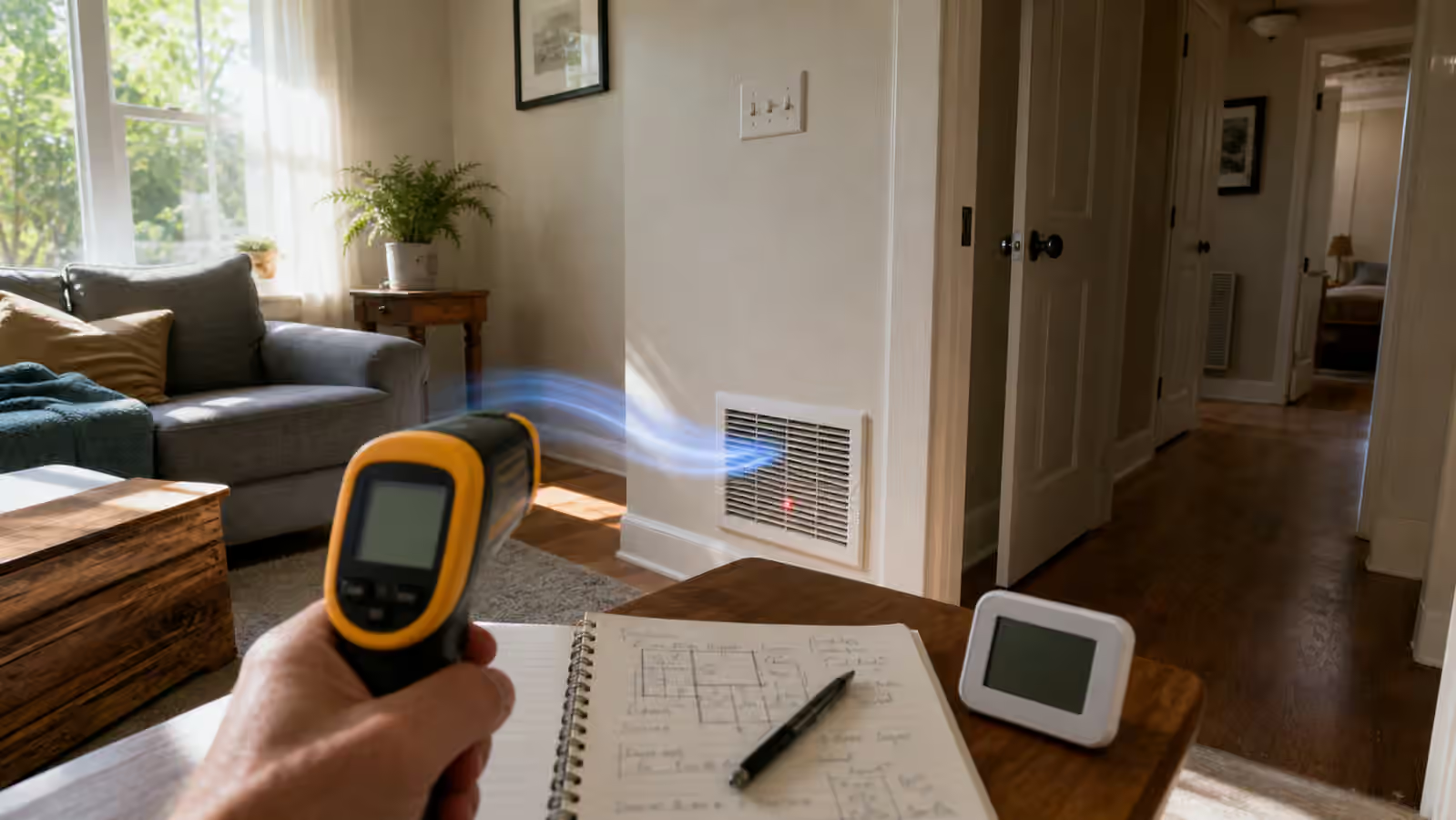
Large upgrades should not be planned as isolated purchases. Air sealing affects heat pump sizing. Duct sealing affects comfort and airflow. A heat pump water heater affects garage temperature, sound, plumbing layout, and electrical planning. Solar panels, home batteries, EV charging, induction cooking, and panel upgrades all touch the same household energy budget.
That is why the best efficiency upgrade is often the one that solves more than one problem. Air sealing may reduce drafts, improve comfort, and make backup heat less demanding. Duct work may make a new heat pump smaller and more effective. Removing a wasteful plug load may reduce the battery size needed for outages. The winning projects are the ones a household can maintain, understand, and carry forward into the next five years of electrification.
Be cautious with upgrades that hide a building-shell problem, require electrical capacity you have not checked, depend on heroic savings promises, or create maintenance nobody will actually do. A beautiful energy plan is not the one with the most equipment. It is the one where the house needs less, the systems are sized honestly, and the people living there know what each upgrade is supposed to accomplish.
Use Home Energy Audit to find the first target, then use Whole-Home Energy Map to connect it to the rest of the plan.
Apply this guide as a decision record
Use Energy-Saving Upgrades Checklist: Reduce the Load Before You Buy More Power to turn a vague household question into a checkable one. Its scope is specific: A prioritized checklist for home energy-saving upgrades before solar, batteries, EV chargers, heat pumps, or induction appliances. Before changing the setup, write down the condition you are trying to change, the constraint that matters most, and the evidence you still lack.
For a first pass through energy saving upgrades checklist, compare the current state with a relevant baseline and record one observation, measurement, or conversation. Make the smallest reversible change available. Keep the manual, model number, room condition, schedule, or maintenance note beside the decision so a future check does not depend on memory. Keep energy saving, efficiency, weatherization in view as separate signals instead of treating them as one verdict.
A useful follow-up asks whether Energy-Saving Upgrades Checklist: Reduce the Load Before You Buy More Power improved the named problem without creating a new one. Check the tradeoff that fits this subject — heat, noise, comfort, water, power, wear, effort, or cost — and describe the result in plain language. If a boundary is safety-critical, stop at the guide’s limit and bring the details to a qualified local professional.
The conclusion for energy saving upgrades checklist should stay narrow. Record what was observed, which condition made the result possible, what maintenance keeps it dependable, and what would make you revisit the choice. That turns a guidebook into a decision record you can use again rather than a promise to remember.