EV charging is a long-duration electrical load. That is the detail that should shape the whole safety conversation. A phone charger might run gently on a side table. An EV charger may draw meaningful current for hours while people sleep, while the garage is closed, while rain is falling outside, or while other large household loads are cycling.
The fact that a setup works once does not prove it is a good charging foundation. Heat builds over time. Loose outlets reveal themselves under sustained load. Cords in the wrong place get driven over, pinched, tripped on, or soaked. EV charging safety is not about fear. It is about respecting the length of the session.
Level 1 Is Simple, Not Automatic
Level 1 charging can be perfectly useful for many drivers, especially when daily mileage is modest and overnight time is available. But a common outlet is not automatically a suitable outlet. Old, loose, shared, damaged, or overloaded outlets are a poor foundation for repeated charging. If the plug or outlet gets hot, stop using it and have it inspected.
This is where the vehicle manual and charging equipment manual matter. Use equipment intended for EV charging, follow the manufacturer’s limits, and avoid improvising with random extension cords. If an extension solution is even being considered, that is usually a sign the charging location needs a better plan.
Level 2 Belongs In The Electrical Plan
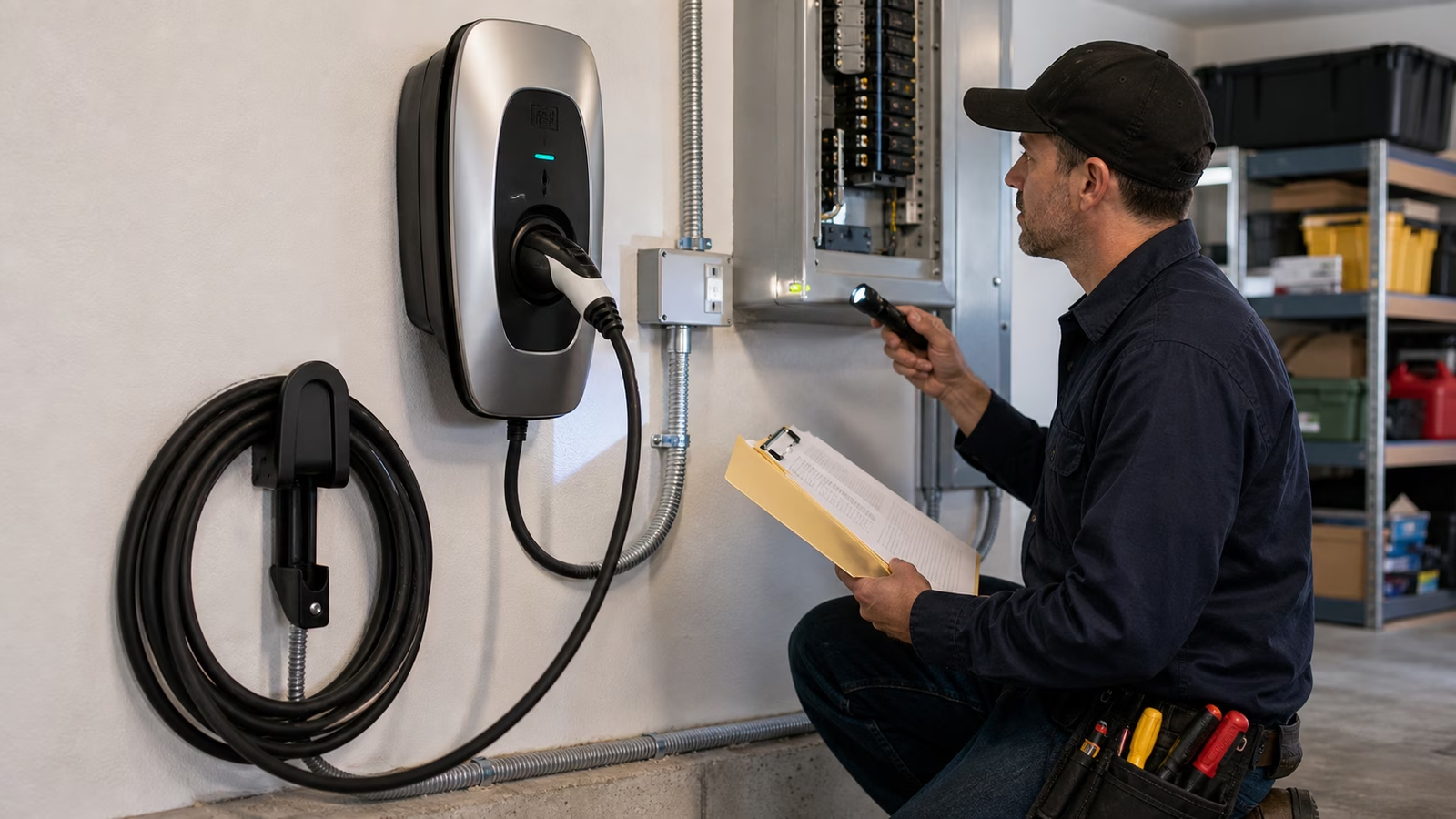
Level 2 charging is often the right answer for faster recovery, higher daily driving, or multi-driver households. It is also a real electrical installation. A qualified electrical professional should evaluate the circuit, panel capacity, wire path, charger location, permits, outdoor rating if needed, and whether load management belongs in the design.
The Department of Energy’s Alternative Fuels Data Center notes that many EV owners can charge overnight at home and recommends safety-certified equipment and qualified electrical contractors for installations. That guidance is practical. The charger is not just a gadget; it becomes part of the home’s electrical routine.
Pay Attention To Heat And Habit
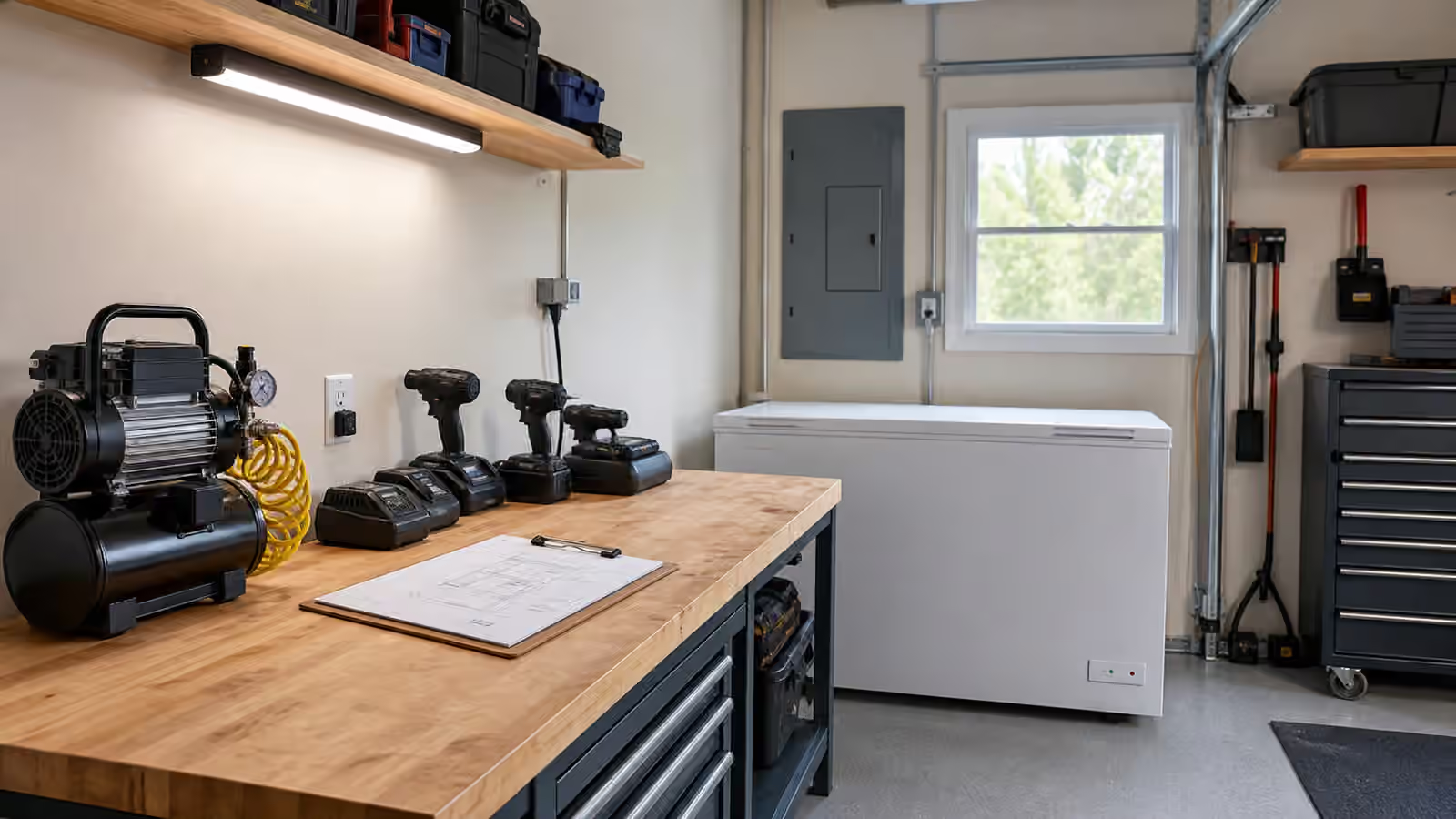
The warning signs are often ordinary: a plug that feels warm, an outlet that no longer grips tightly, a cable that has to cross the walking path, a connector left on the floor, or a circuit that also feeds tools, a freezer, or other garage loads. None of those details has to become dramatic to matter. EV charging repeats the same load night after night, so small weaknesses get many chances to show up. A safe setup should feel boring: easy to plug in, easy to hang up, dry, supported, and not dependent on remembering a special workaround.
The Cable Is Part Of The Safety System
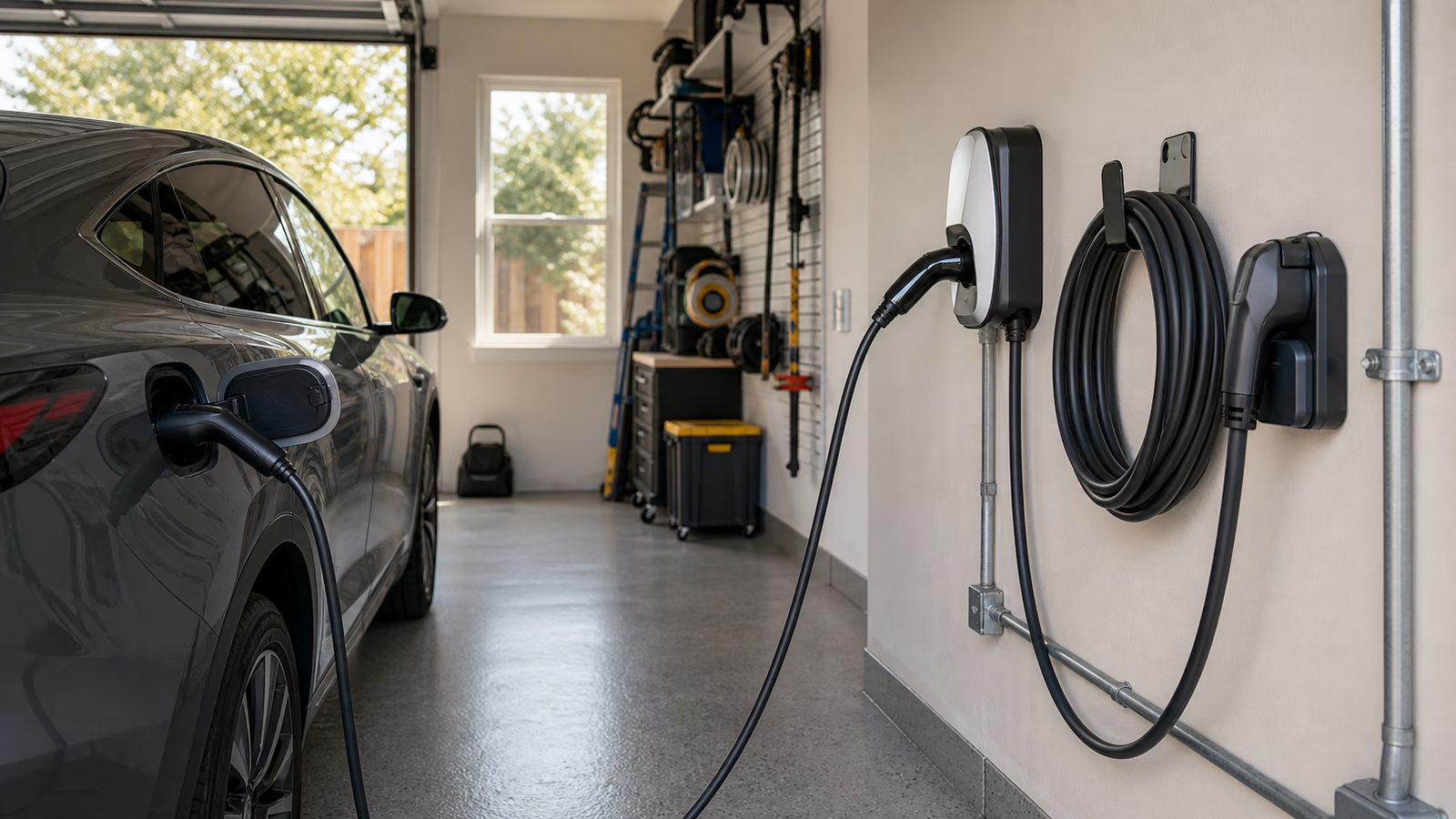
Cable handling is easy to overlook because it feels mundane. A good charging location keeps the cable out of walking paths, driving paths, puddling, sharp edges, and places where doors or garage clutter can pinch it. Outdoor charging can be normal when the equipment is rated for it and installed correctly, but weather rating, connector care, drainage, and routing all matter.
Accessories such as a cable organizer or holster are not just tidiness upgrades. They help keep the connector clean, reduce strain, and make the nightly habit repeatable. A charging setup that is awkward every night invites shortcuts.
Know When To Slow Down
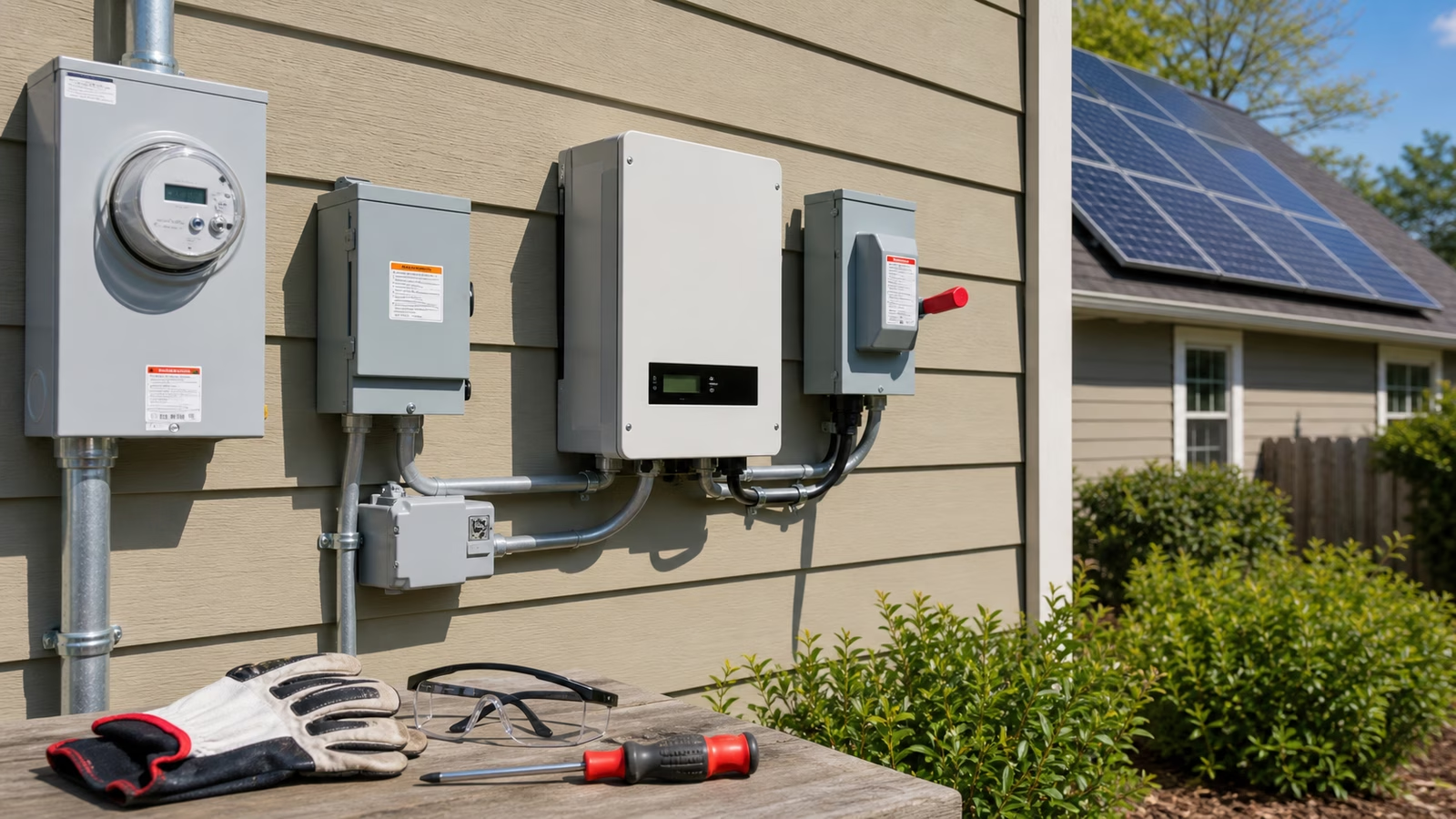
Pause and call an electrician when the outlet is old or loose, the panel is crowded, the cable route is awkward, charging will happen outdoors, Level 2 charging is needed, or other major electrification upgrades are planned. A heat pump, induction range, electric dryer, heat pump water heater, battery, and EV charger can all make sense, but together they need a whole-home load plan.
For that part of the decision, read EV Charging Load Planning .
Apply this guide as a decision record
Use EV Charging Safety: Outlets, Outdoor Ratings, Cords, and Installation to turn a vague household question into a checkable one. Its scope is specific: A practical EV charging safety checklist for Level 1, Level 2, outdoor charging, cable handling, and electrical installation. Before changing the setup, write down the condition you are trying to change, the constraint that matters most, and the evidence you still lack.
For a first pass through ev charging safety, compare the current state with a relevant baseline and record one observation, measurement, or conversation. Make the smallest reversible change available. Keep the manual, model number, room condition, schedule, or maintenance note beside the decision so a future check does not depend on memory. Keep EV charging safety, EVSE, garage in view as separate signals instead of treating them as one verdict.
A useful follow-up asks whether EV Charging Safety: Outlets, Outdoor Ratings, Cords, and Installation improved the named problem without creating a new one. Check the tradeoff that fits this subject — heat, noise, comfort, water, power, wear, effort, or cost — and describe the result in plain language. If a boundary is safety-critical, stop at the guide’s limit and bring the details to a qualified local professional.
The conclusion for ev charging safety should stay narrow. Record what was observed, which condition made the result possible, what maintenance keeps it dependable, and what would make you revisit the choice. That turns a guidebook into a decision record you can use again rather than a promise to remember.