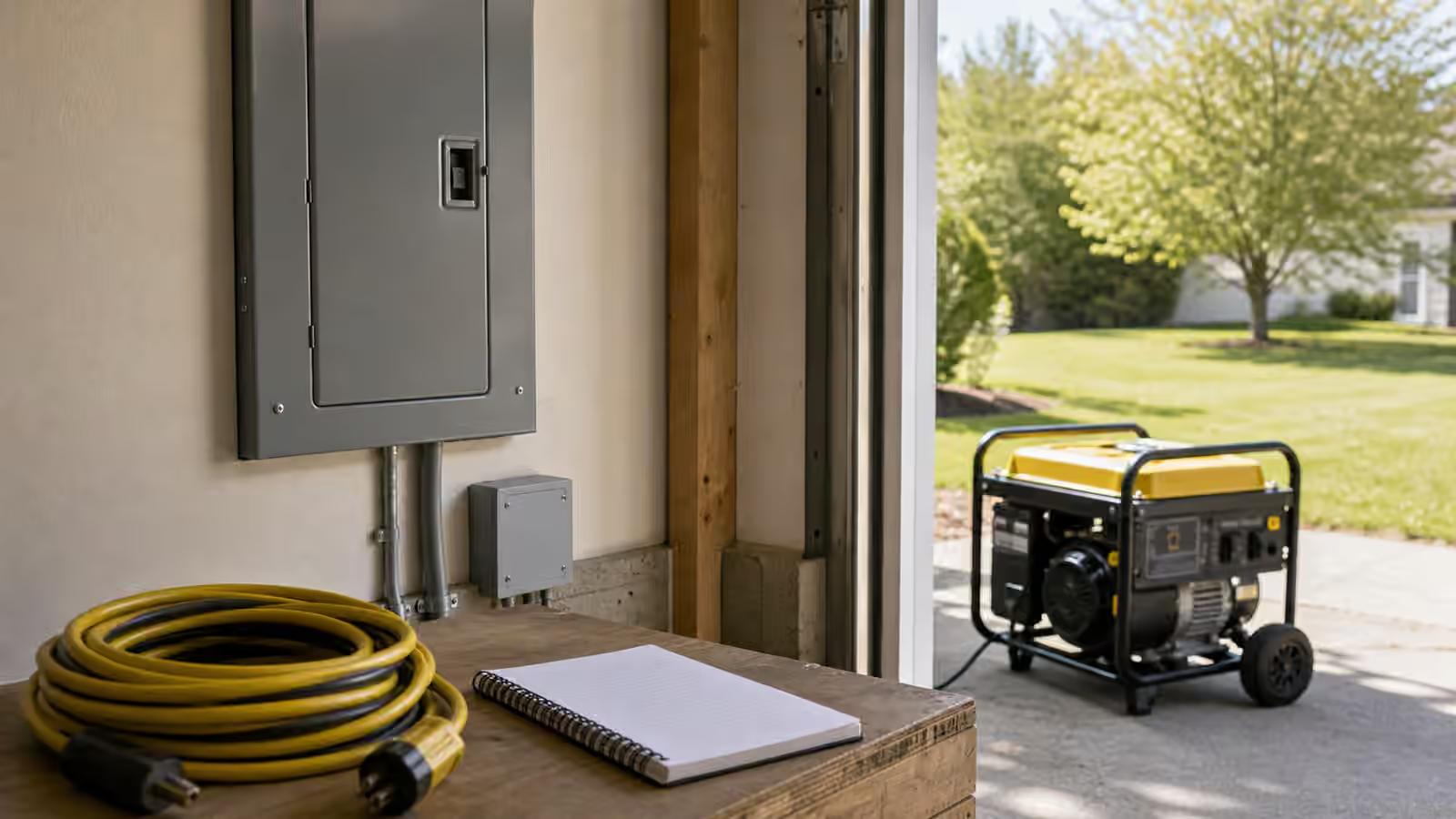
A fuel generator can be useful during an outage. It can also become the most dangerous item in the plan if it is used casually. The danger is not theoretical: carbon monoxide is odorless, invisible, and deadly.
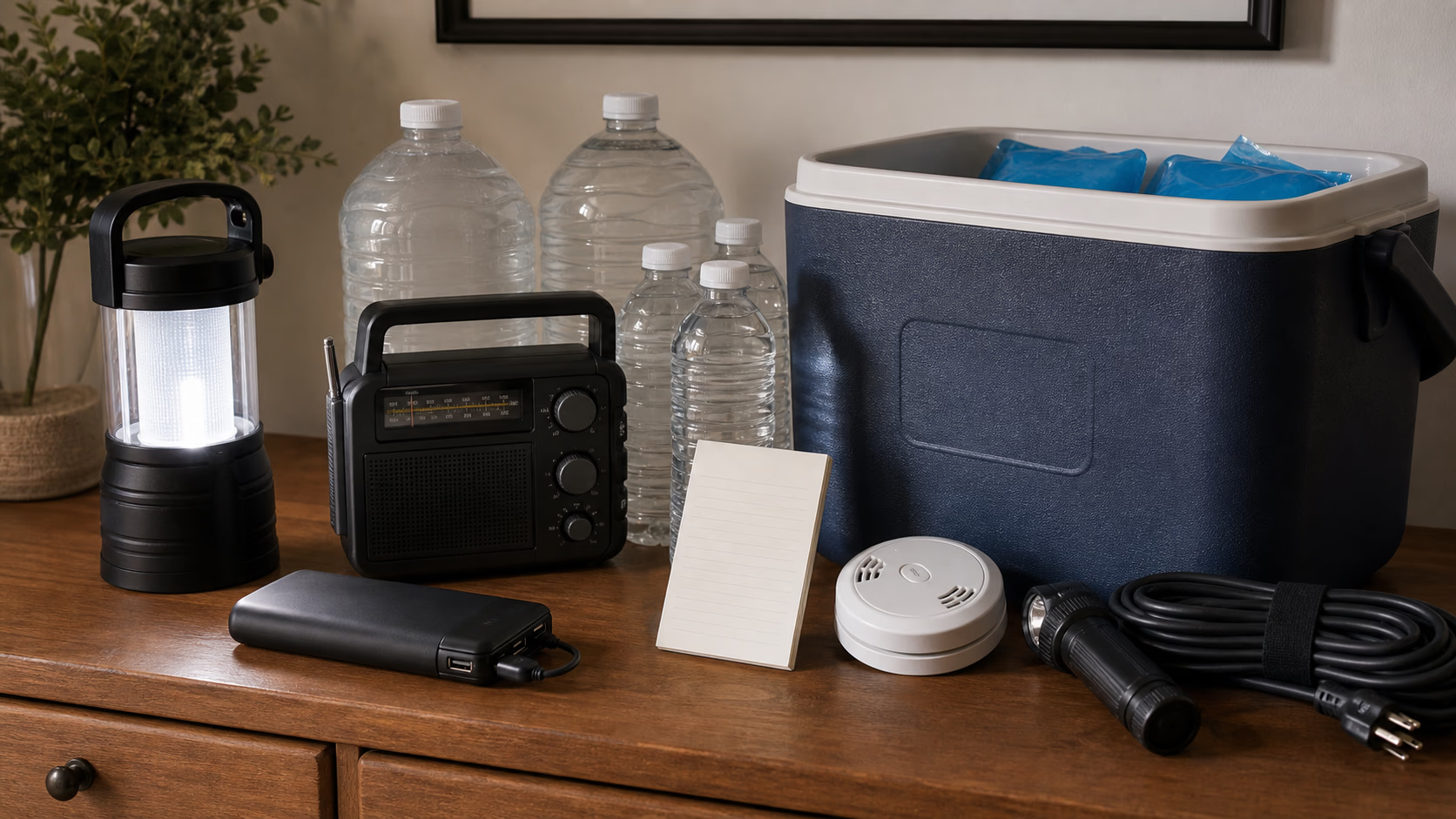
Generator safety starts before the storm, because the middle of an outage is a bad time to improvise placement, cords, fuel, and transfer equipment. If the plan depends on someone remembering a rule under stress, make the rule simple enough that there is no debate.
Placement is non-negotiable
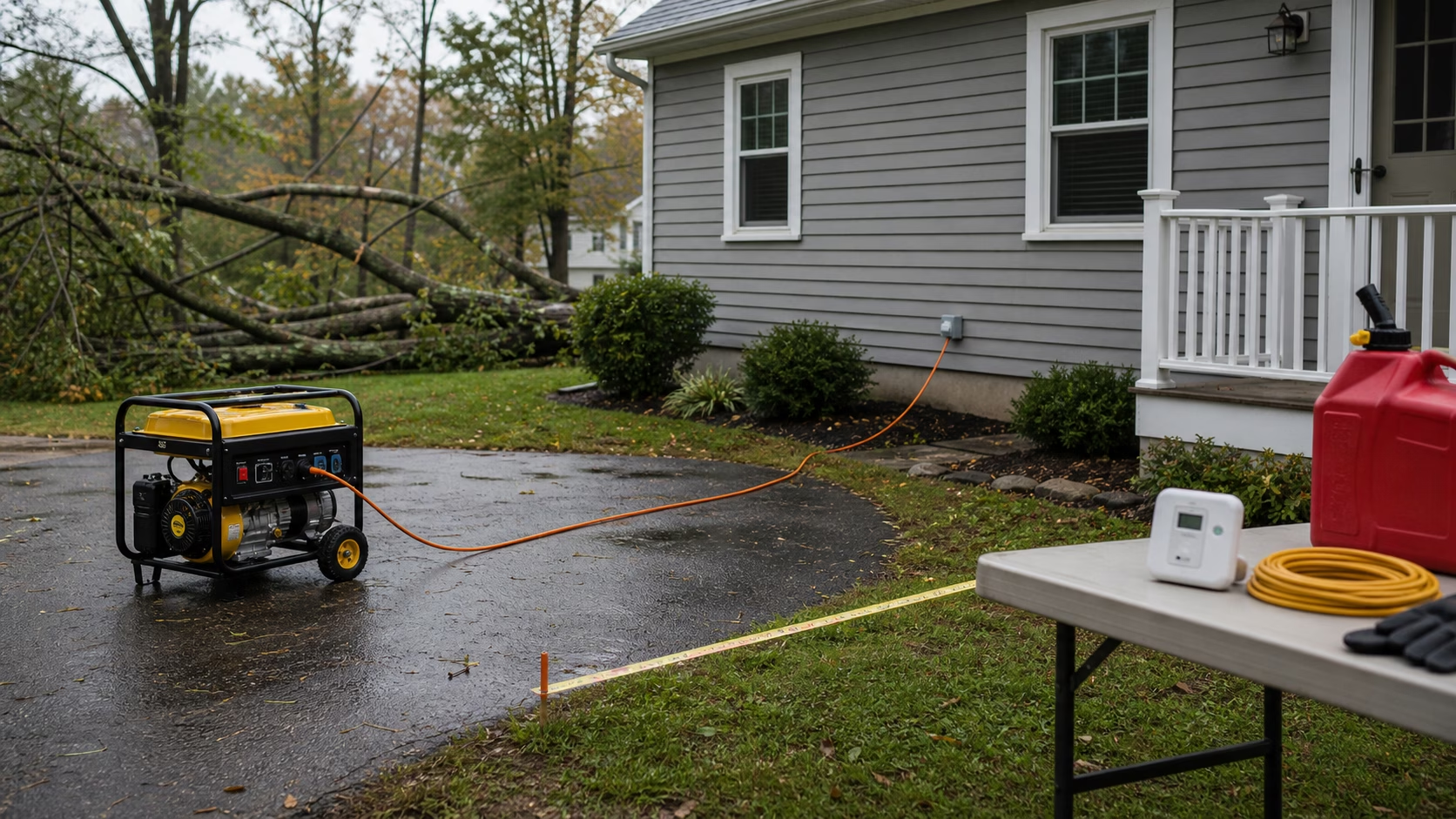
Ready.gov and CDC both say fuel generators should be used outdoors and away from windows, doors, and attached garages. Ready.gov gives a specific distance: at least 20 feet away from windows, doors, and attached garages. That guidance is not a preference. It is the safety boundary that keeps exhaust away from living space.
Never run a generator inside a home, inside a garage, on a balcony, near openings, near sleeping areas, or in an enclosed or partly enclosed space. An open garage door does not make a garage safe. A covered porch does not make exhaust disappear. A generator needs outdoor air around it and a path for exhaust that does not lead back into the building.
Use working carbon monoxide alarms on every level of the home, and make sure they can function during an outage. Battery backup matters because the grid may be down. A battery carbon monoxide alarm is one of the simplest pieces of the safety plan, but it is not a substitute for proper generator placement.
Backfeed is not a shortcut
Do not plug a generator into a wall outlet to power the house. That can energize wiring in unsafe ways and endanger utility workers, neighbors, your own equipment, and anyone who later touches the system. If you want to power household circuits, use code-compliant transfer equipment installed by a qualified electrician.
Extension-cord use also needs discipline. Use outdoor-rated heavy-duty cords sized for the load, keep connections dry, avoid overloaded power strips, and route cords so they are not crushed, pinched, or sitting in water. A heavy-duty generator extension cord should be treated as electrical equipment, not a generic household cord.
Fuel, weather, and readiness
A generator needs fuel that is stored safely and legally, maintenance between outages, and weather protection that does not trap exhaust. Refueling should wait until the generator has cooled, because spilled fuel on hot equipment is an avoidable hazard. Rain protection should keep water off electrical parts without enclosing the generator or redirecting exhaust toward the home.
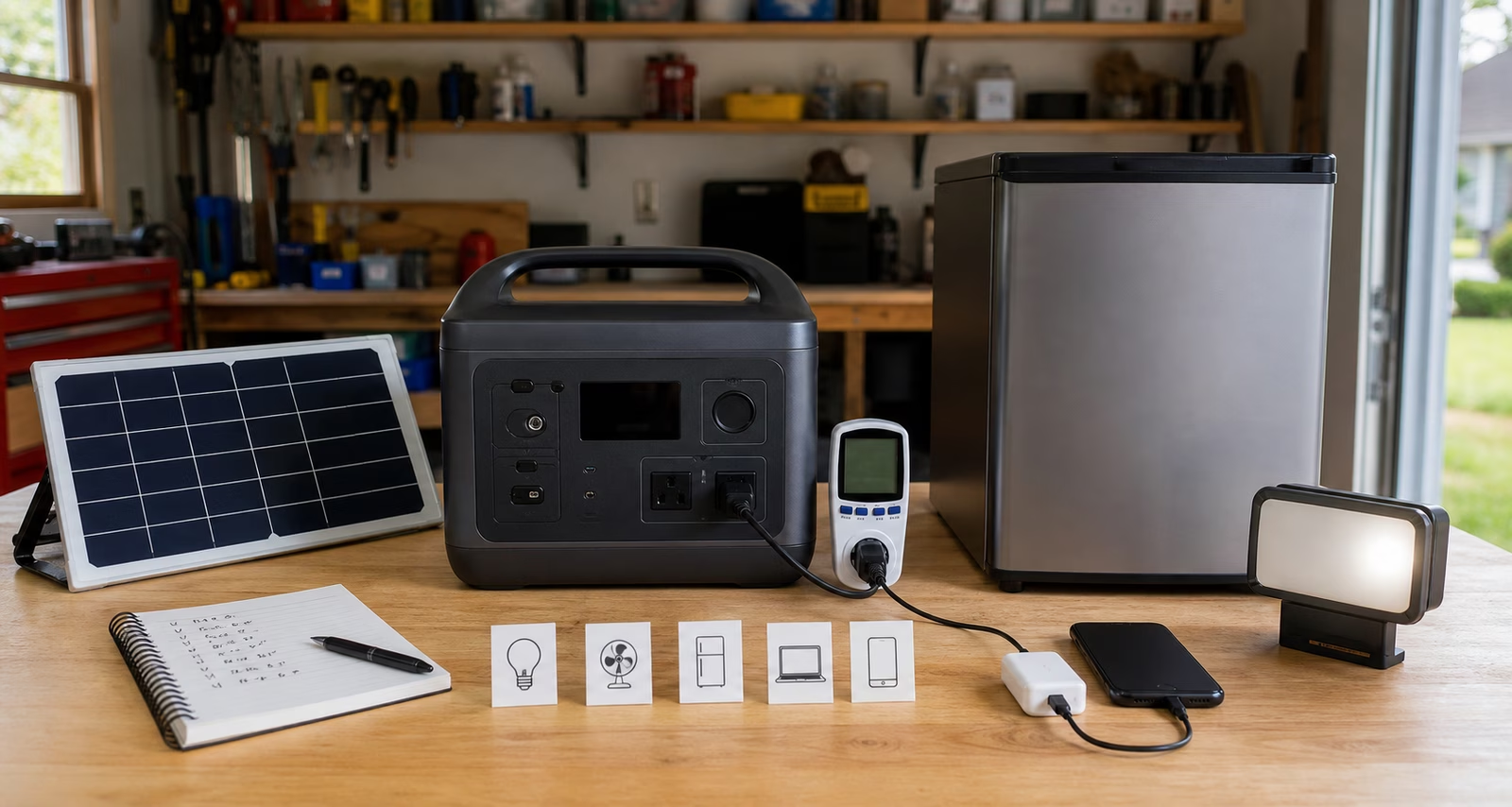
Choose a generator only when you know where it will sit safely outdoors, how exhaust will stay away from openings, how fuel will be stored, which loads it will power, whether those loads will use cords or transfer equipment, and who will maintain the machine between outages. If those answers are unclear, a battery-first plan or professional help is the better next step.
Official references for the safety rules are Ready.gov Power Outages , CDC Power Outage Safety , and EPA Power Outages and Indoor Air Quality .
Apply this guide as a decision record
Use Generator Safety for Outages: Carbon Monoxide, Backfeed, Fuel, and Cords to turn a vague household question into a checkable one. Its scope is specific: A safety-first guide to using fuel generators during outages without carbon monoxide, backfeed, shock, or refueling mistakes. Before changing the setup, write down the condition you are trying to change, the constraint that matters most, and the evidence you still lack.
For a first pass through generator safety for outages, compare the current state with a relevant baseline and record one observation, measurement, or conversation. Make the smallest reversible change available. Keep the manual, model number, room condition, schedule, or maintenance note beside the decision so a future check does not depend on memory. Keep generator safety, carbon monoxide, outage prep in view as separate signals instead of treating them as one verdict.
A useful follow-up asks whether Generator Safety for Outages: Carbon Monoxide, Backfeed, Fuel, and Cords improved the named problem without creating a new one. Check the tradeoff that fits this subject — heat, noise, comfort, water, power, wear, effort, or cost — and describe the result in plain language. If a boundary is safety-critical, stop at the guide’s limit and bring the details to a qualified local professional.
The conclusion for generator safety for outages should stay narrow. Record what was observed, which condition made the result possible, what maintenance keeps it dependable, and what would make you revisit the choice. That turns a guidebook into a decision record you can use again rather than a promise to remember.