A home battery and a portable power station are both batteries, but they live in different parts of the home energy plan. One behaves like infrastructure. The other behaves like flexible gear. Confusing those roles leads to either an overbuilt system for a small problem or a small box asked to do the work of a house.
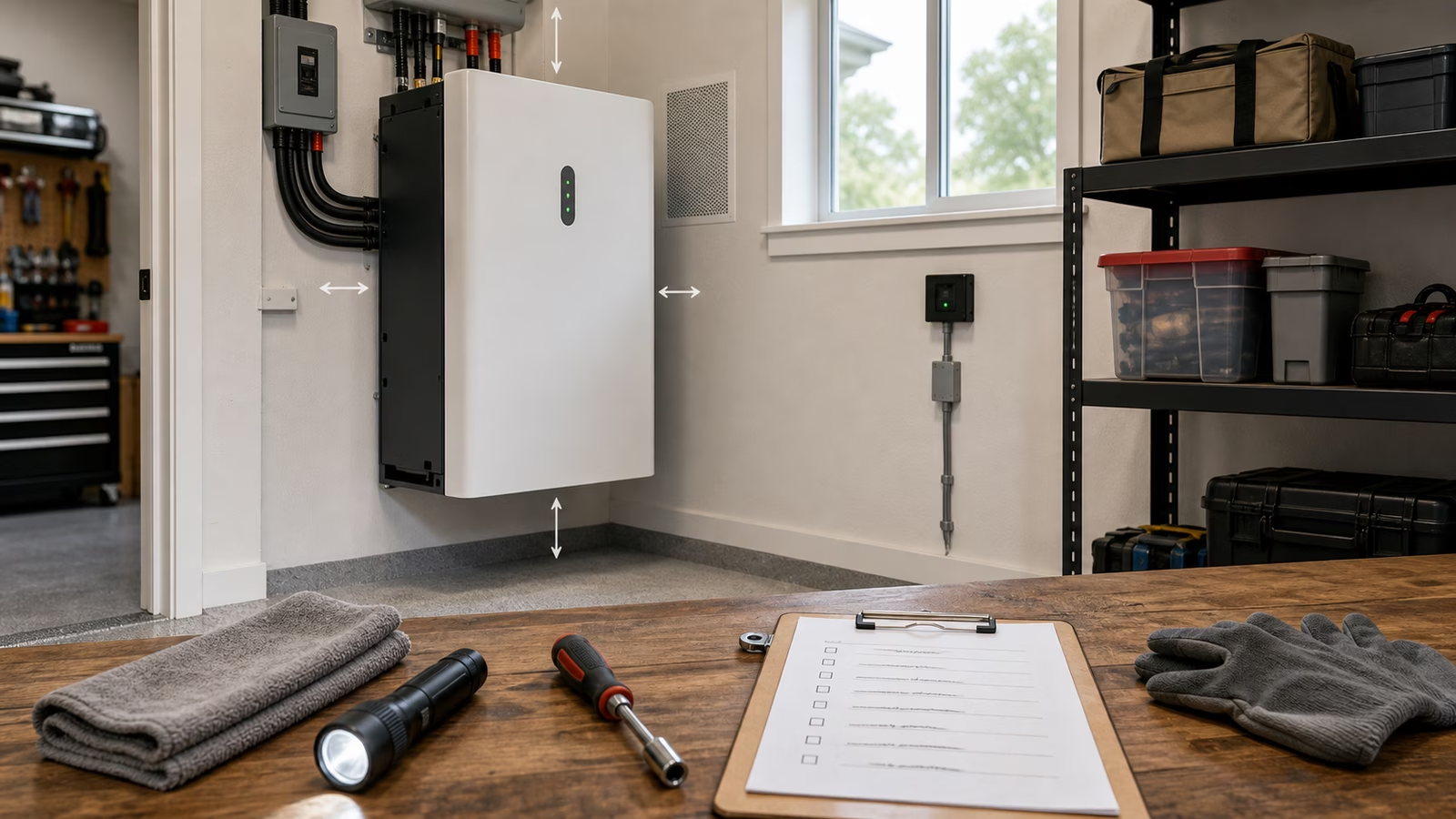
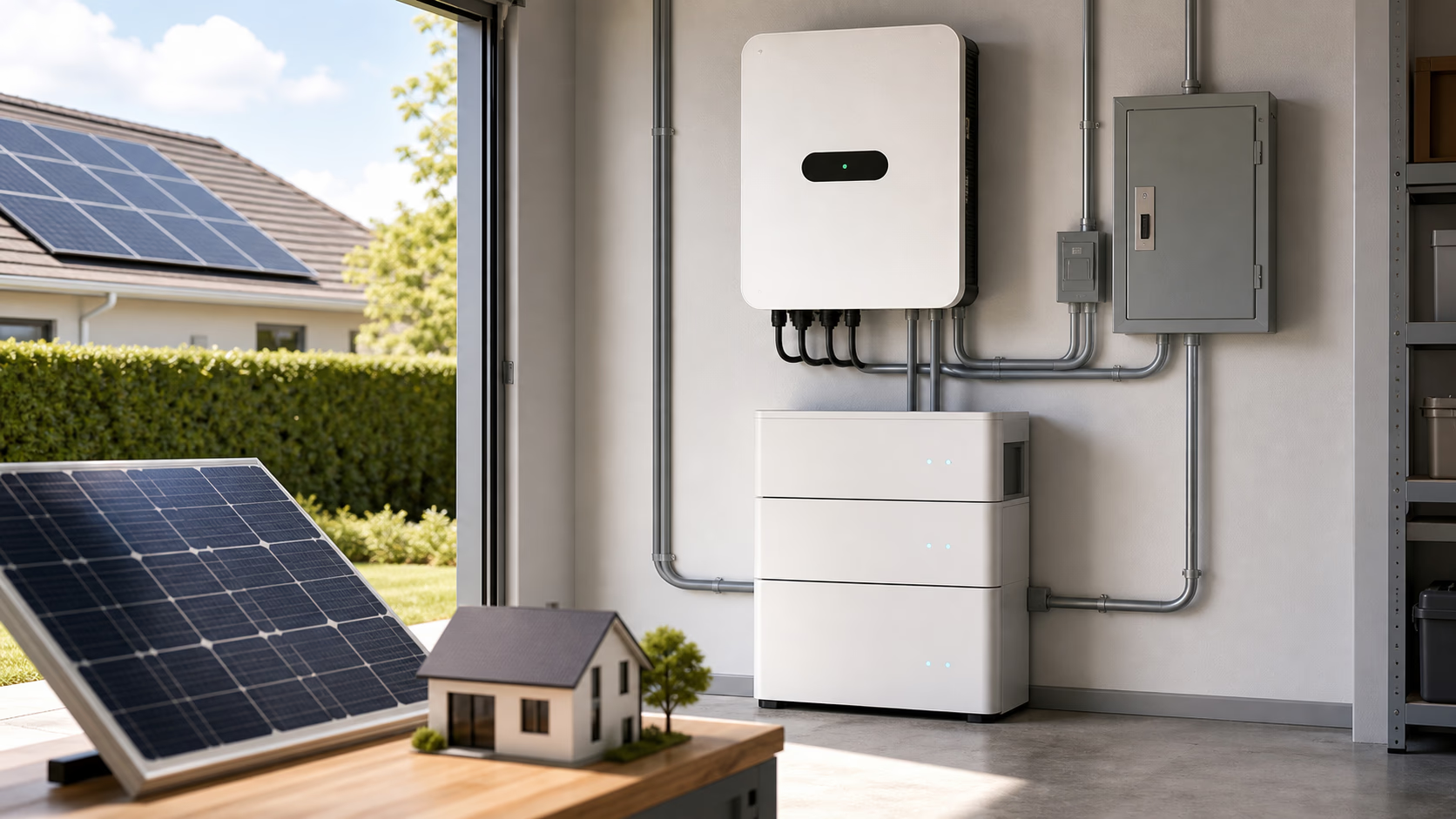
A permanent home battery is designed around the electrical system. It may back up selected circuits automatically or semi-automatically, integrate with solar, and sit inside a permitted installation with transfer equipment, clearances, monitoring, and installer support. It is not something you carry to the bedroom during a storm. Its strength is being ready without a midnight wiring improvisation.
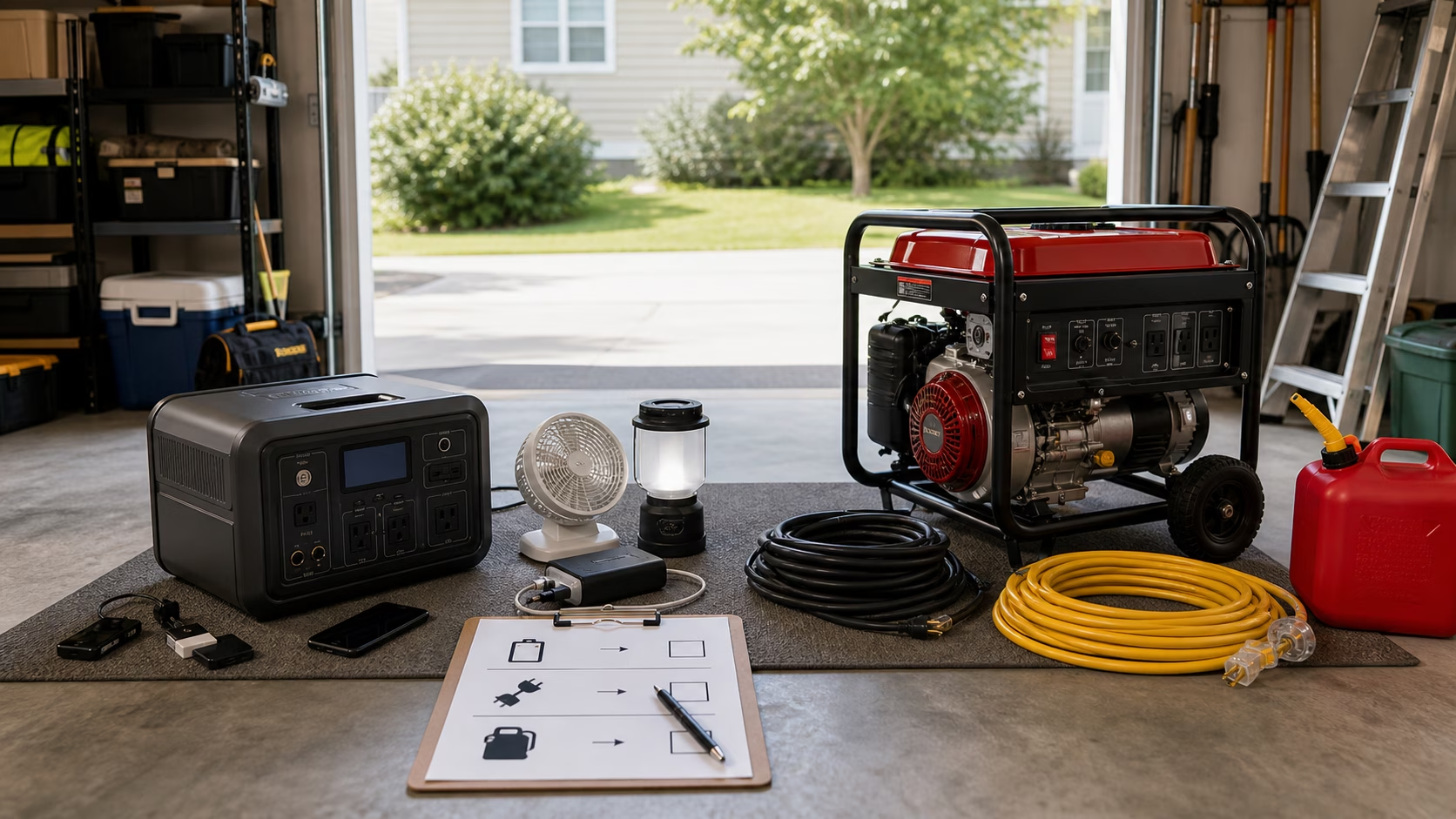
A portable power station is different. It is a movable box with outlets. It can run a router, lamp, laptop, phone, small appliance, or carefully chosen refrigerator plan, depending on capacity and inverter limits. It can follow a renter from one home to the next. It can go camping, support work in a garage, or sit beside a communication kit. Its strength is flexibility.
Automatic Backup Or Manual Intention
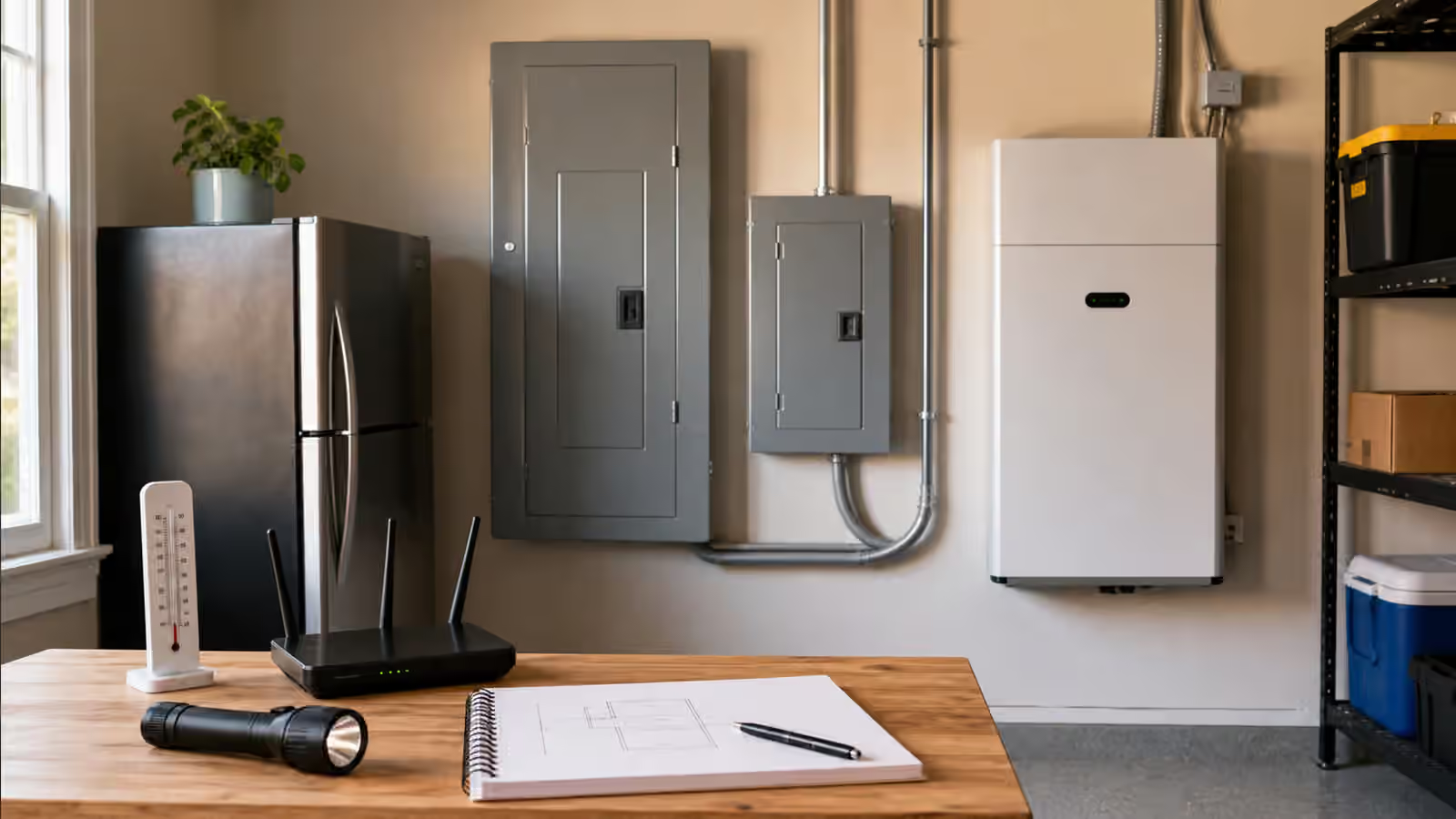
The first difference you feel during an outage is behavior. A home battery can be designed so selected circuits keep running when the grid fails. That can be valuable for refrigeration, network gear, medical-adjacent planning, security, sump pumps, or households that cannot easily move equipment around.
Portable power is more manual. You decide what plugs in. You carry or roll the unit where it is needed. You manage extension safety, cable routing, recharge timing, and load discipline. That sounds less elegant, but it can be exactly right when outages are short or when the real need is a few critical devices rather than whole-home continuity.
Ownership Shapes The Answer
Home batteries usually make more sense when you own the home, critical circuits are clearly defined, solar integration matters, panel work is acceptable, and installer support is available. Portable stations make more sense when you rent, want to avoid permanent electrical work, need flexible use, or only need selected devices through short outages.
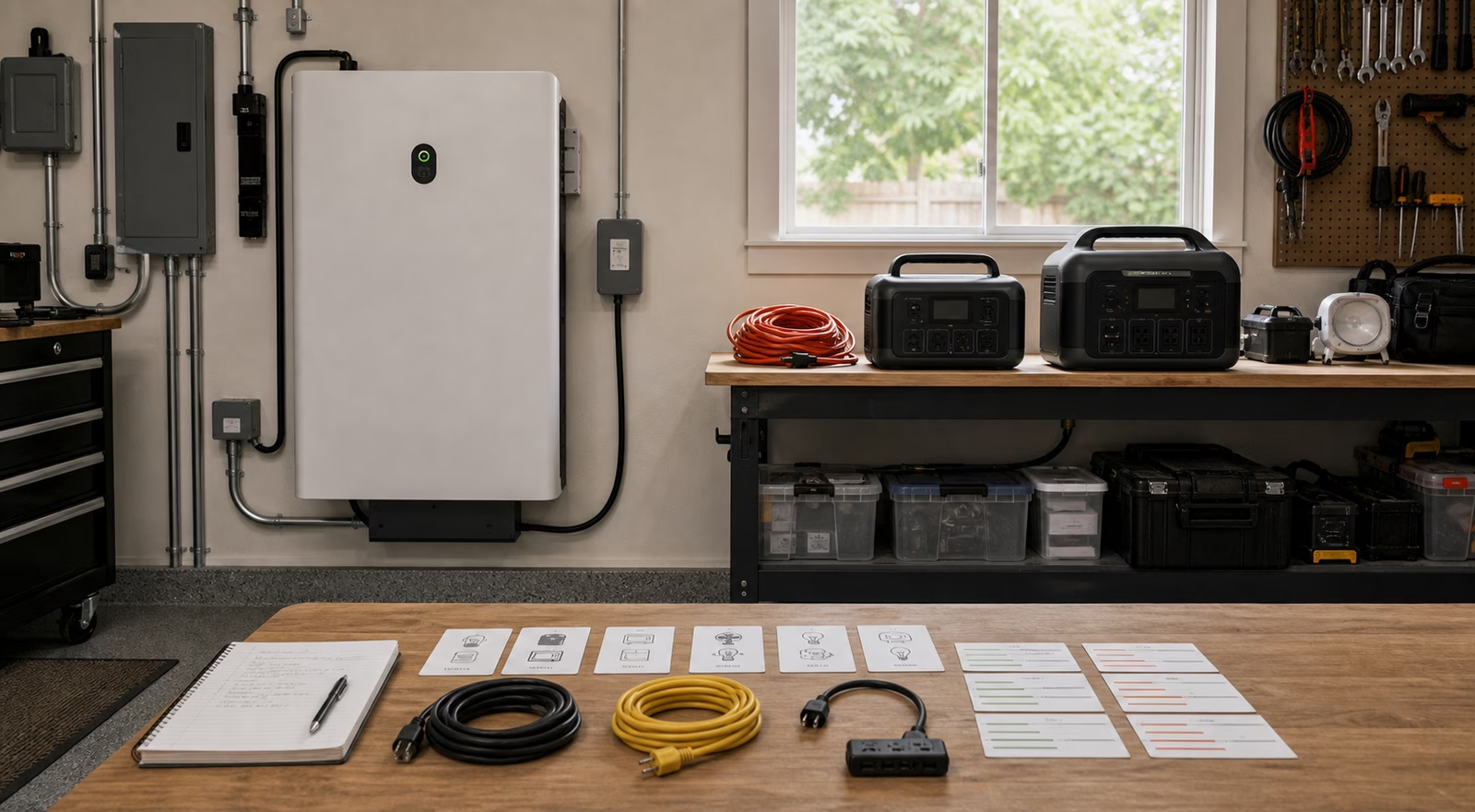
Some households use both. A home battery handles critical circuits while a portable station supports a bedroom, office, communication kit, or detached workspace. That can be a strong plan if each device has a defined job. It becomes wasteful when both are bought vaguely for the same imagined emergency.
Start With The Loads, Not The Box
Write down the loads before comparing products: refrigerator, router, lights, medical equipment with verified requirements, sump pump, garage door, work laptop, CPAP, freezer, or whatever actually matters in your home. Then note whether each one needs automatic backup or can be plugged in manually. That exercise often makes the choice obvious. If the must-run loads are hardwired or need to come on without anyone home, portable power is probably the wrong center of the plan. If the list is mostly small plug-in devices, a permanent system may be more installation than the problem requires.
Compare The System, Not Only The Watt-Hours
Watt-hours matter, but they are not the whole decision. Ask how the battery connects, whether backup is automatic or manual, which loads are actually backed up, how recharge works, what safety requirements apply, what maintenance habits are needed, and who services the system when something fails.
A permanent system can be more capable, but it also brings design, permitting, installation, and service questions. A portable station is simpler to buy, but its limits are closer to the surface. Choose the role first. Then choose the battery.
For a permanent system, start with Home Battery Buying Guide . For a flexible box, start with Portable Power Station Buying Guide .
Apply this guide as a decision record
Use Home Battery vs Portable Power Station: Permanent Backup or Flexible Box? to turn a vague household question into a checkable one. Its scope is specific: How to choose between a permanent home battery and a portable power station for backup power, solar integration, renters, and critical loads. Before changing the setup, write down the condition you are trying to change, the constraint that matters most, and the evidence you still lack.
For a first pass through home battery vs portable power, compare the current state with a relevant baseline and record one observation, measurement, or conversation. Make the smallest reversible change available. Keep the manual, model number, room condition, schedule, or maintenance note beside the decision so a future check does not depend on memory. Keep home battery, portable power station, comparison in view as separate signals instead of treating them as one verdict.
A useful follow-up asks whether Home Battery vs Portable Power Station: Permanent Backup or Flexible Box? improved the named problem without creating a new one. Check the tradeoff that fits this subject — heat, noise, comfort, water, power, wear, effort, or cost — and describe the result in plain language. If a boundary is safety-critical, stop at the guide’s limit and bring the details to a qualified local professional.
The conclusion for home battery vs portable power should stay narrow. Record what was observed, which condition made the result possible, what maintenance keeps it dependable, and what would make you revisit the choice. That turns a guidebook into a decision record you can use again rather than a promise to remember.