An energy audit is not a scolding session. It is a way to find the upgrades that make every later energy decision smaller. Before solar, batteries, or a heat pump, you want to know where the home leaks energy, which loads are unusually large, and which comfort problems are really insulation, air sealing, duct, moisture, or control problems.
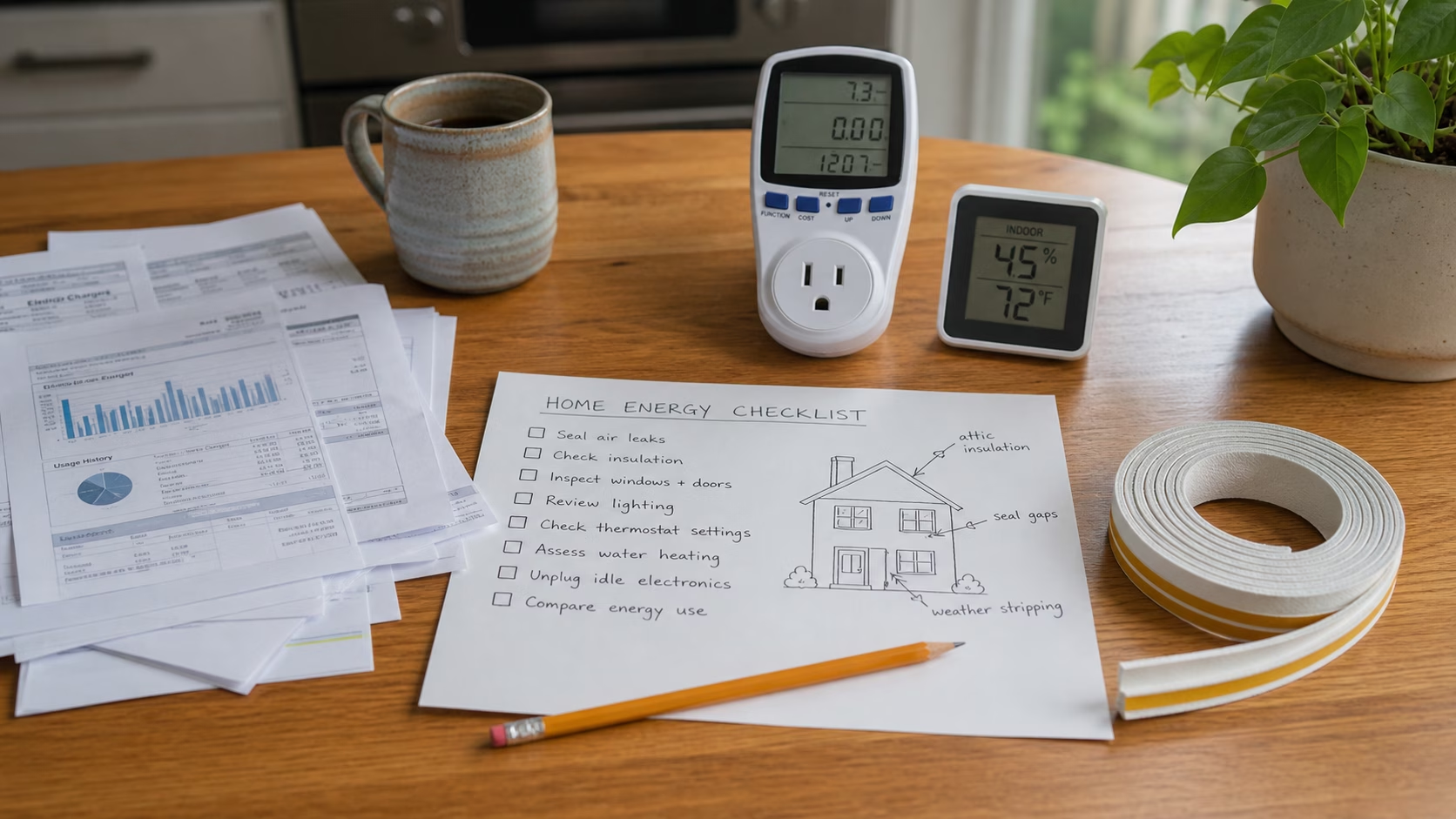
The calmest audit begins with patterns. Collect a year of utility bills if you can, then look for the months that stand out. Winter peaks often point toward heating, hot water, or electric resistance loads. Summer peaks often point toward air conditioning, dehumidification, pool pumps, poor shading, or hot attic conditions. The point is not to solve anything yet. It is to notice when the house asks for the most energy.
Follow the everyday loads
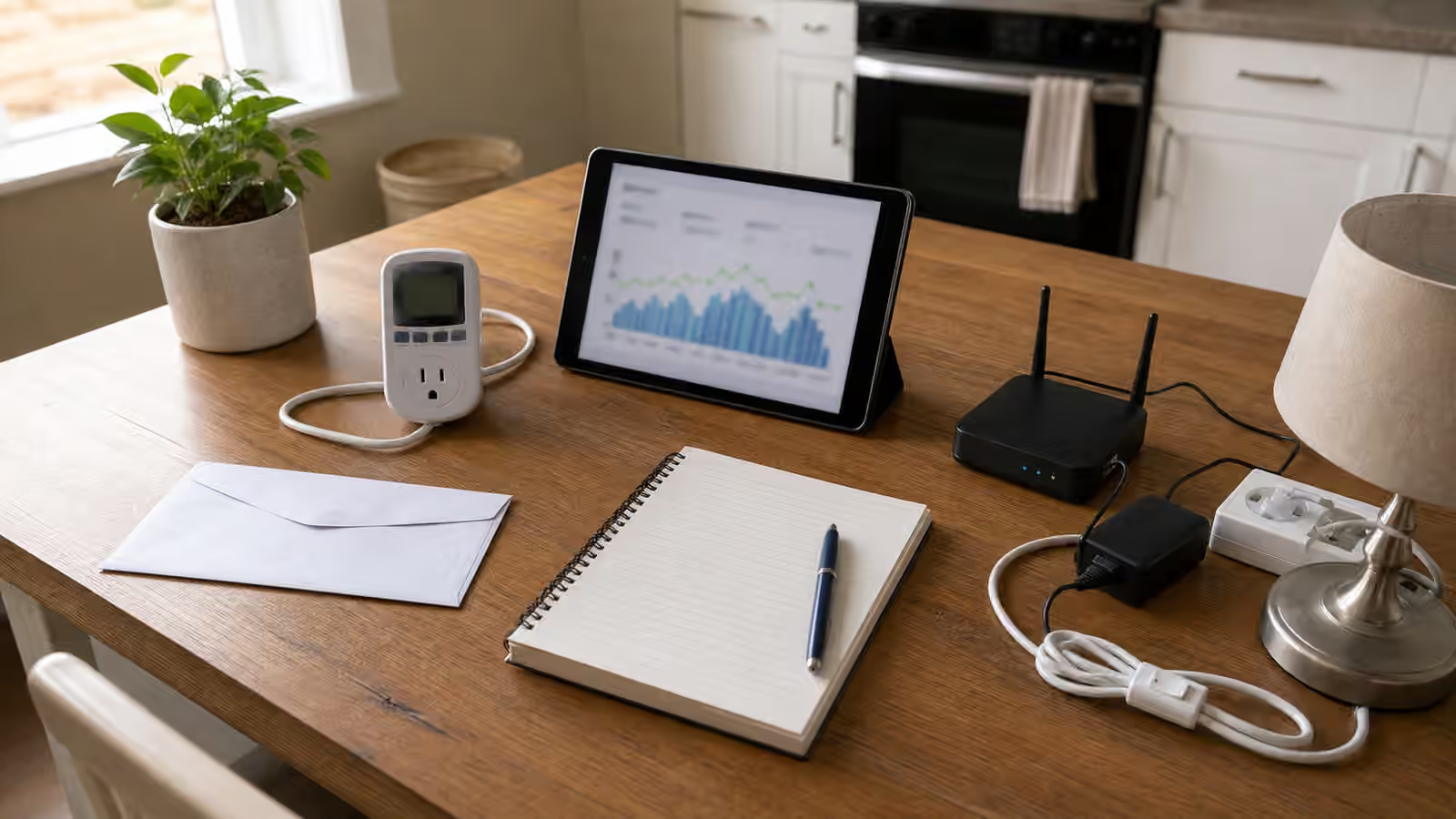
Next, look at the devices that run often. Office equipment, entertainment systems, refrigerators, freezers, dehumidifiers, aquariums, networking gear, and battery chargers can quietly shape the baseline. Some are worth every watt. Others are old, oversized, badly scheduled, or simply forgotten.
For home-office loads, Mechanical Keyboard Guide is not an energy site, but its desk-first audience is a useful reminder: small always-on desk gear adds up when it never turns off. A monitor, dock, speakers, chargers, printer, and network gear can become a meaningful load because they live in the background of every workday.
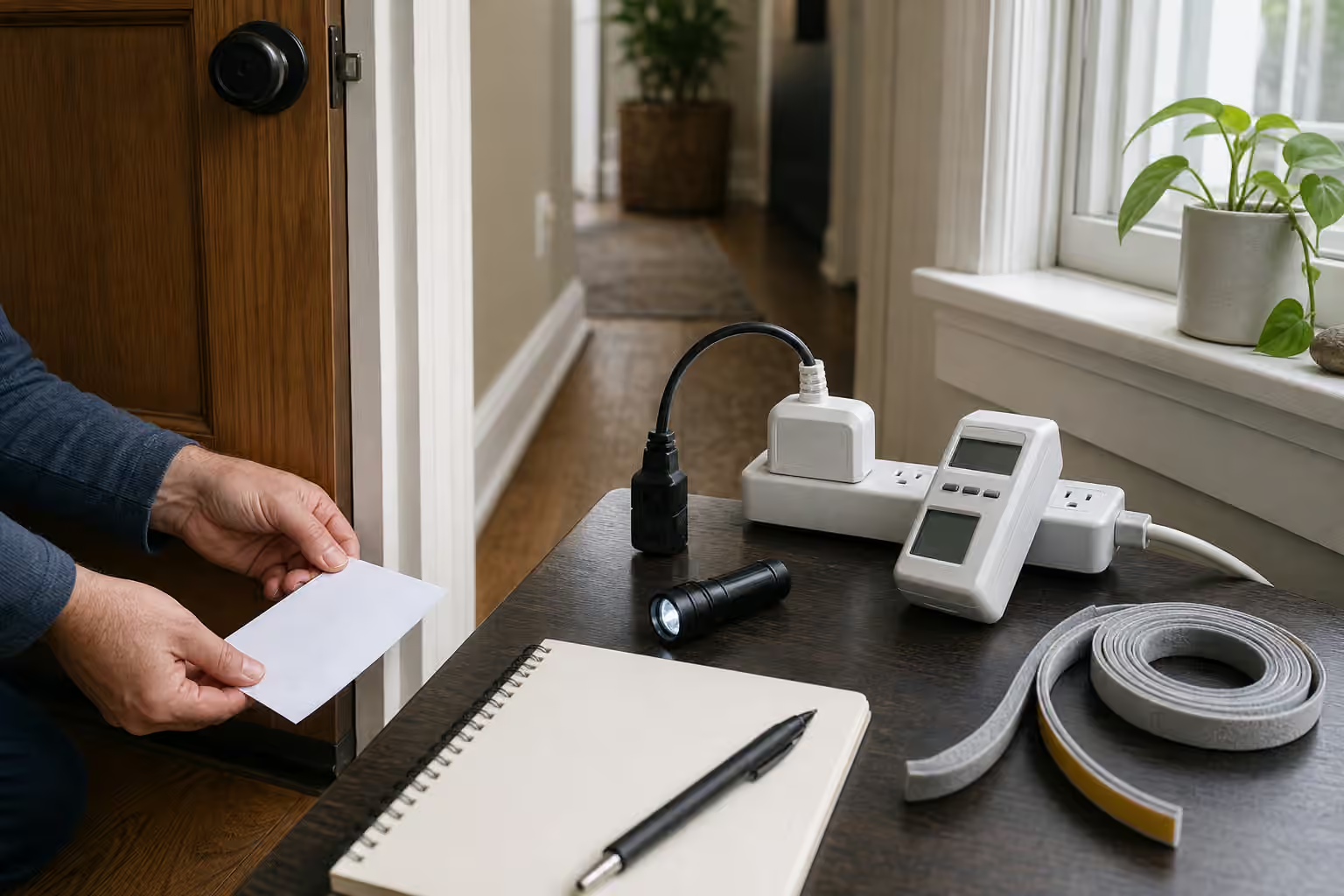
You do not need a professional toolbox to start. A plug-in electricity usage monitor can answer questions about ordinary plug loads. An indoor humidity monitor can show whether a damp room is a comfort issue or a moisture issue. Door weather stripping and a smart power strip are useful only when they solve a specific finding. Do not buy everything at once. Buy the tool that answers the next question.
Read the building shell
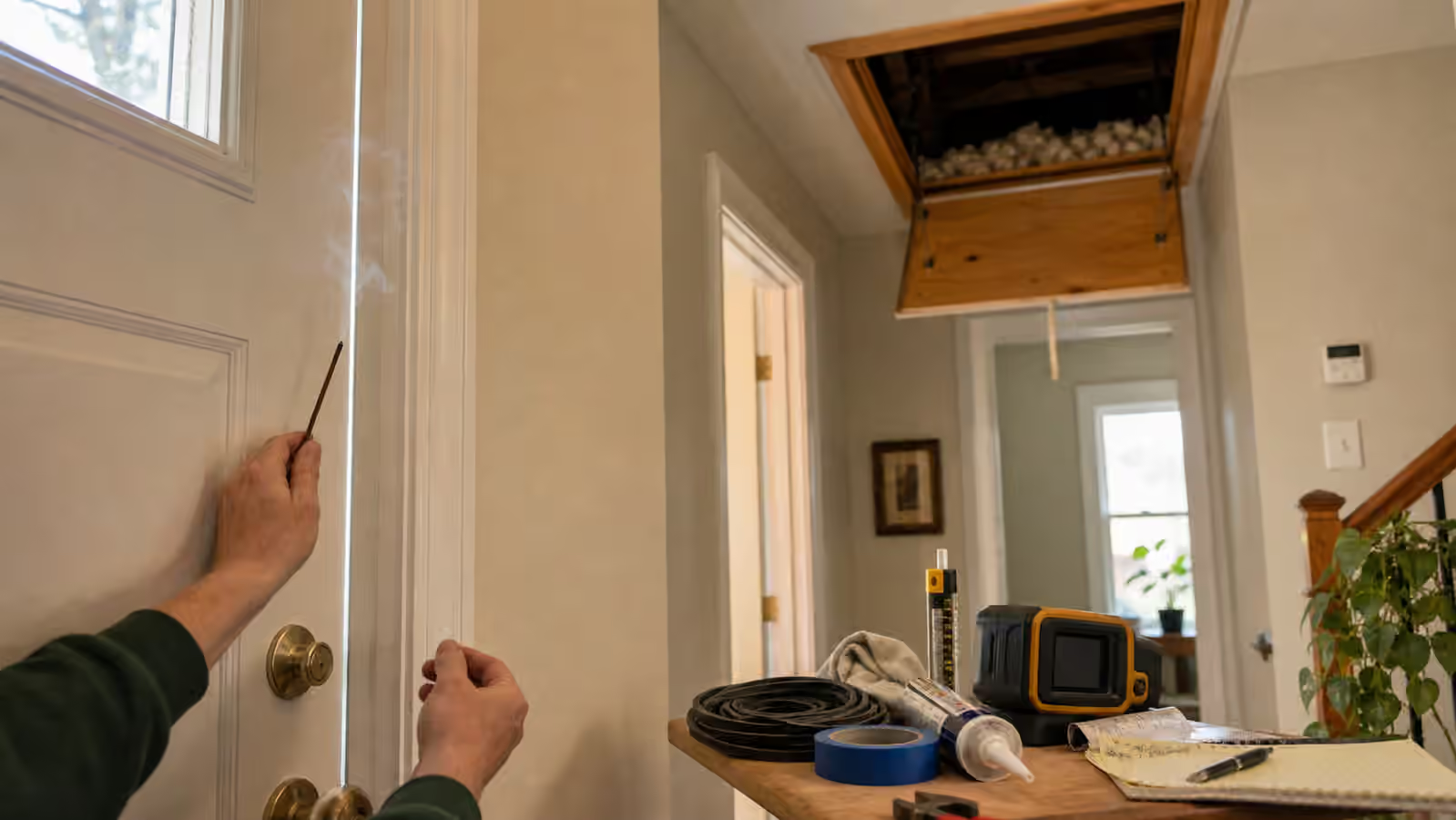
Then walk the home slowly. Drafty doors and windows, attic insulation gaps, unsealed penetrations, hot rooms, cold rooms, duct leaks, crushed ducts, damp areas, and condensation are all clues. A comfort complaint that sounds like an equipment problem may really be a building-shell problem. A bigger HVAC system can hide some of those symptoms, but it usually does so by using more energy.
If moisture is part of the problem, Tiny Home Ventilation and Moisture Control is relevant even in larger homes because the sequence is the same: measure, ventilate, dehumidify, then fix the cold or wet surface. Moisture, air leakage, and insulation often travel together.
Know when the audit needs help
Hire help when the audit touches combustion safety, electrical panels, ducts inside difficult spaces, insulation in risky areas, or any issue where local code and permits matter. A blower-door test, infrared inspection, or HVAC assessment can be worth it when comfort problems are persistent and the obvious fixes have not worked.
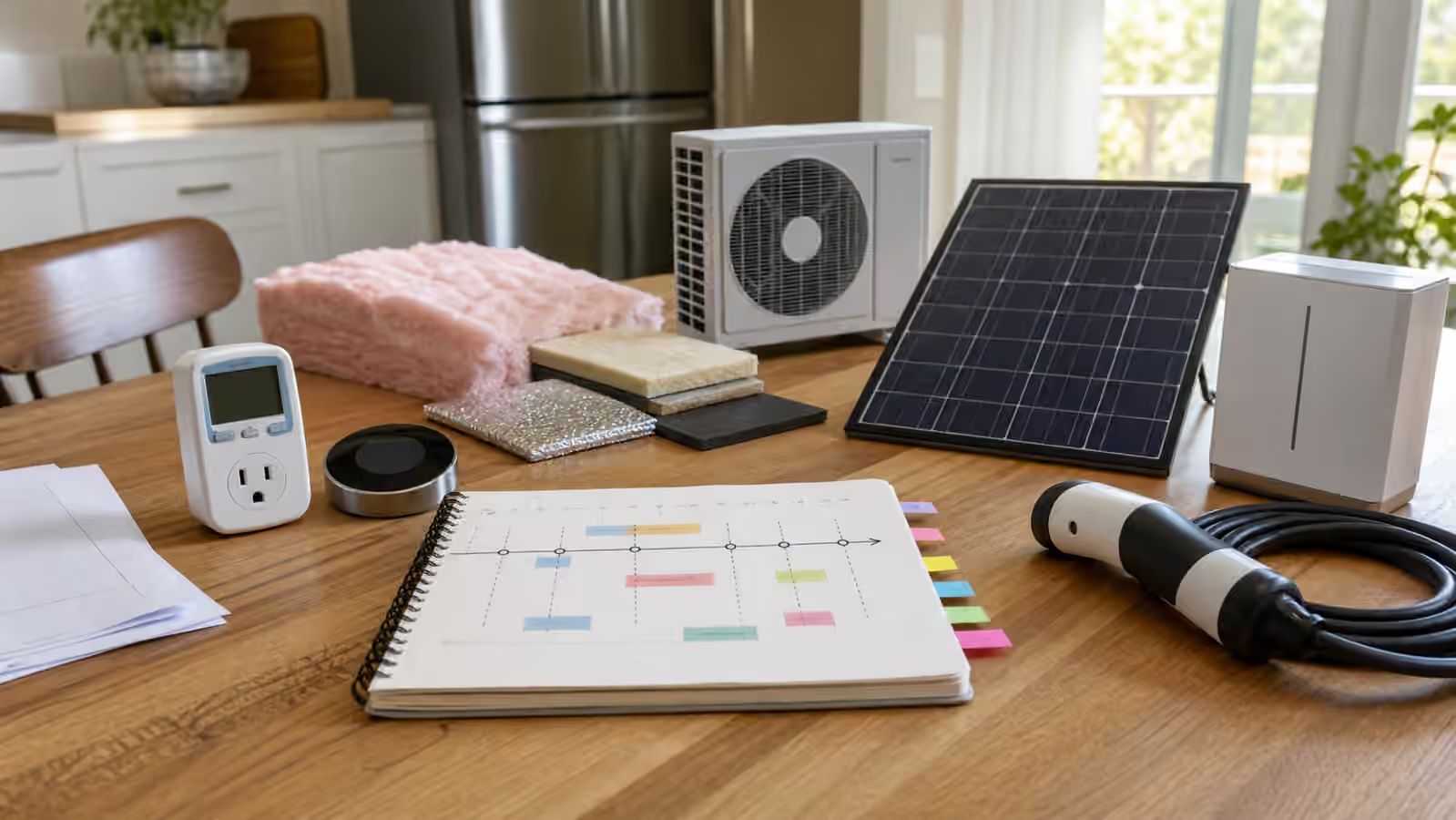
The findings should sort themselves into practical levels. Some work is no-regret maintenance, such as lighting, filter changes, weather stripping, and better plug-load habits. Some work needs careful planning, such as heat pumps, water heaters, solar, batteries, and EV charging. Some work belongs with professionals, including panel changes, dedicated circuits, duct modifications, major insulation, and anything involving safety rules.
The win is not a perfect audit. The win is knowing whether the next dollar should go into reducing loads, backing up loads, or replacing the equipment that creates those loads.
Apply this guide as a decision record
Use Home Energy Audit: The Calm Way to Find the Best First Upgrade to turn a vague household question into a checkable one. Its scope is specific: How to audit your home’s energy use before buying solar, batteries, heat pumps, EV chargers, or induction gear. Before changing the setup, write down the condition you are trying to change, the constraint that matters most, and the evidence you still lack.
For a first pass through home energy audit, compare the current state with a relevant baseline and record one observation, measurement, or conversation. Make the smallest reversible change available. Keep the manual, model number, room condition, schedule, or maintenance note beside the decision so a future check does not depend on memory. Keep home energy audit, efficiency, weatherization in view as separate signals instead of treating them as one verdict.
A useful follow-up asks whether Home Energy Audit: The Calm Way to Find the Best First Upgrade improved the named problem without creating a new one. Check the tradeoff that fits this subject — heat, noise, comfort, water, power, wear, effort, or cost — and describe the result in plain language. If a boundary is safety-critical, stop at the guide’s limit and bring the details to a qualified local professional.
The conclusion for home energy audit should stay narrow. Record what was observed, which condition made the result possible, what maintenance keeps it dependable, and what would make you revisit the choice. That turns a guidebook into a decision record you can use again rather than a promise to remember.