Backup power gets expensive when every device becomes “critical.” The useful question is narrower: what needs power in the first hour, the first night, and the first full day?
That time frame changes the conversation. The first hour is about safety, communication, light, and orientation. The first night is about food, temperature, medical needs, and sleep. The first full day is where work, comfort, cooking, refrigeration, water, and household routines begin to compete for limited energy.
Health and safety first
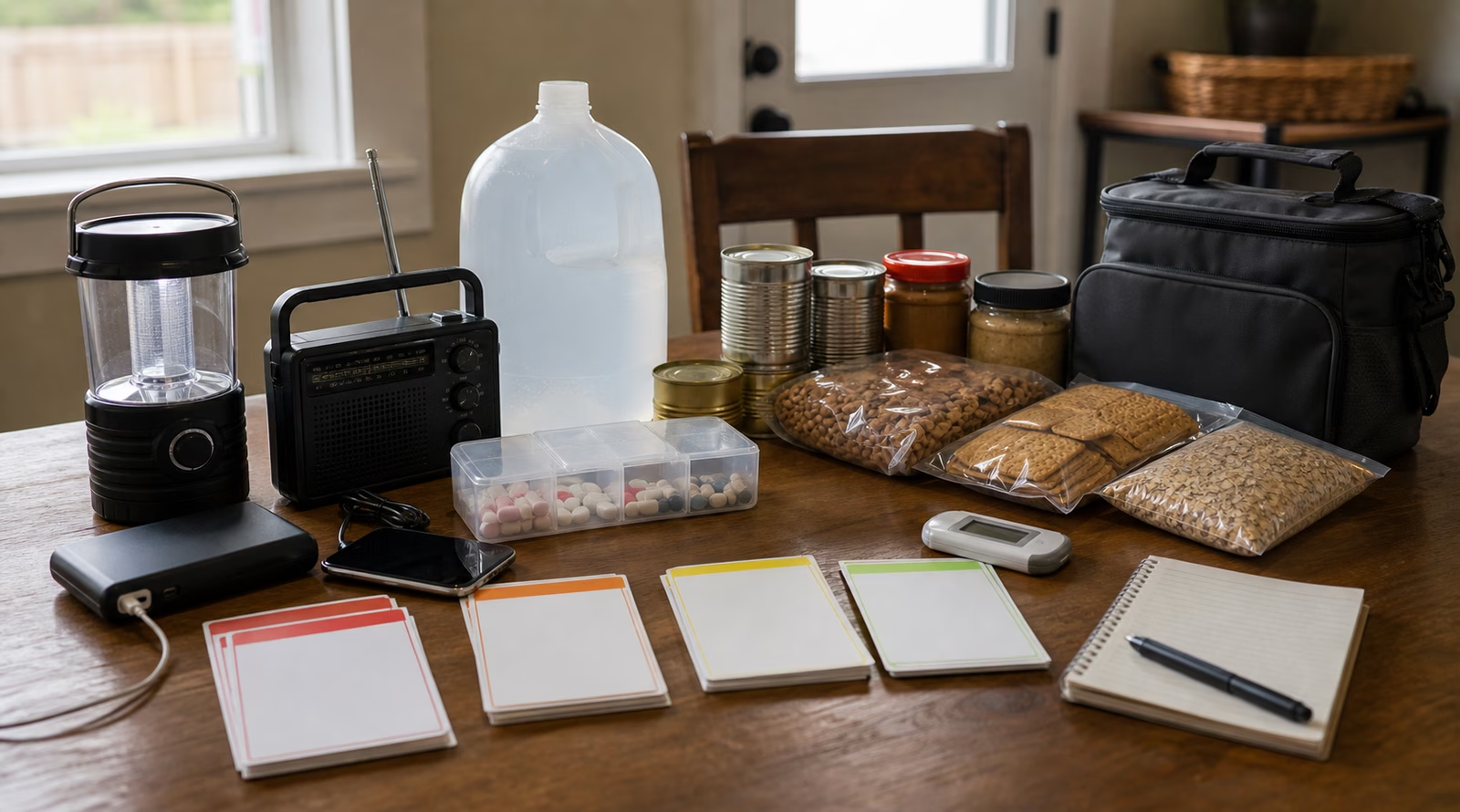
Medical devices, refrigerated medicines, emergency communication, carbon monoxide alarms, smoke alarms, safe lighting, essential heating or cooling, and water-control equipment belong at the top of the plan. If a medical device depends on electricity, build the backup plan with the device provider or a medical professional. Do not improvise that plan during the outage.
This tier is not about convenience. It is about what protects people. The right answer may be a battery, a dedicated medical backup plan, a generator installed with transfer equipment, a relocation plan, or some combination. The important part is deciding before the lights go out.
Food and basic function
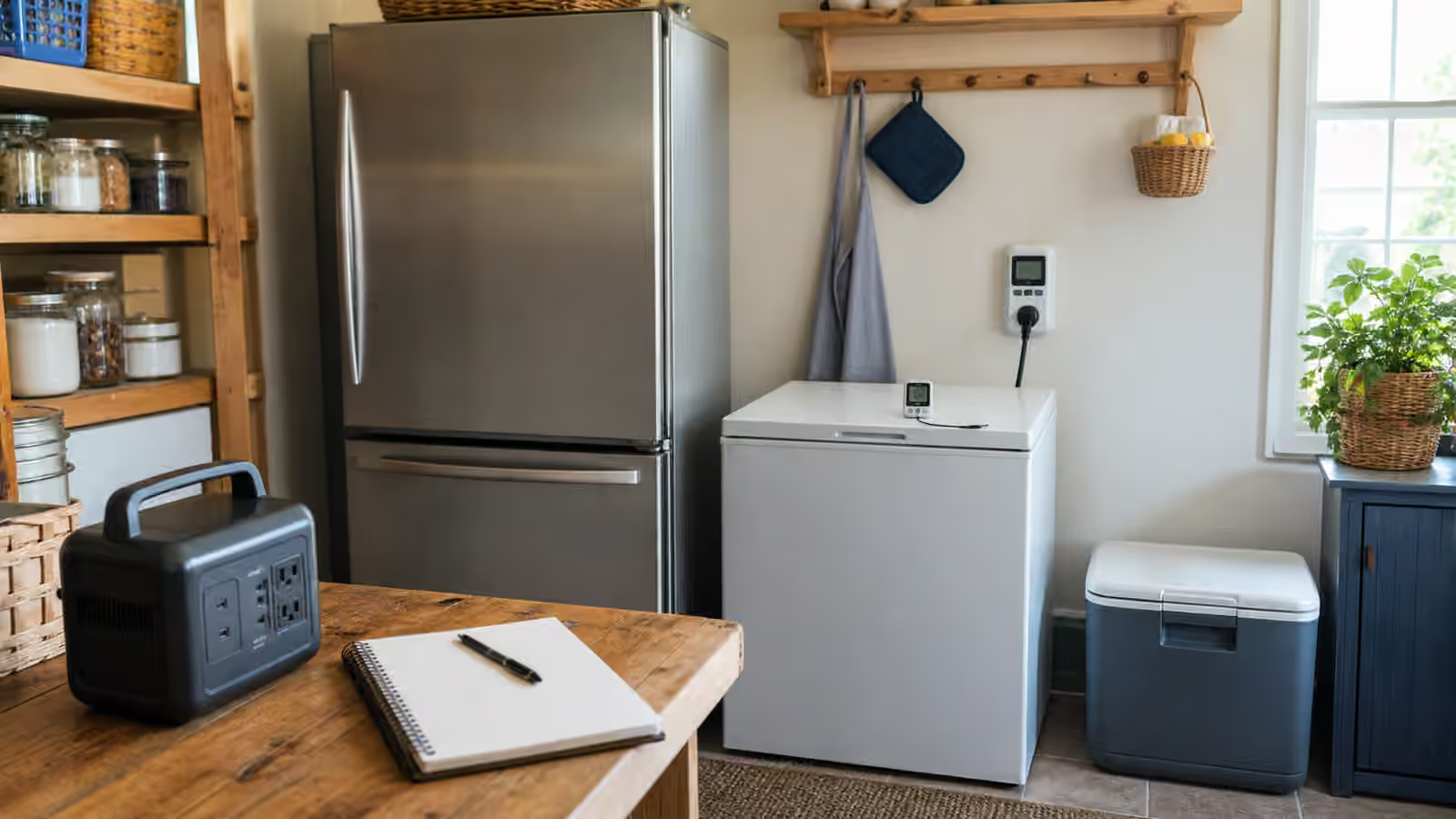
The refrigerator, freezer, modem, router, a few lights, and phone charging often define a modest backup plan. This is the range where a portable power station may be enough for short outages if the runtime math works. It is also the range where measuring loads pays off, because a refrigerator that looks impossible on paper may be manageable when you know its real cycling behavior.
For food safety timing, Ready.gov and CDC both emphasize keeping refrigerator and freezer doors closed and using thermometers rather than guessing. Backup power helps, but habits matter too. A refrigerator that is opened constantly becomes a larger problem than one treated like a cold storage box.
Comfort, work, and ritual
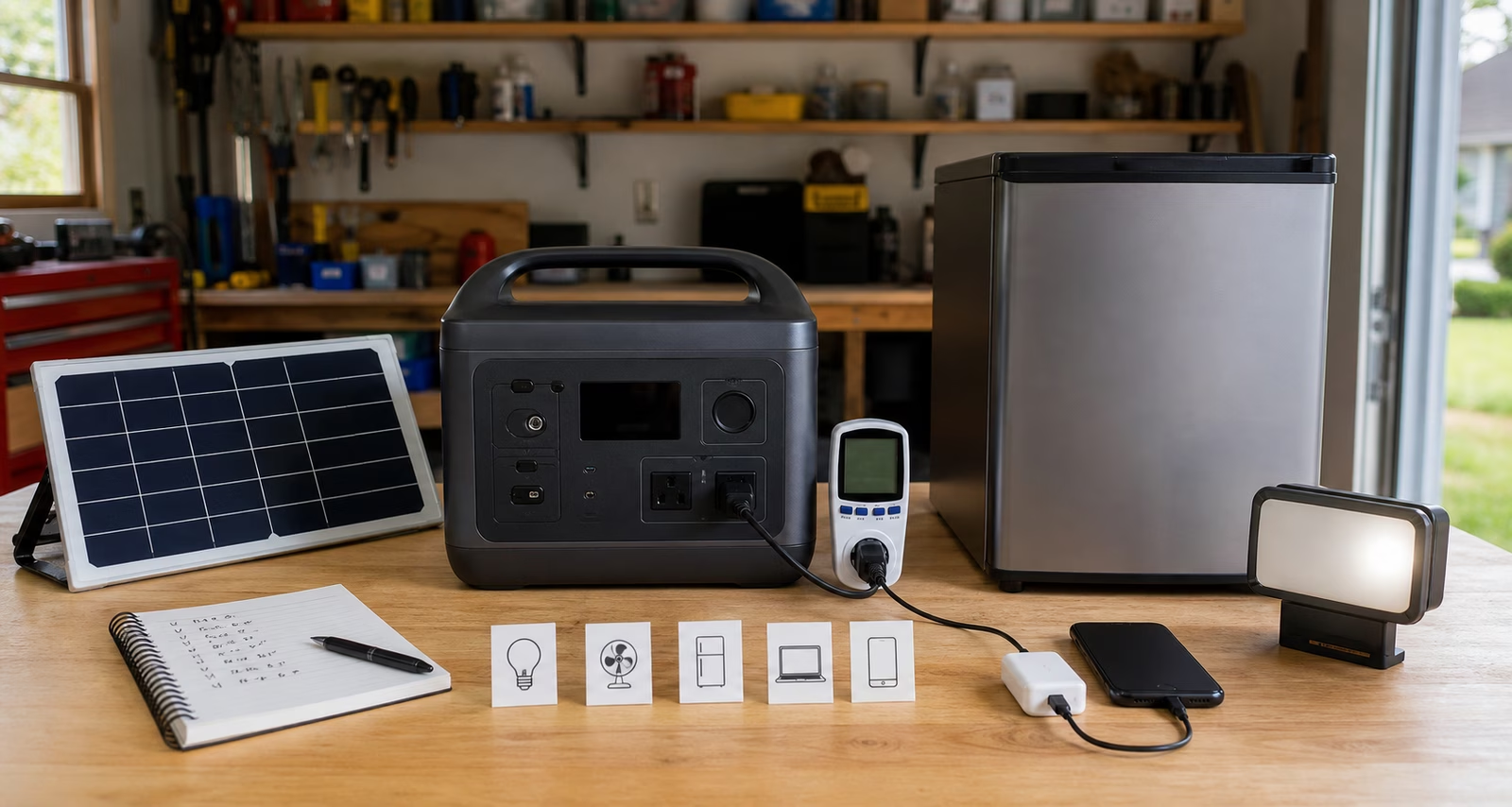
Comfort loads matter, but they should be named honestly. Fans, television, laptops, coffee gear, a microwave, or a small induction cooktop may be worth supporting if they keep the household calm and functional. They simply belong behind health, safety, food, water, and communication.
If coffee is a non-negotiable morning ritual, Coffee Mastery can help you choose lower-drama brew methods. From an energy standpoint, a kettle and grinder are short, high-power loads rather than all-day loads. That makes them very different from a router, medical device, or refrigerator, even if they feel important at 7 a.m.
Large loads change the design
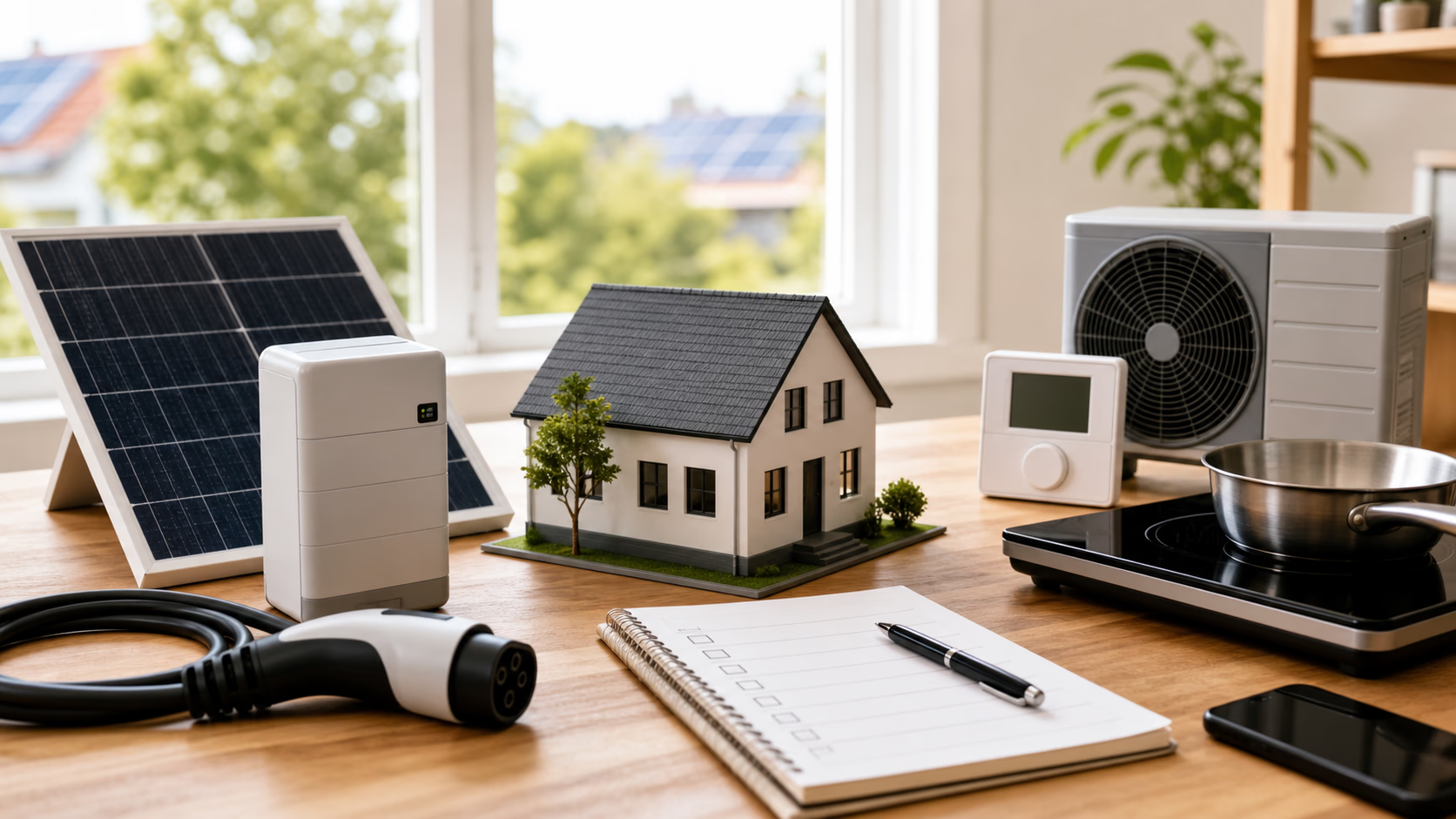
Central air conditioning, heat pump systems, electric water heaters, electric ranges, dryers, and Level 2 EV charging move the plan out of casual backup territory. These loads may require a home battery, generator transfer equipment, load shedding, a backed-up subpanel, or a whole-home design. They are not ordinary extension-cord loads.
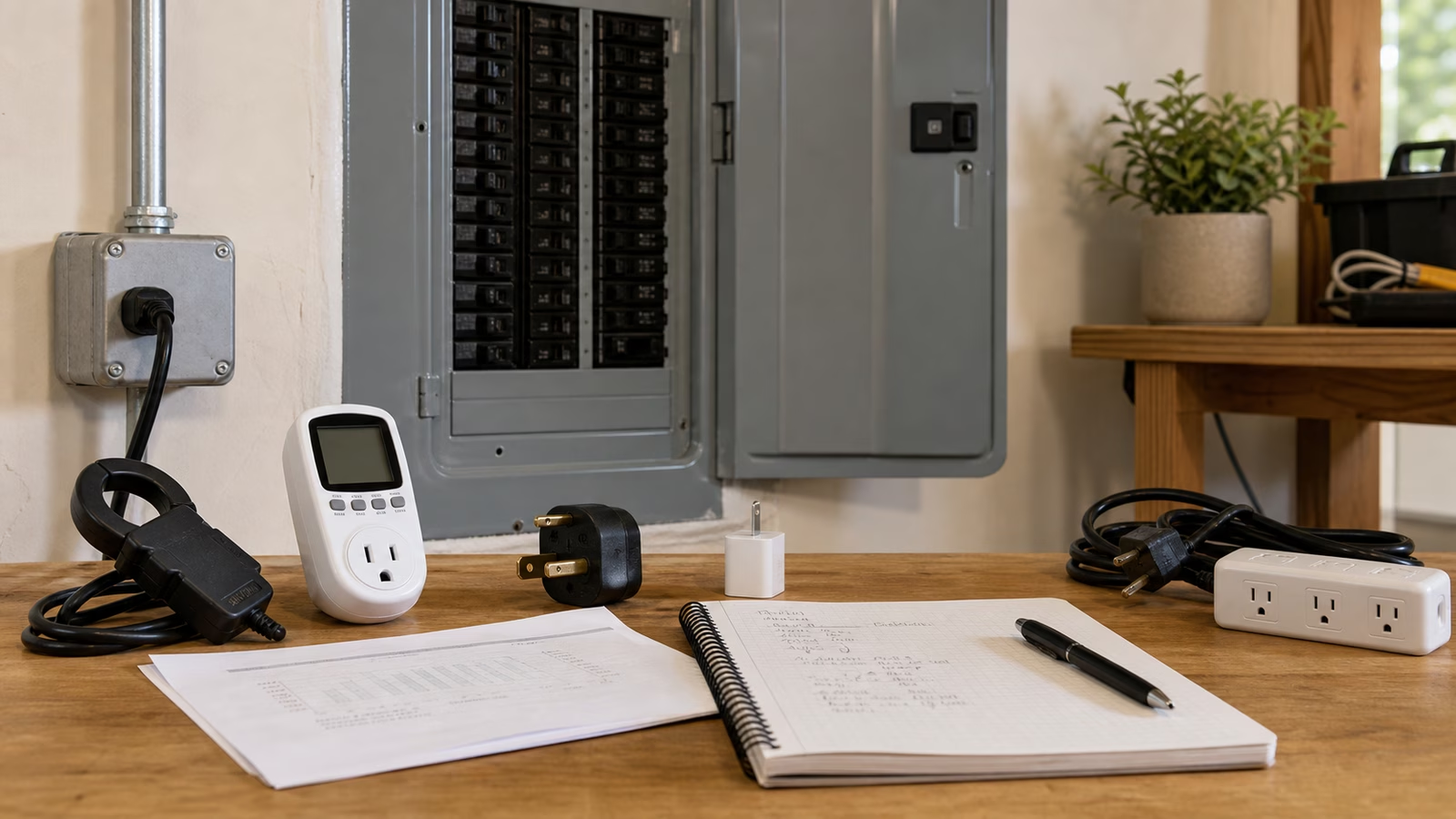
Before buying equipment, write a short plain-language note for each load that might run during an outage. Say whether it must run, how many watts it uses or where that number will come from, how many hours it needs to operate, and what happens if it stays off. The note for a refrigerator may say to keep the doors closed and run it periodically. The note for a router may say that a phone hotspot is acceptable backup. The note for a medical device should come from the label, provider, or clinician. The note for heat or cooling may point straight to professional planning.
Then read Battery Runtime Calculator to turn this into runtime.
Apply this guide as a decision record
Use Outage Priority List: Decide What Actually Needs Power to turn a vague household question into a checkable one. Its scope is specific: A practical outage planning list for choosing which home loads deserve backup power and which can wait. Before changing the setup, write down the condition you are trying to change, the constraint that matters most, and the evidence you still lack.
For a first pass through outage priority list, compare the current state with a relevant baseline and record one observation, measurement, or conversation. Make the smallest reversible change available. Keep the manual, model number, room condition, schedule, or maintenance note beside the decision so a future check does not depend on memory. Keep outage prep, backup power, emergency planning in view as separate signals instead of treating them as one verdict.
A useful follow-up asks whether Outage Priority List: Decide What Actually Needs Power improved the named problem without creating a new one. Check the tradeoff that fits this subject — heat, noise, comfort, water, power, wear, effort, or cost — and describe the result in plain language. If a boundary is safety-critical, stop at the guide’s limit and bring the details to a qualified local professional.
The conclusion for outage priority list should stay narrow. Record what was observed, which condition made the result possible, what maintenance keeps it dependable, and what would make you revisit the choice. That turns a guidebook into a decision record you can use again rather than a promise to remember.