Solar looks calm from the ground. Panels sit quietly on the roof, the app draws a cheerful curve, and the house feels as ordinary as it did before. Behind that calm surface is real infrastructure: roof work, DC power, inverters, disconnects, utility interconnection, weather exposure, and sometimes batteries. Treat residential solar as a building system, not a weekend gadget.
The most important safety boundary is knowing which parts are homeowner territory and which parts belong to qualified professionals. Rooftop installation, permanent wiring, service panel work, inverter installation, battery integration, transfer equipment, utility interconnection, and troubleshooting energized equipment are not casual projects. They involve fall risk, electrical risk, code requirements, and utility rules.
Solar Does Not Behave Like A Lamp
One reason solar deserves respect is that the source is outside your direct control. An illuminated array can produce power. A battery can supply power when the grid is down. An inverter, disconnect, or breaker may change one part of the system without making every conductor harmless. Do not assume that flipping a familiar switch makes the entire system safe.
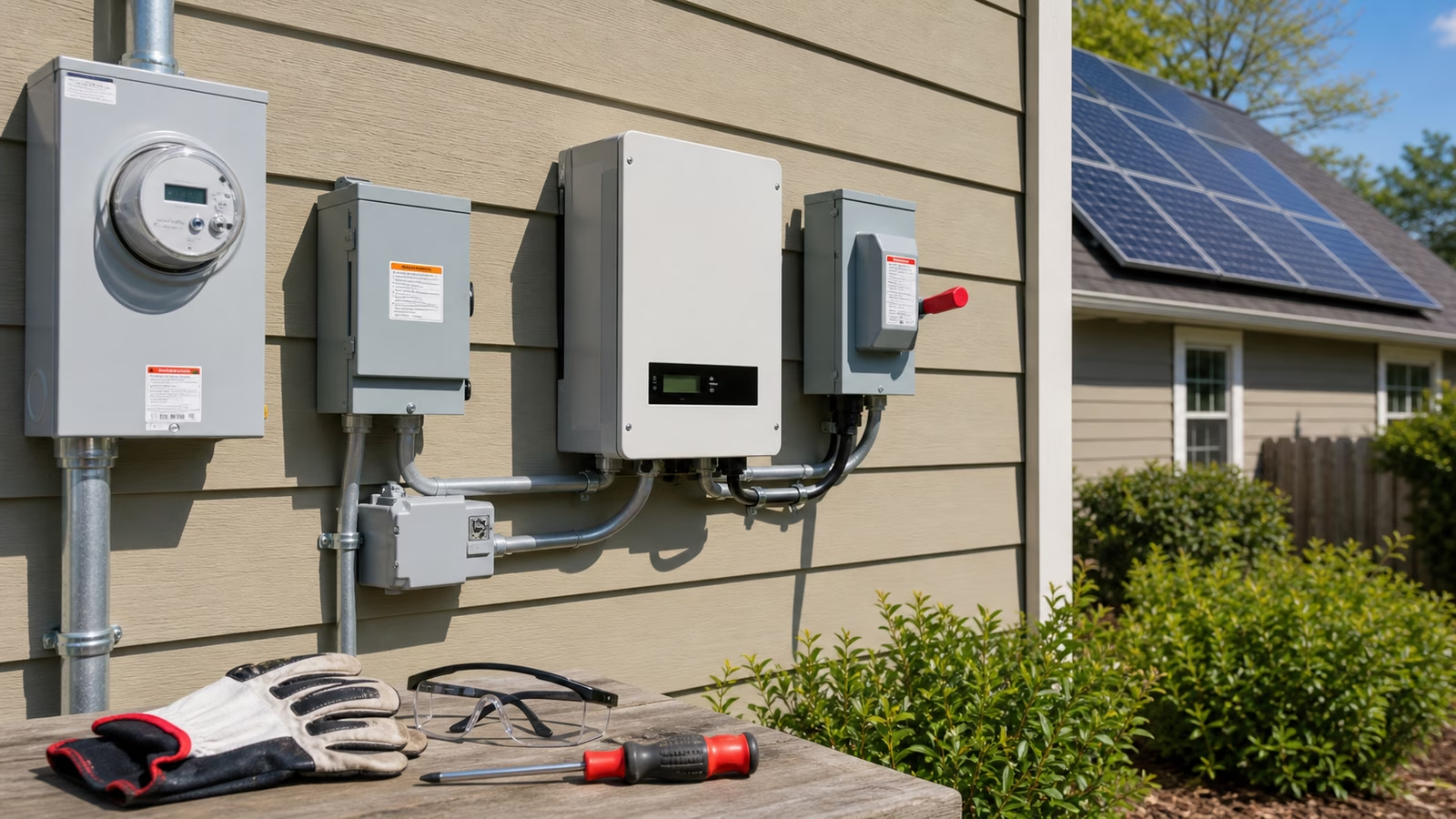
Good design makes those boundaries visible. Disconnects should be understandable. Labels should be durable and placed where service workers need them. Rapid shutdown requirements, where applicable, should be part of the conversation. Grounding, bonding, roof penetrations, waterproofing, equipment clearances, and service access are not decorative details. They decide whether the system can be maintained safely for years.
The Homeowner Job Is Mostly Awareness
For most homeowners, solar safety is not about touching equipment. It is about knowing what was installed, where the shutoffs are, who services it, and what should trigger a call. Keep the site plan, permit records, warranty documents, monitoring login, installer contact, and utility interconnection paperwork in one place. If a roofer, electrician, buyer, firefighter, or future battery installer needs information, that folder is part of the safety system. Good records also make it harder for vague solar claims to hide weak installation details.
Ask About The Parts You Cannot See
Before signing a proposal, ask how the equipment disconnects, where service access is located, how the system behaves during an outage, what homeowners may safely reset or inspect, and who responds when monitoring reports a fault. If a battery is included, ask where it will sit, what clearances it needs, how it is protected, and how it is serviced. If the installer cannot explain these items plainly, slow down.
Permits and inspections matter because solar becomes part of the home. You want a paper trail that shows what was installed, where it was installed, how it was approved, what warranties apply, and who is responsible for service. That record becomes valuable when there is a fault, a roof issue, a home sale, or a future battery addition.
Maintenance Should Stay On The Safe Side
For ordinary homeowners, safe maintenance usually means checking monitoring, looking from the ground for obvious damage or new shade, keeping records, and scheduling service when faults persist. Roof climbing is not casual maintenance. Wet panels, steep slopes, fragile roofing, awkward ladders, and nearby electrical equipment turn a simple cleaning idea into a real hazard.
If panels are dirty enough to justify cleaning, use safe access methods or hire the work. Do not trade a small production gain for fall risk. The same judgment applies to troubleshooting. If a fault points toward wiring, inverter behavior, battery behavior, or anything energized, the next step is service, not improvisation.
For consumer contract questions, the FTC solar guide is a useful starting point: Solar Power for Your Home . For the buying side of the decision, read Solar Panel Buying Guide .
Apply this guide as a decision record
Use Solar Electrical Safety: Roof, DC Power, Inverters, Disconnects, and Permits to turn a vague household question into a checkable one. Its scope is specific: A conservative safety overview for residential solar planning, including roof work, DC circuits, inverters, disconnects, batteries, and professional boundaries. Before changing the setup, write down the condition you are trying to change, the constraint that matters most, and the evidence you still lack.
For a first pass through solar electrical safety, compare the current state with a relevant baseline and record one observation, measurement, or conversation. Make the smallest reversible change available. Keep the manual, model number, room condition, schedule, or maintenance note beside the decision so a future check does not depend on memory. Keep solar safety, electrical safety, inverter in view as separate signals instead of treating them as one verdict.
A useful follow-up asks whether Solar Electrical Safety: Roof, DC Power, Inverters, Disconnects, and Permits improved the named problem without creating a new one. Check the tradeoff that fits this subject — heat, noise, comfort, water, power, wear, effort, or cost — and describe the result in plain language. If a boundary is safety-critical, stop at the guide’s limit and bring the details to a qualified local professional.
The conclusion for solar electrical safety should stay narrow. Record what was observed, which condition made the result possible, what maintenance keeps it dependable, and what would make you revisit the choice. That turns a guidebook into a decision record you can use again rather than a promise to remember.