Solar panel sizing starts with annual and daily energy use, but it does not end there. A roof is not a spreadsheet. Shade moves. Seasons change. Utility rules shape the economics. Inverters have design limits. Batteries change the goal. Future EV charging, heat pumps, or induction cooking can turn last year’s electricity bill into an incomplete map.
The first useful question is not “How many panels fit?” It is “What job should this system do?” A system meant to offset annual electricity use is different from one meant to charge a home battery, reduce daytime grid use, prepare for an EV, or support selected outage loads. The panels may look similar from the street, but the design intent changes everything behind them.
Start With The Household Load
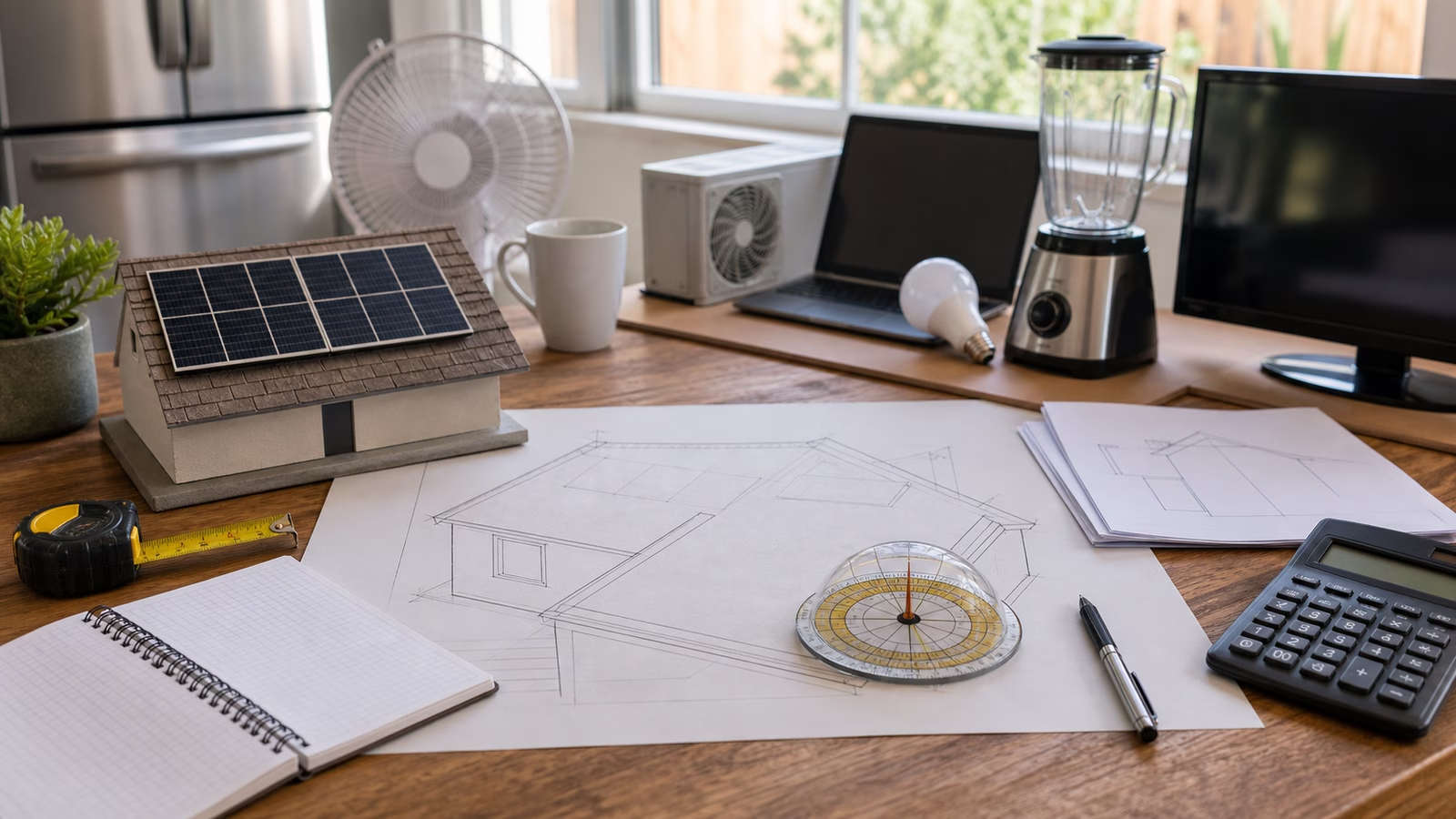
Utility bills give you the rough shape: annual kWh, seasonal peaks, and whether electricity use is steady or lumpy. Then adjust for the future you already know is coming. If you are planning an EV charger, heat pump, heat pump water heater, electric dryer, or induction range, the load profile may change. Sizing solar from last year’s bills while ignoring next year’s appliances is a common way to build a system that feels undersized too soon.
The planning formula is simple enough to understand: daily kWh target divided by effective sun hours and system efficiency gives an approximate solar kW. But that formula is only a doorway. A qualified installer should model the actual site, because sun hours, roof orientation, shade, temperature, inverter design, and local conditions all change production.
The Roof Has A Vote
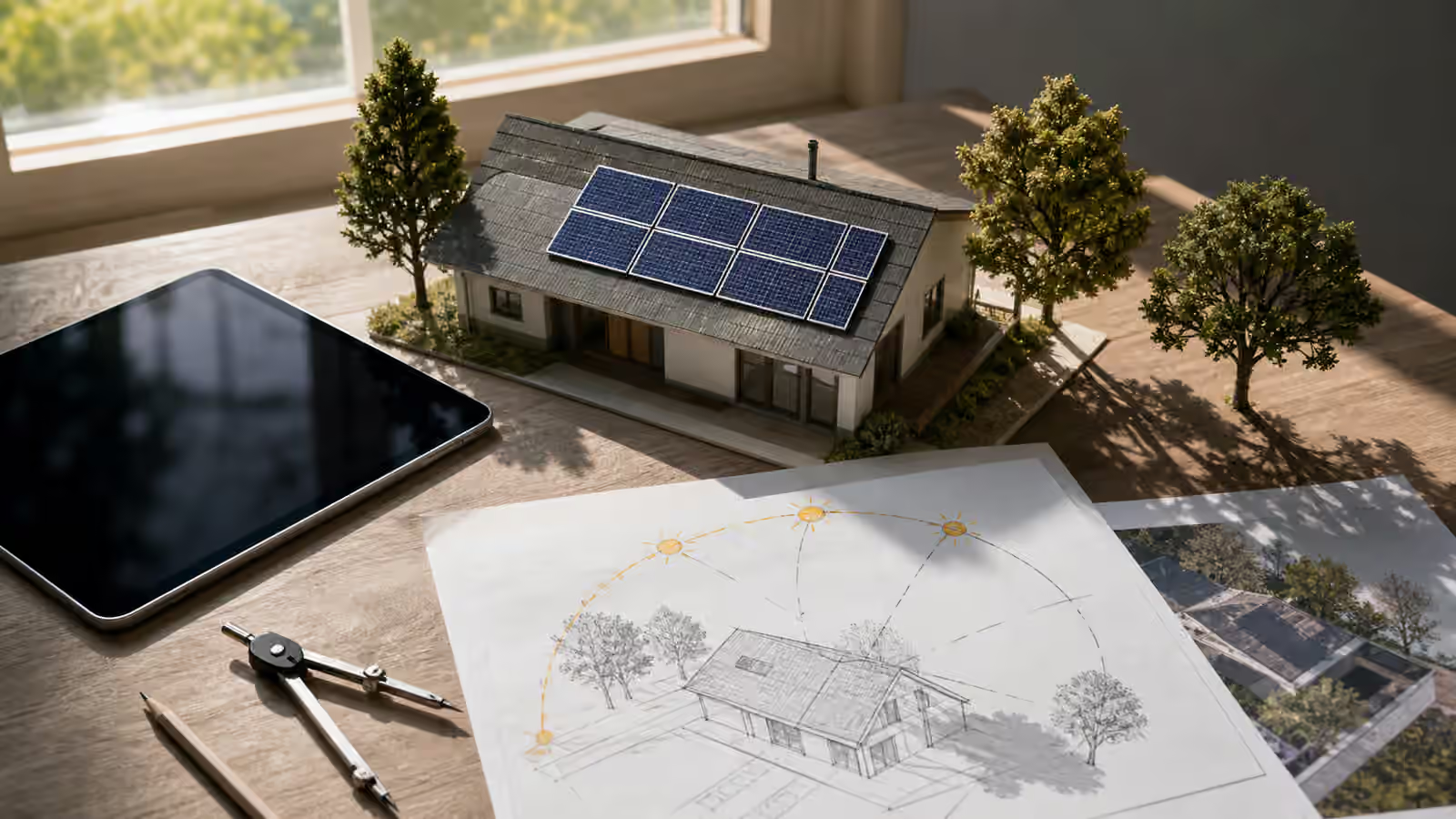
The roof decides how much of the clean math survives contact with the house. Age matters because installing panels on a roof that will need replacement soon can create a costly remove-and-reinstall problem. Material matters because attachments and waterproofing differ. Direction and pitch matter. Shade by month matters. Chimneys, vents, dormers, neighboring buildings, and future tree growth all matter.
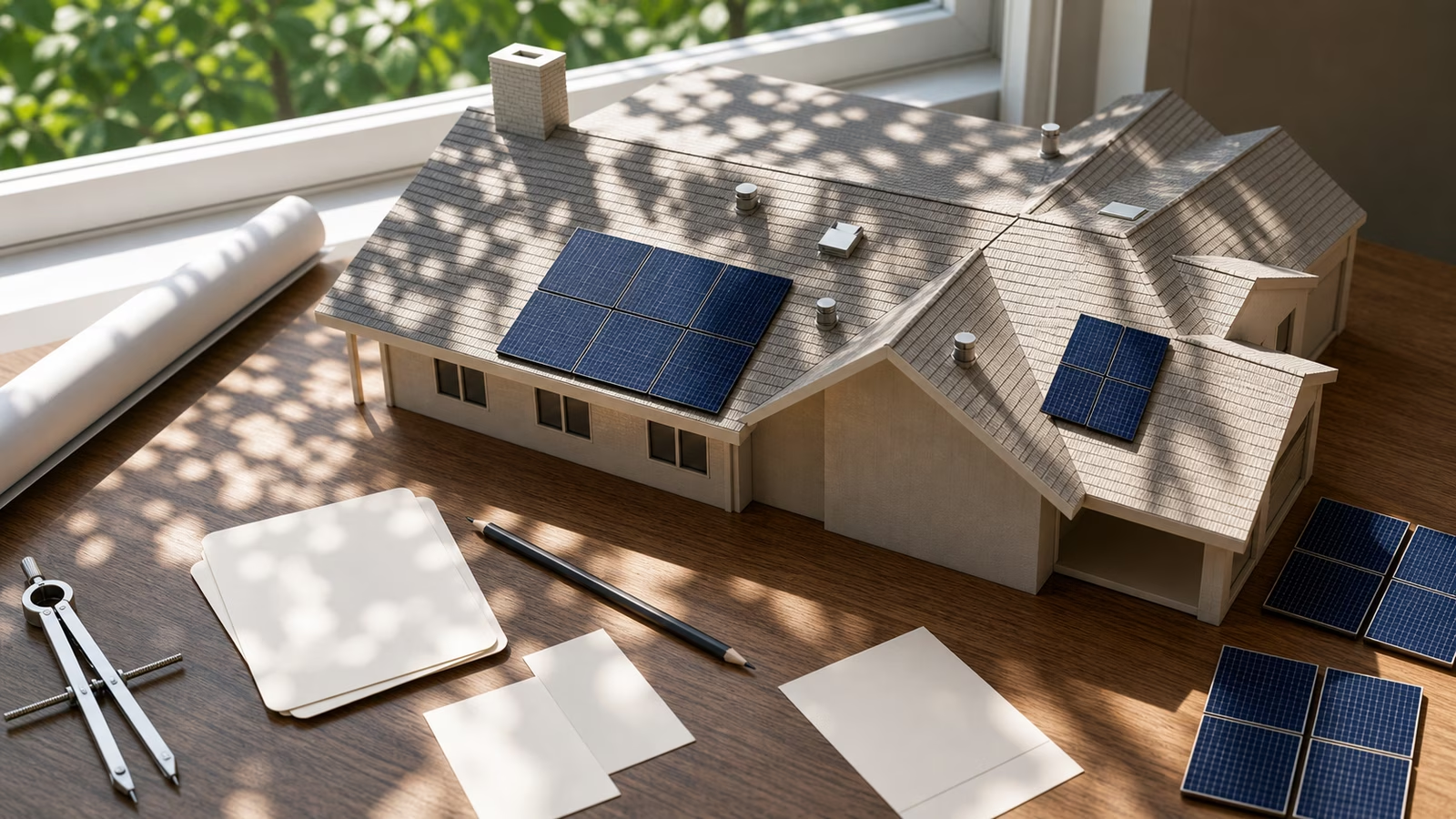
Good solar planning looks at the roof as a working surface, not just an empty rectangle. If the best sun is interrupted by afternoon shade or the usable roof plane is smaller than expected, the right system may be smaller, differently oriented, or not worth forcing.
Batteries Change The Meaning Of Solar
Solar alone often does not provide outage power unless the system is designed for that behavior. Grid-tied systems commonly shut down during outages for safety unless they have the right inverter, battery, transfer equipment, and controls. Panels generate. Batteries store. Inverters decide how that energy becomes usable. Safety rules decide how the system disconnects and protects workers.
This is why solar and battery planning should be discussed together if outage resilience matters. A battery may be sized for evening use, critical circuits, or backup duration. Each version changes what you expect from the panels.
Amazon is best for supporting tools, not full design. A home energy monitor can help you understand household loads, and a solar panel cleaning brush may be useful for maintenance planning, but the system itself needs site-specific design.
Read Home Battery Buying Guide before assuming panels equal backup. For small off-grid systems, compare with Tiny Home Solar Power Sizing .
Apply this guide as a decision record
Use Solar Panel Sizing: Daily kWh, Sun Hours, Roof Reality, and Storage to turn a vague household question into a checkable one. Its scope is specific: How to size solar panel capacity around household energy use, seasonal production, roof conditions, batteries, and outage expectations. Before changing the setup, write down the condition you are trying to change, the constraint that matters most, and the evidence you still lack.
For a first pass through solar panel sizing, compare the current state with a relevant baseline and record one observation, measurement, or conversation. Make the smallest reversible change available. Keep the manual, model number, room condition, schedule, or maintenance note beside the decision so a future check does not depend on memory. Keep solar sizing, solar panels, kwh in view as separate signals instead of treating them as one verdict.
A useful follow-up asks whether Solar Panel Sizing: Daily kWh, Sun Hours, Roof Reality, and Storage improved the named problem without creating a new one. Check the tradeoff that fits this subject — heat, noise, comfort, water, power, wear, effort, or cost — and describe the result in plain language. If a boundary is safety-critical, stop at the guide’s limit and bring the details to a qualified local professional.
The conclusion for solar panel sizing should stay narrow. Record what was observed, which condition made the result possible, what maintenance keeps it dependable, and what would make you revisit the choice. That turns a guidebook into a decision record you can use again rather than a promise to remember.