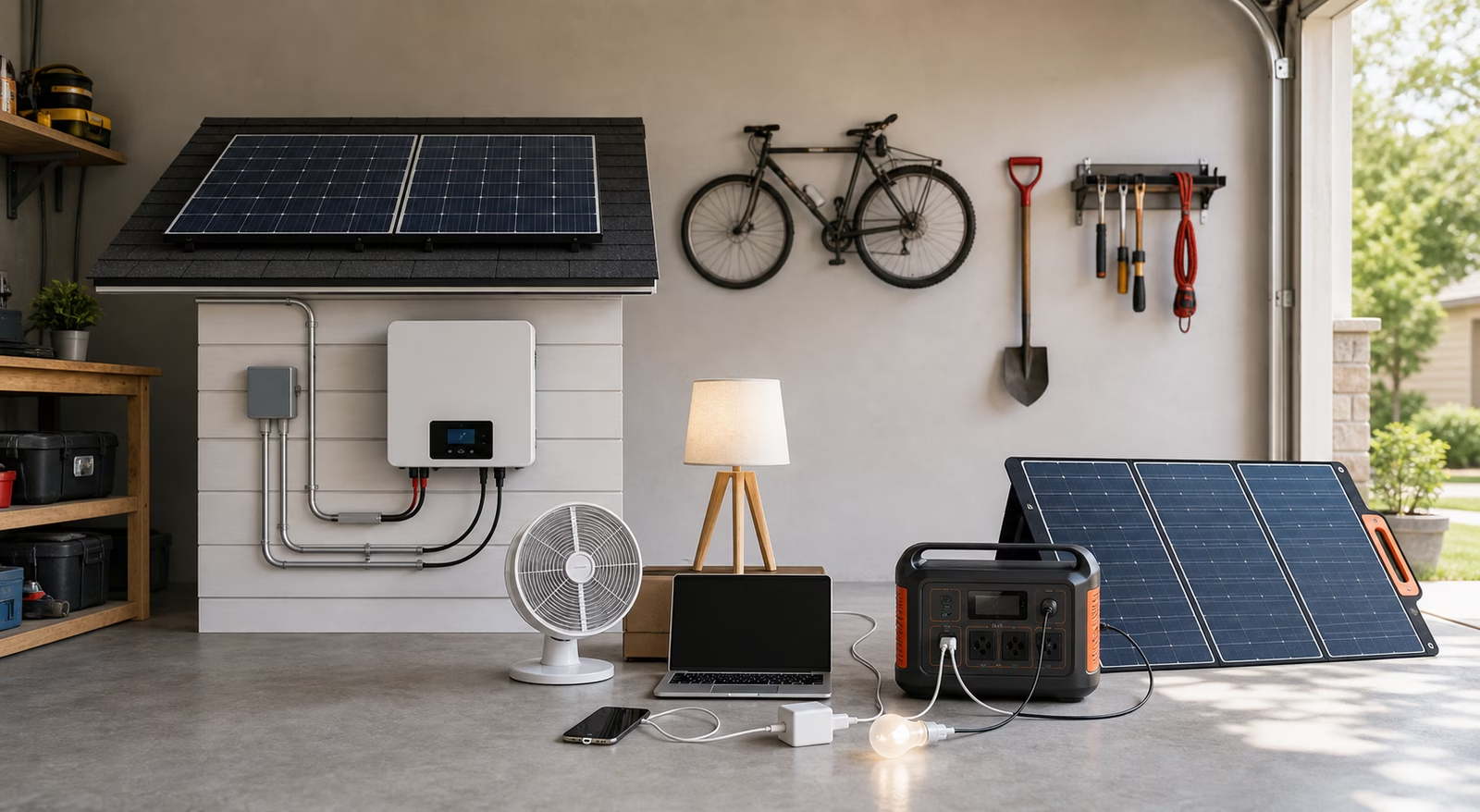
“Solar generator” is a helpful phrase and a slightly misleading one. The portable box does not generate electricity by itself. The solar panels generate power, the battery stores it, and the inverter turns stored DC energy into AC power that ordinary devices can use.
That distinction matters because rooftop solar and solar generator kits solve different problems. Rooftop solar is a building system. It is mounted, wired, permitted, interconnected, and designed around long-term household production. A solar generator kit is portable gear. It is bought in pieces, moved by hand, charged when conditions allow, and used for smaller loads during outages, camping, shed work, travel, or renter-friendly backup.
Rooftop solar
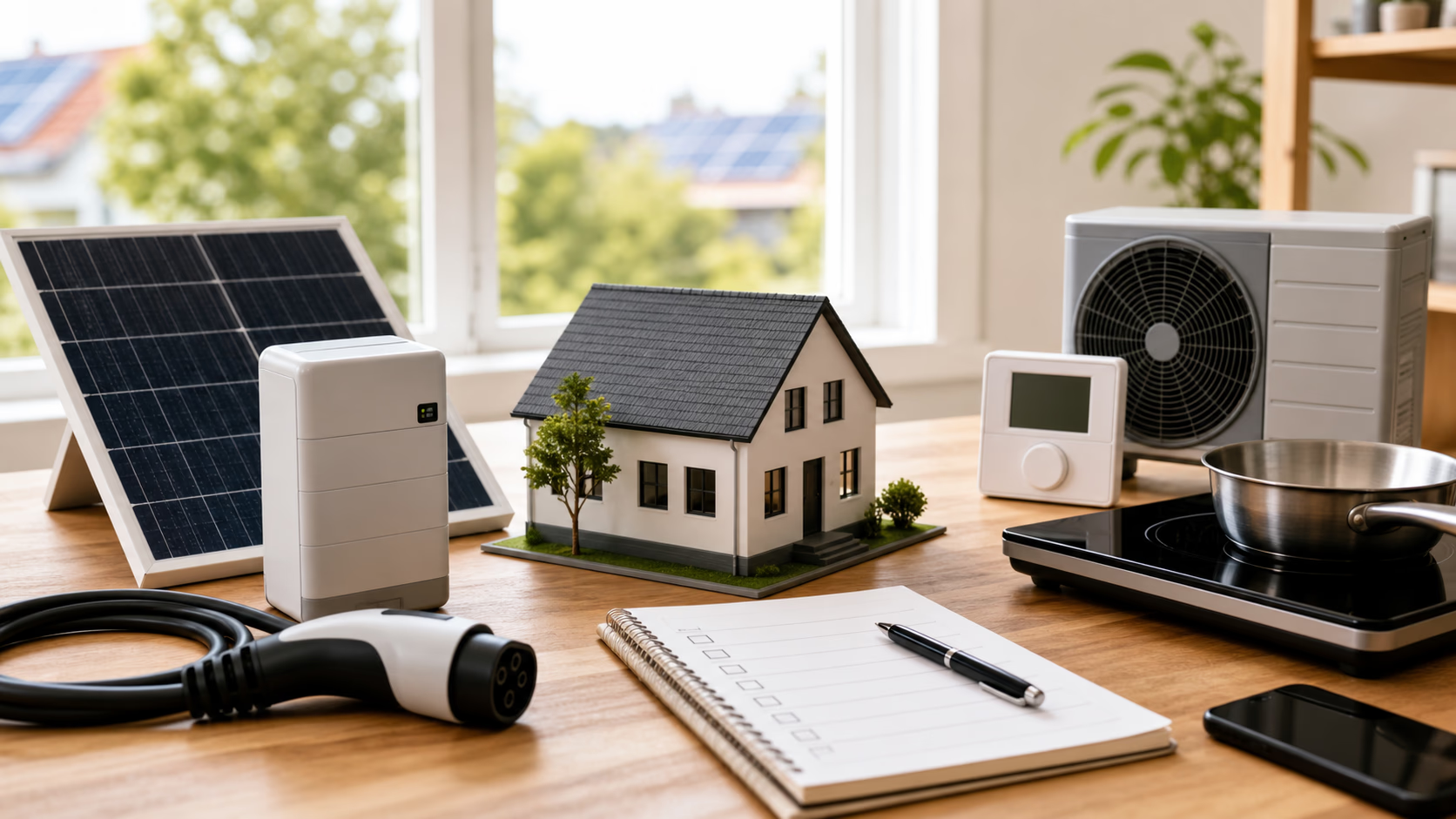
Rooftop solar fits when you own or control the roof, expect to stay long enough for the investment to matter, and have sun exposure worth building around. A good system is not just a row of panels. It includes the roof condition, racking, wiring, inverter choice, electrical service, utility rules, production estimate, monitoring, maintenance access, and any battery or backup plan.
The outage behavior is where many people get surprised. Ordinary grid-tied solar usually shuts down during an outage unless the system is designed with the right inverter, transfer equipment, and storage or special backup capability. The panels may be in full sun, but the house still needs a safe way to use that power without backfeeding the grid or putting workers at risk.
Portable solar kits
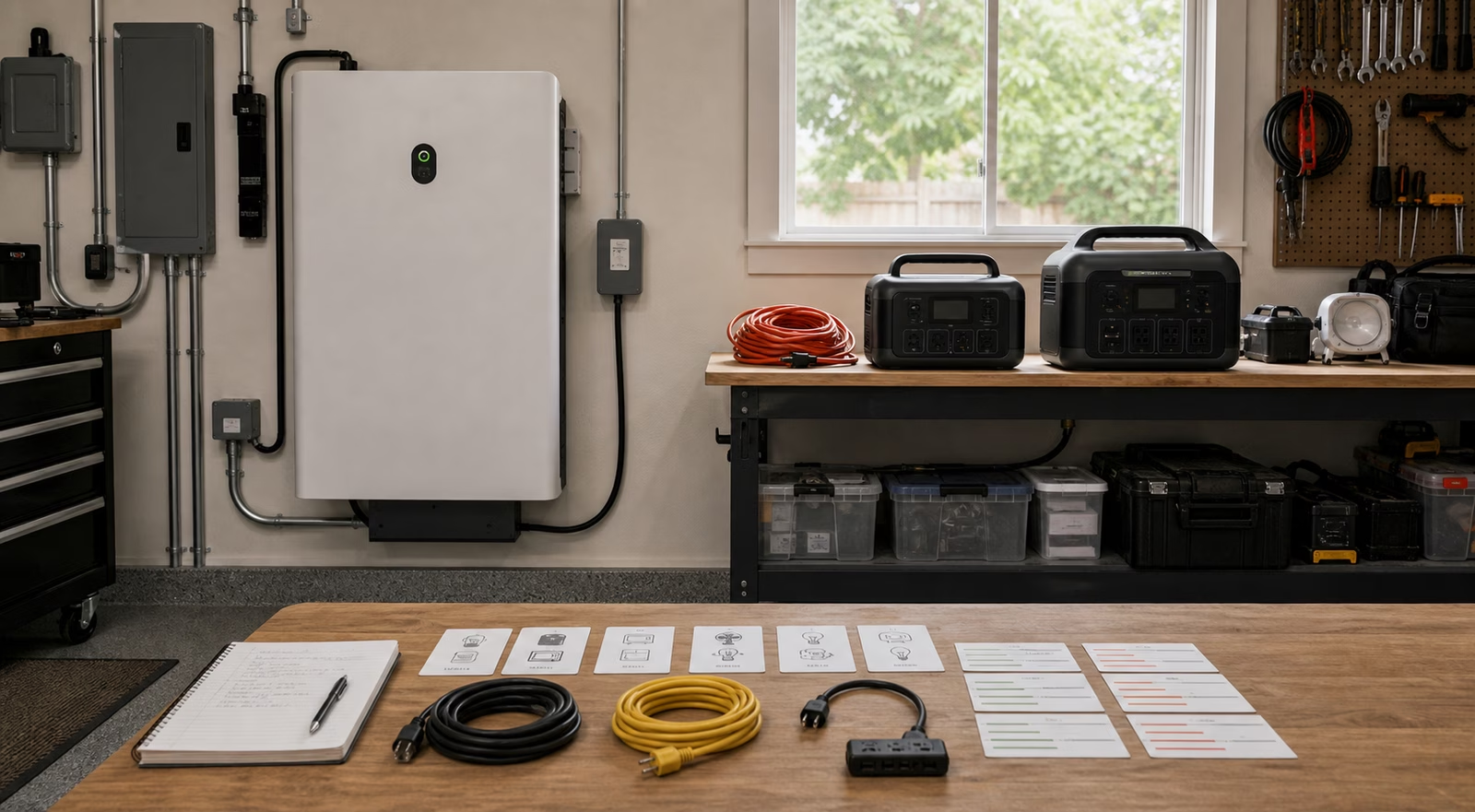
A portable solar generator kit is useful when flexibility matters more than whole-home production. It can keep phones, laptops, radios, lights, medical devices, routers, fans, small appliances, and other modest loads running if the battery is charged and the output rating is high enough. Renters can use one without altering the building, and homeowners can use one as a simple first layer before investing in permanent backup.
The limits are just as important as the convenience. A portable power station has a finite battery, a maximum AC output, and a solar input limit. A large battery connected to a small panel may need all day or longer to refill. Shade, clouds, panel angle, winter sun, dirty panels, and cable placement can all slow charging. A kit that looks generous on a product page may feel small when it is asked to run a refrigerator, internet gear, lights, and cooking equipment at the same time.
Choosing the right system
Choose rooftop solar when the goal is long-term energy production for the home. Choose a portable kit when the goal is flexible backup for specific loads. The practical question is not which one is more “solar.” It is whether you need a permanent electrical system or a movable battery kit.
For a portable setup, picture the exact outage day before buying anything. Decide where the panels can sit in real sun, how the cable will reach the battery without becoming a trip hazard, which devices will plug in, and how many hours they need to run. A portable solar panel for power station can be useful, but only if its connector, voltage range, and wattage match the power station. A solar extension cable can help with placement, but longer runs also need to be managed carefully.
For rooftop planning, read Solar Panel Buying Guide .
Apply this guide as a decision record
Use Solar Panels vs Solar Generators: Production System or Battery Kit? to turn a vague household question into a checkable one. Its scope is specific: A clear comparison of rooftop solar panel systems and portable solar generator kits for backup power, renters, and off-grid planning. Before changing the setup, write down the condition you are trying to change, the constraint that matters most, and the evidence you still lack.
For a first pass through solar panels vs solar generators, compare the current state with a relevant baseline and record one observation, measurement, or conversation. Make the smallest reversible change available. Keep the manual, model number, room condition, schedule, or maintenance note beside the decision so a future check does not depend on memory. Keep solar panels, solar generator, comparison in view as separate signals instead of treating them as one verdict.
A useful follow-up asks whether Solar Panels vs Solar Generators: Production System or Battery Kit? improved the named problem without creating a new one. Check the tradeoff that fits this subject — heat, noise, comfort, water, power, wear, effort, or cost — and describe the result in plain language. If a boundary is safety-critical, stop at the guide’s limit and bring the details to a qualified local professional.
The conclusion for solar panels vs solar generators should stay narrow. Record what was observed, which condition made the result possible, what maintenance keeps it dependable, and what would make you revisit the choice. That turns a guidebook into a decision record you can use again rather than a promise to remember.