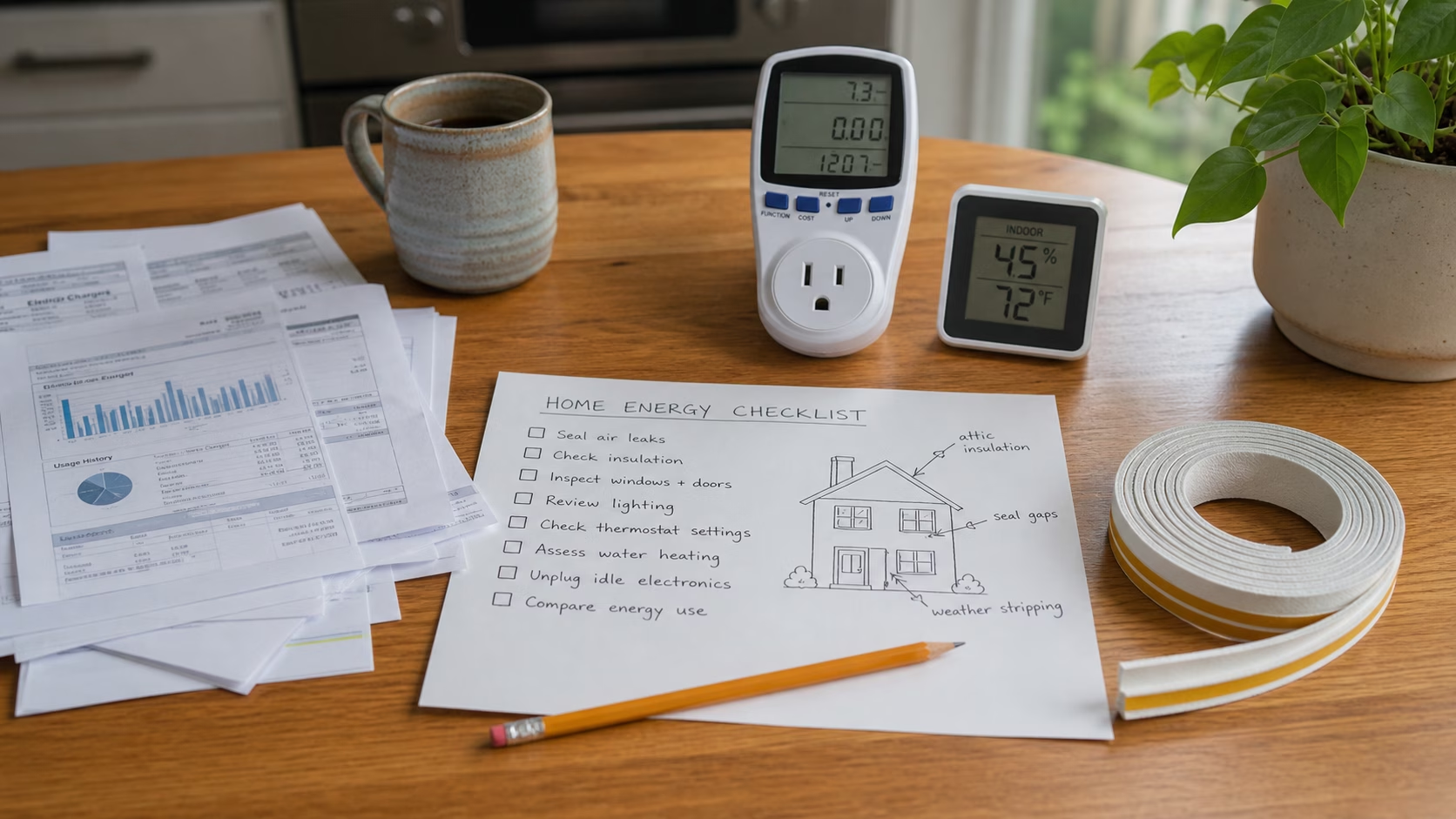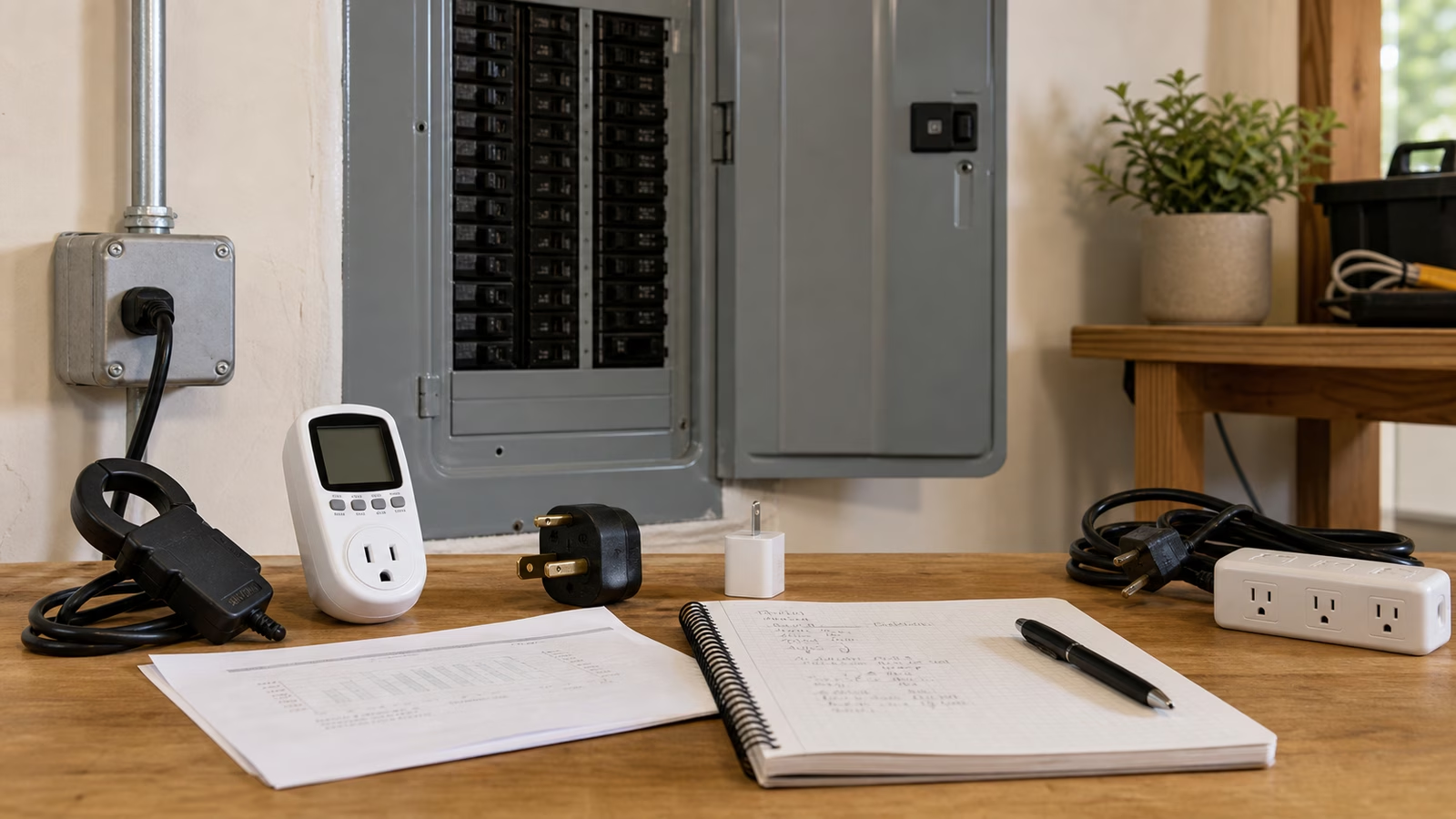
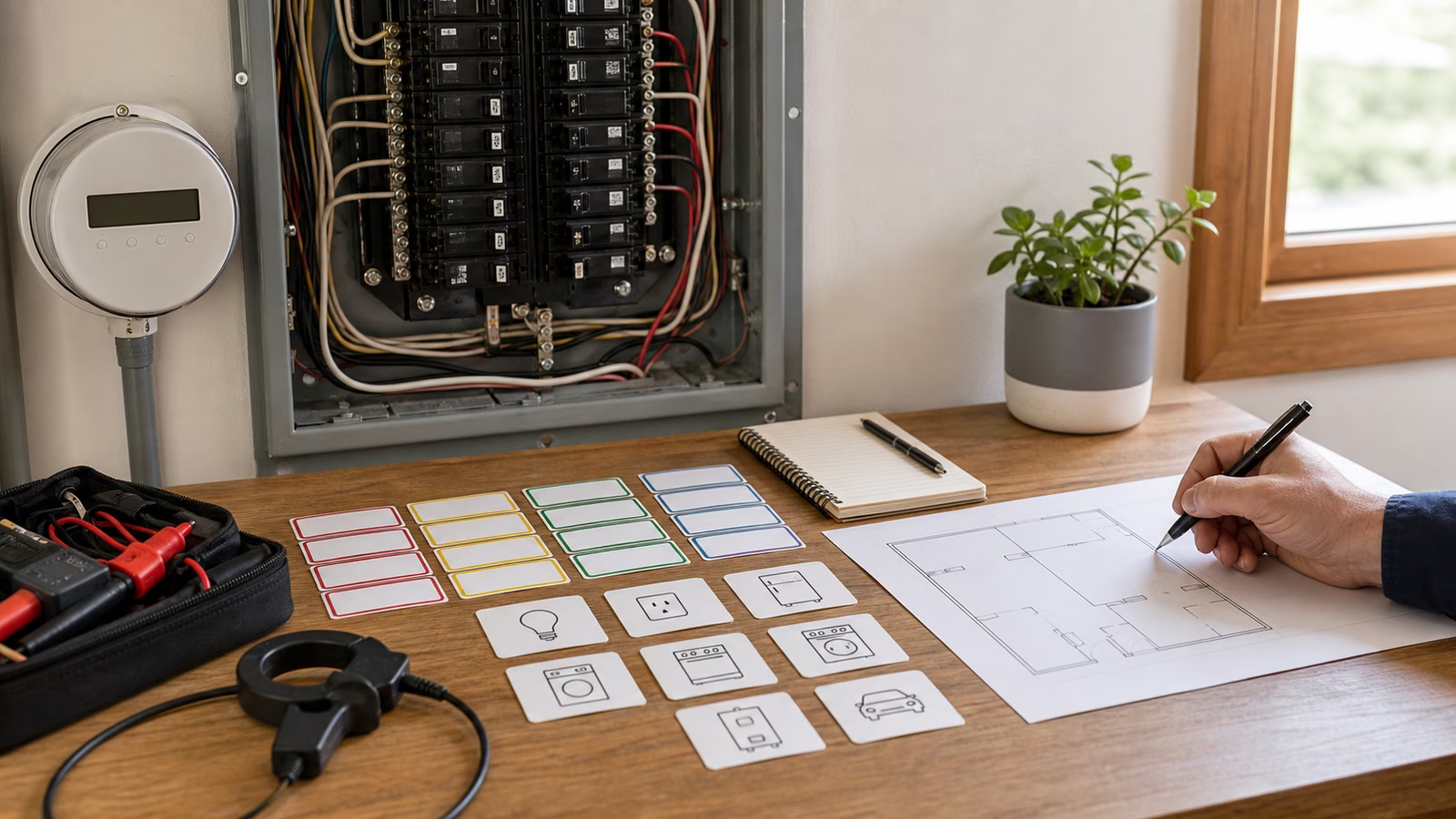
A home energy map is a one-page sketch of where power comes from, where it goes, and which parts matter during an outage. It does not need to be beautiful. It needs to be honest enough that the next decision is based on the house you actually have.
Most homes grow their energy systems in pieces. A solar quote appears one year, an EV charger the next, then a heat pump, a battery, a portable power station, an induction range, or a generator after a bad storm. Each purchase may make sense on its own, but the house does not experience them separately. The panel, wires, loads, controls, habits, and safety rules all meet in the same building.
Start with sources
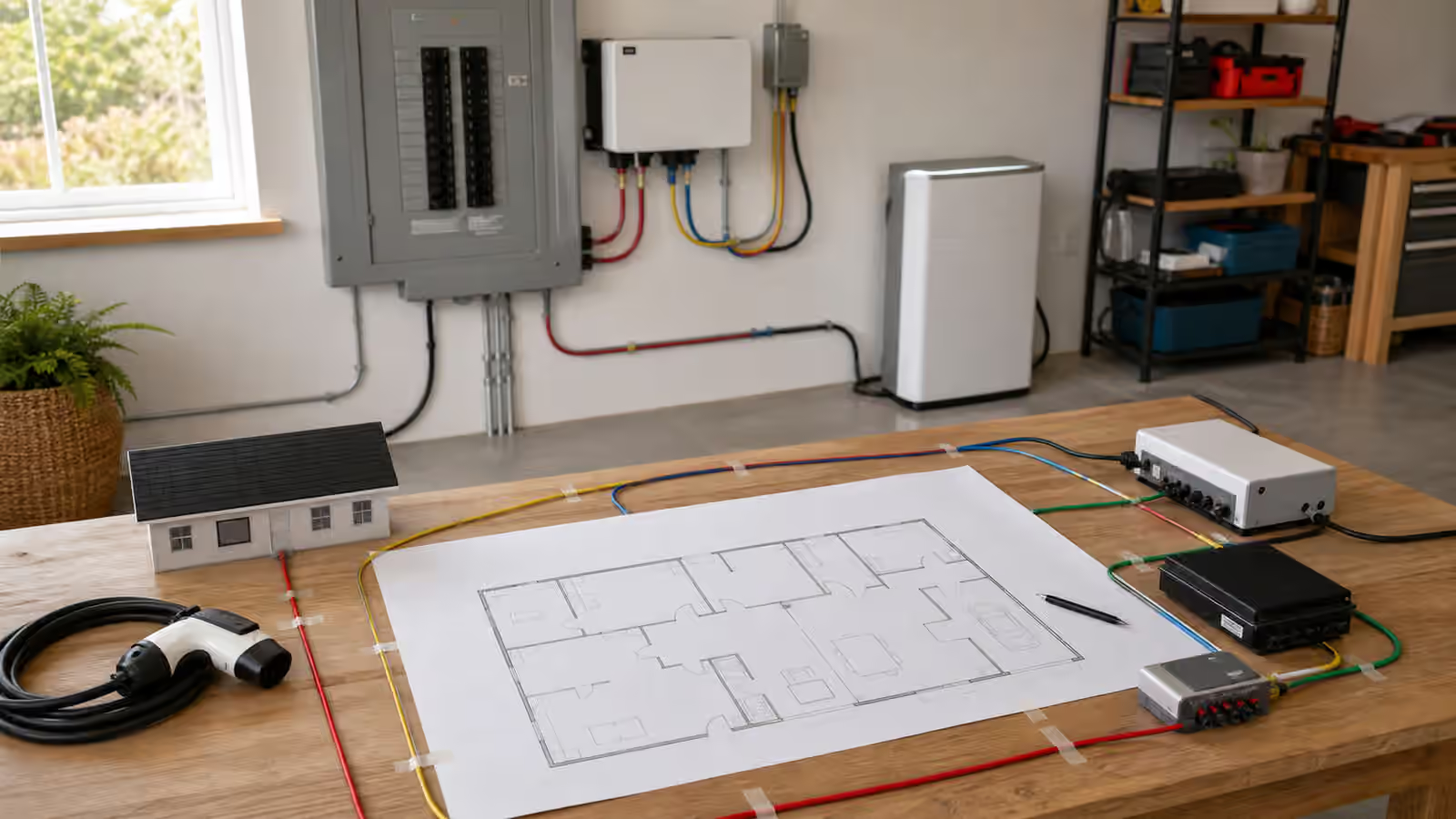
Begin by drawing the sources of power. The utility grid is usually first. Add a solar array if one exists or is realistically planned. Add a home battery, portable power station, fuel generator, or EV battery only if you know how that source connects safely and what it can actually power. Bidirectional EV backup, for example, is not the same thing as owning an EV. It requires supported equipment, compatible controls, and an installation designed for that use.
This part of the map often reveals false confidence. A generator in the garage is not a backup system unless there is a safe transfer method and a fuel plan. Rooftop solar is not outage power unless the inverter and storage design support that behavior. A portable battery is not kitchen backup unless its output and capacity match the appliance you intend to run.
Follow the loads
Next, trace where the power goes. Think in zones rather than product categories: kitchen, HVAC, laundry, garage, office, network, outdoor loads, and the circuits that would matter most in an outage. Mark the large electric loads clearly. Heat pumps, water heaters, dryers, ranges, EV chargers, well pumps, and electric resistance heat can dominate a plan even if they are not running all the time.
The purpose is not to calculate every watt perfectly on the first pass. The purpose is to see the shape of demand. A refrigerator and router behave differently from an EV charger. A well pump has different consequences than a television. A heat pump may be essential in winter, optional during a mild outage, or too large for a small portable system. Once those differences are visible, backup planning becomes less abstract.
Find the controls
Control points are what keep a home energy system from becoming chaos. The main panel, subpanels, transfer switch, interlock, inverter, charge controller, load management device, thermostat, and EV charger settings all decide what can run, when it can run, and what must stay isolated for safety. If you cannot identify the control point for a power source or major load, that part of the system probably needs professional planning before it is trusted.
The map should make four answers plain in narrative form: what runs when the grid is up, what runs when the grid is down, what must never be backfed unsafely, and what can be delayed, reduced, or manually switched off. Those answers guide Inverter Sizing , EV Charging Load Planning , and Induction Electrical Capacity .
Why the map saves money
Without a map, people often oversize backup power to cover loads they do not need during an outage. With a map, they can choose backed-up circuits, load shedding, a portable setup, or a permanent battery system based on the real priority list. The map turns “keep the house running” into a more useful question: keep which parts running, for how long, with what source, and under whose control?
This is also where Tiny Home Sustainable Systems is useful. Small homes force the same integration question that larger homes often hide: power, water, heat, cooking, and ventilation are one system, even when the equipment comes from different shelves.
Apply this guide as a decision record
Use Whole-Home Energy Map: Put Every Upgrade on One Page to turn a vague household question into a checkable one. Its scope is specific: A simple mapping method for seeing how backup power, solar, batteries, EV charging, heat pumps, and cooking upgrades interact. Before changing the setup, write down the condition you are trying to change, the constraint that matters most, and the evidence you still lack.
For a first pass through whole home energy map, compare the current state with a relevant baseline and record one observation, measurement, or conversation. Make the smallest reversible change available. Keep the manual, model number, room condition, schedule, or maintenance note beside the decision so a future check does not depend on memory. Keep energy map, planning, electrification in view as separate signals instead of treating them as one verdict.
A useful follow-up asks whether Whole-Home Energy Map: Put Every Upgrade on One Page improved the named problem without creating a new one. Check the tradeoff that fits this subject — heat, noise, comfort, water, power, wear, effort, or cost — and describe the result in plain language. If a boundary is safety-critical, stop at the guide’s limit and bring the details to a qualified local professional.
The conclusion for whole home energy map should stay narrow. Record what was observed, which condition made the result possible, what maintenance keeps it dependable, and what would make you revisit the choice. That turns a guidebook into a decision record you can use again rather than a promise to remember.