Great hot sauce isn’t just heat—it’s balance. The best bottles have a clear flavor idea (smoke, fruit, garlic, fermentation funk) and a burn that supports the dish instead of hijacking it. These guidebooks focus on the decisions that actually change outcome: pepper selection, acid and salt structure, fermentation vs. cooking, texture, and safe storage.
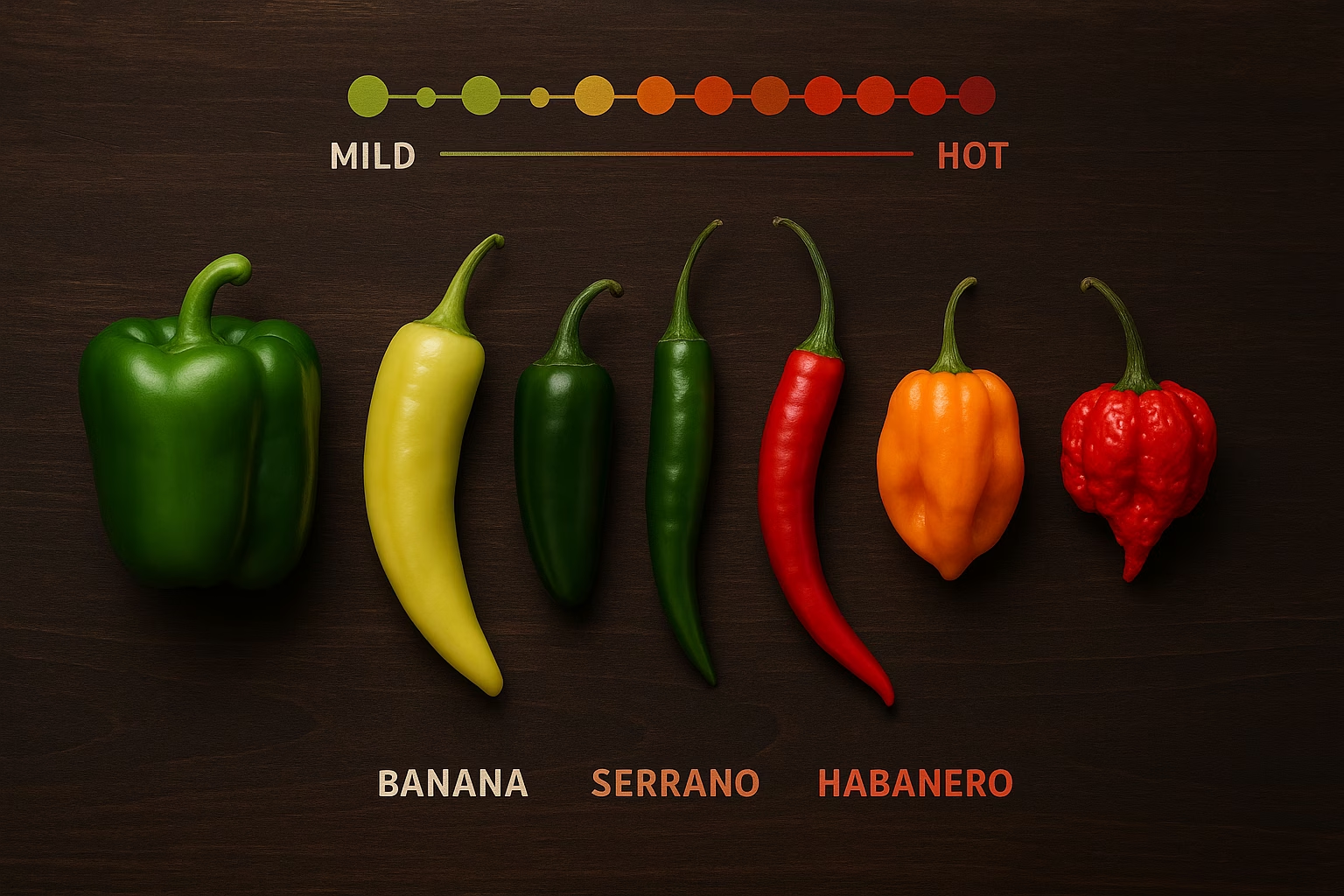
If you’re not sure where to begin, read Hot Sauce Quickstart first, then use the Scoville Scale Guide as a “heat ladder” that helps you predict burn and choose peppers that fit your tolerance. When you’re ready to start designing flavor instead of improvising, Fermentation Flavor Design explains how vinegar, salt, garlic, fruit, and time shape the burn and the aroma.
If you’re making sauce at home, don’t skip Storage, Shelf Life, and Safety. A few small habits—clean bottling, sane acidity targets, and avoiding temperature whiplash—keep sauces bright for months and prevent the most common “why did this turn?” problems. And when fermentation gets weird, Fermentation Troubleshooting helps you separate “normal” from “discard,” and fix harshness without flattening flavor.
Advanced moves
Texture & body
Silky, bright, or rustic
Thickening options, straining steps, and emulsions that stay stable.
Shelf life
Safe & flavorful
pH targets, bottling tips, and storage notes to keep sauces lively.
Apply what you learn
Cook through a base recipe, then tune sweetness and acid using the checkpoints. If you ferment, compare the flavor at day 3, 7, and 14 so you can recognize how time changes heat and aroma. Keep notes on one change at a time.
When you’re ready to pair sauces like an ingredient rather than a condiment, use Sauce Pairing and Hot Sauce for Every Dish to match heat, acidity, and texture to specific foods without overwhelming the plate.