Saturday morning is a good time to start fermented hot sauce because fermentation rewards a calm pace. It does not need heroics. It needs consistency. The work up front is small, but it decides whether the next two weeks feel easy or haunted by worry. So you clear the counter, open a window, and keep things simple.
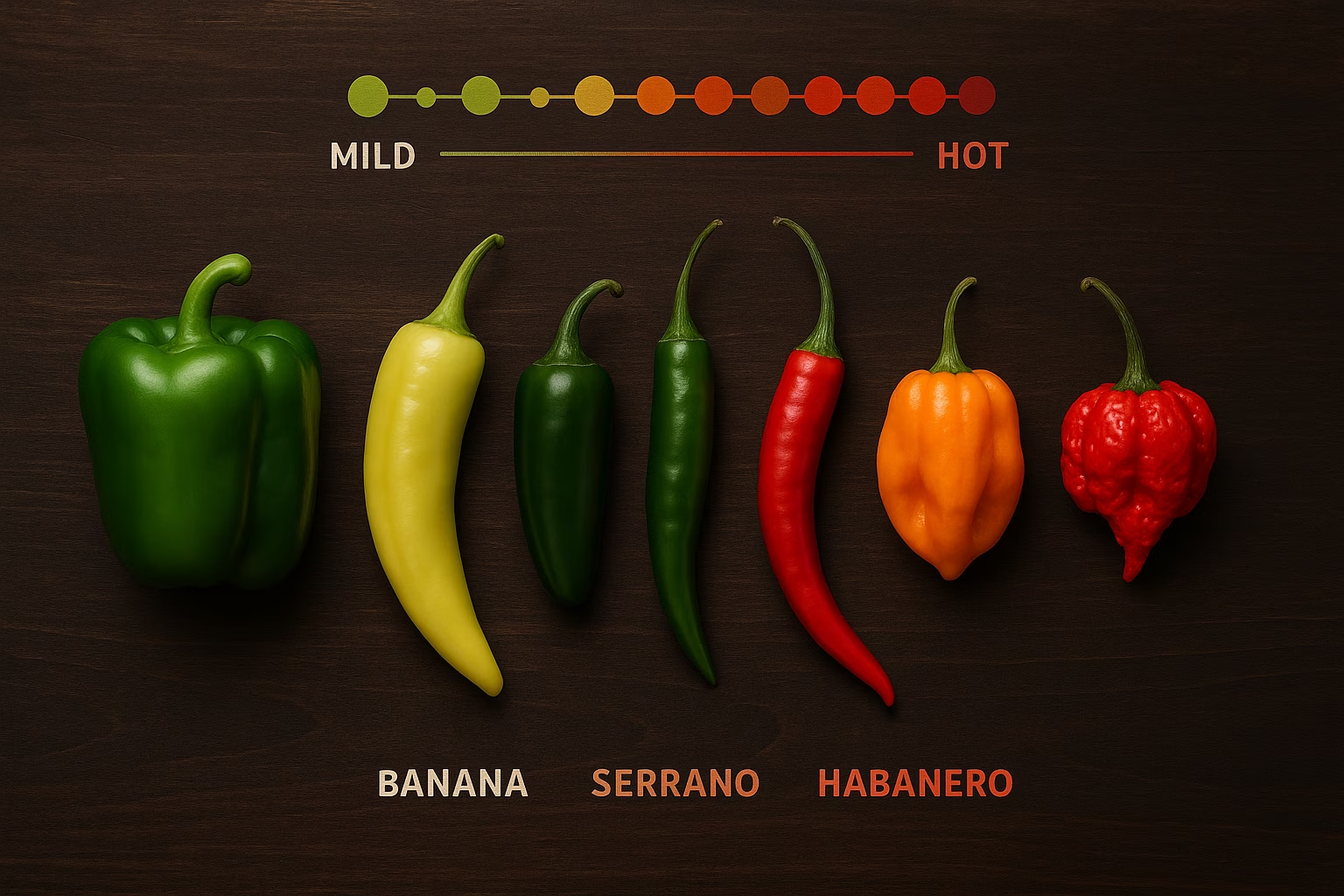
The peppers look harmless until you cut them. A bright green smell fills the room, then the heat rises when your knife hits the white pith. Hot sauce begins as produce, not punishment. You want flavor that happens to be spicy, not spice that barely counts as food. Choose peppers like fruit, by aroma, firmness, and the mood they suggest. A handful of jalapeños for body, a few fresnos for fruit, maybe one habanero for a little edge.
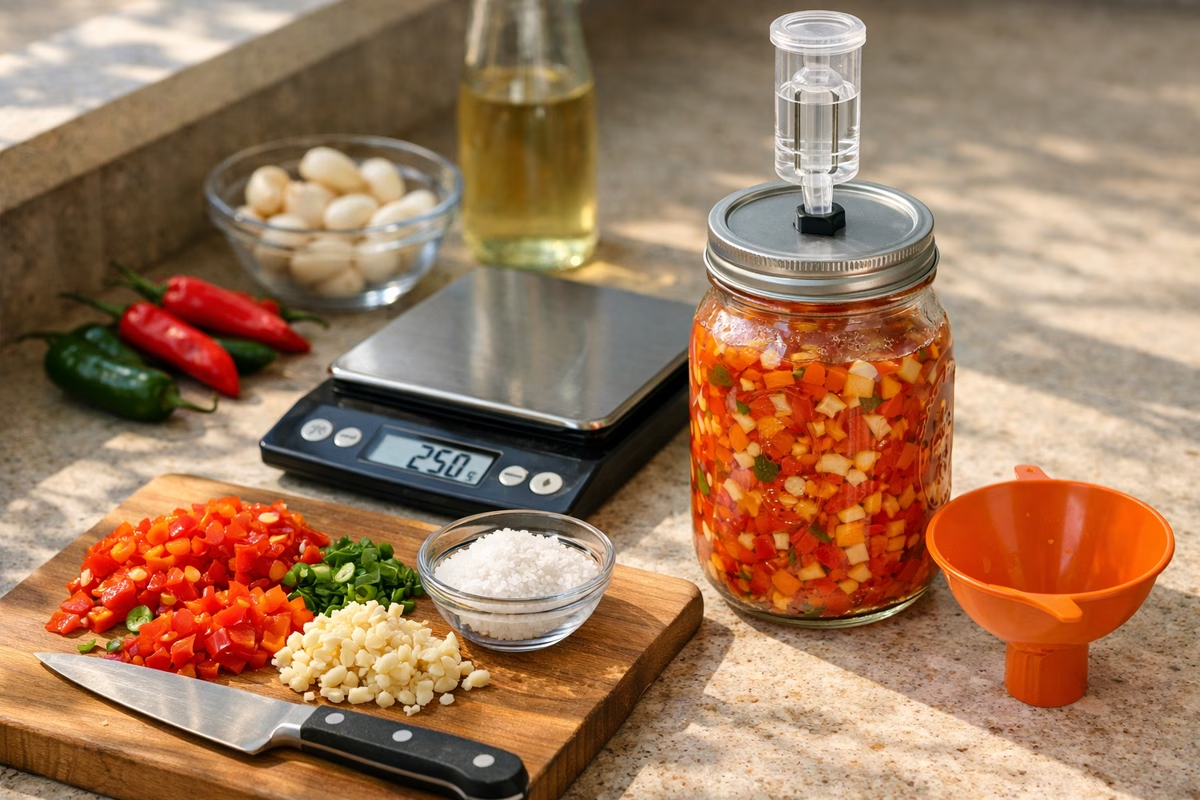
You weigh what you chopped because fermentation gets easier when it is measurable. Salt is not there to make the jar taste salty. It is there to make the jar selective. In the right range, it supports the microbes you want and discourages the ones you do not. Sprinkle it over the peppers and watch the bowl start to sweat. Vegetables are turning their own water into brine.
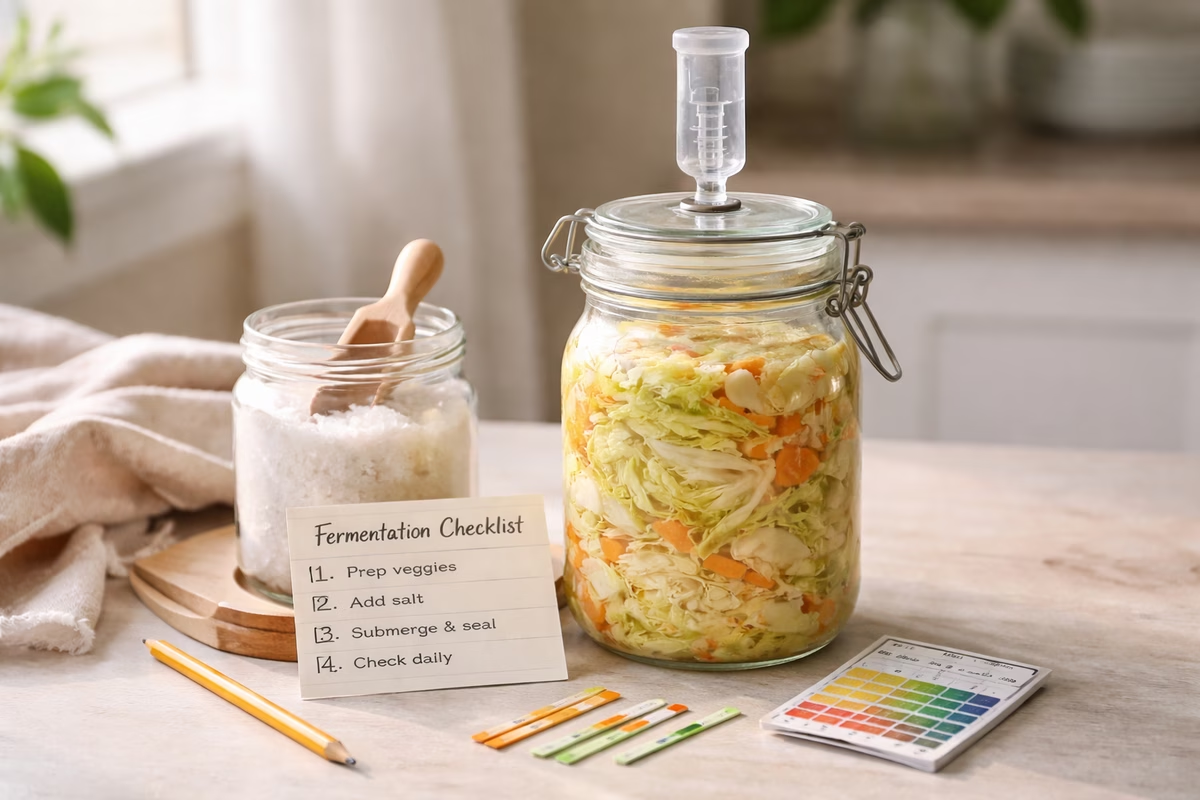
When you pack the jar, you are building an environment. Keep everything submerged because oxygen invites the wrong kind of drama. Fermentation likes calm and low oxygen. The pieces sink unevenly at first, and you press them down until the brine rises. The jar starts to look like a tiny landscape. Wipe the rim, fit the airlock, and move on. It is just vegetables in a jar, but it already has a future.
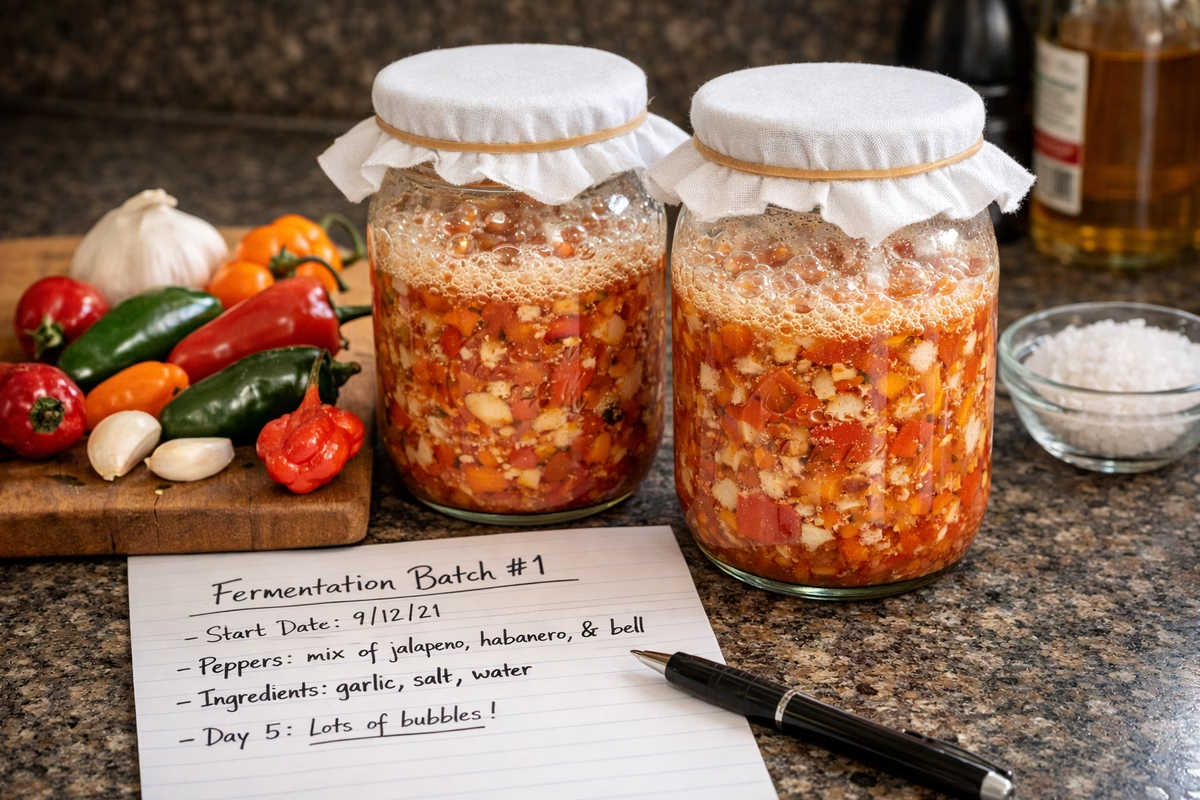
The first night, you check it too often. Almost everyone does. Nothing happens the way a new hobby wants it to. The jar is quiet, and that quiet is the point. The next morning, the brine has climbed a little and the colors look deeper. By day two or three, tiny bubbles rise through the mash. The jar smells alive, vegetal, tangy, and clean. If it smells like rot, something is wrong. If it smells sharp in a way that makes you keep sniffing, you are on track.
Around the middle of the first week, the bubbling peaks and then settles. Beginners often think less activity means the jar stopped. It did not. The early fireworks are just the easy sugars. After that, the jar works quietly, and the best thing you can do is leave it alone. Keep it at room temperature, out of direct sunlight, and do not open it just to check.
When you open it for real, maybe after ten days, maybe after two weeks, the smell tells you what kind of sauce you are making. A bright citrusy tang suggests something clean and lively. A deeper savory funk suggests something better for grilled meat and roasted vegetables. Taste a little brine. It should be pleasantly sour, not vinegary, and it should feel like part of the pepper flavor. That is when the jar stops being just a jar.
Blending day is where the sauce becomes personal. Pour it into a blender and listen to it turn from chunky to smooth. A little brine makes it thinner and brighter. More solids make it thicker and more assertive. You can add a little vinegar if you want, but you do not need to drown the ferment. Blend until it looks glossy, then taste and resist the urge to keep fixing it. Fermented flavors open up over the next day or two.
When you pour the first bottle, the color looks like you captured an afternoon. Label it, because you will forget what you did otherwise. Then put it in the fridge and notice the simple part. The process was not hard. It was attentive. The real upgrade was learning what to notice. Submersion, aroma, bubbles, and the way the jar tells you it is healthy.
The best fermented hot sauce is not just heat. It is a bright layer you can use like seasoning. A few drops on eggs. A line across tacos. A spoon into soup before serving. Over time, you start building sauces by mood. A green sauce for spring. A red sauce for comfort. A smoky sauce for winter. But the first jar is the one that shows you that you can do this.
If you want the technical safety checklist after the story, read Fermented Hot Sauce Safety and Storage and Safety .
Taste before turning up the heat
Hot sauce is more than force. For A Fermented Hot Sauce Weekend: From Peppers to First Pour, the useful question is how heat, acid, salt, sweetness, fruit, smoke, fermentation, texture, and aroma work together. A sauce can be fiery and still feel flat if the rest of the structure is missing.
Start with a small taste on a neutral food. Notice when the heat arrives, where it sits, how long it lasts, and what flavor remains after the burn fades. Pepper character, vinegar snap, garlic, fruit, smoke, and salt should each have a place.
Then adjust only one thing. More acid can brighten but also thin the sauce. More salt can wake up flavor but quickly dominate. More sweetness can round heat but make the sauce heavy. More pepper can add character or simply overwhelm.
For fermented or preserved sauces, safety and process matter. Clean equipment, acidity, storage, pH when relevant, and spoilage signs are part of the craft. Flavor should not be separated from responsible handling.
A Fermented Hot Sauce Weekend: From Peppers to First Pour should help the sauce become more expressive, not just hotter. The best bottle makes food taste more alive.