Hot Sauce for Every Dish
Hot sauce is not a dare; it’s a seasoning. The best hot sauces do the same job lemon juice, vinegar, and salt do—they wake up flavor, cut richness, and add a specific personality note (smoke, fruit, fermentation, garlic, toasted chili). Heat is only one part of the picture.
If you want to be able to put “the right sauce on anything,” don’t memorize pairings. Learn a few rules about what the food needs, then pick a sauce with the right tool in it: acid, sweetness, aromatics, body, and a heat level you can actually enjoy.
This guide gives you a practical framework, a tiny “working pantry,” and the finishing techniques that make hot sauce feel like cooking—not just squirting.
A Few Guiding Principles
Most great pairings are just good seasoning habits applied with intention.
Match intensity. Delicate foods (eggs, fish, greens) need heat that stays in the background. Rich foods (fried food, burgers, BBQ) can handle a louder sauce.
Match delivery. Thin vinegar-forward sauces cut and brighten. Thick roasted sauces cling and add body. Chili oils and pastes are aromatic fat and tend to coat noodles, vegetables, and dumplings beautifully.
Balance the trio: heat, acid, sweetness. If a sauce tastes harsh, it usually needs body or sweetness. If it tastes heavy, it usually needs acid. If it tastes one-note, it usually needs aromatics (garlic, citrus, herbs) more than more heat.
The 3-Sauce Starter Set
If you keep three bottles you trust, you can cover most meals without decision fatigue.
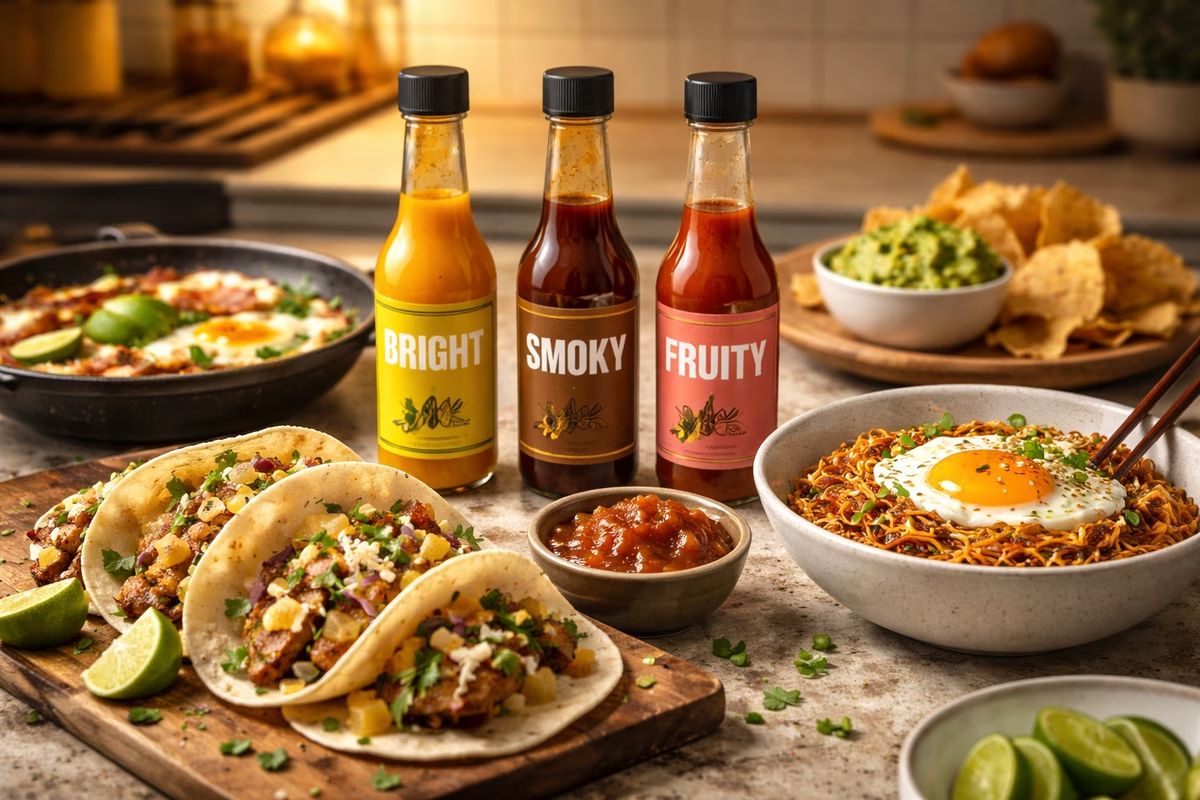
- Bright vinegar sauce (high acid, mild–medium heat)
Use it like you’d use vinegar: eggs, fried food, tacos, greens, sandwiches.
- Fermented depth sauce (savory/umami)
Use it where you want complexity: bowls, beans, soups, roasted vegetables.
- Smoky or roasted sauce (deeper, thicker)
Use it where you want char and warmth: grilled meats, stews, chili, BBQ.
Once you have those three, you can add a “fun bottle” (fruit-forward habanero, chili crisp, peri-peri, gochujang-style sauces) without losing the basics.
Signature Sauce Types & What They’re Good At
Instead of thinking “Which pepper is this?”, think “What does this sauce bring?”
Vinegar-bright (cayenne/Louisiana-style). Acid-first. Great at cutting fat and making fried and creamy foods feel lighter.
Green herb-forward (jalapeño/cilantro/lime). Freshness-first. Great with eggs, tacos, fish, and anything that already has citrus.
Roasted red / tomato-based. Body-first. Great with grilled meats, pizza, stews, and anything that benefits from a thicker sauce.
Fermented. Depth-first. Great where you want savory tang and complexity rather than sharp vinegar bite.
Chili oil / chili crisp. Aroma-first. Great on noodles, dumplings, rice, roasted vegetables, and even salads when used like a dressing component.
A Practical Pairing Matrix (Food Trait → Sauce Trait)
If you can name what the food is doing, pairing becomes easy.
Rich/fatty (pizza, burgers, creamy pasta) → reach for acid or smoke.
Starchy (rice, potatoes, noodles) → reach for fermented/umami or aromatic oil.
Grilled/charred → reach for roasted or smoky sauces that match the Maillard/char note.
Sweet (glazes, BBQ) → reach for sharp acid or smoke to keep sweetness from cloying.
Delicate (fish, eggs, simple vegetables) → reach for mild heat, clean acid, minimal smoke.
The “Sauce Role” Method (a faster way to choose)
When you’re staring at a shelf of bottles, stop thinking in labels and start thinking in roles. Most dishes want one or two roles, not every role at once.
Role 1: Brightener (acid). Vinegar-forward sauces, citrus-forward green sauces, and many thin table sauces. Use when food feels heavy, dull, or overly rich.
Role 2: Deepener (umami/fermentation). Fermented sauces and sauces with savory ingredients (garlic, onion, miso-like funk). Use when food tastes “fine” but boring.
Role 3: Warmer (heat + aroma). Chili oils, toasted chile sauces, and many smoky sauces. Use when food needs warmth and aroma, not necessarily more sourness.
Role 4: Rounder (sweetness/body). Fruit-forward sauces, carrot-based blends, and thicker roasted sauces. Use when food tastes sharp, salty, or overly acidic.
Once you name the role, the sauce choice becomes obvious.
How to Apply Sauce (So It Tastes Intentional)
The same sauce can taste “perfect” or “random” depending on when and how you use it.
During cooking (for depth). Adding a small amount early can integrate pepper flavor into the dish. This is great for soups, beans, braises, and sauces.
At the end (for lift). Adding your best, brightest sauce at the end preserves aroma and acidity. This is the move that makes food taste more vivid.
Tableside (for control). If you’re feeding other people, tableside is polite and practical—everyone controls intensity.
The “two-stage” trick. Add a small amount while cooking for depth, then a tiny finishing dash at the end for brightness.
Pairing Ideas You Can Use Anywhere
Rather than listing every dish on earth, here are patterns you can repeat.
Eggs and breakfast. Eggs want acid. Greens want brightness. Potatoes want vinegar. A mild green sauce or a classic cayenne sauce will cover most breakfast plates.
Tacos and wraps. Think protein + acid + heat. If the filling is rich (carnitas, chorizo), go brighter. If the filling is grilled/charred, go smoky/roasted.
Rice and noodles. Fermented and umami-forward sauces shine. Chili oil is a cheat code for turning “plain” noodles into something aromatic and satisfying.
Burgers and pizza. Creamy + cheesy foods often pair best with acid and smoke. Oil-based heat tends to distribute well without making crust soggy.
Roasted vegetables. Vegetables love contrast. Chili oil + sesame, fermented sauce + citrus, or roasted red sauce + a little sweetness all work depending on the vegetable.
Desserts (carefully). A drop of toasted chili oil or a gentle chili syrup can add contrast, but the goal is aroma and warmth, not “spicy dessert.”
Pairing by Cooking Method (quick and reliable)
If you’re stuck, pick by cooking method. The method tells you what the surface tastes like.
Fried: choose acid-first sauces. Fried food loves vinegar because it cuts grease and makes the crust taste lighter.
Roasted: choose roasted or fermented sauces. Roasting creates sweetness and browning; sauces with body and depth echo that.
Steamed/boiled: choose aromatic heat (chili oil) or fermented sauces. These methods can taste “clean” and need aroma.
Grilled/charred: choose smoky, toasted, or roasted sauces. Matching char with char is one of the easiest wins.
Low-Heat Ways to Use “Hot” Sauce
Not every meal needs heat. If you love the flavor of a sauce but don’t want the burn, you can use it like a concentrate.
- Stir a teaspoon into yogurt, mayo, sour cream, or labneh to make a creamy sauce with gentle heat.
- Mix a spoon into butter and melt over vegetables or seafood.
- Add a few drops to a vinaigrette (oil + vinegar + salt) so the heat is distributed across the salad instead of landing in one bite.
This is also how you make superhot sauces actually usable.
Three Small Sauce Recipes (Make-Anywhere)
These are intentionally simple and forgiving.
1) Bright Table Sauce (vinegar-forward)
Blend: 200 g peppers (jalapeño/fresno), 60 g white wine vinegar, 6 g salt, 20 g water. Rest 24 hours. Strain if you want it thinner.
2) Roasted Red Sauce (weeknight blender sauce)
Roast 300 g red peppers and 1 small tomato. Blend with 2 tbsp apple cider vinegar, 1 tsp smoked paprika, salt to taste.
3) Fermented Umami Sauce (small batch)
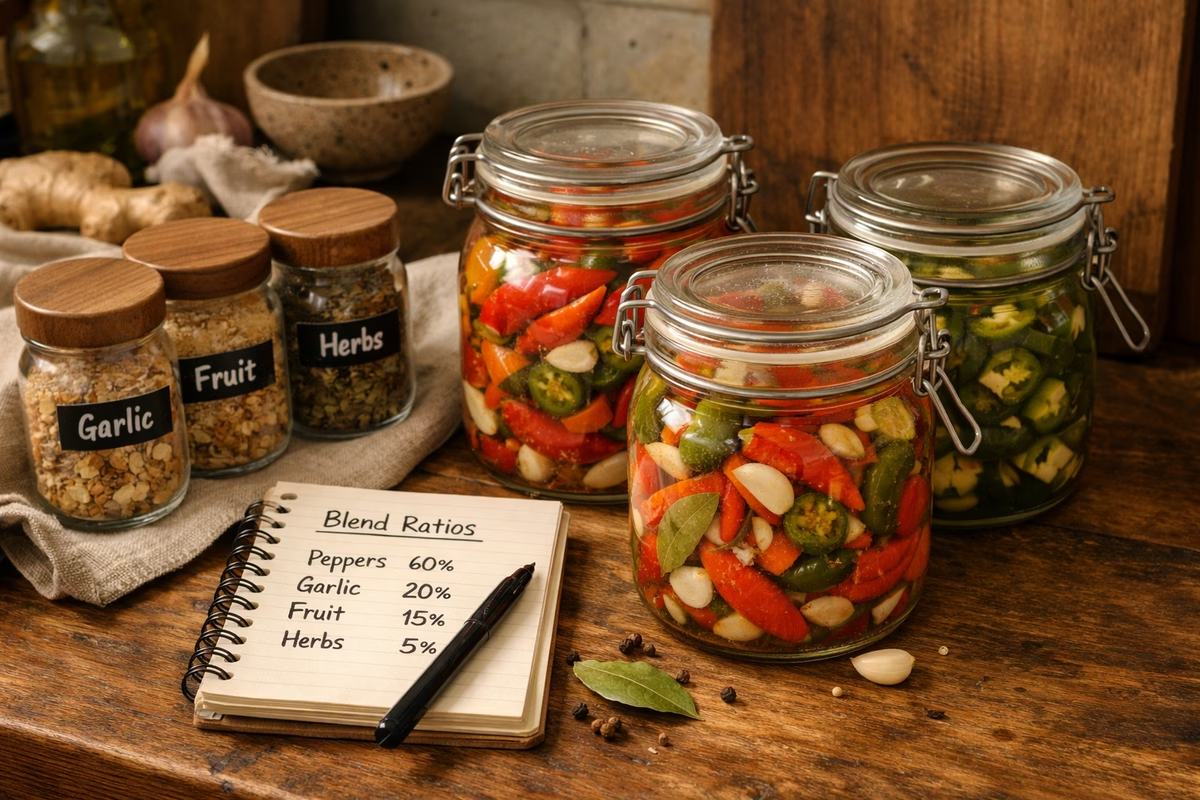
Ferment: 300 g mixed chiles + 6 g salt (2%) + ~50 g aromatic veg. Ferment 7–14 days. Blend with 30–60 g vinegar until it tastes bright but not thin.
Three “House Sauces” You Can Make From Any Bottle
If you have a sauce you like but it doesn’t quite fit the dish, transform it.
1) Taco crema: 2 tbsp mayo or yogurt + 1–2 tsp hot sauce + squeeze of lime + pinch of salt. This turns sharp sauces into a creamy, crowd-pleasing drizzle.
2) Weeknight wing glaze: 2 tbsp hot sauce + 1 tbsp butter + 1 tsp honey. Warm together until glossy. This makes a sauce taste round and clingy.
3) Noodle splash: 1 tbsp chili oil (or neutral oil) + 1 tsp hot sauce + 1 tsp soy sauce + a little vinegar. Toss with noodles and a handful of scallions.
Finishing Techniques That Level You Up
Hot sauce becomes “cooking” when you learn a few transformations.
Emulsify into a drizzle. Whisk a spoon of sauce with a little oil to make it cling and feel silky.
Make a quick glaze. Reduce with honey and citrus for a glossy finish on chicken, tofu, or roasted veg.
Compound butter. Fold hot sauce into softened butter, chill, and melt over steak, corn, or roasted mushrooms.
Turn it into a dressing. Hot sauce + oil + a little sweetener + salt becomes a salad dressing that tastes like effort.
Storage & Shelf Life
In general:
- Vinegar-forward sauces keep for months at room temperature when bottled cleanly.
- Fermented sauces keep longest in the fridge.
- Label jars and bottles with batch dates so you know what “old” means.
If anything grows fuzzy mold or smells rotten, discard it. When in doubt, don’t gamble.
Common Mistakes (And Fixes)
Mistake: only chasing heat. Fix: pick a sauce for acid/smoke/fruit first, then choose heat level.
Mistake: over-saucing. Fix: start with a few drops, taste, then build—especially with superhot blends.
Mistake: cooking away your best sauce. Fix: add a little during cooking for depth, but add your brightest sauce at the end.
Mistake: using one sauce for everything. Fix: keep the three-bottle set so your meals don’t all taste the same.
Mistake: the sauce “fights” the dish. Fix: decide whether you want the sauce to be the main voice or a supporting note. If it’s fighting, reduce the amount and add salt/acid/body with something gentler (yogurt, butter, oil).
Mistake: heat spikes in one bite. Fix: mix the sauce into a carrier (oil, mayo, broth, butter) so the heat distributes evenly.
How to Rescue a Dish You Over-Sauced
Everyone does it once. The fix depends on what went wrong.
Too hot: add fat (yogurt, mayo, cheese, avocado) and/or more base food. A little sweetness can also smooth the perception of heat.
Too sour: add body (beans, tomato, roasted veg) or a tiny sweetness. Avoid adding more vinegar.
Too smoky/bitter: add acid (citrus), freshness (herbs), and fat. Bitter smoke often needs contrast more than more heat.
A Simple Practice Plan
If you want to build instinct quickly, do this for one week:
- Put a bright vinegar sauce on eggs and fried food.
- Put a fermented sauce on rice/beans/soups.
- Put a smoky/roasted sauce on grilled or roasted dinners.
You’ll learn faster than any chart can teach you.
Final Thought
Treat hot sauce like a pantry tool. Choose it for what it brings—acid, smoke, fruit, fermentation, garlic—then use heat as the volume knob. With three reliable bottles and a few finishing techniques, you can make almost any dish taste more alive.