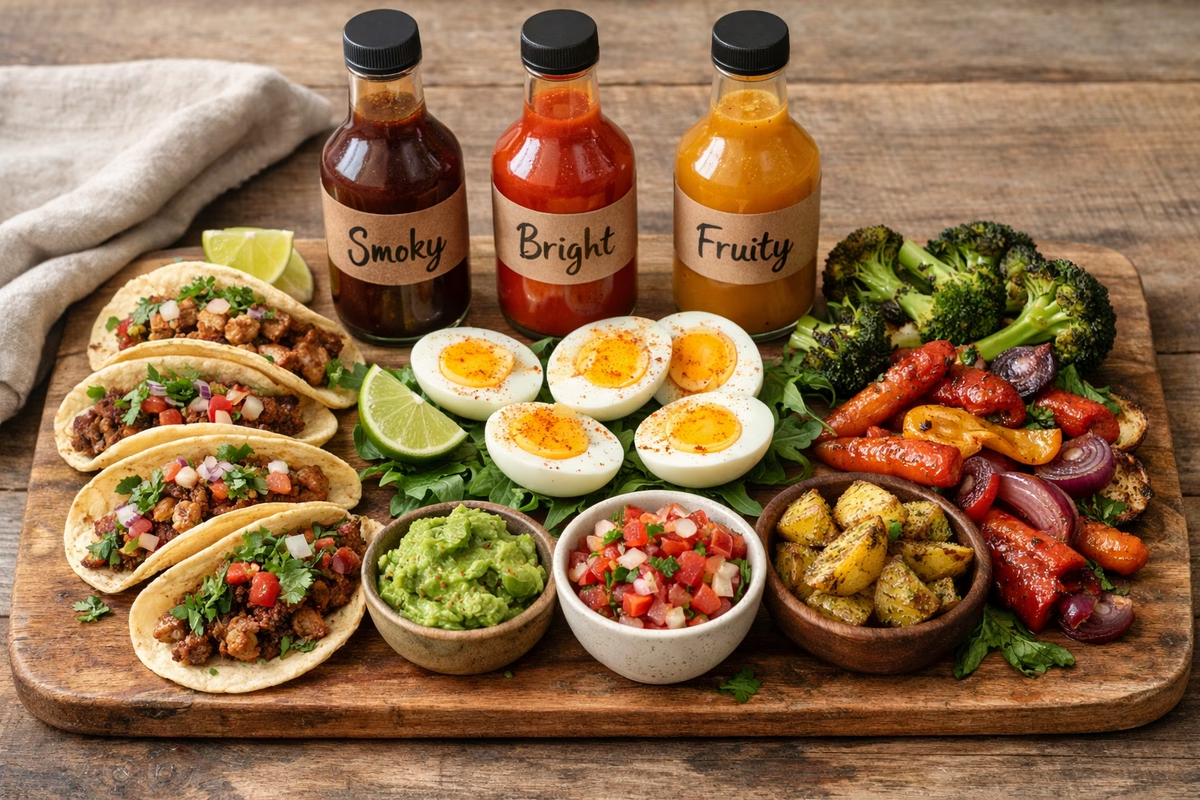
Hot Sauce Pairing Guide
The right hot sauce can transform a dish from good to extraordinary—not by making it “hotter,” but by making it clearer. Acid brightens. Smoke adds depth. Fermentation adds complexity. A little sweetness rounds edges. Heat, used intentionally, can make flavors feel more vivid.
Think of hot sauce like seasoning with personality. The best pairings don’t cover the food; they work with it: they cut richness, underline aromatics, or add contrast that makes the next bite more interesting. This guide gives you a reliable pairing framework and then shows how to apply it across everyday meals.
Pairing Fundamentals
The Three Pairing Principles
Most “perfect pairings” are just one of three moves.
1) Complement (harmonize). Pick a sauce whose dominant note matches the dish: smoky sauces with grilled meats, fruity sauces with seafood or pork, garlicky sauces with savory sandwiches and pasta. Complement is the safest move—especially when you’re learning a new sauce.
2) Contrast (create a counterpoint). Use acid to cut fat, sweetness to soften salt, or dairy to calm aggressive heat. Contrast is why a bright cayenne sauce works so well on fried food: it wakes up something rich.
3) Enhance (turn the volume up). Choose a sauce that strengthens what’s already present: citrus-forward sauce on fish tacos, tomato-forward sauce on pizza, herb-forward sauce on roasted vegetables. Enhancement is what makes a dish feel “more itself.”
Heat Level Matching
Match the intensity of your sauce to the dish. Delicate foods (eggs, seafood, simple vegetables) are easily overwhelmed, so they usually pair best with mild-to-medium sauces where brightness and aroma lead and heat stays in the background.
Bold foods (BBQ, red meat, fried food) can handle a sauce with stronger pepper character and more heat. This is where cayenne classics, chipotle blends, and many habanero sauces shine.
Intense dishes (chili, curry, stews) already have loud flavors. A hotter sauce can work here because you’re not trying to preserve subtlety—you’re aiming for impact. Still, “superhot” is best treated as a seasoning: drops, not pours.
Flavor Profile Matching
Beyond heat, sauces have “driving traits.” If you learn a few families, pairing becomes intuitive.
Vinegar-forward cayenne sauces are essentially bright acid plus pepper. They excel at cutting fat and lifting fried foods, creamy dishes, and seafood.
Fruity habanero sauces bring sweetness and tropical aromatics. They love pork, chicken, and anything that benefits from a sweet-heat finish.
Smoky sauces (chipotle, smoked peppers) add depth. They’re natural with grilled foods, beans, stews, and BBQ.
Garlicky sauces (often sriracha-like) play well with umami and starch: rice bowls, noodles, sandwiches, eggs. Garlic makes the sauce feel “foodier.”
Fermented sauces add complexity and tang. Fermentation can make a sauce feel more integrated with the dish—less like a separate condiment and more like part of the seasoning.
Breakfast Pairings
Breakfast is where hot sauce is most forgiving: the flavors are simple, the textures are rich, and acid does a lot of work.
Eggs (Any Style)
Eggs are mild and fatty, which means they want acid and aromatics. A mild green sauce (jalapeño + herbs) brings freshness; a fermented red cayenne sauce brings classic tang; a chipotle sauce adds smoky depth when eggs are paired with potatoes or sausage.
If you want an easy “always works” move: add sauce after the eggs are cooked so the brightness stays intact, and keep the heat level modest so the egg flavor still registers.
Breakfast Burritos
Breakfast burritos have multiple rich ingredients (eggs, cheese, beans, meat), so the sauce’s job is usually to cut richness and keep bites from tasting flat. Salsa verde is excellent because it’s both acidic and savory; chipotle crema is great when you want a smoky profile without aggressive heat; fruity habanero sauces can be surprisingly good if the burrito leans salty and savory.
Avocado Toast
Avocado is pure fat and texture, so it pairs best with sauces that bring brightness (serrano, cilantro-lime) or fermented tang. Use a lighter hand and let the sauce act like a squeeze of citrus.
Hash Browns / Home Fries
Potatoes love acid. A classic vinegar-forward cayenne sauce is the simplest pairing, and it gets even better when you add a sweet counterpoint (ketchup, hot honey) or a savory one (garlic-forward sauce). The trick is to sauce the bite, not drown the potatoes—crisp texture is part of the point.
Lunch Pairings
Lunch foods tend to be layered: bread + protein + sauce + crunchy elements. Pairing is mostly about integration—choosing sauces that “stick” and don’t separate.
Tacos
Tacos are a great pairing playground because the base is often simple and the toppings are already designed to balance fat, acid, and crunch.
- Fish tacos usually want brightness: jalapeño-lime, a mild green sauce, or something lightly fruity like mango-habanero.
- Carne asada loves smoke and roasted flavor: salsa roja, chipotle, or árbol-style sauces that match char.
- Al pastor is already sweet-savory; sauces that echo that (pineapple-habanero, smoky morita, or a tangy salsa verde) tend to feel “right.”
Sandwiches
For sandwiches, your sauce has to play well with bread and fat.
Fried chicken sandwiches love sweet-heat or cayenne-based sauces because they cut grease and make the crust taste crispier. Italian subs tend to pair well with Calabrian chili, giardiniera, or garlicky red sauces that reinforce the cuisine. Bánh mì works with garlicky chili sauces (sriracha), fresh chili paste (sambal), or sweet-spicy sauces depending on how pickled and herb-heavy the sandwich is.
Pizza
On pizza, oil-based heat (Calabrian chili oil, chili crisp, hot honey) distributes evenly and doesn’t make the crust soggy. Vinegar-forward sauces can still work, but they’re usually better as a light finish rather than a heavy pour.
If you’re unsure, start with a tiny drizzle of hot honey or chili oil on a slice. You’ll immediately learn whether the pizza wants sweetness, smoke, or pure acid.
Burgers
With burgers, creamy sauces integrate better than thin vinegar sauces. Chipotle mayo is a classic for a reason: smoke + fat + mild heat feels cohesive. If you want brighter, pair a jalapeño sauce with pickles. If you want sweet-heat, habanero ketchup is an easy win. Superhot sauces can work, but treat them like seasoning—one or two drops per bite.
Dinner Pairings
Dinner pairings depend on cooking method. Grilled and roasted foods often want smoke or fruit. Fried foods want acid. Saucy foods want restraint.
Chicken
Fried chicken is the textbook example of “fat + salt + crunch,” which means it loves acid and sweet-heat. Cayenne-forward sauces, Nashville-style blends, or honey + chili work because they cut through richness without fighting the breading.
Grilled chicken pairs beautifully with peri-peri (citrus + garlic), herb-forward sauces (chimichurri-inspired), and fruity habanero blends. Roasted chicken tends to work with fermented red sauces and garlicky sauces that echo the roast aromatics.
Wings are flexible: classic buffalo works because butter smooths heat; gochujang glazes bring fermented depth; sweet chili sauces hit the sweet-heat lane. If you’re serving a group, sauce on the side keeps texture crisp and lets everyone choose their heat level.
Pork
Pork has a natural sweetness that loves either fruit-forward heat or clean acidity. For pulled pork, the traditional move is a vinegar-based Carolina style that cuts fat and keeps the meat tasting “lifted.” If you want a deeper, sweeter profile, chipotle BBQ brings smoke and caramel notes that match bark and char. And if you want a bright finish that feels almost like a glaze, a habanero‑peach or other fruity-hot sauce can be a perfect sweet-heat counterpoint.
For pork chops, think “fruit or mustard.” Apple‑jalapeño is the classic fruit-meat pairing in sauce form. Mustard-based hot sauces echo Southern flavors and keep the finish sharp rather than sticky. Fermented pepper sauces work well here too because they add tang and complexity and make caramelization feel more vivid.
Carnitas tends to want brightness first. Salsa verde is the clean, traditional pairing; habanero salsas add aromatic fruitiness; morita-style smoky salsas add depth without turning the whole dish into barbecue.
Beef
Beef can handle bold sauces, but it also rewards restraint. With steak, aim for sauces that read as “seasoning” rather than “topping”: chimichurri-inspired hot sauces keep the profile herbal and bright, horseradish‑jalapeño adds sharpness without sweetness, and peppercorn-forward sauces amplify what beef already does well. The simplest rule here is dosage—use a small amount so you don’t mask a great cut.
For tacos and fajitas, match the char and the base flavors. Salsa roja is the classic anchor; chipotle salsas echo smoke and grill; tomatillo‑serrano brings bright tang that keeps rich fillings from feeling heavy.
For chili, hot sauce is often best as a finishing tool. A vinegar-based sauce brightens long-cooked flavors and adds definition; smoked sauces deepen the “brown” notes; and superhots belong here in tiny doses when you want controlled fire without changing the whole bowl’s flavor balance.
Seafood
Seafood usually wants restrained heat and a lot of brightness. Shrimp loves citrus-forward jalapeño sauces, Old Bay–style spiced sauces, and anything garlicky that feels like a shortcut to “butter + spice.” Mild fish tends to pair best with mild green sauces (jalapeño, serrano, herb-forward), or with citrus-habanero styles when you want tropical lift without aggression. For bold fish like tuna or salmon, you can lean more aromatic: wasabi‑jalapeño, ginger‑serrano, and ponzu‑chili styles work because they bring acid and umami as well as heat.
Oysters are a special case: they’re already briny and bright, so the sauce should be a gentle accent. Classic mignonette plus a few drops of hot sauce is the traditional play; horseradish-forward sauces add sharpness; cucumber‑jalapeño styles keep things refreshing and clean.
Vegetarian/Vegan
Vegetables and legumes are a blank canvas in the best way: hot sauce can supply the missing “top notes” and structure. Tofu loves garlicky sauces like sriracha, fermented pastes like gochujang, and chili pastes like sambal because they add umami as well as heat. Roasted vegetables pair naturally with harissa and other smoky/earthy blends, herb-forward green sauces that make vegetables taste “more themselves,” and sweet‑heat styles (like maple‑habanero) that soften bitterness. Bean dishes are especially forgiving: salsa verde brings brightness, chipotle adds smoky depth, and fermented sauces add complexity that makes simple beans feel layered.
Cuisine-Specific Pairings
Mexican
Mexican food supports a wide range of heat styles, but the core is still the classics: tomato-based salsa roja, tomatillo-based salsa verde, nutty and spicy salsa de árbol, and Yucatán-style habanero salsas. Modern “fusion” styles can work beautifully when they serve the dish rather than dominate it—mango-habanero on grilled meats, chipotle crema when you want smoke without sharpness, and pineapple‑jalapeño when you want tropical brightness.
Asian
Asian cuisines are often less about “hot sauce” as a single bottle and more about heat as an ingredient. Thai food commonly pairs with chili pastes (nam prik), sriracha, and sweet chili sauce depending on whether you want savory, garlicky heat or a sweeter glaze. Chinese food often leans on chili oil, Sichuan peppercorn–forward sauces, and XO-style umami heat. Korean food revolves around gochujang-based sauces and gochugaru-driven heat. Vietnamese pairings frequently include sriracha, sambal oelek, and garlic chili sauces (tương ớt tỏi). Japanese heat tends to be aromatic and precise: yuzu kosho, shichimi togarashi, and wasabi-forward blends.
Italian
Italian heat is often oil-based and integrated. Traditional moves include Calabrian chili, peperoncino flakes, and diavola-style spicy tomato sauces. Modern favorites like hot honey, ’nduja, and chili-infused olive oil work because they distribute evenly and complement bread, cheese, and cured meats without making everything taste like vinegar.
American BBQ
BBQ is essentially a map of sauce styles. Carolina runs thin and vinegar-forward; Kansas City is thick, sweet, and tomato-driven; Texas often leans smoky; and Alabama’s white sauce brings mayo-based tang. When you’re pairing hot sauce with BBQ, decide whether you want to cut fat (vinegar), deepen smoke (chipotle, smoked peppers), or add sweetness (honey, fruit-forward heat).
Special Applications
Soups and Stews
For soups and stews, hot sauce is often best as a tableside “brightness knob.” In chicken soup, mild jalapeño sauces add lift, ginger‑chili sauces add warmth, and fermented sauces add depth without heaviness. Pho has its own traditions (sriracha, bird’s-eye chili sauces, and hoisin plus chili oil), while pozole often loves dried-chili sauces and árbol-driven heat. For chili, vinegar sauces balance richness, smoked sauces add layers, and superhots belong in tiny doses for those who want extra fire without changing the pot for everyone.
Rice and Grain Bowls
Rice and grain bowls reward sauces that carry aroma and integrate with starch. Burrito bowls love chipotle‑honey, salsa verde, and habanero salsas depending on whether you want smoke, brightness, or fruit-forward heat. Fried rice is a natural home for sriracha, sambal oelek, and chili‑garlic sauces. Grain bowls often pair well with harissa, herb-forward green sauces, and tahini‑jalapeño styles. Poke bowls tend to want creamy heat (sriracha-mayo) or citrusy umami heat (ponzu‑chili, yuzu kosho).
Snacks
For snacks, you usually want sauces that can be used generously without punishing heat. Chips and tortilla snacks pair naturally with classic table sauces (Valentina, Tapatio, Cholula) because they’re balanced for repeated bites. Popcorn loves butter plus a cayenne-style sauce, or nutritional yeast plus hot sauce for a vegan “cheesy” vibe; truffle plus a mild sauce can be great if you keep it subtle. Nuts are fun with honey‑habanero (candied), sriracha (glazed), or chili‑lime styles. Nachos tend to work best when the hot sauce is part of something creamy—jalapeño cheese sauce, chipotle crema, or a drizzle added after baking so it stays bright.
Beverage Pairings
What to Drink with Spicy Food
If your goal is comfort (not bravado), pick drinks that cool, coat, or lightly sweeten.
Beer is often easiest: crisp lagers refresh, wheat beers feel soft, and moderately hoppy beers can counterbalance certain rich foods (though extreme bitterness plus extreme heat isn’t for everyone). Wine tends to work best when it has either a touch of sweetness or lots of aroma: off-dry whites like Riesling and aromatic whites like Gewürztraminer are classics, and sparkling wines reset the palate. For non-alcoholic options, dairy and yogurt-based drinks work best; coconut water can be soothing; and a bit of sweetness helps.
Avoid high-alcohol spirits with very spicy food—they can make the burn feel sharper. Very tannic reds can also clash with heat and turn metallic or bitter.
Building a Hot Sauce Collection
The Essential Five
You don’t need a shelf of bottles to cover most meals. A small “core set” gives you options without decision fatigue.
Start with a mild green sauce (jalapeño or herb-forward) for eggs, tacos, and vegetables. Add a classic cayenne (Louisiana-style) for fried food, sandwiches, and anything rich. Add a smoky chipotle for grilled foods, beans, and BBQ flavors. Add a fruity-hot option (often habanero, sometimes mango/pineapple) for pork, chicken, and sweet-heat finishes. And add a garlicky sriracha-style sauce for noodles, rice, and umami-heavy meals.
Expanding Your Collection
Once you have a core set, expand by region (peri-peri, harissa, gochujang, sambal), by heat level (something very mild for delicate meals; something very hot for tiny doses), or by specialty (hot honey, deeply fermented sauces, small-batch blends with specific fruits or smoke).
The trick is to buy bottles that fill a clear role. If two sauces do the same job, you’ll reach for the one you already know.
Pro Tips
Making Sauce Work
Most “pairing mistakes” are actually technique mistakes. The same sauce can taste sharp or balanced depending on how you use it.
Temperature matters. Cold sauce on hot food can be a pleasant contrast, but room-temperature sauce often integrates better.
Timing matters. Add early if you want heat to mellow and blend into the dish. Add late if you want brightness and aroma. Tableside is best when you’re serving other people and want control.
Amount matters. Start small and taste. Shake the bottle first (ingredients settle), and build heat gradually so you don’t overshoot.
Advanced Techniques
If you want to level up quickly, learn to blend sauces. Mixing a bright vinegar-forward sauce with a smoky sauce can create a more complete flavor. Sriracha + honey makes an easy sweet-garlicky glaze. Buffalo + ranch is popular because fat smooths heat.
For cooking: use sauce in marinades when you want pepper flavor to penetrate, glaze near the end to avoid burning sugars, and add to braises when you want heat integrated throughout.
You can also modify sauces: tame heat with dairy or mayo, thicken by reducing (or adding a stabilizer), and soften vinegar with a touch of honey or fruit.
Common Pairing Mistakes
What Not to Do
Avoid a few predictable traps.
Don’t use superhot sauces on delicate foods—they mask nuance and waste both sauce and ingredients. Don’t add sauce automatically to everything; some dishes are already balanced. Don’t dismiss mild sauces: many of the most flavorful sauces are mild, because they’re designed for larger amounts and better aroma.
And don’t force one “favorite” sauce onto every meal. A small rotation of different profiles (bright, smoky, fruity, garlicky) will make your food feel more varied with almost no extra effort.
The art of hot sauce pairing transforms good meals into unforgettable experiences. Like wine pairing, it’s mostly about understanding roles: acid to cut richness, sweetness to round edges, smoke to add depth, fermentation to add complexity, and heat to add intensity. Start with the principles in this guide, then trust your palate—the best pairing is the one you’ll happily make again.