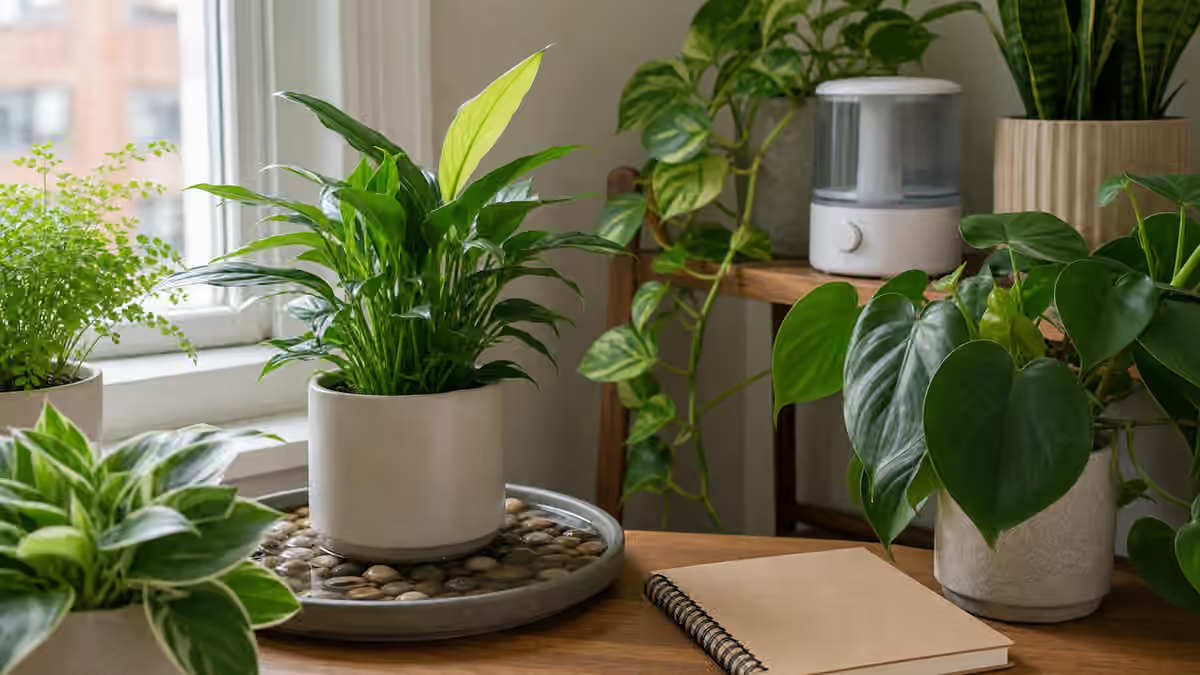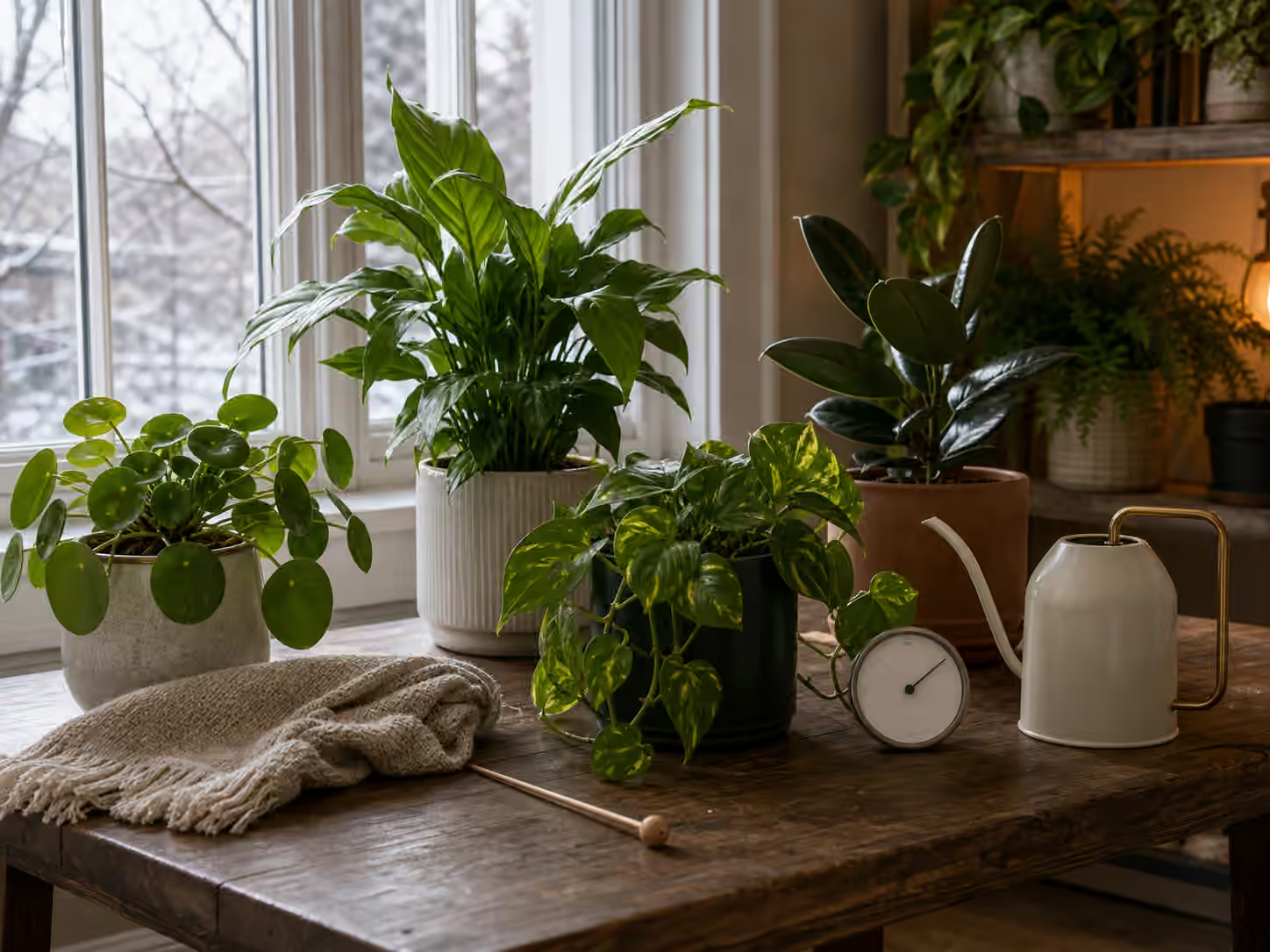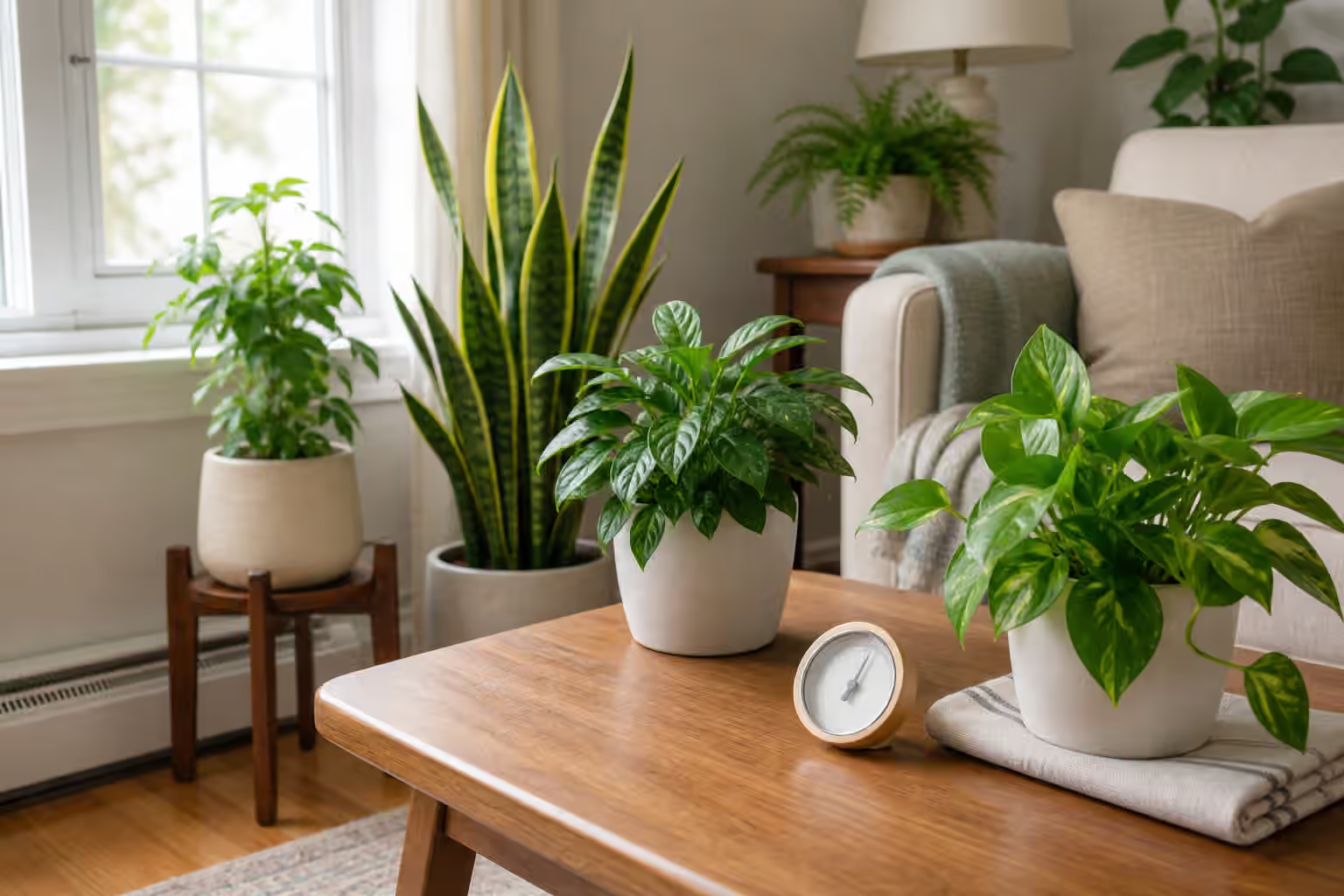
It is tempting to choose a plant for a room the way you choose a throw pillow, by imagining how it will look on the shelf. Plants, though, respond to the room as it actually behaves through the day, and the three rooms people most want to decorate with greenery are also the three most likely to fool them. Bathrooms, bedrooms, and kitchens each carry a reputation that is only half true, and sorting the true half from the myth is what keeps a plant alive rather than merely photogenic for a week.
Light decides first, everything else negotiates
Whatever a room is famous for, its light is still the thing that determines whether a plant grows or slowly starves. The single most common placement mistake is choosing a plant for a room’s humidity or mood and then setting it somewhere with almost no usable light. A windowless bathroom is a dark room no matter how steamy it gets, and steam cannot photosynthesize. Before you think about anything else, look honestly at where the daylight actually falls in the room and for how many hours, and let that answer set the shortlist. If you are unsure how to judge it, the method in how to check indoor plant light and the plain-language explanation in bright indirect light explained will save you from guessing, and knowing which way your window faces tells you how the light changes across the day.
The bathroom, minus the myth
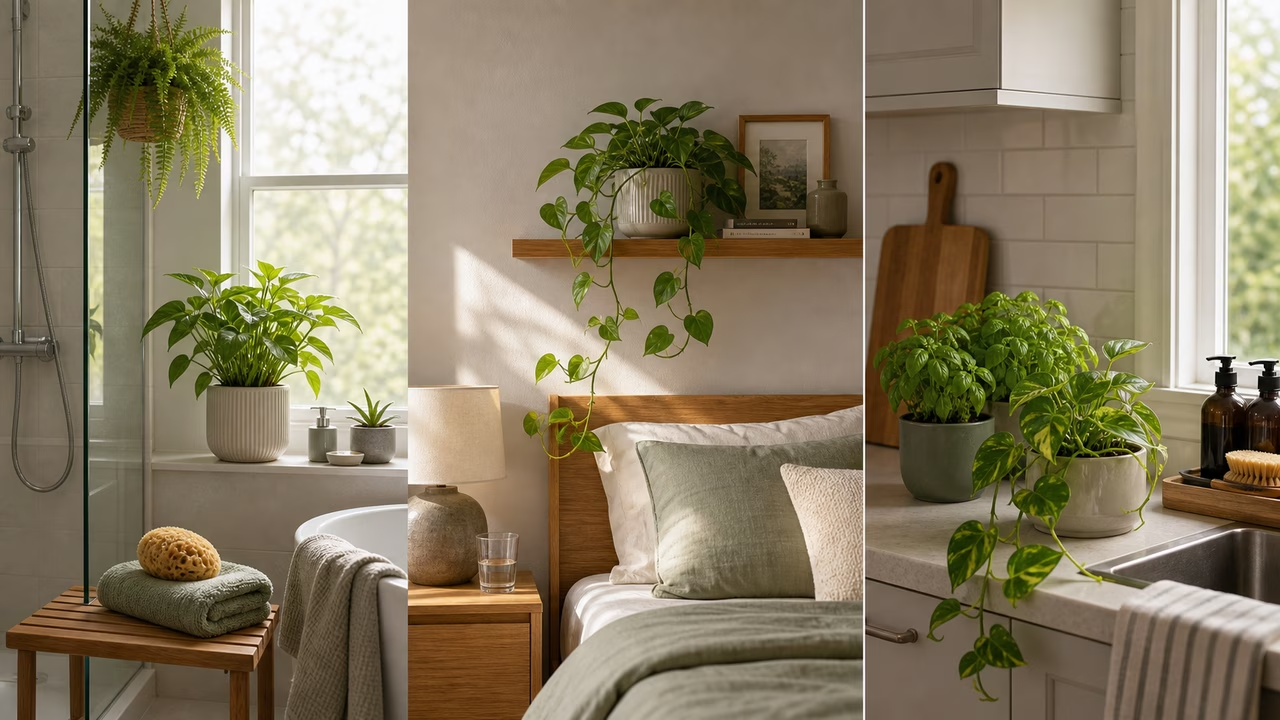
Bathrooms are sold as tropical paradises because of the shower steam, and it is true that a bathroom with a good window can suit humidity-loving plants better than a dry living room. But the humidity is intermittent, not constant, and it means nothing without light. A frosted or small window, common in bathrooms, filters out much of the brightness a plant needs. The practical version of a bathroom plant is one that tolerates lower light and does not mind the swings between a warm, damp morning and a cool, still afternoon. Watch, too, for where cleaning sprays and hair products drift, because a plant placed beside the sink or shower can catch a fine mist of chemicals it was never meant to absorb through its leaves.
The bedroom, minus the health promises
Bedrooms attract plants for calm and greenery, and there is nothing wrong with that. The honest boundary is that a plant in a bedroom is decor and living company, not a medical device. Claims that a few houseplants will meaningfully purify a room’s air or measurably change how you sleep run far ahead of what a potted plant on a nightstand actually does, and it is better to place plants there because you enjoy waking up to them than because of a promise the room cannot keep. Bedrooms are often the lowest-light room in a home, curtained and used mostly at night, so lean toward genuinely low-light tolerant plants and put them as close to the window as the layout allows. If you are arranging a bedroom for rest, the setup thinking in the Sleep Setup Lab keeps the focus on what a room can actually deliver without overstated health claims.
The kitchen, where the plant meets real weather
Kitchens are the most eventful room in the house from a plant’s point of view. Cooking throws heat, steam, and airborne grease; the oven and refrigerator create warm and cool pockets; and counters near the stove see splashes and temperature spikes that leaves do not love. A kitchen windowsill with good light is one of the best plant spots in a home, but the immediate zone around the stove is one of the worst. Grease film settles invisibly on leaves and dulls them over time, so kitchen plants appreciate the occasional gentle wipe. Herbs are the classic kitchen choice for good reason, though they are hungrier for light than most people expect and will stretch and pale on a dim counter.
Traffic, pets, and the practical safety of placement
The last layer is simply how the room is used. A narrow bathroom shelf, a nightstand you reach across half-asleep, or a busy kitchen counter all invite a knocked pot, and a top-heavy plant in a light pot is a tipping accident waiting to happen. Set heavier plants low and stable, and keep trailing stems clear of where they will be brushed or grabbed. Households with pets have an extra reason to think about placement, because a curious cat or dog will investigate a leaf at nose height. Choosing pet-safer plants for the rooms your animals frequent, and keeping the rest genuinely out of reach, is the calm approach; the Pawstead guidance on pet-aware home setup and ingestion boundaries is a sensible companion when you are deciding what goes where.
A calm way to choose
Put in order, the decision is not complicated. Start with the light the room truly offers, then check for splashes, grease, heat, and cleaning products, then account for traffic, pets, and tipping risk, and only after all of that ask whether the room’s humidity or its look still tips you toward one plant over another. A plant chosen this way tends to settle in and stay, which is worth far more than a plant chosen for a single good photograph. When you are still finding your footing, pairing this room-by-room thinking with the fundamentals in the beginner’s clinic guide and a flexible watering rhythm covers most of what a new plant needs.
When to stop the home experiment
If a room develops persistent mold beyond the ordinary damp of a bathroom, if a pet chews or ingests a plant, if a pesticide or cleaning product exposure is involved, or if someone in the home has a severe allergy, this moves past plant placement and into territory for a qualified professional. Contact a veterinarian, a clinician, your landlord, or a remediation specialist as the situation calls for. This guide can help you place plants thoughtfully. It cannot substitute for that help when safety is the question.