No phrase on a plant tag causes more quiet confusion than “bright indirect light.” It sounds precise, yet it names two things at once that feel contradictory: the plant wants a lot of light, and it does not want that light to fall on it directly. New plant owners read it, glance around a room that feels perfectly bright to their eyes, and set the plant almost anywhere, because to a human standing in a lit room, every corner looks usable. The plant sees the room very differently, and learning to see it the plant’s way is the whole skill.
What the phrase is actually describing
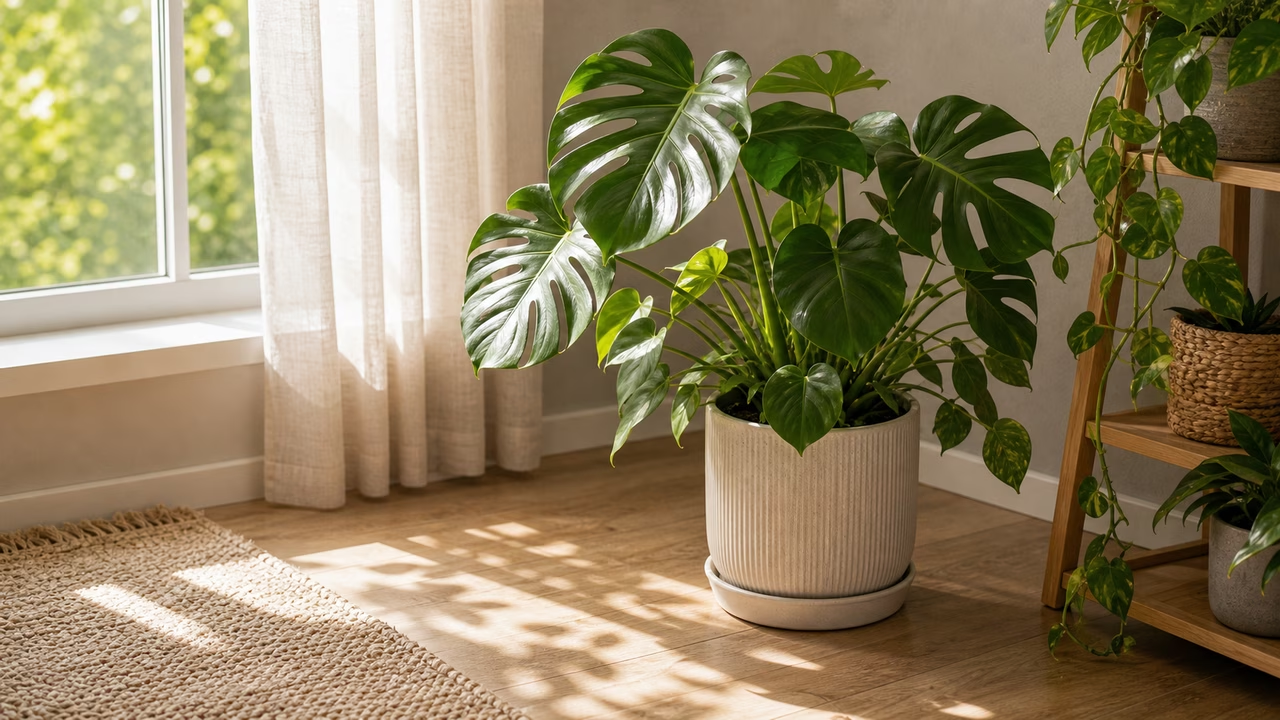
Bright indirect light means a spot that receives plenty of daylight but where the sun’s rays do not strike the leaves as a direct beam. Picture standing just back from a window, out of the path of the sunbeam yet still able to see a wide, open view of sky. That plant is bathed in light bouncing off the sky, the walls, and the room, which is exactly what most tropical foliage plants evolved to use. In their native forests they grow beneath a canopy, receiving strong ambient light but rarely a naked shaft of tropical sun. Your living room, at its best spots, imitates that canopy. The phrase is not vague on purpose; it is describing a quality of light that our eyes, which adjust automatically, are simply bad at judging.
Two tests that translate it into your room
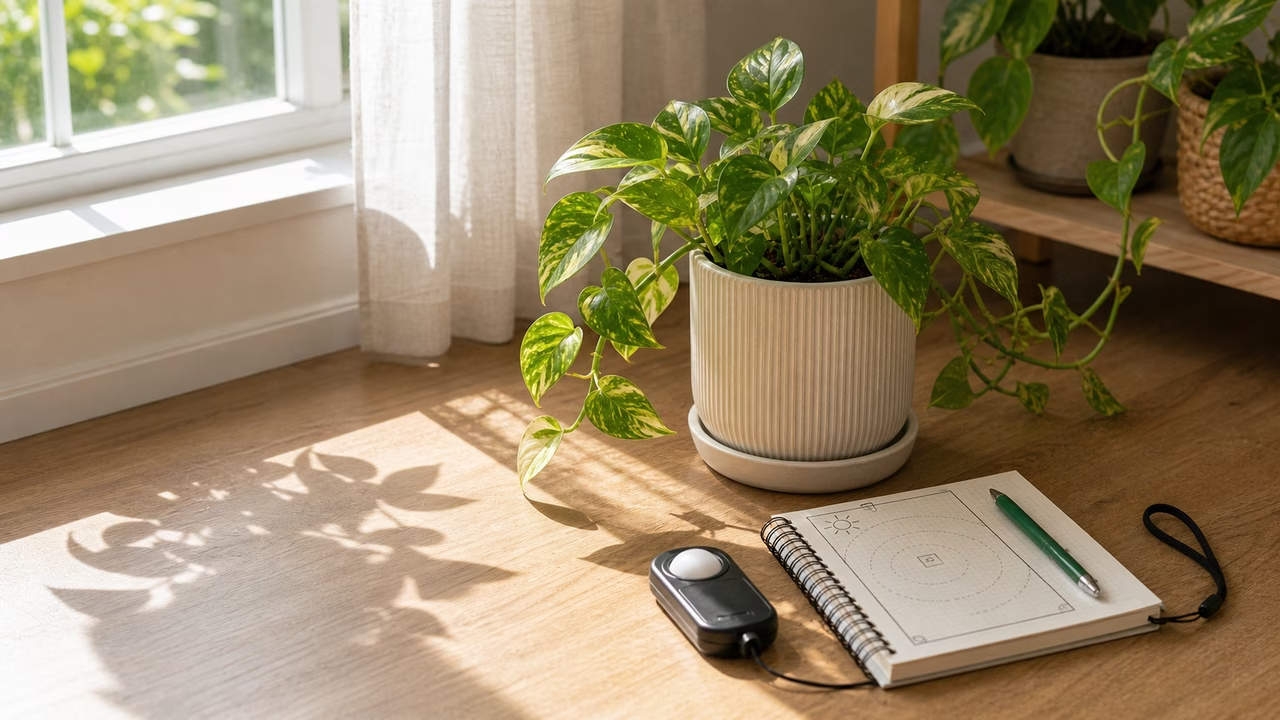
Because eyes deceive, use your hands and a piece of paper instead. Hold your hand a foot above the surface where the plant will sit, at midday, and look at the shadow it casts. A hard-edged, crisp shadow means direct sun is reaching that spot, which is more than bright indirect and may scorch sensitive leaves. A soft-edged shadow, clearly present but with fuzzy borders, is the signature of bright indirect light. No shadow at all means the spot is too dim, whatever your eyes tell you. The second test is even simpler: from where the plant will sit, can you see a large patch of open sky? The more sky visible, the brighter the ambient light, and the closer to the window without a direct beam, the better. These two checks turn an abstract phrase into a decision you can make in ten seconds.
The two mistakes that undo good intentions
Beginners tend to err in opposite directions, and both come from trusting the eye. The first mistake is the dark corner. A room can feel bright to a person because their vision compensates, while a bookshelf across the room from the window receives a tiny fraction of the light a plant needs. A plant parked there does not die dramatically; it stretches toward the window, spaces its leaves farther apart, pales, and stops making new growth, quietly starving over months. The second mistake is the opposite: reading “bright” and pressing the plant against hot south- or west-facing glass, where the afternoon sun magnifies through the pane and bleaches or crisps tender leaves. Bright indirect light lives in the generous middle between these two, and most rooms have such a spot if you look for it rather than assume it.
Reading how the plant answers
The plant will tell you whether you guessed right, but not overnight, and not in a way you can read on the first day. Give a new position a few weeks and watch the newest leaves. Growth that stays compact, evenly colored, and steady is the sign of a happy amount of light. Leggy stems reaching hard toward the window, with widening gaps between leaves and shrinking new foliage, mean the spot is too dim, and the fix is to move closer to the glass. Pale, bleached patches or dry, scorched edges on the side facing the window mean too much direct sun, and the fix is a step back or a sheer curtain to soften the beam. Change one thing, note the date, and let the plant answer before you move it again, because a plant shuffled from window to window every few days never gets the chance to respond to any of them.
When the room simply cannot deliver
Some rooms and some seasons will not offer bright indirect light no matter where you set the plant. A north-facing apartment in winter, a room whose only window is small or shaded by a building or tree, or a spot you love for reasons that have nothing to do with daylight may all fall short. In those cases a plant that genuinely tolerates lower light is the graceful answer, and a grow light is the honest one when you want a brighter-loving plant in a dim room. It helps to know how your particular windows behave, since a south, east, or west window each offers a different intensity and timing of light, and the broader method in how to check indoor plant light ties these observations together.
Keeping light in proportion
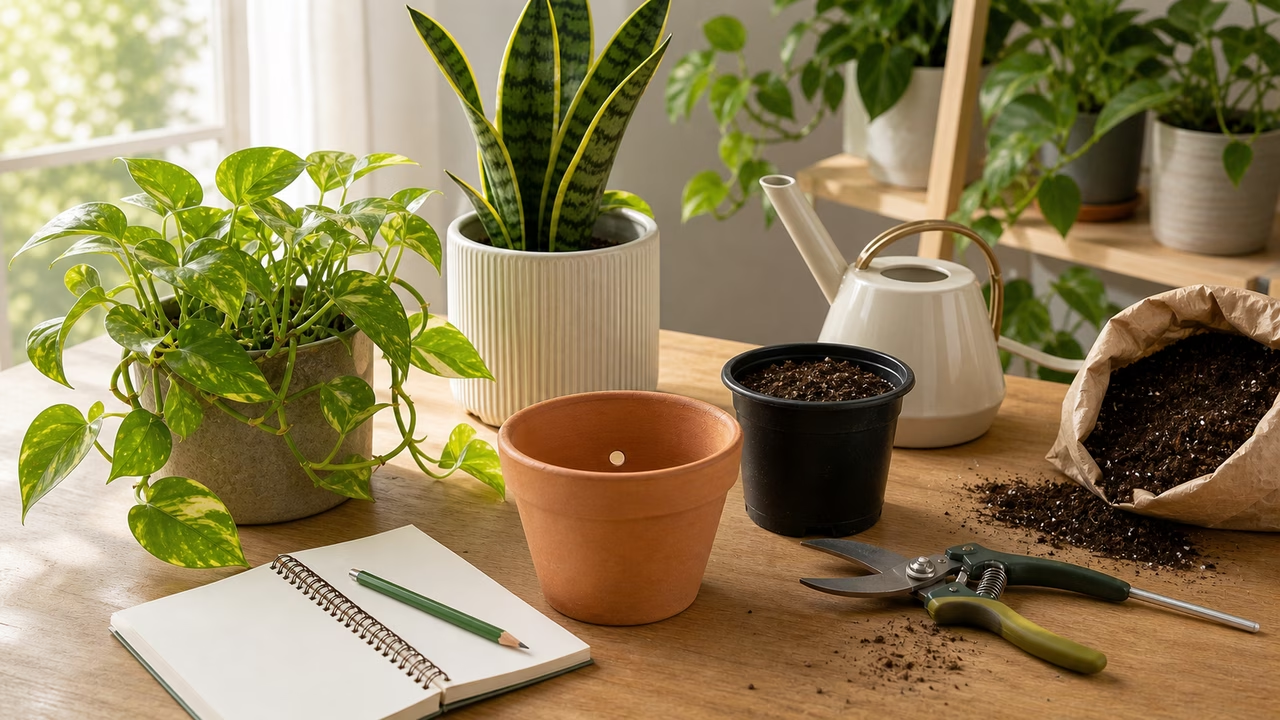
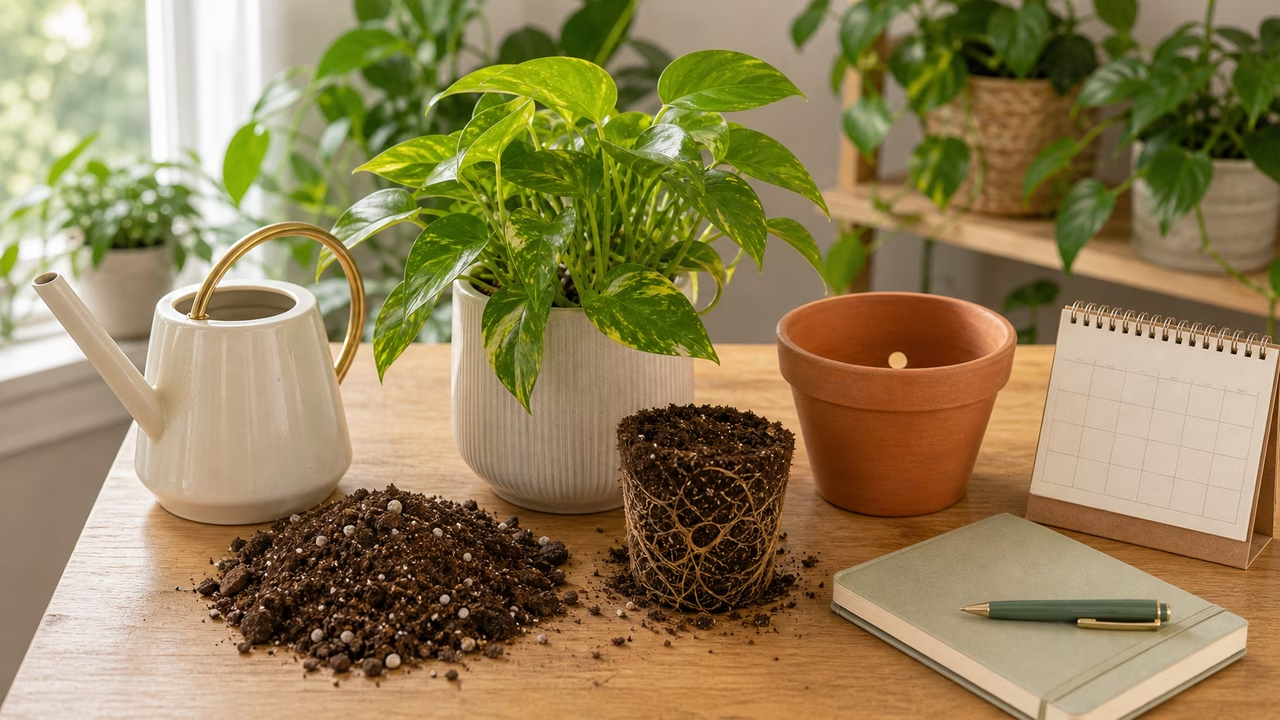
Light is the engine, but it works alongside water and roots rather than replacing them. A plant in brighter light will use water faster and dry out sooner, so a move to a better-lit spot usually means checking the soil more often, which is exactly why a flexible watering rhythm beats a fixed calendar. If you are just starting out, folding this light awareness into the wider fundamentals in the beginner’s clinic guide will keep the whole picture in balance.
When to stop the home experiment
Light problems are among the gentlest a plant faces, and correcting placement is nearly always safe to do at home. The boundary worth keeping is the same one that applies to any plant issue: if a pet chews a plant, if a pesticide exposure or severe allergy is involved, if serious mold appears, or if a plant keeps declining after light, water, and placement have all been addressed, the situation calls for a qualified professional rather than another adjustment on your part. This guide can help you find the right window. It is not a substitute for a veterinarian, clinician, or specialist once safety is the question.