A curling leaf is a shape, and shapes are more informative than colors when you are trying to work out what a plant is telling you. A leaf that curls has changed its geometry deliberately, folding, cupping, or twisting in a specific direction, and each direction tends to point at a different cause. The trouble is that the most popular internet answer to leaf curling, which is to reach for a spray bottle and mist, addresses the least likely cause and ignores the rest. Reading the curl before you act is what turns a vague worry into a decision.
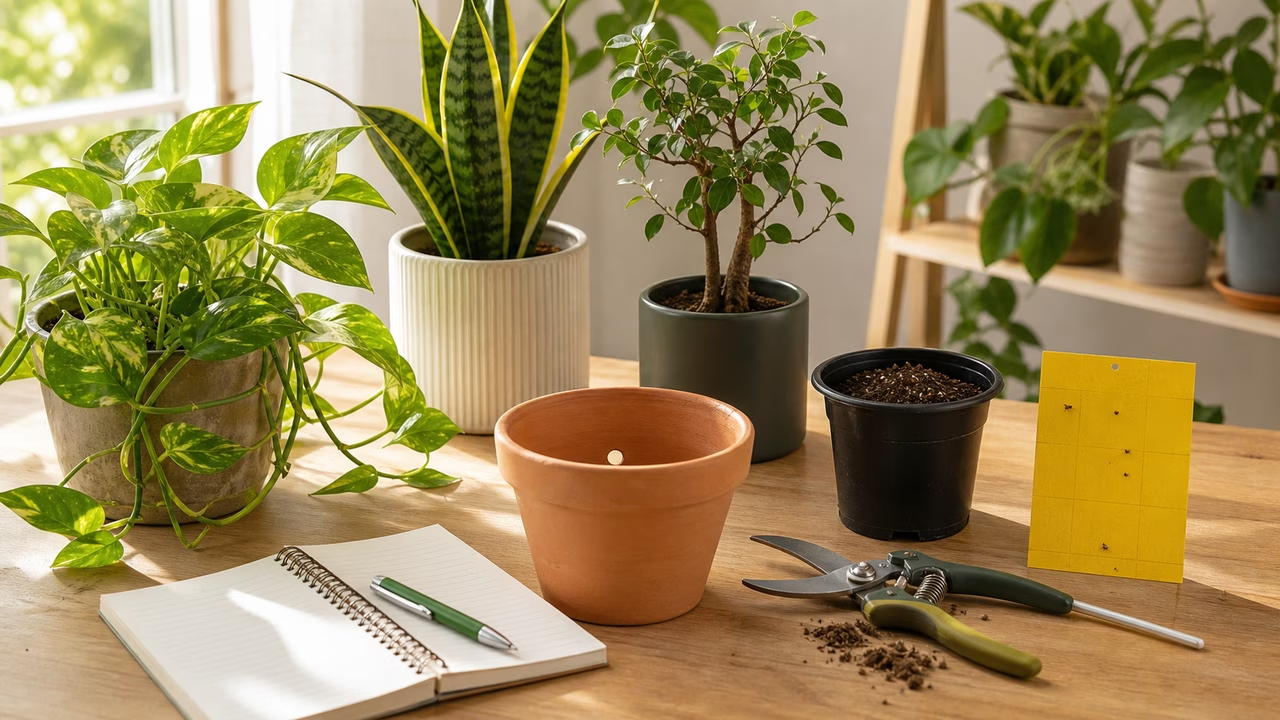
Which way is it curling, and which leaves
Start by noticing the direction of the curl and which leaves are affected. Leaves that curl downward and inward, drooping and cupping toward the pot, often signal a plant that is thirsty or has struggling roots that cannot move water fast enough. Leaves that curl upward, folding along the midrib like a taco or cupping their edges toward the ceiling, more often signal too much heat or light, or a plant trying to reduce the surface exposed to a harsh beam or a dry draft. Twisted, distorted new growth that never opens flat is a third and more suspicious pattern, because healthy new leaves emerge and then flatten as they mature, and new growth that stays crumpled points toward either a pest working on the tender tissue or a stress happening right at the growing tip. Old leaves curling is usually about the past; new leaves curling is about the present.
Rule out pests before you blame the air
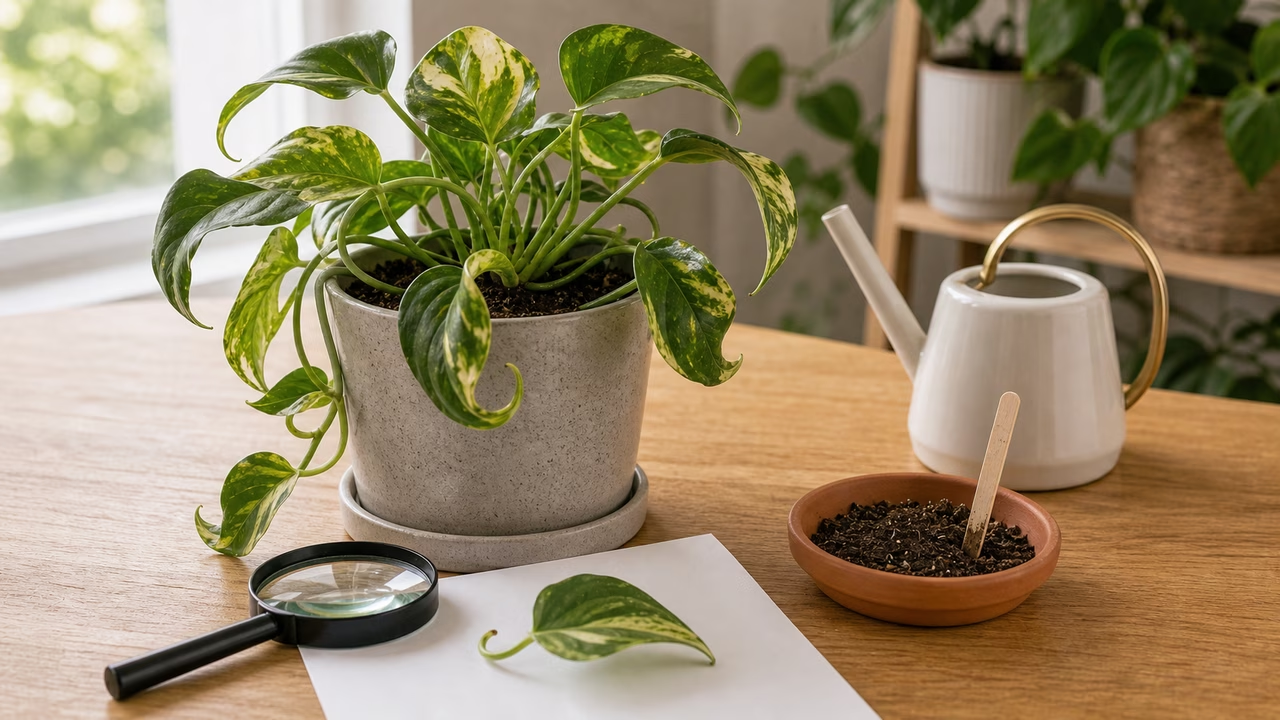
The most important early step, and the one most often skipped, is a genuine pest inspection of the tightest new growth. Several tiny insects deform leaves precisely because they feed on the soft, unopened tissue at the growing tip, and by the time the leaf unfurls it is already twisted. Aphids cluster on new stems and buds; thrips rasp the surface and leave silvery scarring; and fine webbing with dusty stippling suggests something else again. Take the plant to a bright window or shine a light on it, turn the newest leaves over, and look at the undersides and the crevices where leaf meets stem. A phone camera’s macro mode makes the difference between seeing nothing and seeing legs. If you find anything, isolate the plant away from the collection before doing anything else, and work through the aphids, thrips, and mystery bugs guide to identify what you are dealing with. Ignoring insects because they are tiny is how a one-plant problem becomes a shelf-wide one.
Light, heat, and drafts
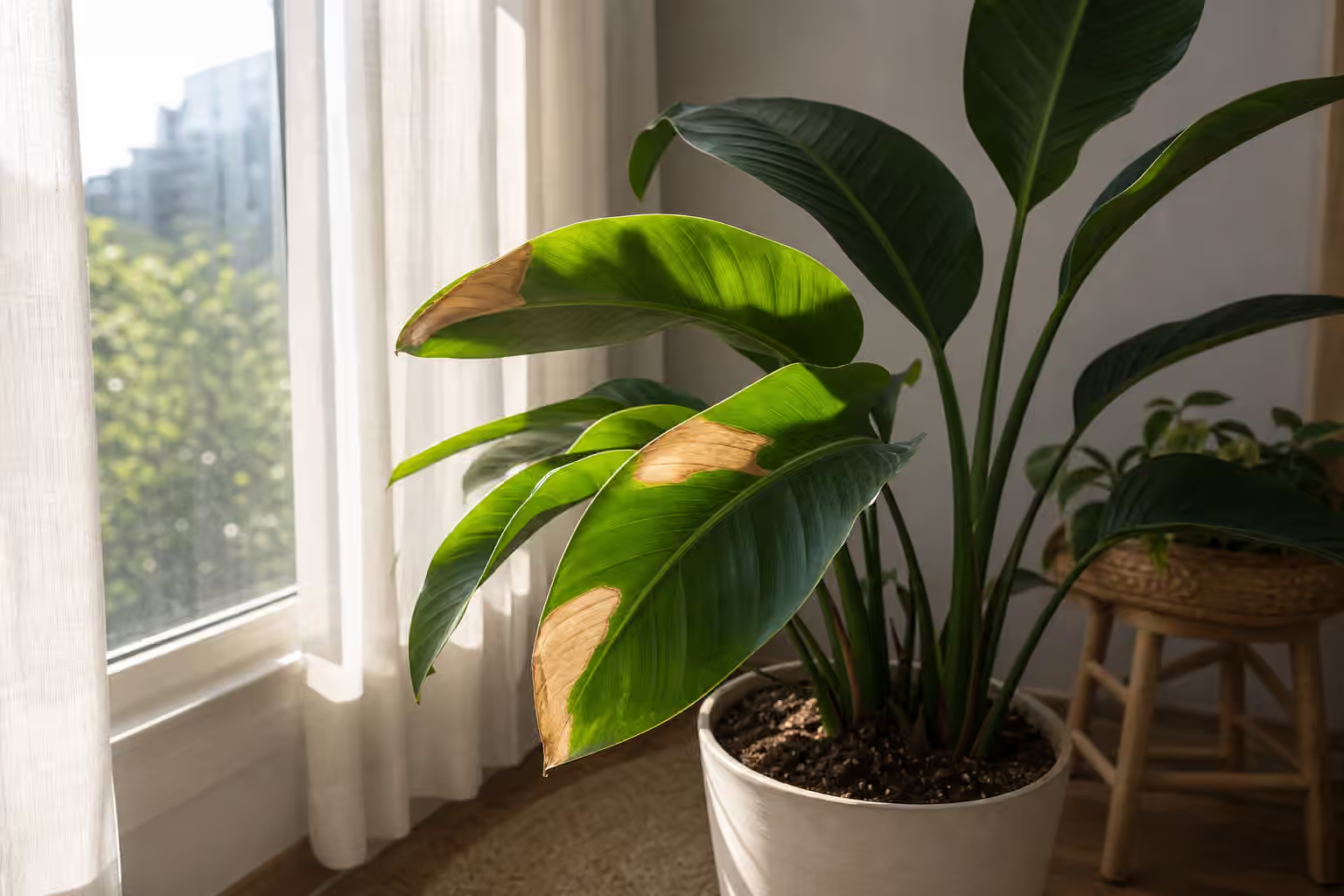
If the plant is clean, look at where it sits. Curling that appears on the side facing a bright window, especially upward cupping paired with pale or crisped patches, suggests the light is too direct or too hot, and easing the plant back from the glass or softening it with a sheer curtain often settles the leaves. Curling near a heat vent, a radiator, or a frequently opened winter door can be the plant reacting to a hot or cold draft that dries and stresses the leaf. Cold drafts in particular can make broad-leaved tropicals cup and curl within a day or two of a temperature swing. Moving the plant to a steadier spot, out of the direct path of moving air, is a small change with an outsized effect, and the bright indirect light guide helps you judge whether a given spot is too intense.
Watering swings, which do most of the quiet damage
Curling that comes and goes often tracks a watering routine that swings between extremes. Soil that goes from fully soaked to bone dry and back forces the plant to keep catching up, and leaves cup and droop during the dry stretch, then partly recover after a drink, in a cycle that never lets the plant settle. The fix is not more water or less water in the abstract but a steadier rhythm keyed to the soil’s actual moisture, checked by weight and touch rather than the calendar, which is exactly the approach in stop watering on a schedule . Stabilizing the watering usually calms curling more reliably than any humidity intervention, because for most common houseplants roots and water matter more than the moisture in the air.
Humidity, in its proper place
Humidity does play a role for certain thin-leaved tropicals, and genuinely dry indoor air can contribute to curling and edge damage. But humidity belongs at the end of the checklist, not the start, and misting is a weak tool for the job because it lifts humidity only for the few minutes the droplets sit on the leaf. If dry air truly seems to be a factor after you have ruled out pests, light, and watering swings, grouping plants together or using a humidity tray does more lasting good than a spray bottle. Treating humidity as more important than light and roots is one of the most common ways owners chase the wrong fix for weeks. Comparing curling against related symptoms like brown tips , yellowing , and general drooping helps you tell an air problem from a water or root one, and the beginner’s clinic guide keeps the whole process orderly.
A calm order of operations, and what recovery looks like
Put together, the calm sequence is: inspect the tightest new growth for pests under good light, isolate if you find any, then check the plant’s exposure to direct sun, heat, and drafts, then stabilize the watering, and only after all of that consider humidity. Change one variable, write down the date, and let the plant answer over weeks rather than hours. Leaves that have already curled and hardened may never flatten again; judge your success by the new leaves that emerge and open properly. If the next set unfurls flat and even, you have found the cause. If it does not, change the next variable and wait again.
When to stop the home experiment
Adjusting light, water, and airflow is safe to do yourself, and isolating a plant for a suspected pest is exactly the right first move. Escalate when the situation crosses a boundary: a pet chewing or ingesting the plant, a pesticide exposure or severe allergy, serious mold, an infestation spreading faster than you can contain it, or a plant that keeps declining after you have corrected the basics. Those call for a veterinarian, clinician, or licensed pest-control professional. This guide can help you read a curling leaf and choose a first response. It is not a substitute for professional help once safety is involved.