A surprising share of houseplant deaths that get blamed on overwatering are really drainage deaths. The owner watered a reasonable amount, but the water had nowhere to go, so it pooled at the bottom of the pot and sat against the roots for days. Understanding how a pot lets water out, and how the pretty container it hides inside can quietly trap that water, is one of the highest-leverage things a new plant owner can learn, because it changes the plant from a guessing game into a system you can actually see.
Why a drainage hole matters more than it looks
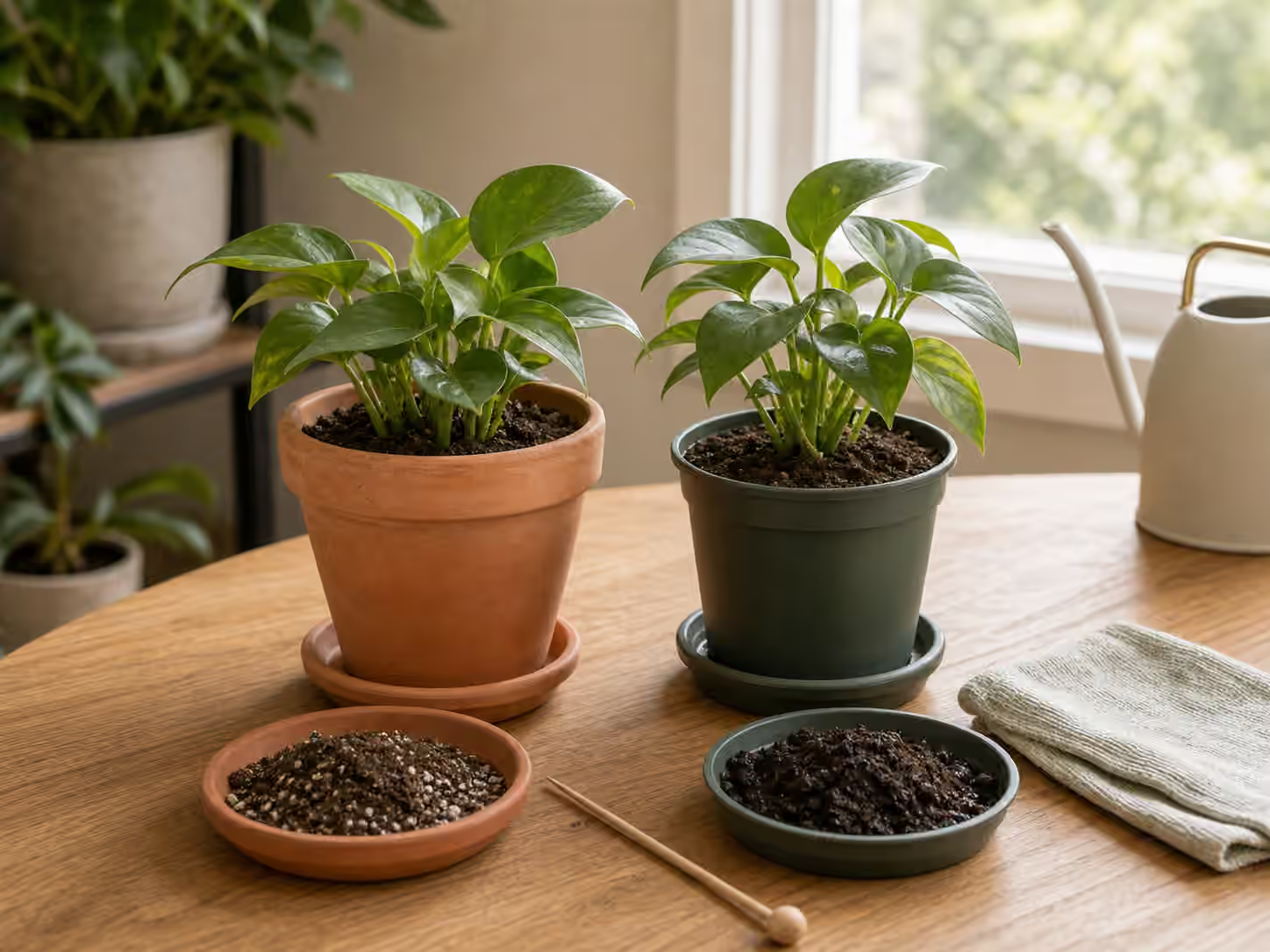
Roots need both water and air, and they get their air from the pockets between soil particles. When water fills those pockets and cannot escape, it displaces the air, and roots left sitting in that airless, saturated zone begin to suffocate and rot. A drainage hole is simply the exit that lets excess water leave after a watering, so the soil moves from soaked to merely moist to slightly dry over the following days, cycling through wet and airy states the way roots prefer. A pot without a hole has no such cycle. Water goes in, some evaporates from the top, but the bottom of the pot stays a swamp, and the roots down there are the ones that keep the whole plant alive. This is why a real drainage hole is not a nice-to-have but the foundation of everything else you do with watering.
The two-pot reality most plants arrive in
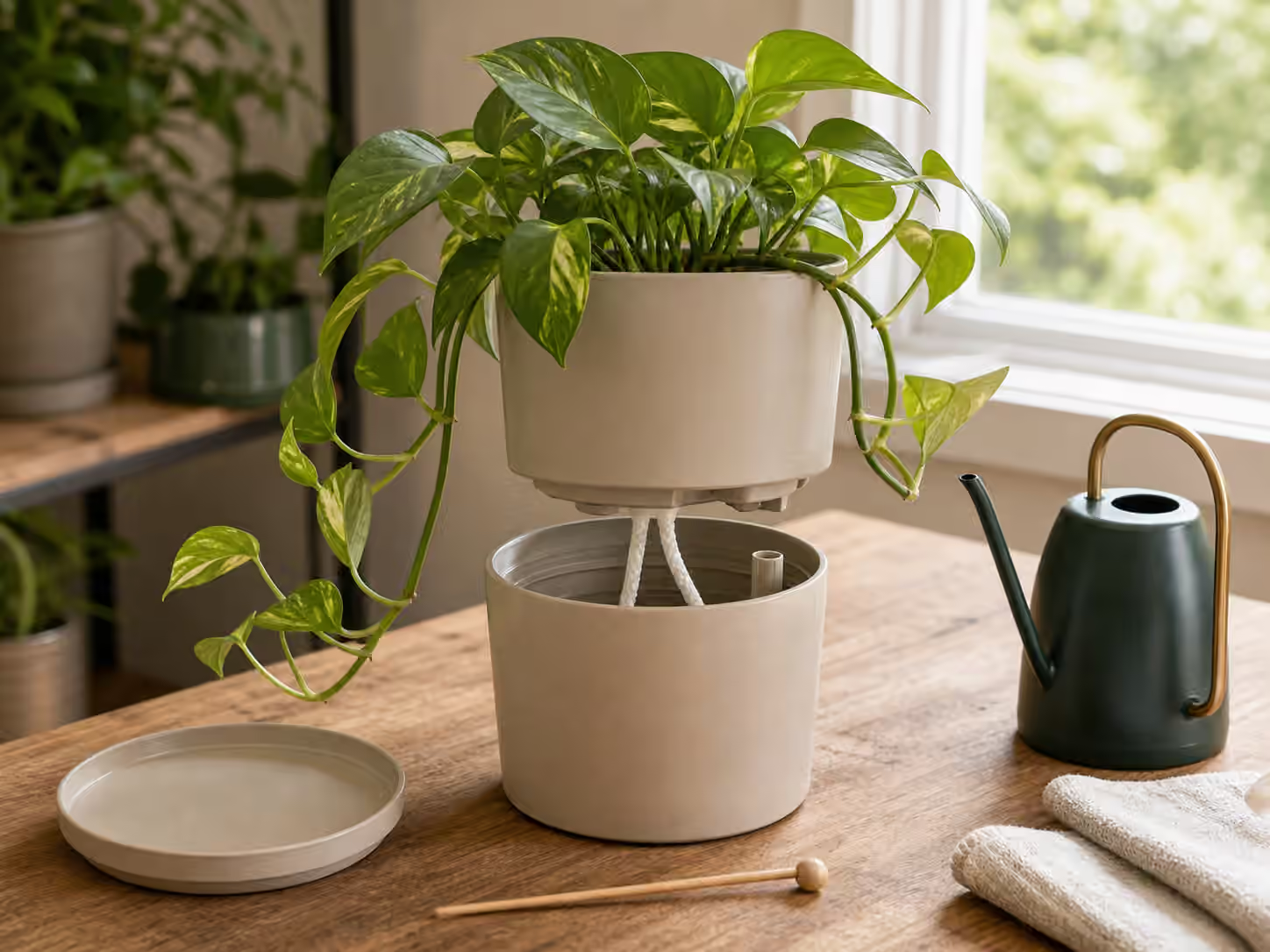
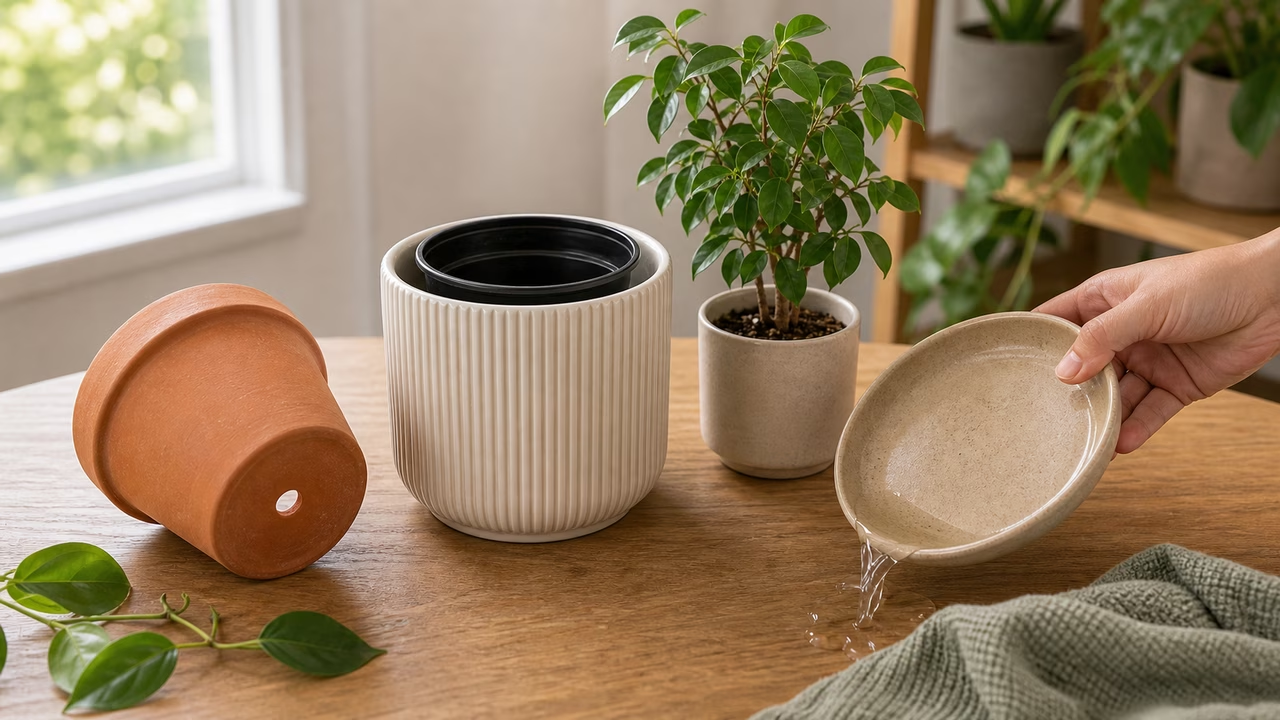
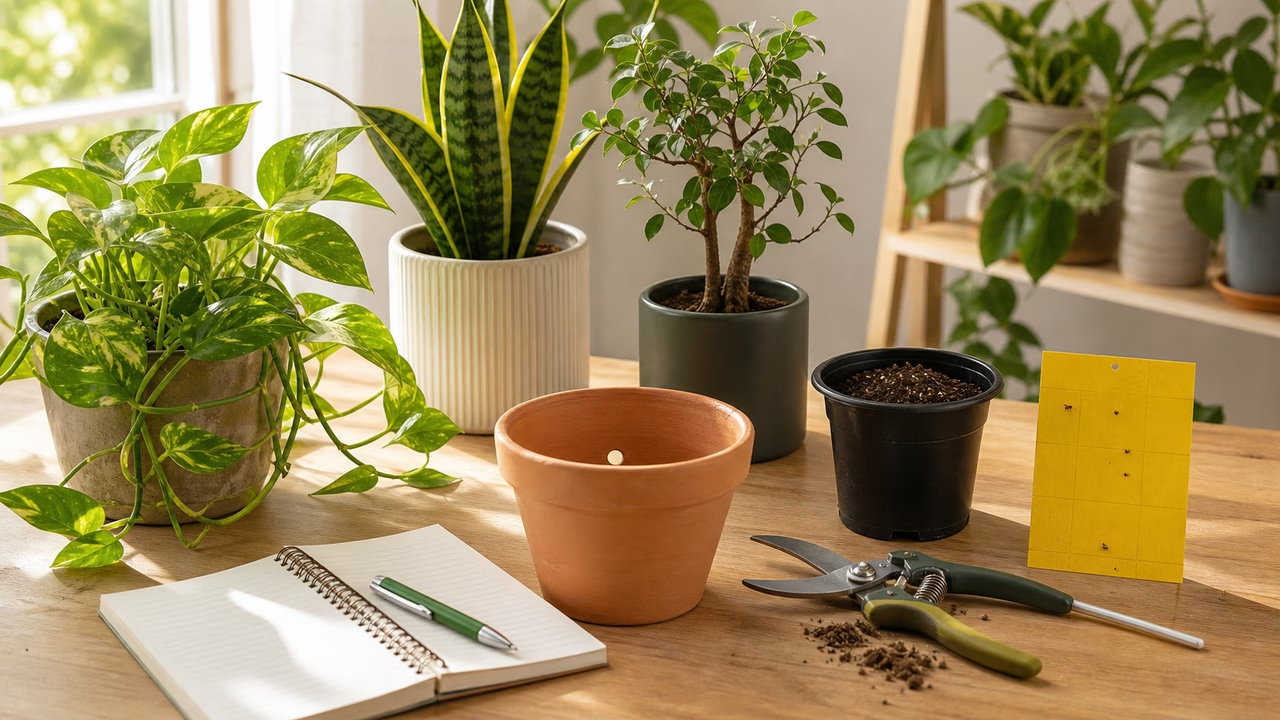
Most houseplants are sold in a thin plastic nursery pot full of drainage holes, then dropped into a prettier container for display. That prettier container is a cachepot, sometimes called a cover pot or a sleeve, and the two-pot arrangement is genuinely good design when you understand it. The nursery pot does the real work of draining, and the decorative cachepot hides it and catches the runoff. The danger is forgetting that the cachepot has no drainage of its own. Water runs out of the inner pot, collects in the bottom of the outer one, and if you never check, the nursery pot ends up standing in a reservoir of water, which recreates the exact swamp you were trying to avoid. The cachepot is not the villain; forgetting to empty it is.
The mistakes that turn a good setup bad
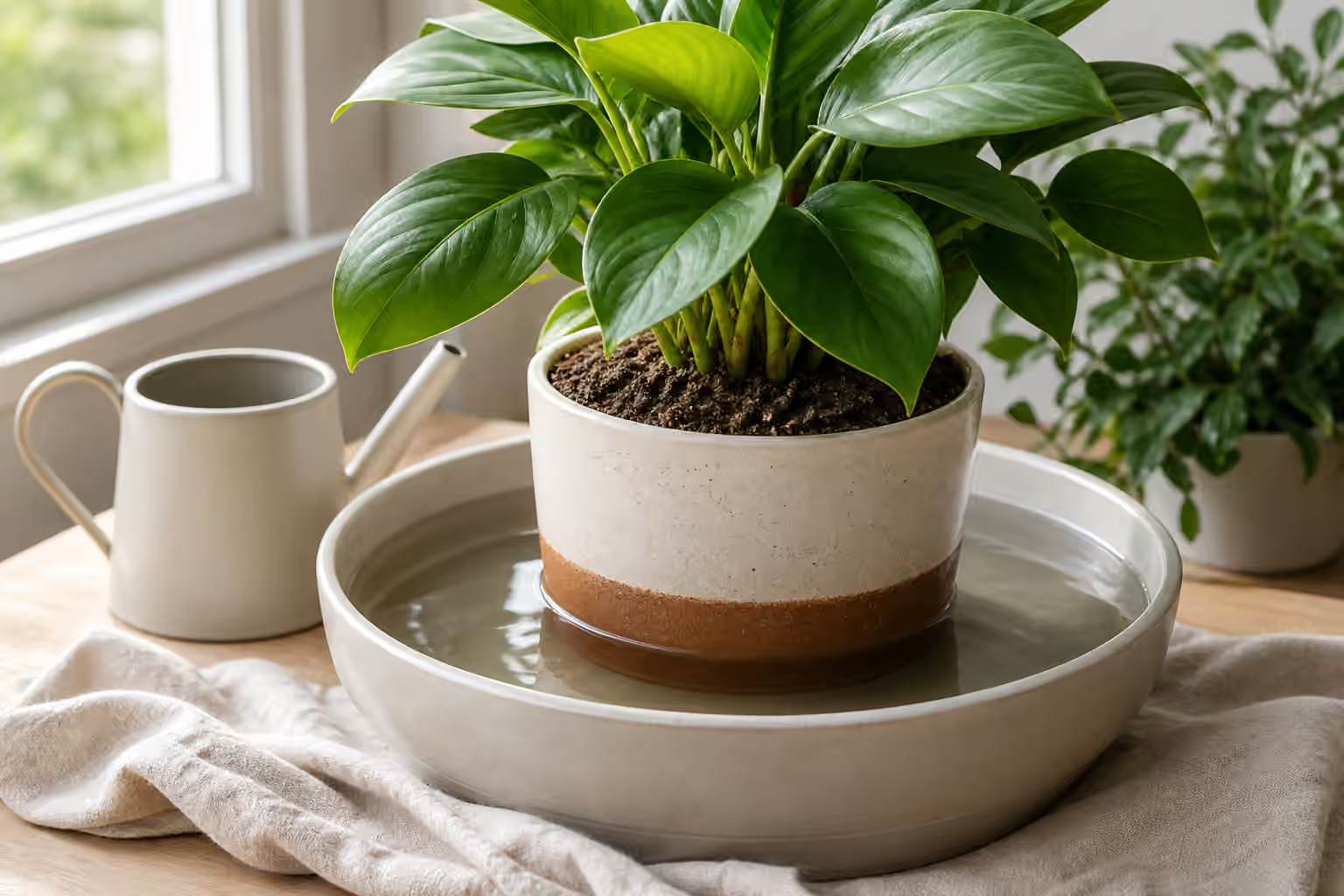
Three habits undo drainage most often. The first is planting a root ball directly into a sealed decorative pot because it looks tidier than the two-pot arrangement, which leaves the plant with no exit at all. The second is leaving the nursery pot sitting in whatever water collects in the cachepot or saucer, so the plant wicks that water back up indefinitely. The third is the old myth of adding a layer of gravel, pebbles, or pot shards to the bottom of a pot to improve drainage. That layer does not help, and it can hurt, because water does not drain freely from fine soil into a coarse layer until the soil above is fully saturated. The result is a raised zone of soggy soil sitting on top of the rocks, which is the opposite of the goal. What water actually needs is not a decorative layer but a hole and a place to go.
The calm, working arrangement
The reliable setup is simple and forgiving. Keep the plant in a pot that truly drains, whether that is the nursery pot or any container with holes, and treat the decorative container as an outer sleeve. When you water, either lift the inner pot out, water it at the sink, let it finish draining fully, and only then set it back into the cachepot, or water it in place and come back a few minutes later to pour off whatever has collected below. Either way, the rule is the same: no standing water against the roots. A saucer under a draining pot follows the identical logic, empty it after the plant has finished draining rather than letting the pot sit in the puddle.
If the observation points to a setup gap, compare drainage pots as a category, not as a miracle fix. Buy only when the tool answers the exact problem you found.
Reading the pot as a signal
Once the drainage is right, the pot itself becomes an instrument you can read. Lift it just after watering and again a few days later; the change in weight tells you how much water the plant is actually using and roughly when it has dried down, which is the heart of watering by observation rather than by calendar, as the moisture meters, fingers, and pot weight guide explains. A pot that stays heavy and cold for many days after watering, especially if the soil smells sour, is warning you that water is not leaving fast enough, whether because there is no hole, because standing water is being wicked back up, or because the potting mix is too dense to breathe. That sour smell is one of the clearest early signs of the airless, waterlogged conditions behind root rot, and it connects directly to the overwatered versus underwatered question that confuses so many owners. When drainage is sound, the plant’s own weight and the smell of its soil become a running report you can trust, which is why fixing drainage so often quiets a long list of other complaints. Folding this into the wider fundamentals in the beginner’s clinic guide and a flexible watering rhythm covers most of what keeps roots healthy.
When to stop the home experiment
Improving drainage and emptying standing water are safe, everyday adjustments you can make yourself, and they resolve a great many struggling plants. Escalate beyond home troubleshooting when the situation crosses a line: if a pet chews or ingests a plant, if a pesticide exposure or severe allergy is involved, if serious or spreading mold appears, or if a plant keeps declining after you have corrected drainage, watering, and mix. In those cases a veterinarian, clinician, landlord, or remediation professional is the right resource. This guide can help you set up a pot that drains and read what the soil is doing. It is not a substitute for professional help once safety is the question.