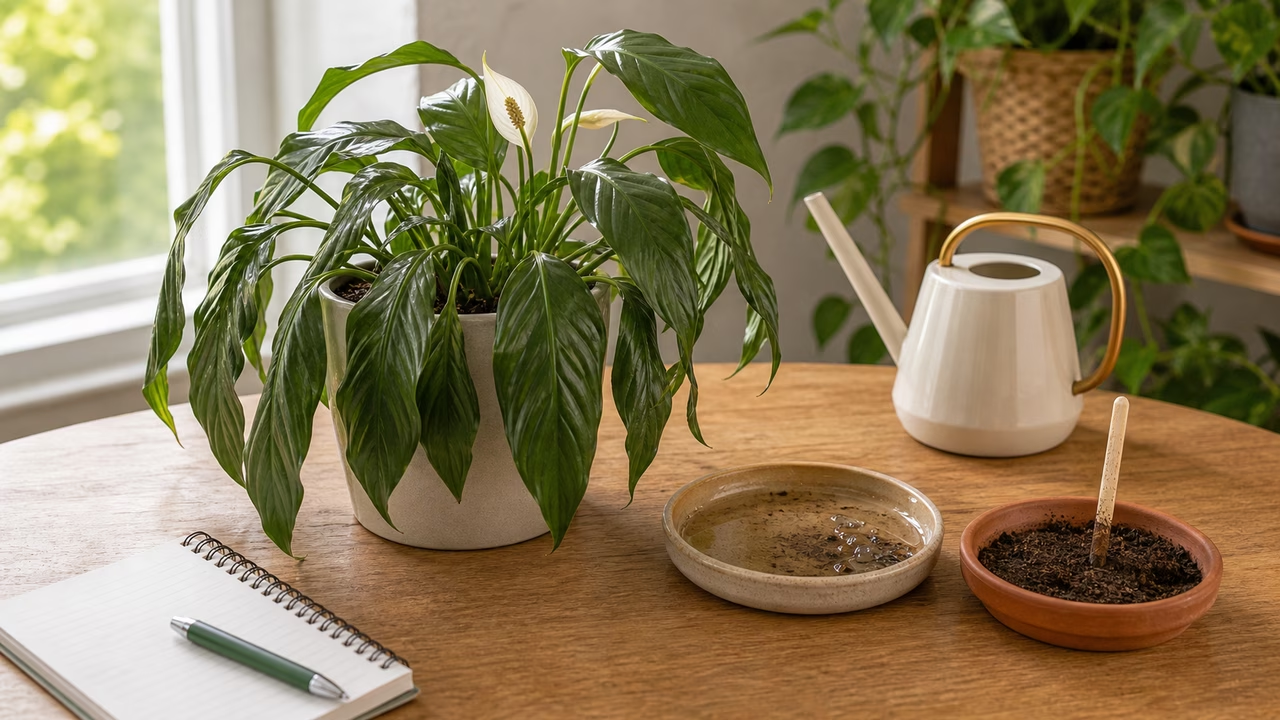
A drooping plant is asking for something, but it is a poor communicator: the same slumped posture can mean the soil is bone dry or that the roots are drowning. Drooping is the plant equivalent of a raised temperature. It tells you something is wrong without telling you what. The whole skill of reading a droop is refusing to accept the most obvious explanation until the evidence agrees with it.
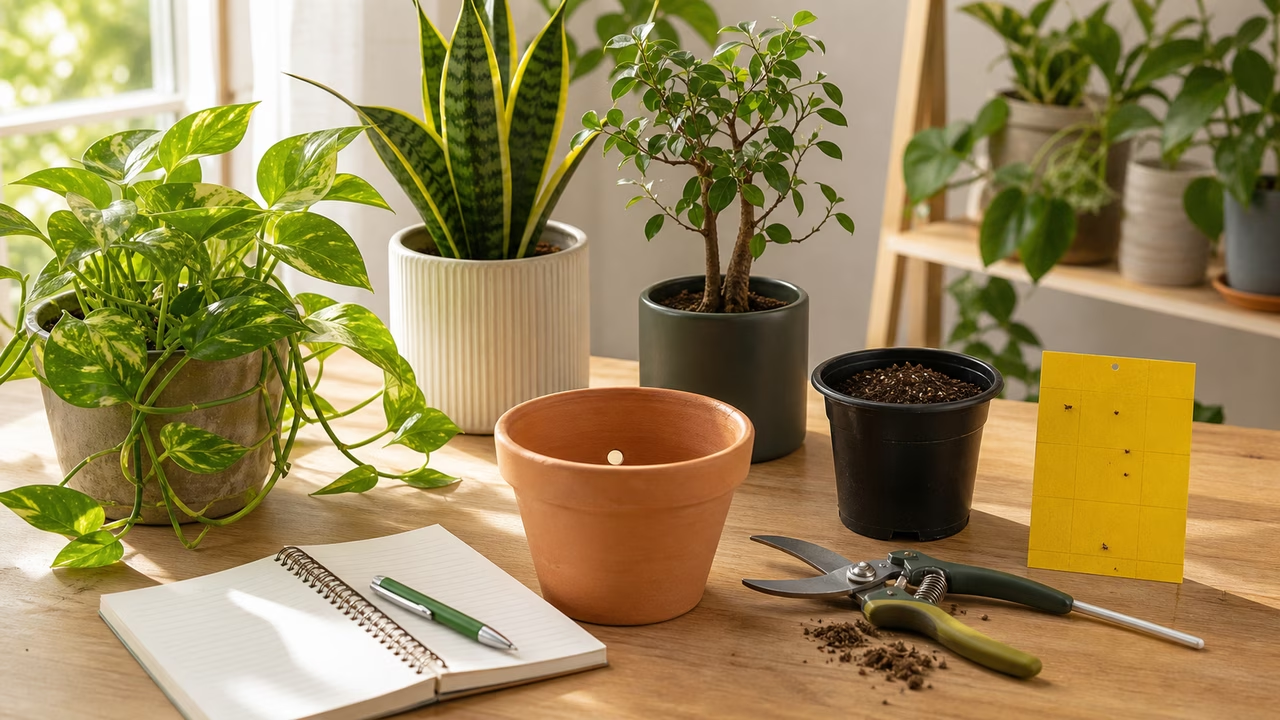
What a droop actually is
When leaves and stems lose their firmness, they are losing turgor: the internal water pressure that keeps plant cells rigid enough to hold a leaf out flat and a stem upright. Turgor collapses for two opposite reasons. Either the roots cannot find enough water to push into the leaves, or the roots have been damaged and can no longer move water even when the soil is soaked. This is why watering a wilted plant is sometimes exactly right and sometimes the worst possible move. Same symptom, opposite cause, opposite cure. Your job before you touch the watering can is to figure out which world you are in.
Read the soil before you read the leaves
Push a finger two knuckles deep into the pot, or lift the pot and feel its weight. Dry soil is light and the surface pulls away from the pot edge; a plant wilting in genuinely dry soil that firms back up within hours of a thorough drink was simply thirsty, and the lesson is to water a little sooner next time rather than to change anything drastic. Wet soil is heavy, dark, and sometimes sour-smelling, and a plant drooping in wet soil is the one to worry about. Roots sitting in saturated mix run out of oxygen, begin to die back, and then cannot supply the leaves no matter how much water surrounds them. The plant looks thirsty precisely because it is effectively unable to drink. Pouring more water into that pot deepens the problem.
If the soil is wet and the droop is dramatic, slip the plant out of its pot and look. Healthy roots are pale and firm; failing roots are brown, soft, and slide out of their outer sheath when you pinch them. That inspection, done once, settles the argument the leaves cannot settle on their own. If you find rot, the fix is drier conditions, better drainage, and patience, not another watering. The related notes on overwatered versus underwatered houseplants and root rot basics go deeper once you suspect the wet side of the ledger.
When the soil is fine and the plant still sags
Plenty of droops have nothing to do with water. A plant that stood near an open window during a cold night, or one that sits in the path of a heating vent or an air conditioner, can wilt from temperature stress alone; the tissue is fine but the swing was sharp. Move the plant somewhere with steadier air and it usually recovers on its own. A plant carried home from a shop, repotted, or shuffled to a new room will often slump for a few days as its roots recover from being disturbed and its leaves adjust to a different light level. This is transplant and transport shock, and the correct response is almost nothing: keep the light and watering steady and let it settle rather than piling on corrections. Some plants also droop under a genuinely heavy demand for water on a hot, bright afternoon and quietly perk back up by morning, which is normal daily movement rather than a problem to solve.
Change one thing, then wait
The trap with a drooping plant is speed. Because the symptom looks urgent, it invites a flurry of interventions in a single afternoon: a big drink, a move to a brighter window, a dose of fertilizer, a bigger pot. Do all of that at once and you have learned nothing, because if the plant recovers you cannot say why, and if it declines you cannot say which change hurt. Pick the single most likely cause from what the soil and setting told you, make that one adjustment, note the date, and give the plant enough time to answer. Recovery from a genuine thirst is fast, often within a day. Recovery from root damage or shock is slow and shows up in the next new leaf rather than in the sad old ones, so measure success by what grows next, not by whether today’s droop lifted by dinner.
Common misreadings to avoid
The most frequent mistake is watering every droop on reflex, which quietly kills more houseplants than neglect ever does because it keeps the roots of an already soggy plant underwater. The second is moving the plant repeatedly in one day chasing an instant rebound, which stacks a fresh dose of adjustment stress on top of whatever was already wrong. The third is trusting the leaves over the soil: a plant can look desperately thirsty while standing in a swamp, and believing the leaves in that moment leads you exactly the wrong way. In each case the fix is the same discipline. Let the pot’s weight and the root zone, not the drama of the foliage, decide your next move.
Boundary and when to stop experimenting
Everyday drooping is well within the range of things you can read and correct at home. Watch the plant in the same spot over the coming week or two, keep your one-line notes, and let the new growth tell you whether your read was right.
Stop the home experiment when the issue involves pet chewing or ingestion, pesticide exposure, heavy mold, severe allergies, unsafe infestation, or a plant that keeps declining after the basic setup is corrected. A houseplant guide can organize observations. It should not replace a veterinarian, clinician, landlord, remediation professional, or licensed pest-control professional when those boundaries are involved.
For the neighboring symptoms that often travel with a droop, the notes on yellowing leaves and on why a schedule beats you to the wrong answer are the natural next reads, and the broader Houseplant Clinic for Beginners ties the whole observe-first method together.