Ficus has a reputation as a diva, and the reputation is only half deserved. The genus covers the weeping fig with its glossy cascade of small leaves, the broad-leaved rubber plant, the sculptural fiddle-leaf fig, and more, and what they share is not fussiness so much as a strong dislike of change. A ficus that keeps the same bright window, the same watering rhythm, and the same corner of the room will settle into a long, steady, almost boring life. The trouble starts when it is moved, and understanding that one trait explains most of what beginners find frustrating.
Why leaf drop is the headline symptom
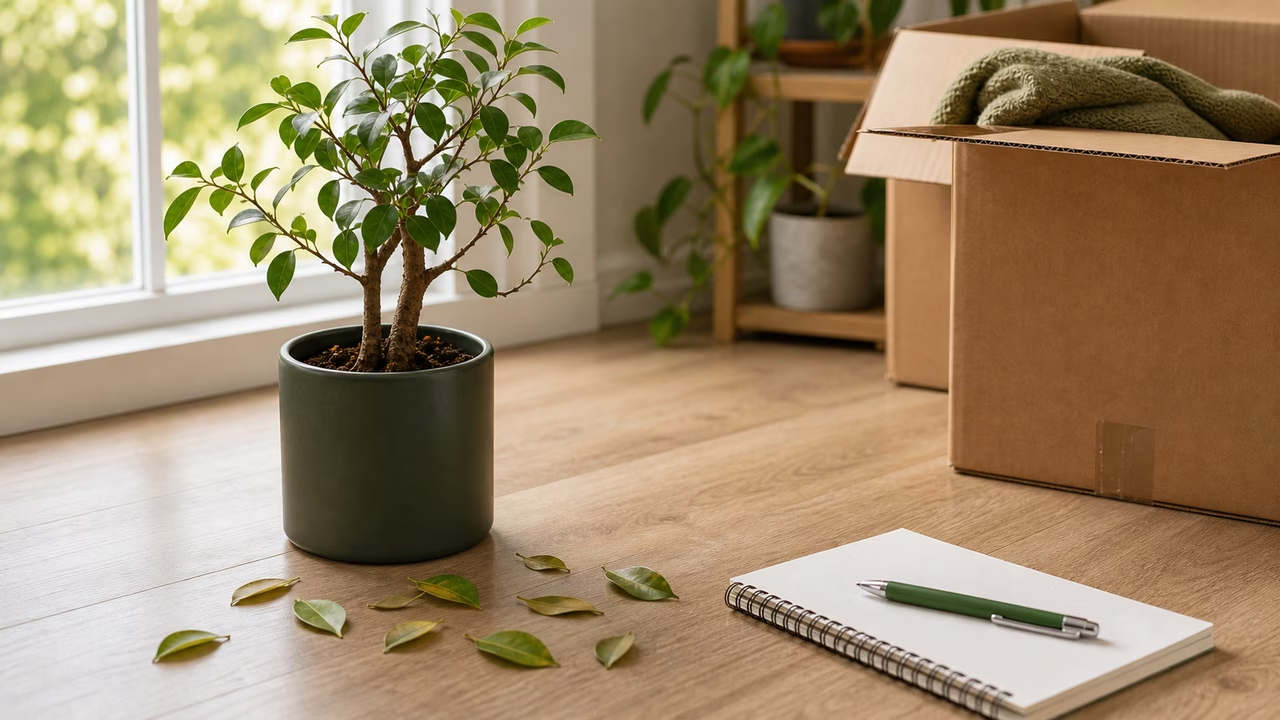
If you own a ficus long enough, you will one day find a scatter of leaves on the floor, and your first instinct will be alarm. In most cases it is not a disease and not a death sentence; it is the plant protesting a change it did not consent to. A ficus reads its light environment carefully and grows leaves tuned to a particular brightness. Move it to a dimmer spot and it sheds the now-oversupplied leaves rather than pay to maintain them. Bring it in from a summer porch, rotate it away from the window, or carry it home from the shop, and the same shedding follows. The leaves that drop were the old configuration; what matters is whether the plant is building a new one. The honest reassurance is that a ficus adjusting to a new home commonly loses a flush of leaves and then stabilizes, so the fallen leaves are a report on the past, not a forecast.
Give it light, and then give it patience
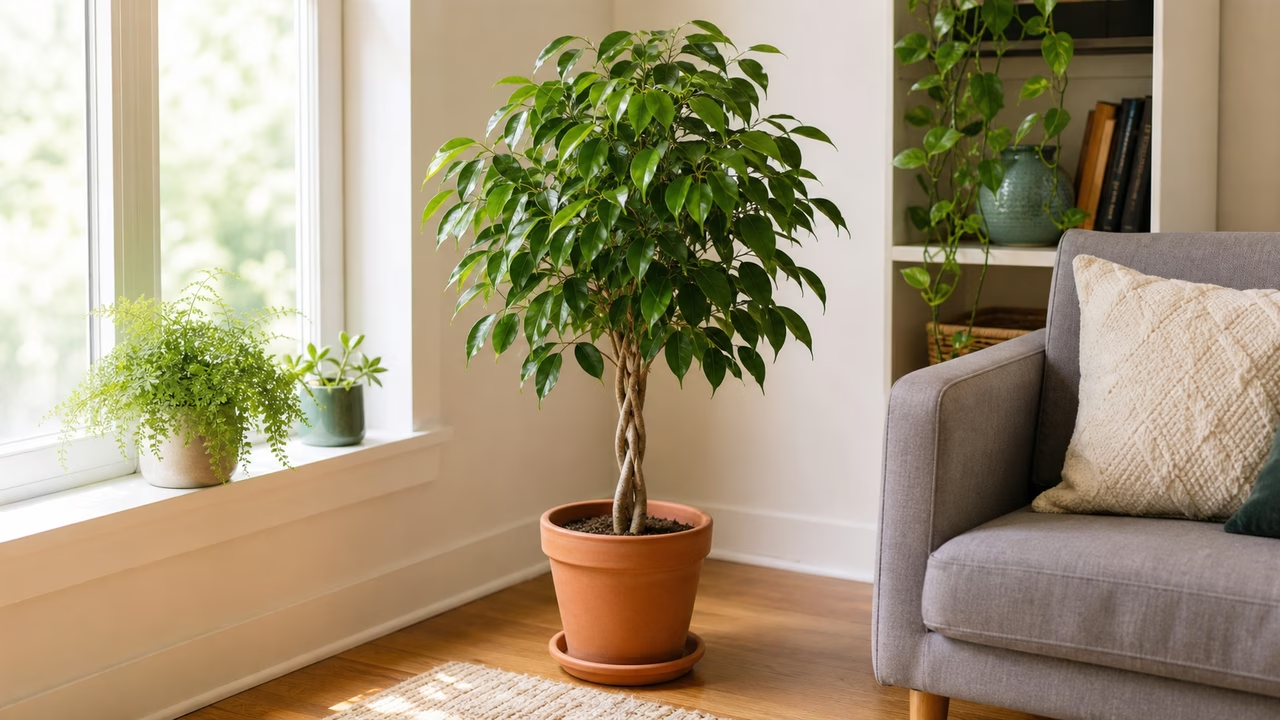
Ficus wants the brightest indoor spot you can offer short of harsh, unfiltered midday sun on the leaves. An east or a bright south exposure suits it; a dim interior wall does not, and a ficus starved of light will thin out, drop lower leaves, and stretch toward the glass. If you are unsure whether your window is bright enough, the notes on how to check indoor plant light and bright indirect light explained give you concrete ways to judge it. Once the plant is in a good spot, the single most valuable thing you can do is leave it there. Resist the urge to keep relocating a ficus in search of the perfect corner, because every move restarts the adjustment clock and the leaf drop that comes with it.
Watering a ficus without the guesswork
Ficus likes its soil to dry down in the top inch or two between drinks, then to be watered thoroughly until water runs from the drainage holes. The mistake beginners make is reading leaf drop as thirst and responding by watering harder, which floods roots that were never dry and pushes a stressed plant toward rot. Before you water, check the soil rather than the foliage: feel below the surface or lift the pot to judge its weight. In the brighter, warmer months the plant will drink faster and you will water more often; in the low light of winter it slows down and wants far less. Cold, soggy soil in a dim room is the classic winter killer, so let the watering rhythm follow the season rather than the calendar. Consistent, moderate watering beats both the anxious daily splash and the long forgetful drought.
Placement, drafts, and the stable corner
Because a ficus is so sensitive to its surroundings, placement is care. Keep it away from the direct blast of a heating vent, a radiator, an air-conditioning duct, and the cold pocket beside a door that opens to winter air. Sudden swings between hot and cold, or a steady draft, will show up as more dropped leaves. The related note on temperature and drafts is worth a look if your ficus sulks near a window in the cold months. A stable, bright, draft-free corner is not a luxury for this plant; it is the foundation everything else rests on.
Pruning and shaping, on the plant’s schedule
A healthy ficus responds well to pruning and can be shaped over time into a fuller, more branched form, but timing matters. Prune when the plant is settled and growing, not while it is in the middle of adjusting to a move or shedding leaves, because cutting a stressed plant simply adds one more thing for it to recover from. When you do prune, work in modest steps rather than a single heavy cut, and expect new growth to push from below the cuts over the following weeks. The sap of many ficus species is a milky latex that can irritate skin and stain surfaces, so wipe your tools, keep it off your hands, and let the boundary note below guide you on anything beyond ordinary tidying.
Common missteps and the calm next action
Three habits cause most beginner ficus grief. The first is moving the plant repeatedly to try to stop leaf drop, which guarantees more of it. The second is watering harder after every fallen leaf, which drowns roots that were fine. The third is pruning while the plant is already under stress, which stacks recovery on recovery. The calm next action is almost the opposite of all three: choose one stable, bright, draft-free spot, water on the soil’s schedule rather than the leaves’ drama, and let the plant settle for several weeks before you make any second correction.
Boundary and when to get help
Everyday ficus care, including a season of leaf drop after a move, is well within what you can manage at home by watching the new growth rather than mourning the old leaves.
Stop the home experiment when the issue involves pet chewing or ingestion, pesticide exposure, heavy mold, severe allergies, unsafe infestation, or a plant that keeps declining after the basic setup is corrected. A houseplant guide can organize observations. It should not replace a veterinarian, clinician, landlord, remediation professional, or licensed pest-control professional when those boundaries are involved.
If you are just getting started with easygoing plants alongside your ficus, the beginner profiles for pothos , the snake plant , and the ZZ plant make forgiving companions, and the broader Houseplant Clinic for Beginners ties the observe-first method together.