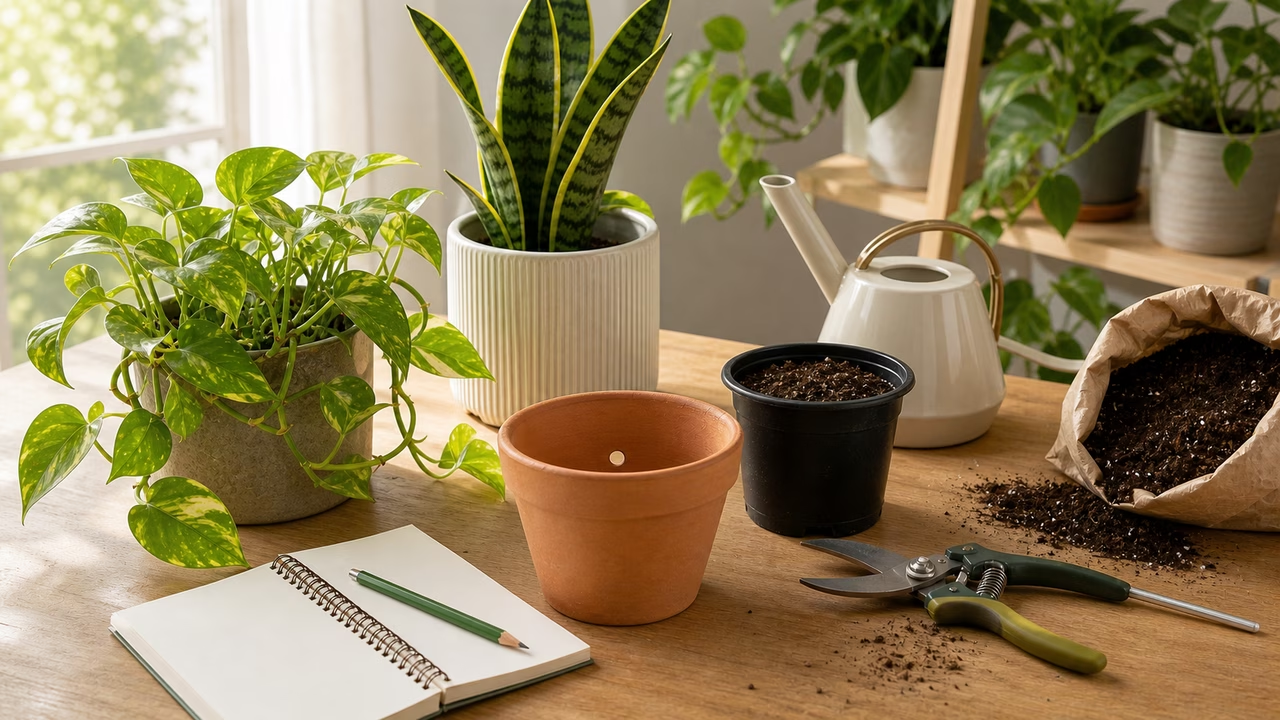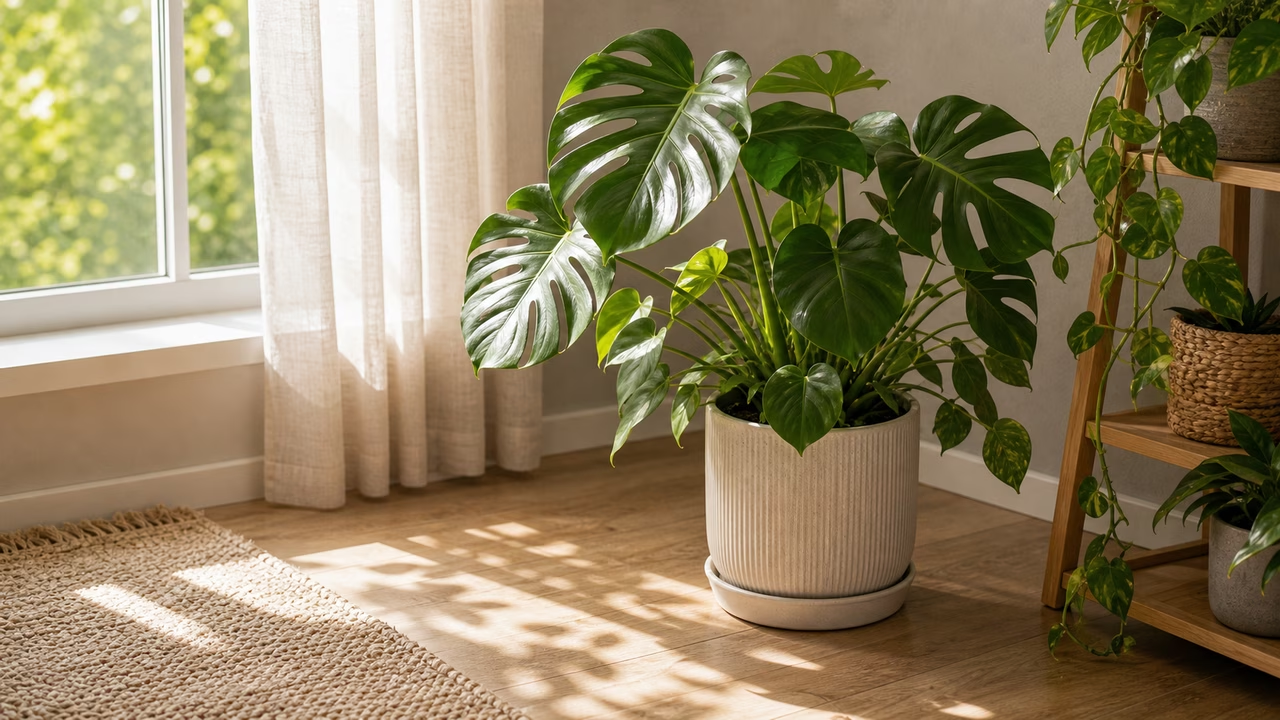
Almost everything a houseplant asks of you comes down to five things: light, water, air, roots, and time. They are not a shopping list to tick off in an afternoon. They are more like the legs of a stool, where the shortest one decides how the whole thing sits. When a plant struggles, it is usually because one of these five is badly out of balance, and the useful question is never “what should I buy” but “which of the five is weakest right now.” Learn to think this way and most of houseplant care stops being mysterious.
Light is the engine, not the decoration
Light is the one need beginners most often underestimate, because human eyes adapt so well that a room feeling “bright enough” to us can be dim as dusk to a plant. Light is the energy a plant uses to build tissue and to burn through the water in its pot; it is the engine that drives everything else. A plant in weak light grows slowly, stretches toward the window, and cannot use much water, which is exactly why the same plant drowns in a dark corner and thrives on a bright sill with no change in your watering. Before you adjust anything else, judge the light honestly. The notes on how to check indoor plant light give you concrete tests, from watching the shadows to noticing how far the plant sits from glass. Get light right and the other four needs become far easier to meet.
Water follows light, not the calendar
Water is where good intentions do the most damage. The instinct is to water on a schedule, every Sunday like clockwork, but a plant does not drink by the calendar; it drinks according to how much light it is receiving, how warm the room is, and how fast its pot dries. A plant in bright summer light might empty its pot in three days, while the same plant in a dim winter room might stay wet for two weeks, and watering both the same way guarantees you overwater one and underwater the other. The reliable habit is to check before you pour: feel the soil below the surface, or lift the pot and learn its dry weight versus its wet weight. Water thoroughly when the root zone has dried to the point that plant wants, then wait. The deeper case for this appears in stop watering houseplants on a schedule , and it is the single habit that saves the most beginner plants.
Air is the need nobody mentions
Roots need oxygen as much as they need moisture, and this is the quiet reason overwatering kills. When potting mix stays saturated, water fills the spaces that should hold air, the roots suffocate, and they begin to rot even though they are surrounded by water. Air matters above the soil too. Gentle movement and fresh circulation around the leaves discourage the stagnant, damp conditions that fungus and some pests love, and a plant crammed against a wall in dead, still air is more prone to trouble than one with a little breathing room. You do not need gadgets for this. You need a potting mix that drains, a pot with a drainage hole, and enough space around the plant that the air is not permanently stale. The related notes on potting mix and drainage holes and cachepots show how the pot and soil either invite air to the roots or shut it out.
Roots need room and honest inspection
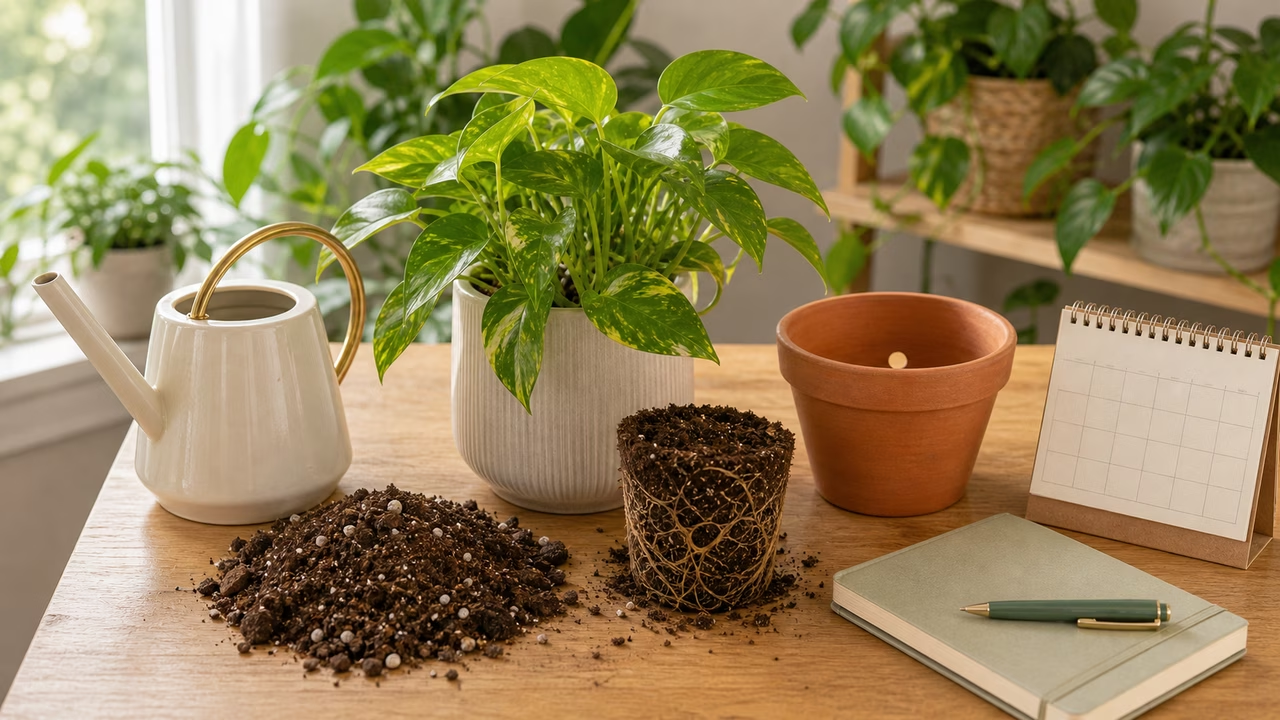
The plant you can see is only half the organism; the half in the pot does the drinking and anchoring, and it is easy to neglect precisely because it is hidden. Roots need enough room to grow and enough oxygen to function, which means a pot that fits, a mix that does not compact into concrete, and occasional attention. When a plant has outgrown its container, roots circle the walls and pack the pot until water runs straight through without soaking in, a state worth learning to recognize from the notes on root-bound signs . The habit that keeps roots healthy is not constant repotting; it is a willingness to slide a struggling plant out of its pot and look, because the roots tell you what is happening right now in a way the leaves, which carry old damage for months, never can.
Time is a need too
The fifth need is the hardest for anxious new owners: time. Plants respond on their own schedule, in the next leaf rather than the next morning, and most of the damage beginners do comes from refusing to wait. A plant given a better window does not green up overnight; it shows its verdict weeks later in fresh growth. When you change five things at once, over a single frantic weekend, you cannot tell which change helped and which hurt, and you rob yourself of the one thing that builds skill, which is watching cause turn into effect. The discipline is to change one thing, mark the date, and let the plant answer before you touch it again.
Putting the five to work
Faced with a struggling plant, resist the urge to treat care as a shopping checklist or to overhaul everything at once. Instead, rank the five needs from strongest to weakest for the plant in front of you, and fix the weakest obvious one first. If the plant sits in a dark corner, light is your answer and no fertilizer will substitute for it. If it stands in soggy mix, air and watering rhythm come before anything else. Make that one change, then wait long enough to read the result. Over a season this way of thinking turns into instinct, and the five things stop being rules you follow and become a lens you look through.
Boundary and where to go next
Everyday balancing of light, water, air, roots, and time is exactly what home plant care is, and it rewards patient observation more than any product.
Stop the home experiment when the issue involves pet chewing or ingestion, pesticide exposure, heavy mold, severe allergies, unsafe infestation, or a plant that keeps declining after the basic setup is corrected. A houseplant guide can organize observations. It should not replace a veterinarian, clinician, landlord, remediation professional, or licensed pest-control professional when those boundaries are involved.
From here, the Houseplant Clinic for Beginners walks the whole observe-first method start to finish, the new plant quarantine checklist covers bringing a new plant home safely, and the note on spots, speckles, and marks helps once you start reading specific leaf symptoms.