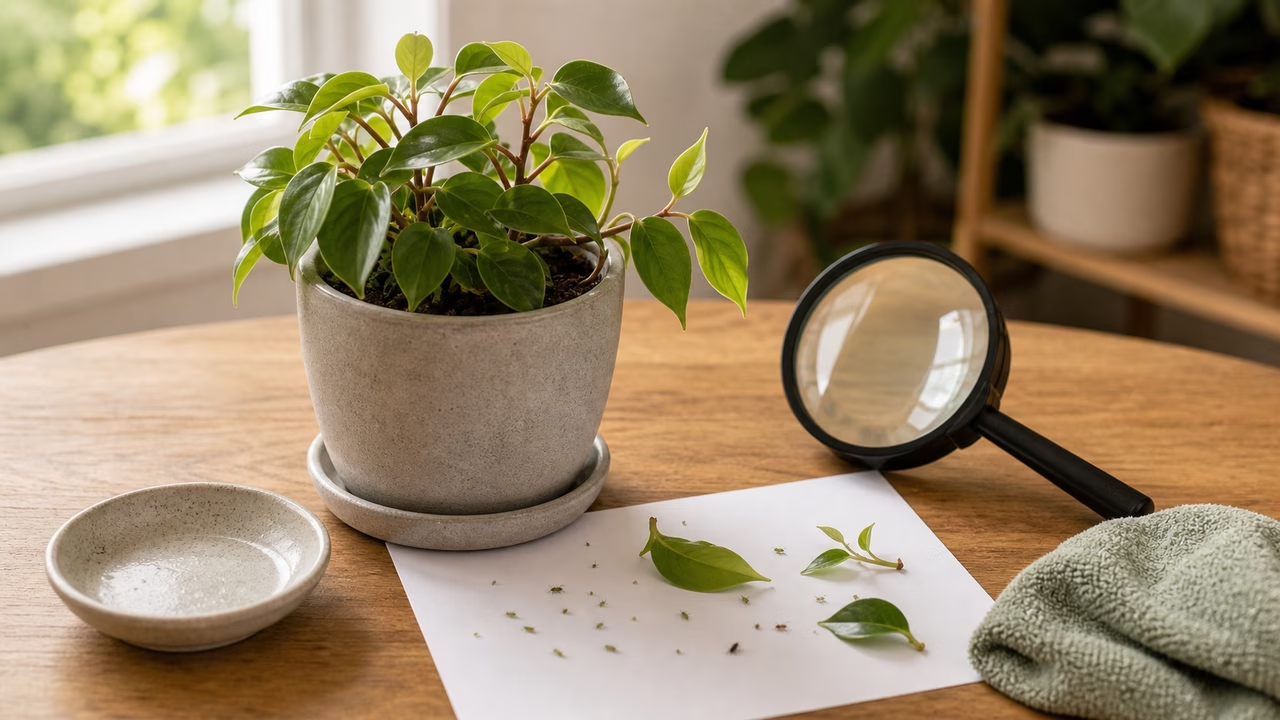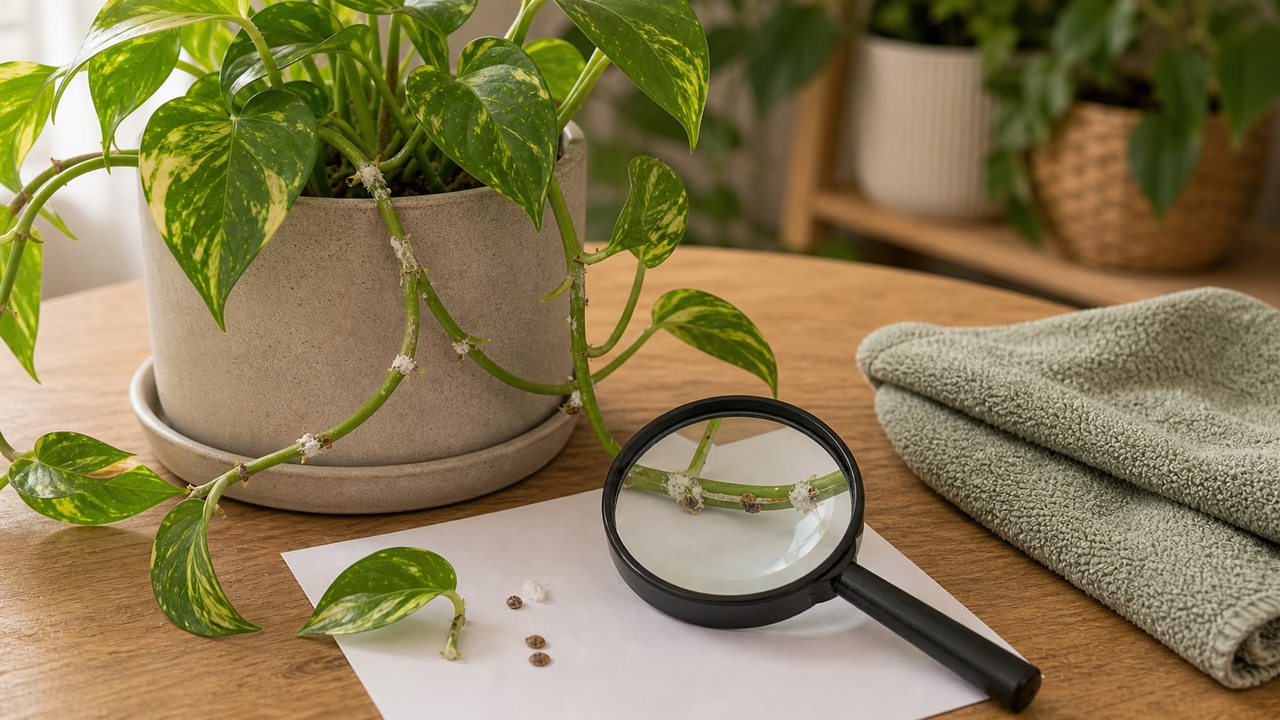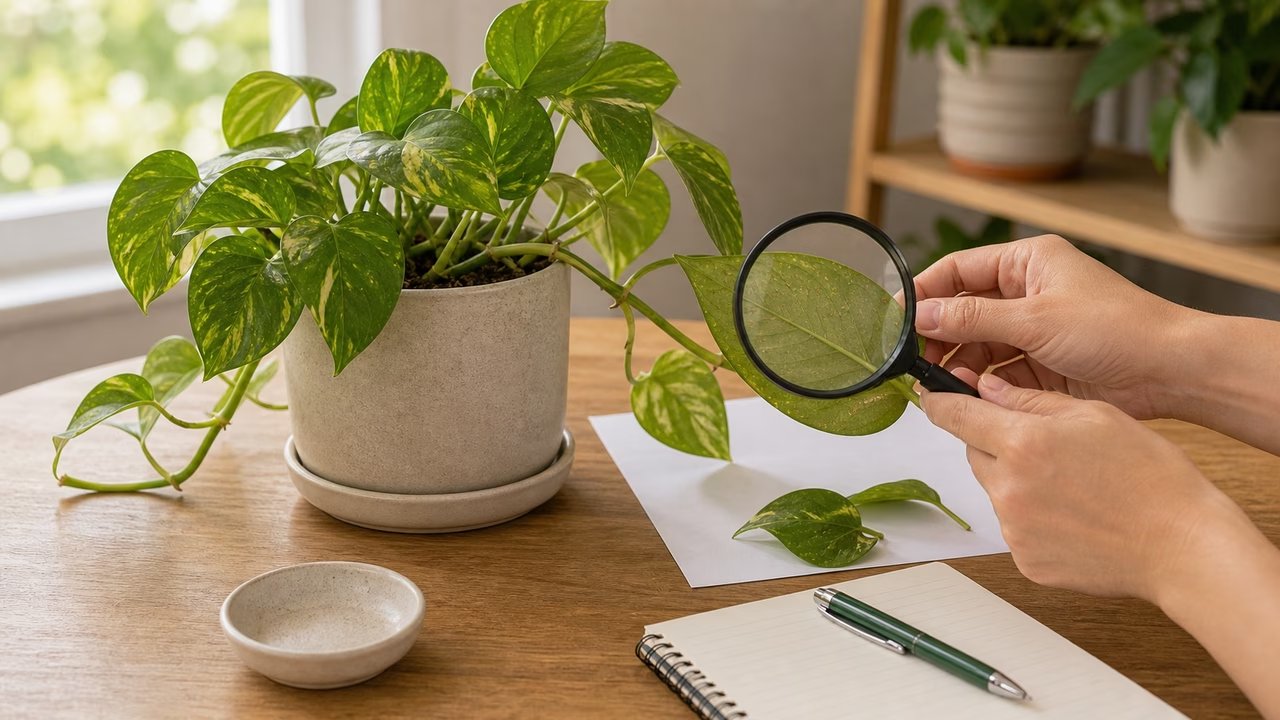
The little dark flies that drift up when you water, or that hover in a lazy cloud near a lamp, are almost always fungus gnats. They are more nuisance than menace, and understanding that changes how you fight them. The adult gnats you can see and swat are not really the problem; they are a symptom. The problem lives in the top inch of soil, where their larvae feed on fungus and decaying organic matter in mix that stays too wet for too long. Chase the flies and you will lose. Change the conditions that grow the larvae and the flies run out of nursery.
Confirm you actually have gnats
A moment of identification saves a lot of wasted effort. Fungus gnats are small, dark, and weak fliers that congregate at the soil surface and stumble through the air rather than zip around; you see them walking on the potting mix and taking off in short, clumsy hops when you disturb the pot. That behavior separates them from fruit flies, which orbit the kitchen fruit bowl and the drain rather than the plant, and from the tiny winged pests that stay up on the leaves. The tell that you are dealing with fungus gnats is that the flies concentrate around the soil and around the pots that stay wettest, not around the foliage. If your bugs are on the leaf undersides instead, the notes on spider mites , on mealybugs and scale , and on aphids, thrips, and mystery bugs point you somewhere more useful.
Why they showed up
Fungus gnats are not a sign of a dirty house or a doomed plant. They arrive because a specific set of conditions rolled out a welcome mat: potting mix rich in organic matter, kept consistently damp at the surface, in the warm indoor air of a home. Larvae need that moist top layer to survive, and the fungus and decaying material they eat only flourishes when the soil never gets a chance to dry. This is why overwatering and gnats travel together so reliably. A plant that is watered again before the surface has dried, or one sitting in a mix that holds water like a sponge, is a gnat factory. Newly bought plants and fresh bags of mix can arrive already carrying eggs, so a fresh outbreak after repotting or after bringing home a new plant is common and does not mean you did anything wrong.
The fix is drier, not deadlier
Because the vulnerable stage of the gnat’s life is tied to wet surface soil, the most effective control is not a spray at all; it is letting the top inch or two of mix dry out between waterings. Larvae in dry surface soil simply do not survive, and denying them that moist layer breaks the breeding cycle over a couple of weeks as the existing adults age out and no new ones emerge to replace them. Water thoroughly when the plant genuinely needs it, then let the surface dry meaningfully before the next drink; the case for watering by the soil’s condition rather than a habit is made in full in stop watering houseplants on a schedule . Improving drainage helps too, since a pot that holds standing water at the bottom keeps the whole column damp. Bottom watering, where the pot draws moisture up from below and leaves the surface drier, is a useful tactic here and is covered in the note on bottom watering . For a stubborn or heavy case, isolate the worst pot away from your other plants so a local outbreak does not spread through the collection.
Where traps fit, and where they do not
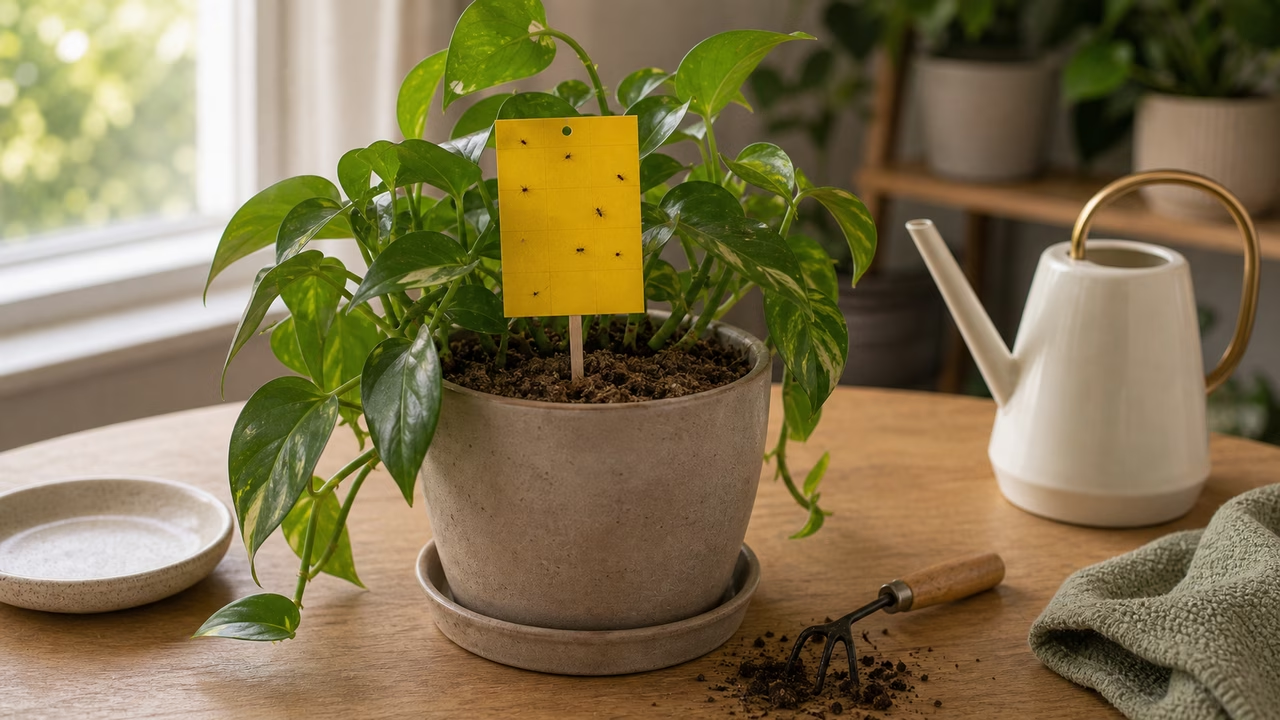
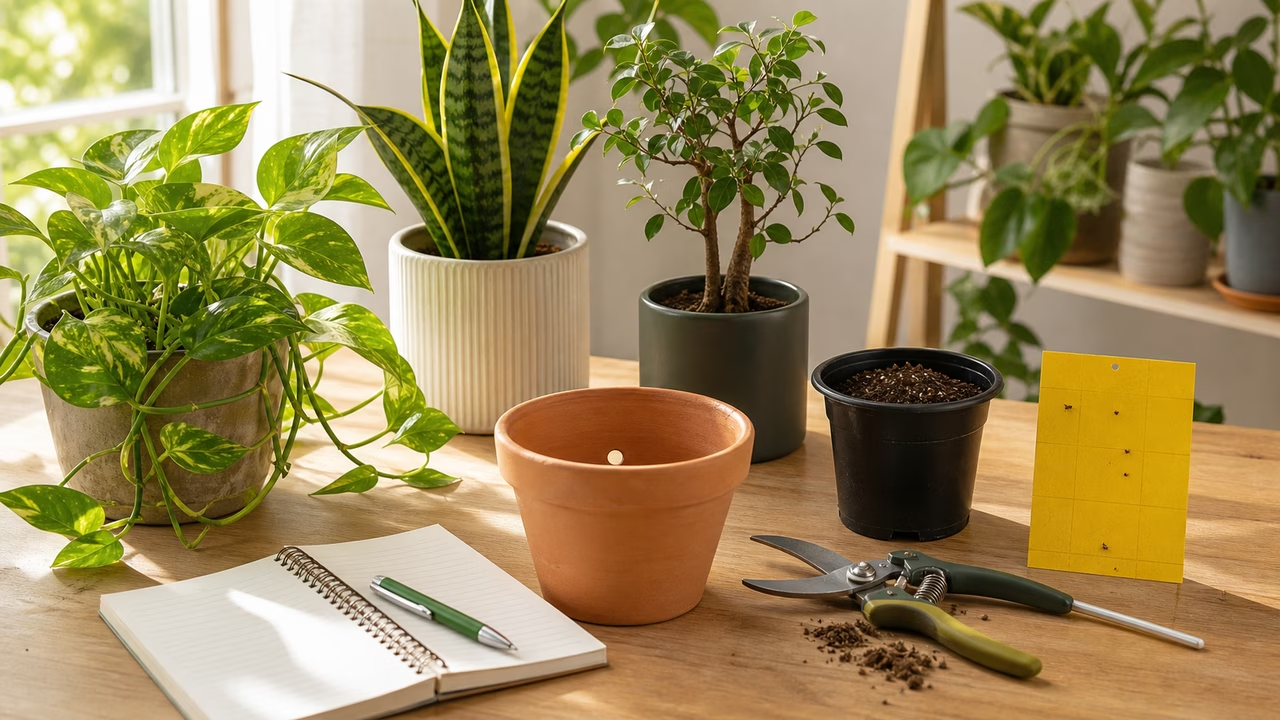
Yellow sticky traps have a real role, but it is easy to misunderstand what that role is. A trap set flat near the soil surface catches adult gnats, which does two things: it thins the breeding population a little, and, more importantly, it gives you a running count of how bad the problem is and whether it is getting better. Watch the trap fill quickly at first and then taper as your drier watering takes hold, and you have proof the underlying fix is working. What a trap will not do is solve the problem on its own, because it only touches the flying adults and leaves the larvae in the soil untouched. Treat it as a monitor and a helper, not a cure.
If the observation points to a setup gap, compare sticky traps as a category, not as a miracle fix. Buy only when the tool answers the exact problem you found.
Common mistakes
The first mistake is treating the trap, or the spray, as the whole solution while leaving the wet soil that grows the next generation untouched; the flies always come back because their nursery is still open. The second is watering again while the surface is still damp, which is the exact condition the larvae need and quietly guarantees the outbreak continues. The third is reaching for a pesticide without reading its label, which is both less effective than simply drying the soil and a step that carries its own safety obligations. In nearly every ordinary case, patience and a drier top inch of soil beat any product you can buy.
The calm next action and the boundary
Let the surface dry appropriately, improve drainage, isolate heavy cases, and use traps as monitoring rather than magic. Then wait: the cycle takes a couple of weeks to break as the adults age out, so measure success by whether the trap count is falling, not by whether every fly vanished today.
Stop the home experiment when the issue involves pet chewing or ingestion, pesticide exposure, heavy mold, severe allergies, unsafe infestation, or a plant that keeps declining after the basic setup is corrected. A houseplant guide can organize observations. It should not replace a veterinarian, clinician, landlord, remediation professional, or licensed pest-control professional when those boundaries are involved.
For the wider picture, the Houseplant Clinic for Beginners ties the observe-first method together, and it pairs naturally with getting your watering rhythm honest in the first place.