A grow light is not a houseplant multivitamin. It is a way of adding one specific thing, light, to a spot that does not have enough of it. That distinction matters because most disappointing grow-light purchases come from expecting the fixture to fix a plant that was actually struggling with soggy soil or a cramped pot. A grow light earns its place when the problem you have diagnosed is genuinely a light problem: a dark apartment corner, a north-facing room, a shelf set back from the glass, or the short, weak days of deep winter. Confirm that first, and everything about choosing and placing the light gets simpler.
First decide whether light is really the problem
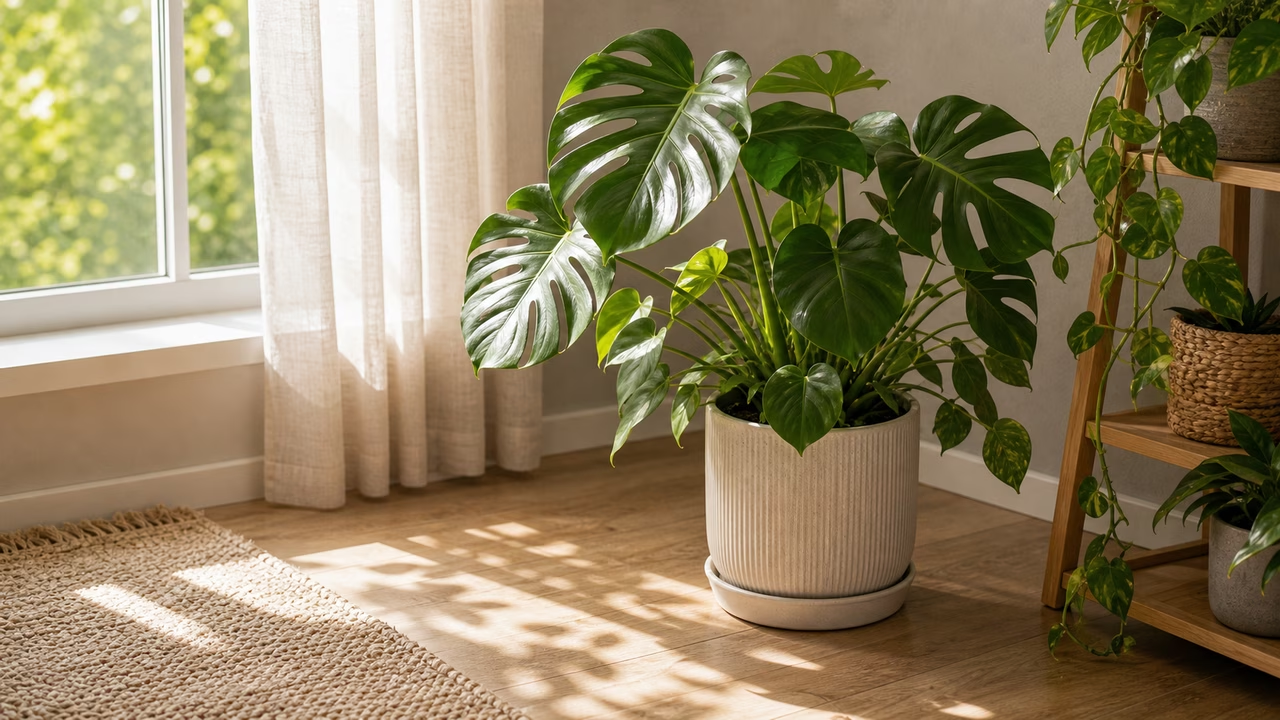
Before you shop, make sure you are solving the right thing. A plant that is stretching toward the window with long gaps between small, pale leaves, or one that has quietly stopped growing through the darkest months, is telling you it wants more light, and the notes on how to check indoor plant light and seasonal light changes help you confirm it. But a plant with yellowing lower leaves and heavy, wet soil has a watering problem that a lamp will not touch, and adding light to a drowning plant only speeds its decline by demanding growth its damaged roots cannot deliver. Diagnose first, buy second. When the diagnosis genuinely points to a dim spot, a grow light is one of the few gadgets in houseplant care that reliably does what it promises.
Distance is the setting people get wrong
The single most common grow-light mistake is placing the fixture too far from the plant. Light falls off sharply with distance, so a lamp mounted a hopeful few feet above a shelf may be delivering a fraction of what it does up close, and the plants below barely notice it is on. In practice the light usually needs to sit closer than instinct suggests, near enough that it clearly matters to the leaves, while still leaving a margin so tender foliage is not scorched or bleached by being pressed right against the source. You will find the right gap by watching the plants: leaves that pale, curl, or crisp directly under the fixture want the light raised, while plants that keep stretching toward it want it lowered. Start moderately close, then adjust based on how the growth responds over a few weeks.
Coverage, and the trap of one bright spot
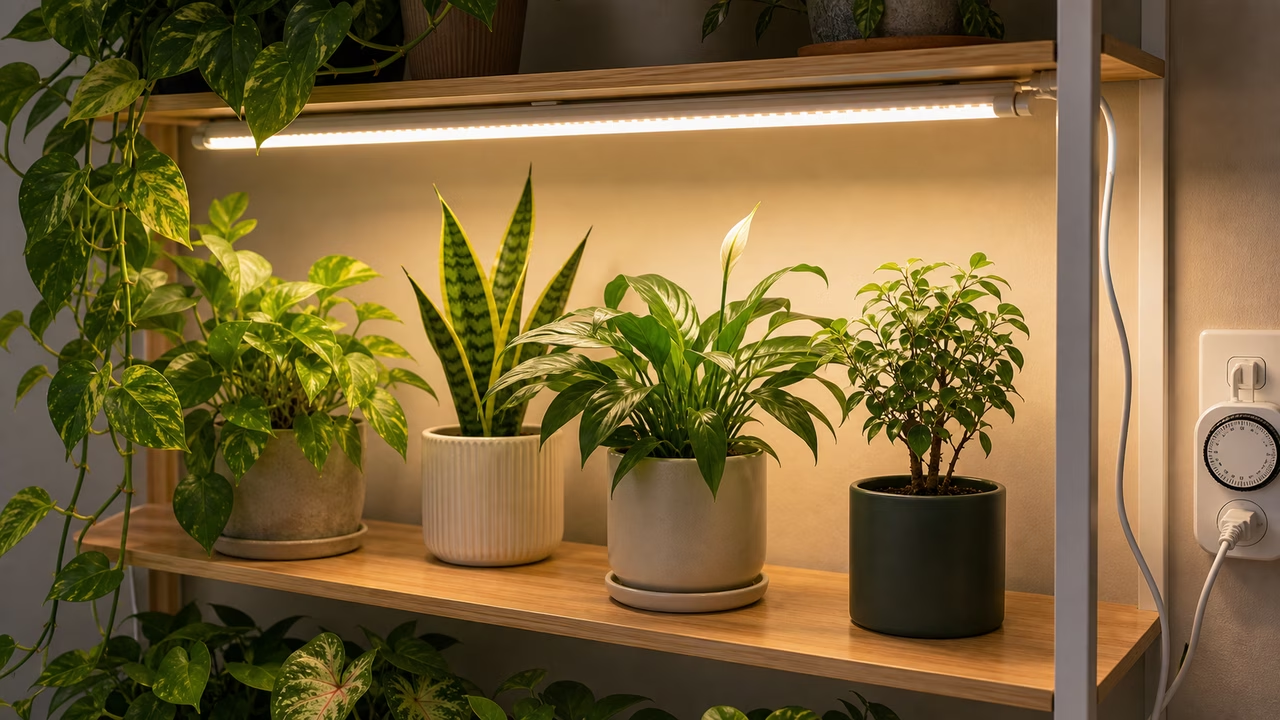
A grow light illuminates a cone, brightest at the center and dimmer toward the edges, which means a single small lamp often lights one plant well and leaves its neighbors in relative shade. Think about coverage across the whole group you are trying to serve, not just the lucky plant directly beneath the fixture. A longer strip or bar spreads light more evenly across a shelf than a single spot bulb does, and rotating plants occasionally evens out the growth so they do not all lean the same way. If you are lighting a whole plant shelf, match the shape of the light to the shape of the shelf rather than expecting one point source to reach every corner.
Put it on a timer and be honest about hours
Plants respond to the total amount of light over a day, and consistency matters more than intensity you can only sometimes remember to provide. A simple timer takes the discipline out of your hands and gives the plants a steady, predictable day length, which is far better than a lamp switched on and off at random human whim. A long, steady daily stretch under the light does more good than sporadic bursts, and it also protects plants from being lit around the clock, since most houseplants want a genuine dark period too. Set the timer, leave it, and let the plants settle into the rhythm.
Heat, cables, and shelf safety
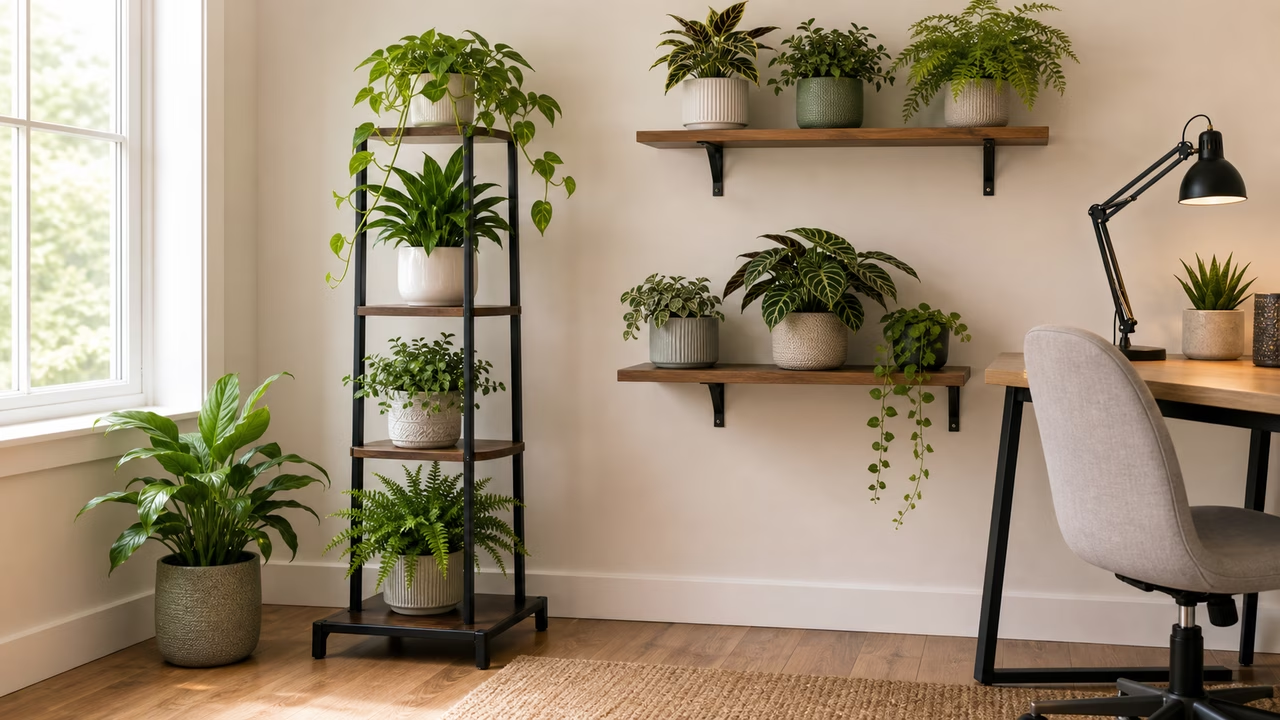
A grow light is an electrical appliance living in a damp environment, which deserves a moment of ordinary caution. Some fixtures run warm, so keep leaves off the hot surface and give the unit a little air. Keep cords and any connections away from where you pour water and away from the drips and runoff that watering produces, and make sure the shelf itself is stable enough to hold the plants, the fixture, and your hand reaching in to water without wobbling. None of this is exotic; it is the same common sense you would apply to any lamp near water, and it keeps a pleasant plant shelf from becoming a hazard. The note on plant stands, shelves, and room safety covers the physical setup in more depth.
Common mistakes and the calm next action
Three habits waste money and effort. The first is buying a light and then mounting it so far away it barely registers. The second is choosing a dim purple novelty fixture for its looks and treating it as decoration rather than a real light source. The third is forgetting that a lit shelf still needs safe cable routing and easy watering access, so the setup becomes a chore or a risk. The calm next action is straightforward: put the light on a timer, place it close enough to genuinely matter, and then watch for new growth and for how fast the pots dry over the following weeks, since more light means the plants will drink faster and want watering sooner.
If the observation points to a setup gap, compare grow lights as a category, not as a miracle fix. Buy only when the tool answers the exact problem you found.
Boundary and where to go next
Everyday grow-light setup is well within home plant care, and the plants themselves will tell you over a few weeks whether you got the distance and hours right.
Stop the home experiment when the issue involves pet chewing or ingestion, pesticide exposure, heavy mold, severe allergies, unsafe infestation, or a plant that keeps declining after the basic setup is corrected. A houseplant guide can organize observations. It should not replace a veterinarian, clinician, landlord, remediation professional, or licensed pest-control professional when those boundaries are involved.
To make sure light really is your bottleneck, pair this with bright indirect light explained and the note on window direction , and the broader Houseplant Clinic for Beginners ties the observe-first method together.