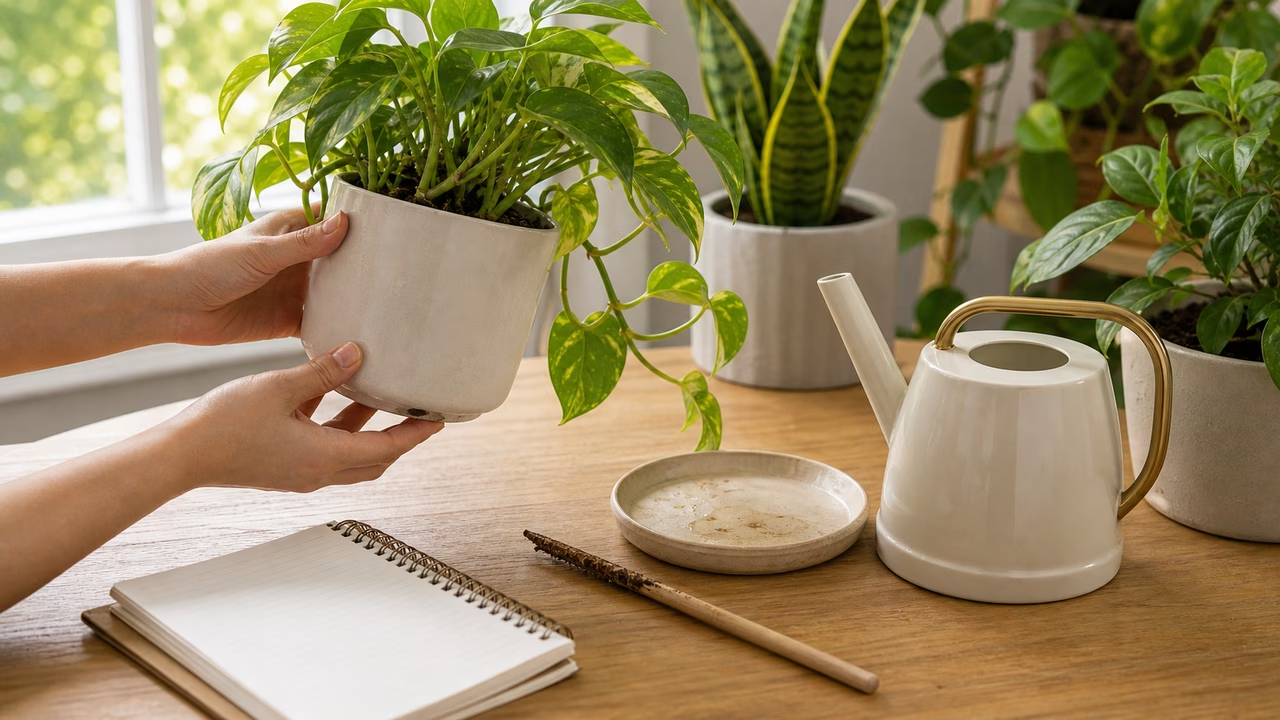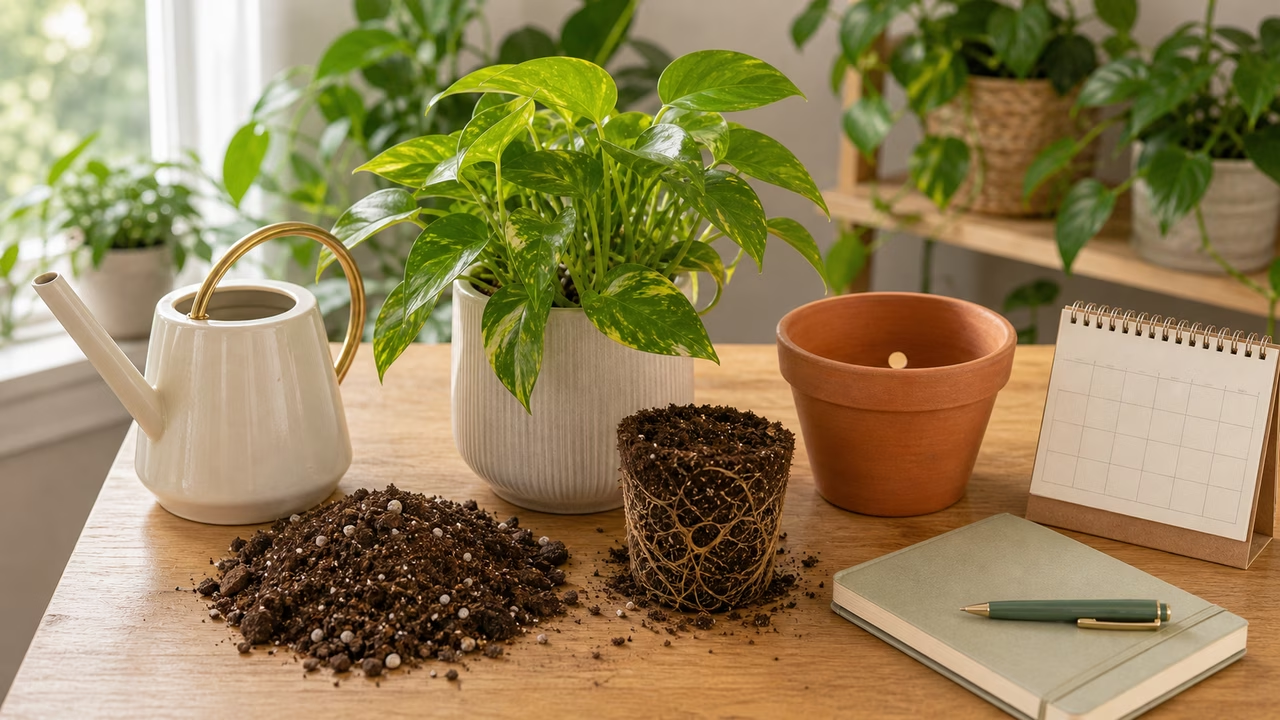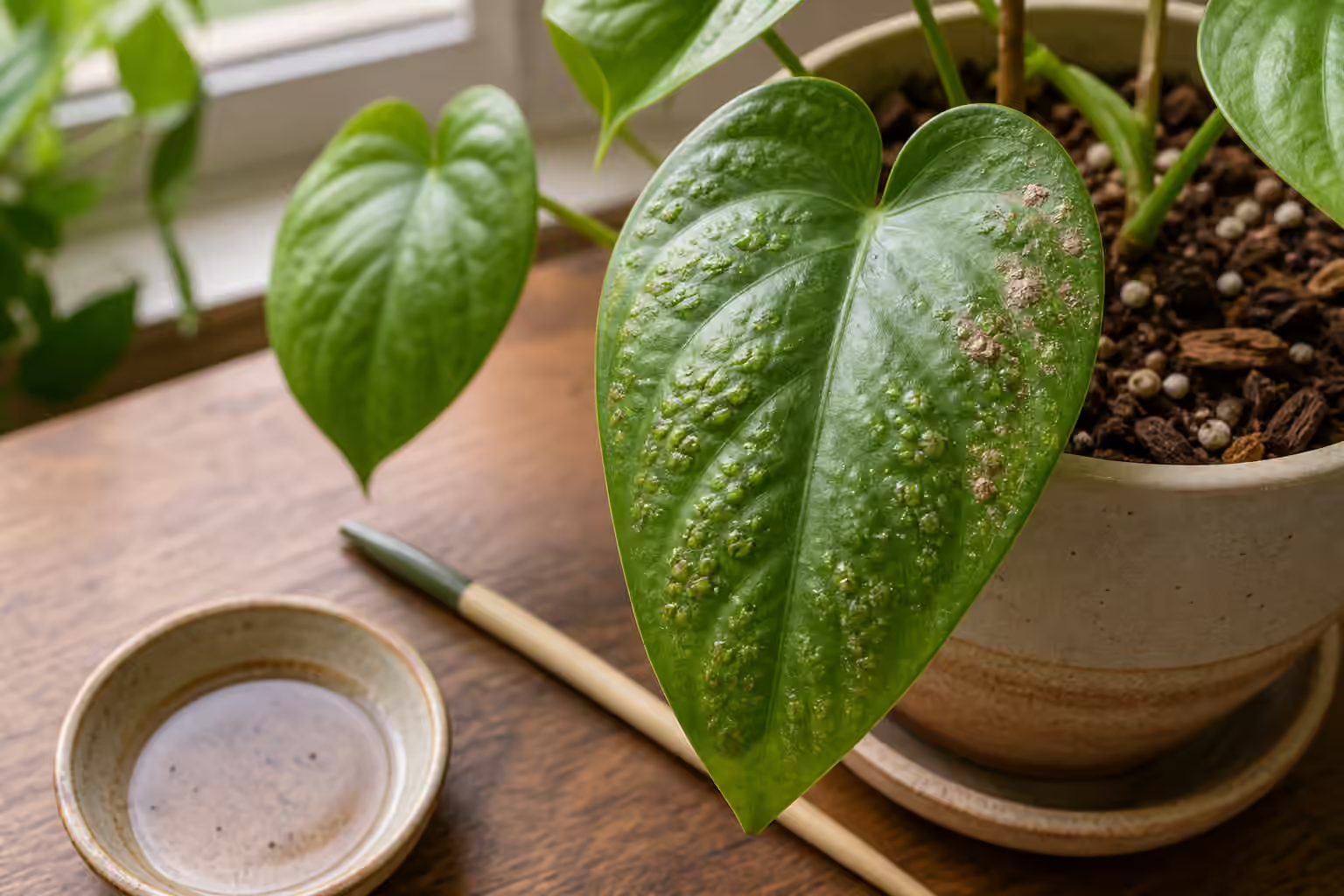
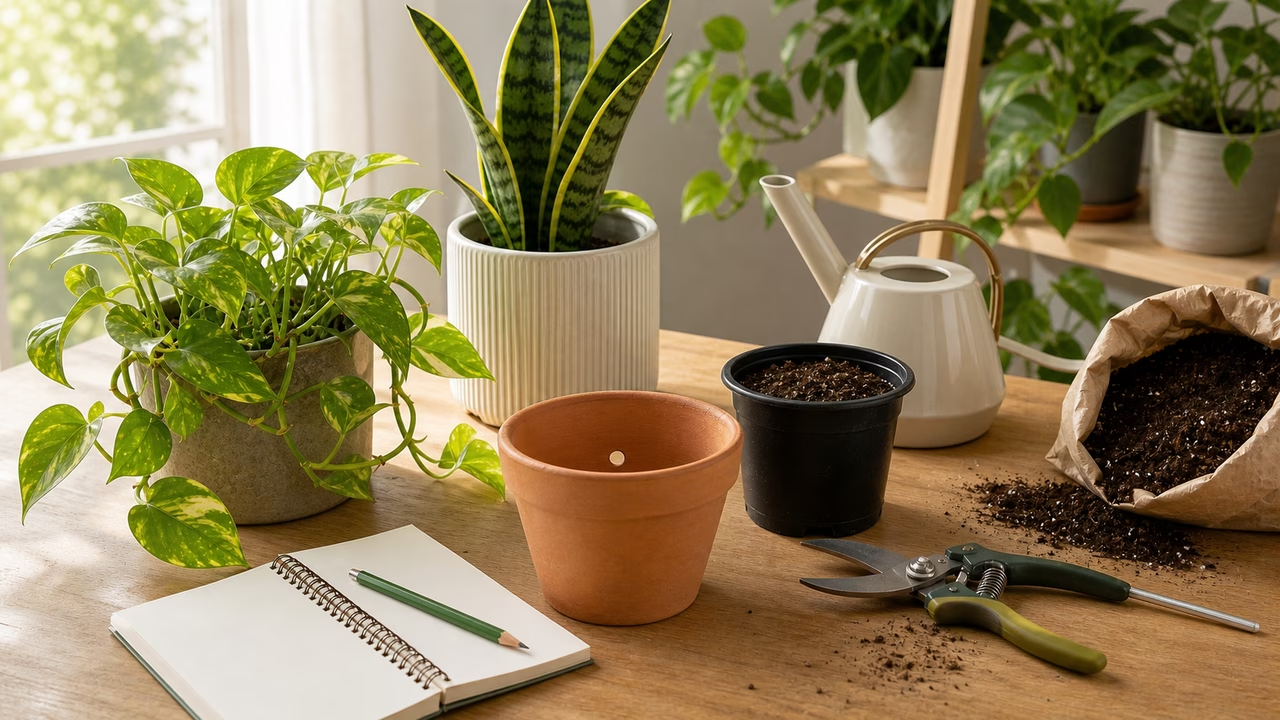
This is the front door to the whole clinic, and it teaches one idea before any other: a plant is not a machine with a manual, it is a living thing you learn to read. Beginners tend to reach for a fix the moment something looks wrong, and that instinct, however caring, is the source of most houseplant failures. The clinic method turns that instinct around. You look before you act, you change one thing rather than five, and you give the plant enough time to answer before you decide what to do next. Master that rhythm and you will keep plants alive without memorizing a hundred species-specific rules.
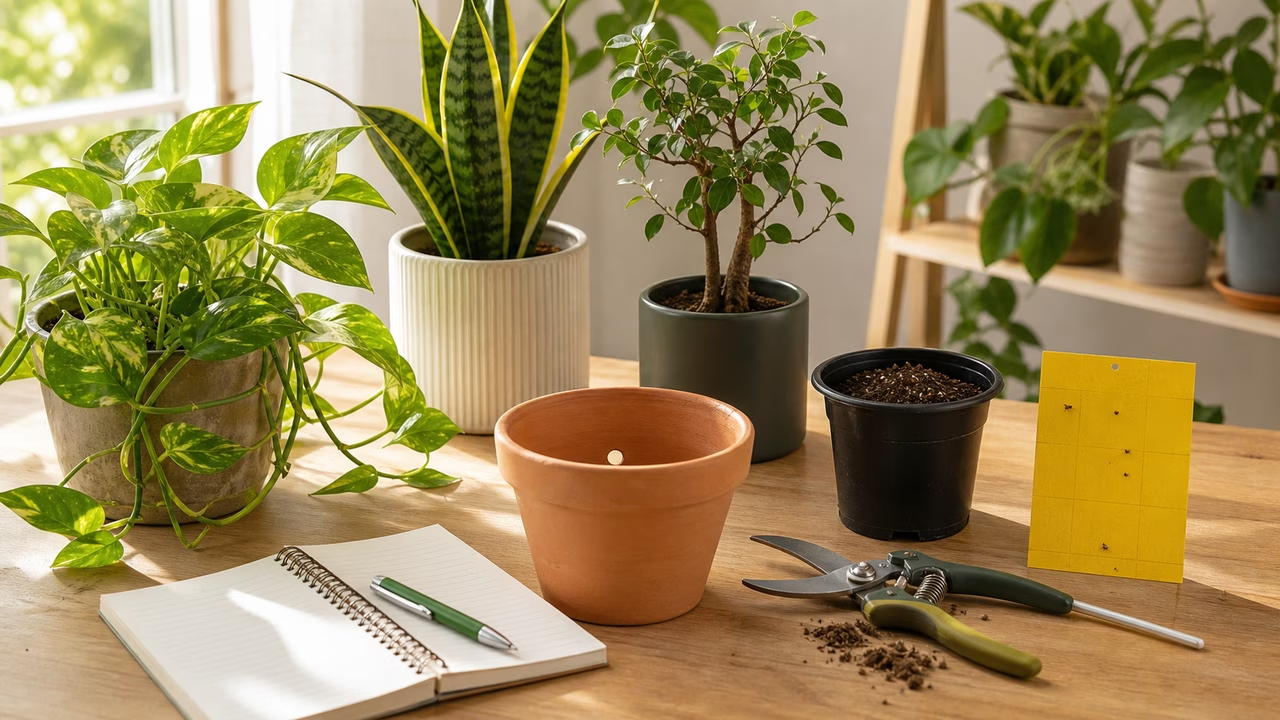
Start with the window
Almost every plant conversation should begin at the window, because light is the resource that governs all the others. A plant’s location relative to the glass decides how fast it grows, how much water it can use, and how well it fends off trouble. Human eyes are terrible judges of this, adapting so smoothly that a corner feeling perfectly bright to us can be dim to a plant, so the first thing to learn is to estimate light honestly rather than by feel. Notice which direction the window faces, how far the plant sits from it, and whether anything, a sheer curtain, a building, a tree, filters what comes through. A plant set too far into a room is the most common quiet cause of slow decline, and moving it a few feet toward the light often does more than any product. The note on how to check indoor plant light gives you concrete tests for judging a spot.
Then check the soil, not the leaves
The second habit is to check moisture below the surface before you water, every time, rather than watering on a schedule or in response to a wilting leaf. Push a finger a couple of inches into the mix, or lift the pot and learn the difference between its heavy wet weight and its light dry weight. This one check prevents the mistake that kills more beginner plants than any other, which is overwatering: pouring water into soil that was still damp, drowning the roots, and cutting off the oxygen they need. A plant drinks according to its light and the season, not the calendar, so the same plant that empties its pot in three summer days might stay wet for two winter weeks. Watering by what the soil tells you, rather than by habit, is the single most valuable skill here, and it is argued in full in stop watering houseplants on a schedule .
If the observation points to a setup gap, compare moisture check sticks as a category, not as a miracle fix. Buy only when the tool answers the exact problem you found.
Look at drainage and the hidden water
Where the water goes after you pour it matters as much as when you pour. A pot needs a drainage hole so excess water can escape, and a plant tucked inside a decorative cachepot can quietly sit in a pool you never see, keeping the roots waterlogged long after the surface looks fine. Check for standing water at the bottom, empty saucers and cachepots after watering, and make sure the mix itself drains rather than staying soggy for days. Much of what looks like a mysterious plant illness is simply roots sitting in water they cannot drain away, a problem the notes on drainage holes and cachepots and potting mix unpack.
Inspect new leaves, old leaves, and recent changes
When something looks off, resist naming the disease and instead gather clues. Compare the newest growth with the oldest leaves, because trouble that appears on old lower leaves tells a different story than trouble on fresh new ones. Turn a few leaves over and look at their undersides, where pests hide before they announce themselves. And ask what changed recently, since a move to a new room, a repot, a cold snap by the window, or a new plant brought into the house often explains a sudden shift better than any exotic cause. Old leaf damage lingers for months after its cause is gone, so read the soil and roots for what is happening now and read the leaves for the history.
Change one thing, then wait
The heart of the clinic method is restraint. Once you have looked, pick the single most likely cause and make one change: move the plant to better light, empty the cachepot, hold off on watering, or isolate a suspicious plant. Then note the date and wait, because plants answer slowly and in the next leaf rather than the next morning. The temptation, when a plant looks sick, is to do everything at once, but that way you learn nothing, since a recovery cannot be traced to its cause and a decline cannot be traced to its culprit. A one-page note with each plant’s location, last watering, pot type, and clearest symptom turns scattered worry into a record you can actually read over the following weeks.
The calm next action and the boundary
Make that one-page plant note, change one setup detail, and watch for a week before touching anything else. Judge the result by new growth and by how the plant behaves over time, not by whether it looked better an hour later. This patience is not passivity; it is the discipline that separates care from fussing, where care improves the conditions and observes while fussing keeps adding stress because silence feels uncomfortable.
Stop the home experiment when the issue involves pet chewing or ingestion, pesticide exposure, heavy mold, severe allergies, unsafe infestation, or a plant that keeps declining after the basic setup is corrected. A houseplant guide can organize observations. It should not replace a veterinarian, clinician, landlord, remediation professional, or licensed pest-control professional when those boundaries are involved.
From here the natural next reads are the five things every houseplant needs for the underlying framework, the new plant quarantine checklist for bringing a plant home, and the symptom notes on curling leaves once you start diagnosing specific trouble.