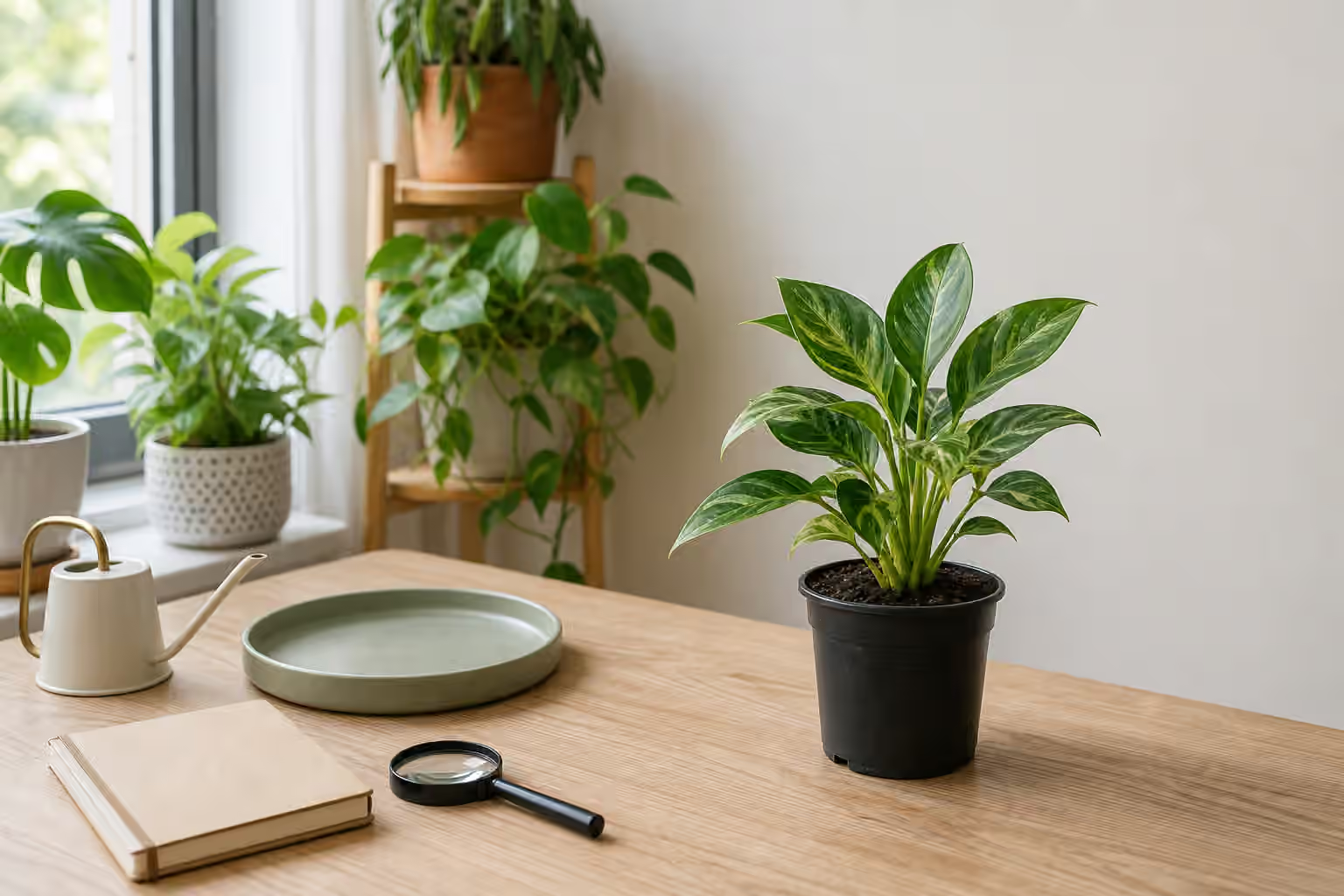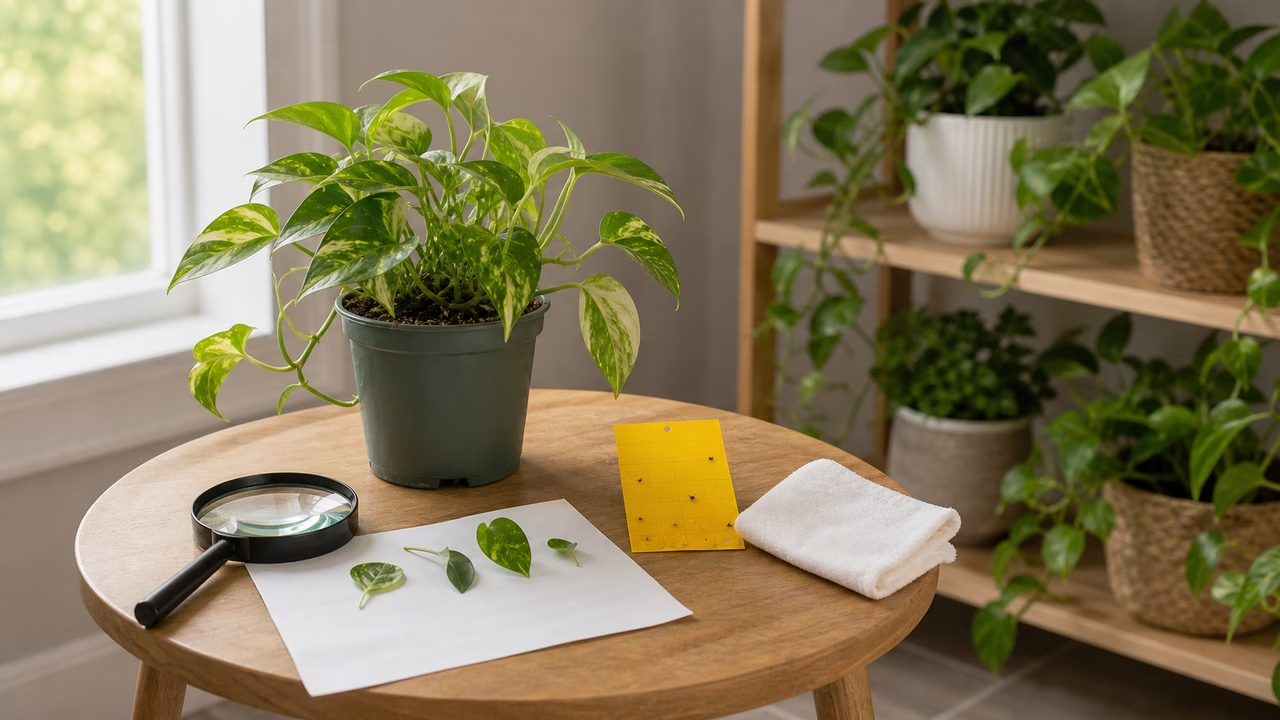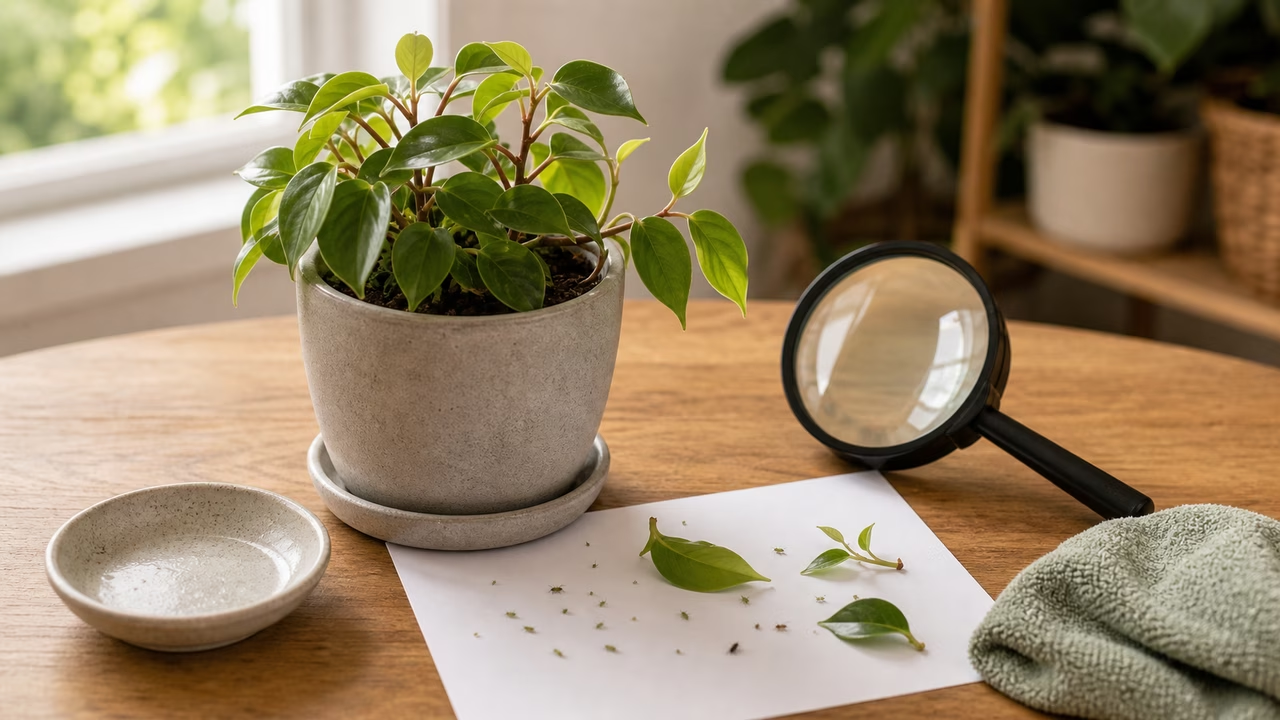
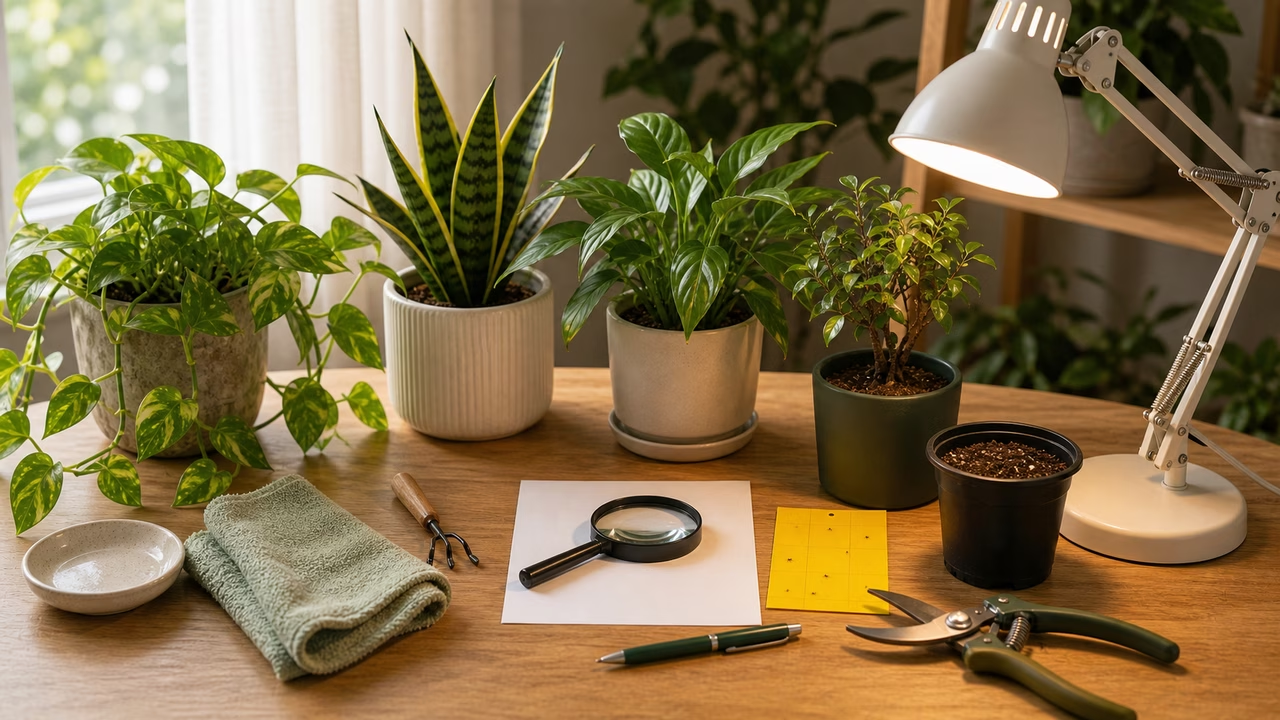
Almost every serious indoor pest problem shares the same origin story: nobody was looking until the damage was obvious. By the time stippled leaves or sticky residue catch your eye from across the room, an infestation has usually been building for weeks and may have already spread to the plant next door. The entire value of an inspection routine is that it moves your attention earlier, to the stage when a colony is small, local, and easy to interrupt. A regular five-minute look is not fussing; it is the single habit that keeps small problems from becoming shelf-wide ones.
Pick one day and one light
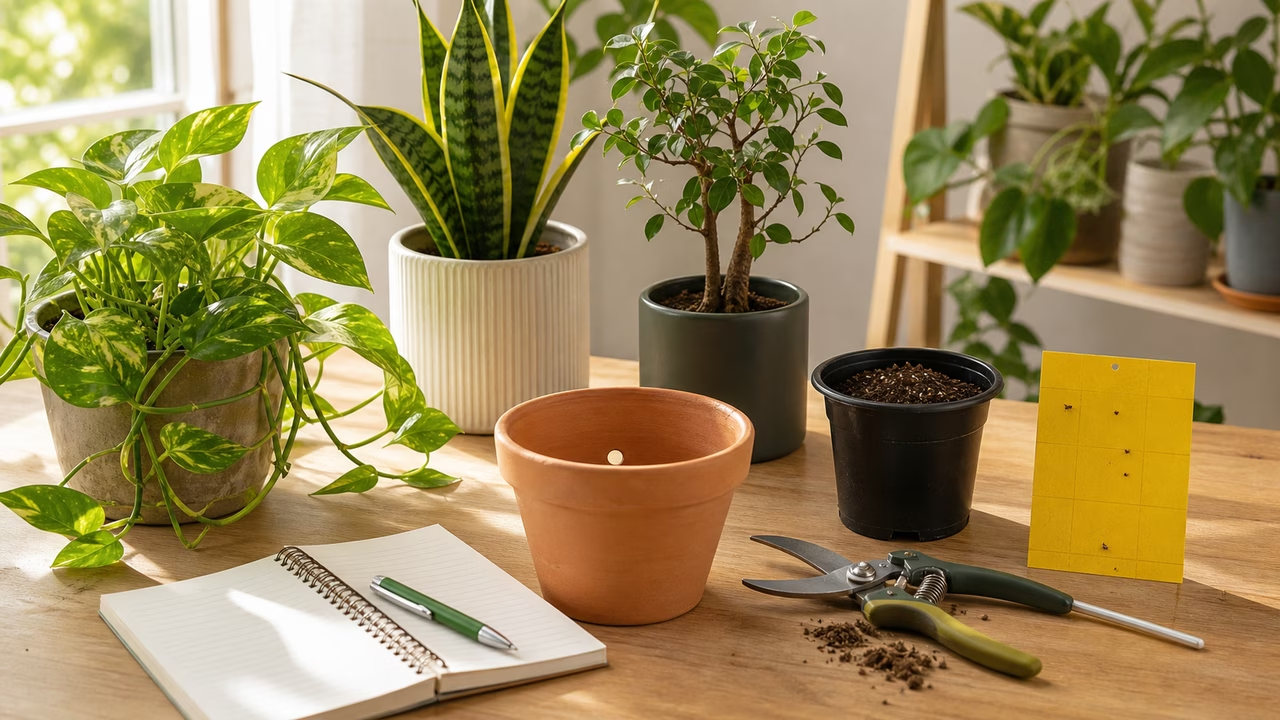
Consistency beats intensity here. Choose a single day of the week and make the inspection part of a rhythm you already have, so it happens whether or not anything looks wrong. Do it in strong light, ideally by carrying each plant to a bright window or using a small handheld light, because the earliest signs of the most common pests are nearly invisible in ordinary room lighting. Spider mite stippling, the first few scale bumps, and the faint webbing at a leaf axil all hide comfortably in shadow. A magnifying loupe is not required, but it turns an ambiguous fleck into a clear answer, and clarity is what stops you from either ignoring a real problem or spraying a plant that is fine.
Where the pests actually are
The instinct is to look at the top of the leaves, which is exactly where pests are not. Turn leaves over. The undersides, especially along the midrib and veins, are where spider mites, thrips, and the crawling stage of scale prefer to feed, sheltered from light and from casual glances. Run your eye along the stems and into the joints where leaf meets stem, because mealybugs gather in those crevices as small white cottony tufts and scale settles on stems as flat or domed brown bumps that look deceptively like part of the plant. Check the newest growth closely; soft young tissue is the preferred target for aphids and thrips, and distortion or curling in fresh leaves is often the first structural clue.
Do not stop at the plant. Look at the soil surface and the pot rim, where fungus gnats and their larvae live in the top layer of consistently moist mix. A few small flies rising when you water is the classic sign, and the fix usually runs through your watering habits rather than a spray, as covered in Fungus Gnats on Houseplants . Glance at the windowsill and the shelf itself, because pests that fall or wander leave evidence off the plant, and a yellow sticky trap tucked among the pots quietly records flying insects between your inspections so you are not relying on memory.
Reading the residue and the damage
You will often notice the byproducts before you find the animal. A sticky, shiny film on lower leaves or on the surface below a plant is honeydew, the sugary excretion of aphids, mealybugs, and scale, and it points you upward to find the source. Fine pale speckling that makes a leaf look dusty or faded, sometimes with delicate webbing, is the calling card of spider mites, and once you have confirmed it the response and the reasons mites thrive in warm dry rooms are laid out in Spider Mites on Houseplants . Silvery, scarred patches with tiny black specks suggest thrips. White cotton in the joints and the slow spread of hard bumps along stems tell the mealybug and scale story detailed in Mealybugs and Scale on Houseplants . Learning to read the residue means you can act on a colony of a dozen instead of a colony of thousands.
Quarantine is the cheapest control you have
The most powerful pest tool in the house is not a product; it is distance. Every new plant, whether from a shop, a swap, or a friend, should spend its first two to three weeks away from your collection, somewhere you can inspect it closely. Nurseries are dense, warm, and heavily planted, which is to say ideal for pests, and a clean-looking new arrival frequently carries eggs or a few hidden individuals that only become visible once the plant settles in. Isolating it costs nothing and prevents the single most common way collections get infested. The same logic applies the moment you find something suspicious on an established plant: move it away from its neighbors before you do anything else, because a pest cannot walk to the next pot if there is no next pot within reach. Plants that touch, or share a shelf closely enough that leaves brush, effectively function as one plant to a crawling insect.
Turning a find into a calm response
Finding a pest is not an emergency; it is information, and the inspection routine exists precisely so that the information arrives early enough to be handled calmly. When you do find something, resist the reflex to reach for the strongest bottle on hand. Isolate first. Identify what you are actually dealing with, since the response to fungus gnats has nothing to do with the response to scale. Then choose a proportionate, labeled treatment and, crucially, plan to inspect that plant more often for the next several weeks, because most treatments miss eggs and require follow-up on the next generation. This observe-first posture is the same one that runs through all of the clinic’s work, including Houseplant Clinic for Beginners , and the watering discipline that starves fungus gnats overlaps directly with Stop Watering Houseplants on a Schedule .
When to get help or stop
A weekly look and a quarantine shelf will keep most homes ahead of most pests. But know the edge of home care. If an infestation keeps rebounding after honest, repeated treatment, if it spreads faster than you can contain it, or if it moves into territory involving pet exposure, pesticide safety questions, severe allergies, or heavy mold, that is the moment to stop the casual experiment. A houseplant guide can help you look carefully and respond in proportion, but it should not replace a veterinarian, clinician, landlord, remediation professional, or licensed pest-control professional when those boundaries are involved. Always follow the label on any product you use.