Propagation feels like magic the first time a bare cutting pushes a white root into a jar of water, but underneath the wonder it is a fairly mechanical thing. A piece of a plant will grow into a new plant only if it carries the specific tissue that knows how to make roots, and only if you keep it alive long enough for that tissue to do its slow work. Most beginner disappointment comes from misunderstanding one of those two conditions: taking a piece that cannot root, or rotting a piece that could have. Get the method matched to the plant and give it honest time, and success rates climb dramatically.
The node is the whole secret
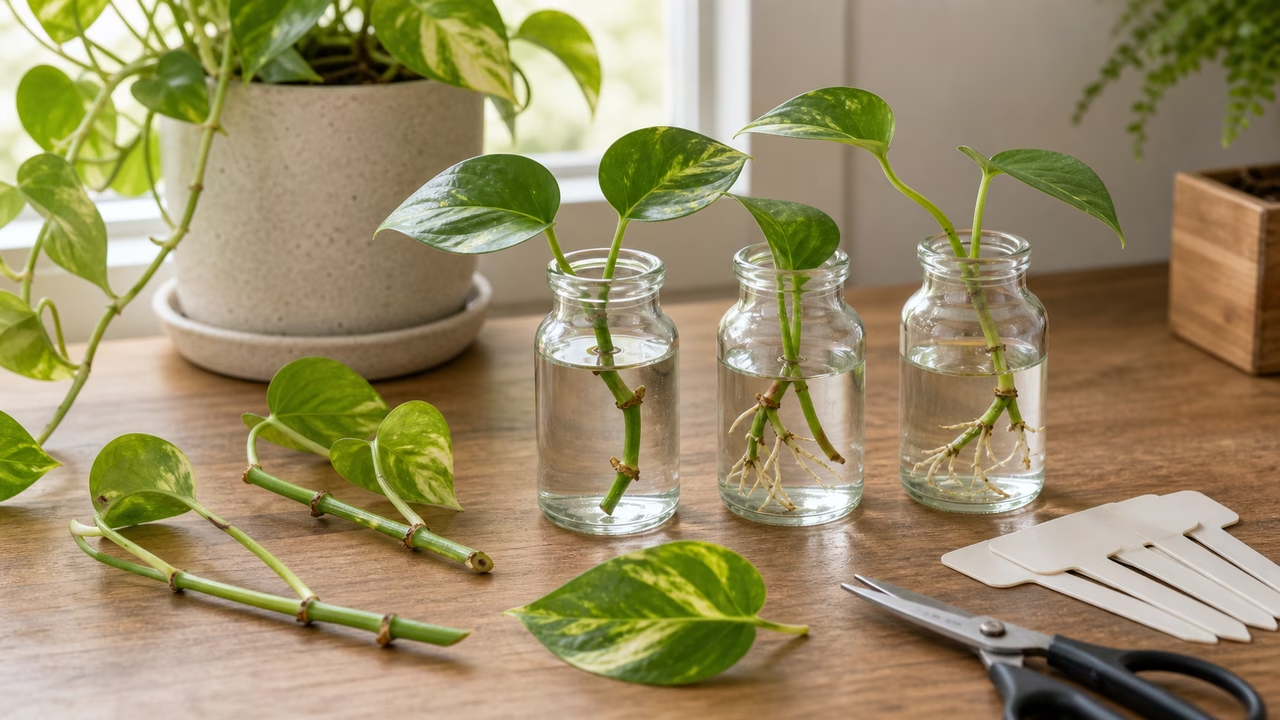
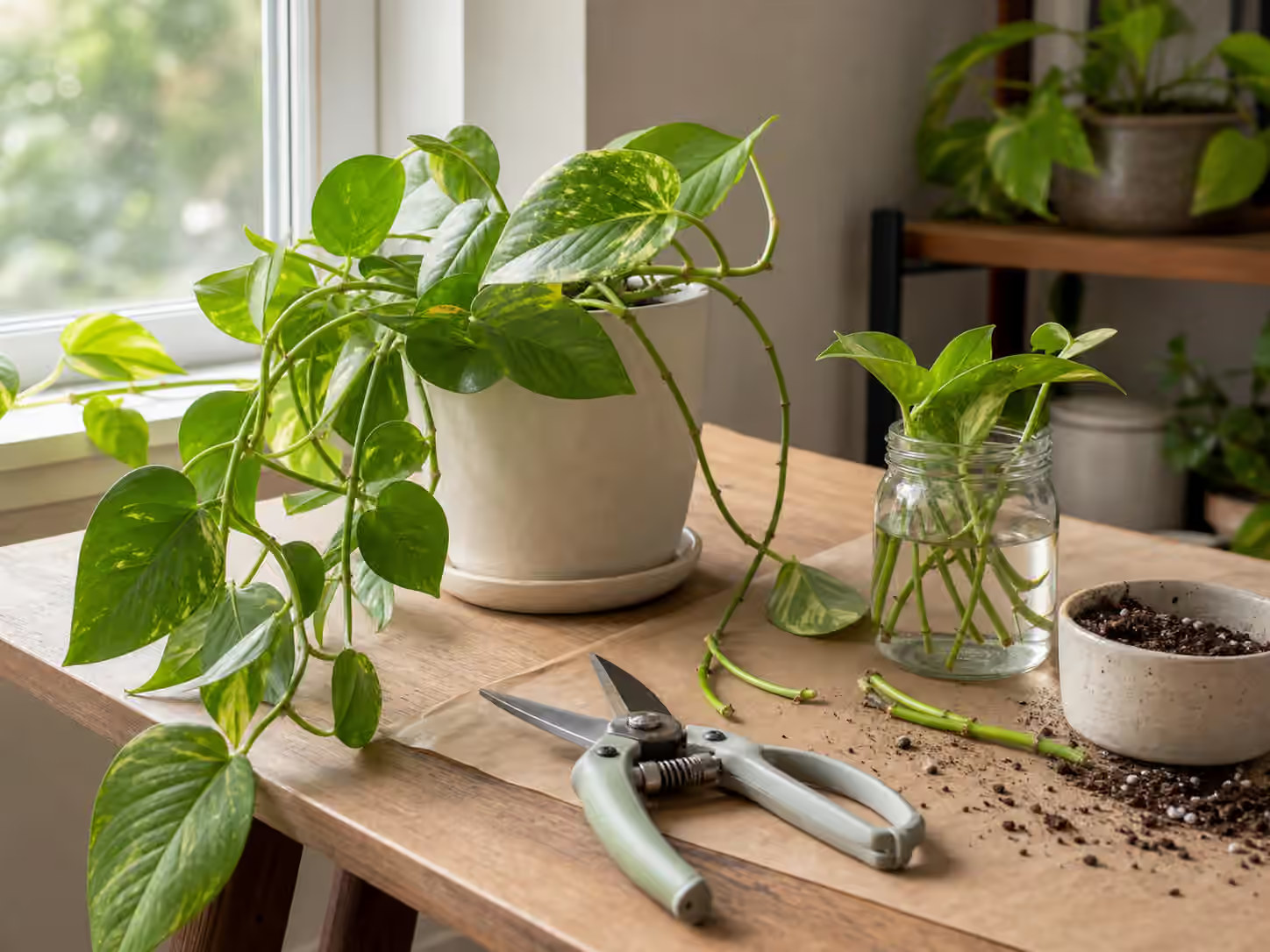
For the vining and trailing plants most people start with, propagation lives or dies on the node. A node is the slightly thickened point on a stem where a leaf emerges and where, hidden in the tissue, sit the cells capable of producing roots. A cutting with a node can root; a cutting that is only a leaf and its stalk usually cannot, no matter how healthy the leaf looks or how long it floats in water. This is the single most common beginner mistake, and it explains the classic frustration of a pothos or monstra leaf that stays green for weeks, refuses to root, and eventually rots. When you take a cutting, cut cleanly just below a node so that node sits at the bottom, and make sure at least one leaf remains above to keep the piece fed by light. Everything else about vine propagation is detail; the node is the requirement.
Not every plant plays by this rule, though, and that is why matching method to plant matters. Some succulents and a handful of species genuinely root from a single leaf, growing a whole new plantlet from the leaf base. Snake plants root from leaf sections. Many others do not root from cuttings at all and are increased by division or by removing offsets. Assuming every leaf can become a plant is the quiet source of a lot of wasted, rotting material.
Water, soil, and what each one teaches
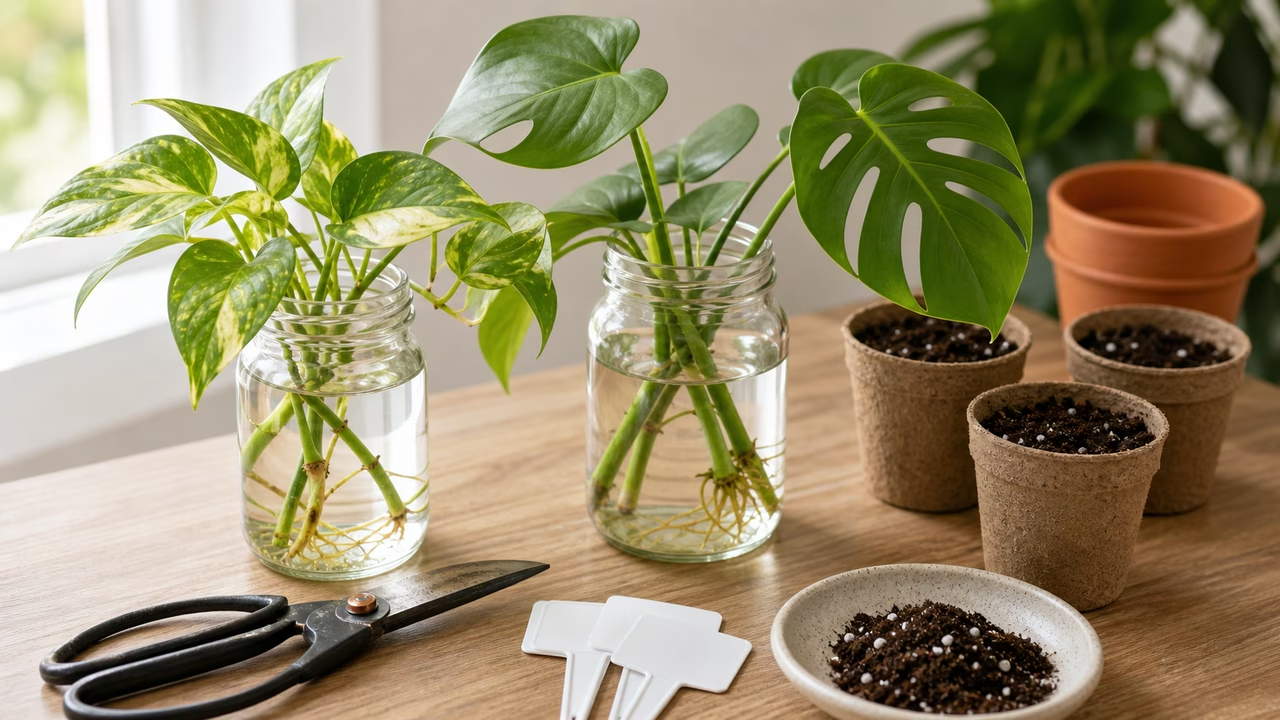
Rooting a node cutting in a jar of water is the most beginner-friendly method for a good reason: you can see everything. You watch the roots emerge, judge their length, and spot rot early because the water goes cloudy or the stem turns mushy. Keep the leaf above the waterline, change the water every few days so it stays oxygenated, and give the jar bright indirect light so the cutting has energy to spend. The one catch worth knowing in advance is that water roots are not identical to soil roots; they are more brittle and adapted to living submerged. Move a cutting to soil while its water roots are still short, around an inch, so it adapts before it builds a whole root system it then has to replace. Wait too long and the transplant shock is worse, not better.
Rooting directly in soil skips that adaptation problem but costs you the window into what is happening. You commit the cutting to moist, well-draining mix and trust the process, checking with a gentle tug after a few weeks to feel for resistance. Soil rooting tends to produce sturdier plants but demands more patience and a lighter touch with water, since a cutting has no roots yet to drink and soggy mix around a fresh cut is an invitation to rot. Whichever medium you choose, the enemy is the same: constant wetness against tissue that cannot yet defend itself, which is simply the beginning of the same process described in Root Rot Basics for Houseplants .
Division and offsets, the shortcut most people overlook
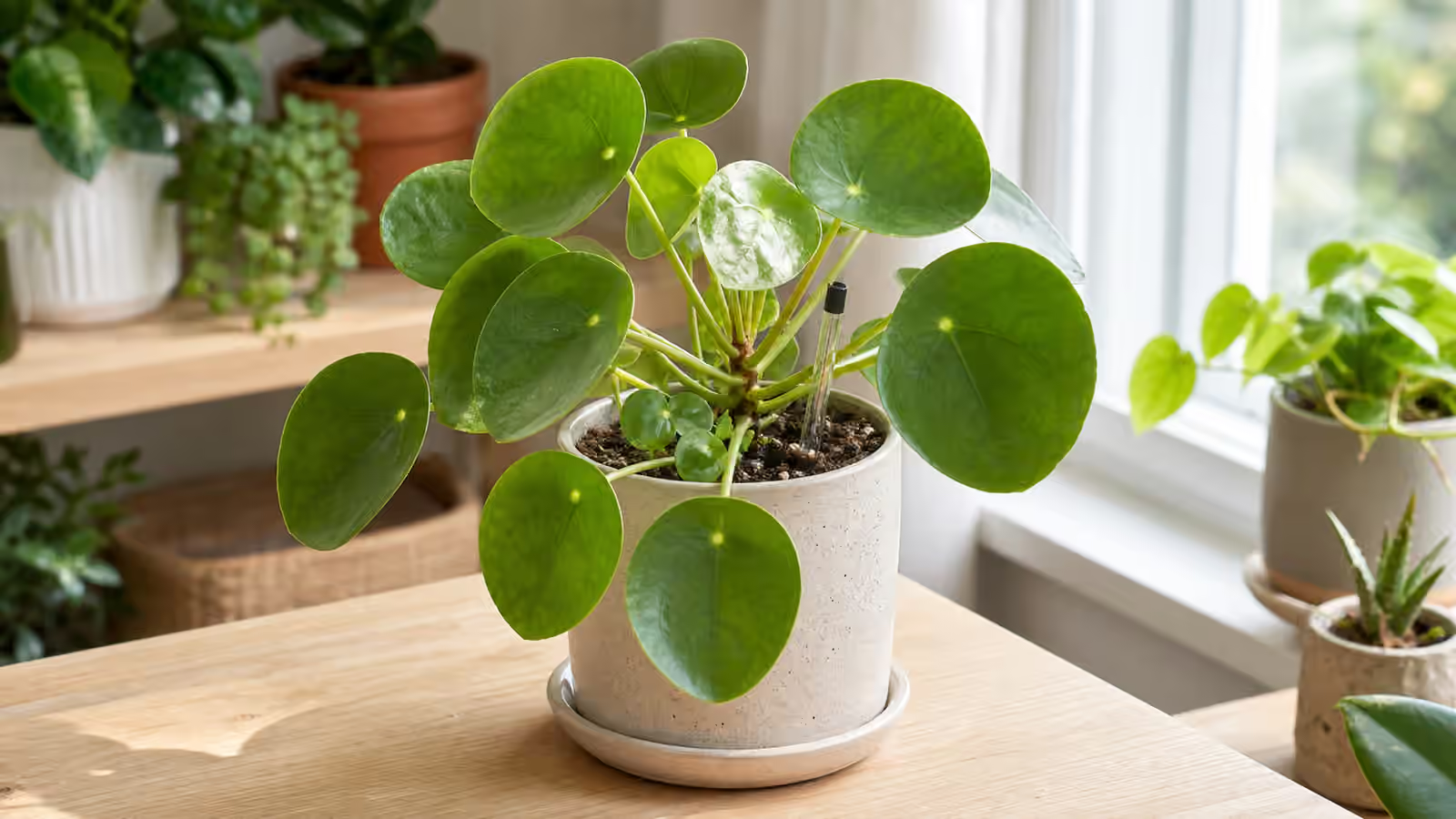
For clumping plants, the fastest and most reliable propagation is not a cutting at all. Division means unpotting a plant that grows as multiple crowns or clumps and separating it into pieces that each already carry their own roots and shoots. Because every division is essentially a small, complete plant from the first moment, the failure rate is far lower than rooting a cutting from scratch. Snake plants, many ferns, peace lilies, calatheas, and spider plants respond well to this. The related trick is the offset, or pup, a small plantlet the parent produces at its base or on a runner; once it has a few roots of its own you can detach and pot it. Division does stress the parent, so it pairs naturally with routine repotting, which is why it is worth reading alongside When to Repot a Houseplant and doing it with the same calm, unhurried handling described in Repotting Without Panic .
Fewer cuttings, taken from strength
There is a temptation, especially early on, to take many cuttings at once, as if quantity improves the odds. It usually does the opposite. Every cutting you remove is a demand on the parent plant, and stripping a struggling plant of several pieces weakens the one healthy asset you have while giving you a batch of cuttings that all root poorly because they came from tired tissue. Cuttings root best when they come from a vigorous, well-lit parent that is actively growing, because that plant is already producing the hormones and energy that drive rooting. Take fewer, take them from your strongest growth, and label each one with the date you cut it. That single note turns propagation from a guessing game into a record: three weeks later you know exactly how long roots are taking, and you stop mistaking normal slowness for failure.
Patience is a method, not a mood
The last ingredient is the one the title names, and it is not decorative. Roots form on their own schedule, driven by warmth, light, and the plant’s own pace, and no amount of checking speeds them up; in fact, repeatedly pulling a cutting out to inspect it damages the fragile new roots and sets the process back. Give a cutting bright indirect light, stable warmth, and the right medium, then leave it alone and let time pass. Most vine cuttings show water roots within a couple of weeks and are ready for soil within a month or so, but slower plants and cooler rooms stretch that considerably. Judge by roots, not by days, and resist potting up before the roots can actually support the cutting. The observation-first patience this asks of you is the same habit that underlies the rest of the clinic, laid out in Houseplant Clinic for Beginners , and it keeps you from overwatering the new plant the moment it goes into its pot, a discipline covered in Stop Watering Houseplants on a Schedule .
When to get help or stop
Propagation is low-stakes by nature; a failed cutting costs you a leaf and a lesson, not a plant. So the boundary here is mostly about not chasing a lost cause: if a cutting has gone soft, black, or slimy, it is not coming back, and continuing to nurse it only risks the rot spreading to a fresh attempt. Beyond the plant itself, if any part of your setup crosses into pet chewing or ingestion, pesticide exposure, heavy mold, or severe allergies, that is outside everyday care. A houseplant guide can help you match method to plant and wait well, but it should not replace a veterinarian, clinician, landlord, remediation professional, or licensed pest-control professional when those boundaries are involved.