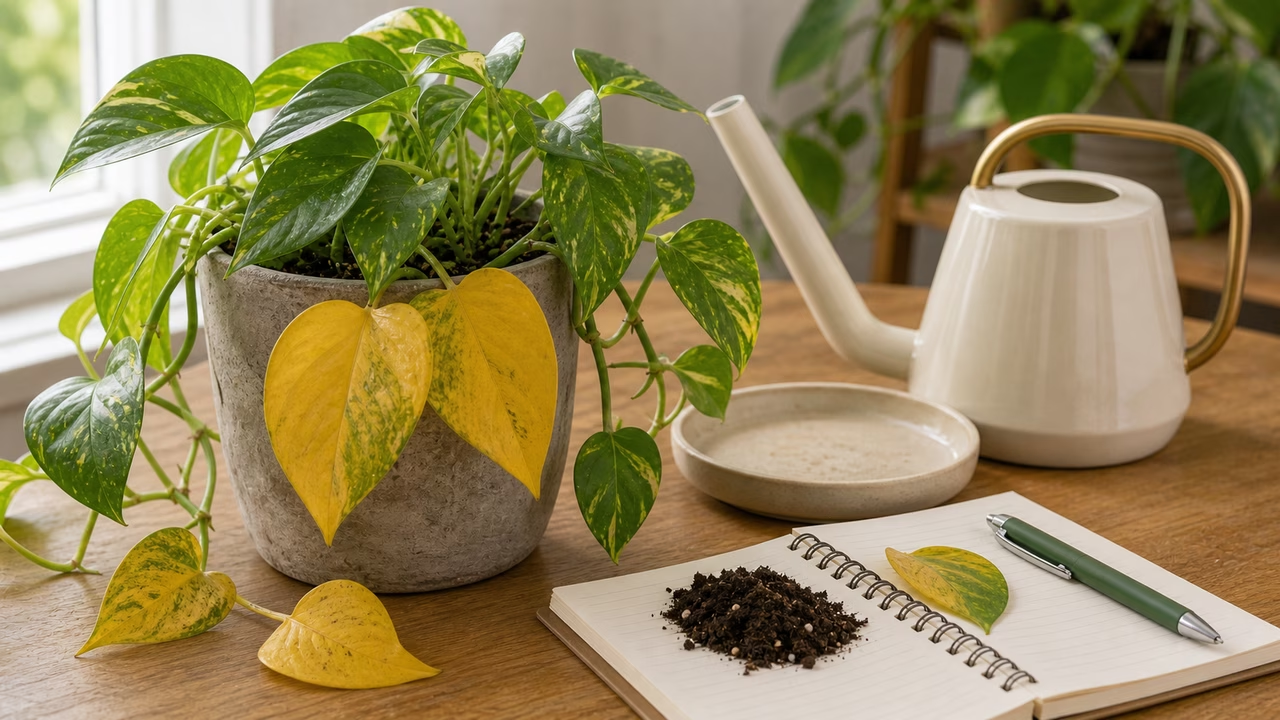
A yellow leaf is not a diagnosis; it is a symptom with at least half a dozen possible causes, and the reason yellowing frightens people is that it looks the same no matter what produced it. The green fades, the leaf goes soft or pale, and panic suggests a single culprit and a single fix. But the plant is usually giving you more information than the color alone. Where the yellow leaf sits, how fast it appeared, what the soil feels like, and what changed recently are the details that separate a plant shedding an old leaf on schedule from a plant drowning at the roots. The whole skill is reading those details before you act.
Old and low, or new and everywhere
The first question to ask is which leaves are yellowing, because location narrows the field faster than anything else. A single older leaf near the bottom of the plant turning yellow, especially an old leaf that has been there a long time, is very often normal. Plants routinely retire their oldest, lowest, most shaded leaves to reinvest that energy in new growth, and one yellow leaf every few weeks on an otherwise thriving plant is maintenance, not illness. Pulling the plant apart looking for a disease in that case only stresses it.
The picture changes when yellowing appears on new growth, spreads across many leaves at once, or climbs quickly up the plant. Yellowing that reaches the newest leaves means the problem is systemic and current, not the plant tidying up its past. Rapid, widespread yellowing is the version worth investigating, and it almost always leads back to the roots, the water, or something that changed in the plant’s environment recently.
The soil tells the truth the leaf hides
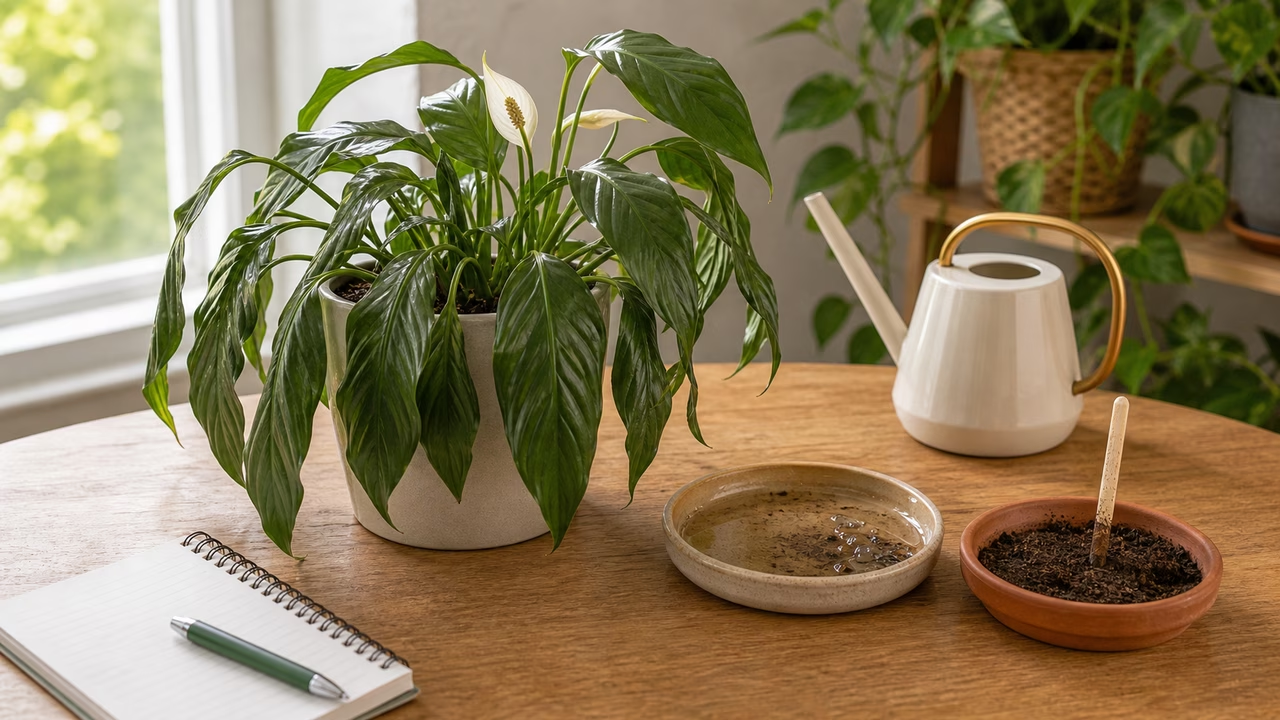
Because overwatering and underwatering can both yellow leaves, the leaf color alone is a trap, and the soil is where you get an honest answer. Push a finger well below the surface, or lift the pot to feel its weight. Soil that is wet, heavy, and has stayed that way for days points strongly toward overwatering, which is the most common cause of houseplant yellowing by a wide margin. When roots sit in airless, saturated mix they suffocate and begin to rot, and a plant with failing roots yellows because it can no longer move water and nutrients up even though it is surrounded by water. The cruel irony is that an overwatered plant and a thirsty plant can look similar from above, which is exactly why the distinction laid out in Overwatered vs Underwatered Houseplants matters so much before you reach for the watering can.
The reflex to fix a yellowing plant by watering it is understandable and frequently makes things worse, because you are adding water to a plant that is already drowning. If the soil is genuinely bone dry and the pot feels featherlight, thirst is plausible, and consistent underwatering does yellow and crisp leaves over time. But if the soil is wet, the honest next action is to stop watering, let the mix dry down, and check whether the pot actually drains, since standing water in a saucer or a cachepot keeps the roots submerged long after you think you have stopped. The habit that prevents this whole cycle is watering by need rather than by calendar, which is the entire argument of Stop Watering Houseplants on a Schedule .
What changed, and what is hiding underneath
When the soil looks reasonable and the yellowing is still spreading, widen the frame to recent change. Plants respond to disruption on a delay, so a yellow leaf today may be the result of something that happened a week or two ago: a move to a darker corner, a repot that disturbed roots, a cold draft from a window, or the dry blast of a heat vent. If the yellowing followed a relocation, the story may belong less to this guide and more to Leaf Drop After Moving a Plant , because a plant adjusting to new conditions will often shed and yellow leaves as it recalibrates. Persistent low light also produces a slow, general paling, since a plant starved of energy cannot maintain all its leaves and lets some go.
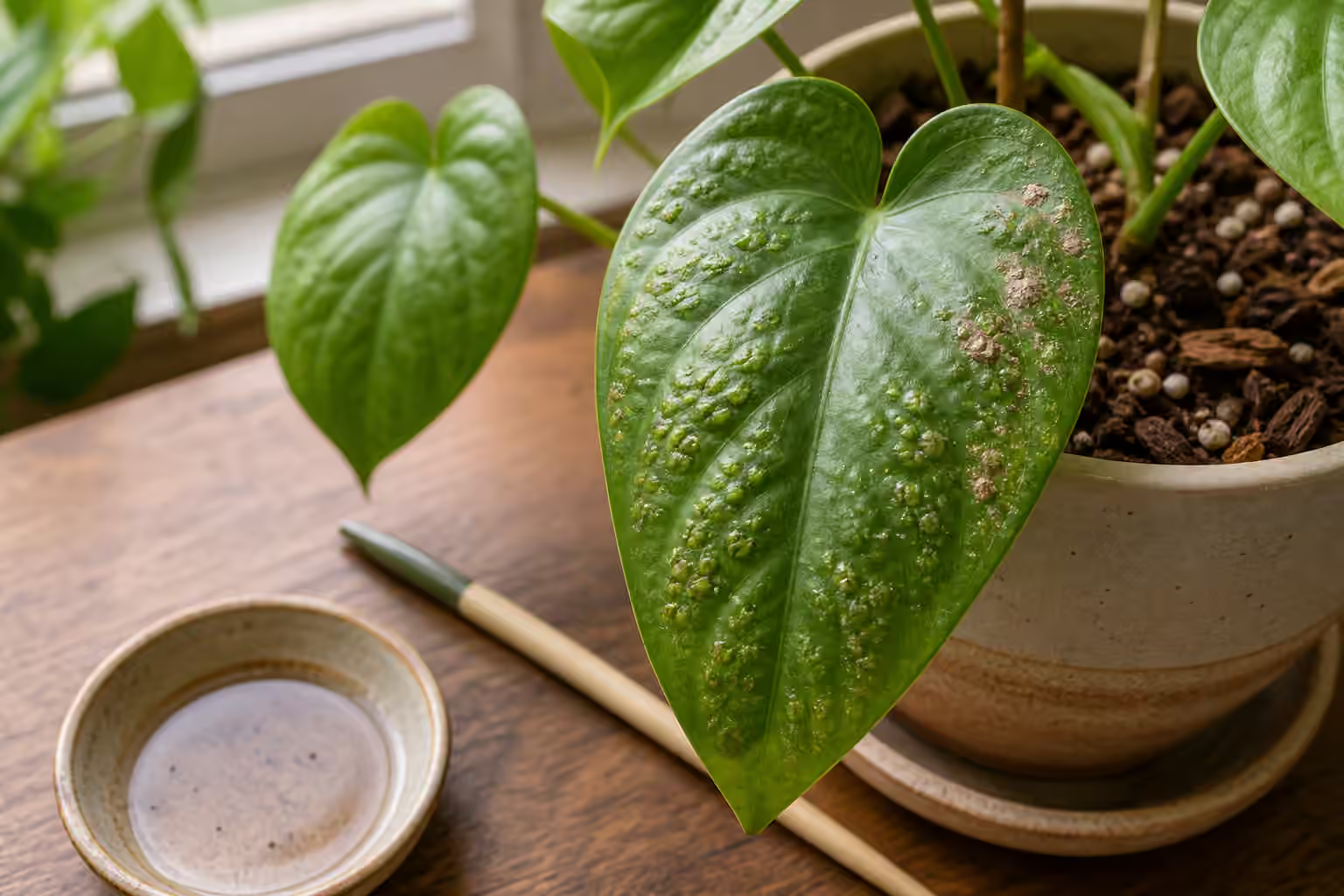
Do not forget to turn the leaves over. Pests feeding on the undersides, particularly spider mites, drain the leaf and leave it stippled, faded, and eventually yellow, and because they work out of sight the yellowing arrives before most people notice the cause. A close look at the undersides and stems, ideally in bright light, rules this in or out quickly, and if you find them the response lives in the extension guidance below and in the clinic’s broader pest routine. Yellowing is also easy to confuse with adjacent symptoms, so it is worth comparing what you see against Brown Tips on Houseplants , Drooping Houseplant Leaves , and Curling Leaves on Houseplants , since a plant often shows more than one at once.
Acting without overcorrecting
Once you have read the evidence, the calm response is smaller than instinct wants it to be. Remove only leaves that are fully yellow or already gone, since a leaf that is still partly green may still be feeding the plant, and stripping every discolored leaf at once removes both the damage and the clues. Fix the single most likely cause, usually the watering and drainage setup, and then wait. New growth is the plant’s real progress report: if the leaves that emerge after your correction come in green and firm, you solved it, and the old yellow leaves are simply history. If new growth keeps coming in yellow or the spread continues, that tells you the first guess was wrong and it is time to reconsider rather than pile on more interventions. This restraint, changing one thing and letting the plant answer, is the core of the approach in Houseplant Clinic for Beginners .
When to get help or stop
Most yellowing traces back to water, light, roots, or a recent change, and most of it resolves once the setup is corrected and the plant is given time. But if a plant keeps declining after you have honestly fixed the drainage and watering, the roots may already be too far gone to recover, and continuing to fuss will not reverse it. And if the situation crosses into pet chewing or ingestion, pesticide exposure, heavy mold, severe allergies, or an unsafe infestation, that is beyond everyday care. A houseplant guide can help you organize what you are seeing and slow your hand, but it should not replace a veterinarian, clinician, landlord, remediation professional, or licensed pest-control professional when those boundaries are involved.