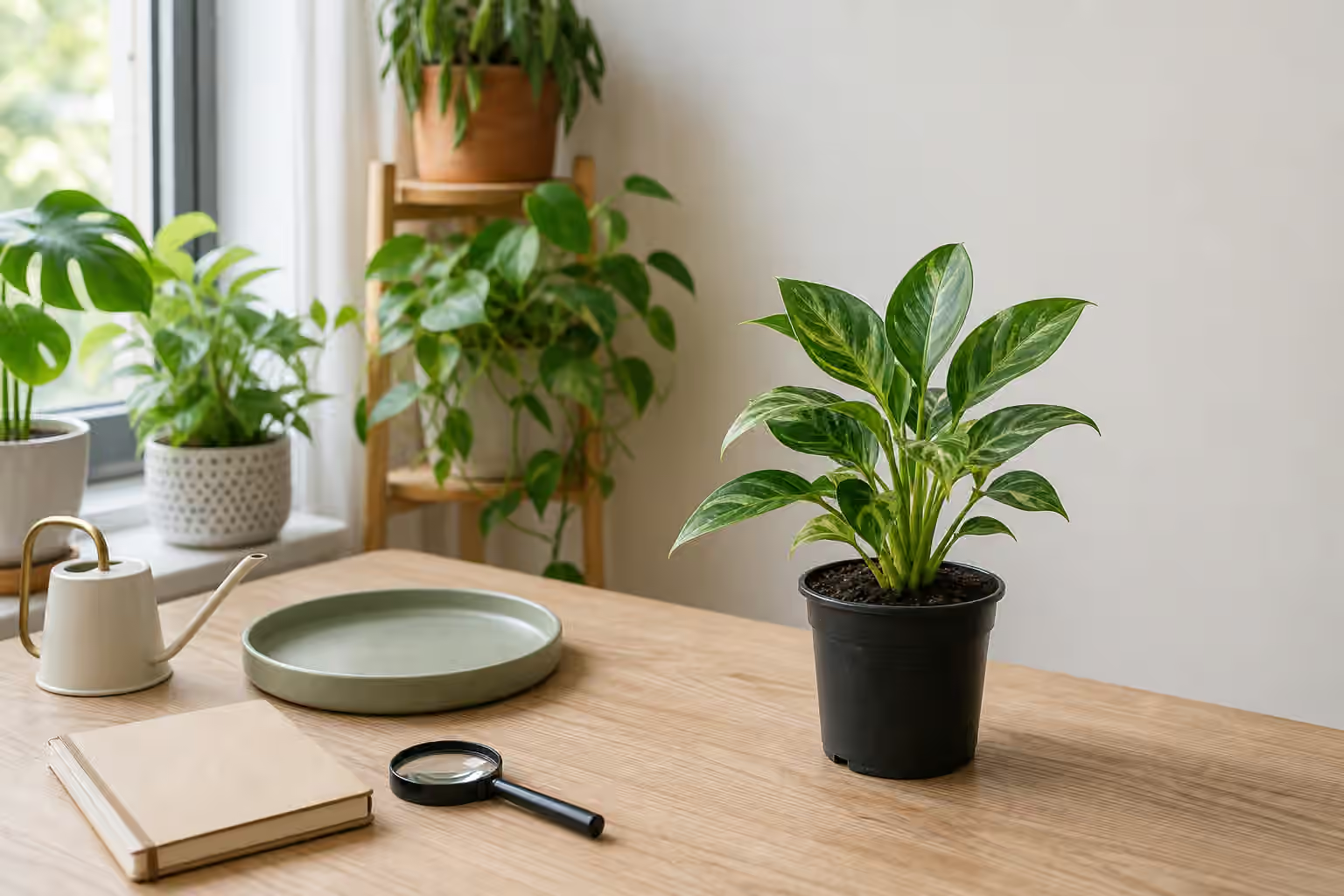
The fastest way to turn one healthy collection into a home-wide pest problem is to carry a new plant straight from the shop shelf to the middle of your other plants. It feels harmless, and most of the time it is, but the exceptions are expensive. Nurseries and stores pack plants close together, water them heavily, and move stock constantly, which is a nearly ideal setup for spider mites, mealybugs, scale, thrips, and fungus gnats to hitch a ride home unnoticed. Quarantine is simply the habit of assuming every new plant might be carrying something and giving it a couple of weeks to prove otherwise before it joins the group.
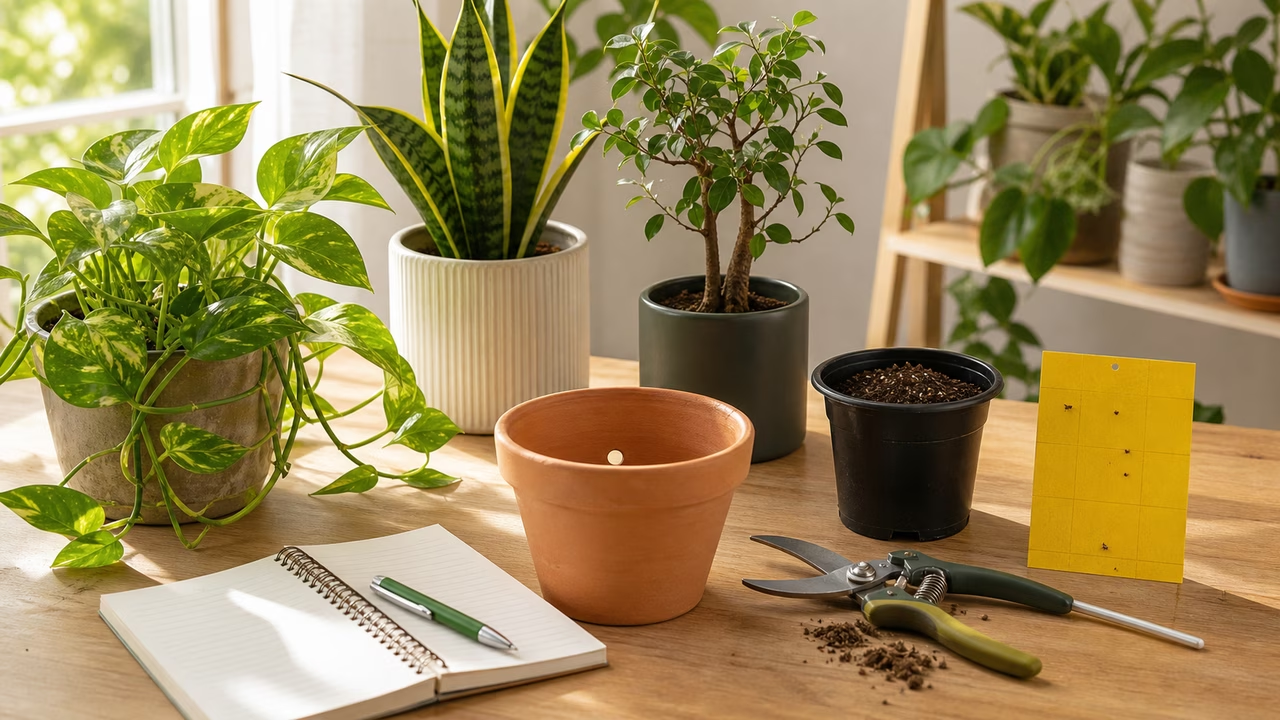
Why the first two weeks matter so much
Most of the pests that travel on new plants are either too small to see easily or hidden in the least visible parts of the plant, and many arrive as eggs rather than adults. A plant can look completely clean on the day you buy it and then reveal a spider mite bloom or a flush of newly hatched mealybugs a week or two later, once those eggs mature in the warmth of your home. That lag is the entire reason a single inspection at purchase is not enough. Keeping the plant apart for about two weeks, and looking at it repeatedly during that window, is what catches the problem while it is still confined to one pot and one plant.
The arrival inspection
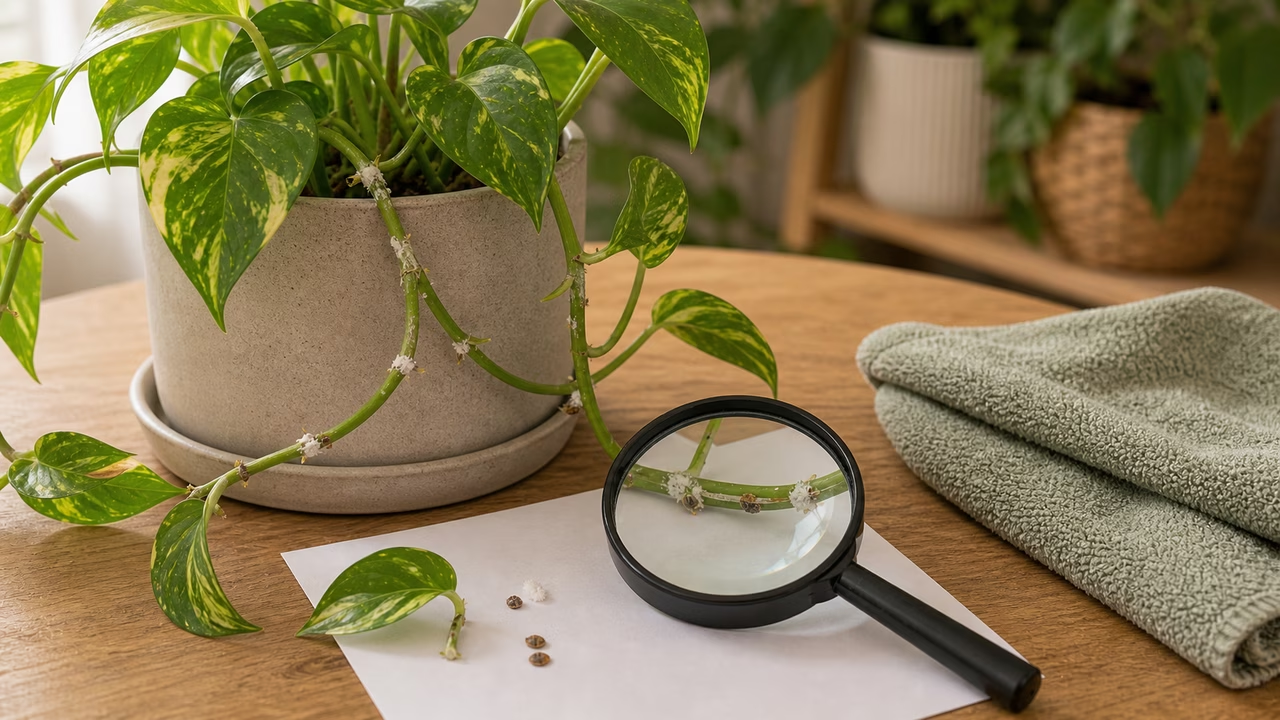
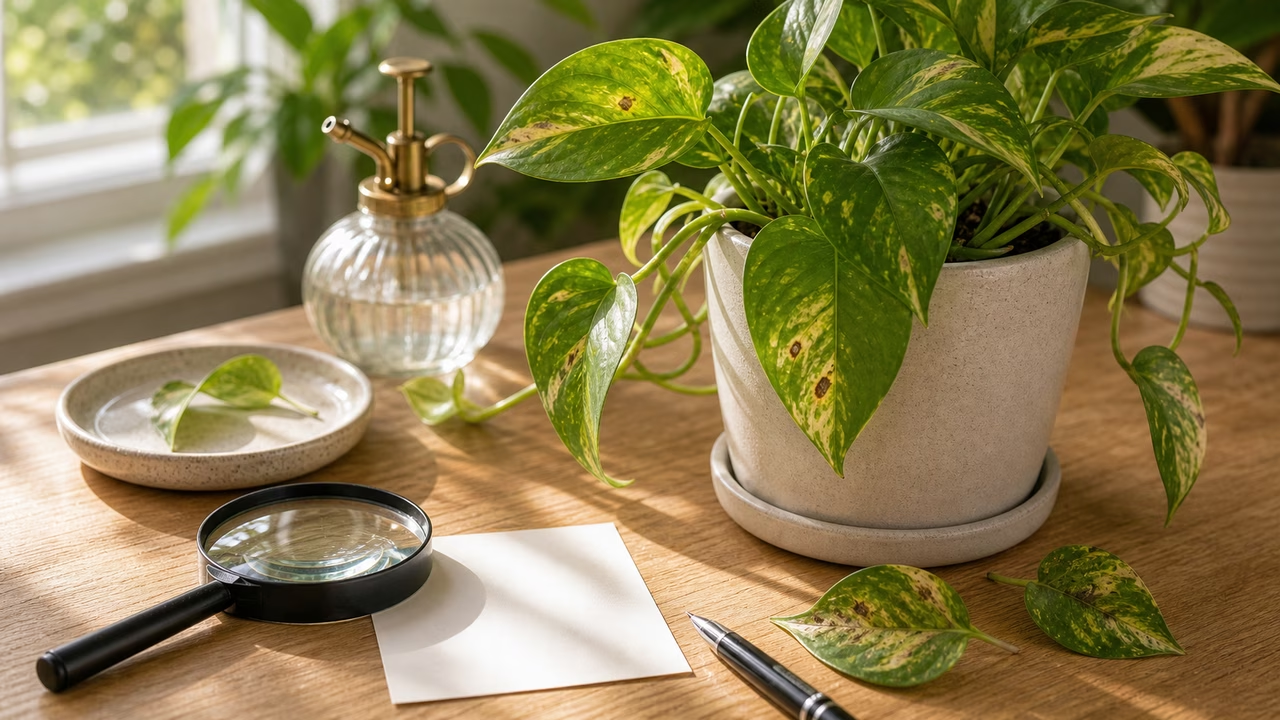
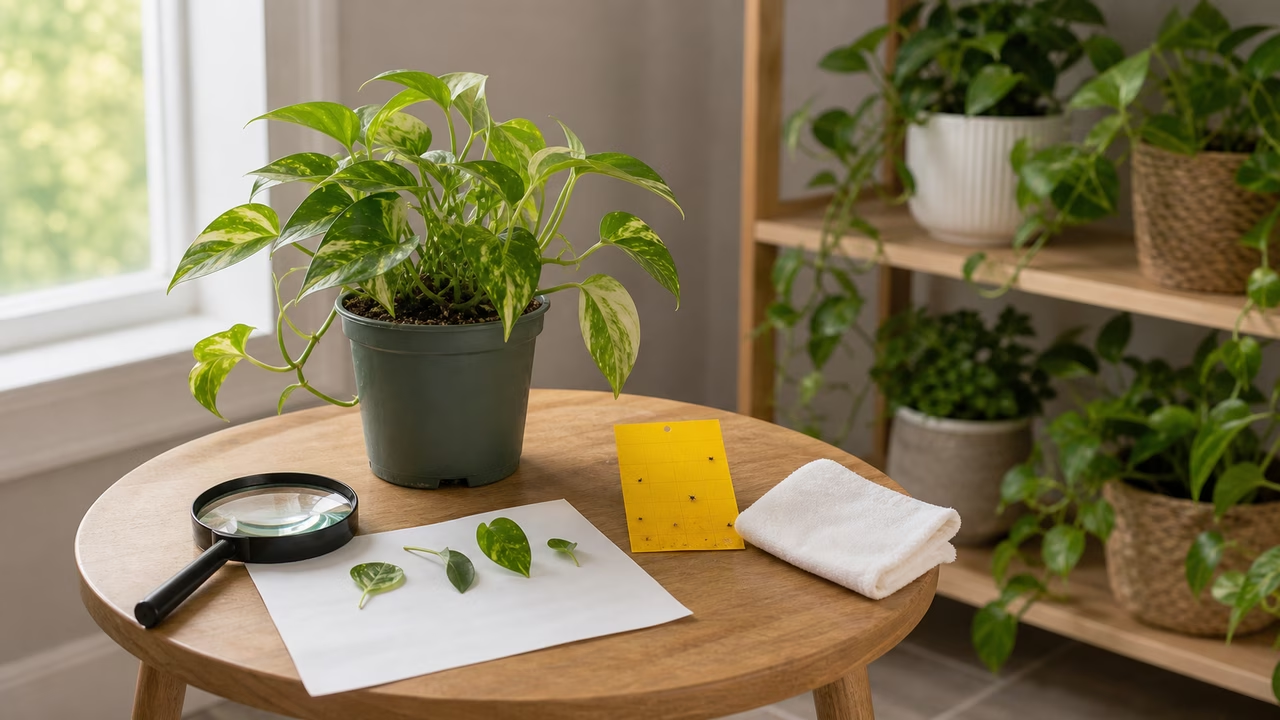
When a new plant comes home, do a slow, deliberate look-over before it goes anywhere near your others. Turn the leaves over and study the undersides, where mites and scale prefer to feed. Look into the crevices where leaves meet stems and into any new curled-up growth, the favorite hiding spots for mealybugs. Run your eye along the stems for small bumps that might be scale. Watch the soil surface for a minute to see whether tiny black flies lift off, a sign of fungus gnats, and check whether the soil is soggy from over-watering in a plastic sleeve. Look for fine webbing, sticky residue, cottony flecks, pale stippling on the leaves, or anything that moves. If a plant came wrapped in a decorative sleeve, take it off, because those sleeves trap water against the pot and hide the drainage.
None of this requires a magnifying glass, though one helps. It requires only that you slow down and actually turn the plant over instead of admiring the top of the canopy.
Setting up the quarantine spot
The quarantine location does not need to be elaborate. It needs to be physically separated from your other plants by enough distance that leaves cannot touch and crawling insects cannot simply walk across, and it needs enough light to keep the plant healthy so you are watching a normally growing plant rather than a stressed one. A spare windowsill, a shelf in another room, or a bright corner well away from the collection all work. Resist the urge to repot, fertilize, or treat the plant with anything during this period. A new plant is already adjusting to your home’s light and humidity, and piling changes on top of that stress makes it harder to tell whether a symptom is a pest, a reaction to the move, or nothing at all. The clinic’s notes on acclimating a new houseplant go deeper on that settling-in period.
What to watch for over the two weeks
Check the plant every few days with the same turn-the-leaves-over inspection you did on day one, and jot down what you see with the date. You are watching for anything new: stippling or fine webbing appearing between checks, sticky honeydew on the leaves or the surface below, cottony spots showing up in the growth tips, or a cloud of small flies rising from the soil when you water. A pest population reveals itself through change over time, which is exactly why repeated looks beat one thorough look. If two weeks pass with clean inspections and healthy new growth, the plant has earned its place and can move in with the others.
If you do find something
Finding a pest during quarantine is the system working, not a failure. Because the plant is already isolated, you can treat it without risking the rest of your collection, and you have caught the problem while it is small. Handle it according to what you found, whether that means wiping off mealybugs, rinsing mites, or letting the soil dry to knock back fungus gnats, and simply extend the quarantine until several inspections come back clean. The clinic keeps a plant separated a good while longer whenever a pest turns up, because the goal is to send a genuinely clean plant into the group, not a mostly-clean one. If you want a repeatable routine to lean on, the houseplant pest inspection routine fits neatly alongside this checklist, and the guides to spider mites and mealybugs and scale cover the two most common stowaways.
Keeping the habit light
Quarantine sounds strict, but in practice it is a low-effort insurance policy: a new plant sits by itself for two weeks, gets a few careful looks, and then joins the family. That small delay is far cheaper than treating an infestation that has spread across a whole shelf. Once it becomes automatic, you stop thinking of it as a chore and start thinking of it as simply what you do with a new plant, the same way you would rinse a piece of fruit before eating it.
When to step back
A plant clinic can help you inspect and observe, but it has limits. If a new plant brings in an infestation that will not stay contained, if a pet has chewed on it, if pesticides come into the picture, or if you are dealing with serious mold or allergies, that is the moment for a veterinarian, a clinician, or a licensed pest-control professional rather than a houseplant guide.