The most confusing thing about watering problems is that too much water and too little water can produce the same drooping, yellowing, sad-looking plant. A wilting plant looks thirsty, so the natural response is to water it, and if the real problem was already too much water, that instinct makes everything worse. Learning to tell these two apart is probably the single most valuable diagnostic skill a beginner can build, because it stops you from doing exactly the wrong thing at exactly the wrong moment.
Why the leaves alone will fool you
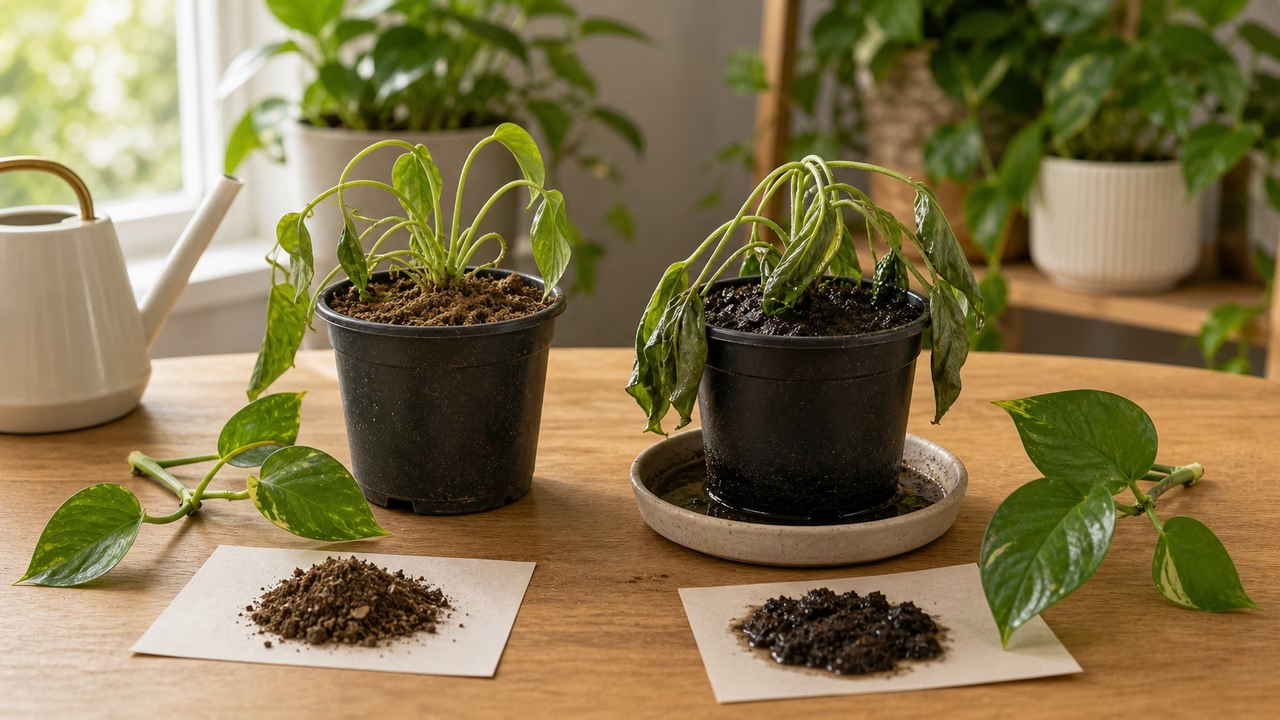
If you look only at the canopy, the two conditions overlap almost perfectly. Both can cause drooping, both can cause yellow leaves, and both can make a plant look limp and defeated. The reason is that both ultimately starve the plant of water at the leaves, just by opposite routes. An underwatered plant has no water in the soil to draw up. An overwatered plant has plenty of water but has drowned and rotted the roots that would carry it, so the leaves wilt while sitting in a soaking pot. Same symptom, opposite cause. This is why the leaves are the last place you should look for your answer, and the soil and roots are the first.
The soil check comes before anything
Before you touch a watering can, feel the soil. Push a finger down an inch or two, or better, push a wooden skewer to the bottom and pull it out to read the whole pot. If the soil is genuinely dry through most of the pot, the plant is telling the truth when it looks thirsty, and it needs water. If the soil is wet or even damp several days after the last watering, and the plant is still drooping, you are looking at overwatering no matter how much the leaves seem to beg for a drink. This one check resolves the majority of cases on its own, which is why the clinic treats it as the reflex before every watering decision. The companion guide on moisture meters, fingers, and pot weight covers how to read that moisture reliably.
What each condition actually looks like
Underwatered soil tends to pull away from the sides of the pot, leaving a visible gap, and it can become so dry that water runs straight down that gap and out the bottom without ever soaking in. The pot feels surprisingly light when you lift it. Leaves often go crispy, papery, and brown at the edges, and the whole plant may droop dramatically but perk back up within hours of a proper watering. Underwatering, caught in time, is the more forgiving of the two problems.
Overwatered soil stays dark, cool, and heavy, and the pot feels weighty long after you would expect it to dry. The leaves tend toward soft, limp, and yellow rather than crispy, and lower leaves often go first. You may notice a musty or sour smell from the soil, mold or a pale crust on the surface, or fungus gnats hovering around a pot that never dries. Crucially, an overwatered plant that you keep watering does not perk up; it slides further down. Weighing the pot right after watering and again a few days later teaches your hands to feel the difference between full and dry, which is one of the fastest ways to stop guessing.
When the roots settle the argument
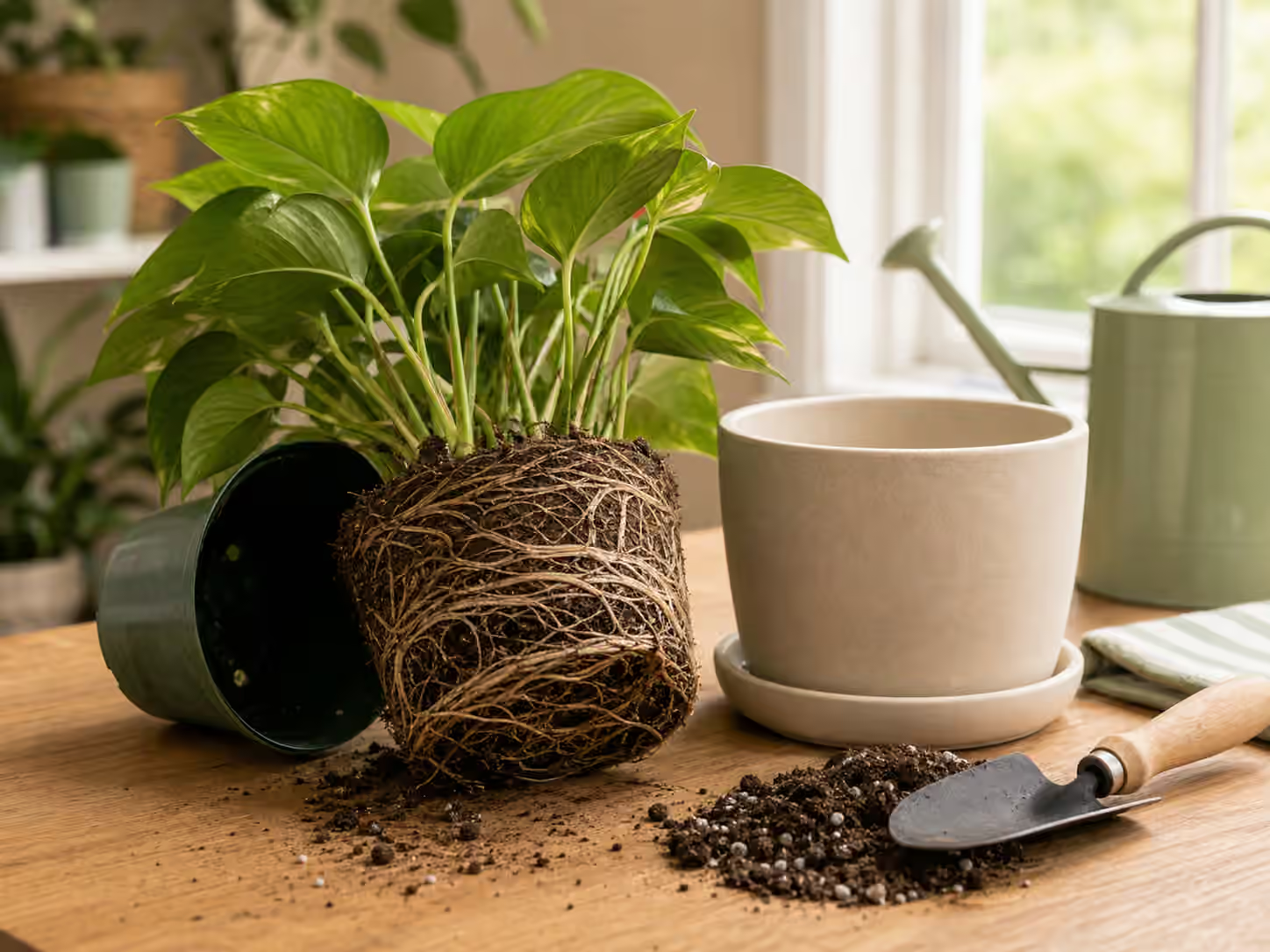
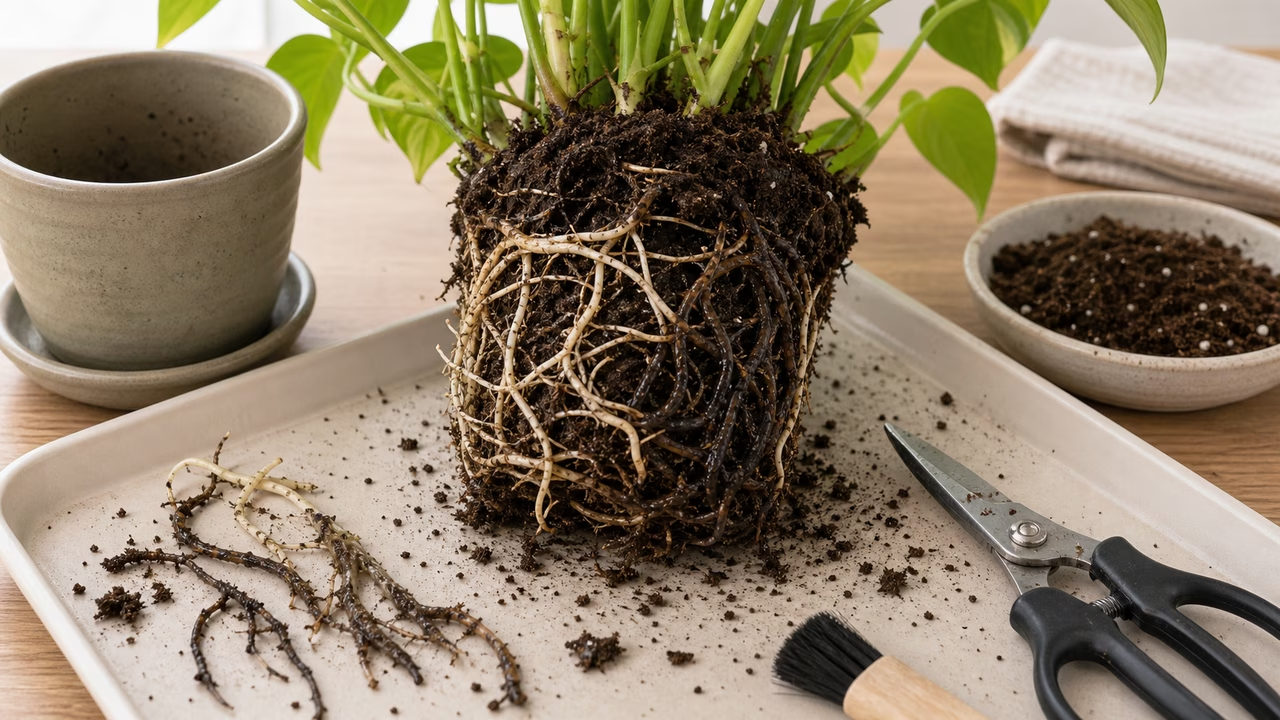
If the soil check and the symptoms still leave you unsure, the roots give the final verdict, and you can usually check them by gently sliding the plant out of its pot. Healthy roots are firm and pale, white or tan, and they hold the soil together. Roots damaged by overwatering are the opposite: brown or black, soft, mushy, and often smelling sour, sometimes sliding off in your fingers as an empty sleeve. Drought-stressed roots look dry and brittle but are not slimy or foul. Because pulling a plant out of its pot is a bit of a disturbance, save this step for when the easier checks have not given you a clear answer or when a plant keeps declining despite your best guess.
Acting on what you find
Once you know which problem you have, the response is straightforward and almost mirror-image. For a genuinely dry, underwatered plant, water thoroughly until it runs from the drainage holes, and if the soil has gone water-repellent, sit the whole pot in a basin of water for a while so it can soak up moisture from below, then let it drain completely. For an overwatered plant, the first move is to stop watering and let the soil dry out. Empty any saucer or decorative pot that is holding standing water, move the plant somewhere with good light and airflow to speed the drying, and inspect the roots only if it keeps going downhill. If you find widespread rot, that shifts into repotting into fresh, well-draining mix after trimming away the dead roots.
The setup problem behind chronic overwatering
Repeated overwatering is very often not a watering-frequency problem but a drainage problem. A pot with no drainage hole, a mix that holds too much water, or a decorative cachepot quietly filling with runoff will keep roots soggy no matter how careful your schedule is. If you find yourself fighting overwatering again and again, the real fix usually lives in the container and the soil rather than the watering can, and the clinic’s notes on drainage holes and cachepots and potting mix for houseplants are the place to look.
When to step back
A plant clinic can help you read soil, weight, and roots, but it has limits. If a plant keeps declining after you have truly corrected the watering and the drainage, or if the situation crosses into serious rot, mold, pests, or a pet chewing on foliage, stop the home experiment and bring in the appropriate qualified help rather than continuing to adjust the water.