Sharing a home with plants and animals is mostly a placement problem, not a botany problem. A cat does not read the care card, and a dog does not know that the trailing vine near the sofa is off limits. What they do respond to is where things sit, how easy they are to reach, and whether a leaf dangles at exactly nose height. Getting the setup right in advance is quieter and far less stressful than reacting after the first chewed leaf, so this guide treats arrangement as the main tool and toxicity awareness as the honest backdrop behind it.
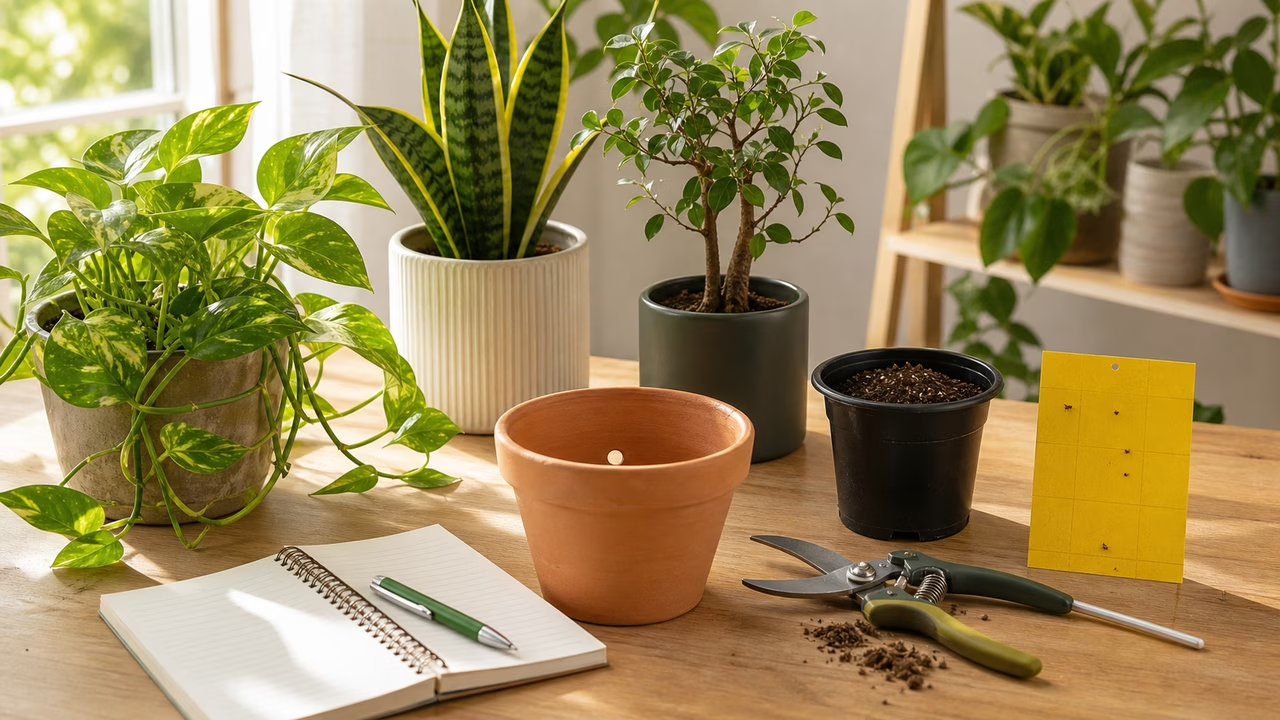
Map how your animal actually moves
Before you decide where a plant goes, spend a few days watching how your pet travels through the room. Cats rarely take the floor route you imagine for them; they read a space in terms of jumping surfaces, so the bookshelf, the windowsill, the back of the couch, and the top of the fridge are all part of one connected highway. A plant set “up high” on a shelf a cat can reach in two hops is not out of reach at all. Dogs work closer to the ground but cover more of it, and a wagging tail at coffee-table height clears a surprising amount of surface. Puppies and young cats chew to explore, older animals often lose interest, and a bored pet left alone all day will investigate greenery it ignored for months. The setup that keeps everyone comfortable is the one built around your specific animal’s habits, not a generic idea of where plants belong.
Choose placement by reach, not just height
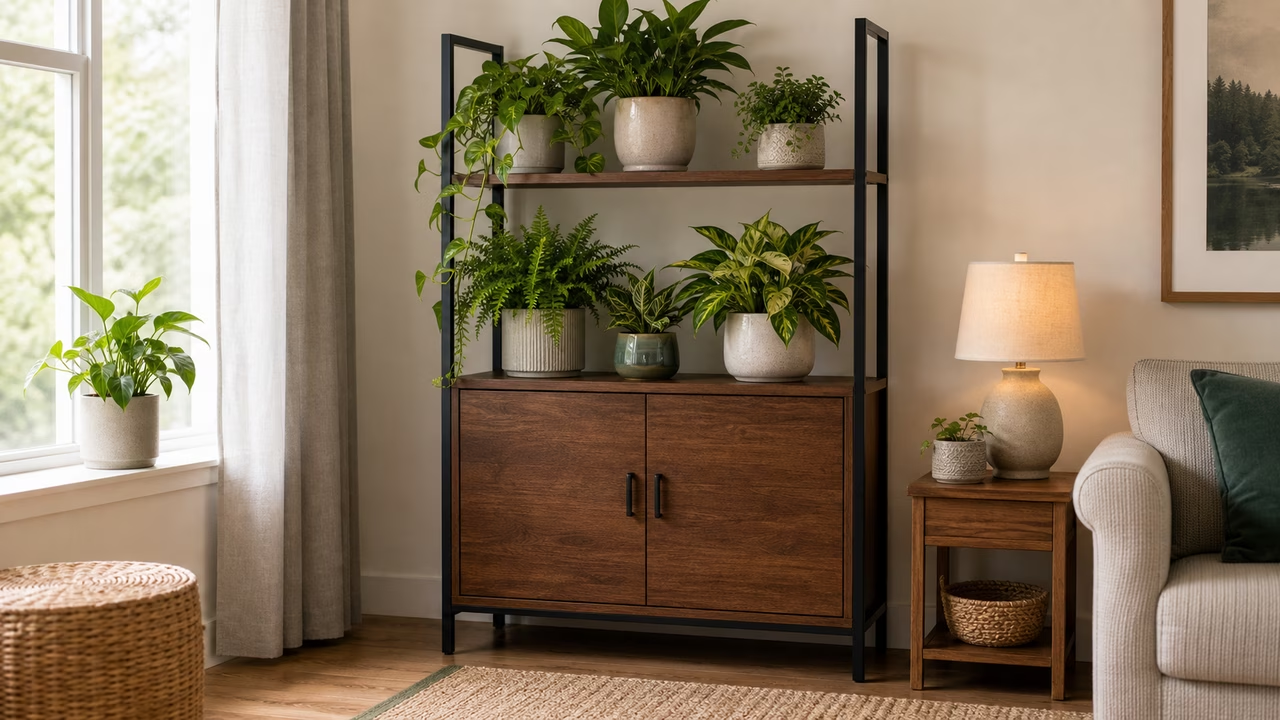
Once you know the routes, sort your plants by how much a determined pet could interact with them. The safest spots are genuinely inaccessible: a wall-mounted planter with no jumping approach, a hanging pot suspended where trailing stems stay short and clear of furniture, or a room the pet simply does not enter. Middle-ground spots need thought, because a tall plant on the floor is technically out of a cat’s usual path but its lowest leaves sit right in a dog’s face. Trailing plants deserve special attention, since a pothos or philodendron cascading off a shelf turns a high, safe pot into a dangling temptation that reaches all the way down. If you love a trailer and share the room with a chewer, prune the vines short or coil them back onto the shelf so nothing hangs into striking range. For plants you know are more likely to draw a nibble, distance plus a boring approach is your friend: something a pet has to work to reach usually gets left alone.
Stability so nothing becomes a hazard
Placement solves the chewing question, but it can create a tipping one. A cat that lands on a shelf, a dog that bumps a plant stand while turning around, or a tail that sweeps a lightweight pot can all send soil, ceramic, and plant across the floor at once. The mess is the small problem; a heavy pot falling from height or a shattered container underfoot is the larger one. Favor low, wide, weighted pots for anything within an animal’s world, set them back from shelf edges rather than perched on the lip, and be honest about whether a slender plant stand can survive a full-speed feline landing. Loose topdressing matters too: decorative pebbles, bark chunks, and moss are exactly the kind of scatterable objects a curious pet will bat around, and some pets will try to eat them. A plain, firmly packed soil surface gives them less to play with, and a heavier pot gives you fewer surprises. For a fuller look at rating shelves and arranging a room, the companion guide on plant stands, shelves, and room safety walks through the furniture side in detail.
Fallen leaves and soil are part of the setup
The plant on the shelf is only half the picture. Leaves drop, and a shed leaf on the floor is fully in reach of any animal, no matter how carefully you placed the parent plant. Sweep dropped foliage promptly, keep the soil surface tidy rather than mulched with tempting loose material, and empty saucers so a pet is not drinking runoff that may carry fertilizer residue. If you have recently used any plant product, keep the animal away from treated foliage and damp soil until things have dried and settled, and always follow the product’s own label for pet safety. The clinic habit of observing before acting applies here too: notice which plants your pet walks past without interest and which ones it keeps circling back to, and let that pattern guide what you move and what you leave alone.
Toxicity awareness without overstating it
It is genuinely useful to know which of your plants carry a chewing or ingestion risk, because that knowledge shapes where you put them. Many common houseplants can cause mouth irritation, drooling, or stomach upset if an animal chews them, and a smaller number are of more serious concern. What this guide will not do is give you a confident yes-or-no safety verdict for a given plant and a given animal, because that judgment depends on the species, the amount, and your specific pet, and it belongs to a veterinary professional rather than a placement guide. The realistic stance is to treat no plant as automatically safe to chew, to place anything you are unsure about out of easy reach, and to keep your veterinarian’s number and a poison-control resource somewhere you can find them quickly. Knowing in advance who to call is part of a pet-aware setup, not an admission that anything has gone wrong.
The calm next action
If you are setting up from scratch, put the riskiest or most tempting plants in the genuinely unreachable spots first, stabilize any shelf or stand a pet can climb, trim trailing vines out of dangling range, and tidy the floor and saucers as a daily habit. If a pet does chew a plant, that is the moment the home experiment ends and a professional begins: contact a veterinarian or poison-control resource rather than waiting to see what happens. For the wider household picture of arranging a home around animals and ingestion boundaries, see Pawstead , and pair this with the clinic’s foundational reads on houseplant clinic for beginners and the calmer watering rhythm in stop watering houseplants on a schedule .
When to get help or stop
A houseplant guide can help you arrange a room thoughtfully and read your own pet’s habits, but it cannot replace the people whose job is safety. Stop the casual, do-it-yourself approach and get qualified help the moment the situation crosses into pet chewing or ingestion, pesticide exposure, severe allergies in the household, heavy mold, or an unsafe infestation. For those questions, a veterinarian, clinician, landlord, remediation professional, or licensed pest-control professional is the right call. The goal of a pet-aware setup is to make those emergencies rare by building a calm, well-placed home in the first place, and to know exactly who to reach if one arrives anyway.