A plant collection lives or dies less on the plants than on the furniture that holds them. A shelf in the wrong place turns a healthy plant into a struggling one because the light never reaches it; a stand that wobbles turns an ordinary Tuesday into a broken pot and a soil-covered floor. The most useful way to think about stands and shelves is not decoration first but function first: does every plant get light, can you water it without a fight, and will the whole arrangement stay standing when a person, a pet, or a gust of a closing door bumps into it. Build around those three questions and the display looks after itself.
Start with light, because furniture cannot fix a dark corner
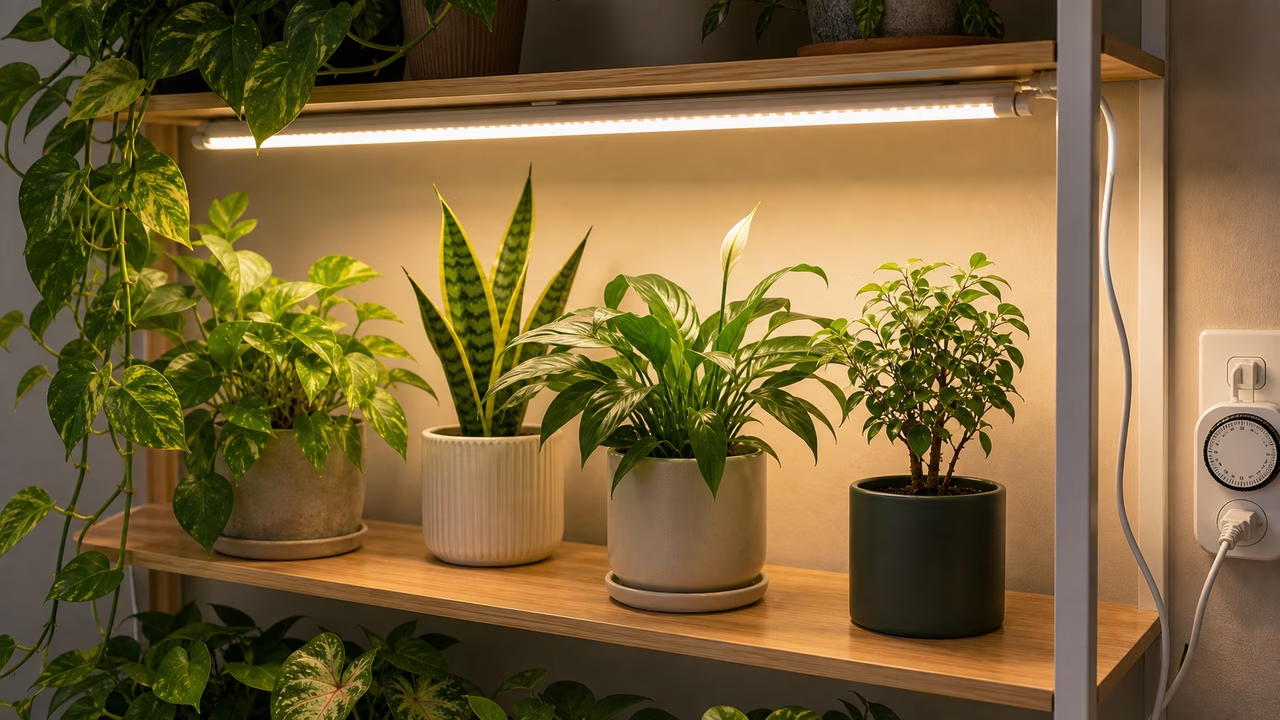
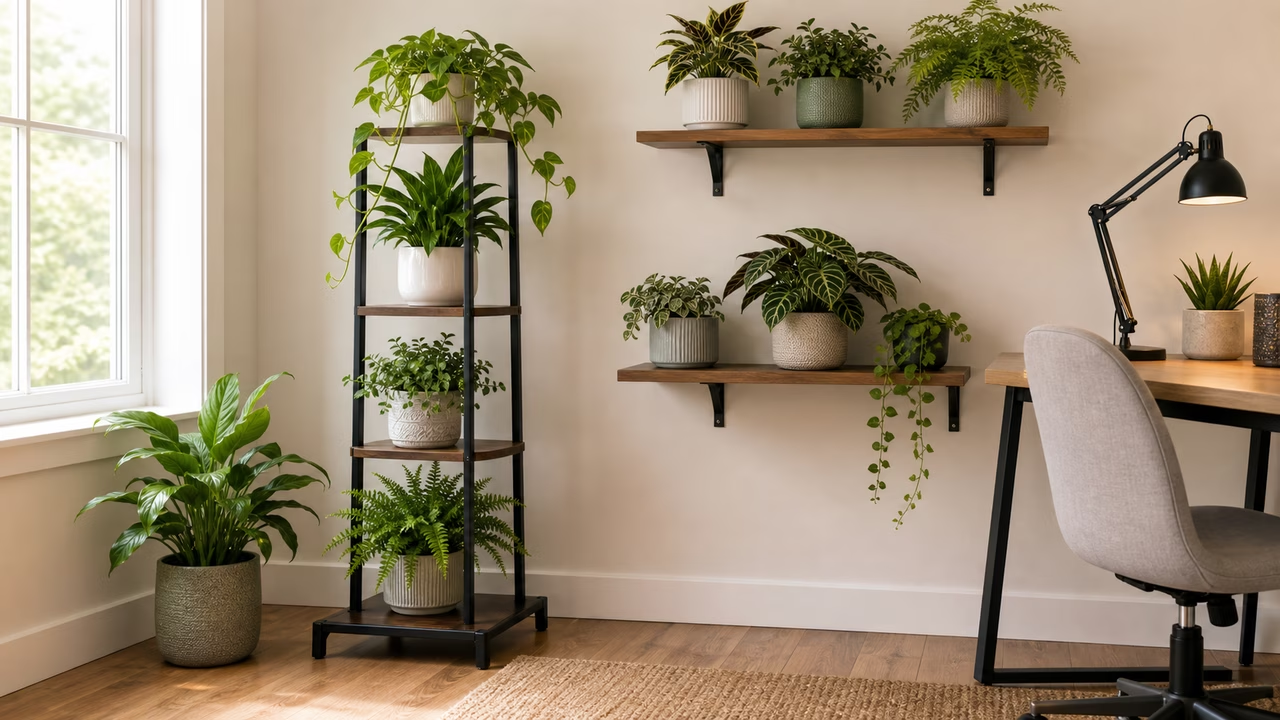
The prettiest shelf in the wrong spot is a slow decline in progress. Before you decide where a stand goes, look at where the usable light actually falls and how it changes through the day. A tall shelf packed with plants will shade its own lower tiers, so the pots on the bottom rows end up in far dimmer conditions than the ones on top even though they sit in the same room. If you plan to stack plants vertically, put the light-hungry species where the window reaches them and reserve the shady lower shelves for plants that tolerate less. When a good display spot simply lacks daylight, a grow light is the honest fix rather than hoping a plant will adapt, but treat the fixture and its cord as part of the safety picture from the start. For the underlying skill of judging a spot, the clinic’s how to check indoor plant light is the companion read.
Rate the shelf before you trust it
Wet soil is heavy, and a shelf that looks solid empty can be badly overloaded once it holds a row of freshly watered pots. A single modest pot with damp soil weighs more than people expect, and a full tier multiplies that fast. Check what the shelf or stand is actually rated to hold, how it is anchored, and whether it can tip. Freestanding stands and narrow plant ladders are the usual culprits because their small footprint makes them easy to knock over, especially when a top-heavy plant sits on the highest step. Tall shelving benefits from being secured to the wall so it cannot pitch forward, and every tier is safer when the heavy pots sit low and toward the back rather than perched near a front edge. If you find yourself wanting more or sturdier surfaces, it is worth comparing options honestly. If the observation points to a setup gap, compare plant stands as a category, not as a miracle fix. Buy only when the tool answers the exact problem you found.
Leave yourself room to water
A display you cannot maintain will quietly deteriorate, so plan the watering before you plan the arrangement. Every plant needs to be reachable with a watering can without you having to lift down three neighbors to get to it, and ideally without water running off a high shelf onto the floor or a plant below. Trailing plants placed above furniture can drip onto surfaces you care about, and pots without a plan for runoff will stain a wooden shelf or a floor over time. Think about where the water goes: a saucer that catches overflow, a cachepot you can lift and empty, or a spot near a sink where a pot can drain. If reaching a plant is a chore, you will water it late, and late watering is how a healthy plant slides into trouble. Keeping maintenance easy is not laziness; it is the difference between a display you tend and one you avoid.
Cords, walkways, pets, and kids
A room full of plants is still a room people and animals move through, and the arrangement has to respect that traffic. Grow-light cords and heat-mat cables should run where no one trips on them and no pet chews them, and power strips belong somewhere dry and clear of spills and runoff. Keep the main walking paths open so nobody has to squeeze past a wobbly stand in the dark. If pets or small children share the space, remember that a stand is also a climbing structure and a low pot is within reach of curious hands and mouths; loose topdressing and dangling vines invite exactly the interaction you would rather avoid. The pet-aware houseplant setup guide covers the animal side in depth, and for fitting a full display into a small footprint, Tiny Home Living is built around exactly that challenge of shelves, paths, and room fit. For timers, plugs, and electricity-aware placement of any lighting gear, Home Energy Lab is the natural companion.
Protect the floor and the surfaces underneath
The quiet damage from a plant display is not dramatic; it is the slow water ring on a wooden shelf, the mineral crust on a windowsill, or the warped spot under a pot that was never quite dry underneath. A pot sitting in its own runoff stays wet at the base and can mark or rot the surface below it over months. Put something between pot and furniture, empty saucers rather than letting water stand, and check occasionally under the heavier pots for damp you did not notice. A little floor and surface protection built into the setup means the arrangement can stay in place for years without leaving its mark on the room.
The calm next action
Build the shelf around safety, light, and maintenance first, and add plants only where watering and inspection stay easy. Rate the surface, secure anything that can tip, route the cords out of the way, and give yourself a clear reach to every pot. Then place the plants: light-lovers where the window reaches, shade-tolerant species on the dim lower tiers, and heavy or top-heavy pots low and set back. A shelf assembled in that order rarely needs rescuing later. Pair this with the clinic’s houseplant clinic for beginners overview and the steadier watering approach in stop watering houseplants on a schedule , and screen any new arrival with the new plant quarantine checklist before it joins a crowded shelf.
When to get help or stop
A guide can help you arrange a room sensibly and spot the obvious hazards, but it is not a substitute for the professionals who handle the serious ones. Stop the do-it-yourself approach and call qualified help when the situation involves pet chewing or ingestion, pesticide exposure, heavy mold, severe allergies, an unsafe infestation, or a plant that keeps declining after the setup is corrected. Electrical questions around grow lights, structural questions about mounting heavy shelving, and health questions about mold or allergies all belong to the appropriate professional. A well-planned display should make those calls rare, but knowing where your own judgment ends is part of keeping the room, and everyone in it, safe.