Pot size is one of those decisions that seems trivial and quietly is not. Choose it well and the plant dries at a sensible pace, roots colonize the soil, and the whole thing sits solidly on its shelf. Choose it poorly and you get either a pot that stays swampy for a week or a plant that topples the moment someone brushes past. The trap most people fall into is thinking bigger is generous, as though a plant would grow faster with more room. It does not work that way underground, and the aboveground stability question is a separate one that a large pot does not automatically solve. Getting both right means thinking about the roots and the balance as two problems that happen to share a container.
Why a too-big pot causes more trouble than a too-small one
A pot is not just a bigger space for roots to spread into; it is a volume of soil that has to dry out between waterings. When you move a plant into a container far larger than its root ball, you surround those roots with a wide margin of wet soil that they cannot reach or drink from for weeks. That outer ring stays saturated, holds no air, and becomes the exact condition roots dislike most. The plant sits in cold, airless mud far longer than it should, and the damage looks confusingly like underwatering even though the real problem is too much water held too long. This is why the old advice to size up only modestly at repotting time holds: roots grow toward the edges of the soil they can actually use, and giving them a snug fit means the whole volume dries at a rate the plant can keep up with. If the current pot dries out in a day or two and roots are circling the outside of the root ball, sizing up a little is reasonable, but reaching for a dramatically larger pot rarely helps and often hurts. The clinic’s guides on when to repot a houseplant and repotting without panic walk through the timing and the mechanics.
Fit the pot to the roots first
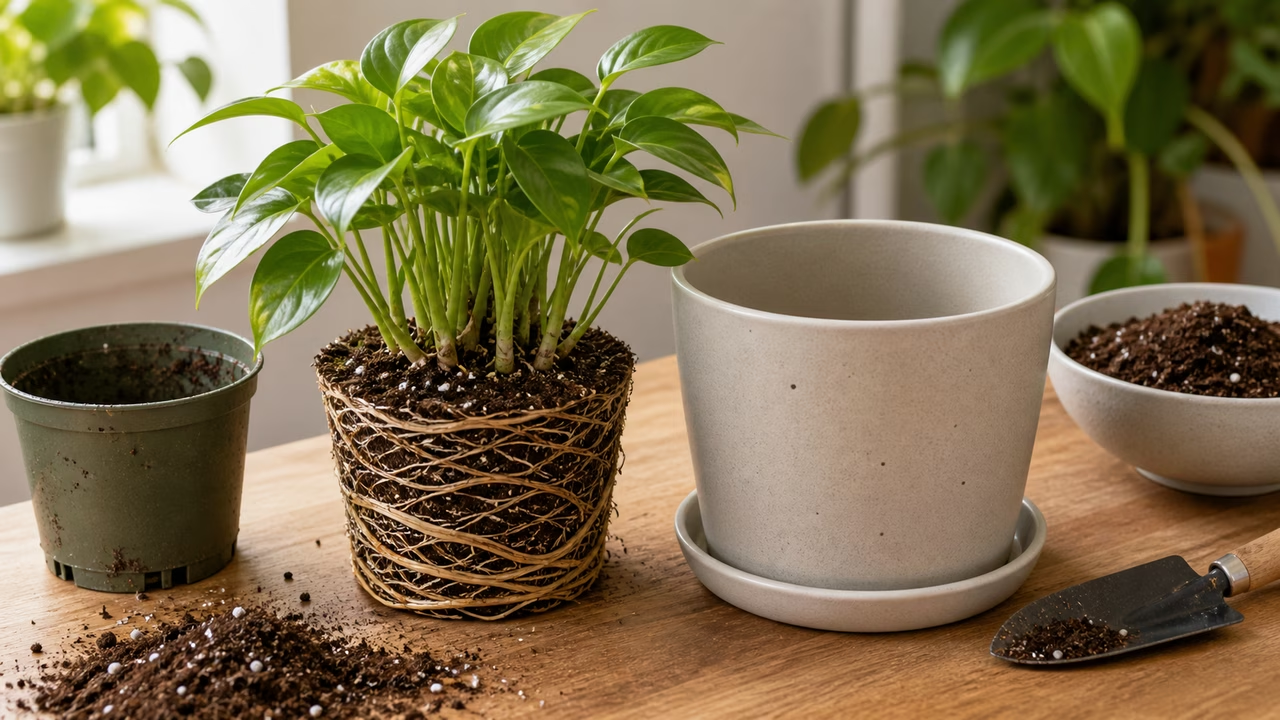
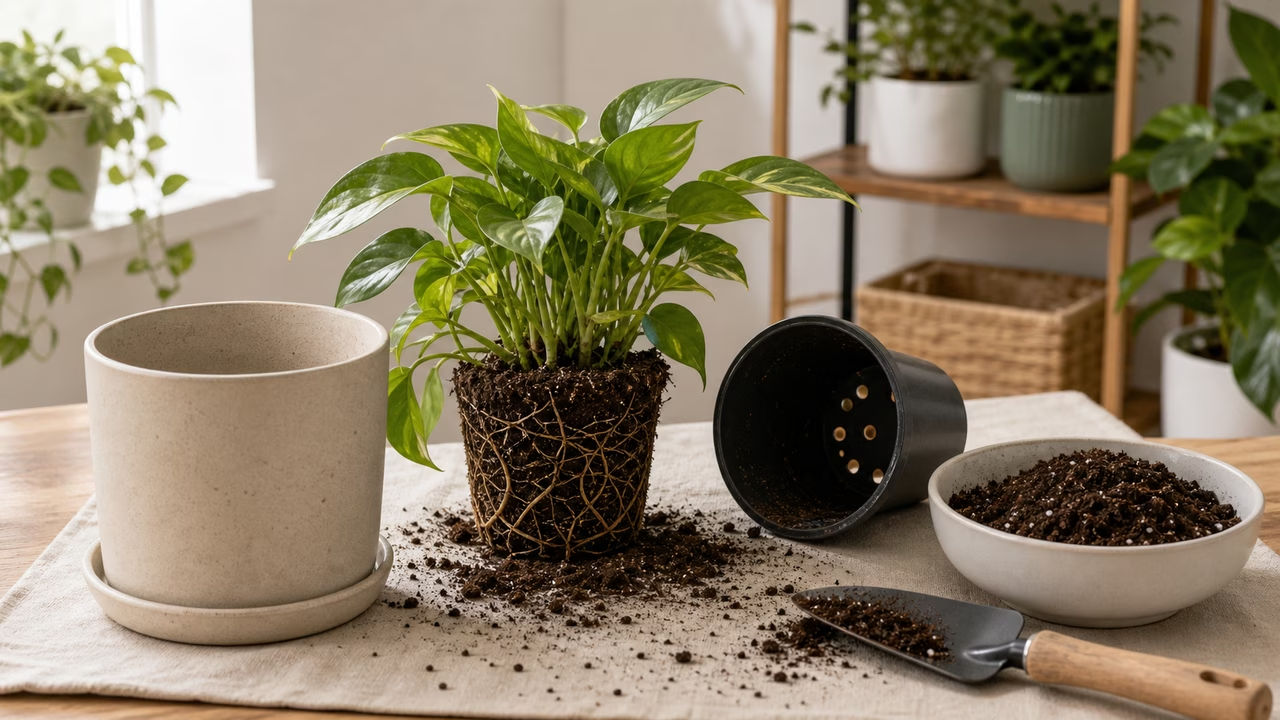
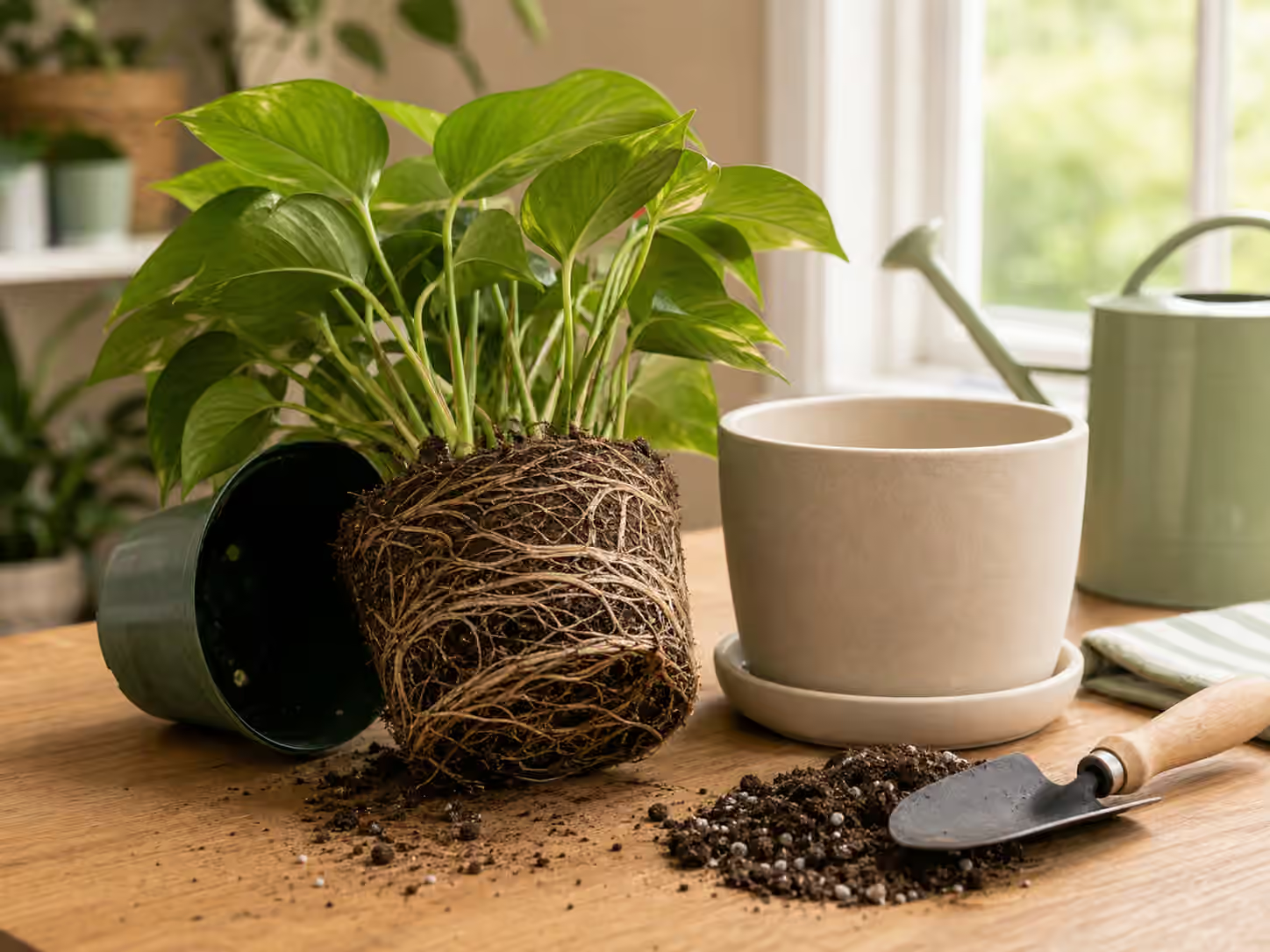
The reliable way to choose a size is to look at the root ball, not the leaves. Slide the plant out and see how the roots fill the current pot. If they have wound tightly around the edges and bottom in a dense mat, the plant is ready for one size up, which usually means a pot an inch or two wider in diameter. If there is still loose soil the roots have not reached, the plant does not need a new pot at all, and repotting it into something larger will only add unused wet soil. Matching the new container to the existing root mass, with just enough fresh margin for a season of growth, keeps the drying rhythm sane and gives the roots a reason to keep expanding. Choosing a pot this way also depends on what fills it, since a chunky, airy mix in a slightly larger pot behaves very differently from dense soil; the potting mix for houseplants guide covers that pairing, and if roots have already gone soft and brown, root rot basics for houseplants is the place to look before you repot into anything.
The stability problem is separate
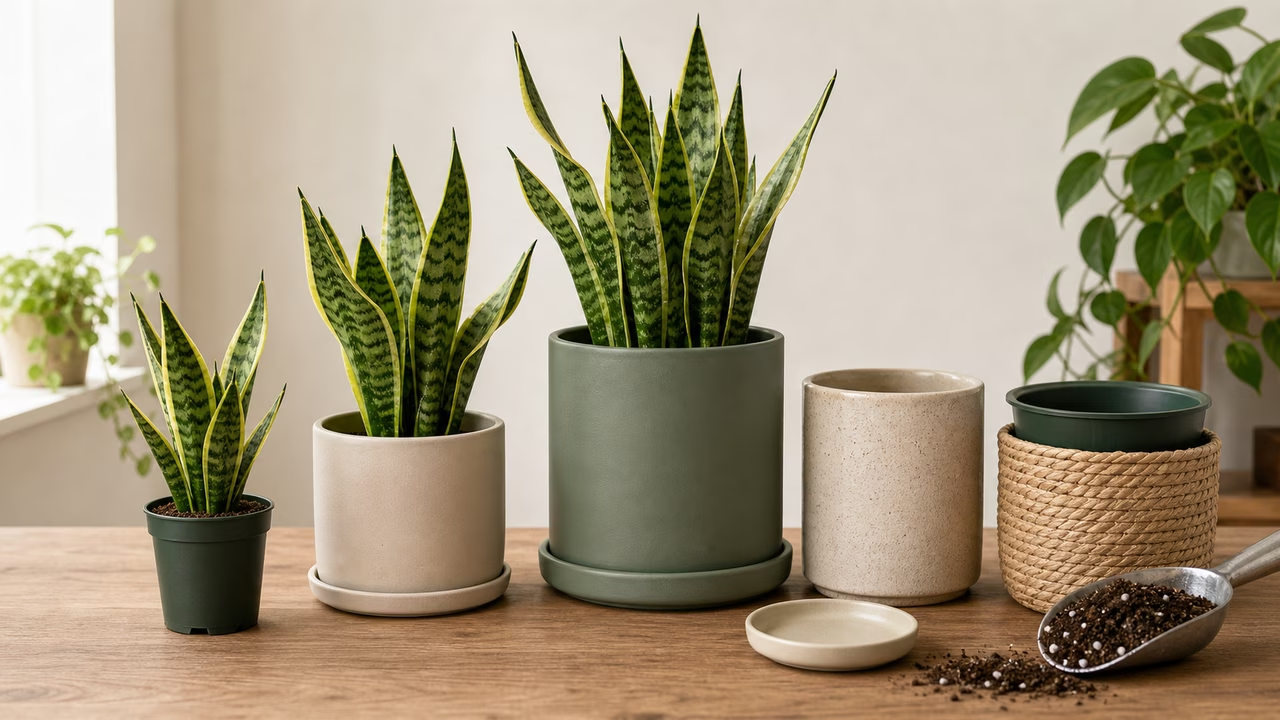
Once the roots are suited, look at the plant as an object that has to stand up. A tall, top-heavy plant in a pot chosen purely for its roots can be genuinely tip-prone, because the right root pot may be small and light while the canopy is broad and leaning toward the window. This is where people wrongly reach for a huge pot, hoping the extra size will anchor the plant, and instead they get the wet-soil problem described above without truly fixing the balance. The better approach is to solve stability without oversizing the root space. A heavier pot material, a low and wide profile, some weight in the base, a stake or support for a leaning stem, or simply setting the pot inside a heavier decorative cachepot all add ballast without drowning the roots. Where the plant sits matters as much as what it sits in: a top-heavy plant placed away from busy walkways and off the edge of a shelf is far less likely to be knocked over in the first place.
Weight, traffic, and the room around the pot
Stability is not only about the plant tipping on its own; it is about everything else that moves through the room. A tall plant near a doorway, a pot perched on a narrow stand a pet can climb, or a heavy container balanced at the front of a shelf are all accidents waiting for a nudge. Think about who passes the plant and how often. A weighted, low pot set back from an edge survives a bumped elbow or a curious animal; a light pot with a big leaning plant on a wobbly stand does not. If the plant is genuinely large and heavy, remember that a full pot of damp soil puts real weight on whatever holds it, so the shelf or stand has to be up to the job too. The companion guide on plant stands, shelves, and room safety covers the furniture side, and for fitting big plants into small rooms, Tiny Home Living is built around that constraint.
A note on drainage and decorative pots
The prettiest pot in the shop is often the one most likely to cause trouble, because heavy glazed and ceramic decorative pots frequently have no drainage hole. A pot with nowhere for water to escape holds every drop you pour, and combined with an oversized volume of soil it becomes a reservoir the roots sit in. If you love a decorative container, the safest use is as a cachepot: keep the plant in a plain nursery pot with drainage holes, set that inside the pretty one, and lift it out to water and drain so it never stands in runoff. That way the decorative weight adds stability while the functional pot handles the water, and you get the look without the swamp.
The calm next action
Pick a pot that fits the roots first, sizing up only modestly when the root ball is genuinely full, and then solve stability separately with weight, support, or smarter placement rather than by reaching for a bigger pot. If the plant is top-heavy, anchor it or move it out of traffic rather than drowning its roots in extra soil. Watch how fast the new pot dries over the following weeks, note the date you repotted, and let the plant’s drying rhythm confirm you chose well. Pair this with the clinic’s houseplant clinic for beginners overview and the calmer approach in stop watering houseplants on a schedule .
When to get help or stop
Choosing a pot and steadying a plant are ordinary care tasks, but some situations sit outside them. Stop the home experiment and get qualified help when the issue involves pet chewing or ingestion, pesticide exposure, heavy mold, severe allergies, an unsafe infestation, or a plant that keeps declining after you have corrected the pot and the setup. A houseplant guide can help you match a container to a root ball and think through balance, but it is not a substitute for a veterinarian, clinician, landlord, remediation professional, or licensed pest-control professional when the problem crosses into their territory.