Potting mix is the part of houseplant care people think about least and blame most rarely, yet it quietly sets the terms for everything else. The mix decides how long water lingers around the roots, how much air those roots get, and how forgiving the plant will be of a watering habit that is a little too generous or a little too sparse. A great mix makes an imperfect waterer look competent; a poor one makes even a careful waterer’s plants struggle. The good news is that you do not need a shelf of specialty bags or a chemistry background. You need to understand what a mix is doing underground and how to read whether yours is helping or getting in the way.
What a mix is actually doing underground
Roots need two things that seem to compete: water and air. A potting mix is the compromise between them. Every time you water, the spaces between the particles fill with water, and as the mix drains and dries those same spaces refill with air. Roots breathe, and if the mix holds water in every pore for days on end, the roots sit in an airless, waterlogged environment and begin to suffocate and rot. If the mix drains so fast and holds so little that it dries within hours, the roots never get a proper drink. A good mix threads the needle: it holds enough moisture to keep the plant supplied between waterings, but it also contains enough open, chunky structure that air returns to the root zone as it drains. When you look at a bag of mix, you are really looking at that balance of water-holding and air-holding, and different plants want the balance struck at different points.
The ingredients, in plain terms
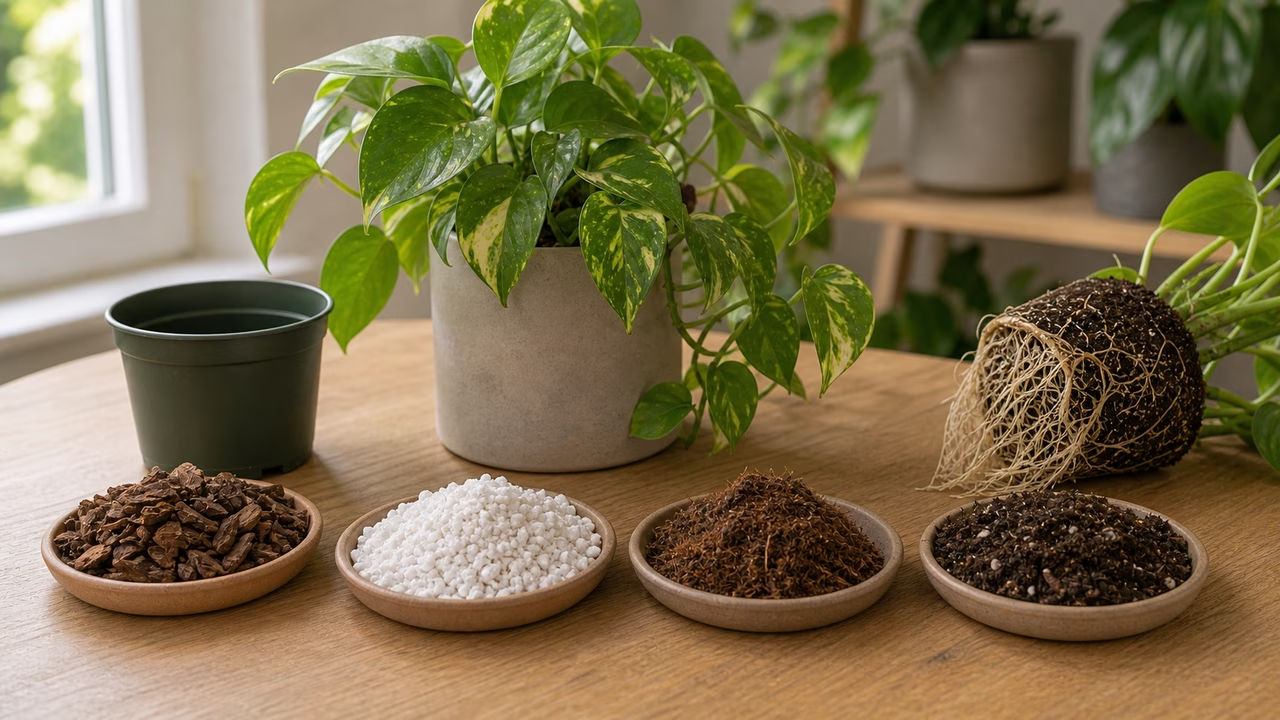
Most houseplant mixes are built from a few recognizable components, and knowing what each one contributes lets you read a bag or adjust your own. The base is usually something water-retentive and structural, historically peat and increasingly coir, the fibrous material from coconut husks, which holds moisture and gives roots a medium to grip. To that, mixes add coarse ingredients whose whole job is to create air pockets and keep the whole thing from packing into an airless block: perlite, the lightweight white specks that look like foam, is the most common, and it opens up the structure and speeds drainage. Bark, usually orchid or fine pine bark, does something similar but larger and chunkier, creating bigger air spaces that suit plants with thick roots used to clinging to trees rather than sitting in dense ground. Some mixes include a little coarse sand or grit for weight and drainage. You do not need to memorize recipes; you need to recognize that the retentive base holds water and the chunky additions hold air, and that adjusting the ratio between them tunes the mix to the plant.
Match the mix to the plant, not the trend
The mistake that costs the most is buying one dramatic, heavily marketed mix and using it for every plant, because different plants evolved in genuinely different soils. A pothos or a philodendron, whose roots like to breathe, does well in a chunky, bark-heavy mix that drains quickly and dries between waterings. A succulent or a cactus wants that pushed even further, with lots of grit and very little water retention, so the roots dry fast and never sit wet; the indoor succulents without overwatering guide leans on exactly that. A fern, by contrast, likes to stay evenly moist and would sulk in a fast-draining cactus mix, so it wants a more retentive base. An orchid barely uses “soil” at all, growing in almost pure bark. The point is not that any one mix is best but that the right mix depends on how the plant likes its roots kept, so let the plant’s natural habits, not the most premium-looking bag, guide the choice.
Reading whether your current mix is the problem
You can diagnose a mix without repotting by watching how the pot behaves. If the soil stays soggy for many days after watering, if water pools on top and takes a long time to soak in, or if the surface has hardened into a crust that repels water and runs straight down the sides, the mix has likely broken down and compacted, losing the air structure it started with. Old mix collapses over time as its organic parts decompose, turning an airy medium into a dense, water-logging one, and that is a common hidden cause of a plant that seems overwatered no matter how carefully you water. The clinic’s compacted and hydrophobic potting mix guide covers that failure directly. On the other end, a mix that dries out within a day and leaves the plant constantly thirsty may be too chunky for that particular plant’s fine roots. Reading the drying behavior tells you more than reading the bag. If the observation points to a setup gap, compare potting mix as a category, not as a miracle fix. Buy only when the tool answers the exact problem you found.
Repot for a reason, not for a bag
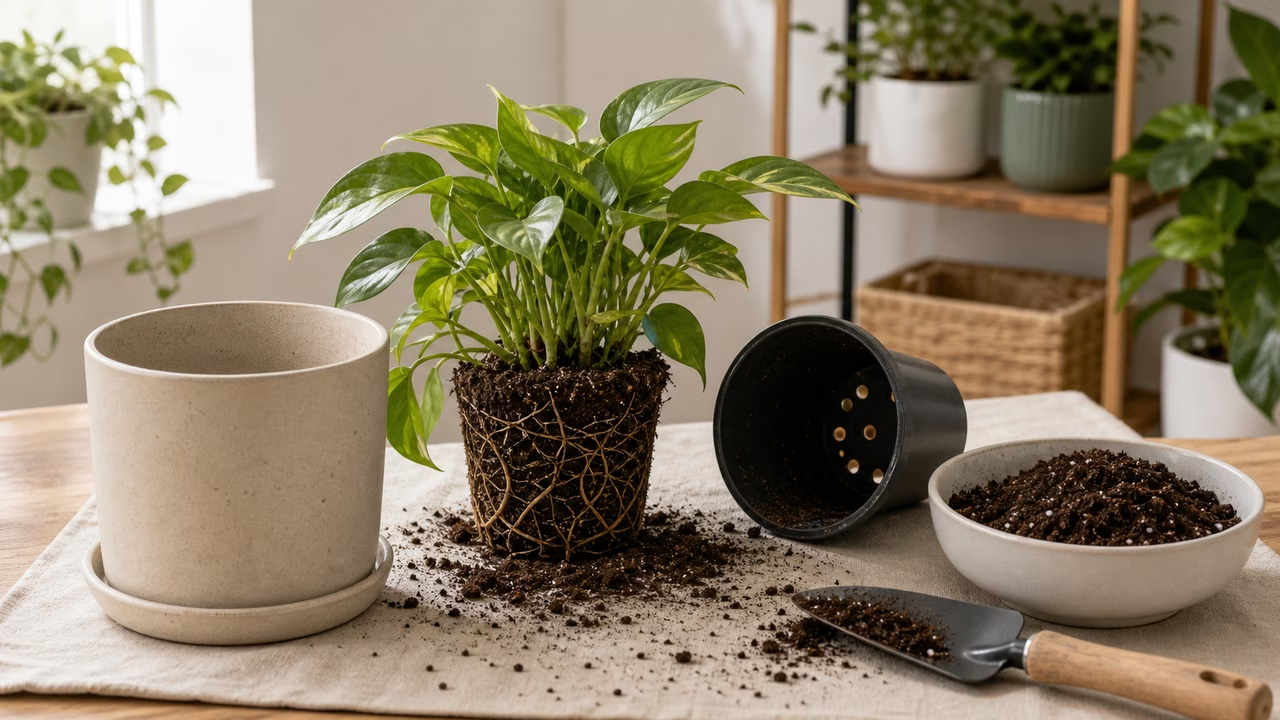
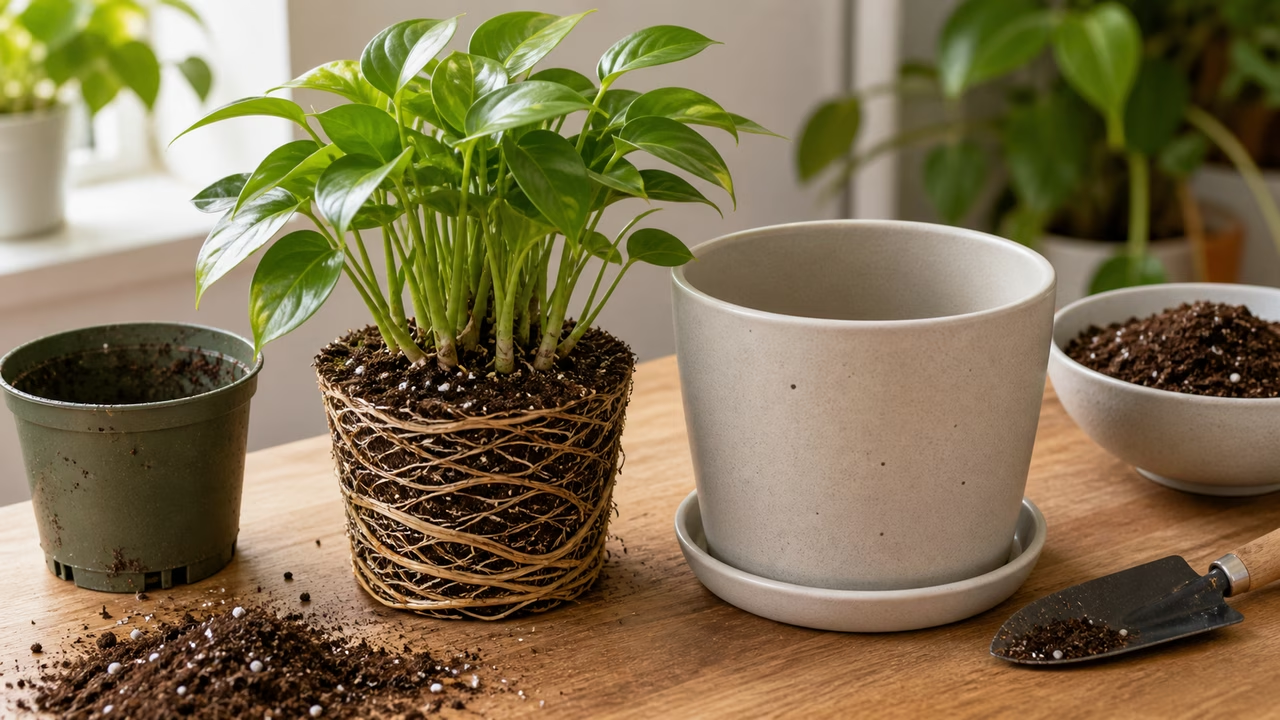
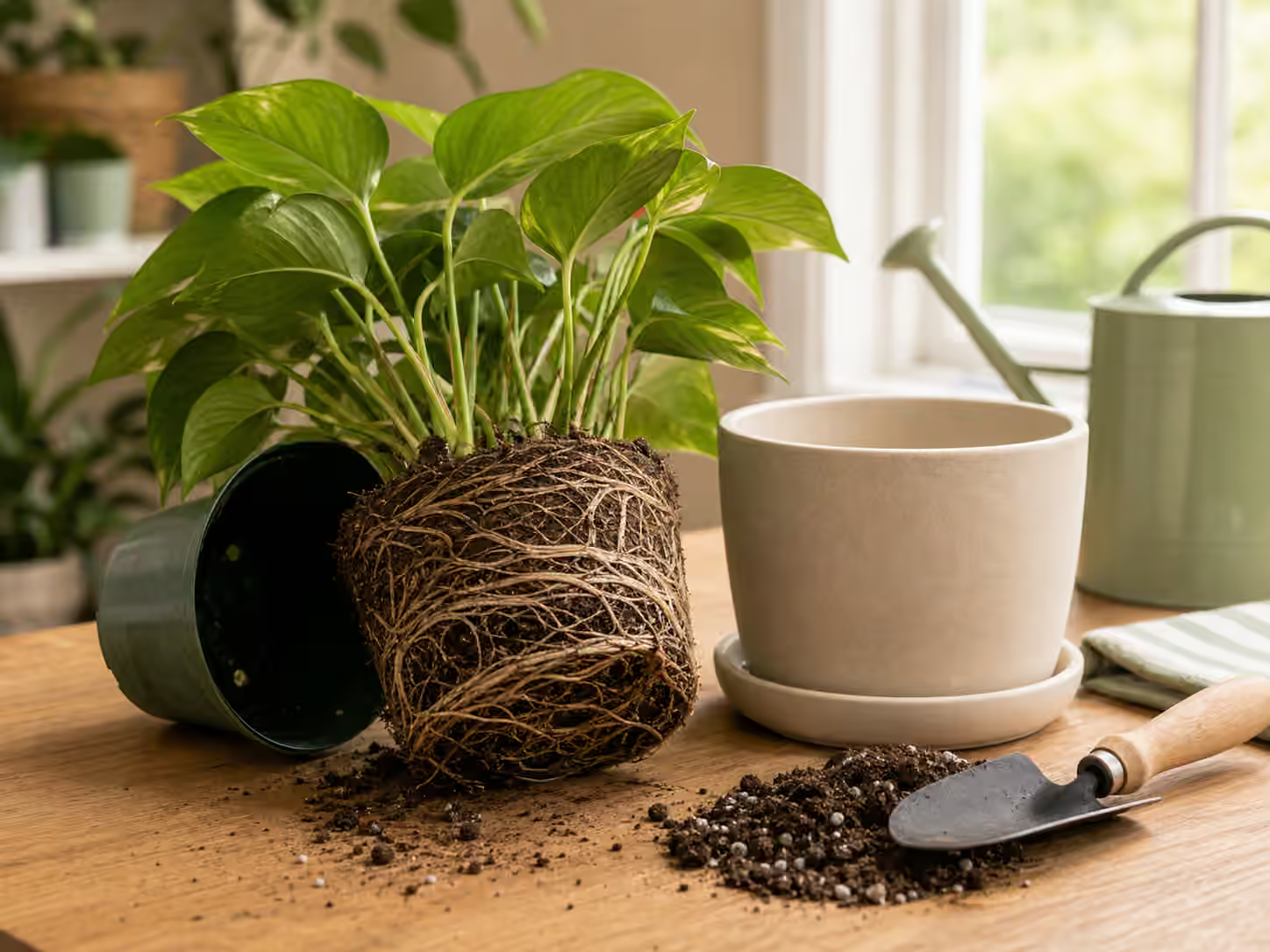
A fresh, premium bag of mix is tempting, but repotting is a disturbance to a plant, not a treat, and it should happen for a reason. Repot when the mix has broken down and compacted, when the roots have outgrown the pot, or when you are correcting a genuine drainage problem, and hold off simply because a new mix looks appealing on the shelf. When you do repot, resist the urge to make the mix so chunky and free-draining that a plant with fine roots cannot hold enough moisture, because an overcorrection toward drainage causes constant thirst just as surely as compaction causes rot. The mix, the pot, and the watering rhythm work as one system: a chunky mix pairs with a snug pot and regular watering, while a retentive mix in an oversized pot stays wet far too long. The pot size and plant stability and drainage holes and cachepots guides cover those companion pieces.
The calm next action
Choose a mix by how the plant likes its roots kept and by the drying behavior you observe, not by trend or packaging, and repot only when the roots or the soil condition genuinely justify it. If your plant seems perpetually soggy, suspect a compacted or oversized-pot problem before you blame your watering; if it is always thirsty, the mix may be draining too hard for those roots. Note the date whenever you change the mix and watch how the drying rhythm shifts over the next few weeks. Pair this with overwatered vs underwatered houseplants , the moisture meters, fingers, and pot weight guide, and the clinic’s houseplant clinic for beginners foundation.
When to get help or stop
Choosing and refreshing a mix is ordinary care, but some problems that show up in the soil are not soil problems at all. Stop the home experiment and get qualified help when the situation involves pet chewing or ingestion, pesticide exposure, heavy mold, severe allergies, an unsafe infestation, or a plant that keeps declining after you have corrected the mix and the pot. A houseplant guide can help you read drainage and match a mix to a plant, but it is not a substitute for a veterinarian, clinician, landlord, remediation professional, or licensed pest-control professional when the problem crosses into their territory.