Repotting has a reputation for being dramatic, and most of that drama is imported by the person holding the plant rather than felt by the plant itself. A houseplant does not experience being lifted from one pot and settled into another as a catastrophe. It experiences a brief interruption in root contact, a change in how fast the mix dries, and then a recovery period during which it decides whether the new arrangement suits it. Your job is not to perform surgery. It is to move the plant into slightly better conditions with as little disruption as the situation allows, and then to leave it alone long enough to answer.
Deciding whether you actually need to repot
The calmest repot is the one you skip because it was never needed. Plenty of plants get moved on a schedule, or because a nicer pot arrived, or because a wilting leaf made the owner feel they had to do something visible. None of those are reasons the roots care about. Before you commit, look for signs that the root system has genuinely run out of room or that the mix has stopped working. Roots circling the drainage holes, a plant that dries out within a day of watering, water that runs straight through without wetting anything, or a rootball so dense that the pot has become a solid brick are honest reasons. A plant that simply looks tired is usually telling you something about light or watering, and repotting will not fix those. If you are unsure whether the roots have truly filled the pot, our guide on when to repot a houseplant walks through the specific tells, and root-bound signs covers what a crowded rootball actually looks like when you slide it out.
Timing matters less than beginners fear, but it does help to move a plant when it is actively growing rather than in the depths of winter dormancy. A plant putting out new leaves has the momentum to push fresh roots into new mix quickly. A plant that is barely ticking over will sit in damp new soil for weeks before it grows into it, which is exactly the condition that invites trouble. If you can wait for spring or early summer, do; if the pot has already failed and the plant is suffering now, move it regardless and simply be more careful with watering afterward.
Setting up so the work stays contained
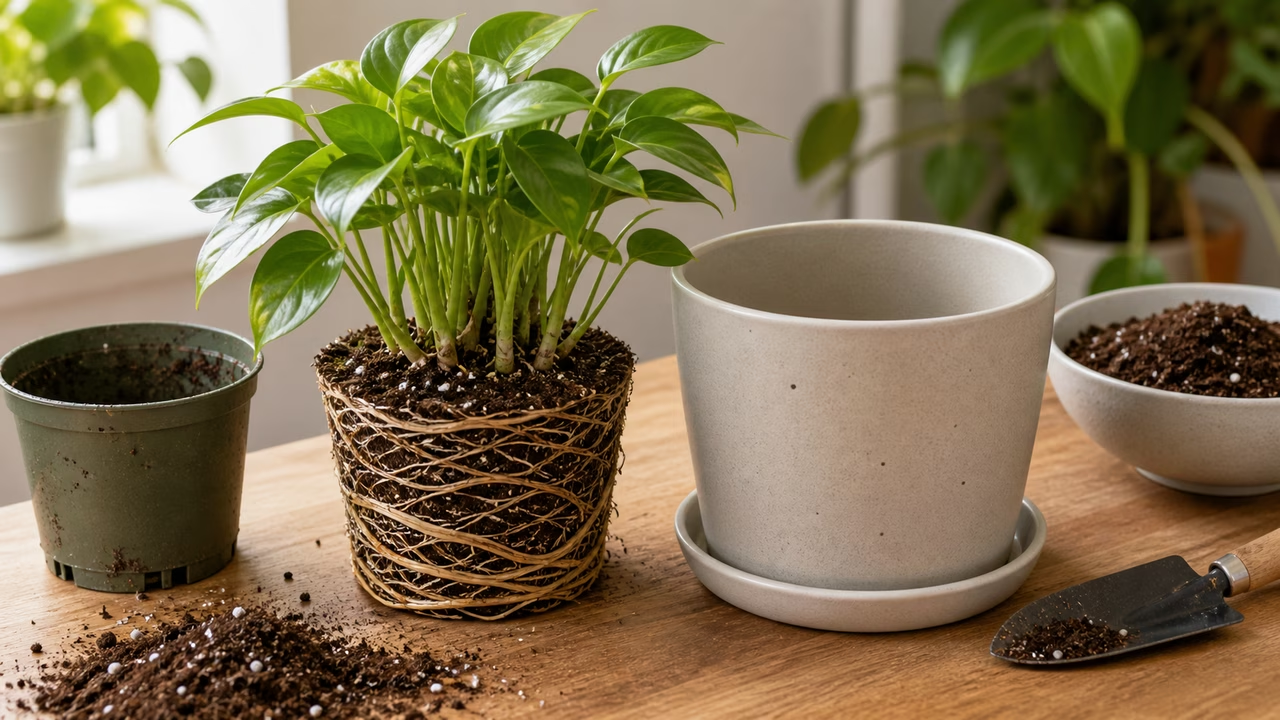
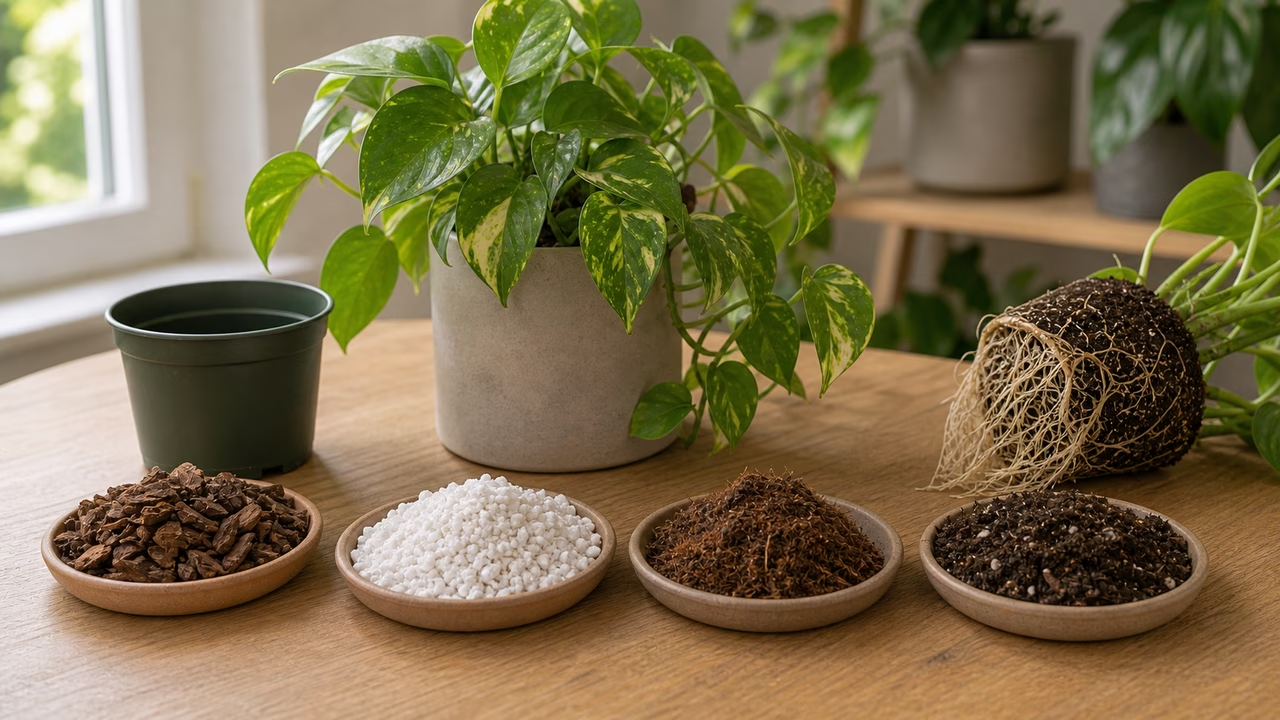
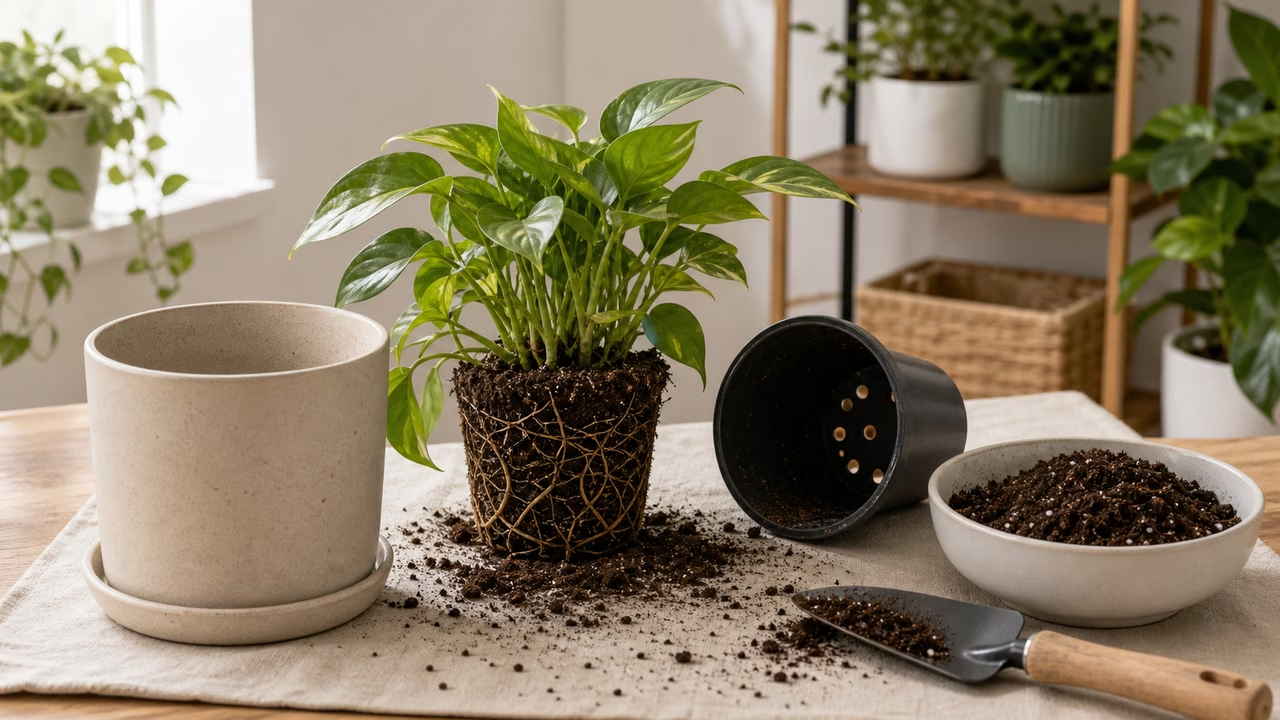
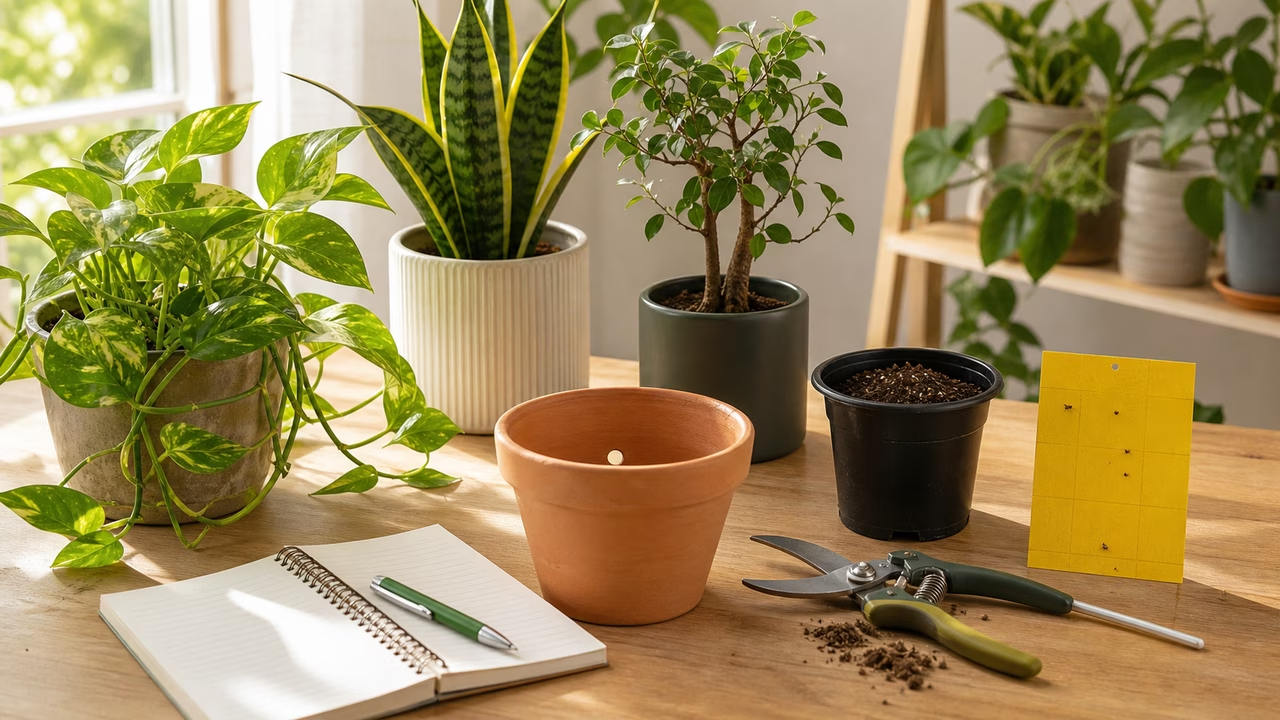
Half of the panic in repotting comes from mess and improvisation. You tip a plant out over the sink, mix scatters everywhere, you cannot find the new pot, and suddenly a five-minute job feels like a crisis. Assemble everything before you disturb the plant. You want the new pot, fresh mix appropriate to the plant, something to catch loose soil, and a place to set the plant down between steps. Working on a surface you can wipe, or over a tray, turns the whole thing from a spill into a tidy operation. A washable potting mats does nothing magical for the plant, but it keeps a small session from becoming a floor-cleaning session, and a calmer workspace genuinely makes for calmer decisions.
Choose the new pot conservatively. The instinct to give a plant lots of room so you will not have to repot again soon is the single most common mistake, because a pot far larger than the rootball holds a reservoir of wet mix that the roots cannot reach or drink, and that stagnant zone is where rot begins. A step up of an inch or two in diameter is almost always enough. The new pot must drain; a decorative container with no hole is a cachepot, not a growing pot, and the plant belongs in a draining pot that sits inside it. Our note on pot size and plant stability covers how to size up without overpotting.
The actual move, done gently
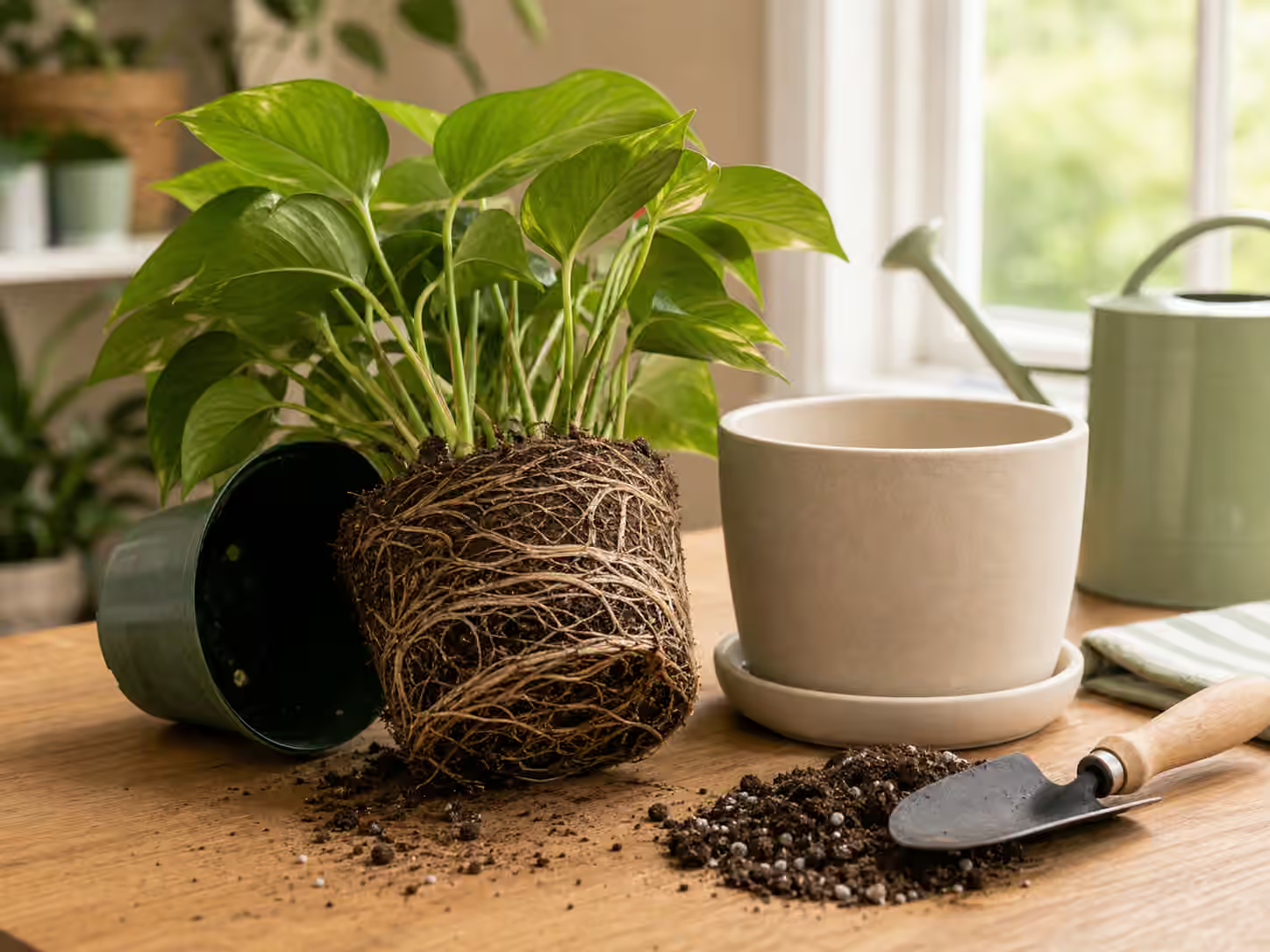
Slide the plant out rather than yanking the stem. Tip the pot, support the base of the plant with one hand, and let gravity and a squeeze on a flexible pot do most of the work. Once the rootball is free, look at it honestly. Firm, pale, well-distributed roots mean a healthy plant that needs almost nothing from you beyond a bigger home. A dense mat circling the outside can be loosened gently at the bottom so the roots learn to grow outward rather than continuing their spiral, but you do not need to tear the ball apart or wash it clean. Dark, soft, foul-smelling roots are a different story and point toward rot rather than crowding; if that is what you find, our guide on root rot basics is the more relevant read, because repotting alone will not save a plant whose roots are already failing.
Add a layer of fresh mix to the new pot, set the plant so it sits at the same depth it grew before, and fill around the sides. Firm the mix lightly to remove big air pockets, but resist the urge to pack it hard; roots need air as much as water, and compacted soil suffocates them. The crown of the plant, where stems meet roots, should stay at the surface rather than being buried, which invites stem rot.
Watering and recovery, where patience pays
Here is the step that separates a calm repot from an anxious one. After settling the plant, water it in once, thoroughly enough to settle the mix and close air gaps, then stop and let the plant rest. Fresh mix holds moisture longer than the old, spent soil did, so the plant will need water less often than before, not more. The temptation to keep watering an obviously disturbed plant is strong, and it is the fastest route to rot. Read the soil weight and the top inch of mix rather than the calendar, exactly as our guide to not watering on a schedule describes.
Hold off on fertilizer entirely for a few weeks. Fresh mix usually carries enough nutrition to start, and feeding disturbed roots can burn them. Keep the plant out of harsh direct sun for a little while, since a plant that is busy re-establishing roots cannot support the water demand that strong light creates. Above all, change only this one thing. Do not repot, relocate to a brighter window, and start a feeding routine all in the same afternoon. If something goes wrong, you want to know which change caused it, and a plant recovering from several simultaneous shocks tells you nothing.
When to get help or stop
Stop the home experiment when the issue involves pet chewing or ingestion, pesticide exposure, heavy mold, severe allergies, unsafe infestation, or a plant that keeps declining after the basic setup is corrected. A houseplant guide can organize observations. It should not replace a veterinarian, clinician, landlord, remediation professional, or licensed pest-control professional when those boundaries are involved.
What recovery looks like over the following weeks
A well-repotted plant often does nothing dramatic for a while, and that stillness is normal rather than alarming. It is spending its energy below the surface, growing into the new mix, and you will see the payoff later as fresh leaves rather than immediately. A leaf or two may yellow and drop as the plant sheds what it no longer wants to support; that is routine adjustment, not failure. Watch the newest growth as your progress report, keep the watering restrained, and give the plant the quiet it needs. If you slow down and let the plant set the pace, repotting stops being a heroic rescue and becomes an ordinary bit of maintenance you handle without a second thought.