Root rot is the quiet ending of a great many houseplants, and it is almost always misdiagnosed while it is happening. The plant droops, the owner assumes it is thirsty, more water goes in, and the very thing killing the roots is administered as a cure. Understanding what rot actually is, and why it looks so much like drought from above the soil, is the single most useful thing a beginner can learn about keeping plants alive indoors.
What root rot actually is
Roots do two things at once: they drink, and they breathe. That second part is the one people forget. Root tissue needs oxygen, and it gets that oxygen from the air pockets held between particles of soil. When mix stays saturated for long stretches, those air pockets fill with water and the roots begin to suffocate. Suffocated roots weaken and die, and dead root tissue is an open invitation to the fungi and bacteria that are present in almost any potting soil. Those organisms move in, feed on the compromised roots, and the decay spreads. So while we call it root rot as though water alone were the villain, the real chain is stagnant wet soil, then oxygen starvation, then opportunistic decay. This is why the fix is never simply drying the plant out once; it is rebuilding conditions where roots can breathe between drinks.
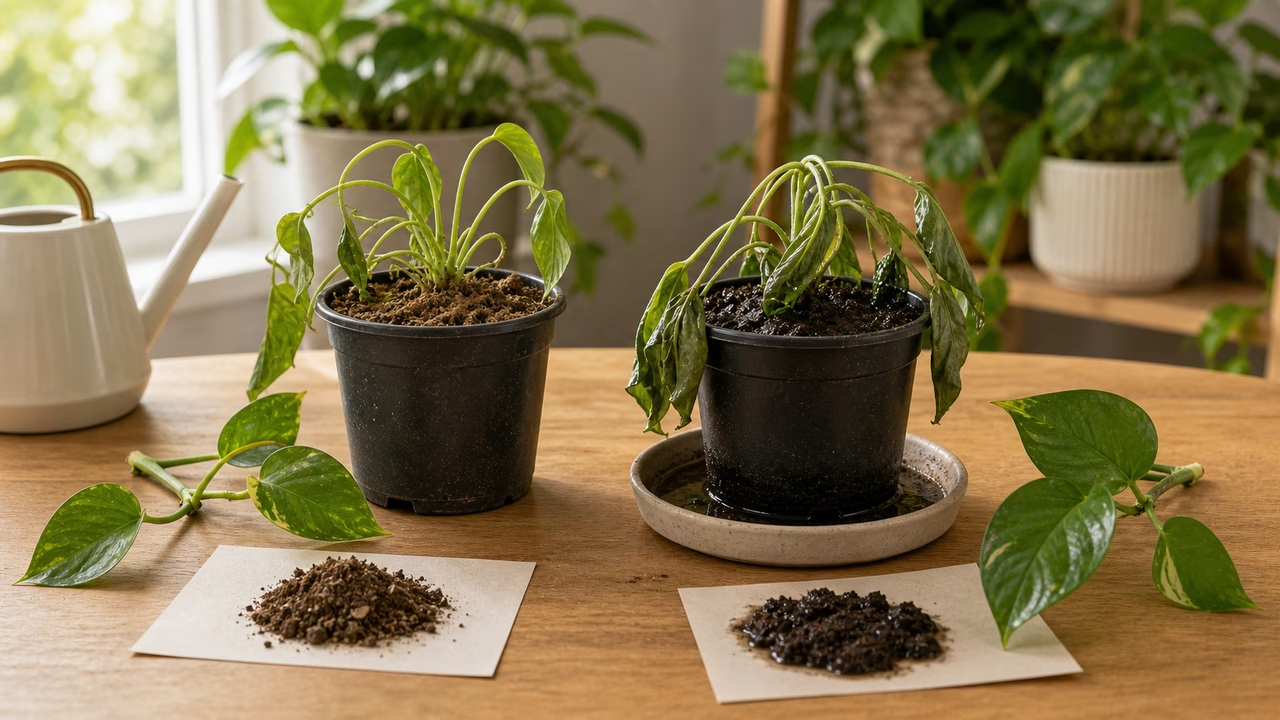
The cruel part is how the plant presents. A rotting root system cannot deliver water to the leaves even though the pot is full of it. The leaves wilt, soften, or yellow exactly as they would in drought, because functionally the plant is in drought, cut off from the water it is sitting in. An owner reading only the leaves sees thirst and waters again, which deepens the saturation and accelerates the rot. Learning to read the soil and the roots rather than the leaves alone is what breaks that loop, and our guide on telling overwatered from underwatered plants is built around exactly this confusion.
Reading the signs before you dig
You do not have to unpot a plant to suspect rot. Start with the pot itself. Lift it; a pot that stays heavy for days after watering, when a healthy one of that size would have lightened, is holding water the roots are not using. Feel the soil below the surface rather than at the top, since the surface dries first and lies about what is happening at root depth. A sour or swampy smell rising from the mix is a strong signal, because healthy soil smells earthy and neutral while decaying roots smell distinctly off. Above the soil, look for lower leaves yellowing and softening, stems that feel mushy or darkened near the base, and a general limpness that no amount of watering improves.
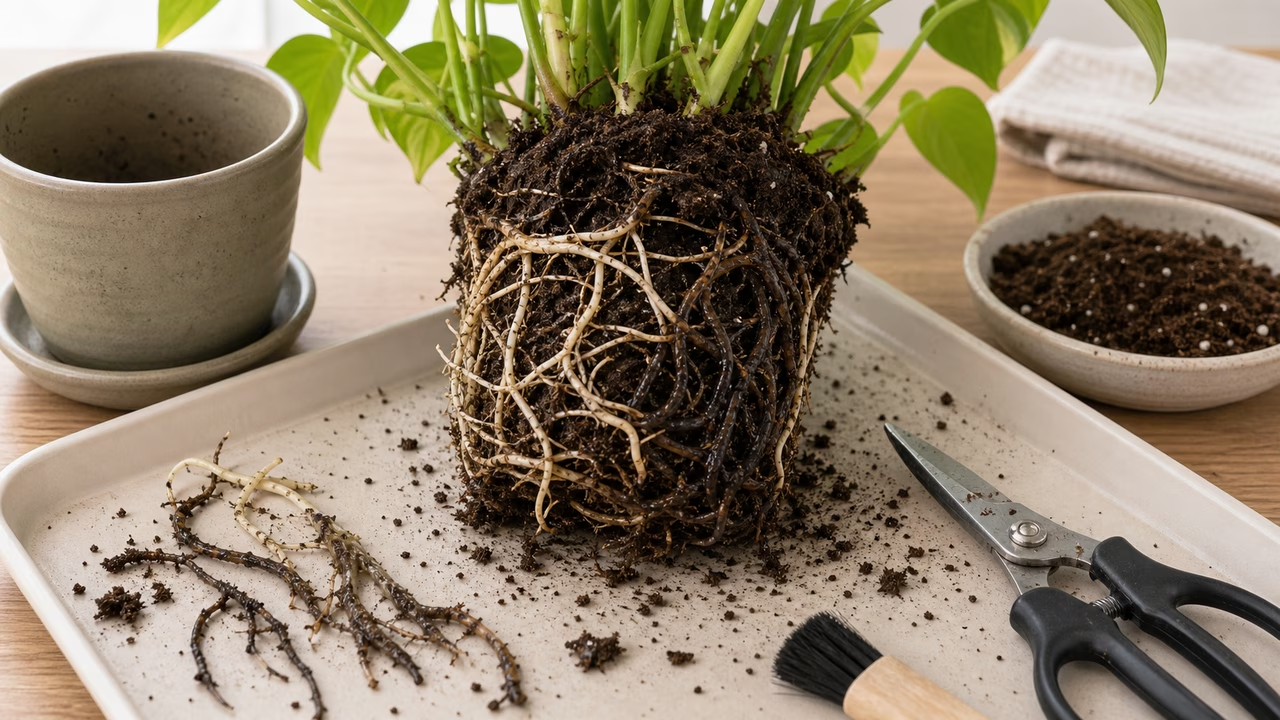
If those signs stack up, then and only then is it worth easing the plant out of its pot to look at the roots directly. Healthy roots are firm and generally pale, white or tan, and they hold their shape when you touch them. Rotten roots are dark brown or black, soft, and they may slip apart or leave their outer sheath in your fingers when pulled gently, leaving a thin thread behind. The presence of some firm, healthy roots is genuinely good news; it means there is a foundation to rebuild from. A rootball that is uniformly black and mushy with no firm tissue left is usually past saving, and recognizing that early spares you weeks of futile nursing.
What to do, calmly, when you find rot
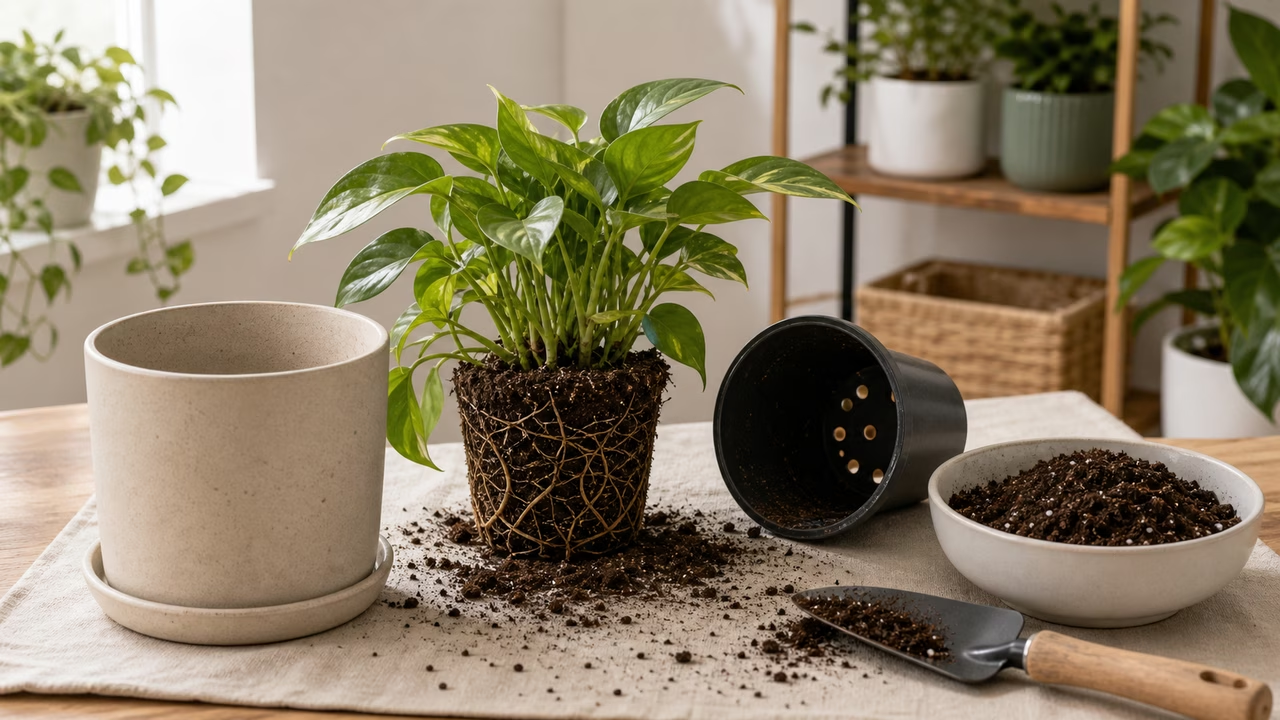
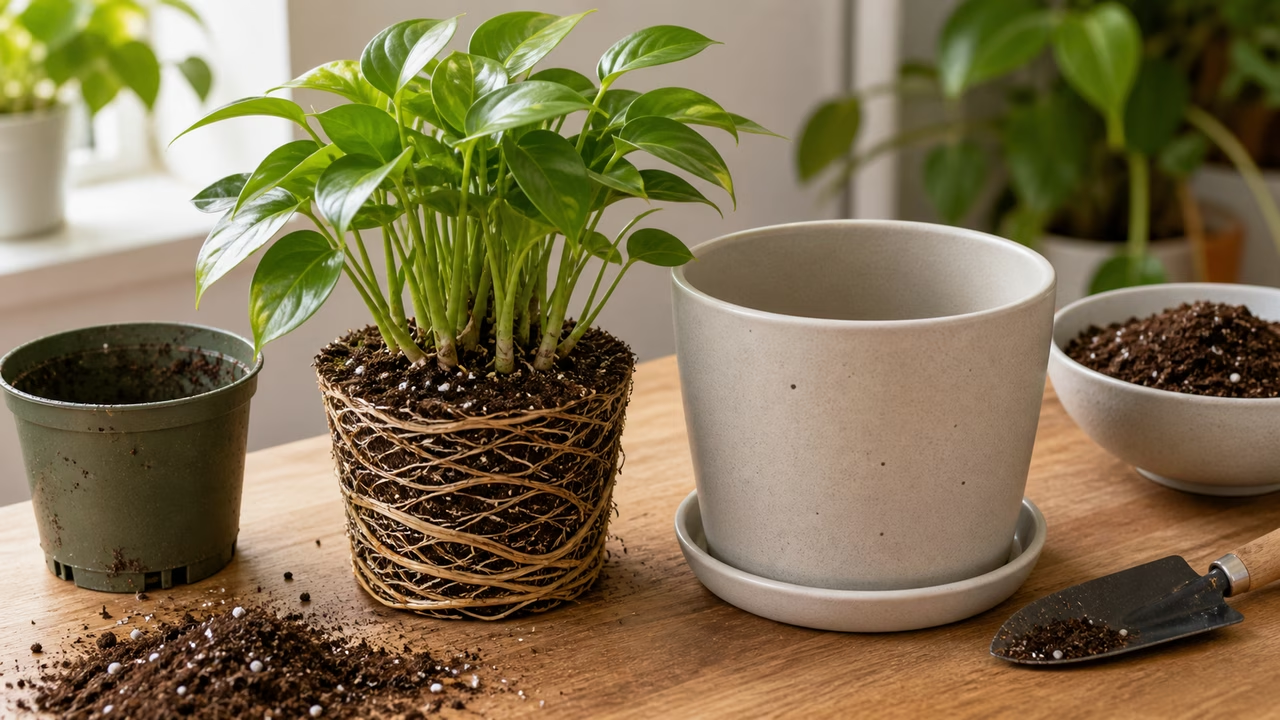
The instinct to perform dramatic root surgery immediately is worth resisting until you have fixed the underlying cause, because a beautifully trimmed plant returned to the same waterlogged pot will simply rot again. The real intervention is drainage and air, and the trimming is secondary. Stop watering. Remove the plant from the wet mix, since leaving it sitting is only prolonging the exposure. Where roots are clearly dead and soft, they can be trimmed away with clean tools, and badly rotted mix should be discarded rather than reused. Then the plant goes into fresh, open, well-draining mix in a pot that is not oversized, because a pot too large for the remaining roots recreates the reservoir of stagnant water that started the problem. Our guide to repotting without panic covers doing this move gently, and pot size and stability explains why restraint on pot size matters here more than anywhere.
After a rot repot, water sparingly and let the reduced root system re-establish before you resume normal care. A plant with fewer roots needs less water, not more, and the temptation to compensate for its distress with extra watering is the same mistake in a new costume.
Prevention is the whole game
None of the rescue work is as valuable as never needing it. Root rot is overwhelmingly a preventable condition, and the prevention is unglamorous: pots that drain, mix that holds air, and watering driven by the soil’s actual dryness rather than a fixed schedule. A draining pot is non-negotiable; a decorative container without a hole traps water at the bottom where you cannot see it, and a plant left standing in that hidden pool rots from below. Emptying the saucer or cachepot after watering so the plant never sits in runoff is a thirty-second habit that prevents more deaths than any treatment product cures. Choosing a mix suited to the plant, looser and grittier for things that resent wet feet, gives roots the air they need between drinks. And watering by weight and feel, described in our guide to not watering on a schedule , keeps the soil cycling between moist and merely damp rather than staying perpetually soaked.
When to get help or stop
Stop the home experiment when the issue involves pet chewing or ingestion, pesticide exposure, heavy mold, severe allergies, unsafe infestation, or a plant that keeps declining after the basic setup is corrected. A houseplant guide can organize observations. It should not replace a veterinarian, clinician, landlord, remediation professional, or licensed pest-control professional when those boundaries are involved.
Watching a recovering plant
A plant recovering from rot moves slowly, and slowness is what you want. Do not expect the wilted leaves that were already damaged to firm back up; they may not, and that is fine, because your evidence of recovery lives in the newest growth rather than the old. Watch the soil dry down properly between waterings, watch for fresh roots gripping the new mix if you tip the plant slightly, and watch a new leaf or two emerge over the following weeks. If the plant stabilizes and pushes new growth, the rebuild worked and you simply keep the restrained routine going. If it keeps declining despite corrected drainage and careful watering, the root loss was likely too advanced, and that is the point to let it go rather than prolonging the effort. The lesson it leaves behind, that dry-side watering and honest drainage prevent nearly all of this, is worth carrying to every other plant on the shelf.