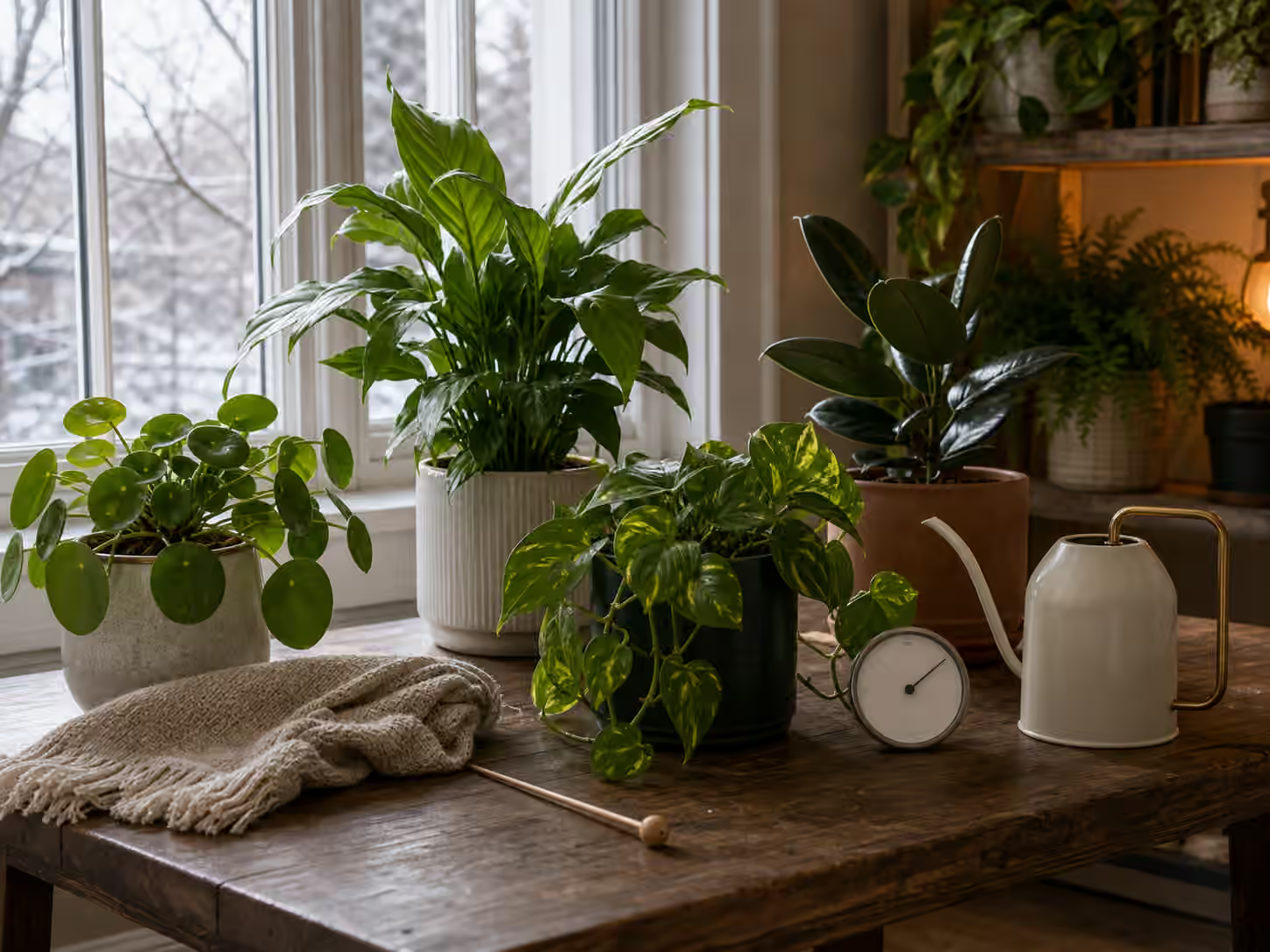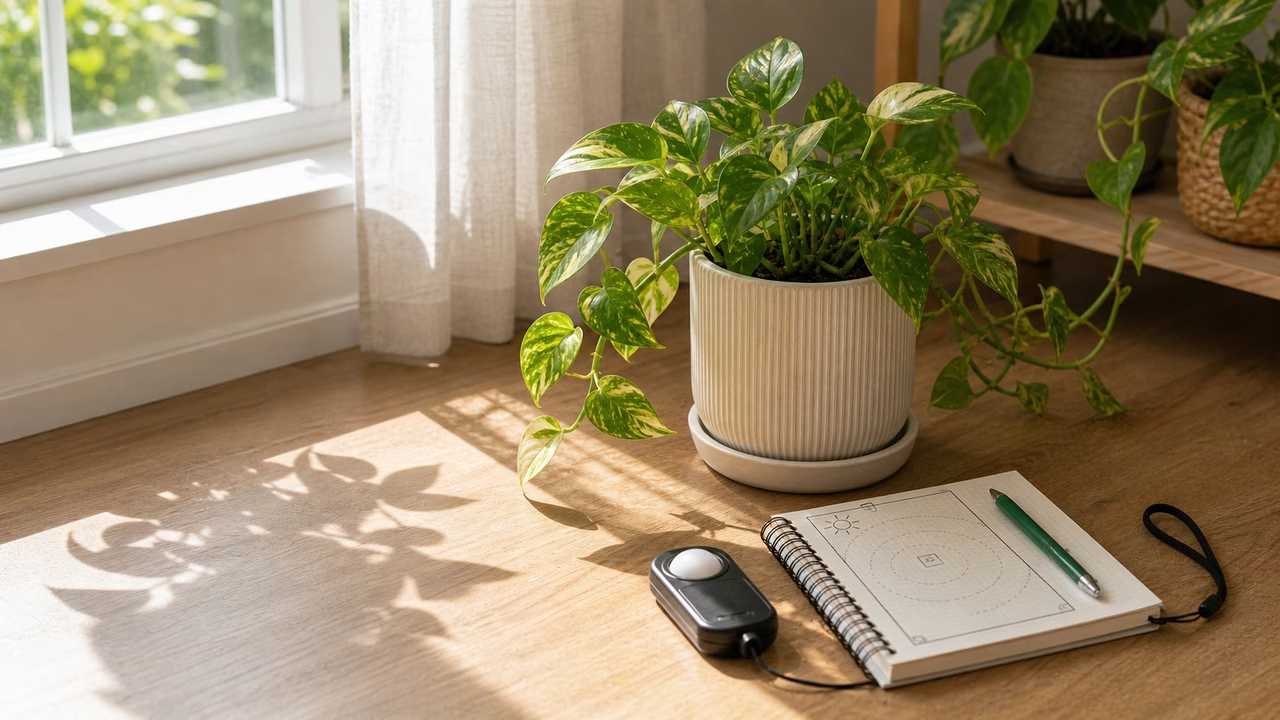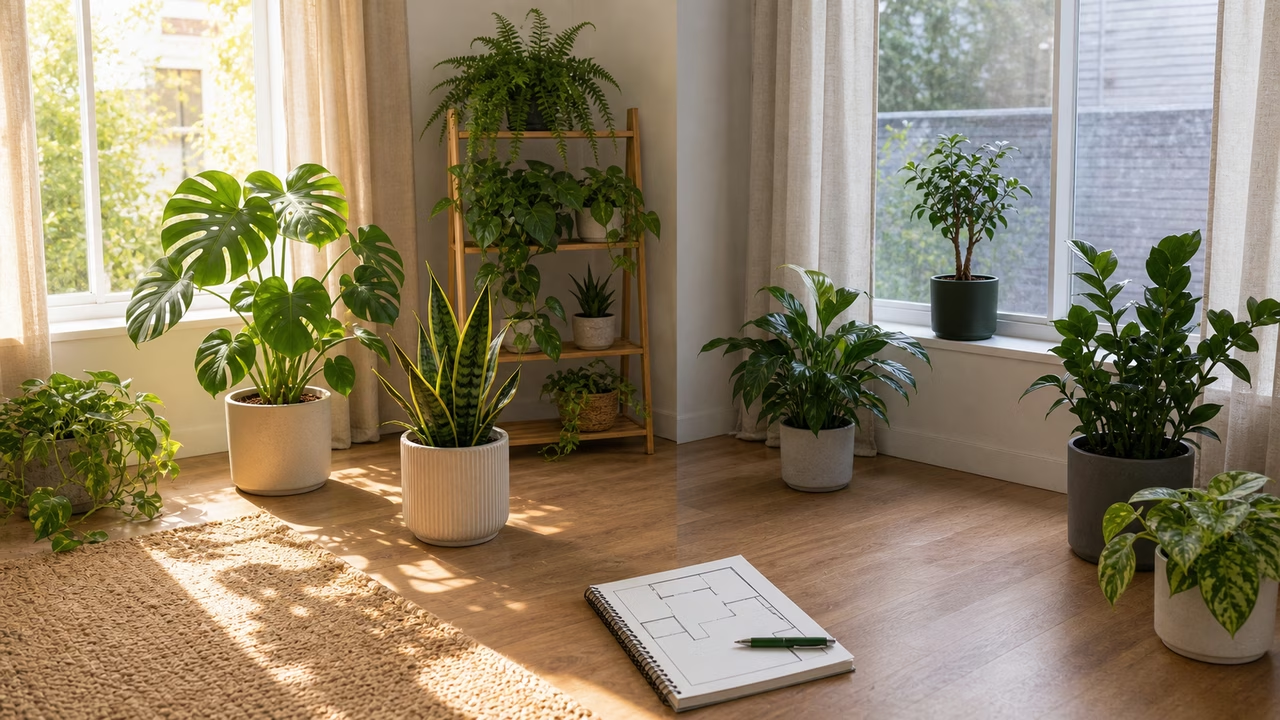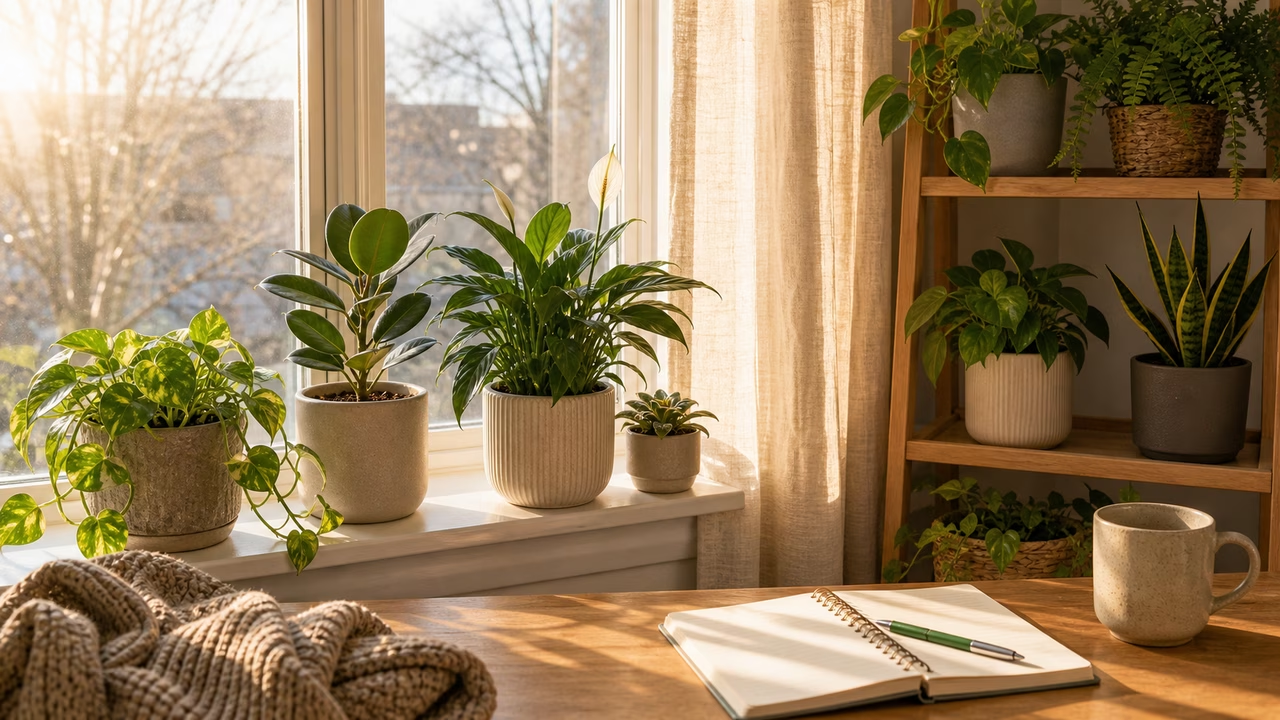
A windowsill is not a fixed thing. It feels fixed, because the wall does not move and the plant sits in the same spot all year, but the light arriving through that glass changes constantly as the earth tilts through its seasons. A plant that thrived in a certain window all summer can start to struggle in the same window come November, and nothing about your care has changed except the sky. Most of the mysterious autumn declines that send beginners searching for a pest or a disease are simply this: the light quietly left, and the watering habits stayed behind.
Why the same window is not the same light
Two things shift across the year, and they compound. The first is day length: winter days are simply shorter, so the plant receives fewer hours of usable light between one dark evening and the next dark morning. The second is the sun’s angle. In summer the sun climbs high and its light is intense and direct; in winter it stays low on the horizon, its rays travel through more atmosphere, and the light that reaches your window is weaker and comes in at a slant. A south-facing window that blazed in June can become the best seat in the house by December precisely because the low winter sun now reaches deep into the room, while a bright summer window may barely register once the sun stops clearing the neighboring rooftop. The upshot is that a plant’s light budget can be cut substantially between the solstices without anyone moving a single pot. If you are still learning to judge what a spot actually delivers, our guides on checking indoor plant light and what window direction gives you are the groundwork this one builds on.
There are also changes that have nothing to do with the season and everything to do with your particular room. A deciduous tree outside the window casts deep shade in summer and then drops its leaves in autumn, flooding the same window with light just as the sun weakens, so the two effects partly cancel. Curtains you close against summer heat, a blind you leave down, a new piece of furniture, or even a season’s worth of dust on the glass all quietly change what reaches the leaves. Light is local, and the honest way to know your window is to watch it rather than to assume.
The seasonal light walk
Rather than reacting to a struggling plant in isolation, it helps to make a slow tour of your plants a couple of times a year, once as the days shorten in autumn and once as they lengthen in spring. Move through the rooms and simply look at where the light falls now compared with the season before. Notice which windows still get a patch of direct sun and for how long, which have gone dim, and which have brightened. A plant leaning hard toward the glass, stretching with longer gaps between smaller leaves, is telling you it is short of light and would like to be closer to the window or moved to a brighter one. That reaching, called etiolation, is one of the clearest seasonal signals a plant gives, and our note on pruning leggy plants covers what to do once a plant has already stretched.
The walk is also the moment to catch the opposite problem. A spot that is gentle and perfect in spring can turn punishing in high summer when the sun swings around and beats directly through the glass for hours. Leaves that develop pale, bleached, or scorched patches on the side facing the window are sunburned, not diseased, and the fix is a small move back from the glass or a sheer to diffuse the midday sun. The same window, in other words, can ask for opposite responses in different months, which is exactly why judging it once and never again leads people astray.
Watering has to follow the light
This is the part beginners most often miss, and it is the one that quietly kills plants. Light drives how fast a plant grows and how much water it uses. In the bright, long days of summer a plant grows actively, drinks steadily, and its soil dries quickly. In the dim, short days of winter that same plant slows down, sometimes nearly to a standstill, and it uses far less water; the soil that dried in three days in July may take two weeks to dry in January. If your watering habit stays fixed on the summer rhythm, the winter pot sits wet for far too long, and you drift straight into the waterlogged conditions that cause root rot. The single most important seasonal adjustment is not moving plants at all; it is watering less in winter, driven by the actual dryness of the soil rather than by the calendar. Our guide on not watering on a schedule is the companion to this whole idea, and telling overwatered from underwatered helps when a slowed winter plant starts to look off.
Feeding follows the same logic. A plant that is barely growing in the dark months has little use for fertilizer, and feeding a dormant or near-dormant plant can do more harm than good. Easing off through winter and resuming as growth picks up in spring keeps nutrition in step with what the plant can actually use.
When to get help or stop
Stop the home experiment when the issue involves pet chewing or ingestion, pesticide exposure, heavy mold, severe allergies, unsafe infestation, or a plant that keeps declining after the basic setup is corrected. A houseplant guide can organize observations. It should not replace a veterinarian, clinician, landlord, remediation professional, or licensed pest-control professional when those boundaries are involved.
Moving with restraint
When a seasonal walk convinces you a plant genuinely needs a brighter spot for winter, move it, but move a few plants rather than rearranging the whole house in a weekend, and give each one time to settle before you judge it. Plants dislike sudden changes in light as much as sudden changes in anything else, and a plant shifted from a dim corner into a blazing window can scorch as surely as one left too dark will stretch. A gradual move, a few days at a time toward the new spot, lets the leaves adjust. Winter care in general rewards this kind of patience, and our broader winter houseplant care guide gathers the seasonal adjustments in one place. Once you have made the change, the discipline is the same as always: alter one thing, then watch the plant over the following weeks rather than the following hours, and let its new growth tell you whether the new light suits it.