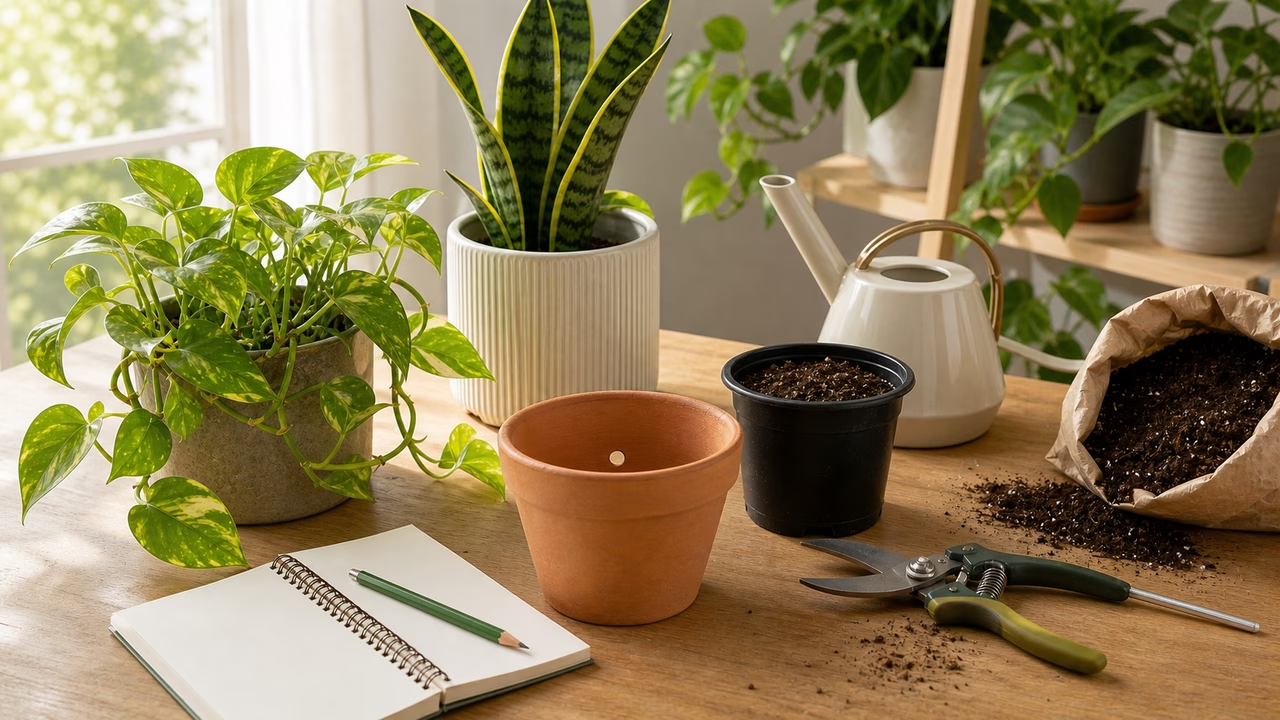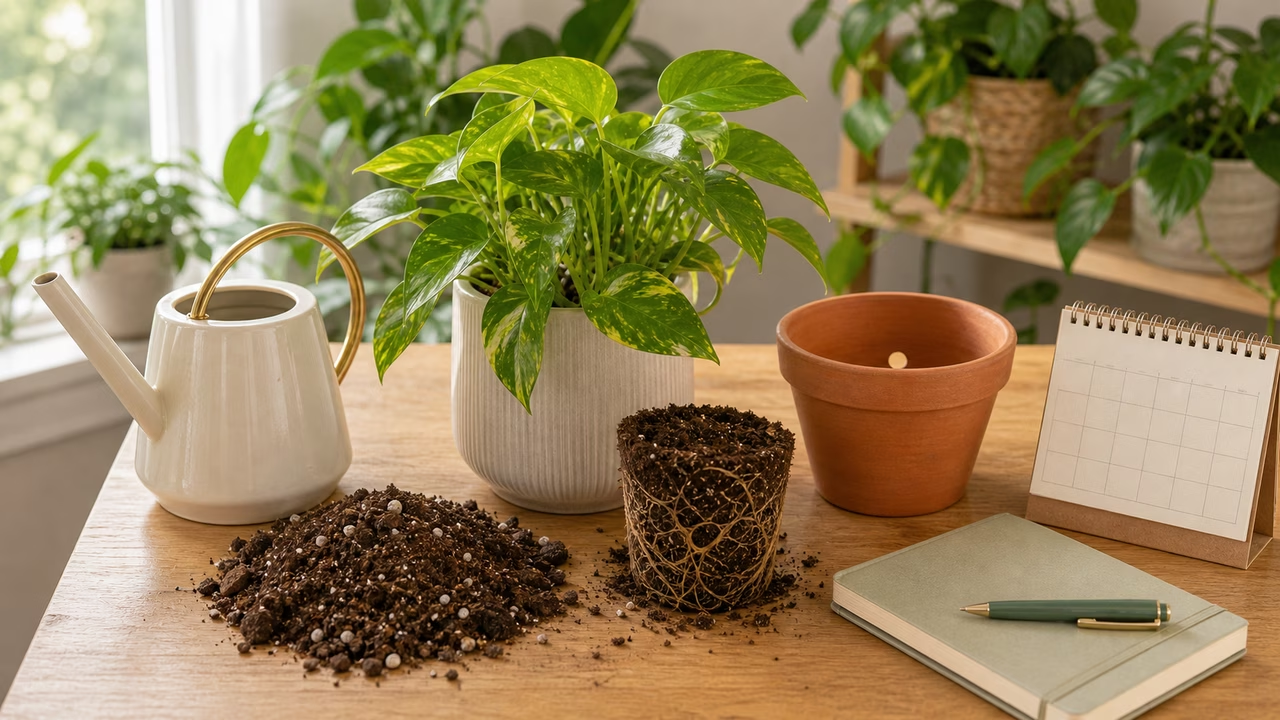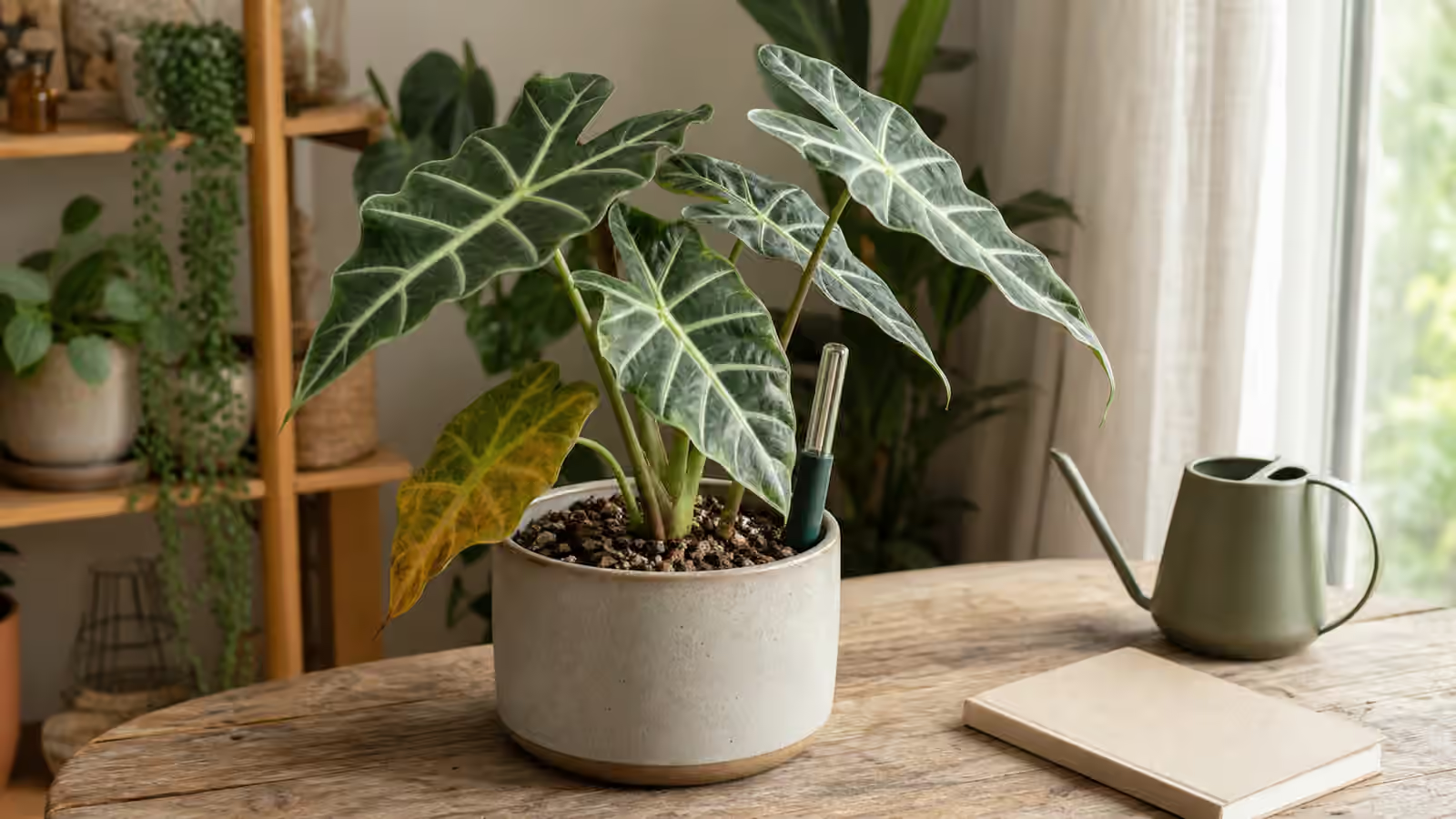
A watering calendar feels responsible. Sunday comes around, you fill the can, you go down the row, and everyone gets their drink. The problem is that the calendar knows nothing about your plants. It cannot feel that the pothos on the warm windowsill dried out on Thursday while the peace lily in the dim corner is still soaking from last week. A schedule waters the day of the week; a plant needs you to water the soil in front of you.
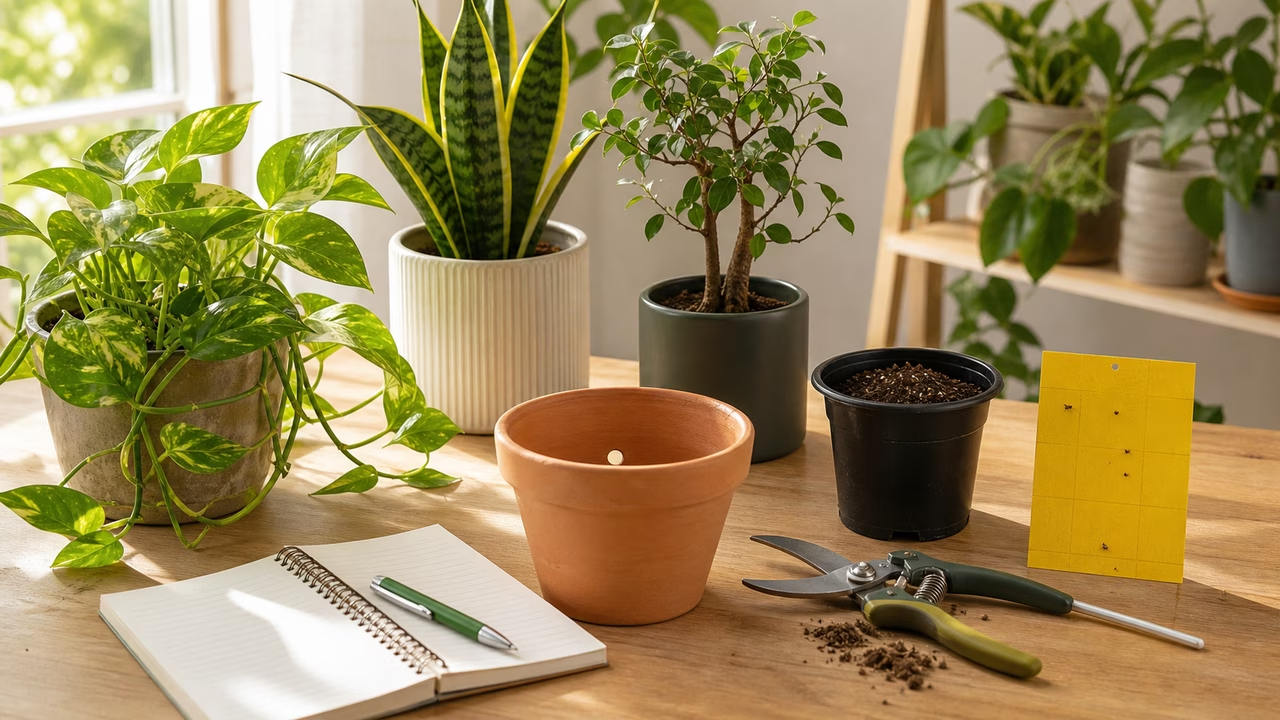
Why the calendar overwaters
The most common way indoor plants die is not neglect but generosity delivered on a fixed rhythm. Roots need air as much as they need water. When potting mix stays saturated, the air pockets between particles fill and stay filled, the fine root hairs suffocate, and rot organisms that were harmless in a drying pot begin to spread. The plant then shows the exact symptoms people read as thirst: limp leaves, yellowing, a general droop. So the schedule-follower waters again, and the cycle tightens.
A calendar cannot account for the things that actually govern how fast a pot dries: how much light the plant is getting, the temperature and humidity of the room, whether the pot is plastic or terracotta, how root-bound the plant has become, and the season. All of those change week to week and month to month. Watering by date asks your plants to conform to a number you picked instead of asking the number to follow your plants.
Read the pot before you reach for the can
The whole method comes down to gathering a little evidence before pouring. Start with your finger. Push it two knuckles into the mix and hold it there for a moment. If you feel cool moisture, wait. If it comes out dry and the top inch or two crumbles, most common foliage plants are ready. Succulents and a ZZ plant want to go drier still, nearly to the bottom of the pot; ferns and calatheas want you to catch them before they fully dry.
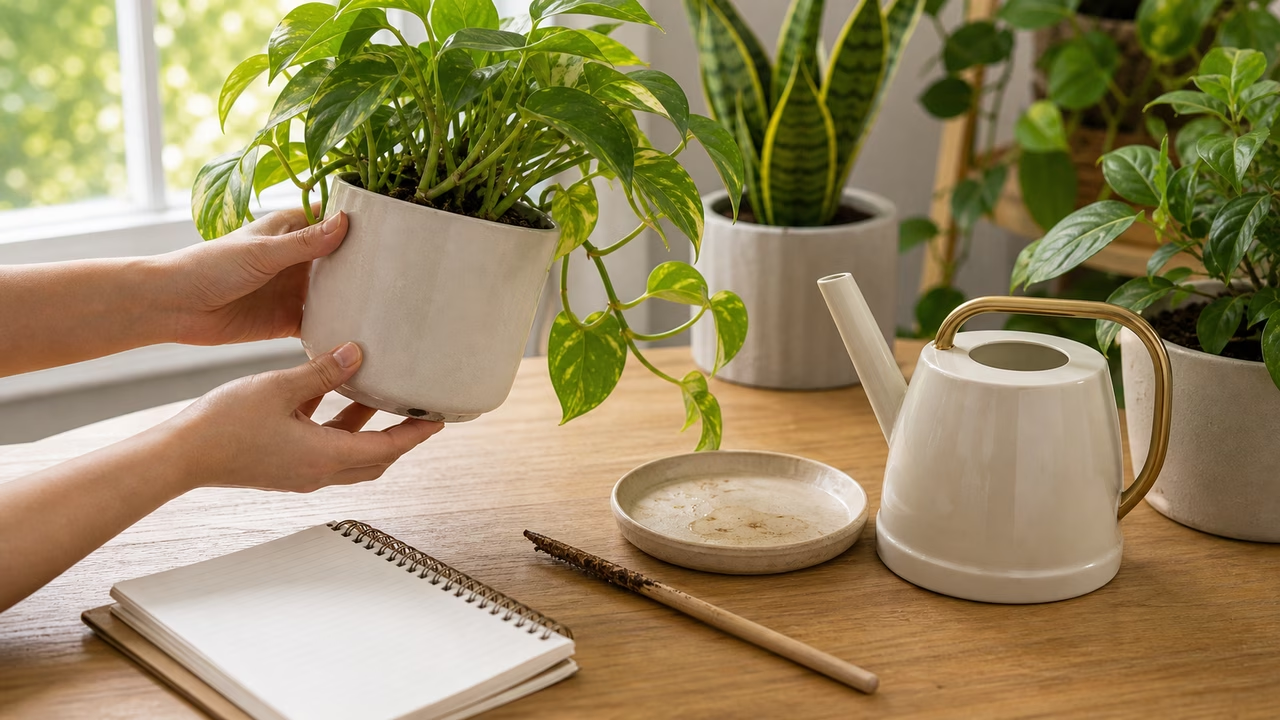
Pot weight is the underrated signal. Lift a pot right after you water and again a few days later, and your hand quietly learns the difference between full and empty. A freshly watered pot is startlingly heavy; a thirsty one feels like it might blow off the sill. Once you have that calibration, you can walk a whole shelf and know who needs attention in about ten seconds, no meter required. A wooden skewer pushed to the bottom and pulled out works the same way, coming up clean and dry or dark and clinging.
Do not trust the surface alone. The top of the mix dries first and fastest, especially under a heat vent or strong light, while the root zone stays wet underneath. A dusty-looking surface over a soggy core is exactly how the schedule habit sneaks water onto a plant that did not want it.
Let drainage and the container do half the work
Watering restraint gets much easier when water can actually leave. A pot with an open drainage hole lets you water thoroughly and then walk away, confident the excess is gone. The quiet villain in most homes is the decorative cachepot: the nursery pot sits down inside it, you water, and the runoff pools in the bottom where you cannot see it, leaving the roots standing in a hidden reservoir for days. Tip the inner pot out after watering, or pour off whatever collected, and half of your overwatering worries disappear.
If your container has no way to drain at all, that is worth fixing before you touch your watering habits. Compare drainage pots as a category and match one to the plant that keeps staying wet, rather than treating a pot as a cure-all. The container is a variable like any other; change it because the evidence points there, not because a new pot feels like progress.
Build a habit that watches instead of counts
Trading a schedule for observation does not mean watering at random. It means keeping a loose rhythm and letting the plant confirm or veto it. Pick a day to make your rounds, but treat that day as a checking day, not a watering day. You visit, you feel, you lift, and you water only the pots that pass the test. Some weeks half the collection stays dry and that is correct.
A short note helps more than you would expect. Jot the date you actually watered each plant and, over a month, you will see the real intervals emerge on their own: the fast-drying plant in the bright window on a five-day cycle, the slow corner plant closer to two weeks. Those numbers are worth far more than any generic rule because you measured them in your own home. If you want a fuller sense of what shapes the whole picture, the five things every houseplant needs and how to check indoor plant light explain why light so often sets the watering pace.
When wet and dry look the same
Overwatered and underwatered plants can both droop and yellow, which is why so many people water a drowning plant. The tell is in the pot, not the leaf. Underwatered mix is bone dry and light, sometimes pulling away from the sides; the plant perks up within hours of a good soak. Overwatered mix is dark, heavy, and slow to dry, and a soft or sour smell near the soil is a warning of rot. If you are unsure, the safer move is almost always to wait a day and check again, since a thirsty plant recovers from one late drink far more easily than a suffocating one recovers from another early one. Overwatered vs underwatered houseplants walks through telling the two apart.
The calm next action
Skip the next watering that is due only because it is that day of the week. Instead, go feel the soil, lift the pot, and check that no water is hiding in a saucer or cachepot. Water only what the evidence says is dry, and write down the date. Do that for a few weeks and the schedule quietly retires itself, replaced by something more reliable: a hand that knows the weight of a thirsty pot.
Everyday watering judgment is well within reach at home, but it is not a substitute for professional help when things cross a line. If a plant keeps declining after you have corrected drainage and watering, or if the situation involves pet ingestion, pesticide exposure, heavy mold, or an unsafe infestation, step out of the casual experiment and contact a veterinarian, clinician, or licensed professional as appropriate.
Helpful references
For the underlying horticulture, the University of Maryland Extension guide to watering indoor plants and its companion on overwatered indoor plants are calm, evidence-based places to read further.