Repotting is one of the few plant chores that new owners reach for too eagerly. A plant looks a little tired, a bigger pot seems like a kindness, and into fresh soil it goes. But repotting is a disturbance, not a tonic. Done at the right moment it gives a crowded plant room to grow; done reflexively it sets a healthy plant back for no reason and, in the case of a plant that is actually rotting or infested, can make things worse. The useful question is not “should I repot to be safe” but “does this specific plant, right now, actually need it.”
The signs that genuinely call for a repot
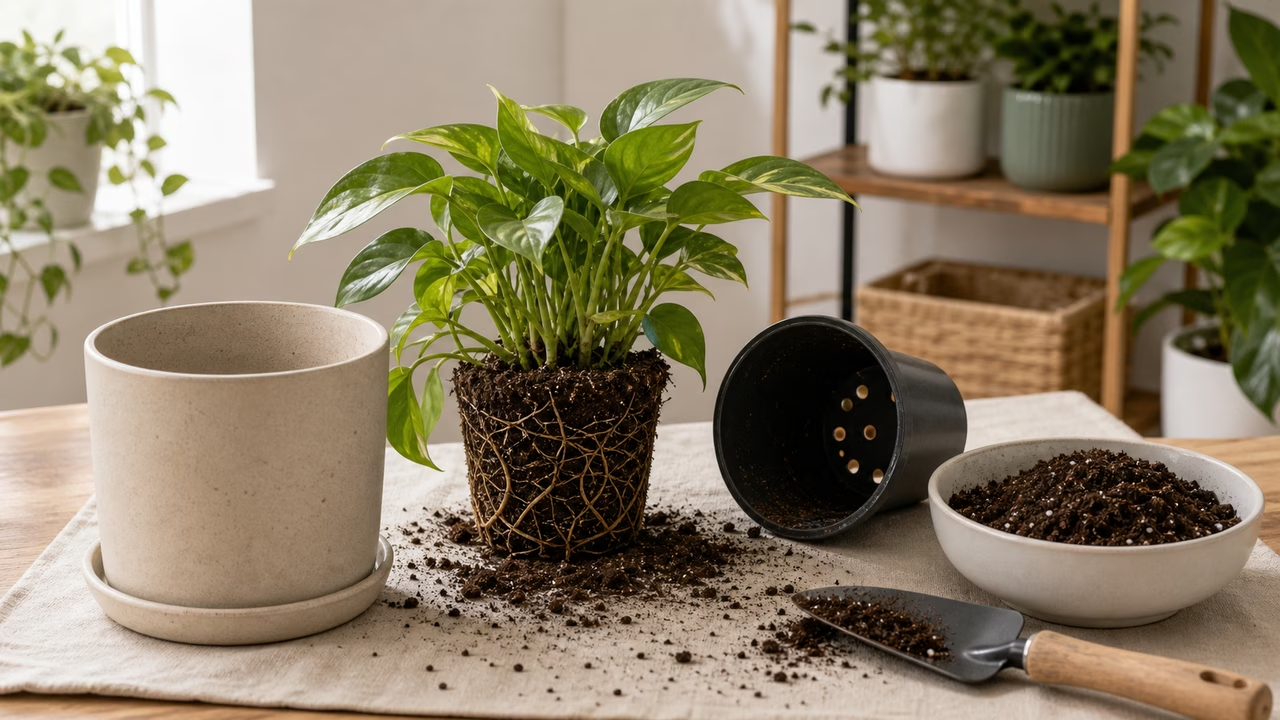
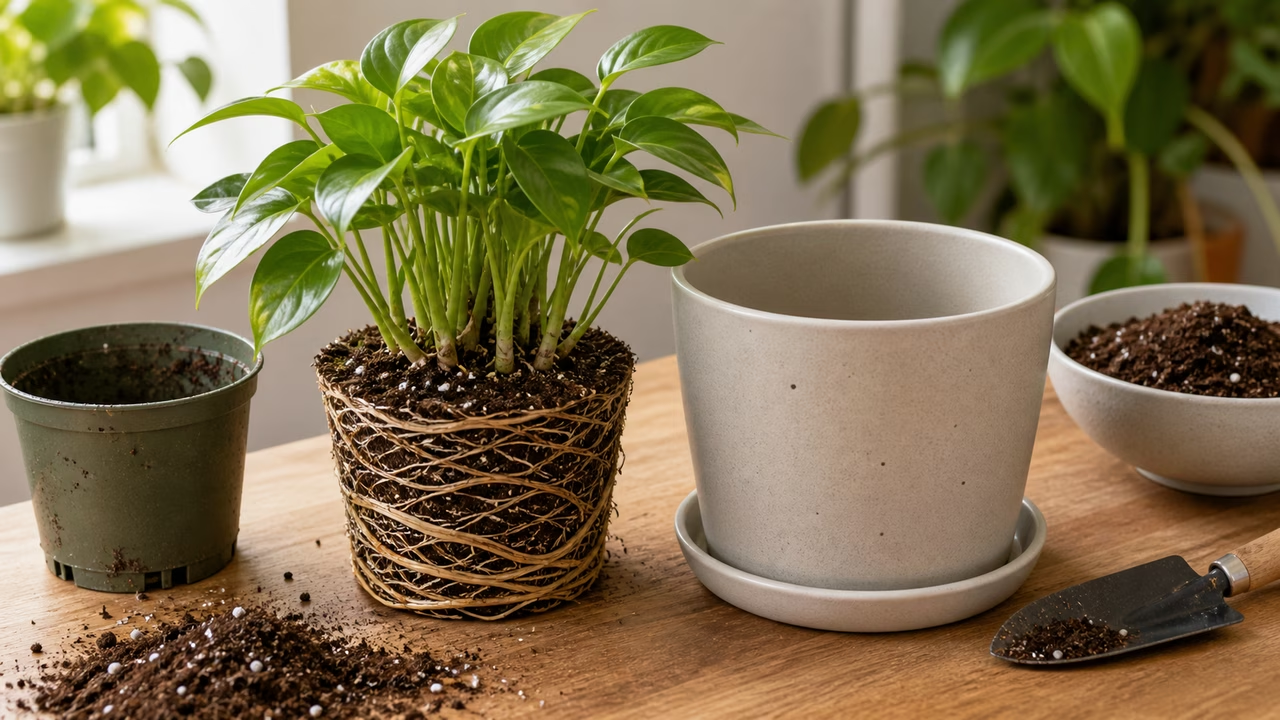
The clearest signal comes from the roots. Slide the plant out of its pot and look. If the roots have wrapped the outside of the root ball in a dense circling mat, if they are the first thing you see instead of soil, or if they are pushing out of the drainage hole and over the rim, the plant has outgrown its container. Above the soil, a root-bound plant often dries out unusually fast because there is more root than mix left to hold water, and you find yourself watering constantly to keep up. A plant that has stopped putting out new growth despite good light and steady care may also be telling you it has run out of room, though slow growth has many causes worth ruling out first. Root-bound houseplant signs covers what to look for in detail.
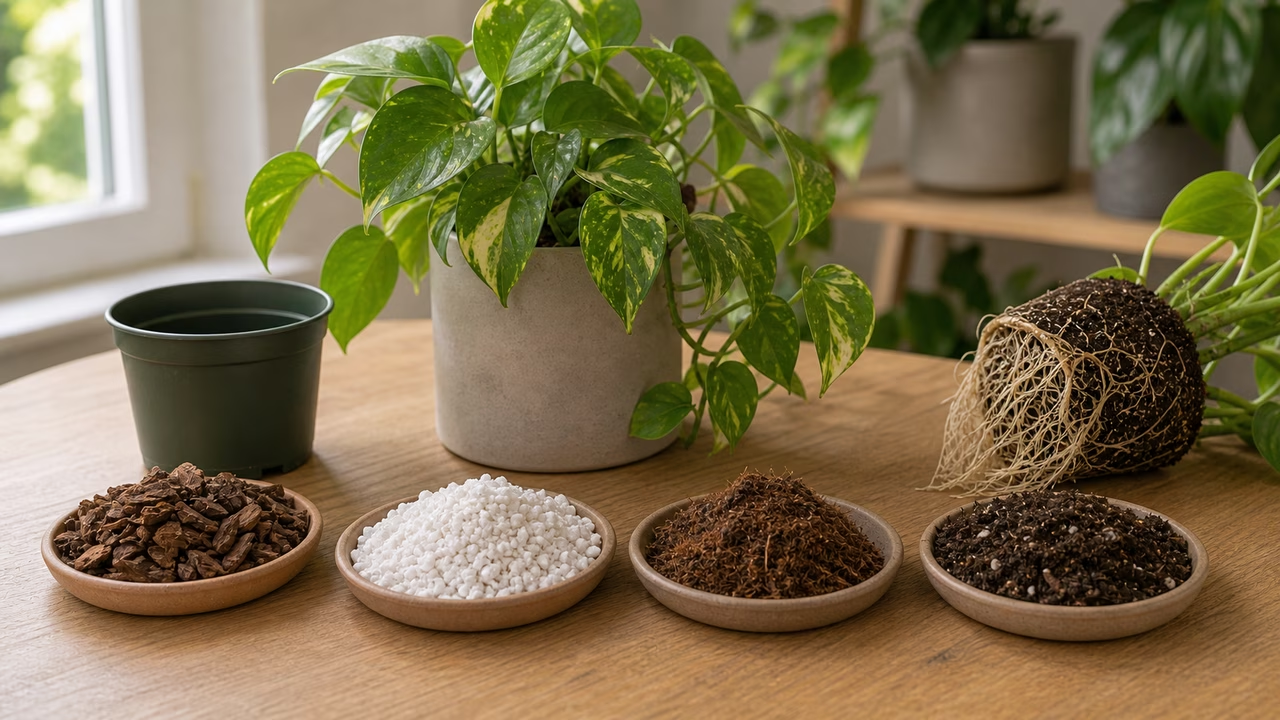
Soil condition is the other honest reason to repot. Over a year or two, potting mix breaks down, compacts, and loses its structure. When old mix stops absorbing water and instead lets it run straight down the sides and out the bottom, or when it has become dense and slow to dry, the roots are no longer getting the air they need. Refreshing the mix can be worth doing even when the pot size is still fine, simply to restore the drainage and airflow the plant depends on.
Timing that works with the plant
Season matters because repotting asks the plant to rebuild roots, and it does that best when it is already inclined to grow. Spring and summer, during active growth, are the forgiving windows; a plant repotted then knits into its new soil quickly. Repotting in the depths of winter, when growth has slowed, means the disturbed roots sit in a larger volume of mix that stays wet longer, which is exactly the setup that invites rot. If a plant is not in crisis, waiting for the growing season is almost always the better call.
The exception is urgency. If you discover active root rot, a broken pot, or a pest problem living in the soil, you address it when you find it regardless of the calendar. But those are corrections to a real problem, not routine repotting, and they come with their own careful handling rather than a simple pot upgrade.
Choose the pot size conservatively
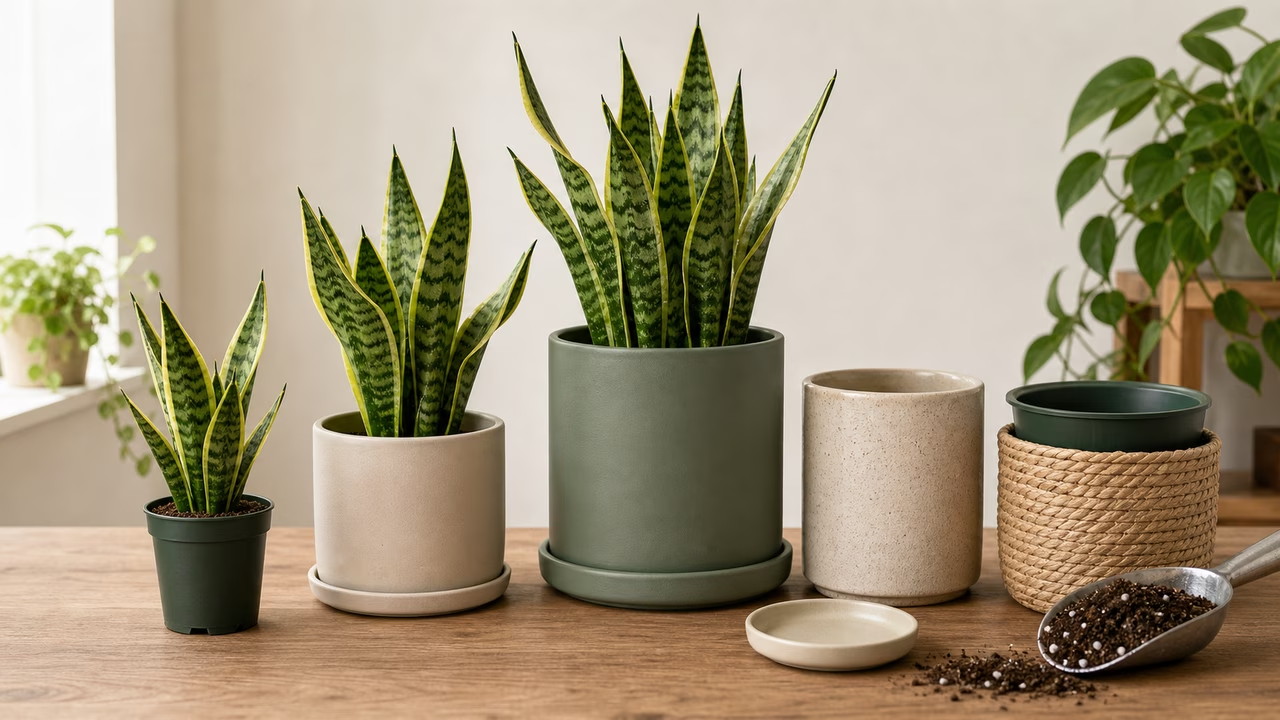
The single most common repotting mistake is jumping to a pot far larger than the last one, in the hope of skipping a step. Roots cannot fill that volume quickly, so most of the fresh mix sits unused, holding water the plant cannot drink. That reservoir of perpetually damp soil is a leading cause of root rot after a well-meaning repot. Go up one size, roughly an inch or two of added diameter, so the new soil is a modest collar around the existing root ball rather than an ocean around it. The plant fills that space in a reasonable time, and the moisture balance stays sane. Pot size and plant stability covers matching the container to the plant, including keeping a tall plant from tipping.
Whatever pot you choose, it needs a drainage hole. A beautiful cachepot with no outlet turns any repot into a standing-water problem, and the material matters too; if you are weighing your options, terracotta vs plastic pots lays out how each affects how fast the mix dries.
When not to repot
It is worth naming the situations where the best move is to leave the pot alone. A plant that is newly brought home is adjusting to your light and air, and piling a repot on top of that shock is asking a lot; give it a few weeks to settle first. A plant that is wilting, yellowing, or otherwise clearly unwell should be diagnosed before it is disturbed, because if the trouble is overwatering or rot, fresh soil in a bigger pot can deepen the problem rather than fix it. And many plants are perfectly content slightly snug; some, like certain succulents and a number of flowering plants, actually prefer to be a little tight and will sulk if given too much room. Being root-bound is not an emergency by itself, only a sign to plan a repot for the next good window.
The calm next action
Repot only when the roots or the soil make the case: circling roots that fill the pot, roots escaping the drainage hole, or old mix that no longer drains. When that day comes, move up a single pot size, do it during active growth if the plant is not in crisis, and keep everything else steady afterward, watering to the same read on the soil rather than on a fixed day. Give the plant a couple of weeks of calm to recover before you judge whether it worked; a freshly repotted plant that looks unchanged for a while is usually just busy below the surface. When you are ready for the mechanics, repotting houseplants without panic walks through the actual steps.
This is ordinary care, and there are limits to it. If a plant keeps declining after you have corrected its pot and soil, or if you uncover serious rot, an unsafe infestation, or a situation involving pets or pesticides, step out of the home experiment and bring in the appropriate qualified professional. Root rot basics for houseplants can help you judge how far gone the roots are.
Helpful references
For further reading, West Virginia University Extension’s guide to common houseplant care and the University of Maryland Extension guides to watering indoor plants and overwatered indoor plants are dependable starting points.