Almost no one talks about letting a plant go, because it feels like admitting defeat. But knowing when to stop trying is a real plant-care skill, and often a protective one. A single plant kept on life support can drain your time, spread pests to a whole shelf, or sit as a hazard where a pet chews. Deciding to compost a plant is not a failure of care; sometimes it is the most caring thing you can do for everything else in the room. This guide is about making that call honestly, without either giving up too early or clinging too long.
Pests that have won the room
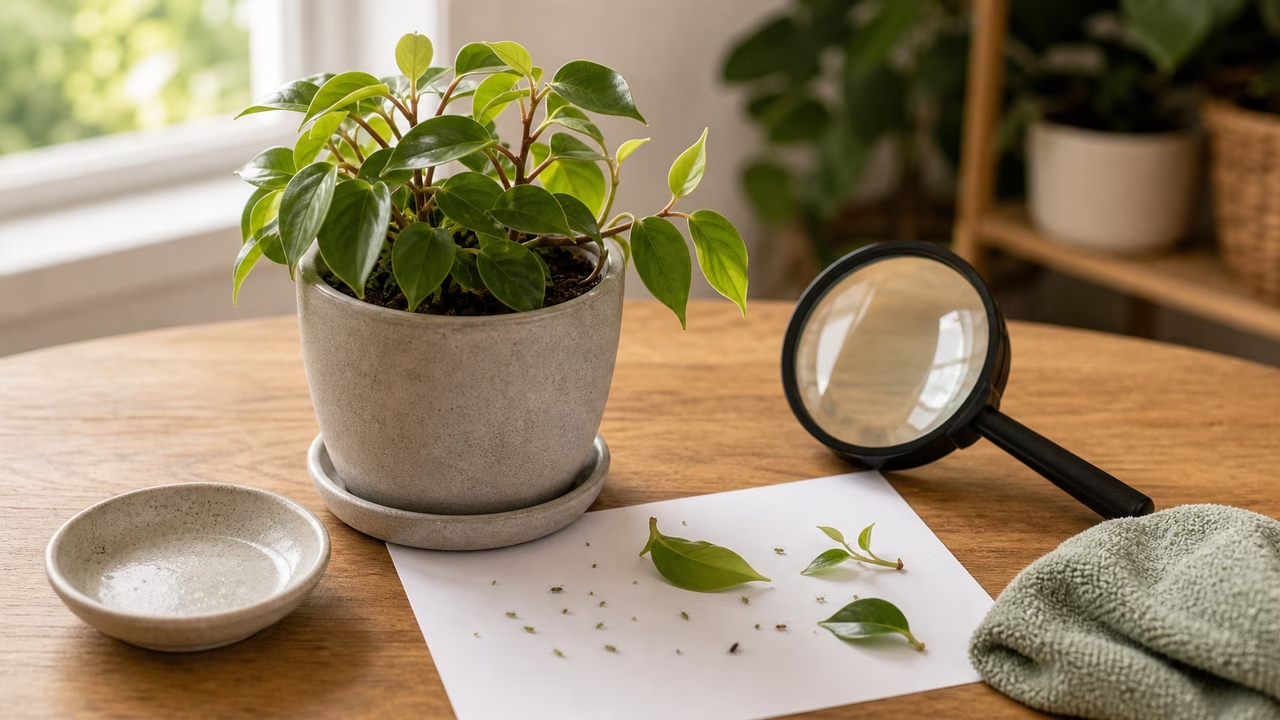
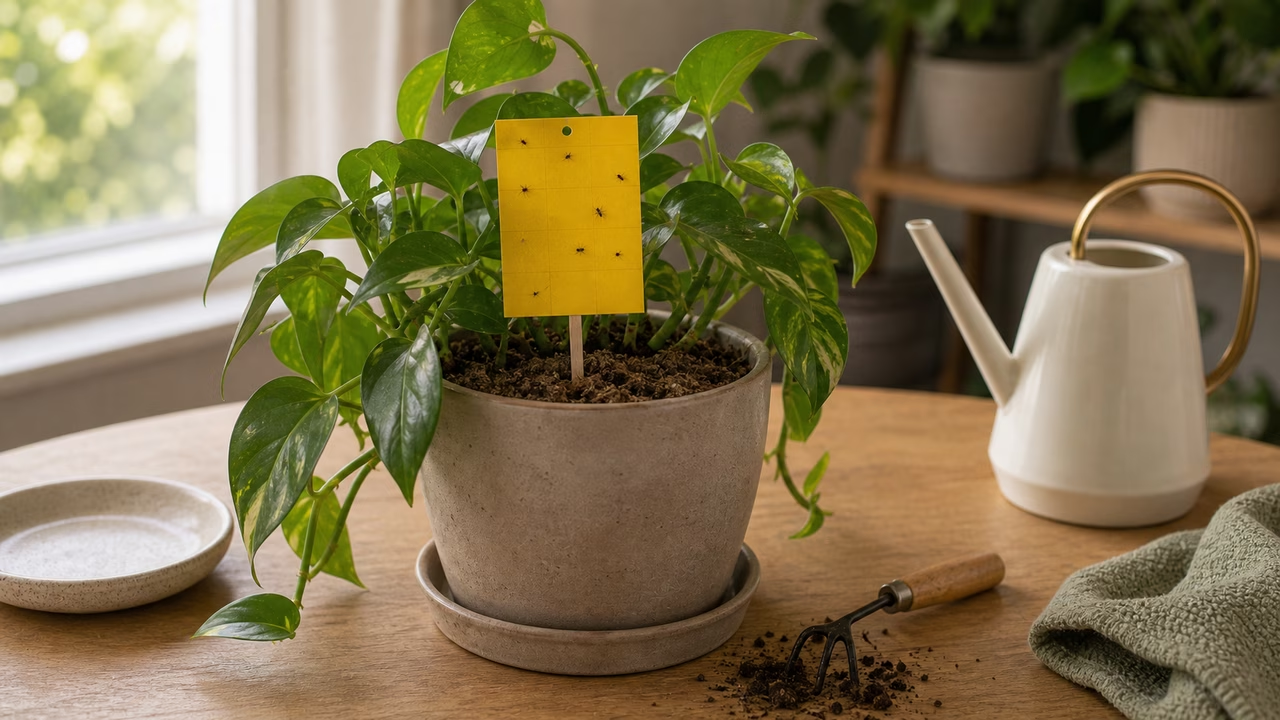
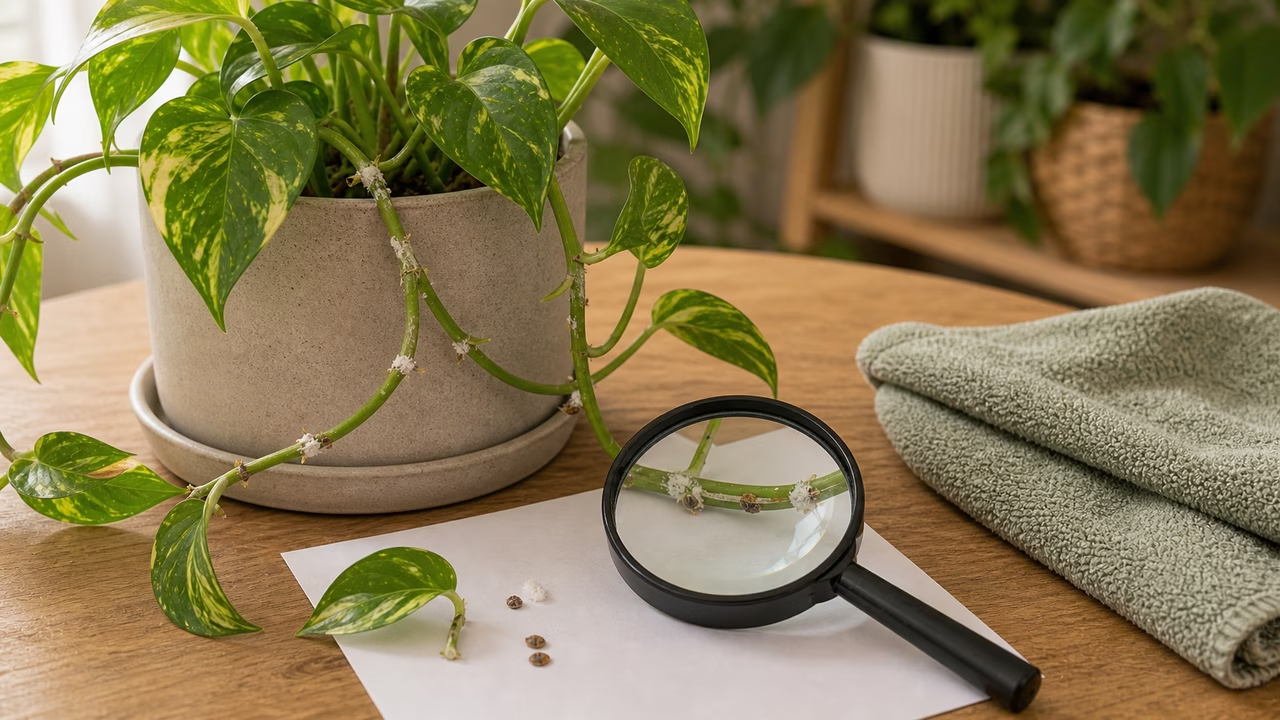
The hardest cases to keep are severe, entrenched infestations, and the clearest sign is that you have already tried. If a plant has been treated repeatedly for spider mites, mealybugs, or scale over weeks, has been isolated away from the collection, and the pests keep returning in force, the math starts to favor removal. Some infestations settle so deeply into leaf axils, stem crevices, and the soil that no home treatment fully clears them, and every week that plant stays is another week it can seed the pests onto its neighbors. A cheap, easily replaced plant that has become a mite factory is rarely worth the risk it poses to a shelf of healthy ones. A rare or sentimental specimen might justify a longer fight, but even then, strict isolation is the price of keeping it. Spider mites on houseplants and mealybugs and scale on houseplants cover the treatment attempts worth making before you conclude a plant is a lost cause.
The judgment is about spread and severity, not the mere presence of a bug. A few pests caught early are a treatment problem, not a disposal problem. It is the plant that stays heavily infested despite honest, repeated effort, and that endangers everything around it, that has crossed the line.
Rot that has reached the crown
Root rot can sometimes be reversed if you catch it while healthy roots remain, but there is a point past which the plant simply has nothing left to rebuild from. When you unpot a plant and find the roots uniformly brown, black, mushy, and foul-smelling, with the softness climbing up into the base of the stems and the crown collapsing, recovery is unlikely. A stem that has gone soft and dark at the soil line, or one you can pinch and feel give way, is telling you the vascular tissue is gone. At that stage, propagating any firm, green top growth that remains is a far better use of your effort than trying to save the dying base. Root rot basics for houseplants explains how to tell salvageable roots from lost ones, so you are not tossing a plant that could still be trimmed back and saved.
Safety that outweighs sentiment
Some plants earn removal not because they are sick but because of where they live. If a plant is toxic to a pet who chews it, or sits within reach of a small child who mouths leaves, and there is genuinely no safe, out-of-reach spot in your home, the responsible choice may be to rehome or remove that plant rather than gamble on the animal or child leaving it alone. This is a decision about your household, not about the plant’s health, and it is a legitimate reason to let one go. If a pet has already chewed or swallowed part of a plant, that is not a plant-care question at all; contact a veterinarian or poison-control resource right away.
Guard against the opposite mistake, too
Just as often, people toss a plant that was never actually dying. A plant that has dropped every leaf can still hold living, plump stems and roots that will push new growth once conditions improve; a scratch on the stem showing green underneath means it is still alive. Seasonal dormancy, a rough move, or a bout of neglect can make a plant look finished when it is only resting or recovering. Before you give up, do the quick checks: is the stem firm and green inside, are any roots still white and solid, is there any new bud, however small. If the answer is yes, the plant may just need better light, steadier water, and patience rather than the compost bin.
Making the call without guilt
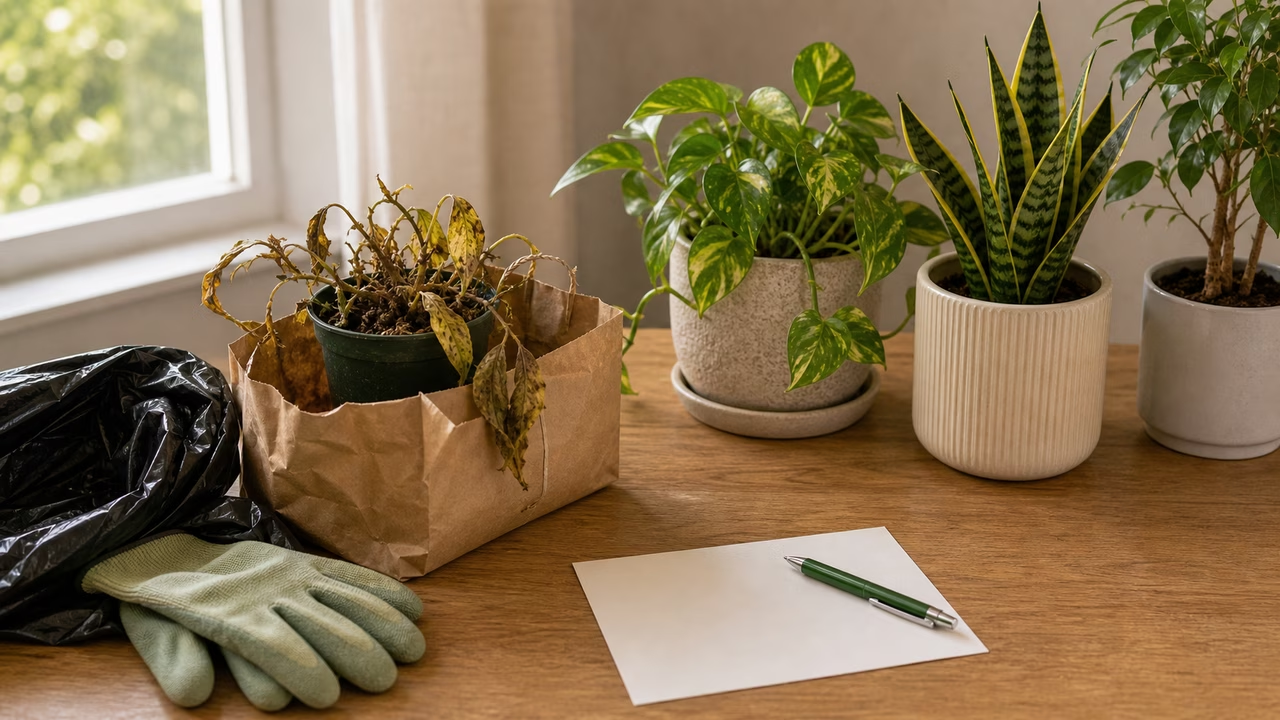
When the evidence does point to removal, do it cleanly and promptly. Bag a heavily infested plant before carrying it through the house so you do not scatter pests along the way, and wash or discard the pot before reusing it. Wipe down the shelf and check the neighbors that shared the space. Letting go of one plant to protect ten is a trade worth making, and composting a plant that has finished its run is an ordinary part of the hobby, not a verdict on your ability. The plants you keep will do better for the attention you are no longer pouring into a lost one, and prevention going forward, like a new plant quarantine checklist , keeps the next problem from spreading in the first place.
The calm next action
If a plant is unsafe for your household, severely infested after honest treatment attempts, or rotting past the point where firm tissue remains, discard it cleanly and protect the rest of your collection. If instead you find living stems, sound roots, or any new growth, hold off, improve the conditions, and give it time. And whenever the situation moves beyond everyday care, into pet ingestion, pesticide exposure, heavy mold, severe allergies, or an unsafe infestation, step out of the home experiment and contact the appropriate qualified professional; a plant guide can organize the decision, but it is not a veterinarian, clinician, or licensed remediation service.
Helpful references
For managing the pest cases behind many of these decisions, see the University of Minnesota Extension guides to managing insects on indoor plants and houseplant pests , along with the University of Maryland Extension guides to watering indoor plants and overwatered indoor plants .