Which way a window faces is one of the most useful things to know about your home, and one of the most commonly misread. Care instructions lean on it constantly, telling you a plant wants “an east window” or “no direct southern sun,” yet the direction on its own is only half the story. A south window shaded by a large tree behaves nothing like a bare one, and a bright room three floors up with open sky can outperform a technically sunnier window blocked by the building next door. Treat the compass direction as a strong first clue, then confirm it with what you can actually see.
What each direction tends to offer
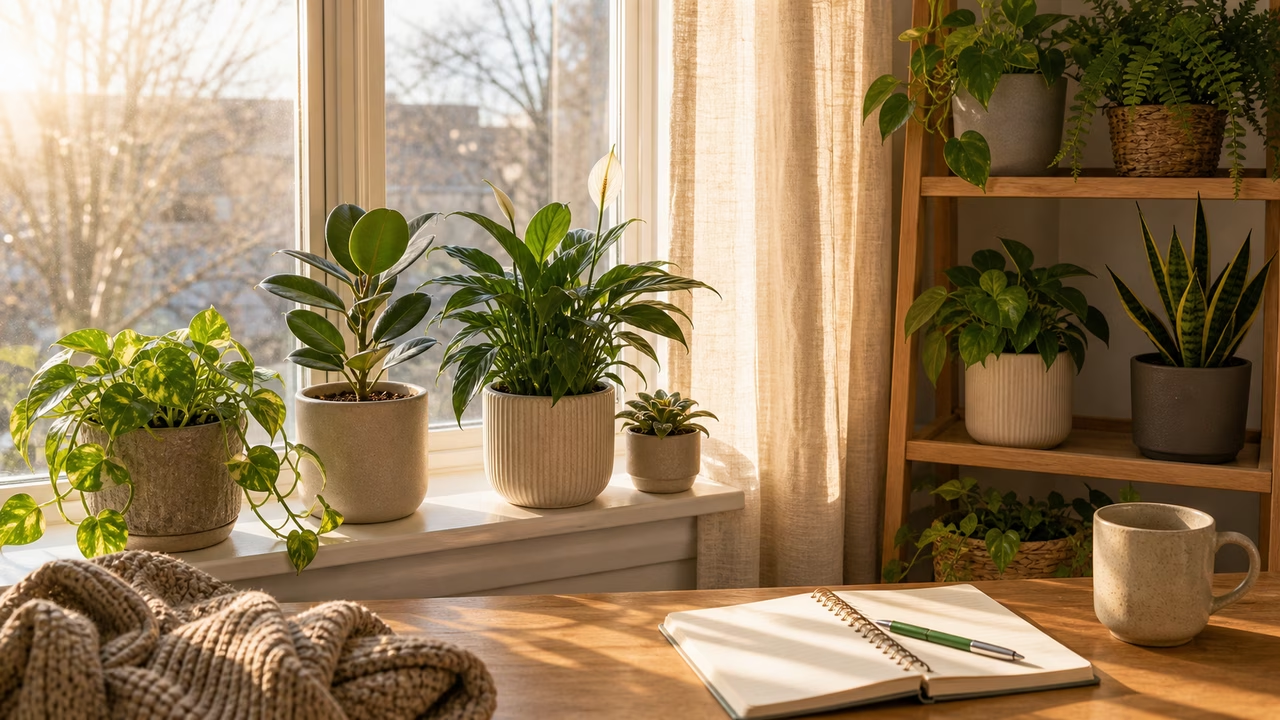
These descriptions assume the northern hemisphere; south of the equator, swap north and south. A south-facing window is the brightest exposure, receiving direct sun through the middle of the day and, in summer, real heat close to the glass. It suits sun-lovers like succulents, cacti, and many citrus, and it can grow almost anything if you give tender foliage a little distance or a sheer curtain to soften the peak hours. A north-facing window is the gentlest, giving steady, indirect light without much direct sun at all. It has a reputation as a dead zone, but it is genuinely workable for low-light-tolerant plants like pothos, snake plants, ZZ plants, and many ferns, especially if the window is large and the sky outside is open.
East and west windows split the day between them. An east window catches the morning sun, which is bright but cool and forgiving, then settles into soft light for the afternoon; this is the easy, popular exposure that keeps the widest range of foliage plants happy without scorching them. A west window is the mirror image with a sting: it stays dim in the morning and then delivers strong, hot, direct afternoon sun. That heat late in the day can be surprisingly intense against the glass, so tender plants often want to sit back from a west window rather than pressed against it.
Confirm direction with shadows and heat
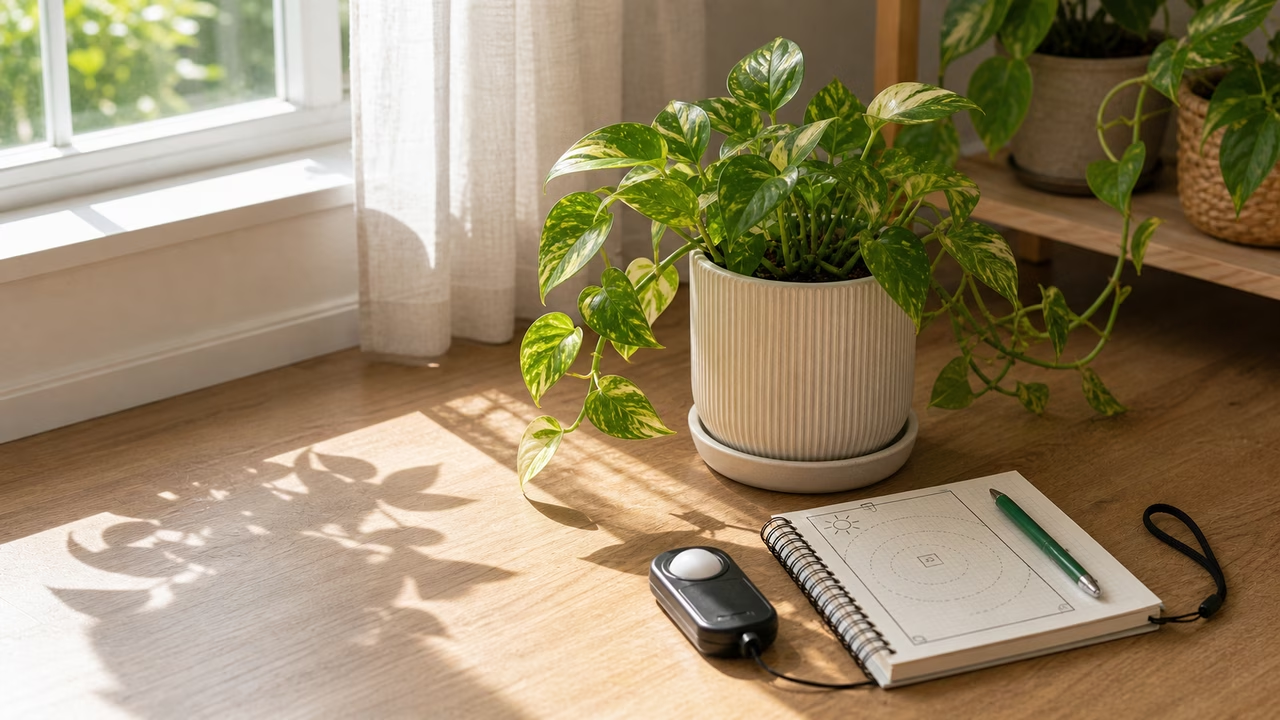
Because obstructions change everything, the direction should always be checked against what the light is actually doing. The simplest test costs nothing: on a sunny day, hold your hand a foot above the spot where the plant sits and look at the shadow. A crisp, dark shadow with sharp edges means strong, direct light. A soft shadow with fuzzy edges you can still make out means good indirect light, the bright-indirect that most foliage plants want. No real shadow at all means the spot is dim and better suited to the tough low-light plants. How to check indoor plant light and bright indirect light explained go deeper on reading light this way.
Heat deserves its own check near south and west glass. Put your hand where the leaves would be during the hottest part of the afternoon; if it feels warm or the glass is hot to the touch, tender foliage pressed to that pane can scorch even when the light level alone would be fine. The fix is usually distance, not relocation to another room. Pulling a plant a foot or two back from a hot window, or hanging a sheer curtain, keeps the brightness while shedding the worst of the heat.
Distance is the dial you actually turn
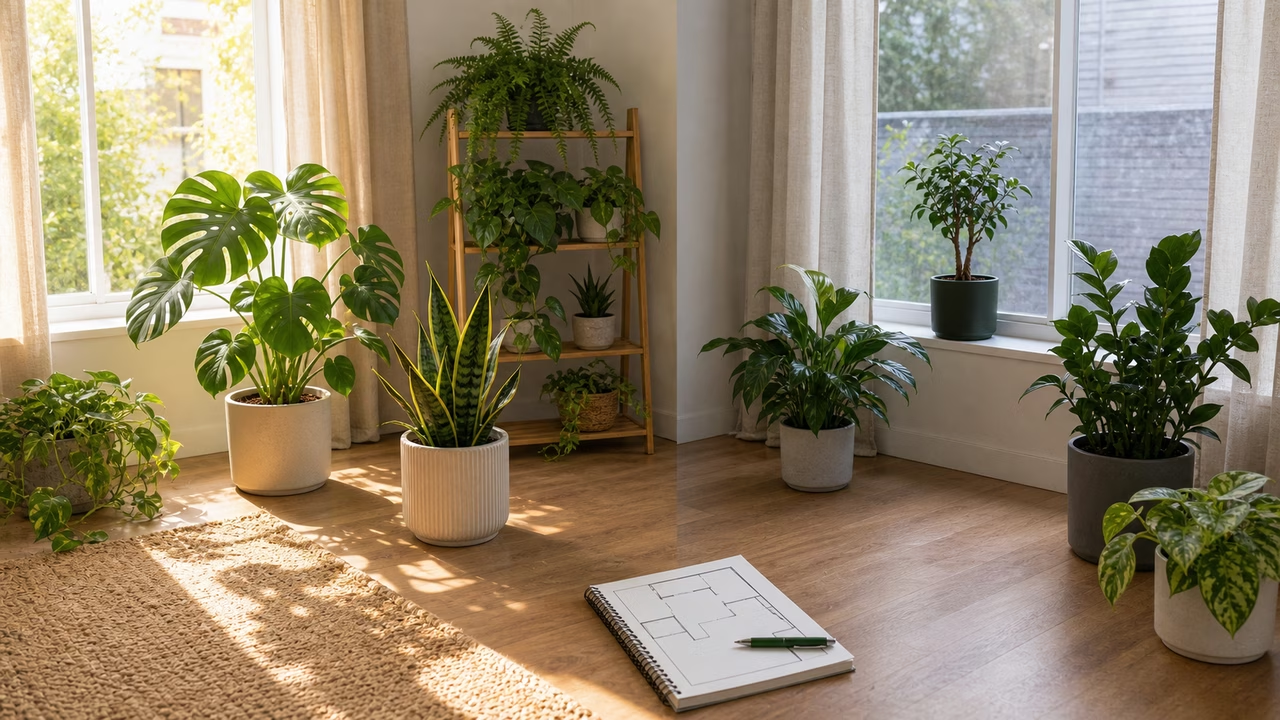
Window direction sets the ceiling for a spot, but distance from the glass is how you fine-tune it, and it changes things faster than people expect. Light falls off sharply as you move into a room, so a plant right on a bright south sill and the same plant six feet back are living in two very different worlds. This is what makes almost any window useful: a plant that would burn against the pane often thrives a few feet away, and a plant starving in the middle of the room may only need to move closer. When a plant is stretching, leaning hard toward the window, or growing pale and leggy, it is asking to move nearer the light; when leaves bleach or develop dry, scorched patches, it wants to back away. Sunburn and scorched houseplant leaves covers reading that damage.
Light shifts with the seasons
The same window is not the same window in January that it was in July. The sun sits lower and weaker in winter, days are short, and a spot that was bright in summer can turn dim enough that a plant which was thriving begins to stall. Outdoor changes matter too: a south or west window shaded by a leafy tree in summer can flood with sun once the leaves drop in autumn, flipping a gentle exposure into a harsh one. The practical habit is to reassess placement a couple of times a year, moving light-hungry plants closer to the glass or to a brighter window for the darker months and easing them back as the sun strengthens again. Seasonal light changes for houseplants follows this through the year, and where no window is bright enough, grow lights for houseplants can make up the difference.
Direction changes watering, too
Because light drives how fast a pot dries, moving a plant between exposures quietly changes its watering needs, and this catches people out. The same plant on a bright south sill will use water and dry its soil far faster than it did in a dim north corner. After you relocate a plant, do not carry the old watering interval with it; go back to checking the soil by feel and pot weight, because the calendar that fit the old spot will overwater or underwater it in the new one.
The calm next action
Treat window direction as your starting clue, not your final answer. Note which way the window faces to set your expectations, then confirm with the shadow test and a hand-check for heat, and adjust the plant’s distance from the glass until the light suits it. After any move, water by the soil rather than by habit, and plan to revisit placement as the seasons turn. As always, this is everyday care; if a plant keeps declining after its light and watering are sorted, or the situation involves pets, pesticides, or mold, step out of the home experiment and reach the appropriate qualified professional.
Helpful references
For a broader overview, West Virginia University Extension’s guide to common houseplant care is a solid, evergreen reference on light and placement.