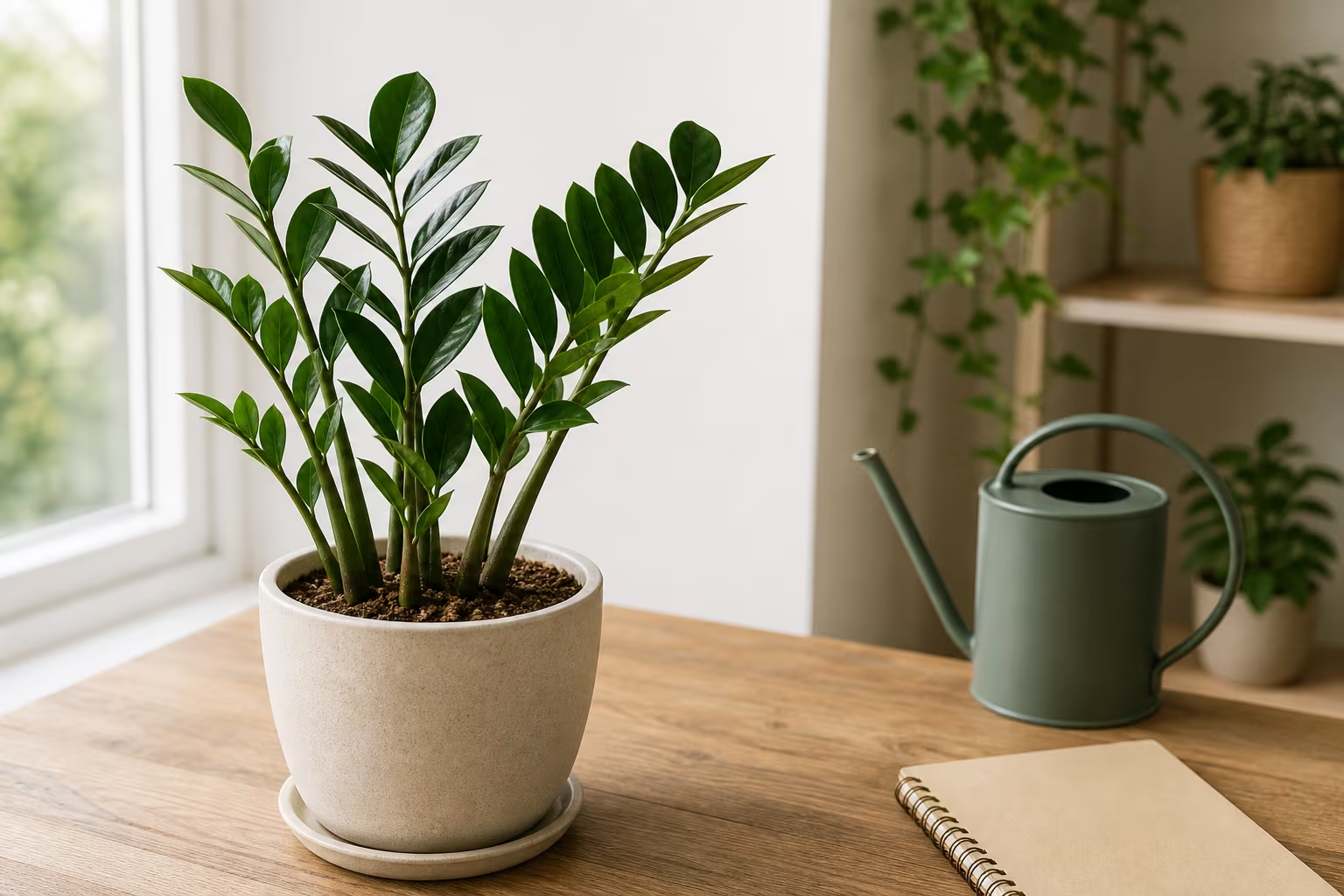
The ZZ plant, Zamioculcas zamiifolia, is about as close to unkillable as an indoor plant gets, which makes it a strange thing to overthink and yet a very easy thing to overwater. Its glossy, deep-green leaflets march up thick, arching stems and shrug off the low light and forgetful watering that would flatten a fussier plant. The whole secret to keeping one is restraint: this is a plant that asks you to do less, not more, and most ZZ trouble comes from an owner who cannot quite believe how little it needs.
The rhizome is the whole story
Underneath the soil, a ZZ plant grows from fat, potato-like rhizomes that store water, and understanding that one fact explains almost all of its care. Those rhizomes are a built-in reservoir, which is why the plant can coast through weeks of drought without complaint, and also why it resents being kept wet. When the mix stays soggy, the rhizomes sit in water they do not need and begin to rot from the inside. So the plant is not really drought-tolerant in the sense of merely surviving dryness; it is adapted to store its own water and to expect the soil around it to dry out between drinks. Your job is to honor that cycle rather than fight it.
Light: tolerant, but not indifferent
The ZZ plant’s reputation as a low-light champion is deserved. It genuinely tolerates dim corners, north-facing rooms, and offices lit mostly by fluorescents, holding its color and staying presentable where many plants would decline. That tolerance, though, is survival rather than thriving. In bright, indirect light the plant grows noticeably faster and fuller, pushing new stems more often, while in deep shade it essentially idles, staying alive but adding little. The one thing to avoid is harsh, direct sun through a hot window, which can scorch the leaflets. A spot with good ambient brightness or gentle indirect light is the sweet spot; if the only available corner is genuinely dark, accept that growth will be very slow and do not try to compensate by watering more. Bright indirect light explained and how to check indoor plant light help you judge what a given spot actually offers.
Watering restraint is the main skill
If there is one number worth ignoring with a ZZ plant, it is a watering schedule. Water thoroughly, letting it run out the drainage hole, and then wait until the mix has dried out almost completely, nearly to the bottom of the pot, before watering again. Depending on your light and warmth, that might mean every two or three weeks, sometimes longer in winter, but the interval matters far less than the check. Push a finger deep into the soil, or lift the pot and learn its light, dry weight versus its heavy, watered weight; water only when the read says dry. When in genuine doubt, wait, because a ZZ plant recovers from a late drink far more easily than from a rotting rhizome. Stop watering houseplants on a schedule covers this checking habit in full, and it is the single most useful thing to learn for this plant.
The warning signs read backwards from most plants. Yellowing lower leaves and soft, mushy stems near the base usually mean too much water, not too little; an underwatered ZZ, by contrast, wrinkles its stems and may drop a few leaflets while staying firm. If you see the soft, yellow pattern, stop watering and let the pot dry out well before you do anything else. A ZZ that has been kept dry too long is an easy fix; one that has been kept wet is the one that dies.
Soil and pot that shed water
Everything about the container should reinforce drainage. Use a well-draining potting mix, ideally one lightened with perlite, bark, or a bit of coarse sand so water moves through rather than lingering; a mix meant for cactus and succulents works well and errs in the right direction. The pot must have a drainage hole, and it is worth double-checking that no water is collecting unseen in a decorative cachepot underneath, since a hidden reservoir undoes all your careful restraint. Terracotta suits the ZZ especially well because its porous walls pull moisture out of the mix and speed the drying the plant wants; terracotta vs plastic pots weighs that choice.
Slow growth is normal, not a problem to solve
The ZZ plant grows at its own unhurried pace, sending up new stems in occasional flushes rather than steadily, and long quiet stretches with no visible change are completely normal, especially in lower light or through winter. This is where beginners get into trouble: mistaking slow growth for a plant that needs help and reaching for water or fertilizer to jump-start it. Neither will speed a plant that is simply idling in dim light, and extra water in particular is how a healthy ZZ gets killed. Feed lightly during spring and summer if you like, no more than occasionally at a diluted strength, and otherwise measure the plant’s health by whether its existing stems stay firm and glossy, not by weekly progress. New shoots, when they come, emerge as pale, tightly furled spears that unroll over days; watching for those is far more rewarding than waiting on quick change. Repot only when rhizomes genuinely crowd the pot, and then just one size up, since a ZZ is content being somewhat snug and an oversized pot only holds excess wet soil.
The calm next action
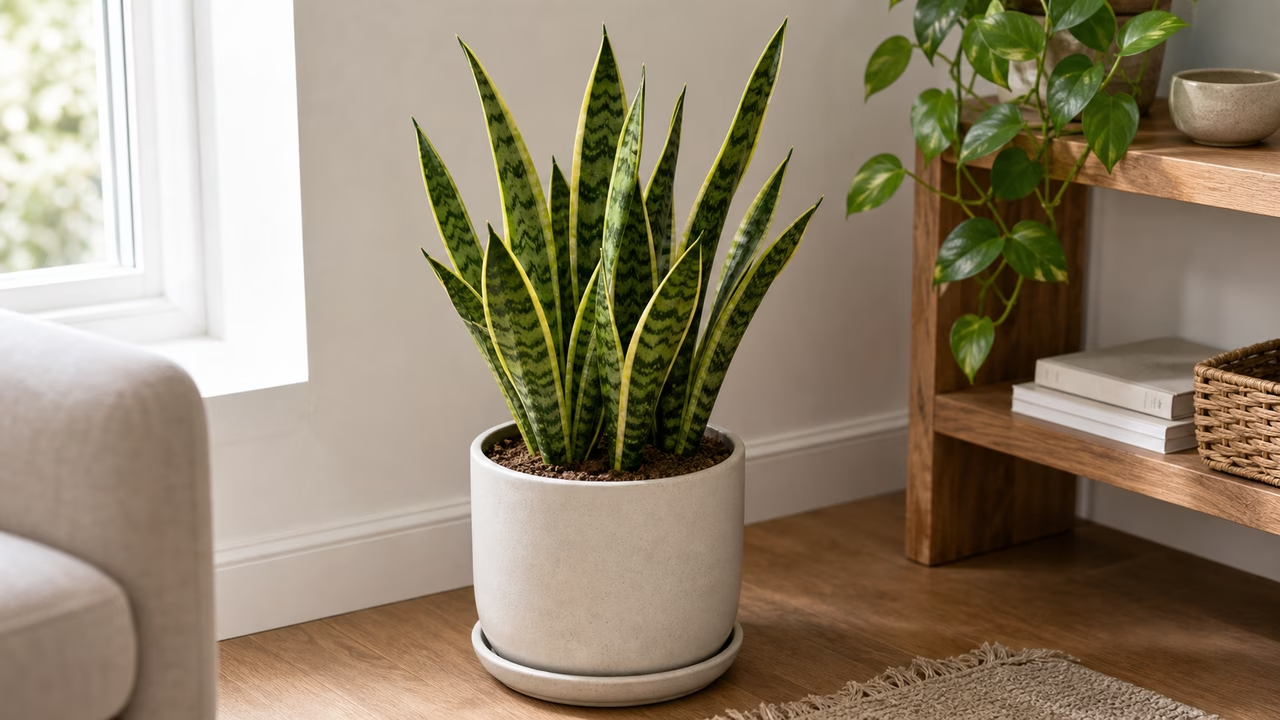
Give your ZZ a spot with decent indirect light, let the soil dry nearly to the bottom before each thorough watering, and then leave it alone. Judge it by long-term firmness and the occasional new spear rather than by weekly change, and resist the urge to water a plant that is only growing slowly. If you like the low-fuss temperament, snake plant care and pothos care share it. This is everyday care; if a plant keeps declining after light and watering are corrected, or the situation involves pets, pesticides, or mold, step out of the home experiment and reach the appropriate qualified professional.
Helpful references
For further background, see the University of Maryland Extension guides to watering indoor plants and overwatered indoor plants , and West Virginia University Extension’s overview of common houseplant care .