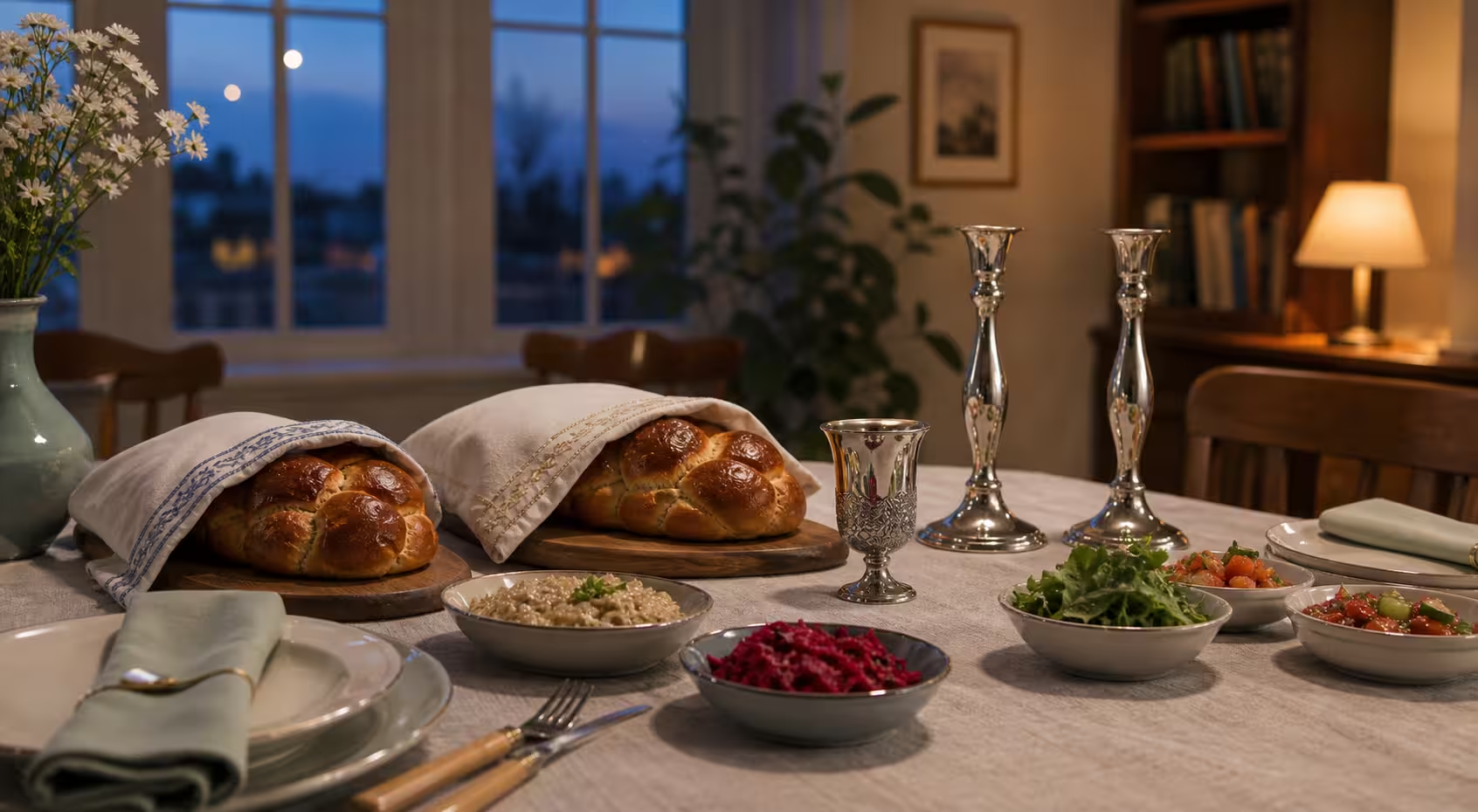
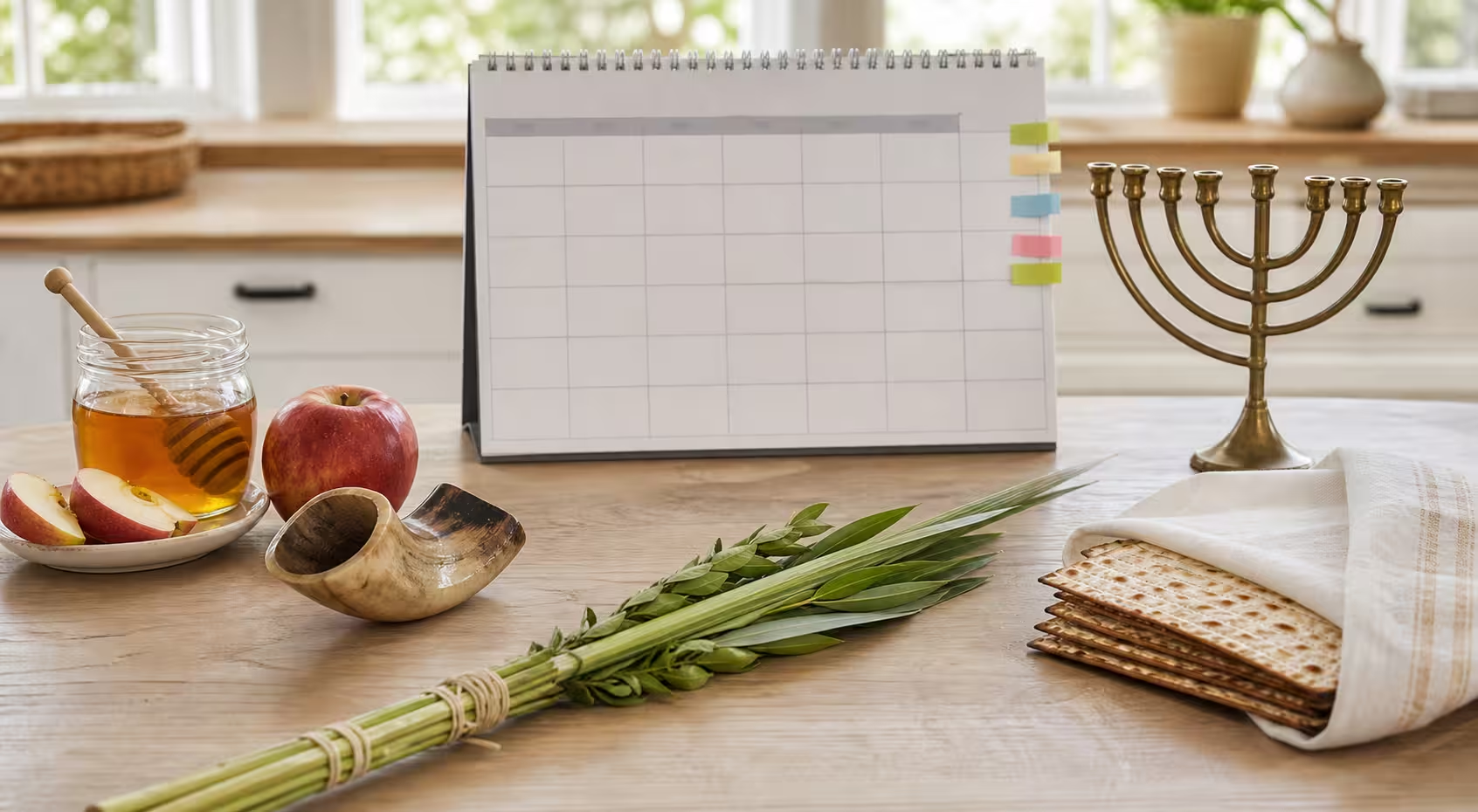
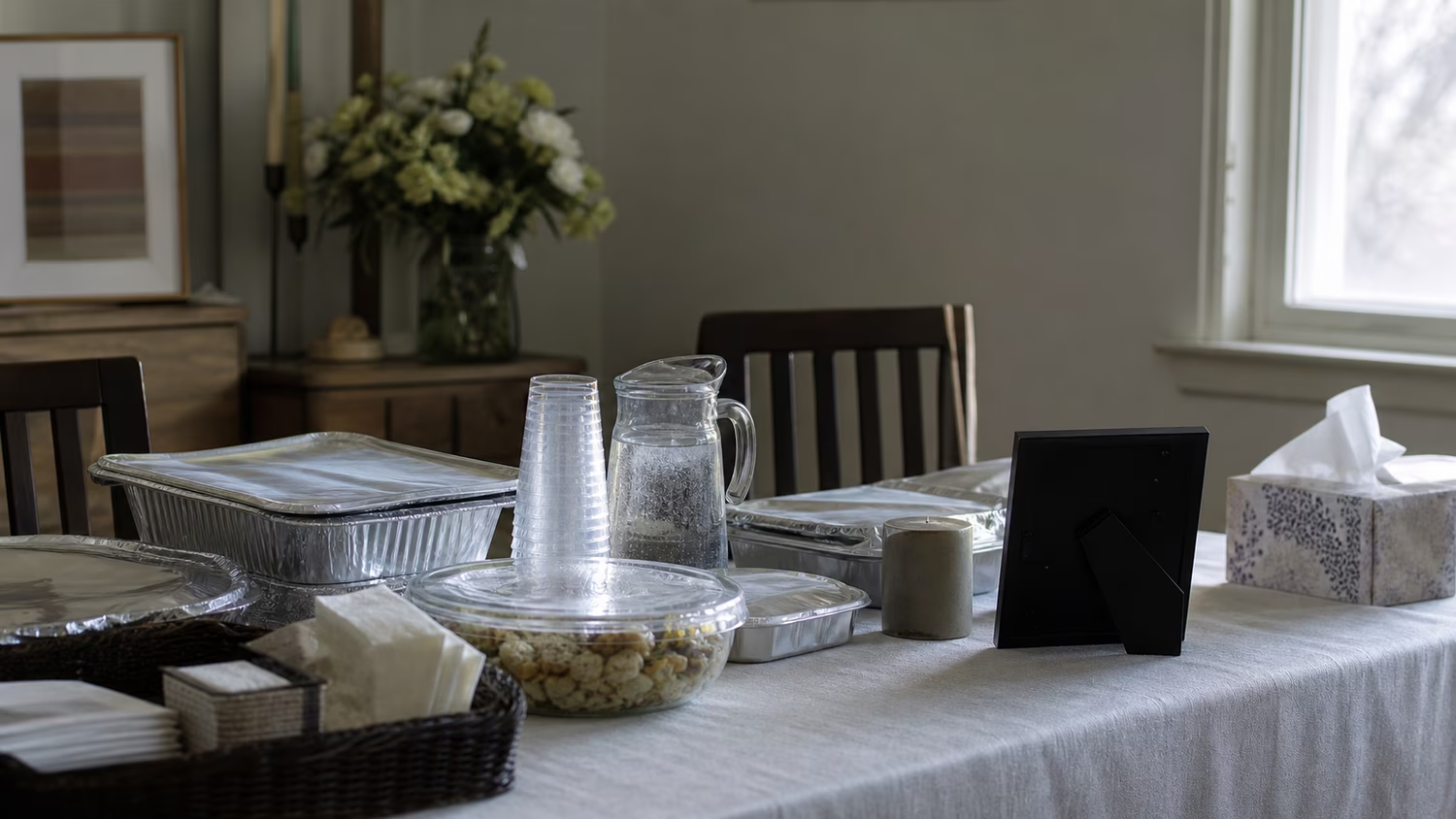
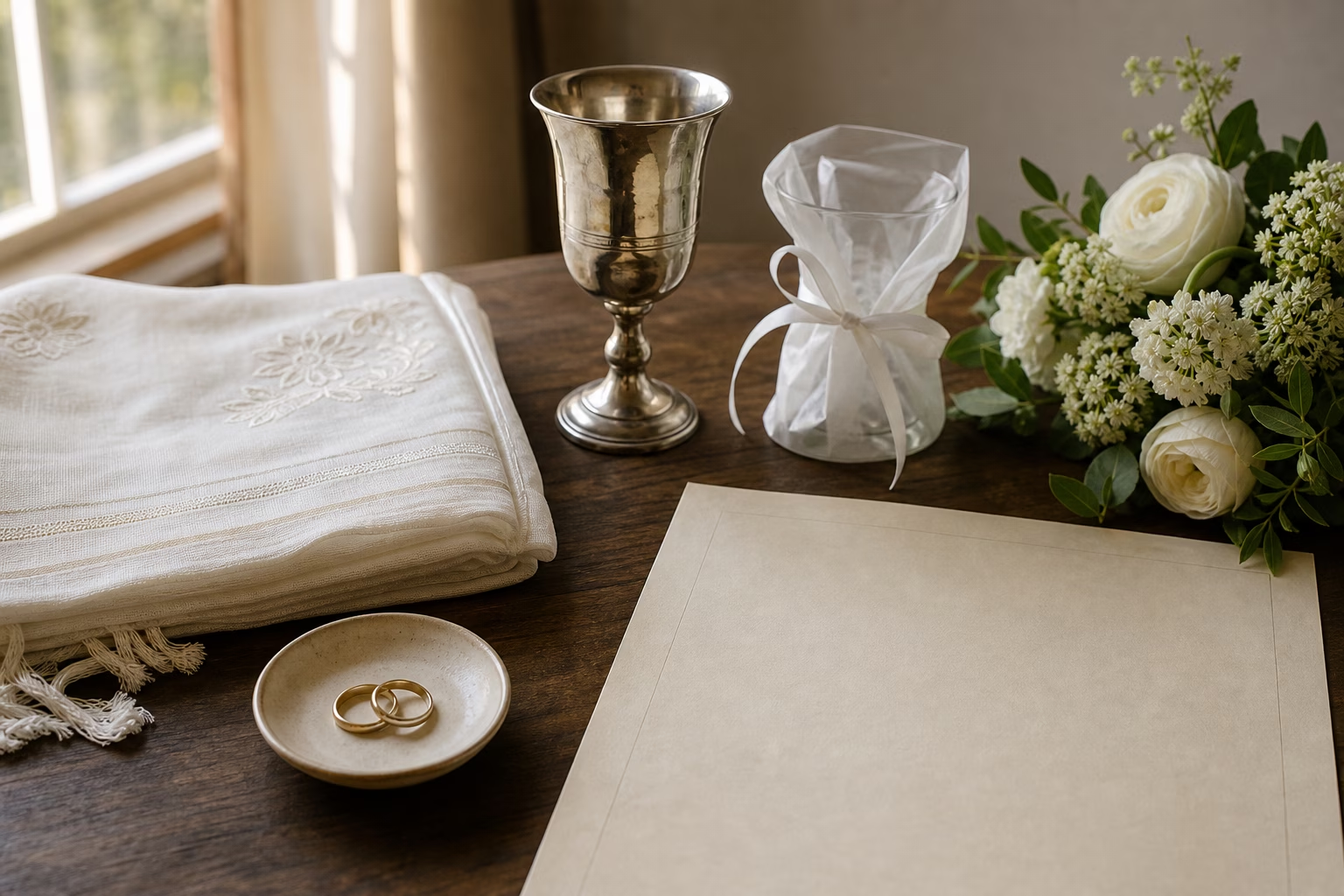
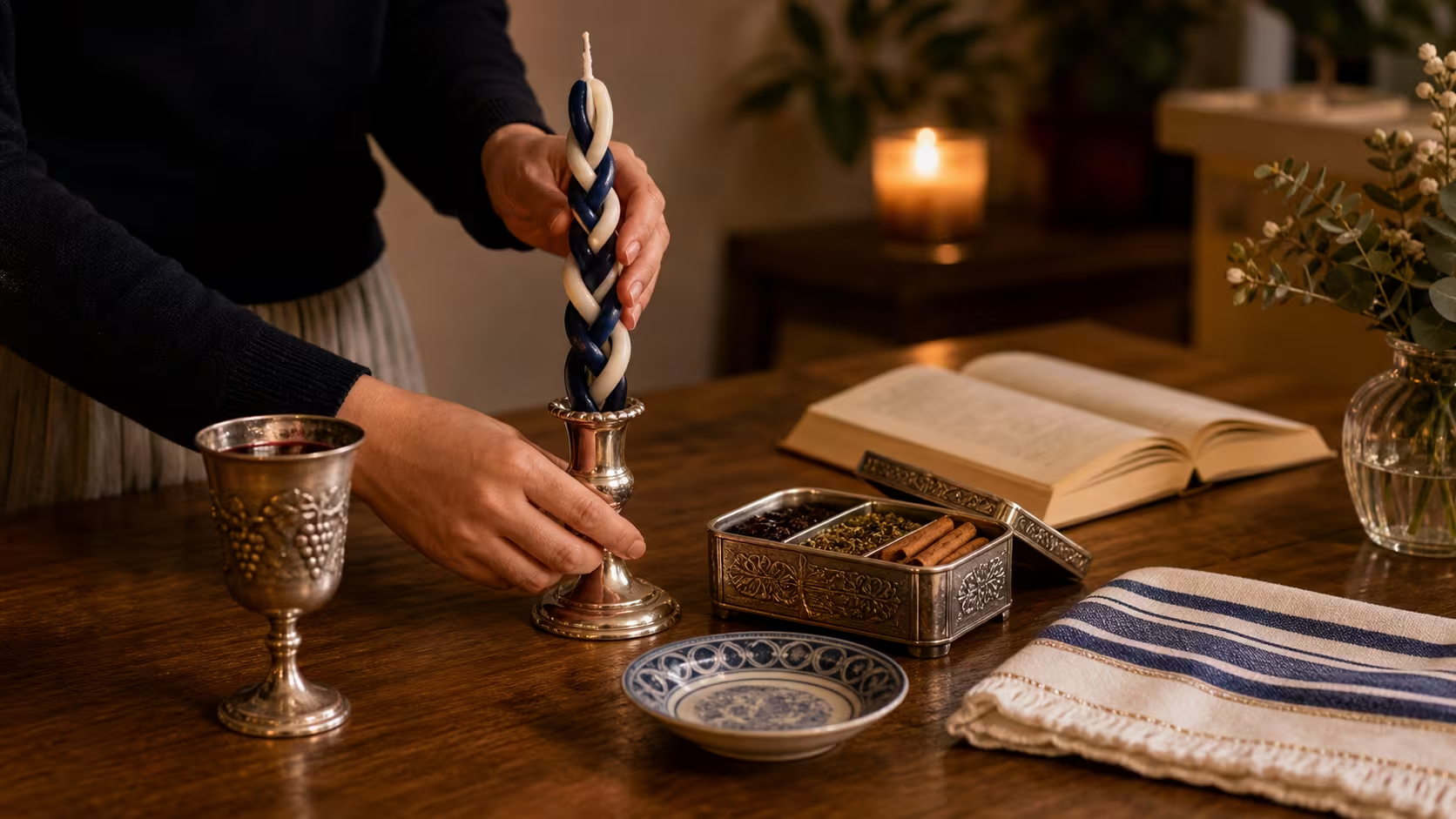
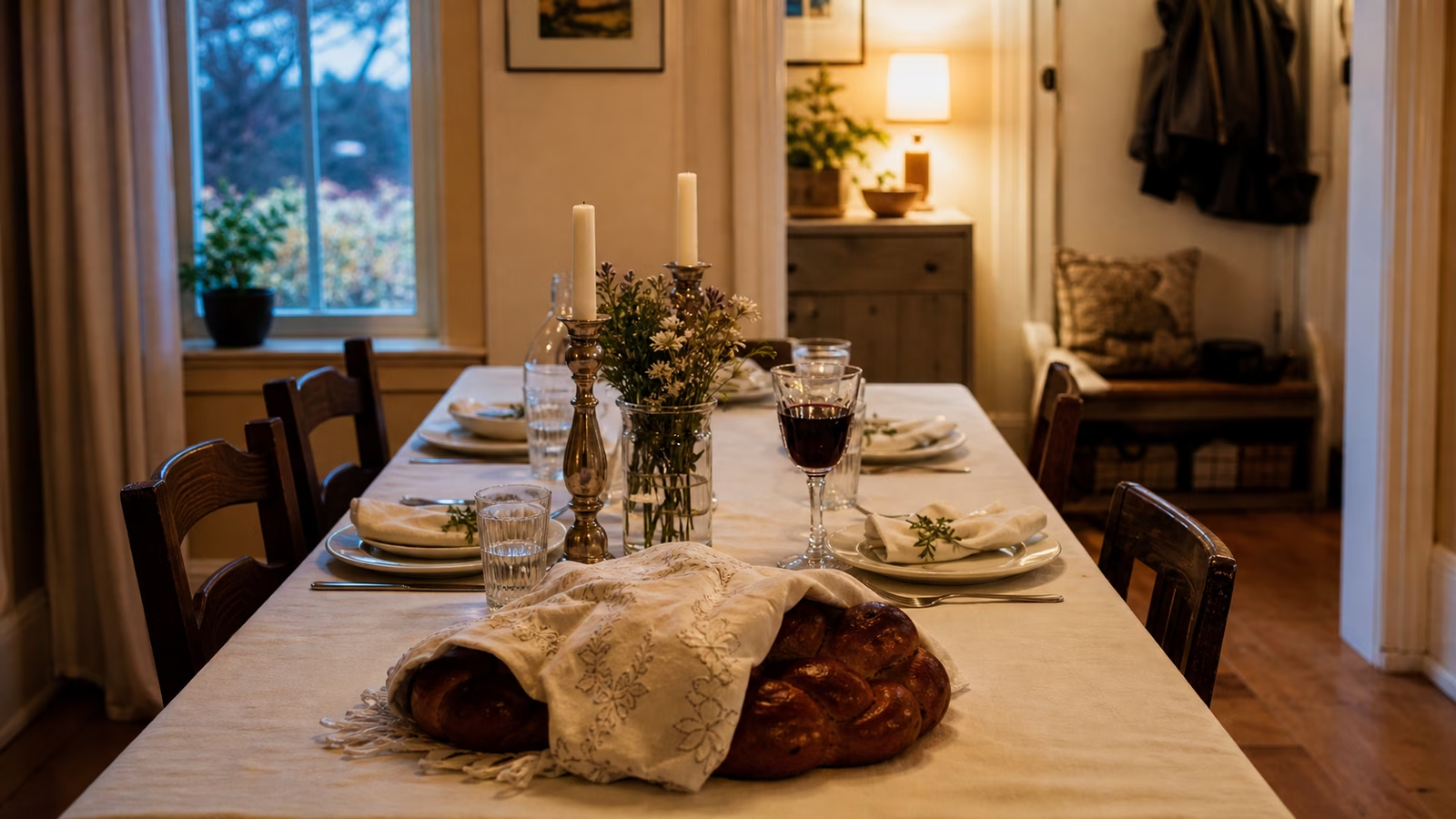
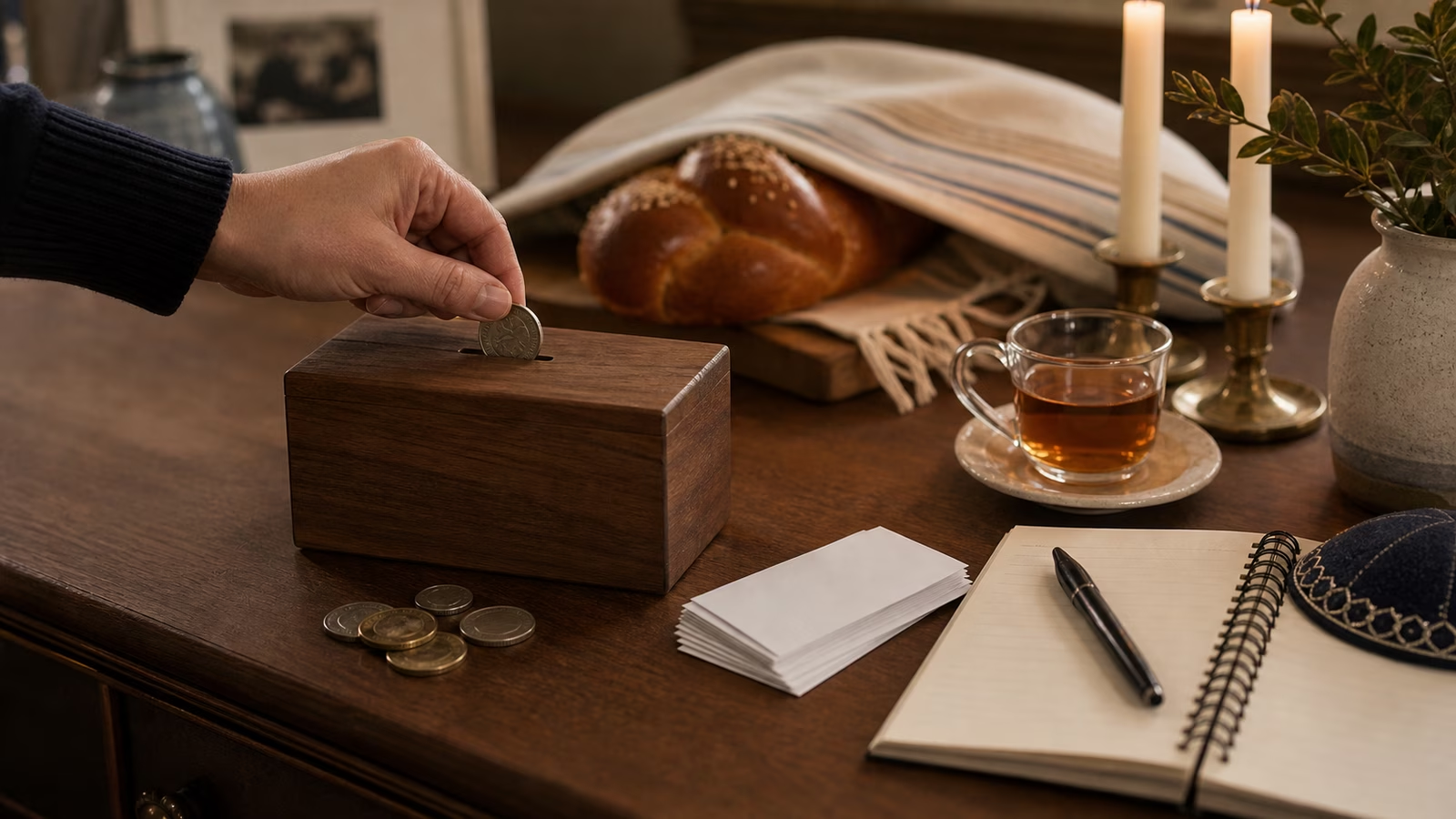
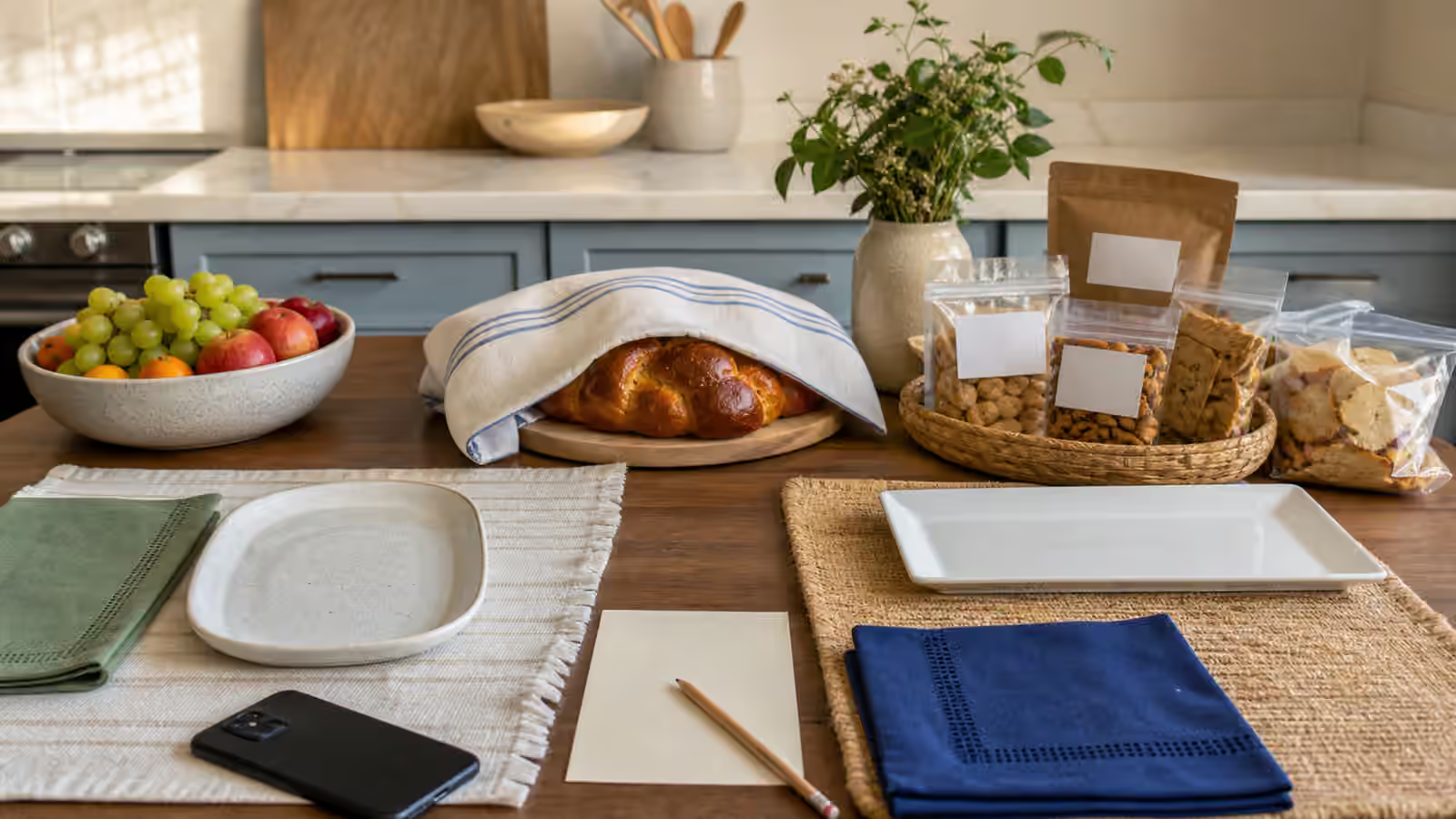
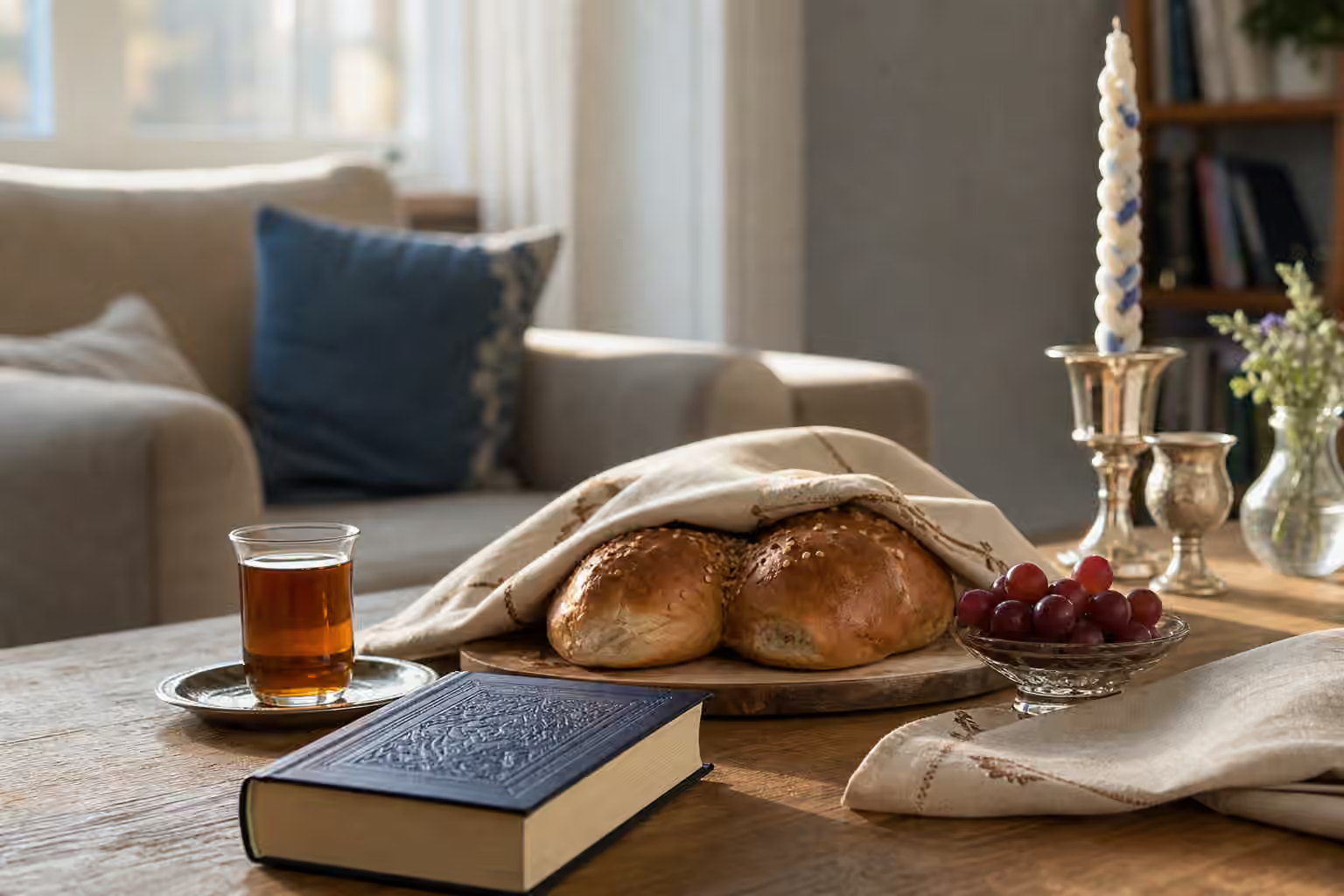
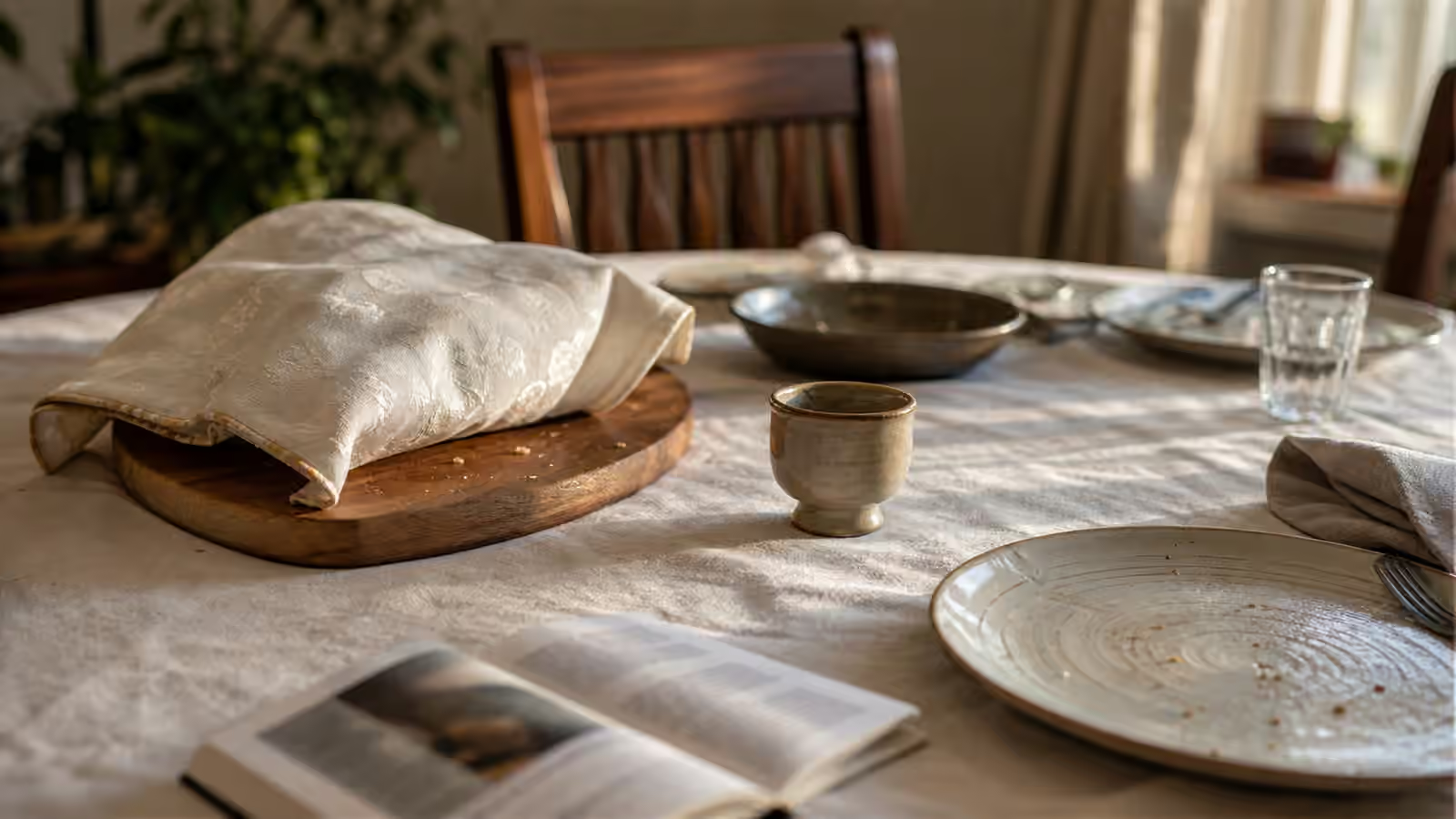
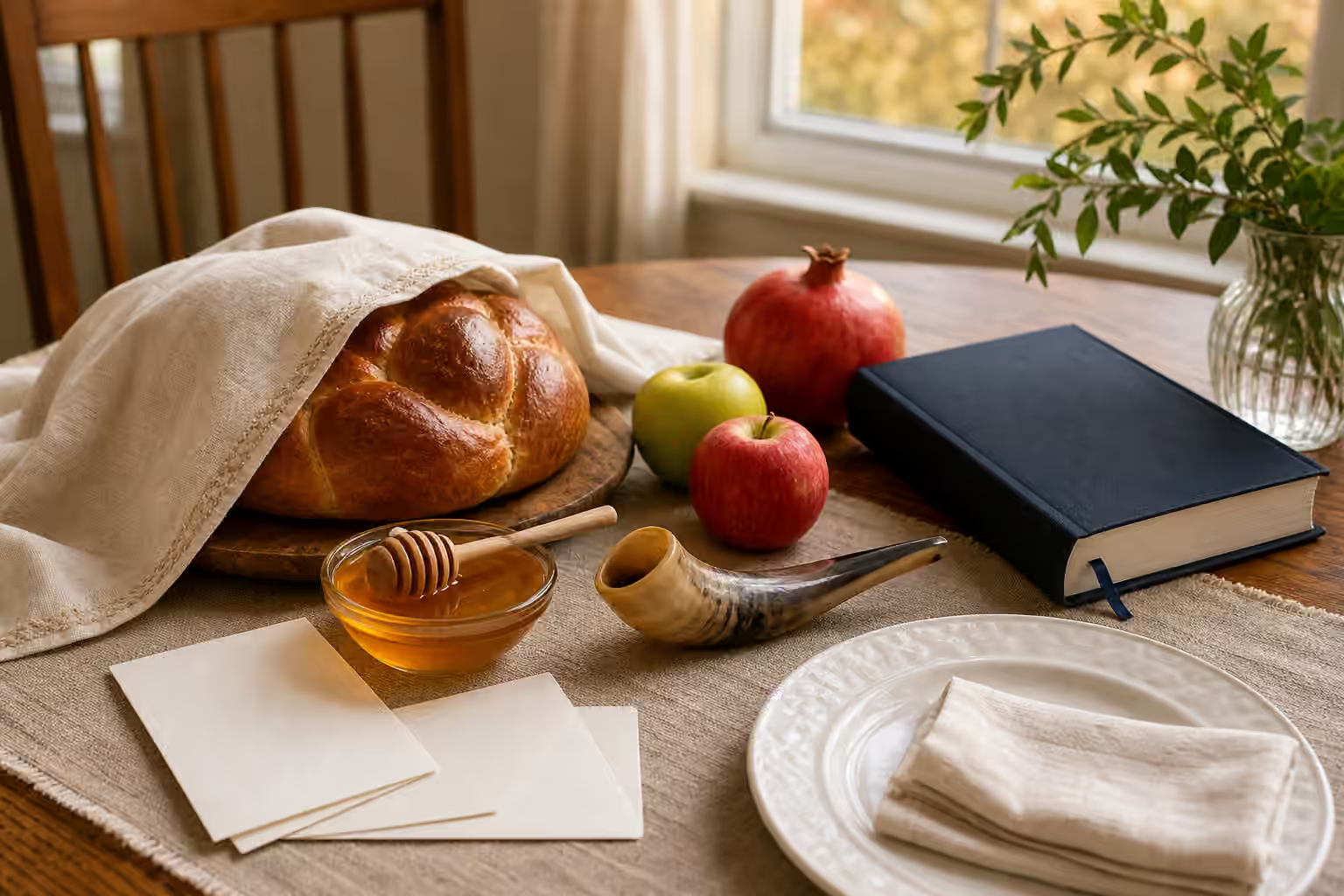
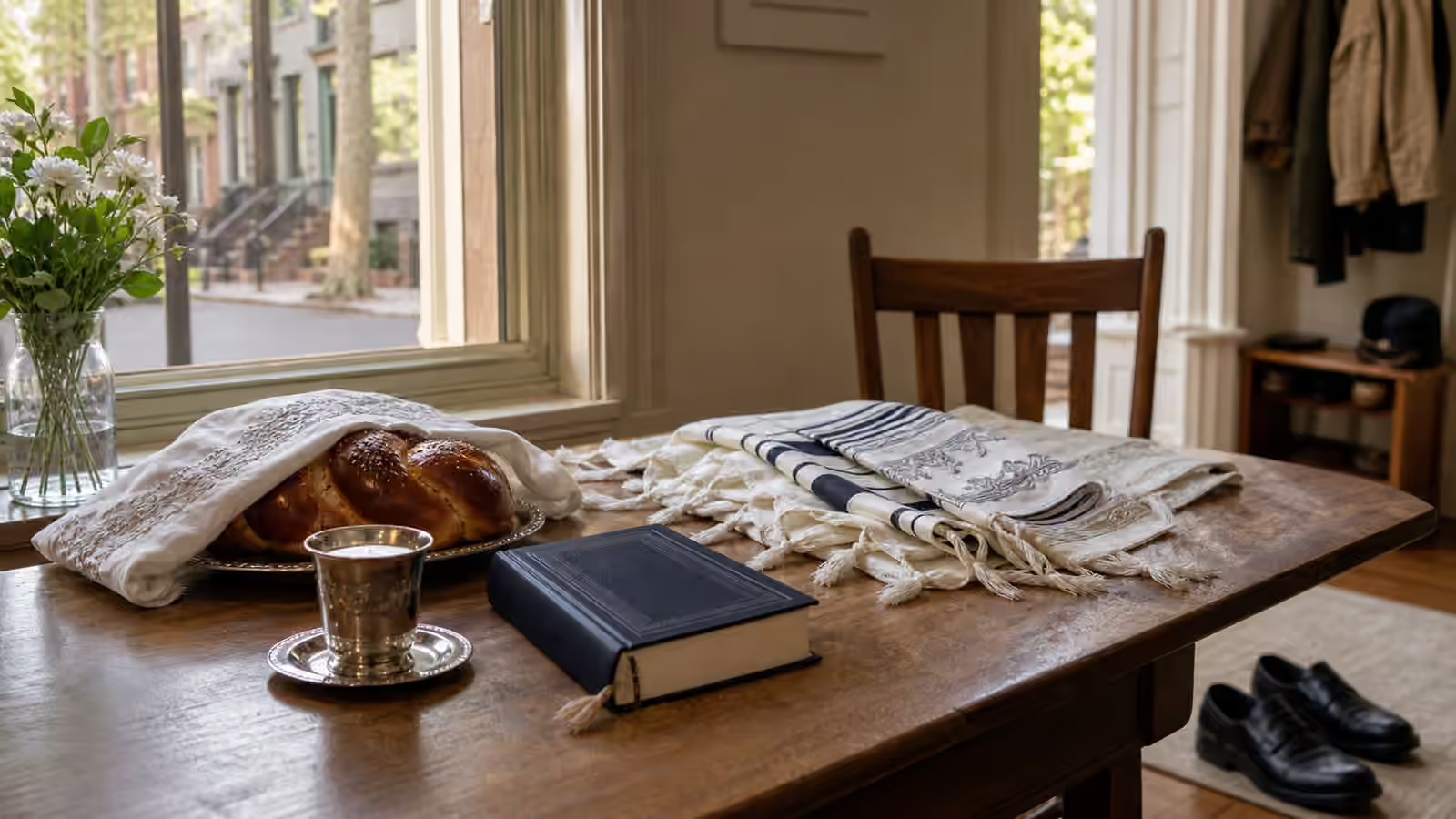
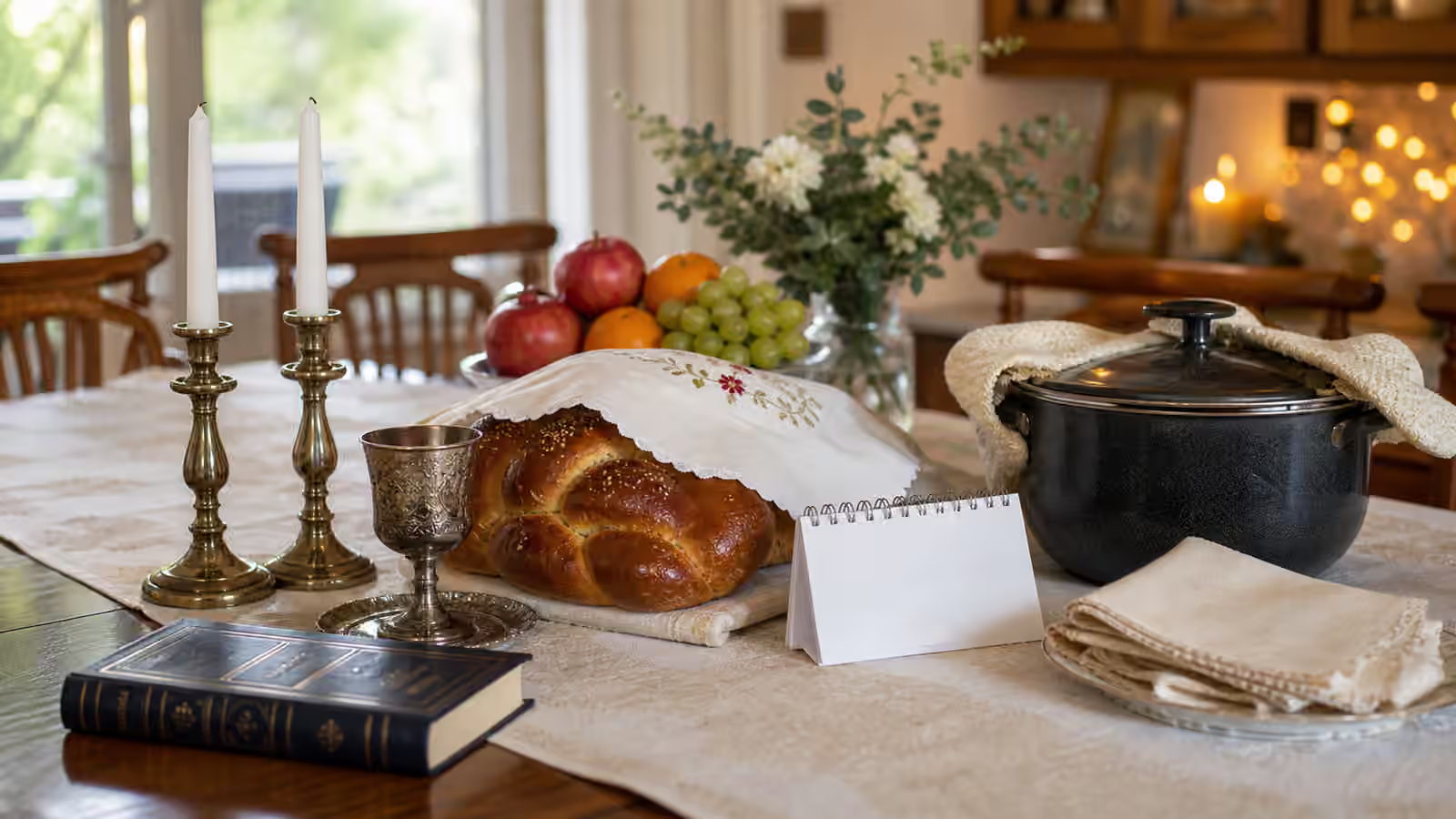
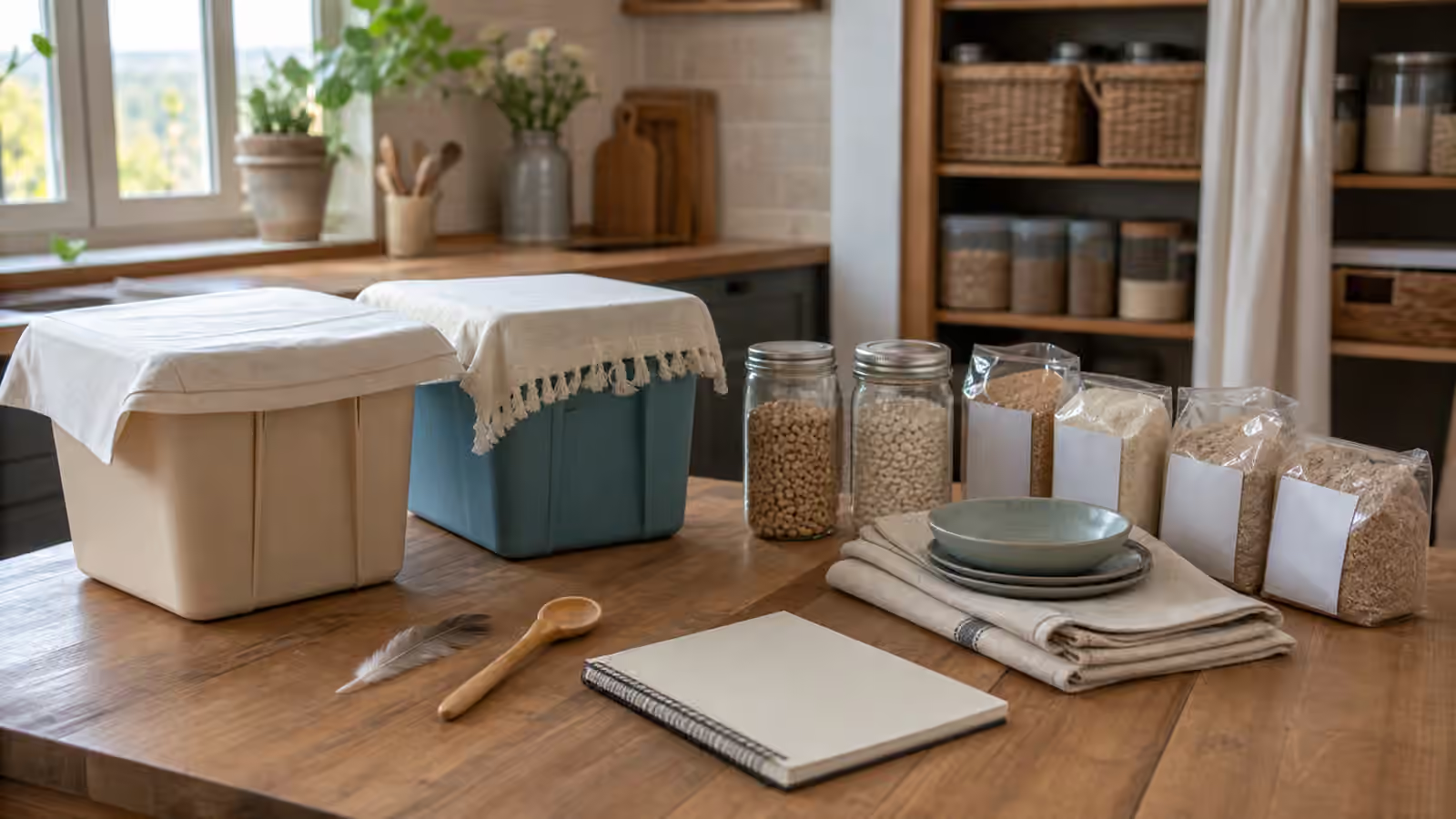
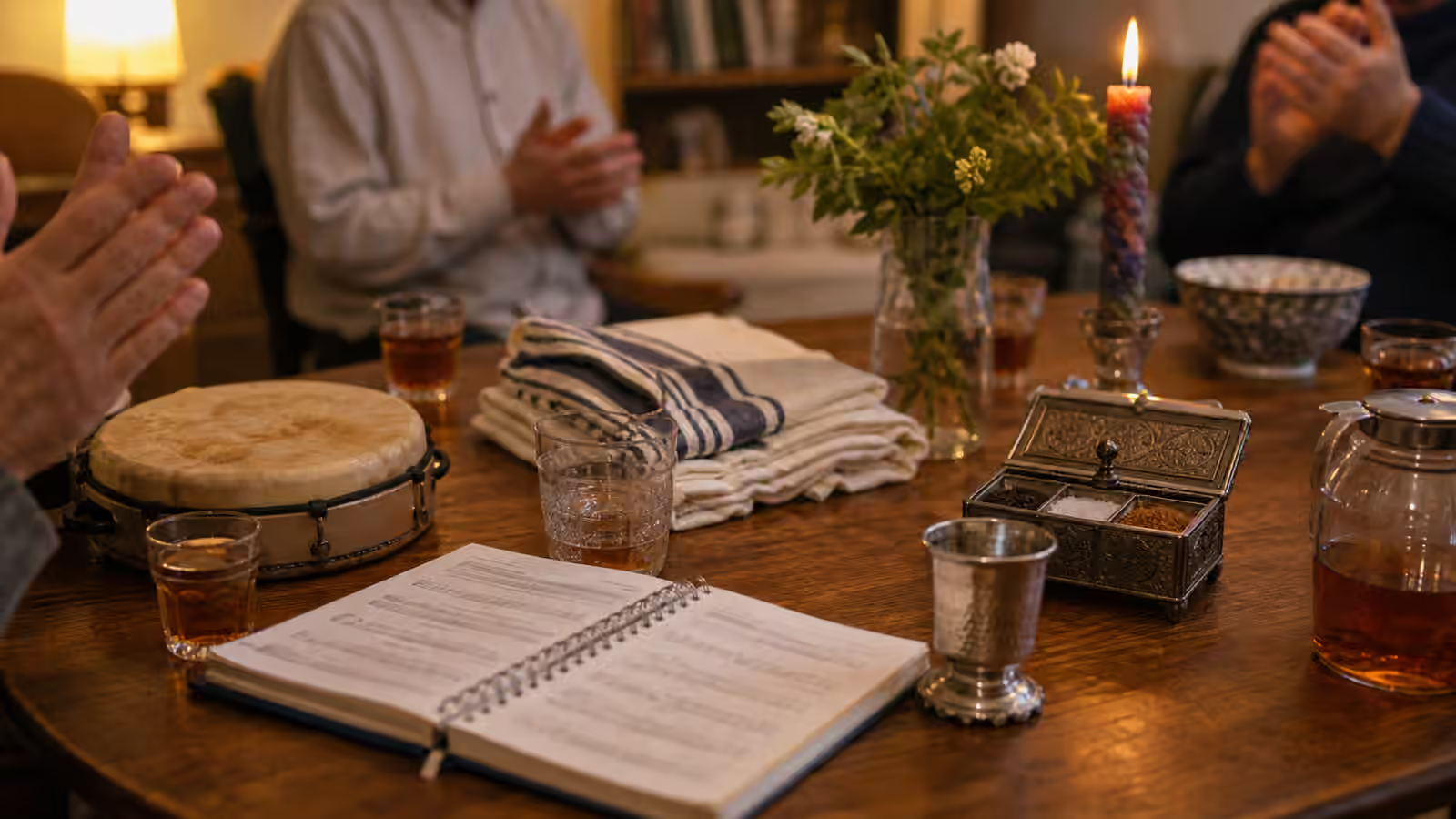
These guidebooks read like guided visits rather than checklists. Jewish life is full of details, but details make more sense after you have felt the room: the table before Shabbat, the calendar turning toward a holiday, the kitchen question that is really a community question, and the family story hidden in a name.

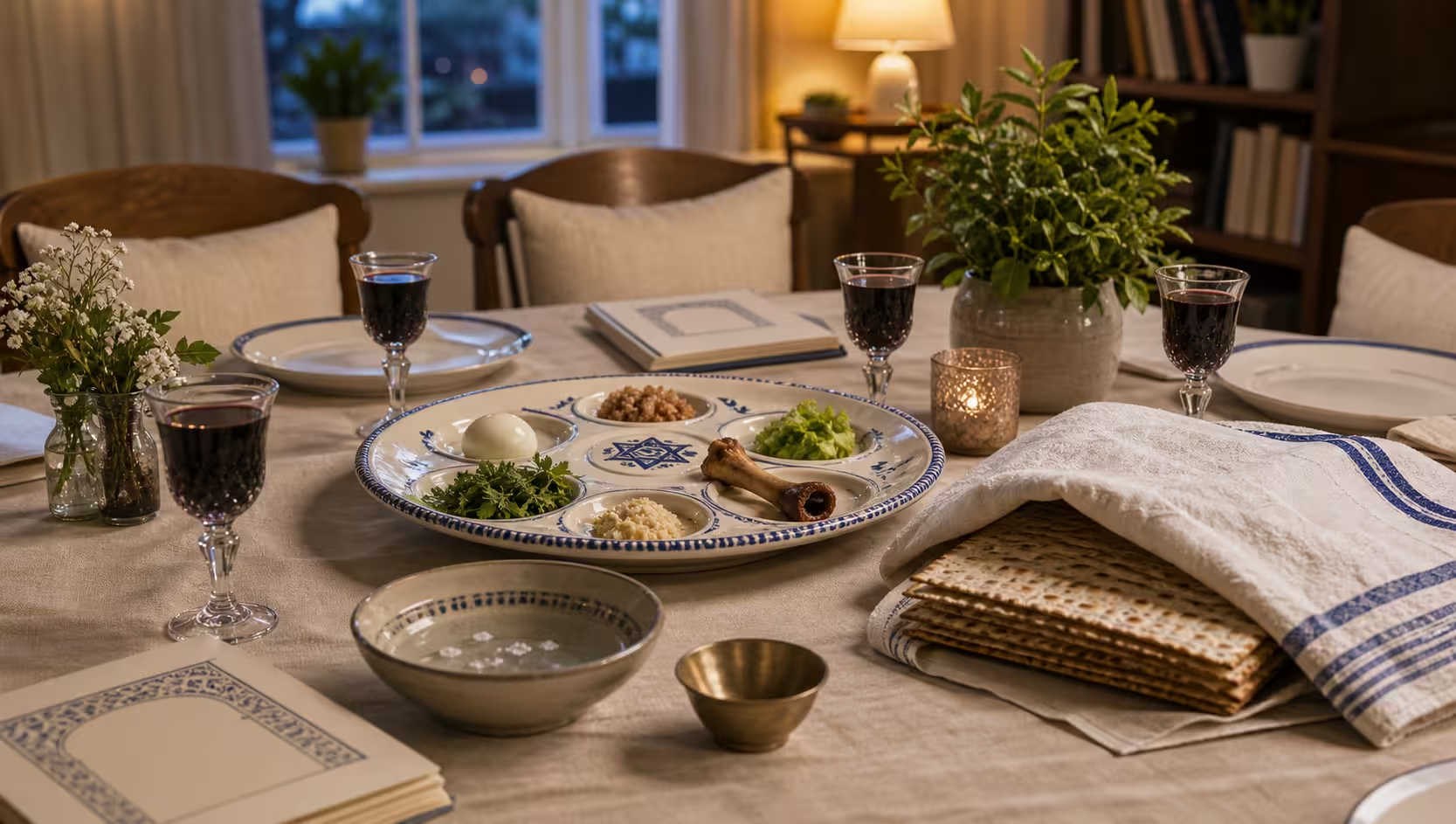
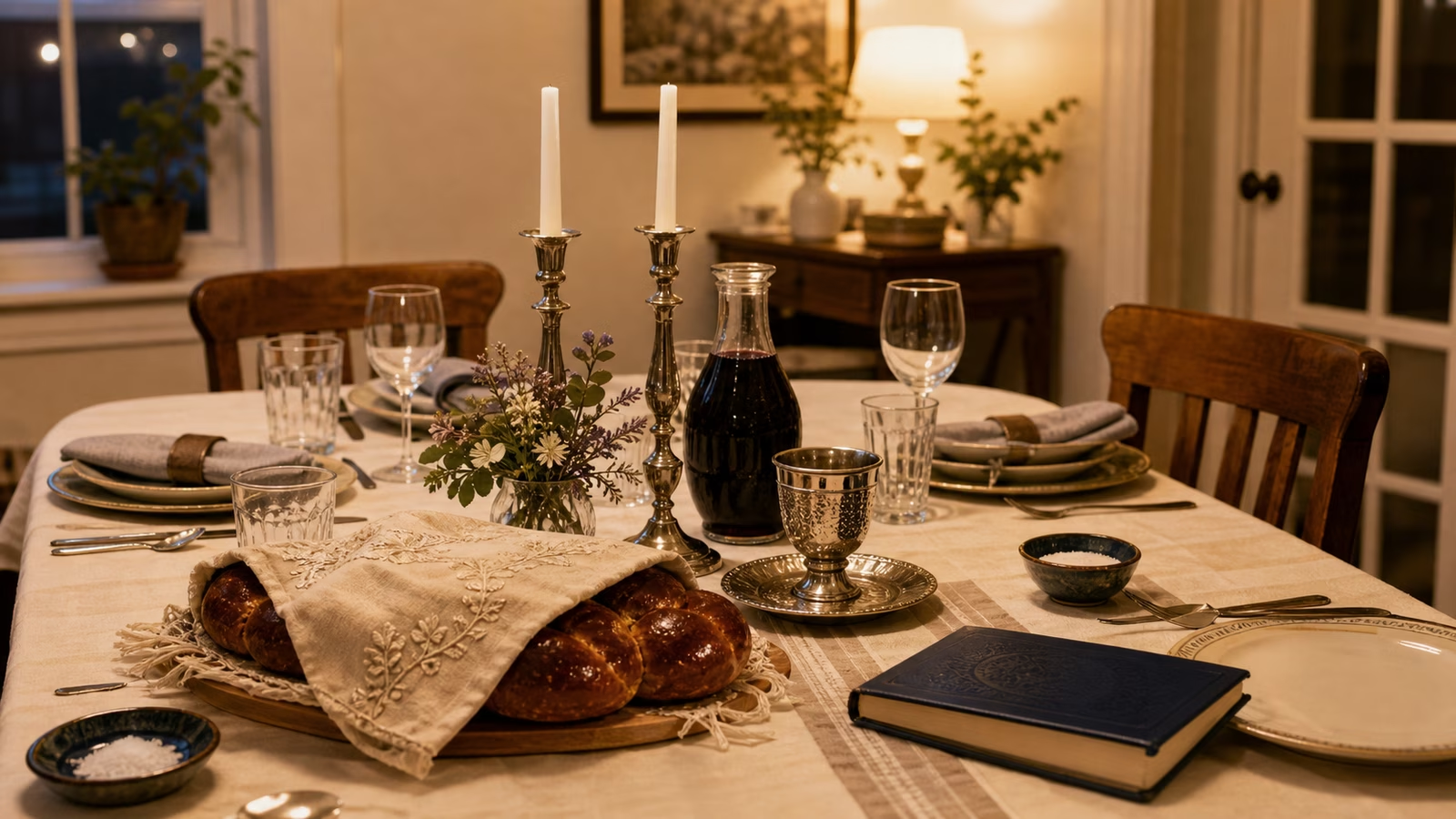
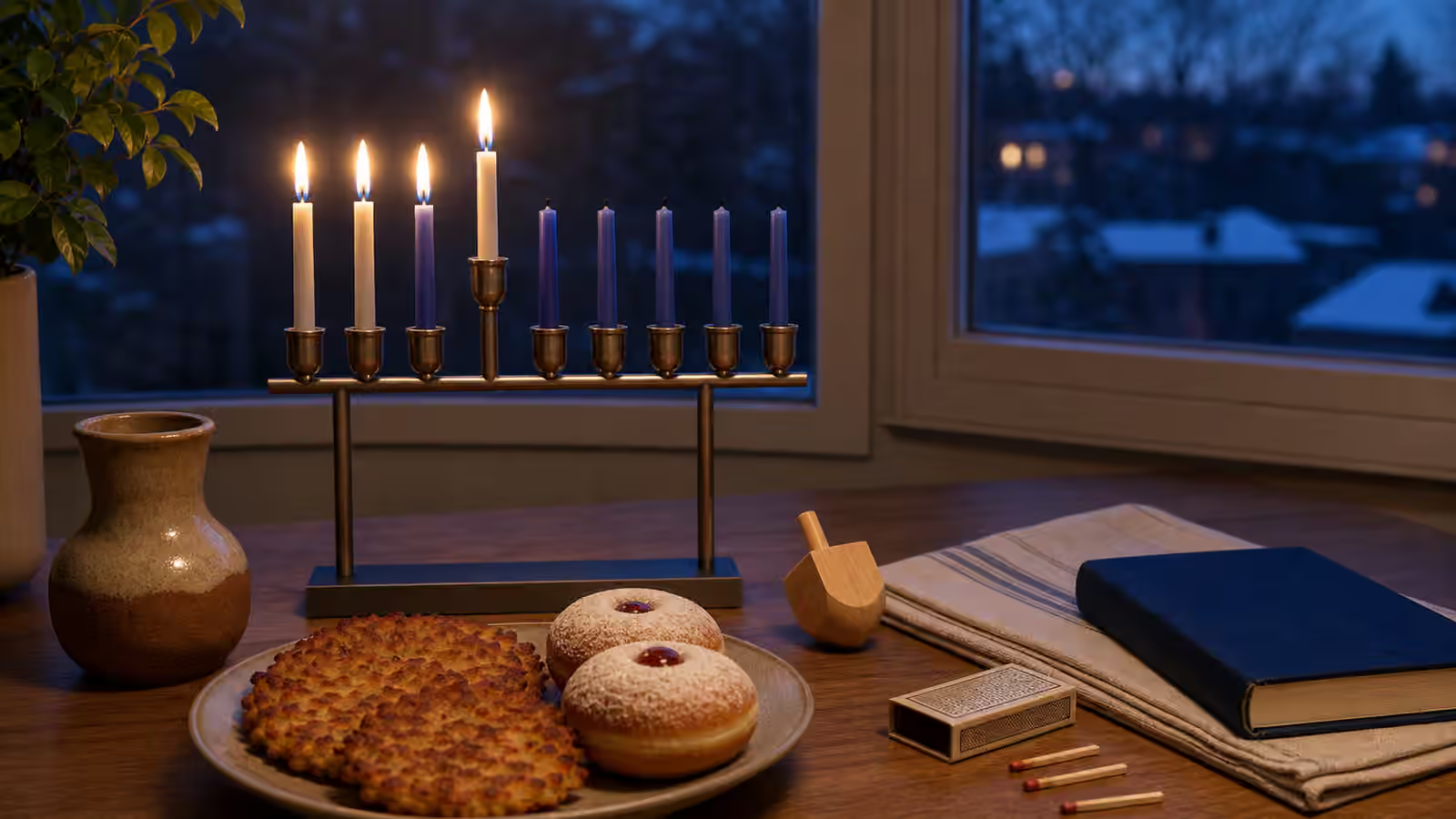
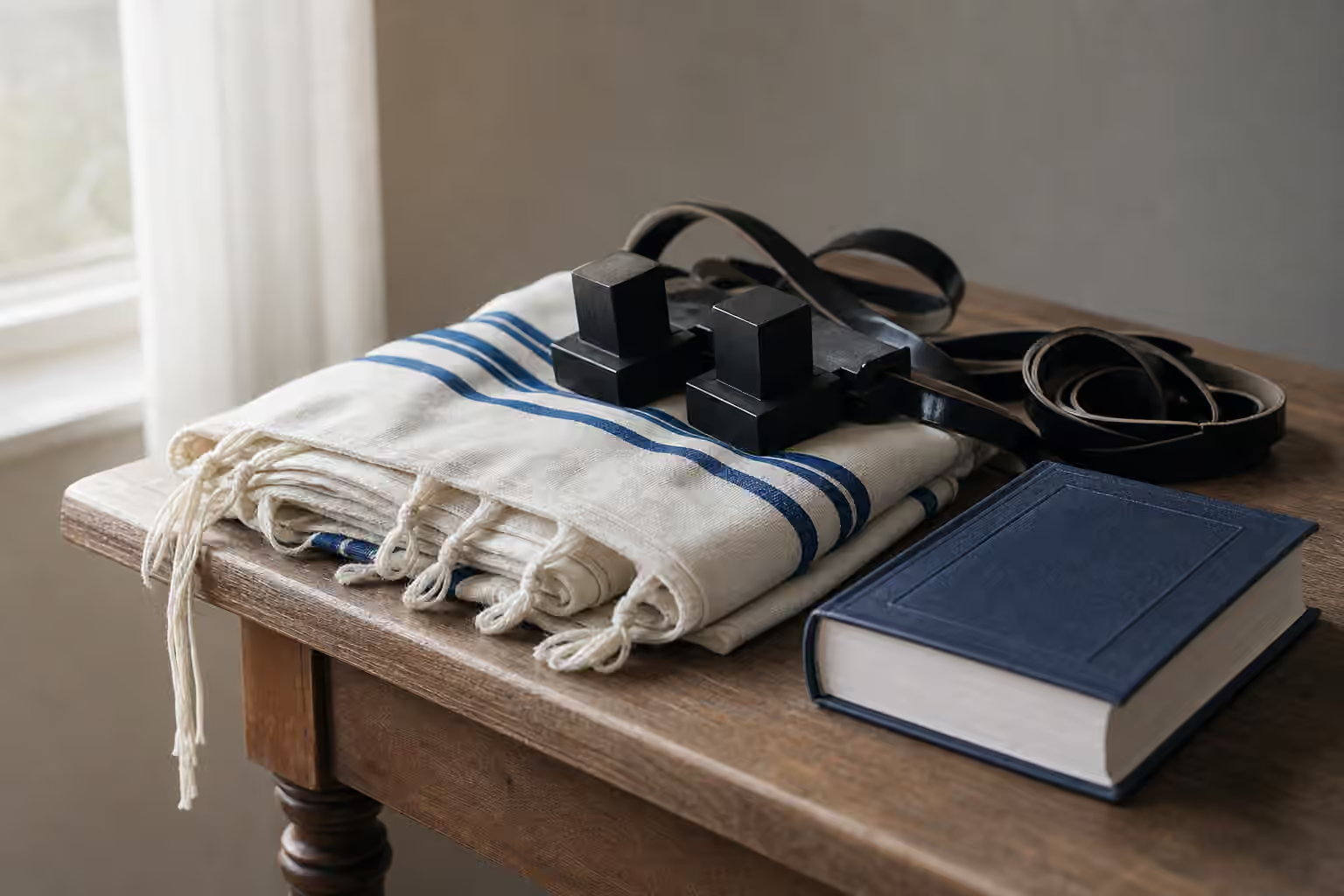
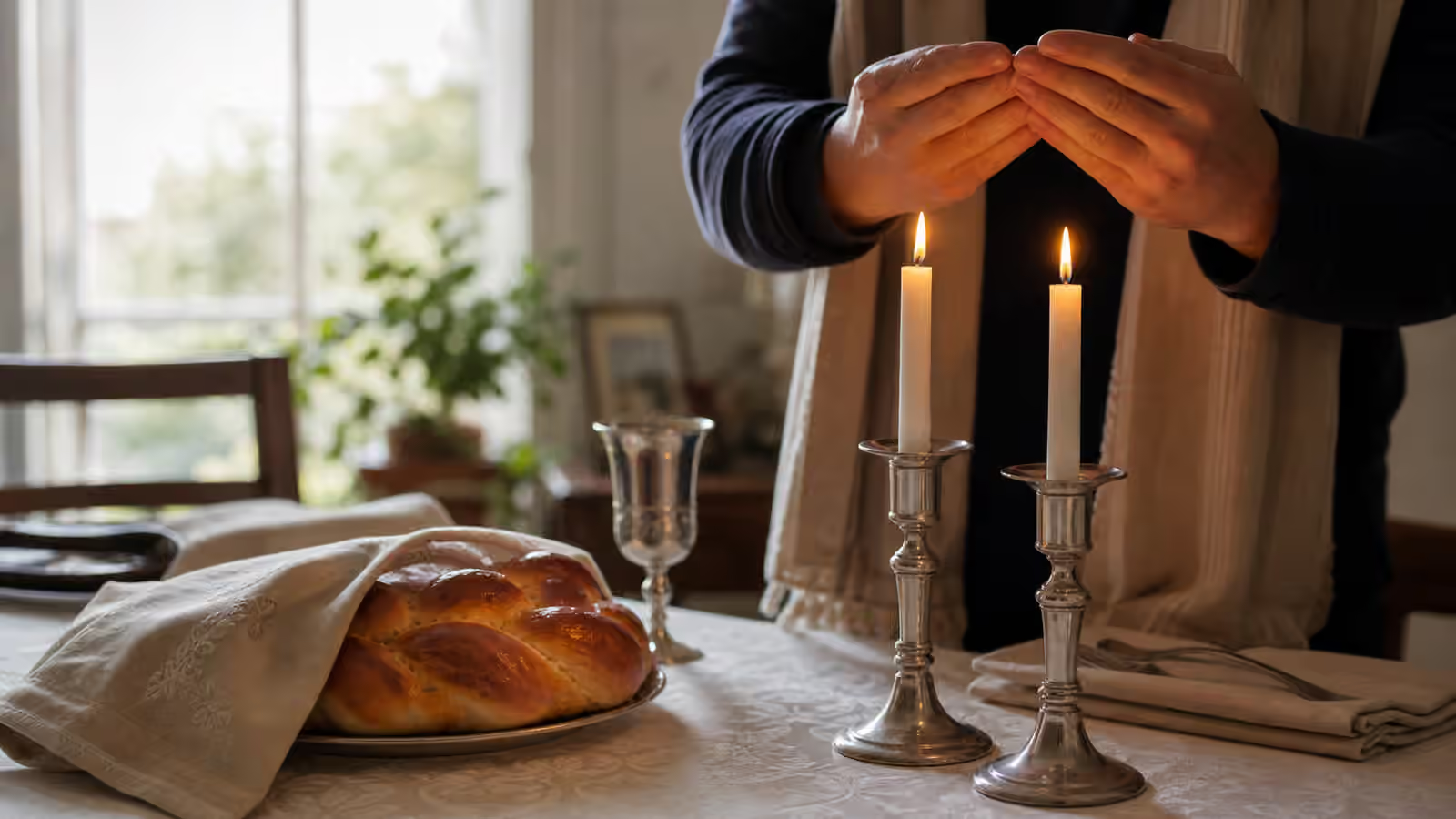
If you are new, start with Jewish Life Quickstart . If you have one Friday night in front of you, read Your First Shabbat Table , then Kiddush and Table Blessings for the cup, covered challah, handwashing, bread, and the way blessings give the meal a rhythm. After that, read Shabbat Hospitality for the practical and emotional work of being a thoughtful guest or host, and then Havdalah for Beginners for the Saturday night doorway back into the week. If the year feels confusing, read The Jewish Holiday Year and then Jewish Months and Rosh Chodesh so the moon, month names, leap years, and small calendar thresholds make the holidays feel less random. Then read The Passover Seder for Beginners . If food practice feels intimidating, read A Beginner Kosher Kitchen for kosher questions and Everyday Jewish Blessings for the pauses before and after ordinary eating. If home practice is the doorway, read Jewish Home Rituals for Beginners , Mezuzah and Doorways for Beginners , and Tzedakah and Giving for Beginners together, because home ritual also asks what responsibility leaves the house. If you are about to visit services, read Synagogue and Prayer for Beginners . If texts feel like a wall of unfamiliar books, read Jewish Texts and Learning for Beginners and Building a Jewish Home Library together, because a shelf becomes useful when it lowers the threshold for returning to prayer, holidays, study, and family memory. If family memory is the doorway, read Names, Lifecycle, and Family History and Jewish Genealogy First Weekend .
Use the Jewish Life Lookup whenever you want a fast reference while reading.