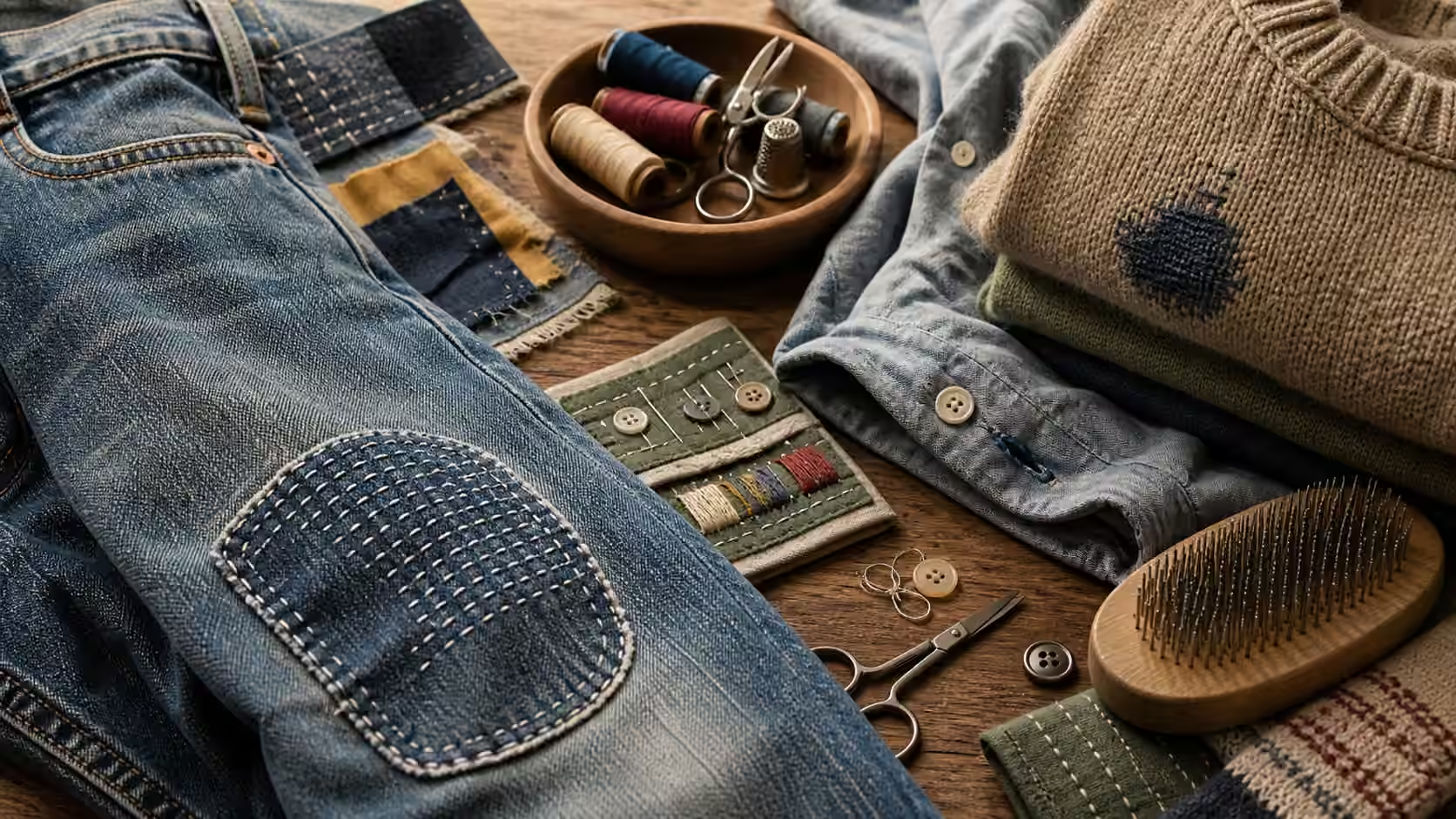
Jeans wear out in predictable places, and that predictability is the whole reason they are so repairable. Denim is a heavy, tightly woven cotton twill built to take abuse, but abuse concentrates: at the knees where you kneel and bend, along the inner thighs where the legs rub, at the pocket corners where keys and phones ride, and at the hem where the fabric drags the ground. Learn to read those four zones and you can catch most denim failures while they are still thinning rather than torn, which is the difference between a five-minute reinforcement and a repair that has to rebuild a hole. A good pair of jeans can carry years of visible, honest repair and look better for it.

Read the wear before you reach for a needle
There is a real difference between abrasion, stress, and a clean tear, and the repair depends on which you have. Abrasion is the pale, soft, thinning fabric you see at the inner thigh and the knee front; the weave is wearing away fiber by fiber, and by the time you notice a hole, the fabric all around it is already weak. Stress damage is a split that opens along a line of tension, often at the crotch seam or where a seam meets thin fabric, and it will keep tearing under the same load unless the load is spread. A clean tear from a snag is the easiest case, undamaged fabric on both sides of a cut. The practical lesson from all three is the same: the visible hole is smaller than the actual problem, because the fabric surrounding it is nearly always thinner than it looks. Feel the area with your fingers, hold it to the light, and map the soft zone, not just the opening.
Patch beyond the damage, and mind the stretch
The single most common denim repair mistake is patching only the edge of the hole. A patch anchored into already-thin fabric simply tears out again a centimeter over, because you have stitched strong thread into weak cloth. The fix is to extend the backing well past the visible damage into fabric that is still sound, so the repair is anchored in strength on every side. A backing patch of denim or similar-weight cotton, placed on the inside and secured before any decorative stitching goes on top, does most of the structural work; the visible stitching then reinforces and, if you like, decorates.
Two material choices matter more than they seem. First, thread must be strong; ordinary all-purpose thread is fine for a button but under-built for the tension a knee or crotch sees, and a heavier thread with a denim or jeans needle will outlast it by far. Second, the repair has to move the way the garment moves. Denim on a knee or inner thigh flexes constantly, so a stiff patch fabric or a dense, rigid block of stitching creates a hard spot that the surrounding soft denim flexes against, and the fabric fails right at that new edge. Choose a backing with some give, and keep stitching lines a touch open rather than packing them solid, so the repair bends with the leg instead of fighting it. This is exactly where the running stitches of basic hand-stitching and the layered reinforcement of visible mending earn their keep.
Pockets and hems: reinforce before they fail
Pocket corners and hems are the easy wins, and both reward acting early. Pocket-bag corners and the top edges of front pockets carry concentrated load from whatever you stuff in them, and a few rows of reinforcing stitches across a corner that is starting to gape will prevent the slow rip that otherwise swallows your keys. Hems drag and fray, and a hem that is starting to unravel is far simpler to turn and re-stitch than a hem that has worn through the fold entirely. If you love the original factory hem, with its particular puckered, faded look, preserve it, because once it is cut off it cannot be recreated; a good tailor can shorten jeans while keeping that original hem edge intact, which is a skill worth paying for on jeans you care about.
When to hand it to a tailor
Some denim work is genuinely beyond a home needle, and recognizing that is part of the craft rather than a concession. A full crotch blowout, where several seams meet and the fabric has gone thin across a wide area, is a rebuild that a sewing machine and an experienced hand do far better and faster than hand-stitching ever will. Original hem preservation, repairs that cross complicated felled seams, and any work on high-value or vintage denim you do not want to risk are all reasons to visit a tailor or a denim specialist. The trade-off is straightforward: home patching costs almost nothing but your time, while professional work costs more but brings a machine, matching thread, and the judgment to make the repair disappear or shine on purpose. For sorting which garment goes which way, the broader logic of choosing a repair path applies cleanly to clothing.
Keep jeans out of the repair queue longer
Most denim repair is really deferred laundry care, because how you wash and wear jeans decides how fast they thin. Washing inside out and less often protects both the color and the weave from abrasion in the machine, air drying spares the fabric the heat and tumbling that accelerate wear, and rotating between pairs rather than living in one lets the fibers rest and recover their shape between wears. The highest-leverage habit of all is reinforcing a zone the moment it starts to go pale and soft, rather than waiting for the hole, because a preemptive patch into still-sound fabric is quick and durable while a rescue patch into a blown-out knee never quite is. Note the repairs you make and how they held up; a line in a Save Log about which patch survived a year of wear teaches you more about your own jeans than any general rule, and the same wash-smart discipline shows up again in avoiding the laundry mistakes that quietly destroy clothes.