Most clothes do not die on a dramatic day. They die a little every wash, and the damage is easy to miss because it is spread thin across months. A shirt does not shrink so much as loosen its color and pill at the cuffs until one morning it simply looks tired. The good news is that laundry is almost pure prevention: the habits that wreck clothes are the same ones you can drop this week, and unlike stitching or patching, nothing here requires a needle. This guide is about the quiet, cumulative mistakes, and how to run a wash that leaves clothes in the rotation for years instead of seasons.
Heat is the loudest culprit
If you change one thing, change your relationship with heat. Hot water and a hot dryer are what actually shrink cotton, warp knits, and cook the elastic out of waistbands, socks, and bra bands. Elastane and rubber elastic degrade fastest under high, repeated heat; the fibers lose their spring and the garment goes slack in a way no wash can restore. Hot drying also welds stains permanently and accelerates the fading of dark and printed fabrics. Cool or cold water cleans ordinary everyday soil perfectly well with modern detergent, and low heat or air drying costs you nothing but a little time on a rack. The clothes you most want to keep, favorite jeans, good knits, anything with stretch or a print, are exactly the ones that should never see the hottest setting.
Sorting is care, not just color
The color-safe habit most people learn, lights with lights and darks with darks, is only half the sorting that matters. The more important split is by how a fabric behaves in a tumbling drum. Towels and fleece shed lint that clings to everything smoother; zippers, hooks, and stiff denim act like sandpaper against soft knits and delicate weaves. Sort so that abrasive, hardware-heavy items ride together and lint-shedders ride together, and your softer clothes stop coming out fuzzed and pilled. Turn abrasion-prone garments inside out, zip every zipper, and close every hook and bra clasp before it goes in, so the metal is not free to snag its neighbors for an entire cycle. A few mesh bags for delicates, small items, and anything with straps do more to preserve clothes than any premium detergent.
Detergent, residue, and the overload trap
More soap does not mean cleaner clothes. Excess detergent does not fully rinse, and the leftover residue stiffens fabric, dulls color, traps odor in synthetics, and can even feed the mildew smell people then try to wash out with still more detergent. Use the smaller dose the label suggests, and less again in soft-water areas. The overload trap works the same way: a drum packed tight cannot let clothes move, so they neither clean nor rinse properly, and they abrade against each other under pressure the whole time. Clothes need room to tumble. A load that looks a little under-full is usually the right load.
Stains and odor set before you notice
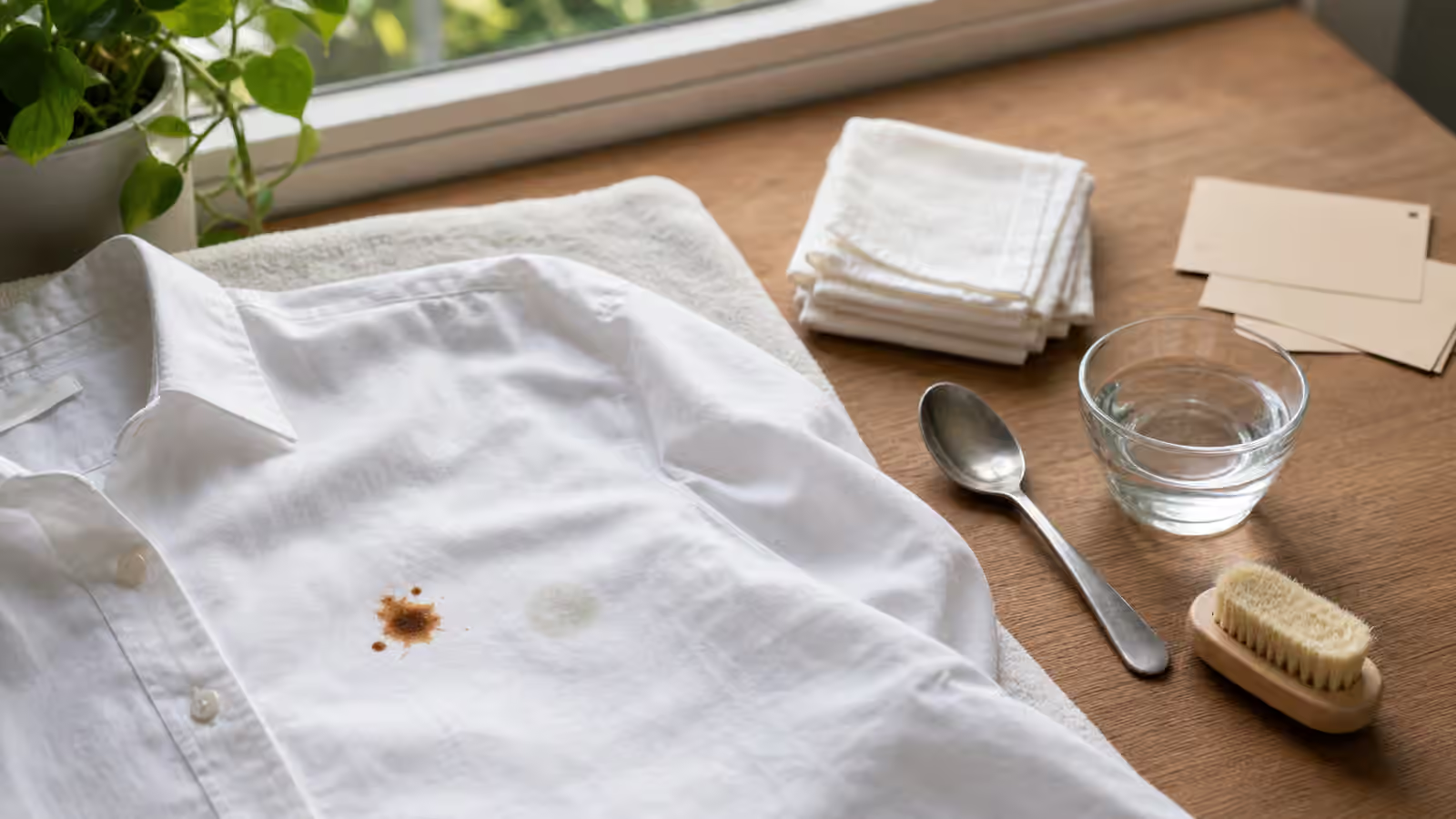
The most avoidable damage is a stain you dried into permanence. Treat spills before they meet heat, because a stain that has been through a hot dryer is often set for good. Blot, rinse in cool water, and give it a gentle pre-treat while it is fresh rather than tossing a stained shirt in the hamper to deal with next week. Persistent odor in workout synthetics is usually not a washing failure but a residue and drying failure: bacteria and oils lodge in fabric that never fully rinsed or never fully dried. The fix is a proper rinse, sometimes a soak, and complete drying, not a hotter, harsher cycle that degrades the fabric while barely touching the smell. When you are unsure how to approach a specific mark, it is worth pausing for real stain triage before washing rather than guessing.
What quietly makes things worse
Almost every laundry mistake is a small convenience that hides a cost. High heat as the default is fast but shortens the life of nearly everything. Overloading gets the pile done in fewer loads but leaves clothes grubby and abraded. Drying elastic and stretch fabrics hot to save a rack saves an hour and cost you the waistband. Leaving hardware open and delicates loose in the drum lets one rough garment snag a dozen soft ones. None of these ruin a garment in a single wash, which is exactly why they persist; the damage arrives slowly enough to blame on the clothing itself.
When to hand it to a professional
Some garments are worth taking out of the home-laundry cycle entirely. Structured tailoring, garments labeled dry clean only that you are not ready to risk, unfamiliar or precious fabrics, and set-in stains on something valuable are all fair reasons to use a cleaner rather than experiment. Choosing professional care is not a failure of the keeper mindset; it is matching the method to the object, and a good cleaner will often save a piece that a hopeful home attempt would finish off.
Build a rhythm by fabric, and write down what fails
The durable version of good laundry is a rhythm rather than a rulebook. Everyday basics on a cool normal cycle, delicates and knits on gentle in mesh bags, anything heat-sensitive or stretchy air-dried on a rack. Keep the machine itself honest too: wipe the gasket and door seal, clean the lint filter every load, and leave the door ajar between washes so the drum dries and does not breed the smell you will later fight. The most useful long-term habit is to notice which garments keep failing and how. If the same category, cheap socks, printed tees, one brand of leggings, always slackens or pills first, that is buying information as much as washing information. A short Save Log line, the item, what went wrong, and whether you would buy it again, slowly turns your laundry room into a guide for your next purchases. For the repairs that damage does eventually require, the calm next steps live in pilling, snags, holes, and fraying , basic hand-stitching , and sweater care .